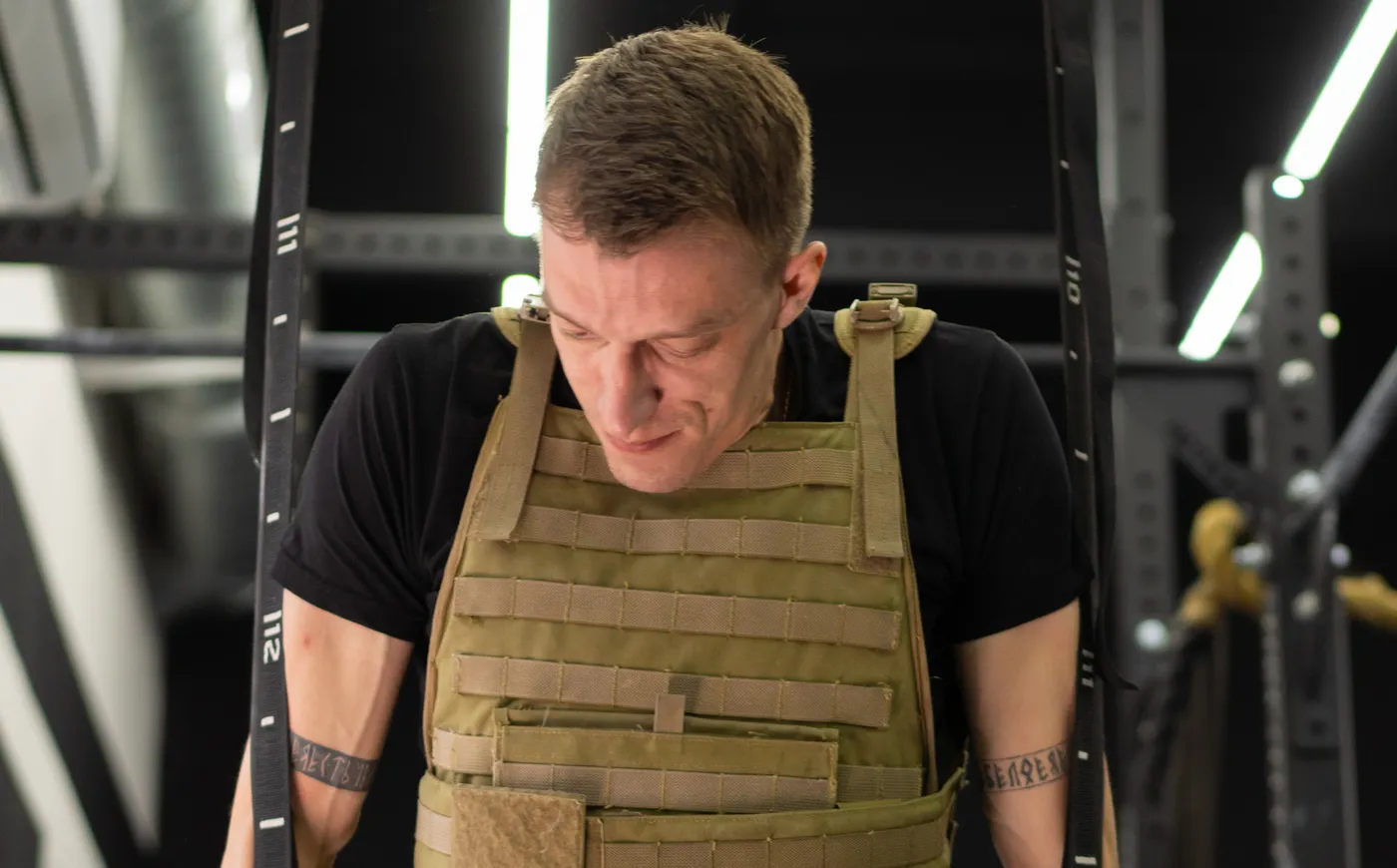
Does putting on a weighted vest make an ordinary walk a more effective workout? A controlled 2026 treadmill experiment found that carrying an extra load raised oxygen consumption, heart rate and measured energy expenditure. But the result does not mean a vest automatically produces dramatic fat loss, stronger bones or better fitness than walking faster. The useful question is how much extra challenge the load adds, whether that challenge is worth the joint and comfort trade-offs, and how to progress without turning every walk into a grind.
What the 2026 weighted-vest walking experiment actually tested
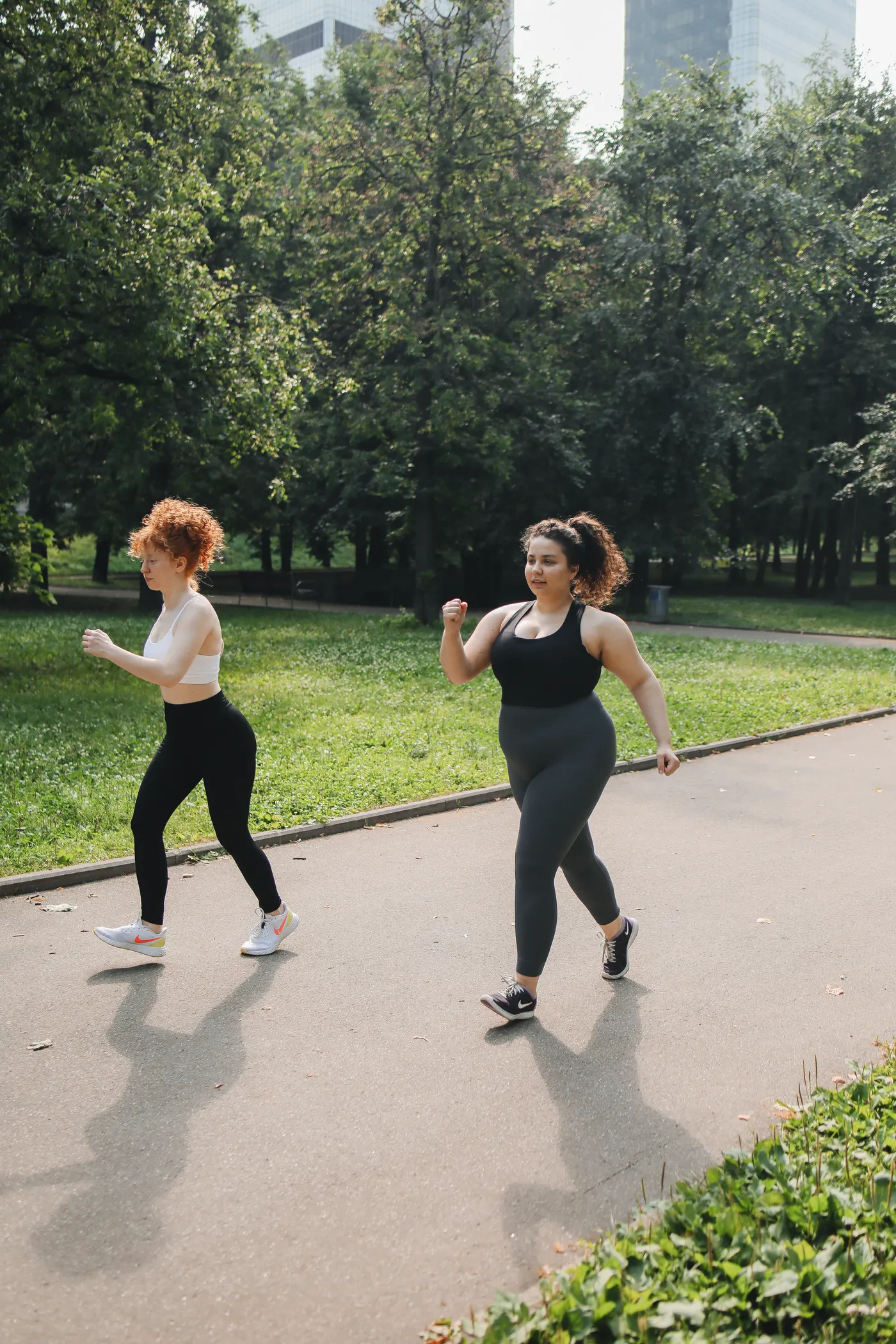
The experiment recruited thirteen sedentary adults with overweight or mild obesity, including eleven men and two women. Their average age was about twenty-nine, and their average body mass index was close to thirty. Participants walked on a treadmill both without added weight and while wearing a vest equal to ten percent of body mass. Walking speeds ranged from 4.0 to 5.5 kilometers per hour, with incremental and steady-state conditions.
Instead of guessing calorie expenditure from steps, investigators measured respiratory gases and compared those measurements with estimates from a device combining movement and heart-rate signals. Wearing the vest increased oxygen consumption, ventilation, heart rate and energy expenditure across the tested conditions. The study therefore supports a straightforward conclusion: moving the same body along the treadmill while carrying extra mass generally required more metabolic work.
The distinction between measurement and outcome matters. This was an acute laboratory comparison, not a six-month weight-loss intervention. It did not establish how much fat participants would lose, whether their bones would become denser, or whether their walking performance would improve after weeks of training. Thirteen people also cannot represent every age, body size, fitness level or medical condition.
Another important result concerned measurement accuracy. A combined heart-rate and motion model detected the extra demand reasonably well at group level, but individual agreement with laboratory calorimetry was too variable to treat the two methods as interchangeable. A fitness watch can show useful trends without giving a precise calorie bill for each loaded walk.
Why a vest raises effort without magically multiplying calories
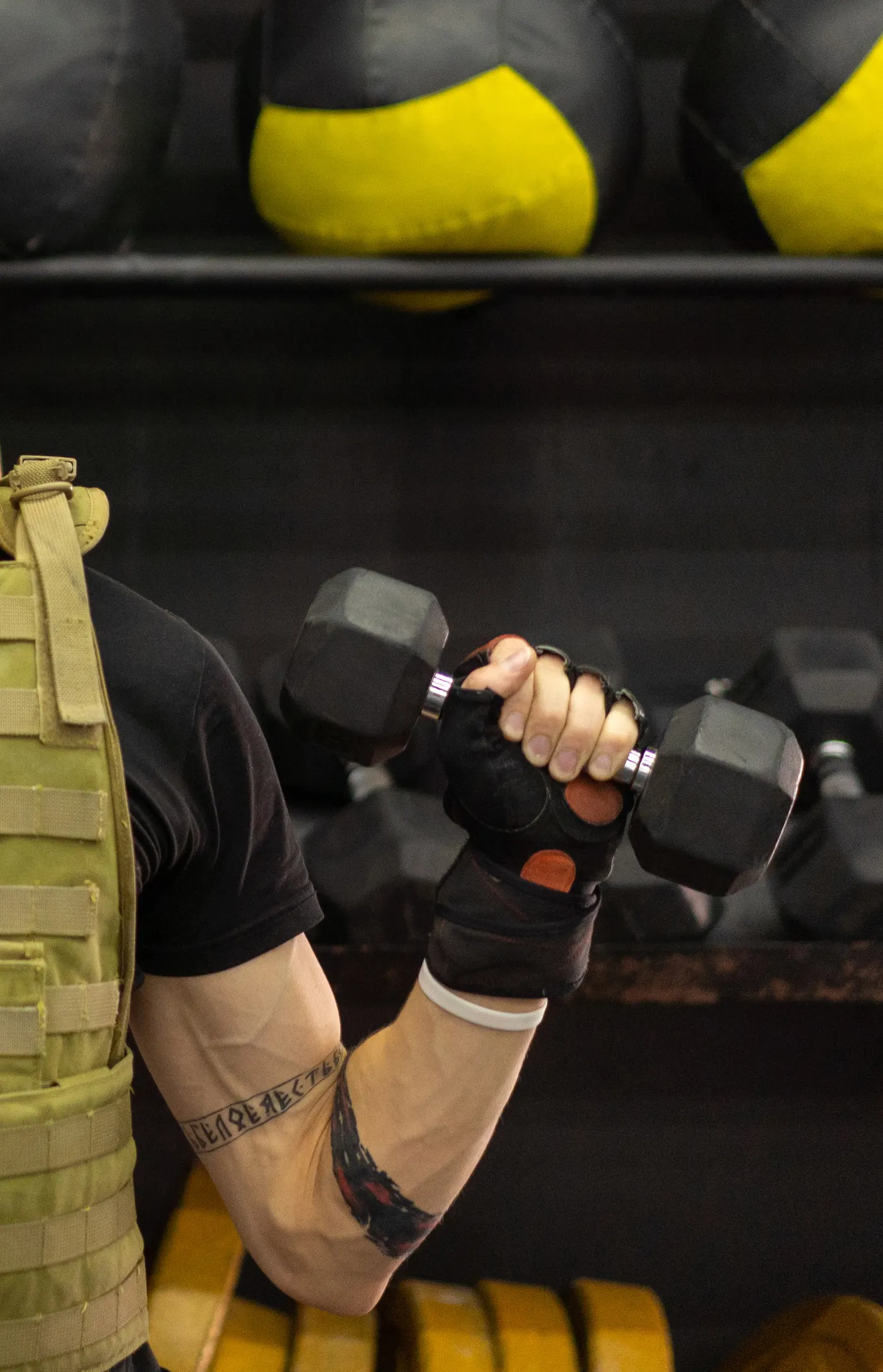
Walking requires muscles to support, stabilize and move body mass repeatedly. A weighted vest increases the mass the legs and trunk must manage on each step. The additional work can show up as faster breathing, a higher pulse and greater oxygen consumption, especially when pace and terrain stay unchanged. But a vest is not a metabolic switch that makes an easy stroll equivalent to a hard run.
For perspective, a separate small 2026 treadmill comparison tested nine adults walking at approximately 5.2 kilometers per hour with and without a 10-pound, or 4.55-kilogram, vest. Average energy expenditure rose from roughly 5.33 to 5.58 kilocalories per minute. That was a statistically detectable increase of about 4.9 percent, but only around fifteen extra kilocalories over an hour at that specific speed and load. It was a conference abstract, so the result deserves more caution than a large, fully reported trial.
Those figures are not universal. The load as a percentage of body weight, gradient, walking speed, stride, terrain and personal fitness all influence the demand. An older laboratory experiment using heavier CrossFit-style vests found clearer physiological changes during inclined walking and running, while effects on level walking were less consistent.
If the goal is cardiovascular conditioning, use perceived exertion and a repeatable walking route to judge progress. If the goal is weight management, remember that the extra calories from a light vest may be modest relative to daily intake and overall activity. The most effective option is the one you can repeat without persistent discomfort.

Equipment Worth Exploring
Explore equipment, accessories and gear from our carefully selected range.


Apple Watch Ultra 3
Rugged 49 mm smartwatch with cellular connectivity, GPS and fitness tracking.

VOLTRA
Compact digital cable trainer with smooth, adjustable resistance.

Go-Tone Pro
Portable digital cable trainer with up to 66 lb (30 kg) of adjustable resistance.

Squat Harness
Wearable harness for hands-free cable squats, sled work, and lower-body training.


Calorie trackers, step counts and the difference between effort and fat loss
A step counter mainly records movement. It may register a loaded walk as nearly identical to an unloaded walk because your step count and pace have not changed. A heart-rate sensor may detect the extra strain, but heart rate also responds to heat, sleep, caffeine, hydration and stress. Even algorithms combining motion and pulse are estimates, not direct measurements of your daily energy balance.
Consider two thirty-minute walks on the same flat route. One uses no vest and the other uses a modest load. The loaded version may feel noticeably harder while producing only a small difference in total energy expenditure. That can still be useful: a person who has limited time or cannot increase speed might welcome a little extra challenge. But it does not justify eating back a precise number of supposed bonus calories shown by a wearable.
For body composition, separate the variables. Energy expenditure is the amount used during activity; fat loss depends on the sustained balance between energy intake and expenditure across days and weeks. Some people compensate for harder exercise by moving less afterward or becoming hungrier. Neither response is guaranteed, but both make simple calorie arithmetic less predictive than it appears.
Track progress with a combination of consistent walking time, perceived effort, route pace, weekly activity and, if relevant, longer-term weight trends. Compare like with like: same route, similar weather, similar load. Treat heart-rate data as context rather than a verdict. A faster unweighted walk may be a more convenient progression than adding a vest, especially when comfort or joint tolerance is already limiting.

Cardio Shirts & Workout Gear
Cardio and conditioning gym gear for runners, endurance athletes and anyone who earns the sweat.

Anti Walking Walking Club Shirt Gymbro Meme Lifting T-Shirt
Bring “Anti Walking Walking Club” humor to your next gym day.

Hybrid Athlete – HYROX Training Crewneck for Strength & T-Shirt
Show some gym-day personality with “Hybrid Athlete”.

Cardio Heartbeat Hoodie
Show off your cardio humor in a laid-back “Cardio Heartbeat” hoodie.

Running Dost Thou Even Trot Medieval Treadmill Crewneck T-Shirt
Show some gym-day personality with “Running”.

Rowing – Dost Thou Even Row Medieval Knight Crewneck fo T-Shirt
Show some gym-day personality with “Rowing”.

Cardio Is Hardio – Workout Meme Pullover Jumper T-Shirt
For laid-back days and cardio humor: “Cardio Is Hardio”.

Exercise I Thought You Said Extra Fries Retro Fitness M Tank Top
Bring “Exercise I Thought You Said Extra Fries” humor to your next lifting session.

Hero Jump Rope Cardio Speed Flash Inspired Gym Pullover Hoodie
Keep it laid-back with a little “Gym Hero Jump Rope Cardio Speed” attitude.

Negative Cardio Review 1 Star Sweater Cardio Sucks T-Shirt
Show some gym-day personality with “Negative Cardio Review”.

Anti Running Club Tee
Heavy lifts, good laughs, and a little “Anti Running Running Club” energy.
Weighted vest versus rucksack: where the load sits matters

A vest and a backpack can both add external load, but they distribute it differently. A close-fitting vest typically places weight around the torso, while a backpack concentrates more of the mass behind the body unless it has a supportive hip belt and carefully arranged contents. That difference can affect posture, shoulder pressure, heat buildup and how natural your stride feels.
Rucking with a backpack can be practical if you already own suitable equipment, but a loosely packed bag that bounces or pulls backward is not the same as a stable purpose-built vest. Whichever you use, start with a load that allows normal walking mechanics. Keep your head level, breathe comfortably and let the arms swing. Avoid deliberately leaning far forward or shortening the stride just to manage an unnecessarily heavy pack.
Fit is more important than marketing labels. A vest should stay close to the torso without restricting breathing, chafing the neck or shifting on each step. Load should be secure and evenly distributed. With a backpack, adjust the shoulder straps and any available waist support so the load does not swing. Shoes should match the terrain; adding weight to a slippery, uneven route introduces a different risk from walking on a smooth treadmill.
Neither tool needs to be used on every walk. You can reserve loaded sessions for predictable surfaces and keep other walks unloaded for recovery, enjoyment and total movement volume. If you already find brisk walking challenging, simply increasing duration or adding a gentle incline may provide plenty of training stimulus without buying anything.
What weighted walking can and cannot do for muscle and bone

Carrying weight increases the external demand on the legs and trunk, but this does not make walking a complete replacement for progressive resistance training. The loading pattern is repetitive and relatively light compared with challenging squats, hinges, presses and pulls. It may contribute to general activity and work capacity while leaving important strength and muscle-building needs unmet.
A 2026 synthesis covering nine randomized trials and 368 participants examined weighted-vest interventions in middle-aged and older adults. Vest-plus-exercise programs performed better than usual activity on several bone-density and body-fat outcomes. Yet adding a vest to an exercise program did not demonstrate a clear additional bone-density advantage over exercise alone in the limited direct comparison. The evidence therefore supports cautious interest, not a promise that the vest itself prevents osteoporosis.
Results from other interventions also depend heavily on the participants and program. In older adults, adding external load to walking or dance can change the physical challenge, but outcomes such as balance, functional mobility, lean mass and bone health require longer-term testing. A single acute oxygen-consumption study cannot answer those questions. For someone with osteoporosis, a recent fracture or substantial balance impairment, load selection should be individualized with a qualified clinician rather than copied from a fitness challenge.
For lifters, the sensible combination is simple: use walking to accumulate aerobic activity, use progressive strength work to train muscle and force production, and use a vest only when it adds a tolerable, measurable benefit. A weighted walk is an optional training tool, not a shortcut around the fundamentals.
Equipment Worth Exploring
Explore equipment, accessories and gear from our carefully selected range.


GymPin Squat Wedges
Non-slip 15-degree squat wedges help elevate the heels for deeper quad-focused squats.


FID Bench MAX
Adjustable bench offering flat, incline, and decline positions + adjustable headrest.

Power Tower
Freestanding pull-up and dip station with adjustable handles for bodyweight training.

A six-week progression for walking with added load
The goal of this plan is to build tolerance gradually, not to reach the heaviest possible vest. Begin with two or three walking sessions each week and leave at least one easier or unloaded day between the loaded sessions. If you are new to regular walking, first establish a comfortable unweighted routine. If you already walk briskly without pain, begin with a small load, potentially around three to five percent of body mass, rather than jumping immediately to the ten-percent load used in a laboratory experiment.
| Weeks | Loaded walking | Progression focus |
|---|---|---|
| 1–2 | 2 sessions, 15–20 minutes | Easy pace; confirm vest fit and natural stride |
| 3–4 | 2–3 sessions, 20–30 minutes | Add minutes before load if recovery is good |
| 5–6 | 2–3 sessions, 25–35 minutes | Optionally add a small load increment or gentle incline, not both together |
Keep the effort around a conversational moderate intensity for most sessions. You should be able to speak in full sentences, with breathing somewhat elevated but controlled. If the vest causes persistent knee, hip, foot or back pain, remove it and return to unloaded walking. Do not push through sharp pain in pursuit of a numerical target.
On two separate days, keep a short full-body strength session if recovery permits: a squat or sit-to-stand, a hip hinge, a push, a pull and a calf or core exercise. Two or three controlled sets per movement are enough for a modest starting plan. The vest walk does not need to double as a leg-strength workout.
Record duration, approximate pace, vest load, perceived effort and any discomfort. Increase only one variable at a time. If a week feels unusually demanding, repeat it or reduce the dose rather than forcing progress. This plan is a general example, not a medical prescription or a guarantee of specific calorie expenditure.
Funny Gym Shirts & Workout Gear
Funny gym shirts, tanks, hoodies and workout gear for lifters who like training hard.

Endurance Stoic : Sigma Bodybuilder & T-Shirt
Heavy lifts, good laughs, and a little “Endurance Stoic” energy.

I Love Gym Valentine's Workout | Heart Weight Plate Swe T-Shirt
Add a playful “I Love Gym Valentine's” touch to your casual rotation.

I Love Weights Funny Valentine's Day Gym – Gym Lover Wo T-Shirt
Show some gym-day personality with “I Love Weights Funny Valentine's Day”.

Training To Lift Mjolnir – Viking Powerlifting Meme Jum T-Shirt
Show some gym-day personality with “Training To Lift Mjolnir”.


Happy Weights Emoji Weight Plate Smiley Face Weight Gym T-Shirt
Show some gym-day personality with “Happy Weights Emoji Weight Plate”.

GymTok – TikTok Parody Peach Booty Training Crewneck fo T-Shirt
Show some gym-day personality with “GymTok”.

Vive La Resistance Bands Painting Meme – Resistance Ban Tank Top
Your gym-day look, with a playful “Vive La Resistance Bands” twist.

Grunge Kettlebell Sticker
Put “Grunge Kettlebell” gym humor on your laptop, bottle, or gym gear.

Sisyphus Gains Tee
Show some lifting attitude with a playful “Sisyphus Gains Eternal Struggle Greek” tee.
When a vest makes sense—and when ordinary walking wins
A vest is most defensible when you already enjoy walking, have stable mechanics, and want a modest additional challenge without necessarily changing the route or speed. It may also appeal to people training for loaded outdoor activity. Choose one that fits securely, permits comfortable breathing and can be adjusted in small increments. A heavier maximum capacity is not automatically better.
Unweighted walking remains the better choice when the vest changes your gait, creates pressure points, aggravates a joint or makes the activity less enjoyable. Brisk pace, gentle hills, additional minutes and consistency can all increase training demand without carrying extra equipment. For people with limited balance, recent injury, significant cardiovascular symptoms or a condition affecting bone or joint loading, professional guidance may be appropriate before adding weight.
Stop the session and seek medical attention for concerning symptoms such as chest pain, fainting or unusual shortness of breath. For ordinary soreness, reduce the next session and evaluate whether the load, surface, duration or footwear changed too quickly. The goal is a sustainable habit, not a contest to see how much weight can be carried.
The 2026 treadmill findings show that a vest can increase the metabolic cost of walking, while smaller comparisons suggest the extra calories may be modest. Longer-term outcomes depend on the whole program. Start with walking you can do consistently, progress speed or duration when appropriate, and add a vest only if the benefit outweighs the added complexity. The best walking workout is the one that builds fitness without sacrificing tomorrow’s activity.