Can two glute exercises build muscle in different places? A study published on October 7, 2026 provides an unusually direct comparison. Researchers had the same people train one leg with cable hip extensions and the other with cable hip abductions for ten weeks, then measured different glute regions using MRI.
The result is more interesting than a simple winner. Hip extension produced more total gluteus maximus growth, while abduction emphasized the upper region and also trained the smaller side-hip muscles. That does not prove that every hip thrust beats every abduction machine, or that you can sculpt one precise patch of muscle. It suggests that movement choice matters beyond the number on the weight stack.
Here is what the researchers actually tested, what the numbers mean, and how to use both movement patterns in a sensible lower-body program.
What the ten-week MRI experiment actually compared
Seventeen young adults, averaging about 28 years old, completed a ten-week resistance-training intervention. Each participant trained one leg with unilateral cable hip extension and the other with unilateral cable hip abduction. Assignment was randomized and balanced for leg dominance. This within-person design helps reduce differences in diet, genetics and recovery that can complicate comparisons between separate groups.
Training occurred twice per week at approximately ten sets per week, with loads in the eight-to-twelve-repetition-maximum range. MRI measured cross-sectional area in proximal, middle and distal regions of the gluteus maximus. Researchers also measured the gluteus medius and minimus together, plus strength in the cable movements.
Those details matter. This was a comparison of two specific cable exercises, not a test of every squat, hip thrust, machine or band. MRI cross-sectional area describes muscle size at measured locations, not a guaranteed percentage of visible body-shape change. The study also cannot tell us what happens after years of training.
Seventeen people are enough to identify a promising pattern, but the sample remains small. The useful question is which movement pattern showed the clearer growth signal under these conditions—not which exercise should replace all others.
Hip extension built more glute max overall, especially lower down
Both exercises increased overall gluteus maximus size. The average change was larger after hip extension: approximately 9% versus 5% after hip abduction. More revealing was how growth was distributed. Extension produced about 5% growth proximally, 8% in the middle and 14% distally. Abduction produced a different pattern: roughly 10% proximal, 4% middle and 1% distal.
Put simply, cable extension produced more total glute max growth in this experiment, with a stronger response toward the lower region. Cable abduction emphasized the upper region. Exercises targeting the same broad muscle group do not necessarily deliver identical loading or identical adaptations.
Those percentages are not aesthetic promises. Regional hypertrophy describes growth measured in different parts of a muscle. It does not guarantee a specific hip shape, and it does not erase the roles of pelvic structure, fat distribution, starting development and individual variation. A small MRI experiment can reveal a pattern without proving that one movement creates a particular appearance.
Do not read 9% versus 5% as proof that extension always produces almost twice the growth. These are averages from one setup, one population and one ten-week block. Different exercise variations, ranges of motion, training histories and recovery conditions may change the comparison. The practical lesson is that extension and abduction appear complementary rather than interchangeable accessories.

Equipment Worth Exploring
Explore equipment, accessories and gear from our carefully selected range.
VOLTRA
Compact digital cable trainer with smooth, adjustable resistance.

Go-Tone Pro
Portable digital cable trainer with up to 66 lb (30 kg) of adjustable resistance.

GymPin D Cuffs
Adjustable wrist cuffs with textured grips for supported cable-machine exercises.

GymPin Ergo Handles
Pair of ergonomic cable handles shaped for comfortable triceps and pulling exercises.


FID Bench MAX
Adjustable bench offering flat, incline, and decline positions + adjustable headrest.


How to train hip extension without swinging your lower back
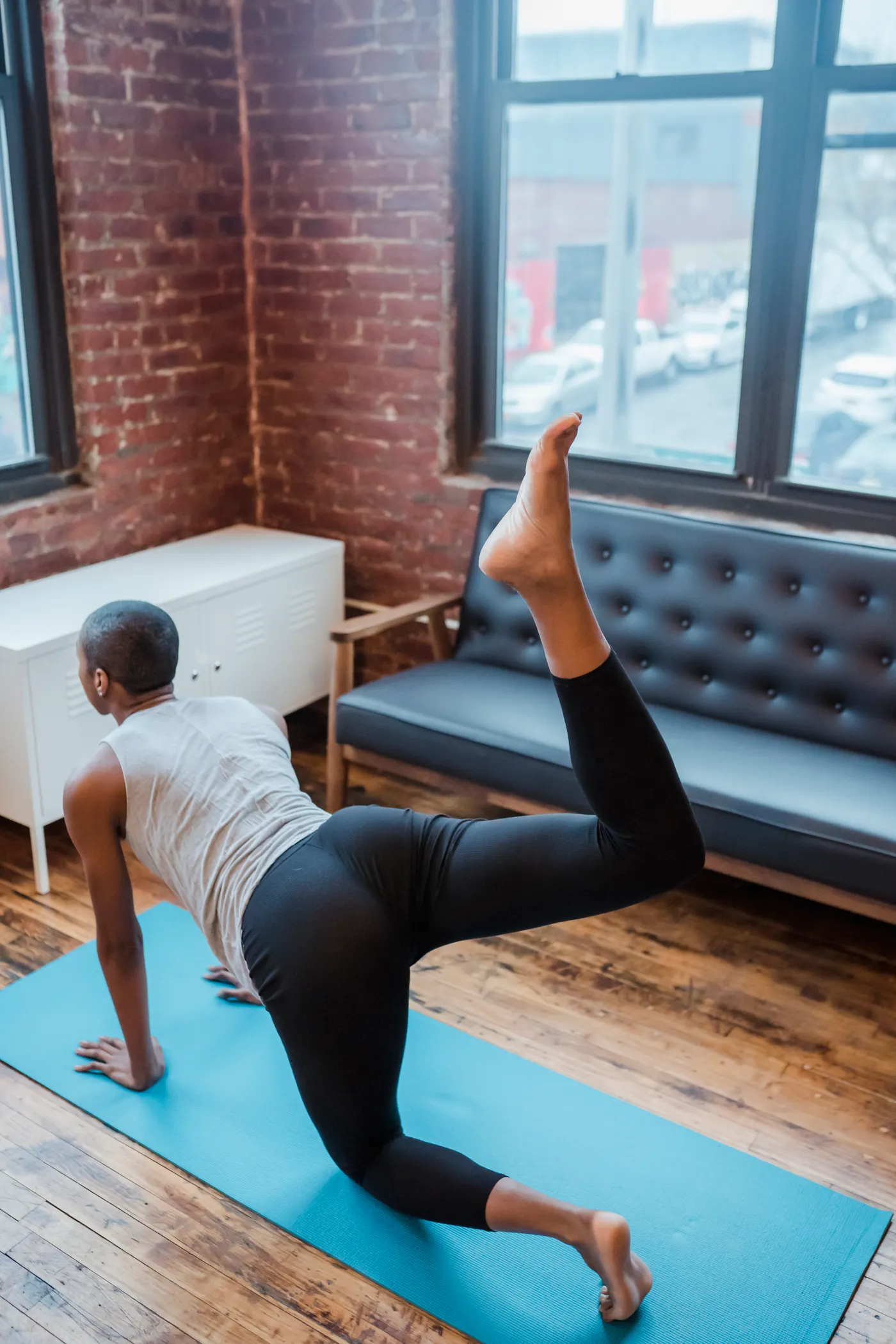
Hip extension means moving the thigh backward relative to the pelvis or bringing the torso upright through the hip joint. Cable kickbacks are an obvious example. Hip thrusts, glute bridges, Romanian deadlifts, back extensions and many squat variations also involve hip extension, but their joint angles, leverage and resistance curves differ. Only the unilateral cable movement was directly tested in the new experiment.
For a cable kickback, set the pulley low, attach a secure ankle cuff and hold the frame for balance. Start with the working leg slightly forward, then extend the hip while keeping the torso stable. Avoid manufacturing extra range by swinging the pelvis or arching the lumbar spine. Control the return instead of letting the stack crash.
If a cable station is unavailable, a glute bridge or hip thrust can provide a different extension stimulus. Keep the ribs stacked over the pelvis, press through the feet and finish by extending the hips rather than overextending the back. Romanian deadlifts emphasize a loaded hip hinge with a different muscle-length challenge. These movements can coexist because they do not load the glutes identically.
Begin with two or three challenging sets of an exercise you can repeat consistently. Roughly eight to fifteen controlled reps suit many cable variations, while heavier compound lifts may use fewer. Add repetitions before increasing resistance, and stop when technique breaks down. A big burn is not proof of superior growth; neither is a heavier weight moved with a swinging torso.
The best extension exercise is the one you can progressively load, perform well and recover from. There is no need for an exotic variation if a straightforward movement already meets those criteria.

Leg Day Shirts & Workout Gear
Leg-day gym shirts and workout gear for lifters who never skip squats, lunges and lower-body punishment.

Motivation The Fantastic Booty Leg Day, Squats Meme T-Shirt
Make gym days more fun with “Gym Motivation” style.

Thicc Booty Meme – Glute Lovers – T-Shirt
Rep “Thicc Booty Gym Meme” humor in and out of the gym.

Big Heart Bigger Ass – Booty , & Meme T-Shirt
Bring “Big Heart Bigger Ass” humor to your next gym day.

Thicc Ass Energy Booty Gains & Meme T-Shirt
Heavy lifts, good laughs, and a little “Thicc Ass Energy” energy.

Thicc Butt Energy – , Meme , & Gains Top Booty T-Shirt
Bring “Thicc Butt Energy” humor to your next gym day.

Big Ass Energy – , & Booty Gains – T-Shirt
Show some lifting attitude with a playful “Big Ass Energy” tee.

Shirt – Thickers – You'Re Not You With A Small Booty T-Shirt
Make gym days more fun with “Thickers” style.

Big Butt Energy Sweater Leg Day & Glute Gains Meme T-Shirt
For laid-back days and leg-day humor: “Big Butt Energy”.

Let It Grow Girl Booty Builder Sweater Hip Thrust T-Shirt
Add a playful “Let It Grow Gym Girl” touch to your casual rotation.

Girl Booty Builder Squats Leg Day Sweater Meme T-Shirt
Keep things casual with a little “Gym Girl Booty Builder” attitude.
Hip abduction emphasized upper glutes and lateral hip muscles
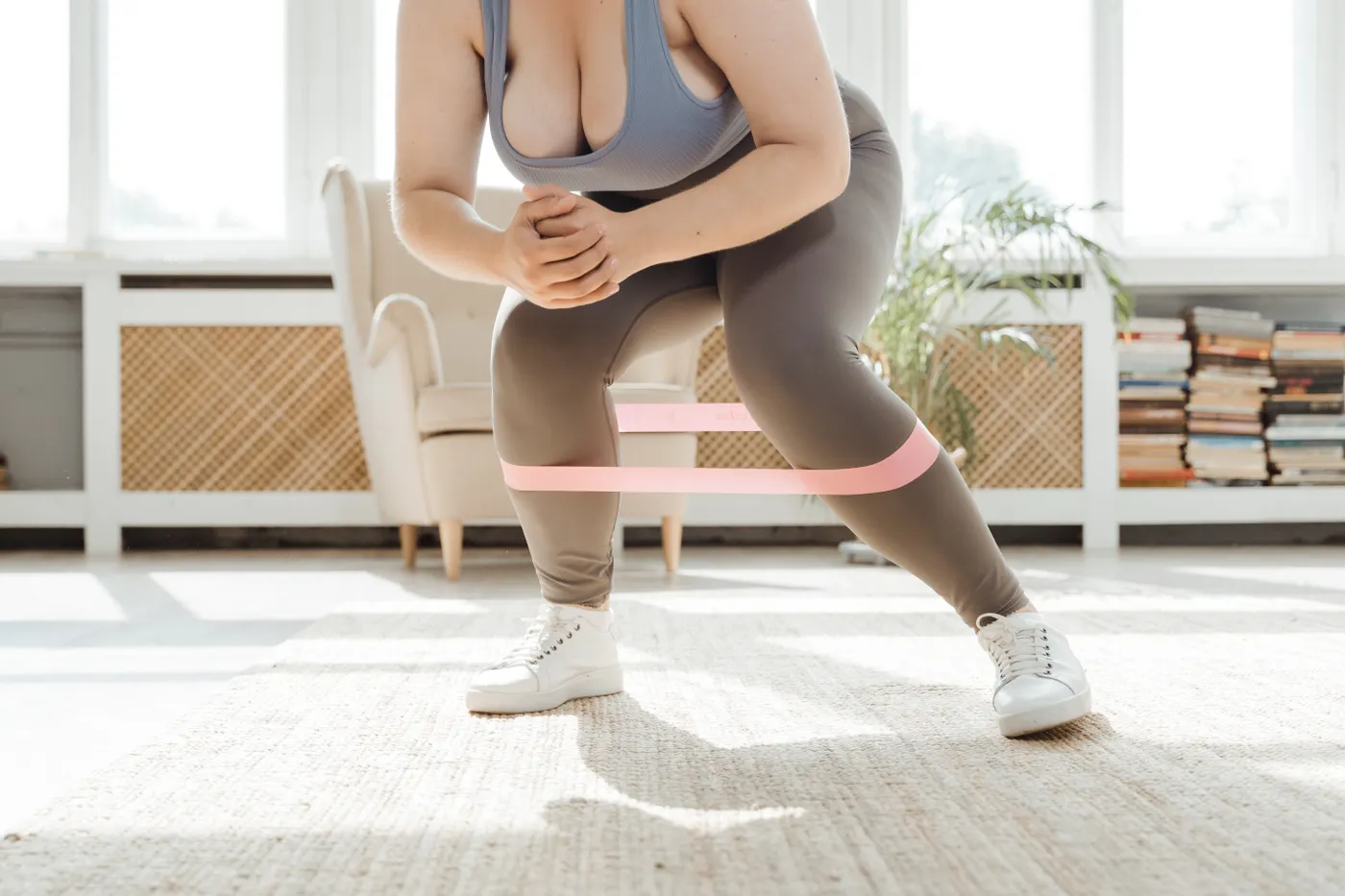
Hip abduction moves the thigh away from the body’s midline. In the study, it produced less total gluteus maximus growth than extension but a stronger proximal response. It also produced about 4% growth in the combined gluteus medius and minimus measurement, compared with a roughly 2% change after extension that was not statistically significant.
The gluteus medius and minimus help move and stabilize the hip, especially when one leg supports body weight. Abduction training can therefore provide a different stimulus from squats and hip-extension exercises. That does not mean everyone has a weak side hip, or that an abduction machine cures knee pain.
For standing cable abduction, attach the cuff at the ankle, hold the frame and move the working leg outward without leaning the torso to manufacture extra range. Keep the pelvis controlled, use a smooth tempo and prevent the weight stack from slamming on the return. Machine abduction and mini-band steps are alternatives, although their resistance profiles differ from the tested cable movement.
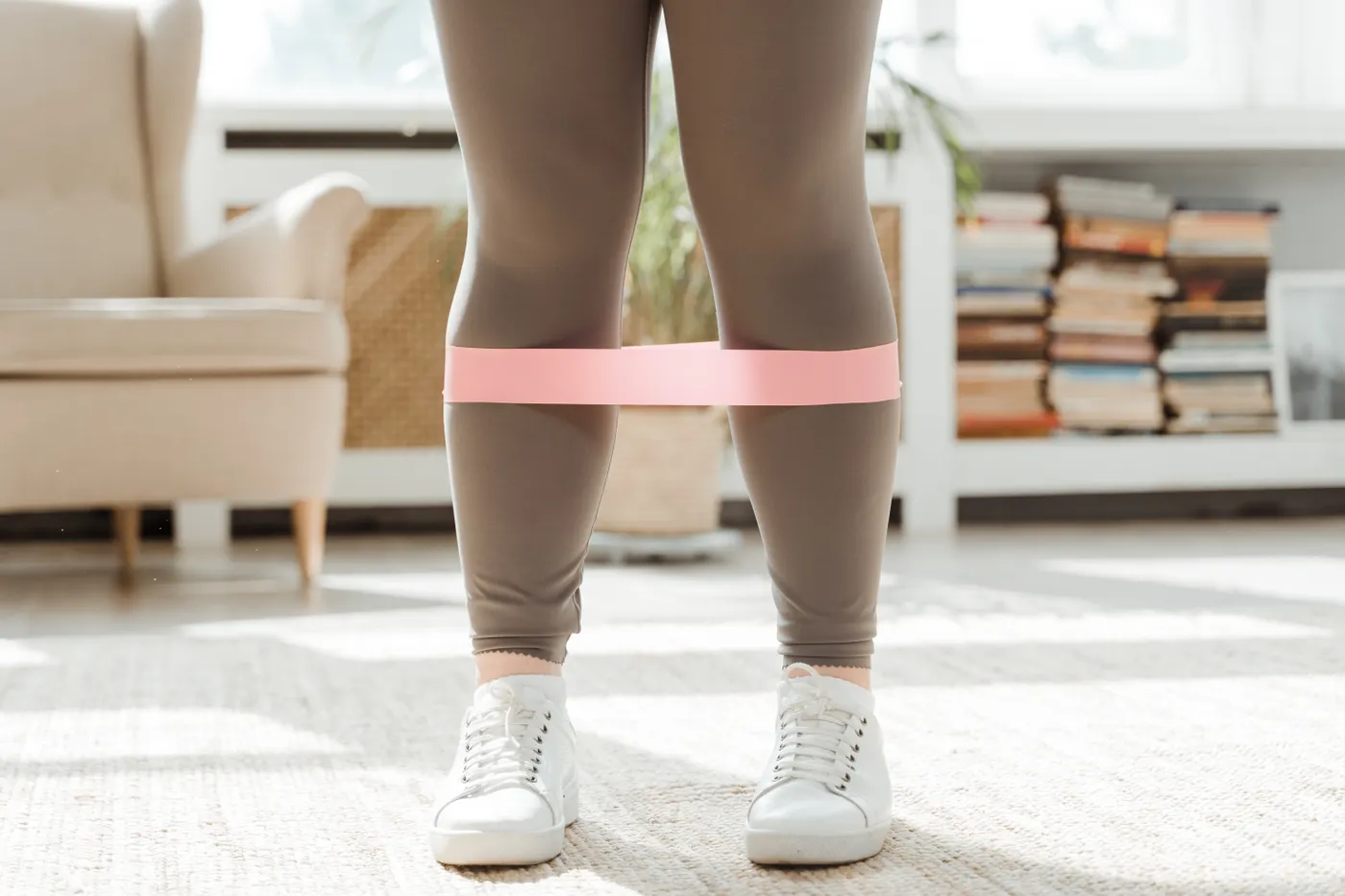
With a loop band, take deliberate lateral steps and maintain tension as the feet return. If the band forces the knees inward or the torso to sway, choose less resistance. Side-lying abduction can also work when equipment is limited. Progress these movements like other lifts: add controlled repetitions, resistance or sets rather than turning every session into an endless activation warm-up.
Older electromyography research found strong gluteus medius activity in several abduction variations. But activation in a single set is not a direct measure of long-term hypertrophy. The MRI experiment adds a different kind of evidence: measured growth after repeated training.
Squats, lunges and hip thrusts still belong in the plan
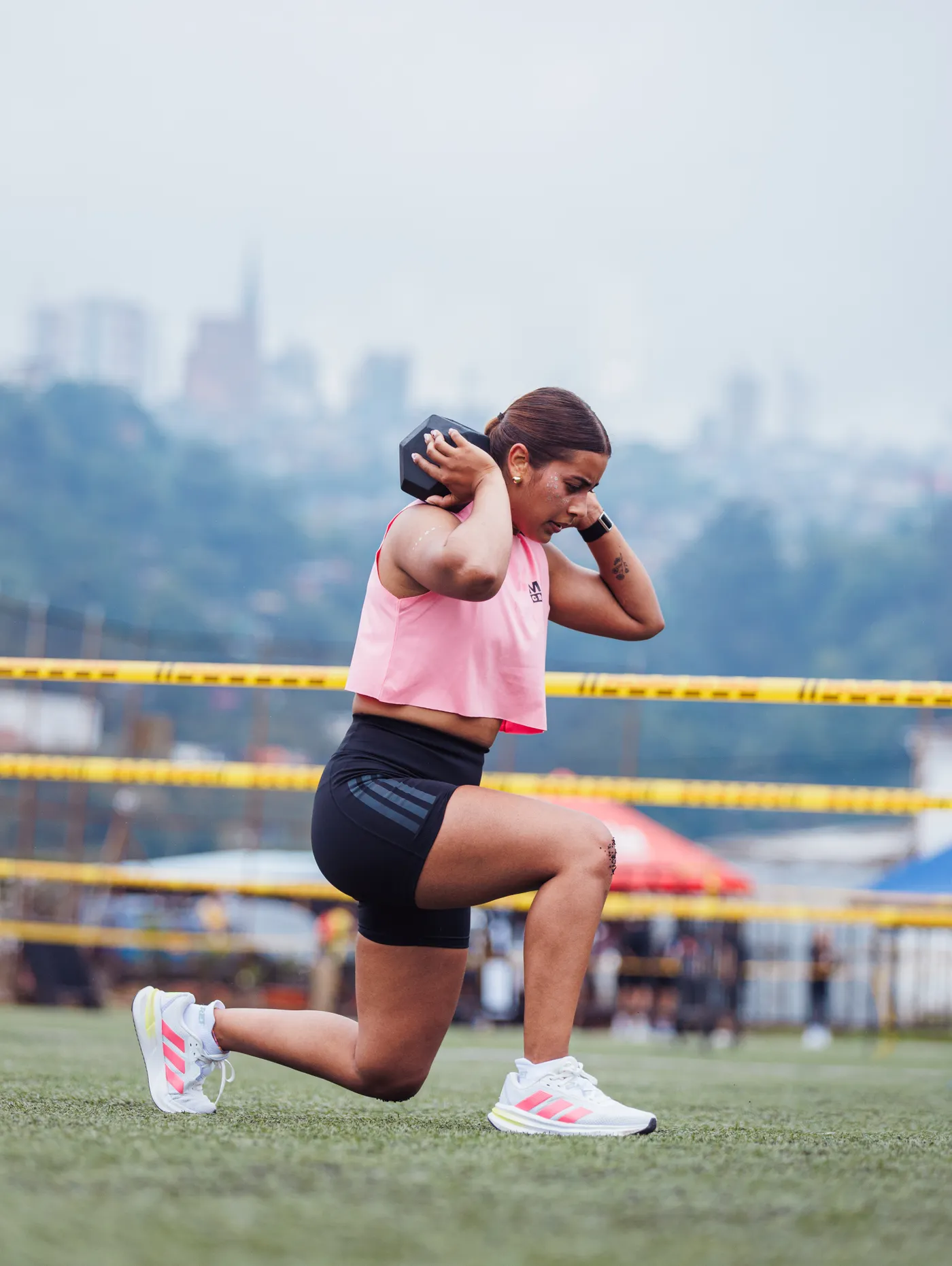
The experiment does not establish that cable kickbacks and abductions are the only glute exercises worth doing. It deliberately isolated two cable patterns. Squats, split squats, leg presses, hip thrusts and hinges were not compared head-to-head here, so transferring the exact regional percentages to them would be an unsupported leap.
Broader resistance-training evidence shows that several loaded hip-extension exercises can increase gluteus maximus size. Squats challenge the hips and knees together; Romanian deadlifts load the posterior chain in a lengthened position; hip thrusts and glute bridges offer another extension stimulus. Lunges and split squats add unilateral control and may reveal differences in stability or tolerance between legs.
Those movements also train quadriceps, hamstrings, adductors and the trunk. Cable isolation movements are useful accessories, not replacements for every compound pattern. Conversely, a lifter who only squats may benefit from adding dedicated abduction work rather than assuming every region receives an identical stimulus.
Choose exercises based on stable setup, range of motion, comfort and progression. A deep squat is not mandatory for everyone, and a cable machine is not automatically superior to dumbbells. A practical lower-body week can include one compound squat or hinge, one direct extension movement and one abduction movement.
The goal is purposeful variety, not collecting exercises. If you change every movement each week, tracking progressive overload becomes difficult. Keep a few dependable lifts long enough to see whether performance improves, then adjust based on evidence from your own training.
Equipment Worth Exploring
Explore equipment, accessories and gear from our carefully selected range.


Belt Squat Collar
Heavy-duty collar adapter for compatible belt-squat and landmine bar setups.

GymPin Squat Wedges
Non-slip 15-degree squat wedges help elevate the heels for deeper quad-focused squats.


A two-day glute program using both movement patterns
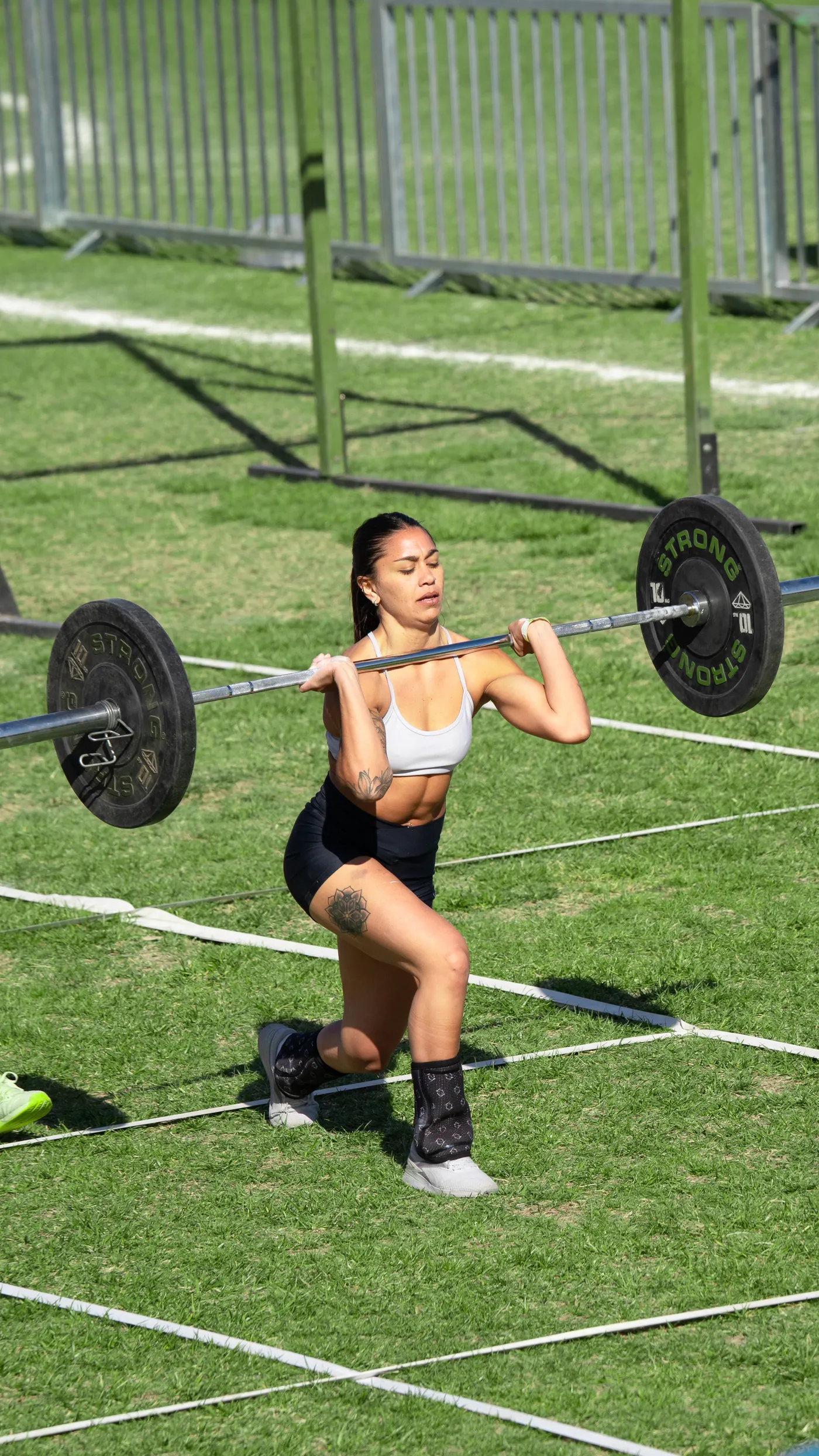
This example is for a healthy lifter who already tolerates lower-body resistance training. It is not a direct copy of the research protocol. The experiment trained opposite legs with different cable exercises, whereas a real program normally trains both legs with both patterns. Count the total workload rather than blindly doubling the study’s set count.
Day A — extension emphasis: squat or leg press for three sets of six to ten; cable hip extension for three sets of ten to fifteen per leg; Romanian deadlift for two sets of eight to twelve; standing cable abduction for two sets of twelve to twenty per leg. Add optional calves or trunk work if recovery permits.
Day B — abduction emphasis: split squat for three sets of eight to twelve per leg; cable or machine hip abduction for three sets of twelve to twenty; hip thrust or glute bridge for three sets of eight to fifteen; optional hamstring curl for two sets of ten to fifteen. Space the lower-body days apart when possible.
The template includes direct and indirect glute work. If you already squat, hinge and play a demanding sport, start with fewer accessory sets. Add work only when performance and recovery justify it. The 2026 resistance-training position stand supports progressive resistance and sufficient weekly volume, but no single set target fits everyone.
Use double progression: maintain consistent technique, add repetitions toward the top of your range, then increase resistance modestly. Record load, reps and effort. If joints or the lower back become irritated, reduce the provocative load or range and seek qualified assessment for persistent pain. A hypertrophy study is not a rehabilitation protocol.
Choose a program you can repeat for months. A modest plan performed consistently is more useful than an elaborate routine abandoned after two weeks.
What this study cannot prove—and the useful takeaway
Seventeen participants and ten weeks are enough to generate a useful signal, but not to settle every question about regional glute development. The sample was small, the exercises were cable-specific and the gluteus medius and minimus were measured together. We do not know whether the same differences would appear in elite bodybuilders, older adults, people returning from injury or lifters who have trained these movements for years.
The experiment does not show that abduction training prevents knee pain, fixes pelvic alignment or creates a particular body shape. Hip strength can matter in rehabilitation, but pain has multiple contributors. Clinical guidance for patellofemoral pain favors individualized hip- and knee-targeted exercise, not a one-move cure.
Regional hypertrophy is not surgical precision. You cannot select one square inch of the glutes and guarantee isolated growth there. You can choose movements that load the hip differently and observe which combination produces better strength, tolerance and long-term progress for you.
If time is limited, begin with a dependable compound lift and add whichever accessory pattern your current routine lacks. If glute development is a priority, train both extension and abduction across the week, track them separately and progress each gradually. A cable attachment is a tool, not a shortcut; a band is useful when it provides meaningful resistance, not simply because it appears in a warm-up video.
Bottom line: the October 2026 MRI experiment found more overall glute max growth from cable extension, with a stronger distal response, while cable abduction emphasized the proximal region and produced a small side-hip muscle response. That supports variety with a purpose—not abandoning squats or endlessly swapping exercises to chase a perfect angle.
Bodybuilding Shirts & Workout Gear
Bodybuilding shirts, tanks and gym gear for lifters chasing muscle, size, symmetry and the pump.

Spread Cheeks Not Hate – Meme Booty & Glutes Lovers T-Shirt
Show some gym-girl attitude with a playful “Spread Cheeks Not Hate” tee.

I Love Booty Meme – Valentine'S Day Peach Top & T-Shirt
Heavy lifts, good laughs, and a little “I Love Booty Gym Meme” energy.

I Only Do Butt Stuff At The Glute Gains Hooded Hoodie
Make your off-duty look more fun with “I Only Do Butt Stuff At”.

OnlyGains Sweater Leg Day & Booty Gains Meme Top T-Shirt
Keep things casual with a little “OnlyGains” attitude.

Anti Leg Day Leg Day Club Meme Sweater T-Shirt
Show some gym-day personality with “Anti Leg Day Leg Day Club”.

Thicc Or Treat – Booty Ghost Halloween Top T-Shirt
Show some Halloween attitude with a playful “Thicc or Treat” tee.

Leg Day Gains Gym | LEGO Parody Workout Decal for Water Sticker
Give your everyday gear a playful “Leg Day Gains” twist.

Funny Legday of Legends Gym | League of Legends Parody T-Shirt
Show some gym-day personality with “Legday of Legends”.

Gym Viking Deadlift | Funny Leg Day Workout Pullover & T-Shirt
Bring “Gym Viking Deadlift” humor to your everyday gym style.

Funny Leg Day Gym | Today Is Gonna Be The Day Wonderbar Tank Top
Your gym-day look, with a playful “Leg Day” twist.