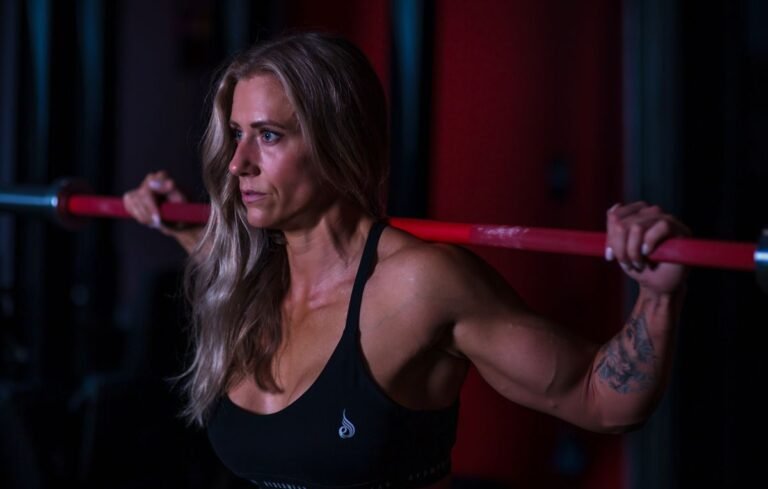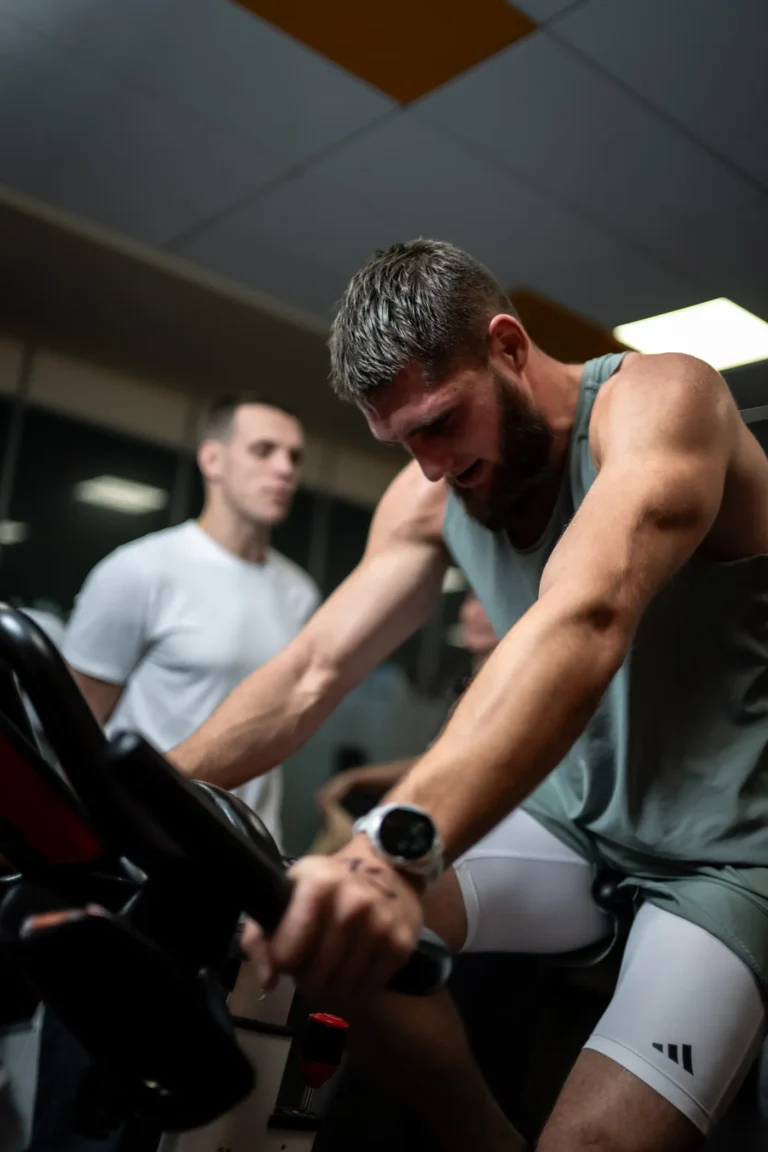
Cardio and conditioning are often treated as rival workout styles: one is supposed to be boring, the other brutally hard. In reality they solve overlapping but different problems. Steady aerobic work develops the capacity to keep moving. Well-designed conditioning trains you to repeat more demanding efforts without falling apart. Lifters can benefit from both without automatically compromising muscle growth or strength.
The right choice depends on what you want to improve, how much training stress you can recover from and which sessions you cannot afford to sabotage. Here is a practical way to separate the terms, choose useful workouts and combine them with resistance training.
Cardio and conditioning overlap, but the training goals are different

Cardio describes exercise that challenges the heart, lungs and circulatory system. Conditioning is a broader performance goal: being able to produce useful work, recover, and repeat it in the setting that matters to you. A 30-minute comfortable ride can develop aerobic fitness. Repeated hard sled pushes with planned rests can develop the ability to repeat powerful efforts. Both elevate heart rate; neither label alone tells you how the session is structured.
That distinction matters because a high pulse does not automatically mean a workout is good conditioning. A circuit of random exercises can leave you exhausted without improving the specific capacity you wanted. Equally, easy cycling is not wasted time just because it never produces the breathless feeling of a sprint. It can build the base that lets you recover between hard efforts and between training days.
Think of training as a spectrum rather than two separate boxes. Steady running, brisk walking and cycling lean toward sustained aerobic work. Air-bike intervals, loaded carries, short hill repetitions and sled pushes emphasize repeated output. A rower can serve either purpose depending on pace, work duration and rest. Decide on the adaptation first; choose the machine or movement second.
The useful question is not which method sounds tougher. It is whether you need longer continuous output, better repeatability under fatigue, greater work capacity in a sport, or simply enough cardiovascular exercise to support health alongside lifting.
Build an aerobic base before chasing harder intervals
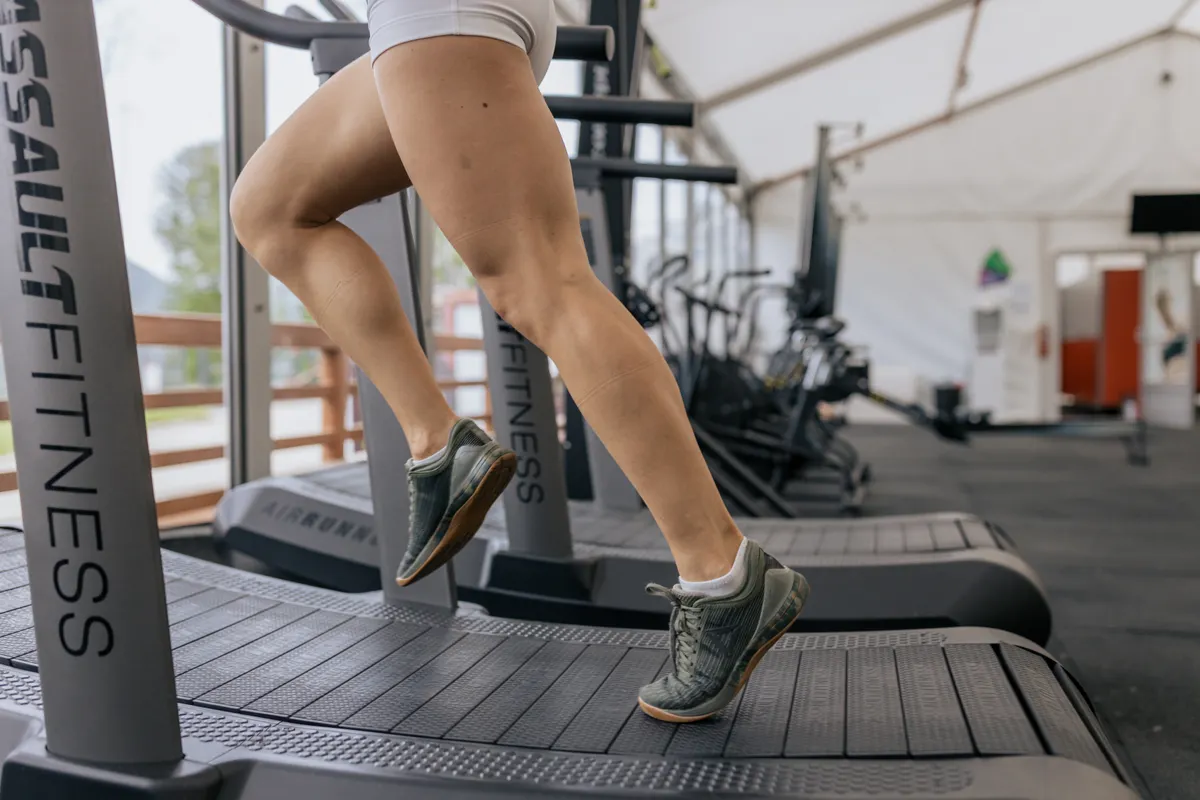
An aerobic base makes relatively easy work feel easier. When the pace is manageable, you can accumulate useful minutes without taking as much recovery away from your strength sessions. This is why walking, cycling, jogging, swimming and rowing at a conversational pace remain valuable even for people who care primarily about muscle or maximal strength.
For general health, a practical benchmark is at least 150 minutes of moderate aerobic activity per week, or 75 minutes vigorous activity, or an equivalent mixture. That is a population guideline, not a mandatory starting dose for someone who currently does very little. You can build toward it gradually and still benefit from smaller amounts. Strength training on at least two days remains part of the picture.
Use the talk test to manage most base sessions: you can speak in sentences but would not want to sing. On a bike or treadmill, begin with five easy minutes, hold a sustainable effort for 15 to 25 minutes, then cool down. The point is to finish with enough energy to repeat the session later in the week. If a 20-minute session feels brutal, reduce pace rather than pretending it was meant to be easy.
Progress first by extending the comfortable duration or adding a session. Increase intensity only when you can repeat the work without unusual soreness, a sharp drop in lifting performance or dread of the next session. Fitness grows from accumulated training, not from making every workout a test.

Cardio Shirts & Workout Gear
Cardio and conditioning gym gear for runners, endurance athletes and anyone who earns the sweat.

Cardio Is Calling You , Meme Top Answer Or Decline? T-Shirt
Make gym days more fun with “Cardio Is Calling You” style.

Skip Cardio – Exit Cardio Meme , , Top T-Shirt
Bring “Skip Cardio” humor to your next gym day.

Negative Cardio Review Cardio Sucks Running , Meme T-Shirt
Heavy lifts, good laughs, and a little “Negative Cardio Review” energy.

Shirt – Sometimes Motivation Finds You – , Swimming T-Shirt
Bring “Sometimes Motivation Finds You” humor to your next gym day.

Shirt – Cardio Is Hardio – & Gymbros T-Shirt
Show some cardio attitude with a playful “Cardio is Hardio” tee.

Your Mom Is My Cardio – Edgy Meme Pullover Jumper T-Shirt
Keep things casual with a little “Your Mom Is My Cardio” attitude.

Cardio Heartbeat Hoodie
Show off your cardio humor in a laid-back “Cardio Heartbeat” hoodie.

Gym Dost Thou Even Pedal Medieval Air Bike Humor for Cr Tank Top
Bring “Dost Thou Even Pedal Medieval Air Bike” humor to your next lifting session.

Rowing – Dost Thou Even Row Medieval Knight Crewneck fo T-Shirt
Show some gym-day personality with “Rowing”.

Shirt – Don'T Quit Do It – Meme & Gains T-Shirt
Show some lifting attitude with a playful “Don't Quit Do It” tee.
Conditioning is about repeating demanding work with control
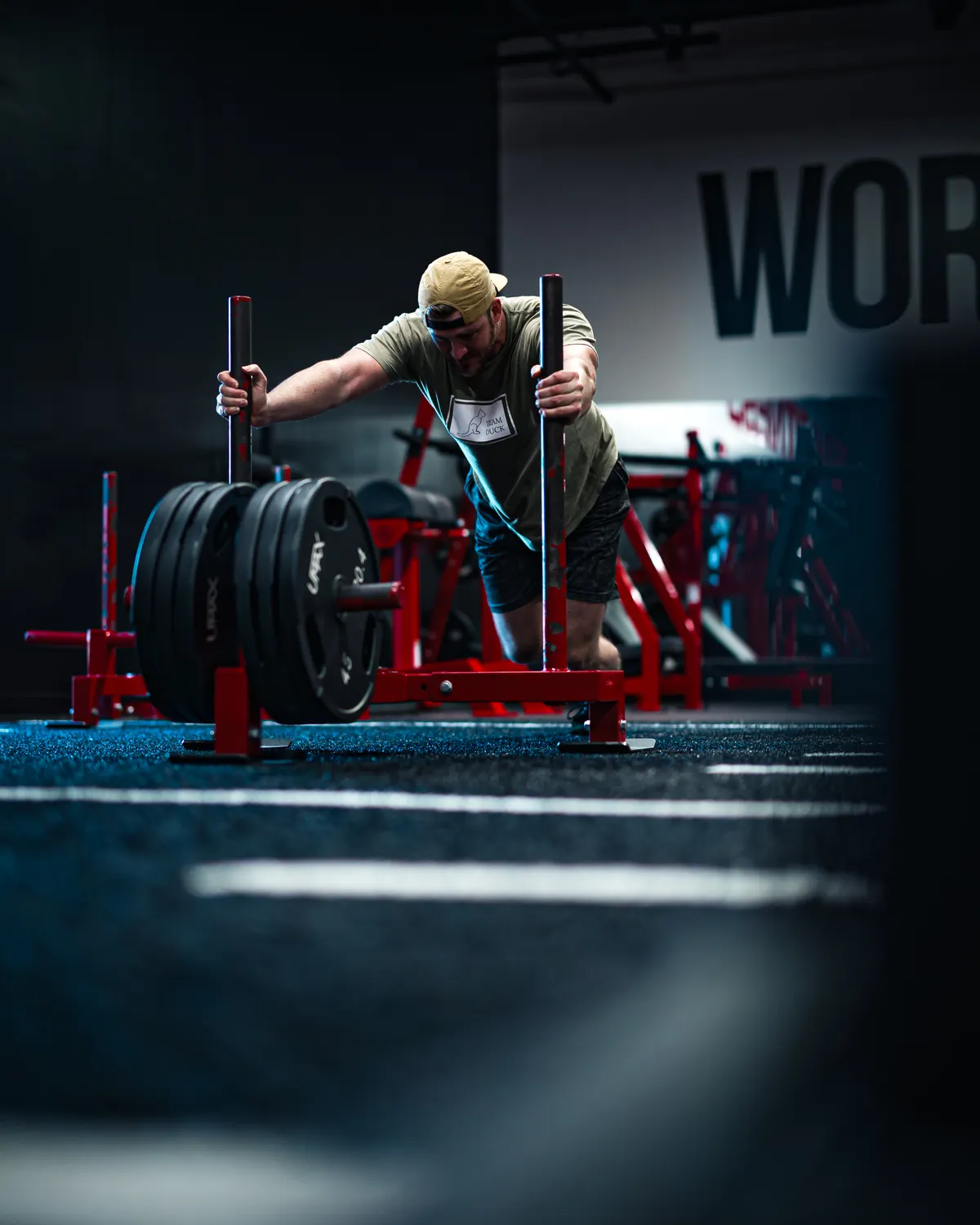
Conditioning sessions ask a different question: how well can you maintain output as fatigue accumulates? A wrestler needs to repeat bursts of force. A field-sport athlete must accelerate, stop and go again. A lifter doing a demanding circuit needs to keep technique and pace from collapsing as breathing becomes difficult. Each needs a different blend of aerobic and anaerobic contribution.
Choose intervals around a specific task rather than chasing a generic heart-rate number. For example, after a warm-up, complete six rounds of 30 seconds brisk on a bike with 90 seconds easy spinning. A beginner might start with four rounds and a less aggressive pace. A more sport-specific session could use six short sled pushes, with enough recovery to preserve posture and force production.
An interval is only useful when the work quality matches the goal. If a sled becomes a slow grind after two pushes, the load, distance or rest may be wrong for speed-focused conditioning. If your goal is tolerating longer sustained effort, a somewhat slower pace may be exactly right. Track completion time, pace, distance, perceived effort and how much performance falls between rounds.
Do not confuse conditioning with punishment. There is no advantage in turning every session into a race to nausea. Technique, repeatability and the ability to recover for your next important workout are better measures of a well-designed session.

Equipment Worth Exploring
Explore equipment, accessories and gear from our carefully selected range.


VOLTRA
Compact digital cable trainer with smooth, adjustable resistance.

Go-Tone Pro
Portable digital cable trainer with up to 66 lb (30 kg) of adjustable resistance.


Apple Watch Ultra 3
Rugged 49 mm smartwatch with cellular connectivity, GPS and fitness tracking.

Powerbeats Fit
Secure-fit wireless workout earbuds with active noise cancellation and a charging case.
Match the method to health, endurance, sport or fat-loss goals

Your main goal should decide how the week is weighted. Someone who wants better heart health and less breathlessness on stairs can get a great deal from consistent moderate-intensity activity. A runner preparing for longer distances needs enough easy mileage to tolerate the event, plus carefully chosen faster work. A HYROX-style competitor needs to combine aerobic capacity with repeatable sled, carry and other station efforts.
For improving cardiorespiratory fitness, intervals are a legitimate option. A 2024 synthesis of multiple reviews found that higher-intensity interval formats generally improved fitness compared with no exercise and often compared favorably with moderate continuous training. But the included reviews varied in quality and protocols; it does not follow that everyone should abandon easy cardio or do intervals daily.
Fat loss is a poor reason to insist that one format is magical. In an analysis of 11 randomized trials using body-composition measurements, high-intensity intervals did not show a clear advantage over continuous aerobic exercise for reducing overall body-fat percentage or visceral fat. The session you can sustain alongside food intake, recovery and lifting is more useful than an impressive calorie estimate from one exhausting workout.
For performance, specificity still wins. Short running intervals can develop repeat sprint ability; steady cycling can build aerobic volume with relatively little impact; sled work can train forceful repeated efforts. Use several methods when they complement your goal, but do not assume every method transfers equally to every sport.
Can you add cardio without sacrificing strength and muscle?
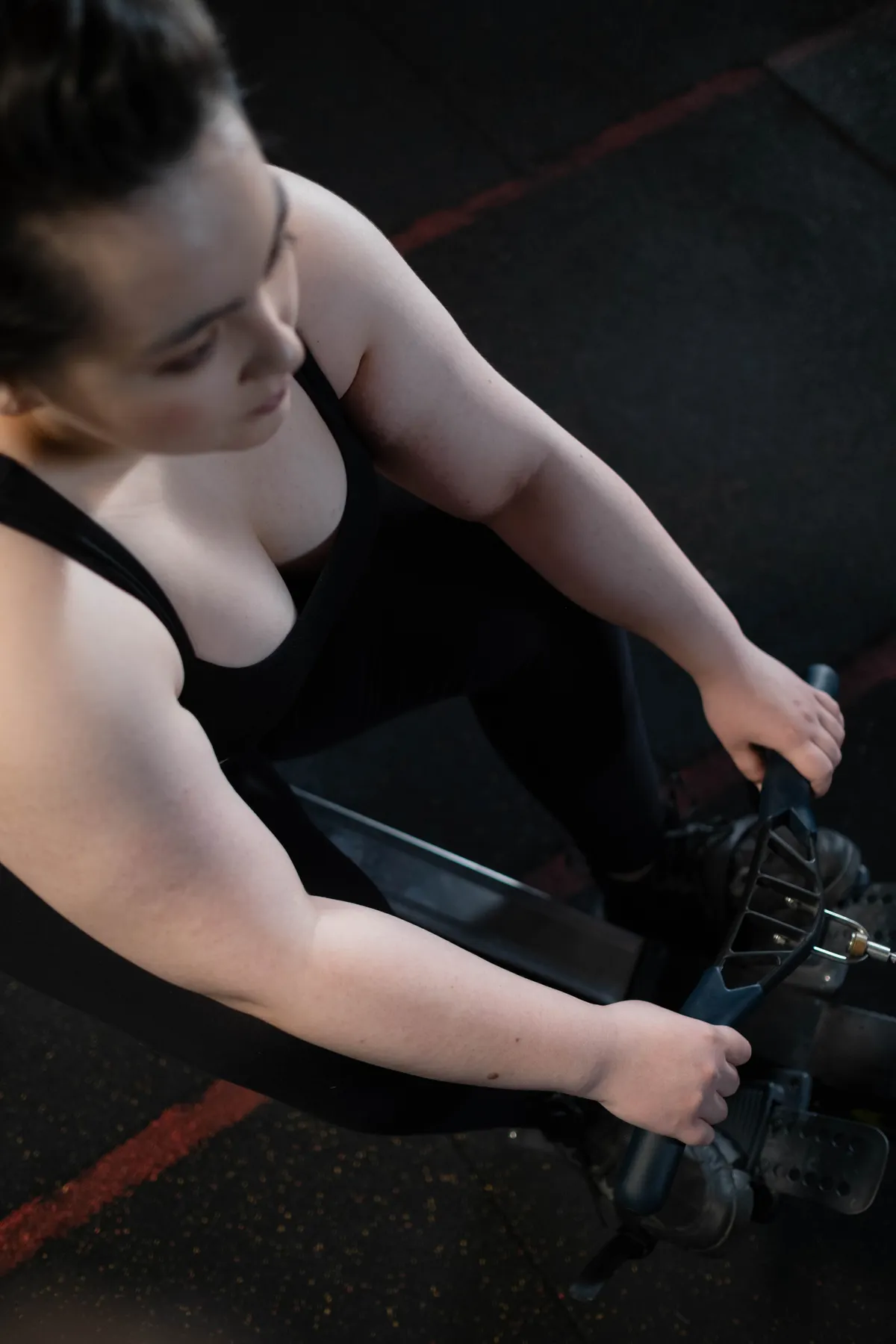
Most lifters do not need to choose between cardiovascular fitness and muscle. A large review comparing combined aerobic-plus-strength programs with strength-only programs found no meaningful average loss in muscle growth or maximal strength. It did find a small reduction in explosive-strength gains, particularly when endurance and lifting were squeezed into the same session. That is a reason to manage scheduling, not to avoid cardio.
The main problem is often practical fatigue. Hard running or high-volume conditioning can leave your legs sore and your next squat session flat. Low-impact easy cycling, walking or rowing may be easier to fit around demanding leg training, but there is no universal rule that running always prevents growth. Individual workload, training history, nutrition and recovery determine the tradeoff.
If your priority is lifting performance, place the most important heavy or technical session when you are fresh. Add easy cardio afterward or on a different day. Separate hard conditioning from heavy lower-body sessions where possible, especially if your program includes explosive jumps or sprints. Three hours of separation can help in some settings, but different days may be simpler.
A useful warning sign is not ordinary breathlessness during conditioning; it is a persistent decline in strength, poor sleep, soreness that never resolves or repeated failure to hit planned quality. When those appear, reduce conditioning volume or intensity before abandoning the aerobic work entirely.
Equipment Worth Exploring
Explore equipment, accessories and gear from our carefully selected range.

Squat Harness
Wearable harness for hands-free cable squats, sled work, and lower-body training.


FID Bench MAX
Adjustable bench offering flat, incline, and decline positions + adjustable headrest.

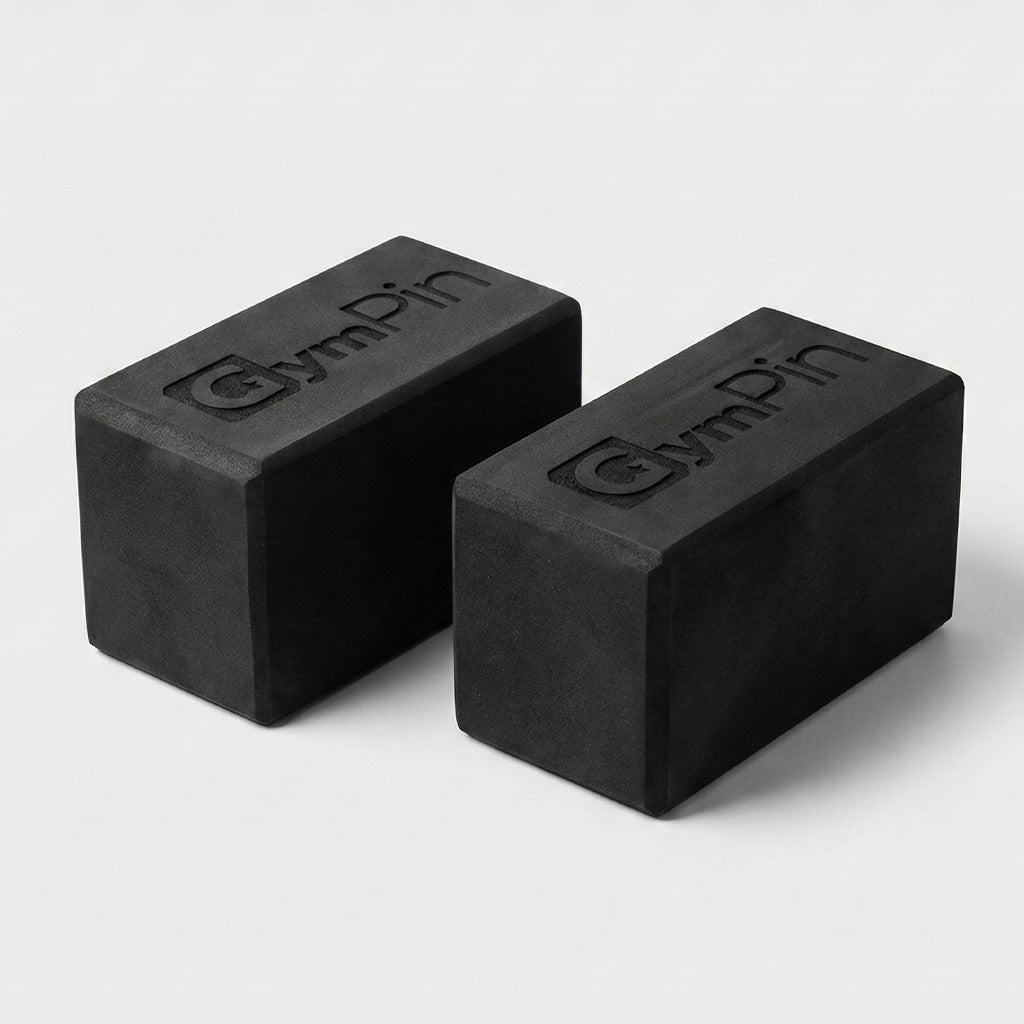
GymPin Starting Blocks
Portable high-density foam blocks for adjusting machine starting positions and range of motion.

Power Tower
Freestanding pull-up and dip station with adjustable handles for bodyweight training.
A realistic weekly plan for someone who also lifts
Here is a starting framework for a healthy adult who lifts three times per week and wants both cardiovascular health and some repeat-effort fitness. It is an example, not a universal prescription. On Monday, do a full-body strength session. On Tuesday, do 25 to 35 minutes of easy cardio. On Wednesday, lift again. On Thursday, perform one controlled conditioning session. On Friday, lift. On Saturday, take an easy walk, ride or swim for 30 to 45 minutes. Sunday can be rest or relaxed activity.
For Thursday’s session, warm up for eight to ten minutes. Then perform five rounds of 30 seconds hard on a bike or rower with 90 seconds easy recovery. Finish with a few minutes of light movement. The first week should feel challenging but repeatable, not like a maximal fitness test. If you are new to intervals, start with three rounds and build up gradually.
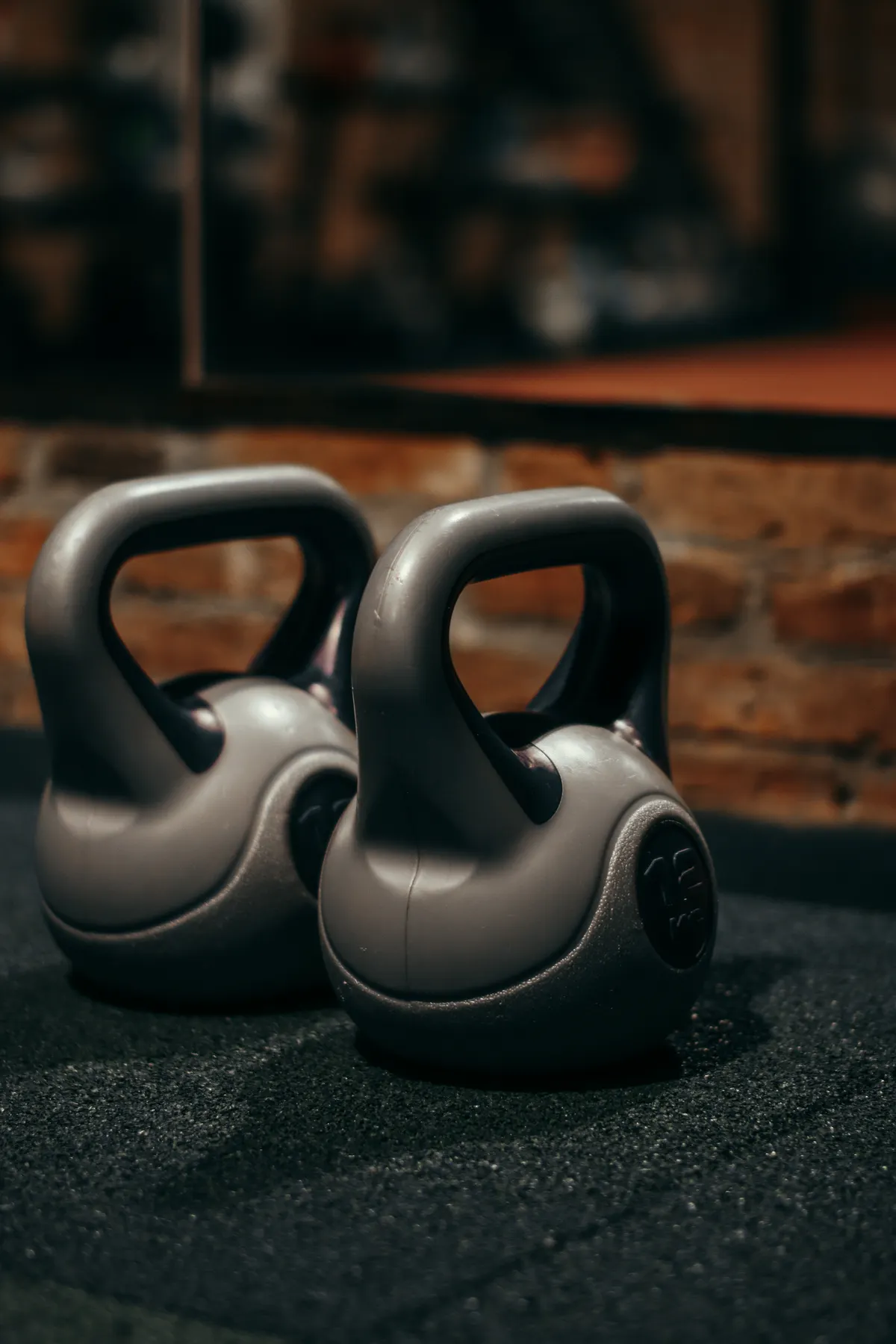
Prefer circuits? Try a light kettlebell hinge or carry, a short bike effort and an unloaded movement such as step-ups, with generous recovery. Keep loads modest enough that breathing, not deteriorating technique, limits the session. Avoid inserting high-skill lifts into a frantic circuit just to make it look impressive.
After two to three weeks, adjust only one variable: one additional easy session, five more minutes of comfortable cardio, or one extra interval. Preserve the quality of strength sessions. If you already do a lot of sport-specific conditioning, you may need fewer extra intervals than this example. A beginner may need less of everything.
Functional Fitness Shirts & Workout Gear
Functional-fitness shirts, tanks and workout gear for athletes who train strength, conditioning and everything in between.


Break the Stereotype Tee
Show some gym-girl attitude with a playful “Break The Stereotype Gym Girl” tee.


Hybrid Athlete – Strength & Endurance Gym Pullover for Hoodie
Keep it laid-back with a little “Hybrid Athlete” attitude.


Vive Le Resistance Bands – Resistance Bands Warmup Reha T-Shirt
Rep “Vive Le Resistance Bands” humor in and out of the gym.

Gym Equation Kettlebell Makes Me Happy Meme Crewneck an T-Shirt
Bring “Gym Equation” humor to your everyday gym style.

Gym Is My Happy Place Happy Kettlebell Emoji Decal Sticker
Give your everyday gear a playful “Gym Is My Happy Place” twist.

Live Love Lift – Gymbro Meme & Gains – Shirt T-Shirt
Rep “Live Love Lift” humor in and out of the gym.
Measure progress and recovery, not just how exhausted you feel

Use different scorecards for different sessions. For steady cardio, record duration, distance, conversational effort and whether the same pace begins to feel easier. For conditioning, record work interval output, rest periods, technical consistency and the difference between your first and last round. For lifting, keep the familiar log of loads, repetitions and performance quality.
An improving aerobic base might mean the same 30-minute ride feels more comfortable, or your heart rate settles faster after a hard effort. Better conditioning might mean all six sled pushes are close in time instead of the last three falling apart. Neither requires a dramatic sweat-soaked finish every session. Progress can be quiet.
Pay attention to the cost of each adaptation. A conditioning session that wrecks your next two lifting days may be too aggressive for the current plan. Reduce the number of rounds, use longer rests or swap one hard day for easy cycling. Conversely, if every interval is easy and performance never changes, gradually increase the challenge rather than adding random exercises.
The bottom line: use steady aerobic work to build durable capacity, use carefully chosen conditioning to practice repeated demanding efforts, and protect the training that matters most. A balanced program is not the one with the most suffering. It is the one you can progress, recover from and sustain.