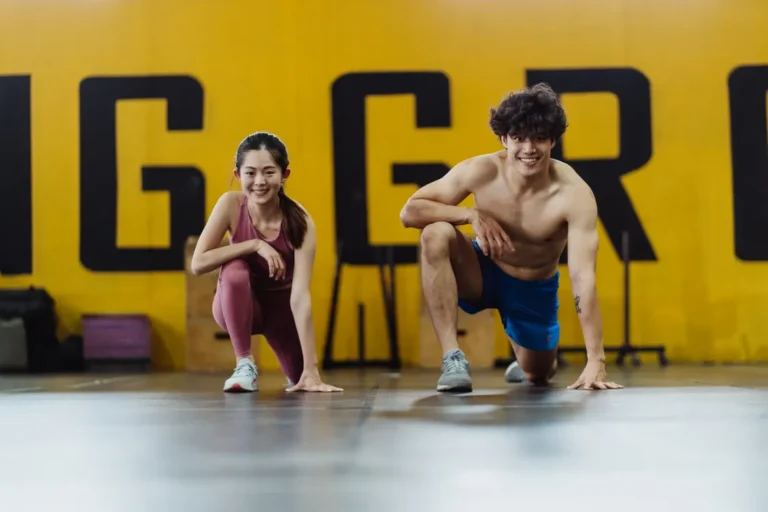
Strength is the ability to produce force. Power adds a time constraint: how quickly can you produce it? A heavy bench press may demonstrate considerable strength, while a crisp chest pass or fast push-up shows how effectively you can apply force before the opportunity disappears. The two qualities overlap, but they are not interchangeable.
Upper-body power training does not require a complicated program or risky maximal throws. A light medicine ball, a safe throwing area and a few well-chosen push-up variations can complement regular pressing and rowing. The key is to treat speed as a skill: use a manageable load, recover between efforts and stop a set when its snap disappears.
1. Power is force delivered quickly, not simply heavy lifting
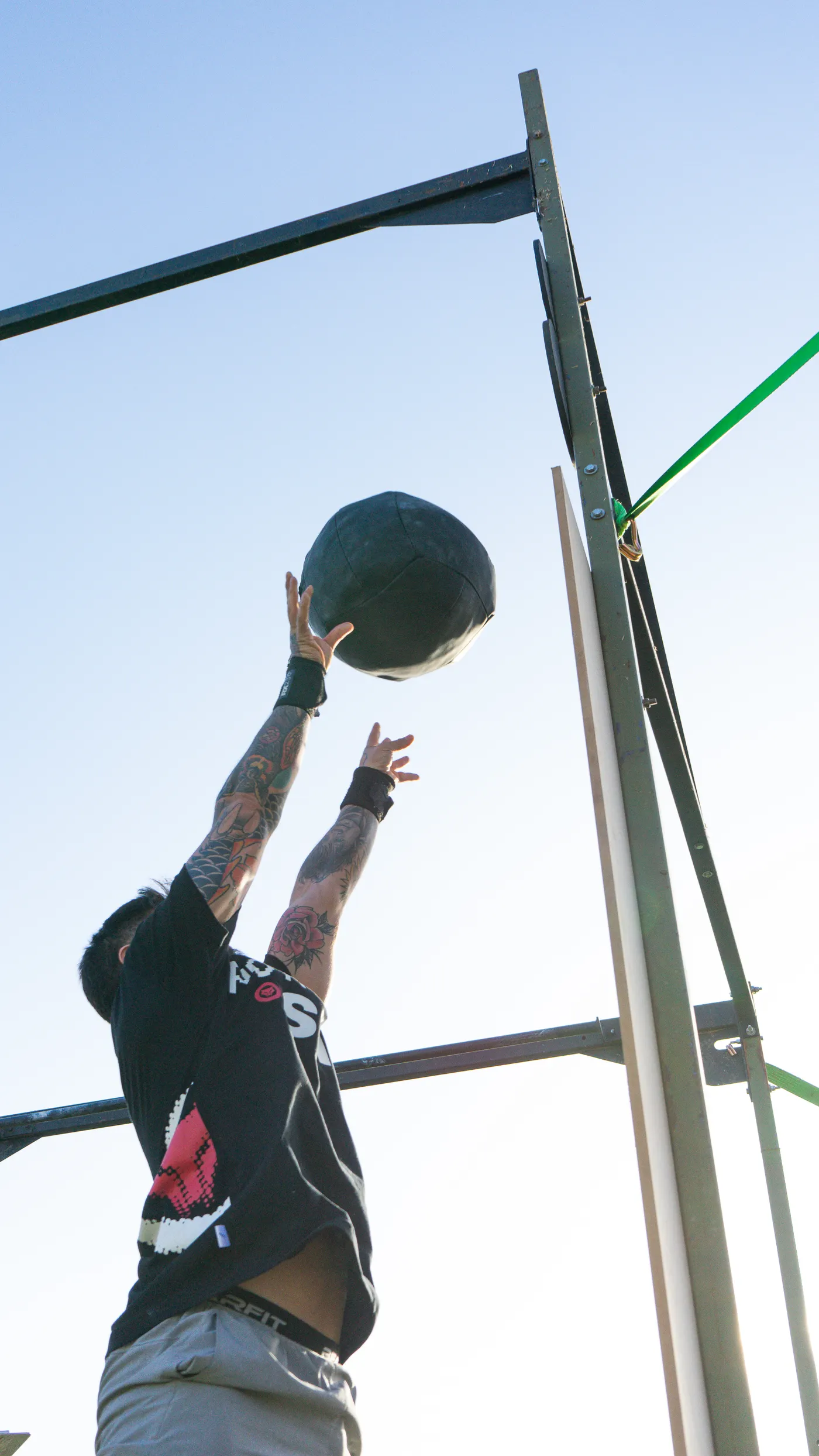
Imagine two athletes who can both press the same heavy weight once. One may move a light implement faster, while the other excels at slow grinding strength. A maximal lift alone cannot tell you which athlete will throw farther, accelerate a racquet faster or drive their hands explosively into the floor. Upper-body power depends on force, movement speed, coordination and the exact pattern being practiced.
Medicine-ball throws are useful because the ball leaves your hands. You can accelerate through the release instead of deliberately slowing down at the end of a press. A plyometric push-up uses a different challenge: drive the body away from the floor quickly, then control the return. Both can train rapid force production, but neither is a replacement for progressive resistance training when maximal strength is the goal.
Begin with a familiar, pain-free movement. Before adding speed, show that you can brace your trunk, control your shoulders and repeat ordinary push-ups or presses without losing position. An explosive rep should look athletic and intentional, not like a frantic attempt to escape a bad setup.
A practical quality test is simple: if your first three throws are sharp but the next three become slow, stop the set. More tired repetitions may add conditioning, but they are no longer the same power stimulus. Train the characteristic you actually want to improve.
2. What the evidence says about upper-body plyometrics
A broad synthesis of 35 studies, with 30 included in pooled analyses and 1,412 participants overall, found improvements in several upper-body performance measures after plyometric training. Compared with control conditions, medicine-ball throwing and sport-specific throwing generally improved, while maximal strength gains were smaller on average. That pattern makes sense: repeatedly practicing fast throws tends to improve fast-throw performance.
The important qualification is certainty. The evidence was rated low or very low certainty for key recommendations, and many participants were young athletes or students. Those findings do not prove that the same program works equally well for every adult, every sport or someone managing a shoulder injury. They also do not mean that more explosive repetitions automatically build more muscle than well-planned conventional lifting.
A separate 2024 investigation of medicine-ball ballistic exercises in university students observed better upper-body performance over a training period, but the participants, testing environment and exercise selection differed from a typical commercial-gym strength program. A 2026 review focused on medicine-ball training also reported favorable results across a small collection of studies, while emphasizing the need for larger and more consistent trials.
Use the research as a reason to try a modest, specific block, not as a promise of spectacular results. Measure something repeatable: chest-pass distance with the same ball, the quality of a low-amplitude explosive push-up or a coach-observed throwing pattern. Keep the ball weight, surface and warm-up consistent when comparing sessions.

Equipment Worth Exploring
Explore equipment, accessories and gear from our carefully selected range.


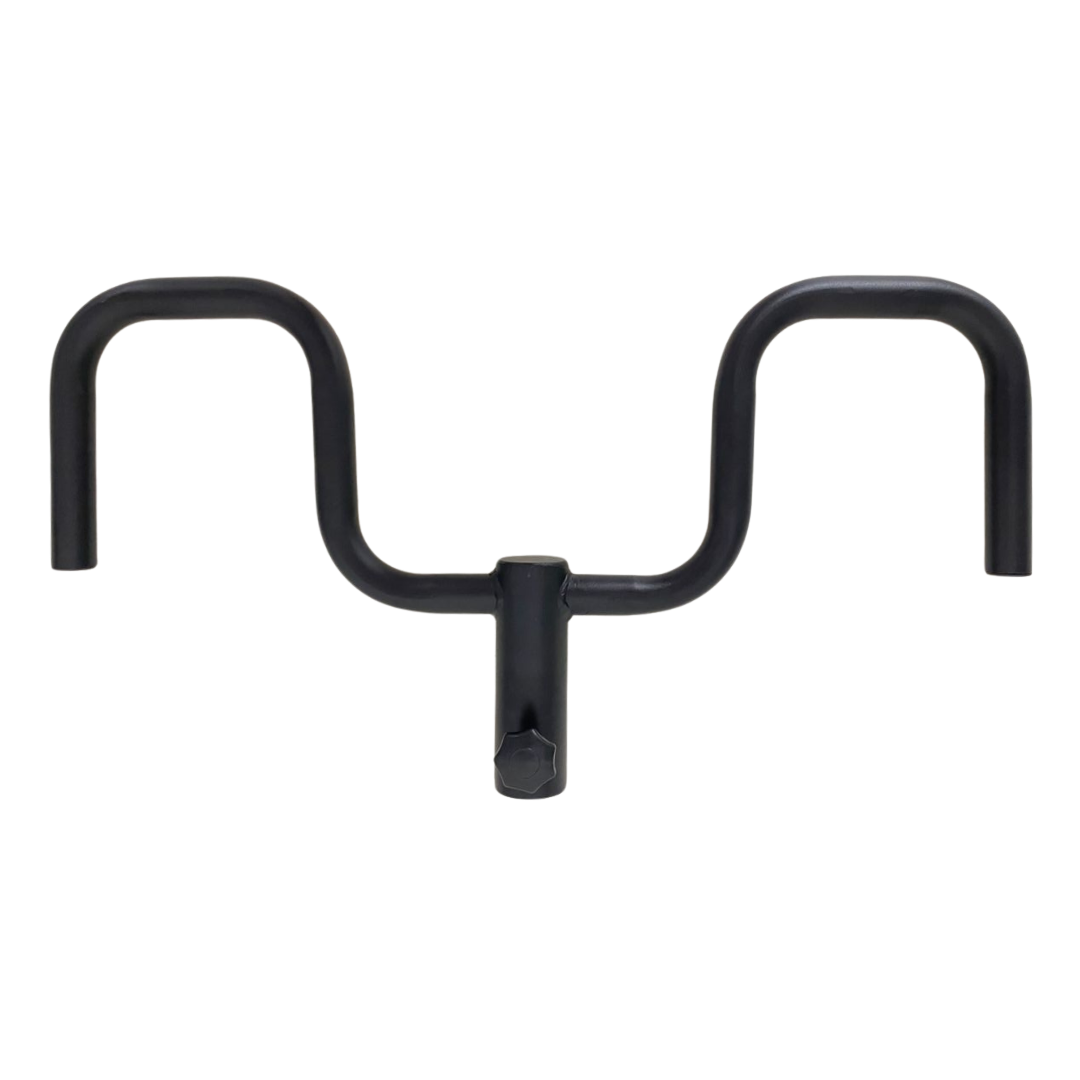


FID Bench MAX
Adjustable bench offering flat, incline, and decline positions + adjustable headrest.

3. Chest passes: a simple way to learn rapid pressing force
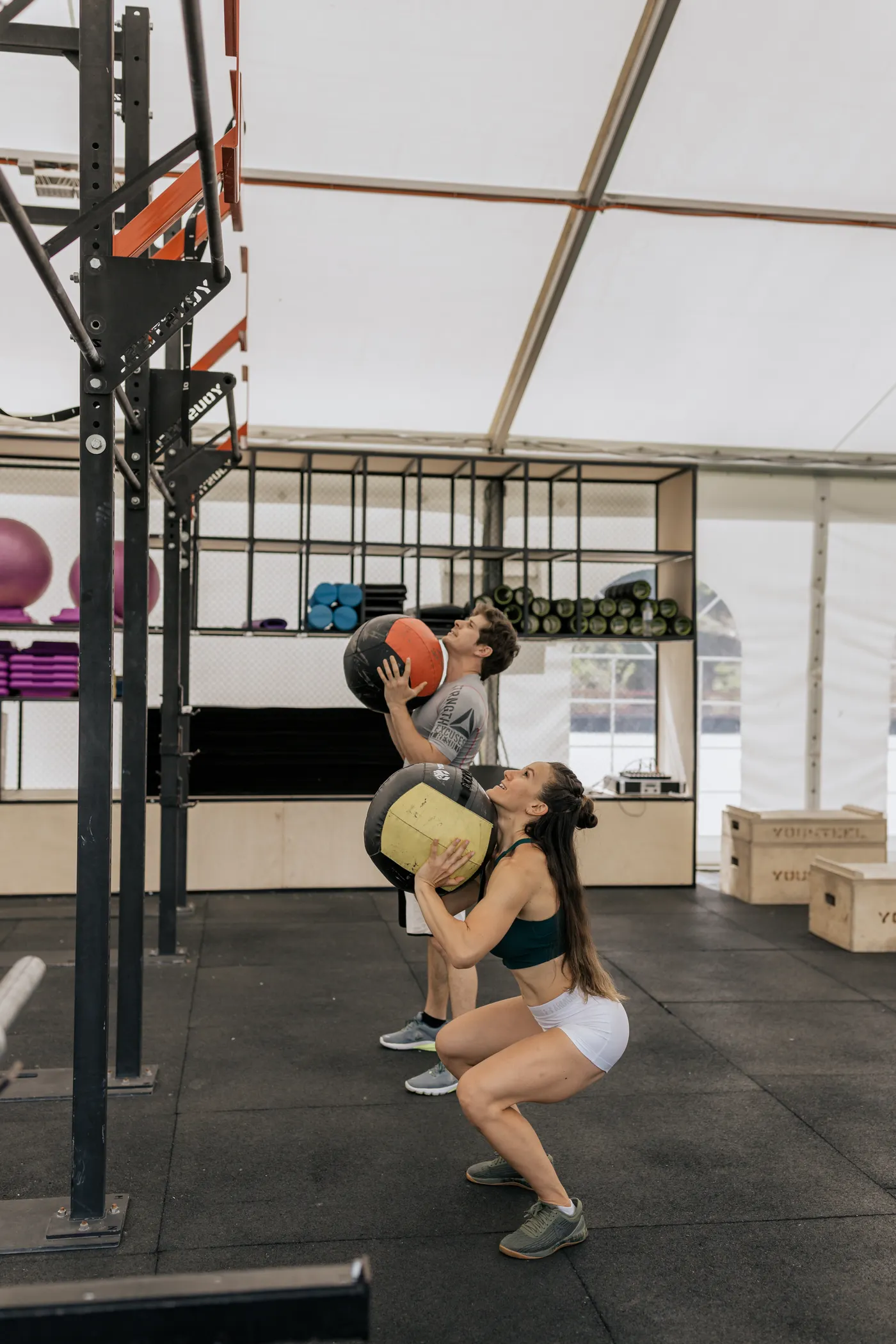
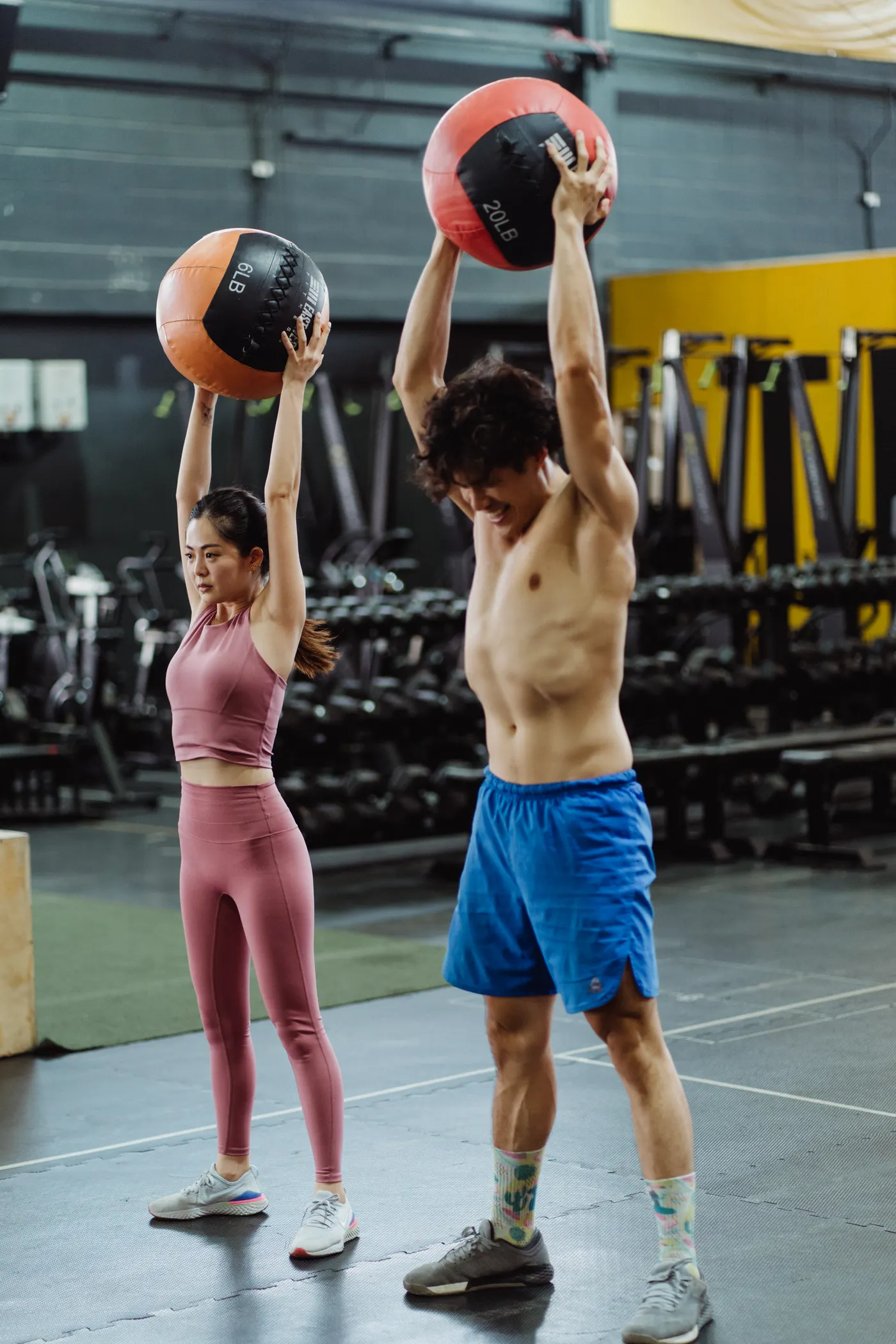
The standing chest pass is a sensible first power drill. Hold a light medicine ball near the sternum, stand a safe distance from a sturdy wall or partner and brace as though preparing for a fast press. Drive the ball forward with both arms while maintaining balance. Reset completely before the next attempt. Do not let the throw pull your shoulders forward into an uncontrolled reach.
For a beginner, start with two or three sets of four to six crisp throws. Rest long enough to make the next set as fast as the first, commonly around 60 to 120 seconds for these modest sets. A ball that is too heavy can turn the drill into a slow push, defeating its purpose. A lighter implement moved cleanly is often the better training choice.
Try a half-kneeling chest pass if you need to reduce lower-body contribution and focus on trunk control. A standing version can use a small, coordinated leg drive. Neither version is universally superior: choose the one that matches the desired skill. For racket or throwing athletes, a coach may favor positions resembling their sport, but an ordinary lifter can keep the drill general.
Use a ball designed for the intended task. A soft, non-rebounding slam ball is appropriate for floor slams; a wall-ball or rebounding medicine ball may be designed for other impacts. Never assume that a ball is safe to throw at a wall or catch off a hard surface. Clear the landing zone and check the manufacturer’s intended use before the first repetition.

Funny Gym Shirts & Workout Gear
Funny gym shirts, tanks, hoodies and workout gear for lifters who like training hard.

Forged in the Gym Tee
Show some lifting attitude with a playful “Forged in the Gym: Hephaestus God of Fire” tee.


Smash Dumbbells Tee
Show some superhero attitude with a playful “Smash Dumbbells Like Hulk” tee.


Powerslave Gym Sweatshirt
Add a playful “Powerslave to the Gym Iron Maiden Parody” touch to your casual rotation.

Pullups Heartbeat Crewneck
Keep things casual with a little “Calisthenics Pullups Heartbeat” attitude.

Dost Thou Even Press Hoodie
Show off your medieval humor in a laid-back “Shoulder Press” hoodie.

Chest Day Decal Water Bottles & Equipment Meme Sticker
Bring “Chest Day” attitude to your water bottle or laptop.

4. Plyometric push-ups: progress the takeoff and the landing
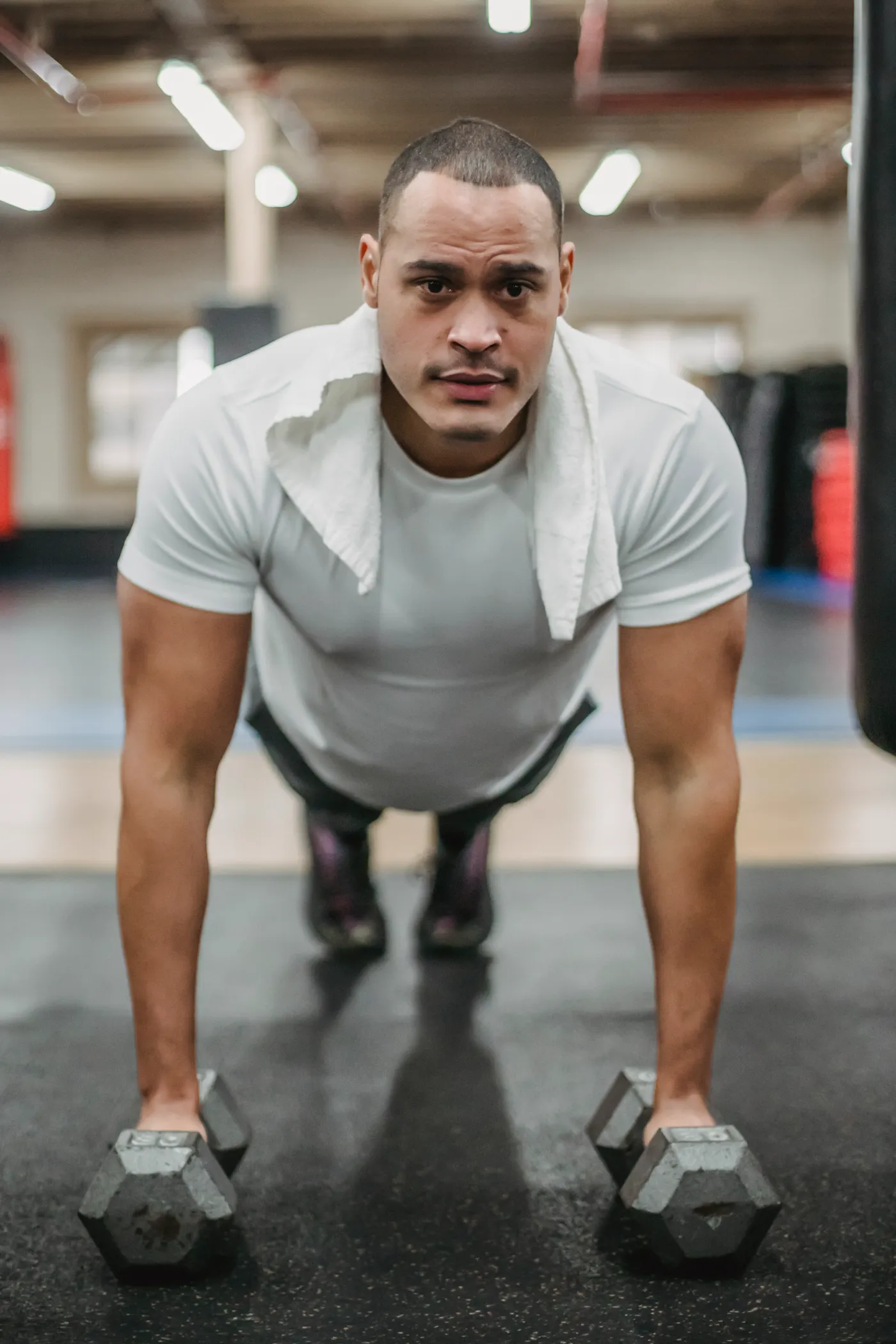
Explosive push-ups are easy to describe and surprisingly easy to overdo. Start with an elevated surface, such as a stable bench or fixed platform, and push away quickly without trying to launch your entire body. Keep the ribs and pelvis organized, and land with softly bent elbows. The aim is a rapid, repeatable press followed by controlled deceleration.
Once incline reps are fast and painless, lower the hand support gradually. Standard floor push-ups performed with maximal upward intent are a valid intermediate step even if the hands never leave the floor. Small airborne push-ups come later. Clap push-ups and drop-and-rebound variations demand more landing tolerance and are not compulsory milestones.
Begin with three sets of three to five high-quality repetitions, separated by generous rest. That is deliberately fewer reps than a normal hypertrophy set. When rep speed fades, shoulder position deteriorates or wrists feel uncomfortable, the useful power set is finished. A thick soft mat may change the hand-contact mechanics, so prioritize a stable, predictable surface.
Wrist or shoulder symptoms call for a simpler alternative, not an attempt to push through sharp pain. A light chest pass, fast band press or conventional controlled push-up may be easier to tolerate, depending on the person. The fastest variation is not automatically the most productive. If you cannot maintain a stable landing, use the previous progression until it becomes effortless.
5. Rotational throws and slams train a different direction of power
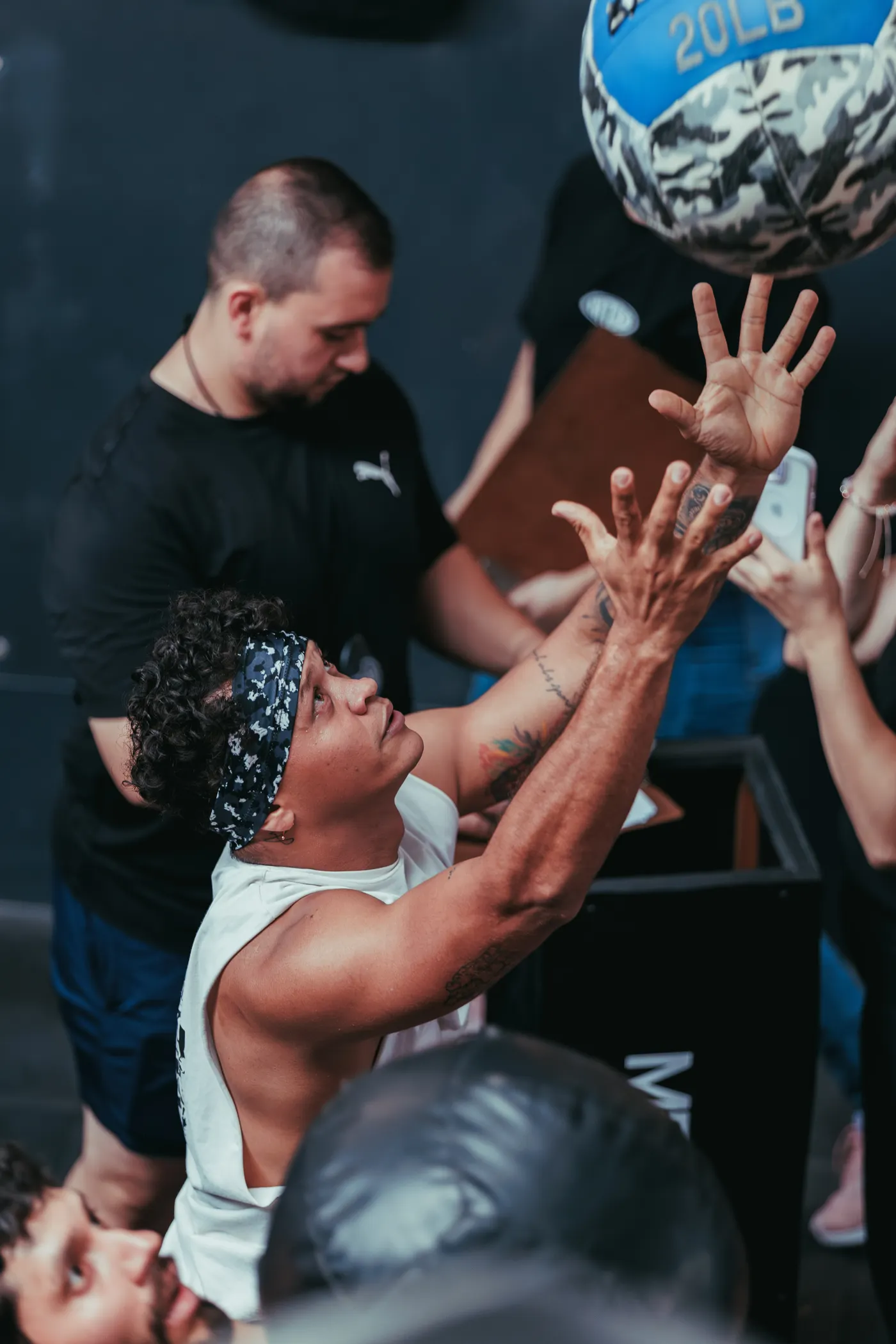
Most gym pressing moves travel forward or upward, but sport and daily activity often require force to move through the hips and trunk before reaching the arms. A rotational medicine-ball throw practices that sequence. Set your feet in an athletic stance, turn through the hips and torso as one coordinated action, and release toward a safe wall or target. Avoid twisting violently through a fixed lower back while the hips remain locked.
Start with two sets of three to five throws per side using a light ball. Keep left and right technique comparable, but do not force identical distances if one side is less coordinated. A throw that finishes with a balanced stance is more useful than one that sends you stumbling sideways. Rest between sets so each release is deliberate.
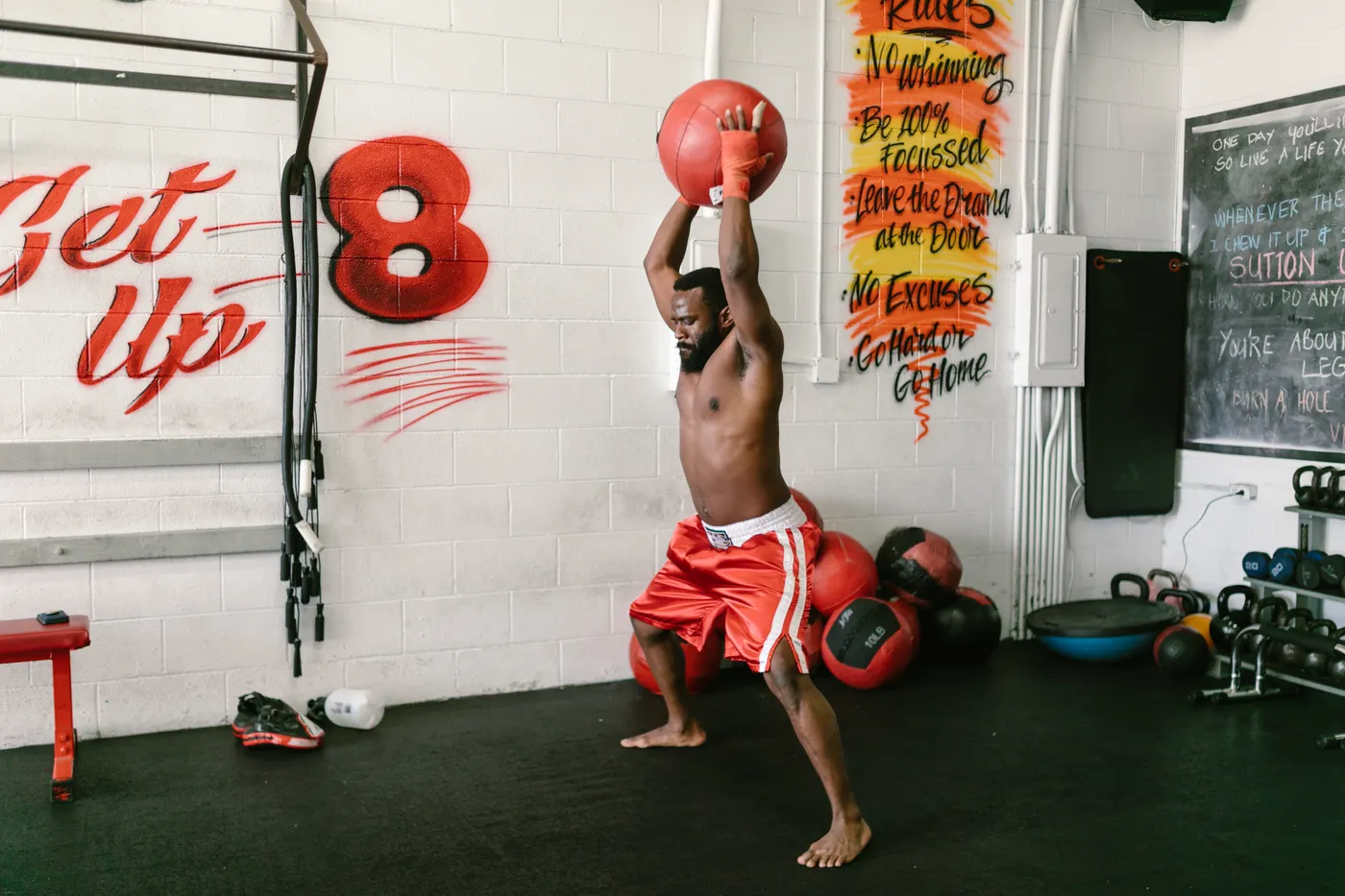
For overhead slams, raise a suitable non-rebounding slam ball while maintaining a controlled trunk, then drive it downward using the arms, trunk and hips. Keep the landing area clear and never catch a heavy bouncing ball at face height. Two or three sets of five powerful slams are plenty for a first session. A light, controlled reverse overhead throw can be used in appropriate open space, but it is not a safe default in a crowded gym.
Direction matters: chest passes emphasize forward projection, rotational throws emphasize transverse-plane coordination, and slams emphasize downward acceleration. Pick one or two that fit the activity you care about. Doing every explosive variation in a single session is not inherently better than mastering a small number well.
Equipment Worth Exploring
Explore equipment, accessories and gear from our carefully selected range.
VOLTRA
Compact digital cable trainer with smooth, adjustable resistance.

Go-Tone Pro
Portable digital cable trainer with up to 66 lb (30 kg) of adjustable resistance.
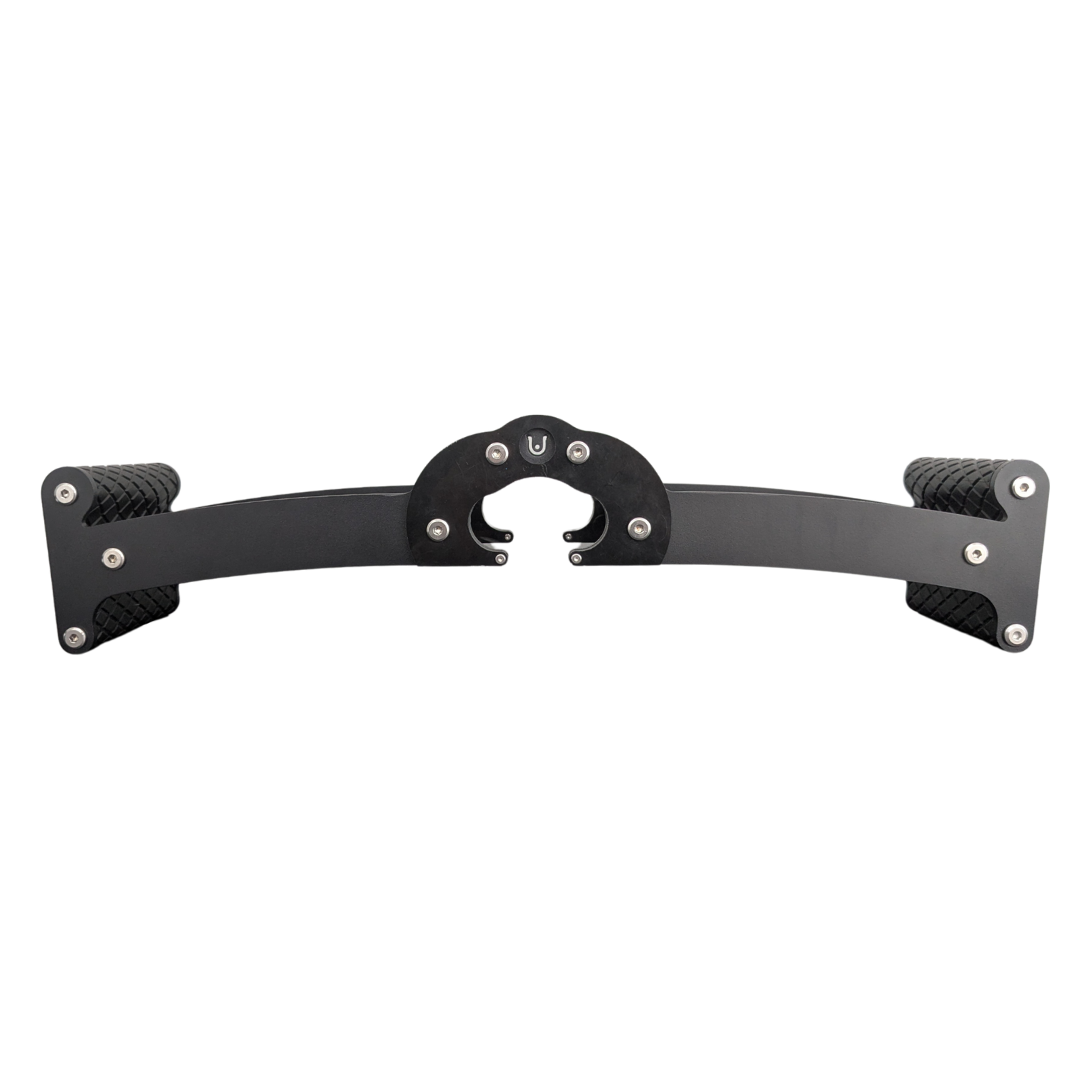
Back Bar
Multi-grip cable and landmine bar with a built-in deadlift jack.

GymPin Ergo Handles
Pair of ergonomic cable handles shaped for comfortable triceps and pulling exercises.
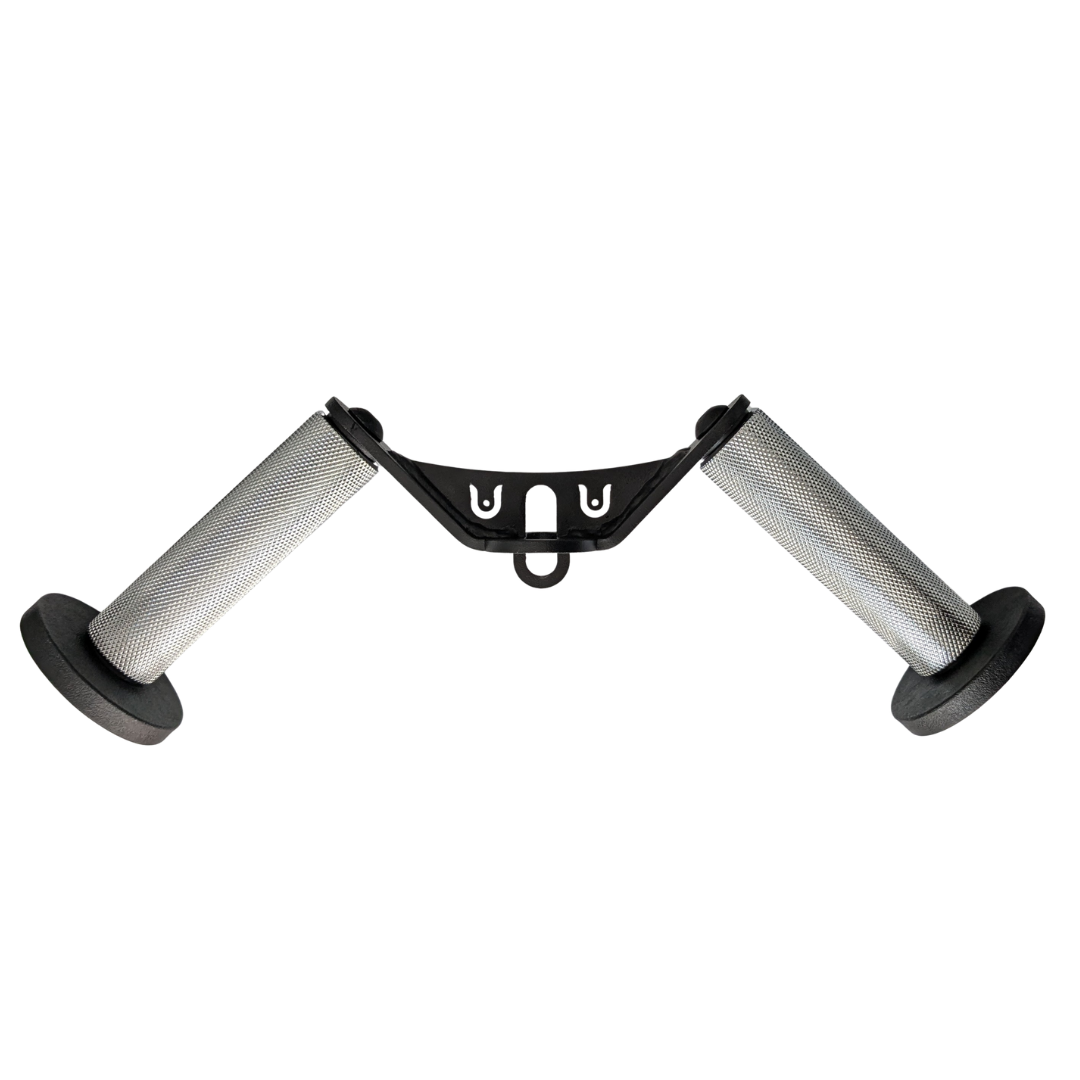
W Grip
Angled cable grip for comfortable rows, pushdowns, and curls.


Leather Lifting Straps
Padded leather straps support grip during heavy rows, deadlifts and pulling exercises.


6. Combine power work with ordinary strength training
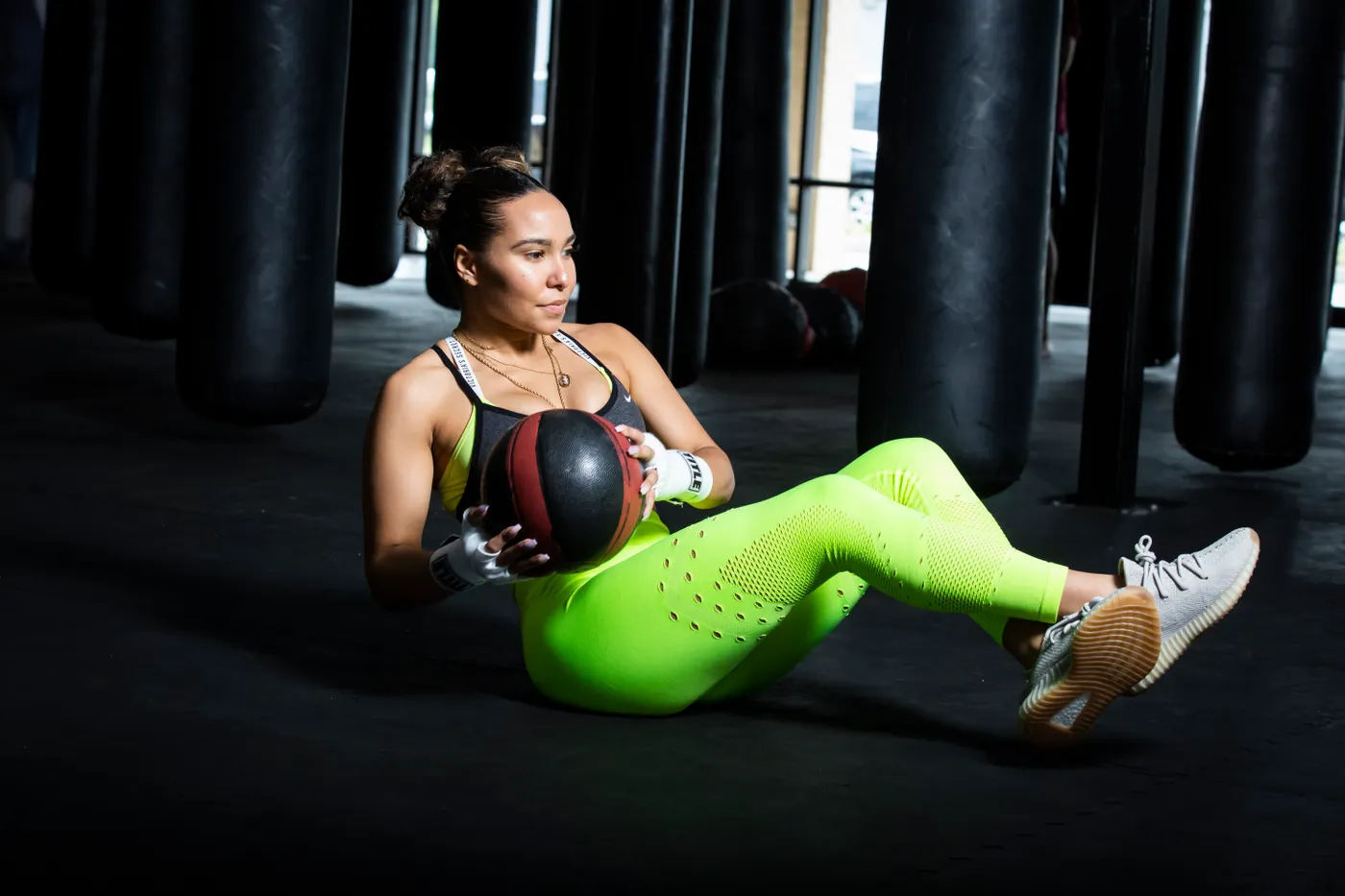
Power training works best when the athlete is fresh enough to move quickly. After a warm-up, perform a small explosive block before demanding heavy presses or rows. For example, complete three sets of five chest passes, rest, then move into normal bench pressing. The throws serve as a distinct speed-focused task rather than a fatiguing finisher.
Traditional lifting still supplies the heavier loading needed for strength and muscle development. A practical upper-body day might include a press, a row, an overhead or angled press, and an upper-back accessory. Keep those movements progressive over time. The explosive work should not quietly reduce the quality of your important strength sets or push your weekly workload beyond what you can recover from.
Experienced athletes sometimes pair heavy lifts with throws in contrast training. That approach is more demanding than simply putting a few throws before lifting, and it does not guarantee a performance boost. Research on short-term performance enhancement suggests that exercise similarity and recovery intervals matter. For most recreational lifters, a straightforward sequence with adequate rest is easier to manage and assess.
Equipment choices can stay practical. Dumbbells, a barbell, a stable bench or an appropriate cable setup support the strength portion; a properly rated medicine ball supports the throwing portion. A kettlebell or landmine press may be useful as an accessory, but do not pretend it is the same as a medicine-ball release. Match the tool to the actual movement instead of chasing a novelty setup.
Bodybuilding Shirts & Workout Gear
Bodybuilding shirts, tanks and gym gear for lifters chasing muscle, size, symmetry and the pump.

I Love Bench Press Gym | Funny Bench Press Meme Crewnec T-Shirt
For laid-back days and gym-girl humor: “I Love Bench Press”.

If You're Reading This Its Chest Day | Drake Album Cove Hoodie
Bring “If You're Reading This Its Chest Day” gym humor to lazy days and post-workout plans.

The Chestfather Arnold Meme Big Chest Vest Tank Top
Add some lifting attitude to training with “The Chestfather”.

Gym Dost Thou Even Fly Medieval Knight Chest Fly Muscle Tank Top
Bring “Dost Thou Even Fly Medieval Knight Chest” humor to your next lifting session.


Swole Jesus Lateral Raises – Easter Bodybuilding Meme G Hoodie
Show off your Easter humor in a laid-back “Swole Jesus Lateral Raises” hoodie.

Kanye Chest Gym Meme | Bodybuilding Rap Parody Decal Sticker
Stick a little “Kanye Chest Gym Meme” humor on your favorite gear.

Superhero Dumbbell Press Tee
Heavy lifts, good laughs, and a little “Superman Dumbbells Logo” energy.


Yeah Buddy Ronnie Tank
Add some lifting attitude to training with “Yeah Buddy Lightweight”.
7. A two-day upper-body power plan with measurable progress
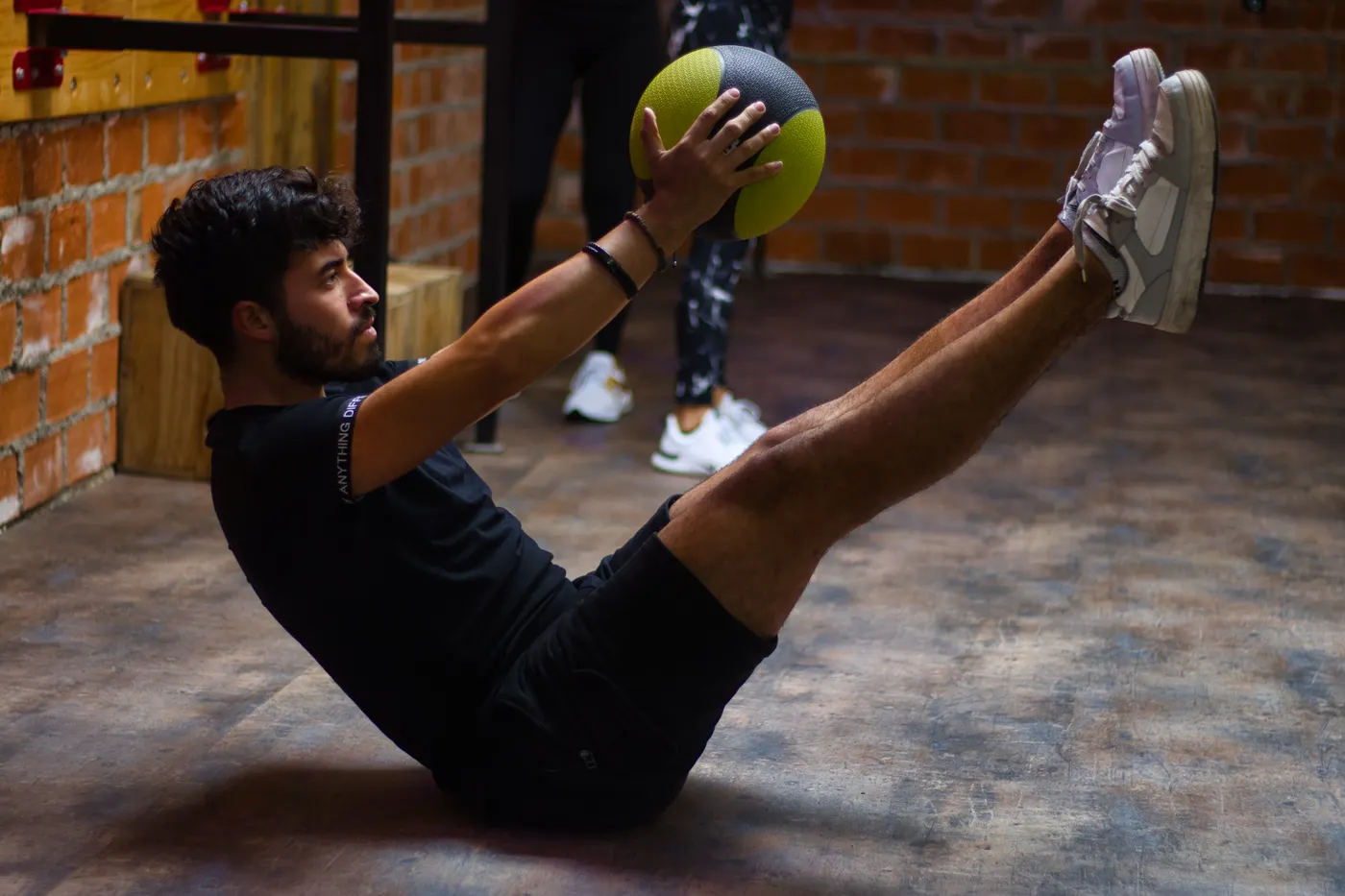
For a healthy lifter already comfortable with basic pressing, start with two nonconsecutive upper-body sessions each week. Leave at least two days between hard explosive sessions when possible, especially while learning to absorb the return from push-ups or ball catches. Warm up for five to ten minutes with shoulder circles, easy presses, trunk rotation and a few progressively faster practice throws.
Day A: forward power plus strength. Do chest passes for 3 x 5, then explosive incline push-ups for 3 x 4. Rest about 60 to 120 seconds between short power sets, longer if the throws slow down. Follow with a normal bench or dumbbell press for 3 x 5-8, a supported row for 3 x 8-10 and an easy shoulder or upper-back accessory for 2 x 10-15.
Day B: rotation plus full-body coordination. Do rotational throws for 3 x 4 per side, then non-rebounding ball slams for 2 x 5. Continue with an overhead or landmine press for 3 x 6-8, a vertical pull for 3 x 8-10 and a carry or anti-rotation exercise for 2-3 controlled sets. Keep the explosive movements fast; take conventional strength sets near a sensible effort without turning every rep into a maximal grind.
Over four weeks, record ball weight, throw distance where measurable, push-up variation, set quality and any next-day soreness. Add a repetition or a small amount of complexity only when speed and control stay high. Do not increase ball weight, throw volume and plyometric difficulty all at once. If performance is worse for two consecutive sessions, reduce the explosive volume before adding more work.
Power is a useful complement to strength, not a competition to see who can survive the hardest circuit. A few carefully selected, repeatable throws and fast pushes can add a dimension that slow heavy lifting alone does not directly practice. Keep the dose modest, the technique precise and the progress measurable.