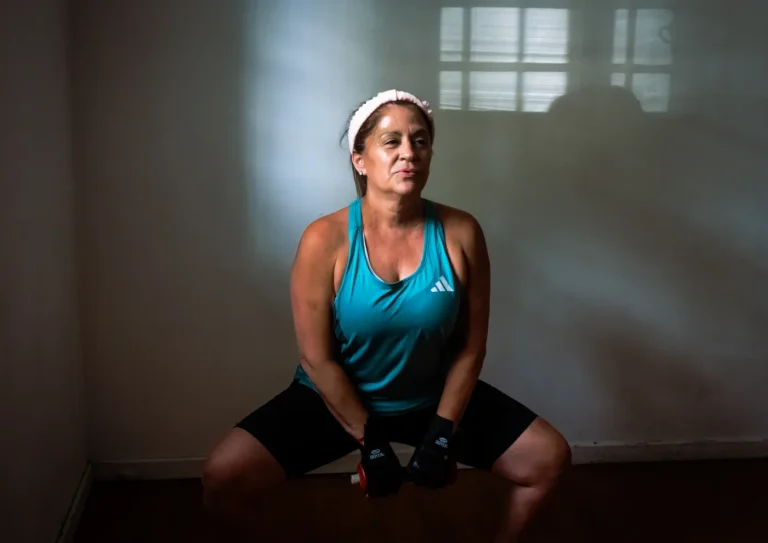
Joint-friendly strength training is not a search for one magic knee exercise. Your ankles, knees and hips share the work whenever you squat, climb stairs, step down from a curb or lift something from the floor. A sensible plan strengthens each region while teaching the whole leg to manage load. It also gives you room to progress without treating every sensation as a warning or every workout as a test.
1. Why ankles, knees and hips should be trained together
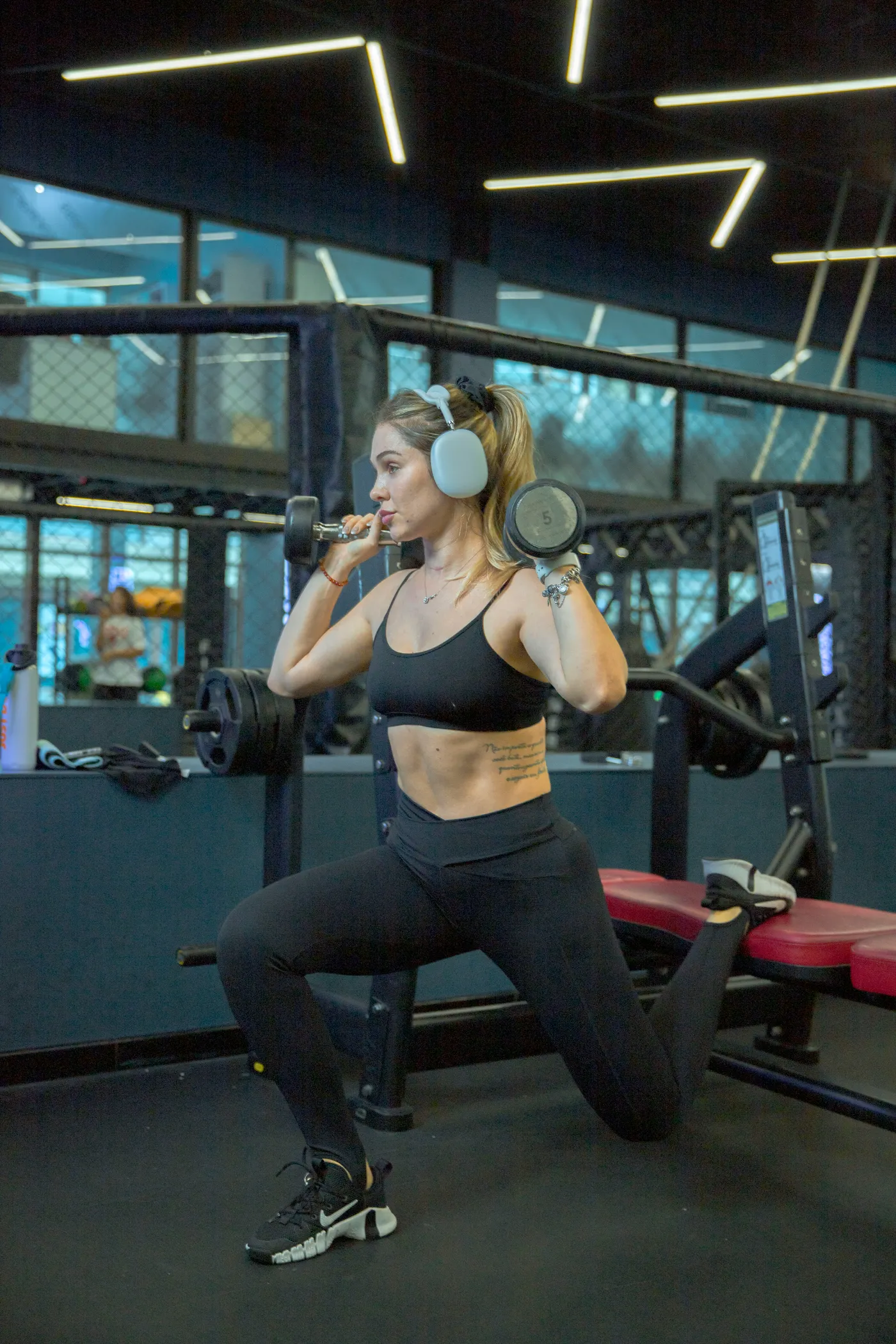
The ankle helps position the foot and transfer force. The knee bends and straightens under load. The hip produces substantial force and controls the thigh and pelvis. None operates independently in a real squat or step-up. If one movement option is limited, you may change your technique to complete the task, but that does not prove a single weak muscle caused the problem.
Start by observing a few everyday patterns: a controlled bodyweight squat, a short step-down, a single-leg stand and a comfortable hip hinge. Look for repeatable control and tolerable effort, not a textbook pose. People have different proportions, mobility and training histories; a slightly different stance or range of motion can be entirely reasonable.
For general fitness, the useful goal is capacity: gradually handling a wider range of positions, loads and daily demands. Balance drills and calf work can complement squats, hinges and hip exercises, but none needs to dominate the session. If you have persistent swelling, locking, giving-way, recent injury or worsening pain, get an individualized assessment rather than trying to diagnose the cause from a movement video.
2. Ankles: build calf strength, foot control and balance
Begin with a stable support and a controlled heel raise. Rise through the ball of the foot, pause briefly and lower without dropping. Try two sets of 8-12 repetitions. When both legs feel comfortable, progress to a supported single-leg variation, a longer lowering phase or a modest external load. Straight-knee and bent-knee versions shift the muscular demands; both can be useful.
For side-to-side control, a light resistance band can provide gentle ankle inversion and eversion work. Keep the knee relatively still, move slowly and avoid wrenching the foot to chase range. One or two sets of 10-15 smooth repetitions per direction is enough to begin. This is accessory training, not a substitute for walking, squatting or gradually returning to sport.
Single-leg balance adds a different challenge. Stand near a wall or rail for 20-30 seconds, then switch sides. Make it harder by reducing hand support, adding small reaches or changing the surface only when you can stay in control. More wobble is not automatically more benefit. A recent synthesis of randomized trials in athletes found neuromuscular training was associated with fewer ankle injuries and better dynamic balance, but its findings do not guarantee injury prevention for every person or activity.
Use footwear and support that let you train confidently. A history of repeated ankle sprains, significant instability or dizziness calls for a more individualized progression.

Equipment Worth Exploring
Explore equipment, accessories and gear from our carefully selected range.


GymPin Squat Wedges
Non-slip 15-degree squat wedges help elevate the heels for deeper quad-focused squats.



Squat Harness
Wearable harness for hands-free cable squats, sled work, and lower-body training.
3. Knees: practice squats, steps and comfortable loading
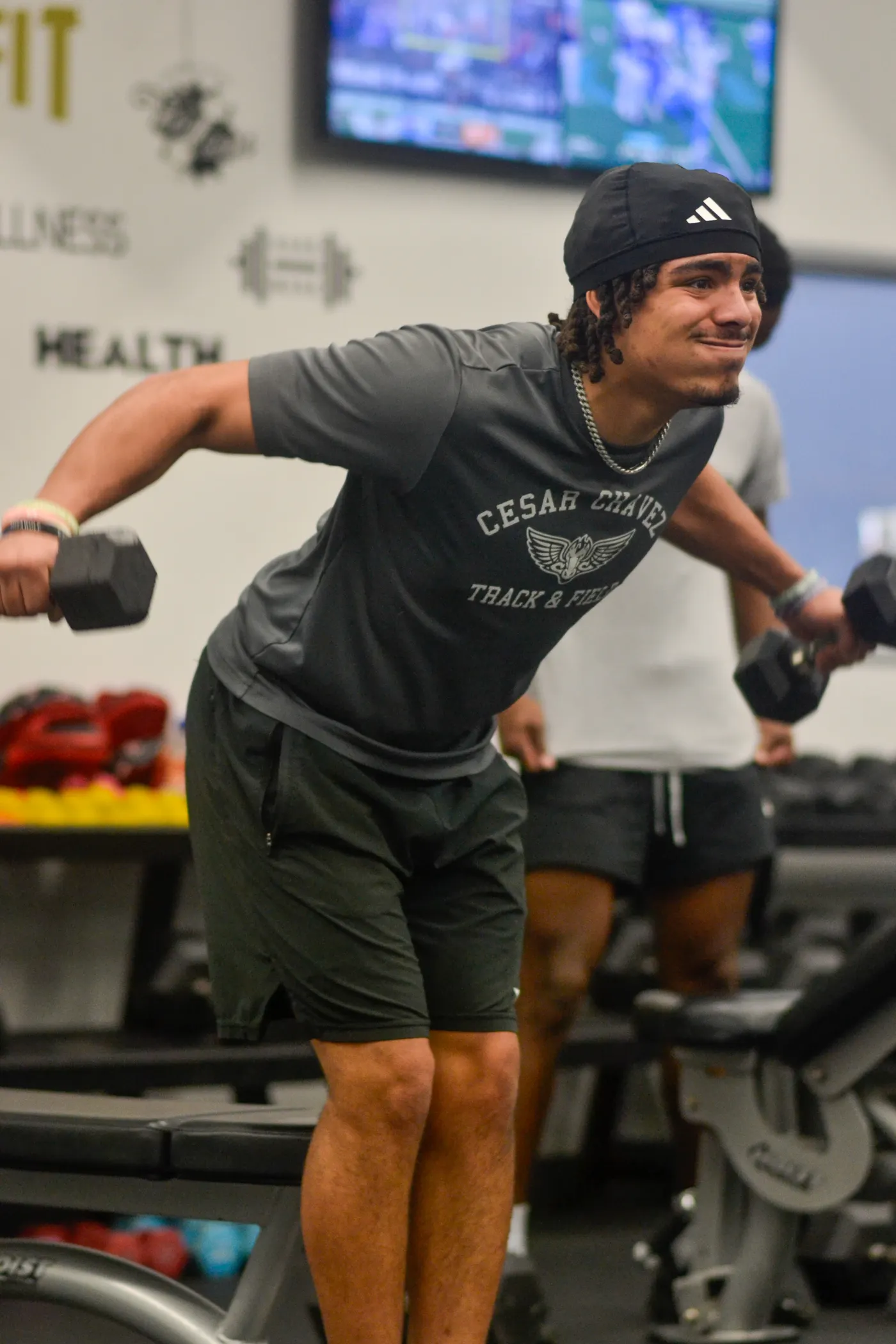
The knee benefits from gradually stronger quadriceps and surrounding muscles. Start with a sit-to-stand from a bench or chair, a box squat or a shallow bodyweight squat. Use a range you can repeat without losing control. As tolerance improves, lower the box, add repetitions or hold a light dumbbell. You do not need to force a particular knee angle to make a beginner session productive.
Step-ups and step-downs are especially practical because they resemble stairs. Use a low, stable step; place the whole foot on it; rise without bouncing off the trailing leg; and descend deliberately. Two sets of 6-10 repetitions per side often reveal whether the height is appropriate. Reduce the step or hold a rail if balance becomes the limiting factor.
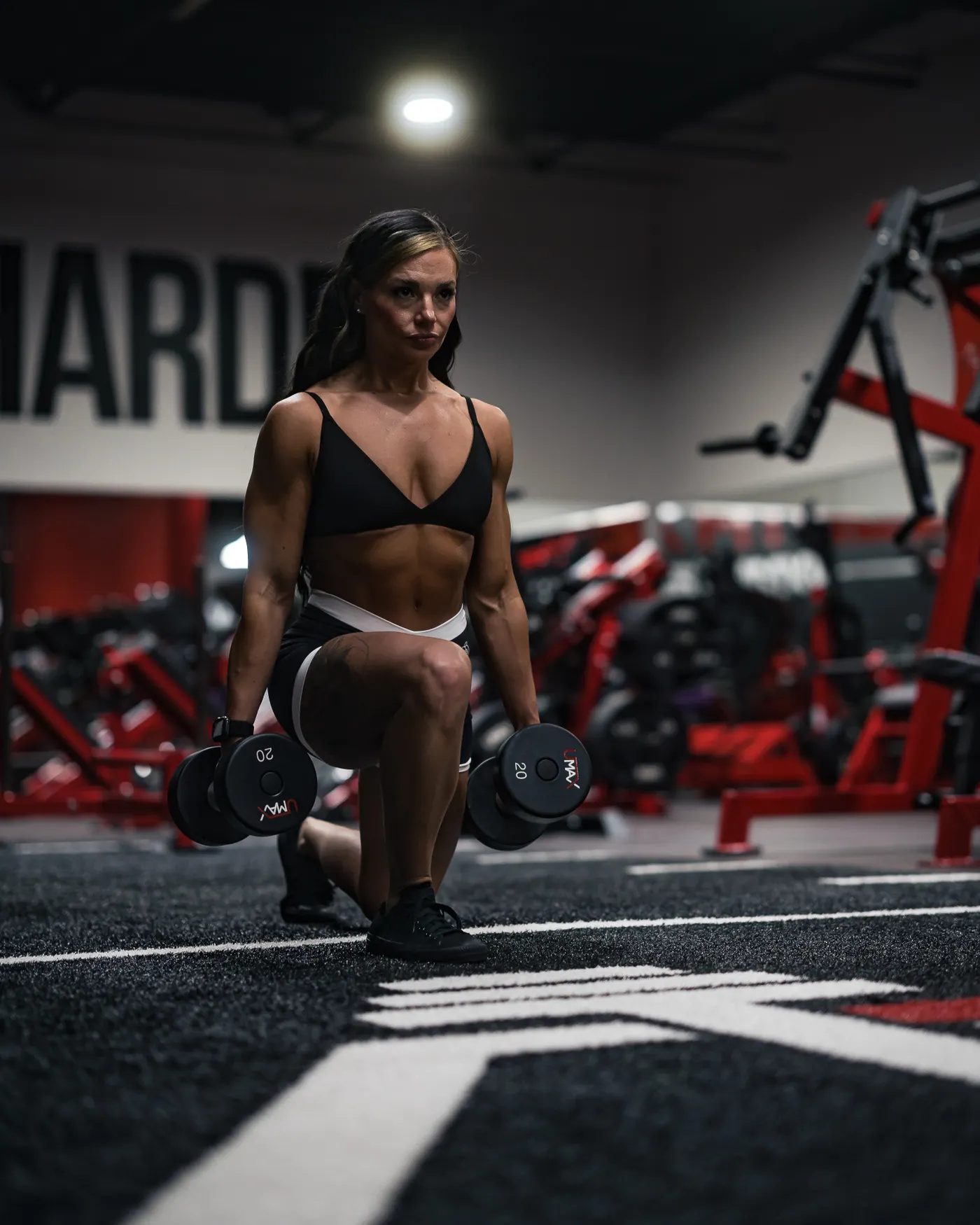
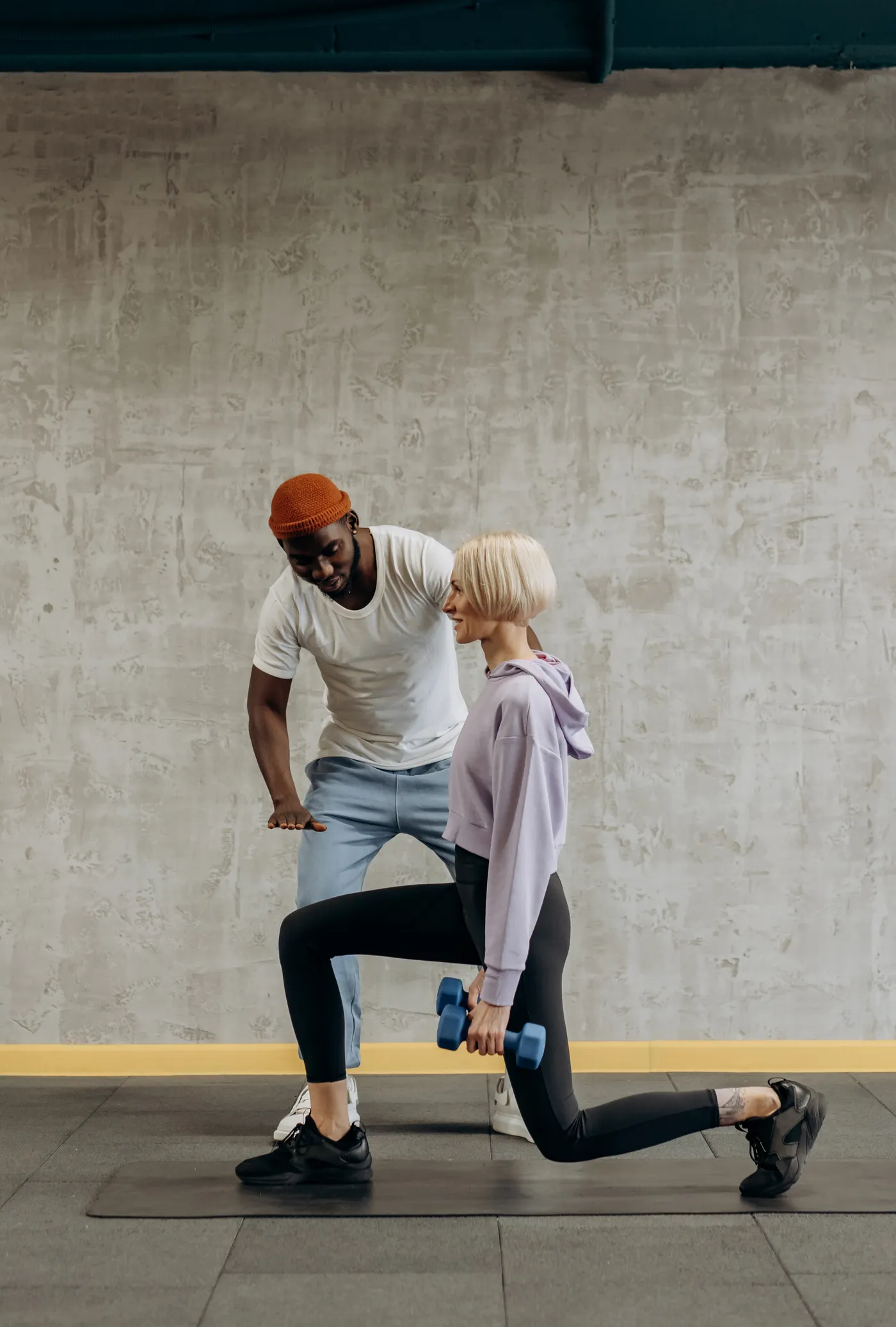
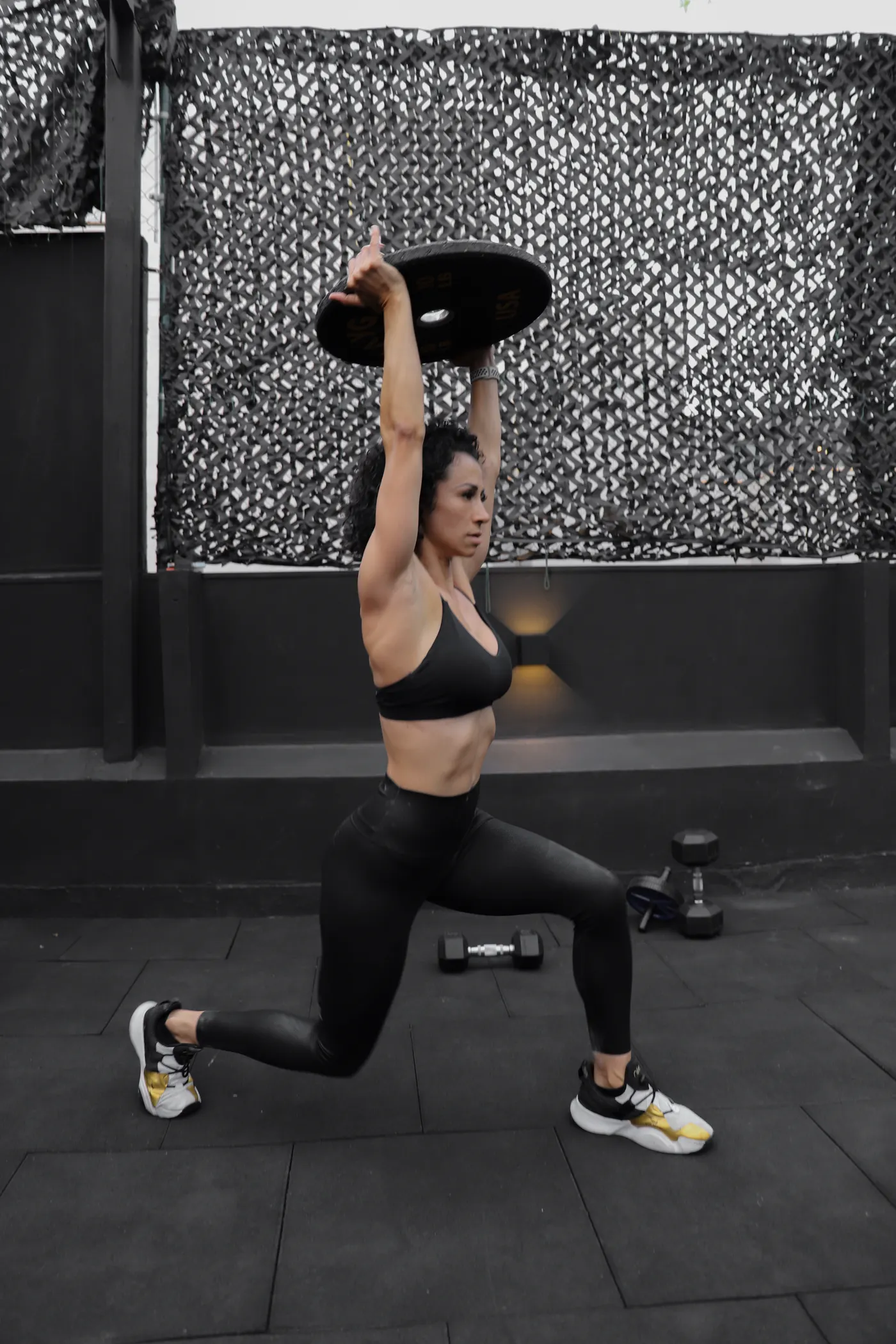
Reverse lunges can be easier to scale than walking lunges because you control the distance and direction. Keep the front foot planted, step backward and lower only as far as comfortable. Holding onto a rack is a legitimate progression tool, not cheating. Increase load after the movement is consistent rather than adding weight to disguise instability.
In studies of people with knee or hip osteoarthritis, resistance training has improved pain, strength and function on average. Those results support appropriately dosed exercise, not a promise that a particular squat variation treats every knee complaint. Sharp pain, marked swelling or symptoms that worsen from session to session are reasons to adjust the plan and seek clinical guidance.

Leg Day Shirts & Workout Gear
Leg-day gym shirts and workout gear for lifters who never skip squats, lunges and lower-body punishment.

8 Plates Squat Club : Essential Meme & T-Shirt
Make gym days more fun with “8 Plates Squat Club” style.

4 Plates Deadlift Club – Motivational & Deadlifts Top T-Shirt
Show some deadlift attitude with a playful “4 Plates Deadlift Club” tee.

Shirt Meme – Leg Day Yesterday Wheelchair Top T-Shirt
Rep “Funny Gym Shirt Meme” humor in and out of the gym.

Booty Building Mode Gym Girl T
Bring “Booty Building Mode Gym Girl” humor to your next gym day.

Squat Here | Edgy Workout Sweater | Gym Humor Meme Crew T-Shirt
Bring “Squat Here” humor to your everyday gym style.

Leg Day Leg Sweater Squats & Meme T-Shirt
Bring “Leg Day” humor to your everyday gym style.

2 Plates Squat Club Meme Shirt – Motivational Leg T-Shirt
Heavy lifts, good laughs, and a little “2 Plates Squat Club” energy.

1 Plate Deadlift Club Meme – Motivational Top T-Shirt
Heavy lifts, good laughs, and a little “1 Plate Deadlift Club” energy.

Thicc Booty Energy Squat Lovers & Leg Day Meme Hoodie
Show off your leg-day humor in a laid-back “Thicc Booty Energy” hoodie.

Gym Girl Booty Builder Sticker
A fun “Gym Girl Booty Builder” touch for bottles, laptops, and lockers.
4. Hips: combine glute work with useful whole-leg patterns
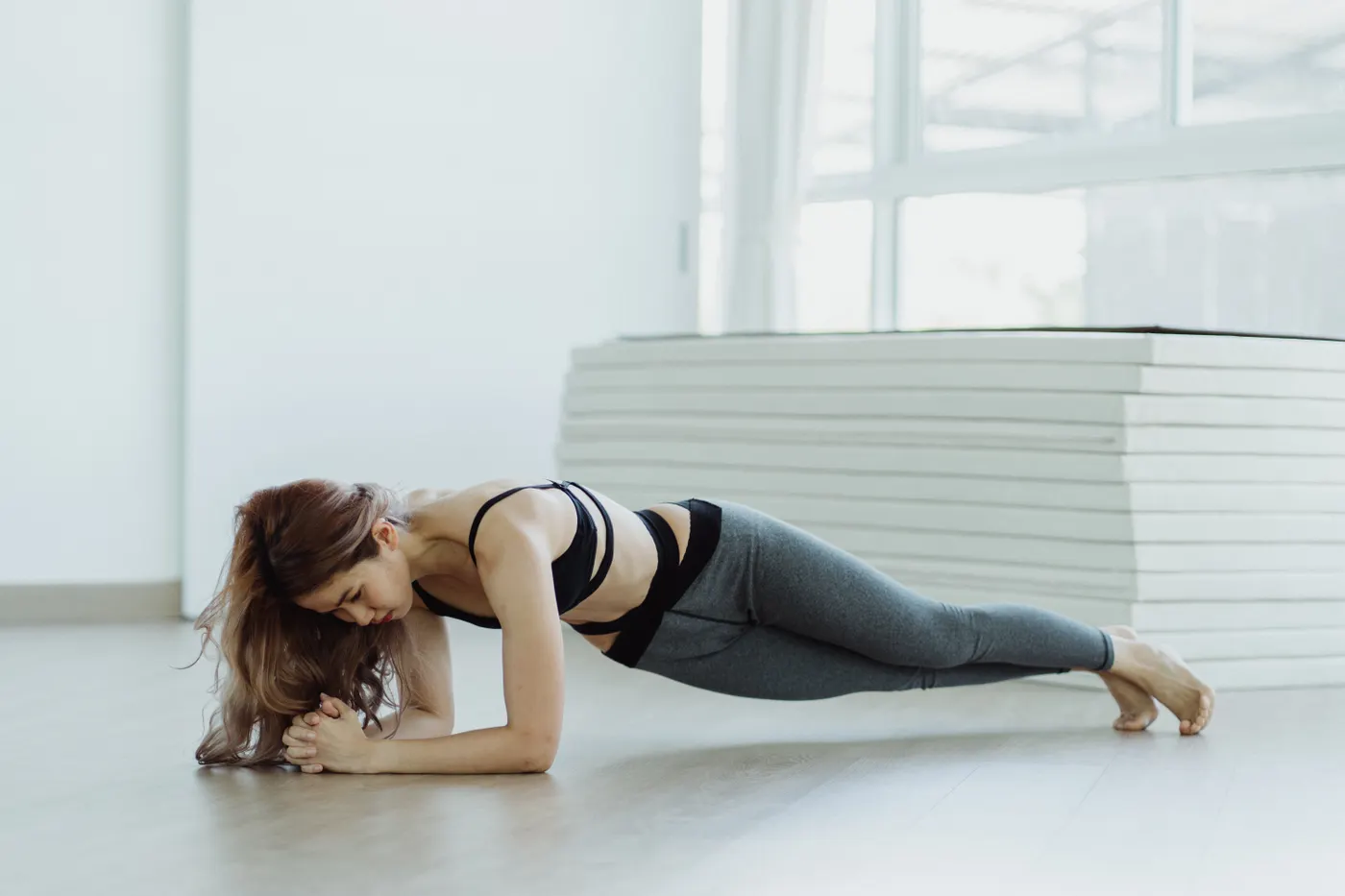
The gluteal muscles extend and help control the hip. A simple bridge teaches you to move the pelvis without needing much equipment: lie on your back, bend your knees, press through your feet and raise the hips until the torso and thighs form a comfortable line. Pause, lower slowly and repeat for 8-15 controlled repetitions. Avoid arching the lower back just to reach a higher position.
For lateral hip work, try a short banded side-step with a slight bend in the knees. Keep the pelvis level and take small steps so the band does not pull the knees inward. Side-lying hip abduction or clamshells are alternatives when standing work is not comfortable. These movements can complement larger lifts, but they do not need endless high-repetition burnout sets.
A hip hinge is the other foundation. Push the hips backward with a soft knee bend and keep the weight close to your body. A light kettlebell or dumbbell Romanian deadlift can be introduced after you understand the motion. You should feel the back of the hips and thighs working without turning the movement into a rounded-back reach for the floor.
Evidence in adults with patellofemoral pain suggests that adding hip strengthening to knee-focused exercise can help pain and function. That is a population-specific finding. For a healthy lifter, the practical takeaway is simpler: train both hip control and leg strength instead of assuming all knee mechanics can be fixed with one small glute exercise.
5. A realistic two-day joint-friendly strength plan
Two nonconsecutive sessions each week can cover the basics without turning mobility and balance into a second full-time workout. Begin with five minutes of easy walking or cycling and a few unweighted practice repetitions. Choose loads that leave roughly two or three good repetitions in reserve. The sets below are starting suggestions, not a rehabilitation prescription.
Day A: squat and ankle emphasis
- Supported squat or sit-to-stand: 3 sets of 8-10.
- Low step-up: 2 sets of 8 per leg.
- Standing calf raise: 2 sets of 10-15.
- Single-leg balance near support: 2 rounds of 20-30 seconds per leg.
- Light band ankle inversion and eversion: 1-2 sets of 10-12 each direction.
Day B: hinge and hip emphasis
- Light dumbbell Romanian deadlift: 3 sets of 8-10.
- Reverse lunge with support: 2 sets of 6-8 per leg.
- Glute bridge: 2 sets of 10-15.
- Short banded lateral walk: 2 rounds of 8-12 steps each way.
- Bent-knee calf raise or supported step-down: 2 sets of 8-12.
Rest around 60-120 seconds between harder sets, or longer if you need it to keep the movement controlled. If the full plan is too much, remove one accessory before cutting the main patterns. If you already lift regularly, these movements can be integrated into your existing lower-body sessions rather than added on top as extra fatigue.
Equipment Worth Exploring
Explore equipment, accessories and gear from our carefully selected range.
VOLTRA
Compact digital cable trainer with smooth, adjustable resistance.

Go-Tone Pro
Portable digital cable trainer with up to 66 lb (30 kg) of adjustable resistance.


6. Progress gradually without chasing soreness
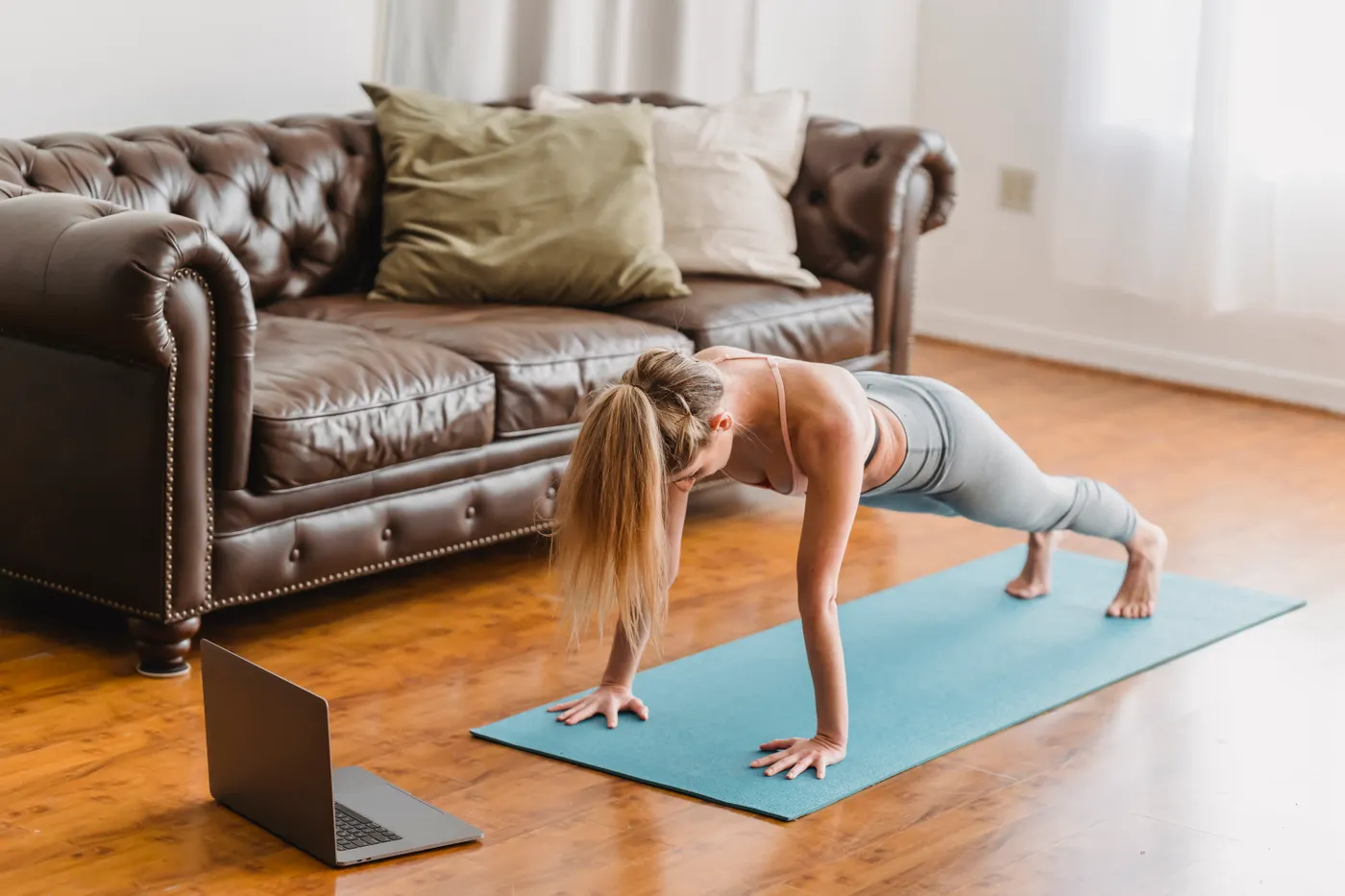
Keep the first week deliberately manageable. Write down the exercise, load, repetitions, balance time and how the joints felt during and after training. In the second week, add a repetition or two to a stable movement. In later weeks, increase resistance modestly once the target range feels consistent. Changing one variable at a time makes it easier to understand what helped or irritated the area.
Some muscular effort and temporary soreness are normal when you introduce new work. Joint pain is more individual. Use your response over the next day as useful feedback: if symptoms settle and ordinary walking remains comfortable, the dose may be reasonable; if swelling, limping or lasting aggravation appears, scale back. Do not use a universal pain score as permission to push through an injury.
Balance progress is not measured only by how long you can stand still. A lower step-down performed smoothly, a controlled reach and confidence moving on uneven ground may be more meaningful. For strength, compare like with like: the same bench height, similar range of motion and a repeatable tempo. Add challenging unstable surfaces only when they serve a specific goal, not because they look harder.
Consider a lighter week after several weeks of progression or when overall fatigue accumulates. More volume is not always the missing ingredient. Consistency and appropriate recovery usually matter more than turning every session into a maximal-effort leg day.
Functional Fitness Shirts & Workout Gear
Functional-fitness shirts, tanks and workout gear for athletes who train strength, conditioning and everything in between.

Vive La Resistance Bands – Resistance Bands Warmup Mobi T-Shirt
Add a playful “Vive La Resistance Bands” touch to your casual rotation.

Anti Stretching Stretching Club Meme Shirt – T-Shirt
Bring “Anti Stretching Stretching Club” humor to your next gym day.


Kettlebell Heartbeat Hooded Pullover Workout Fans Hoodie
Keep it laid-back with a little “Kettlebell Heartbeat” attitude.


Live Love Lift Decal for Water Bottles Laptops Workout Sticker
Stick a little “Live Love Lift” humor on your favorite gear.

Vitruvian Kettlebell Tee
Heavy lifts, good laughs, and a little “Vitruvian Man With Kettlebells” energy.


Kettlebell Skull Tee
Heavy lifts, good laughs, and a little “Kettlebell Skull Gym Meme” energy.

Break The Stereotype Gym | Feminist Muscle Shirt For St Tank Top
Add some lifting attitude to training with “Break The Stereotype”.
7. What the evidence supports, and what it cannot promise
It is tempting to turn exercise research into a single universal rule: strengthen the glutes and knee pain disappears, train balance and ankle sprains stop, or squat deeper and every joint improves. Real findings are narrower. A 2024 synthesis of resistance-training trials in osteoarthritis reported average improvements in pain, strength and physical function. Another review found meaningful benefits across different program durations, without one rigid volume prescription explaining all outcomes.
Studies of hip strengthening for patellofemoral pain and neuromuscular training for ankle injury prevention also support targeted exercise in the populations they studied. They do not identify the one best exercise for every healthy adult, nor do they show that the ankle, knee and hip must always be trained in a fixed sequence. Technique, history, load tolerance and sport demands change the appropriate starting point.
Use a practical test of progress: can you step up, squat, hinge and balance with greater control or capacity than several weeks ago? Are ordinary activities easier? Is your training repeatable without a cycle of flare-ups and forced layoffs? Those are more useful questions than whether you can complete the most elaborate corrective routine on social media.
Bottom line: combine basic leg strength, calf work, hip control and modest balance practice. Start where your current ability allows, increase the challenge gradually and seek professional help for persistent or concerning symptoms. Joint-friendly does not mean permanently easy; it means training hard enough to adapt while keeping the dose appropriate for the person doing it.