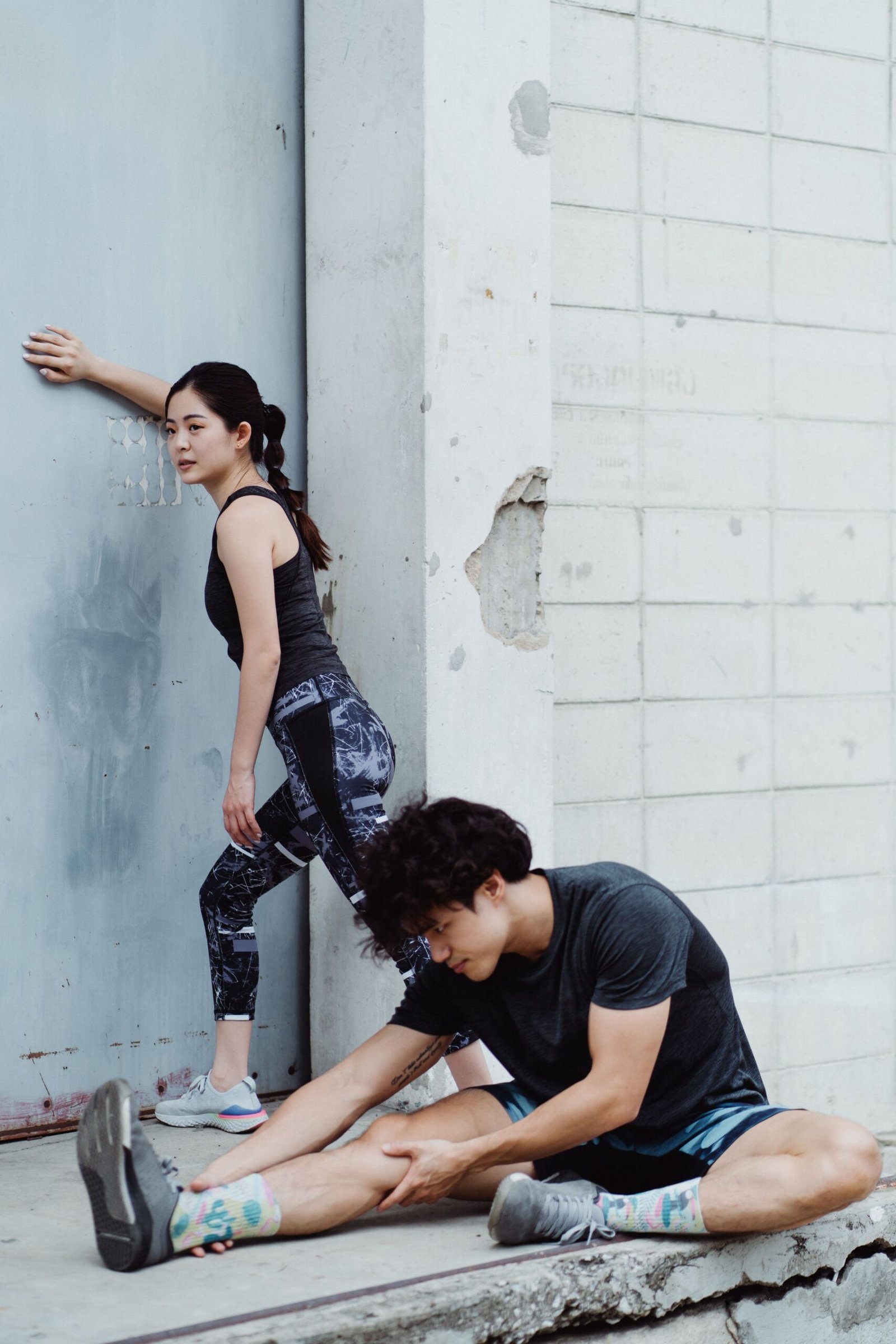
Most gym warm-ups fall into one of two camps: a few hurried arm circles before a heavy set, or a lengthy routine that feels like a separate workout. Neither extreme is necessary. A 2026 international consensus on warm-up practice offers a better starting point: preparation should be specific to the activity, progressive enough to build readiness and restrained enough to avoid using up the energy needed for the session.
The panel involved 23 specialists from 12 countries and assessed 122 proposed statements across four areas. Agreement of at least 80% was reached for 72 statements. That is expert consensus, not a controlled experiment proving that one exact routine works for everybody. Its value lies in the framework: general movement, specific rehearsal and optional higher-intensity priming, adapted to the athlete and the task.
What a warm-up can do, and what it cannot promise
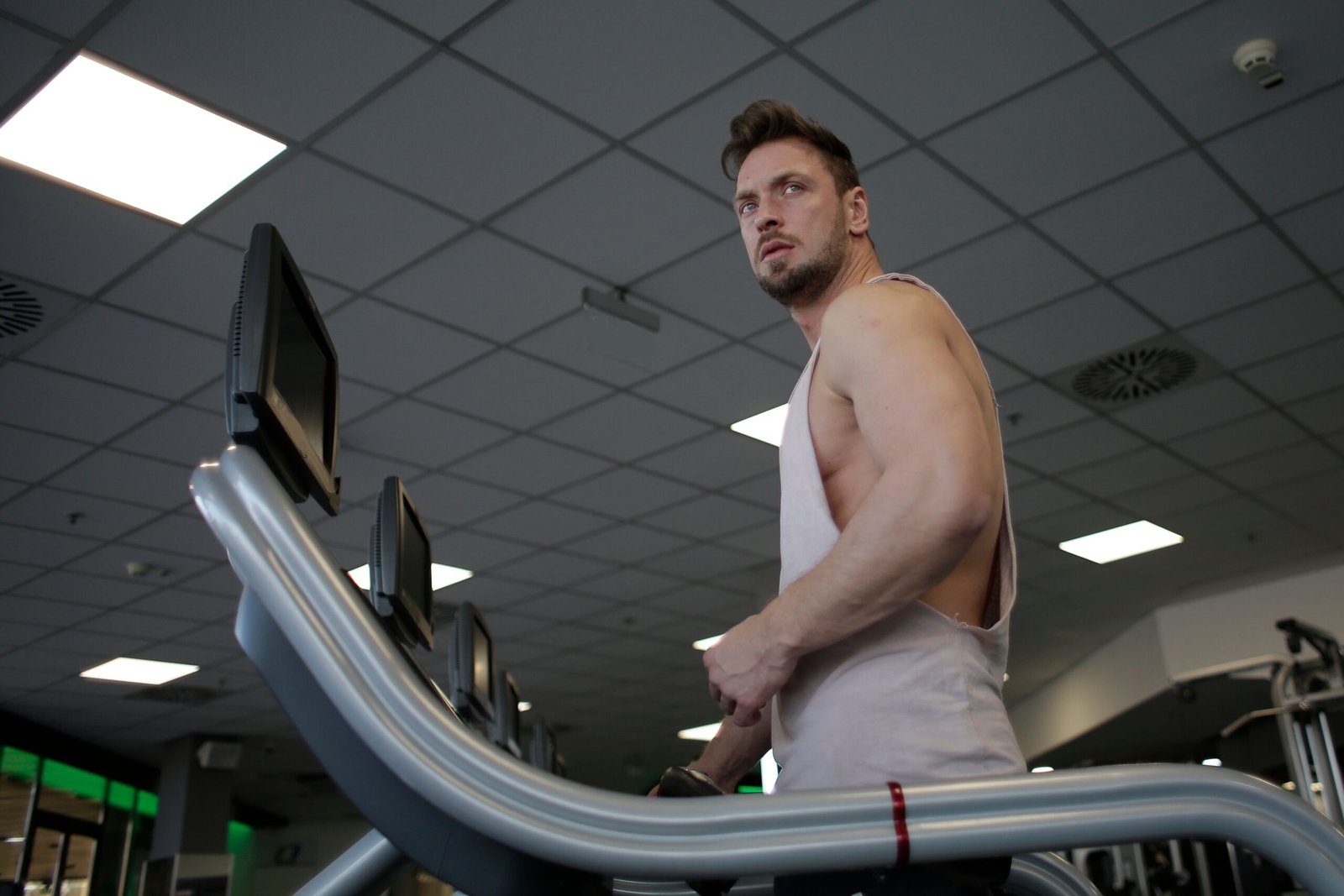
A useful warm-up is a bridge from rest to work. Easy movement gradually raises body temperature and circulation. Specific movements let you practice coordination and assess whether today’s range of motion and loading feel normal. Heavier but brief preparatory efforts can help some athletes feel sharper before demanding work. These are overlapping functions, not three mandatory boxes that every person must tick for twenty minutes.
The consensus emphasized that warm-ups are context-dependent: the preparation for a 5K run is not identical to preparation for a heavy squat or a maximal jump. It also distinguished immediate performance readiness from injury prevention. A sensible warm-up may help performance and expose warning signs, but no brief pre-session ritual guarantees protection from an injury that day. Longer-term risk management also depends on training load, technique, conditioning, recovery and the demands of the sport.
Older evidence gives the general idea some support. A systematic review of 32 studies found improvements in most performance measures assessed after warm-up, although protocols varied and the review did not establish one universal formula. Treat that as a reason to prepare, not as permission to claim a precise percentage improvement for every lifter.
Start with easy movement, not an exhausting cardio test
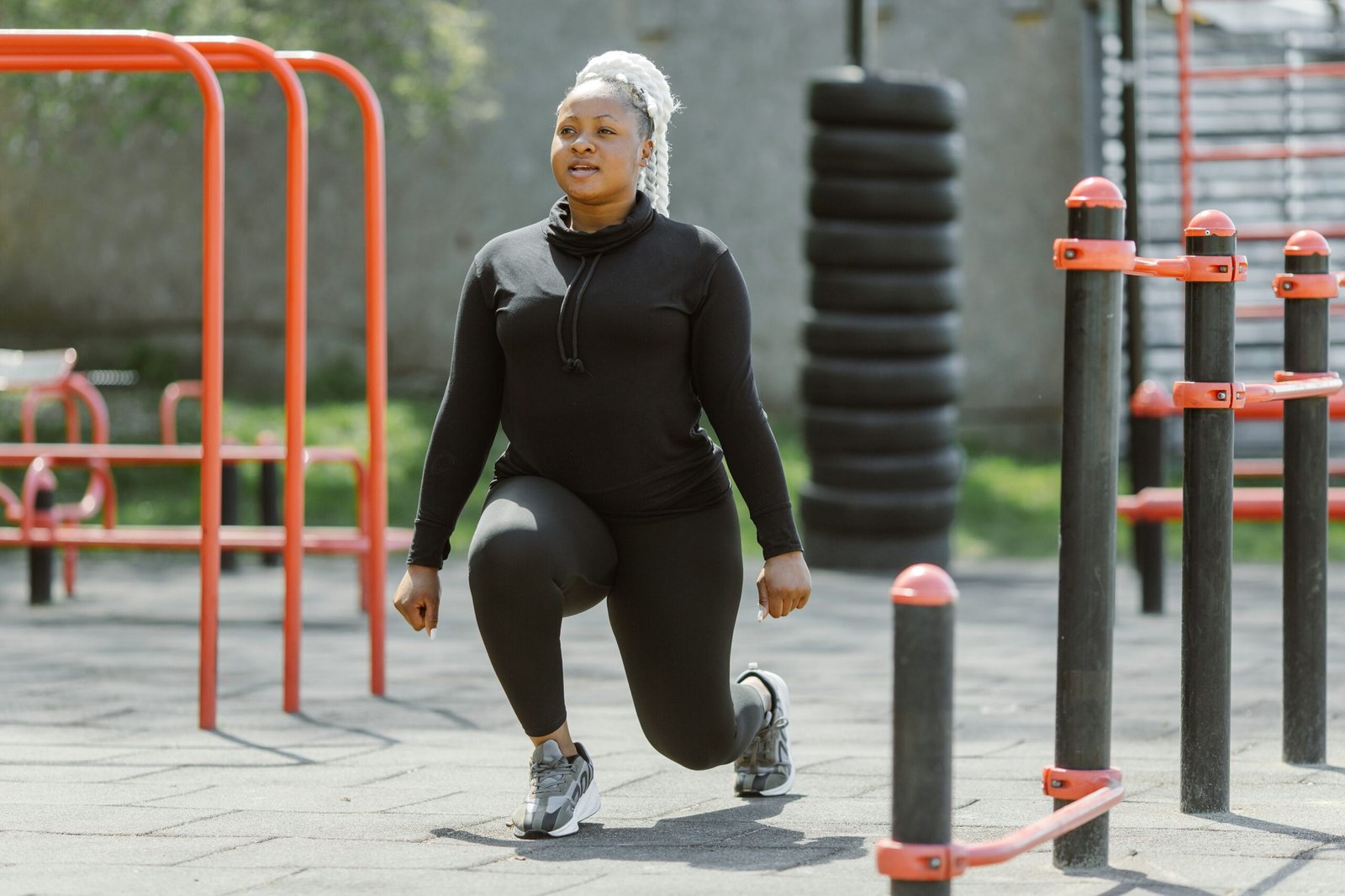
For a strength session, two to five minutes of easy cycling, rowing, walking or other whole-body movement is often a practical opening. The purpose is to transition out of sitting still and make the first technical movements feel smoother. You do not need to chase a heart-rate number, break a heavy sweat or turn the warm-up into conditioning. If you already walked briskly to the gym, you may need very little additional general activity.
Choose movement that does not aggravate the area you plan to train. A stationary bike may feel more comfortable than jogging before a lower-body session. Easy rowing can introduce coordinated hip, knee and shoulder motion before a mixed workout. Someone preparing for sprinting might instead use relaxed jogging, skips and gradually faster strides. The best choice is the one that transitions naturally toward the work ahead.
Use the talk test and your own movement quality: breathing should remain controlled, and you should finish feeling more prepared rather than less energetic. If you are unusually tired, ill or dealing with a new sharp pain, more warm-up volume is not a solution. Scale the session, change the exercise or stop the provoking movement. A warm-up is an opportunity to gather information about readiness, not to override it.
For a time-limited lifter, a short general phase followed by movement-specific rehearsal is usually more useful than spending ten minutes on a machine and then jumping straight to working weight. The transition matters more than the equipment used.

Equipment Worth Exploring
Explore equipment, accessories and gear from our carefully selected range.


GymPin Squat Wedges
Non-slip 15-degree squat wedges help elevate the heels for deeper quad-focused squats.


Dynamic mobility usually beats a long stretching circuit before hard sets
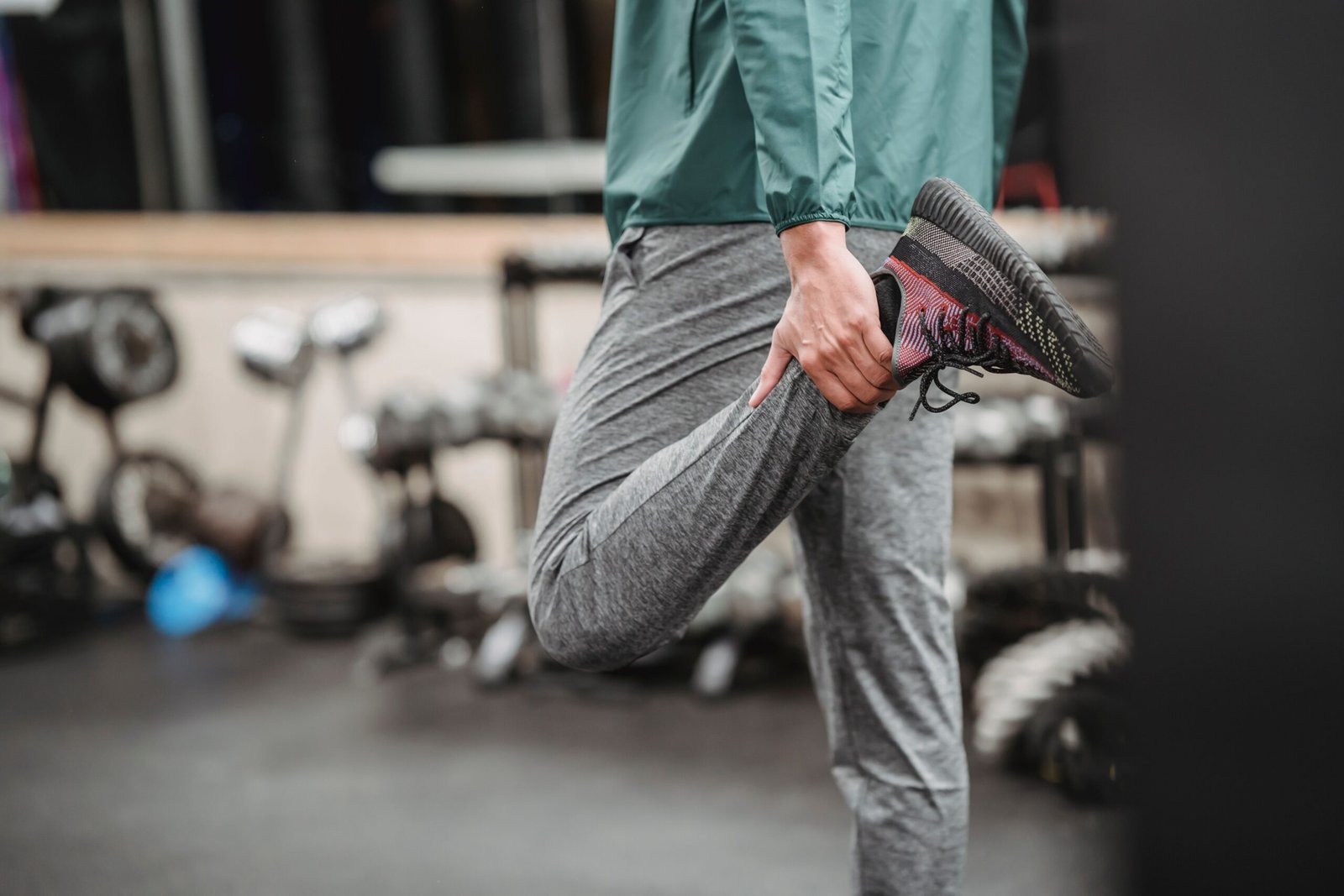
Dynamic preparation moves joints through controlled ranges while the muscles actively produce and manage force. Examples include walking lunges, controlled body-weight squats, arm circles, hip hinges and thoracic rotations. Pick drills that address the movement patterns of the coming session. Before squats, you might use a few ankle rocks and unweighted squats; before pressing, controlled shoulder motion and progressively loaded presses are more relevant than an elaborate full-body flexibility routine.
Static stretching is not forbidden before training. If a particular joint feels restricted, a brief comfortable hold may help you access a useful position. The important distinction is dose and context. A separate expert consensus on stretching found that prolonged static holds exceeding about 60 seconds per muscle can temporarily reduce maximal or explosive performance when performed immediately beforehand. Short holds integrated into an otherwise dynamic warm-up are unlikely to produce the same problem for most people.
Mobility and flexibility are not identical. Flexibility describes access to a range of motion; mobility includes the ability to control it. A deep passive stretch is not automatically proof that you can stabilize a squat, press or landing at that position. Use controlled repetitions, then rehearse the actual exercise. If a restriction persists, work on it systematically outside the few minutes before a maximal set rather than forcing an uncomfortable end range.
Three or four targeted movements are plenty for many workouts. The test is simple: do they make the first real exercise feel better? If not, simplify. A warm-up should solve a problem, not create a checklist you must complete regardless of the session.

Funny Gym Shirts & Workout Gear
Funny gym shirts, tanks, hoodies and workout gear for lifters who like training hard.

Preworkout Meme Lovers, & Shirt T-Shirt
Heavy lifts, good laughs, and a little “Preworkout” energy.

OnlyGains Kettlebell Meme Sweater Meme T-Shirt
Keep things casual with a little “OnlyGains” attitude.

Anti Social Lifting Club Sweater & Meme T-Shirt
Add a playful “Anti Social Lifting Club” touch to your casual rotation.

Platehead Skull Powerlifters Meme Hoodie
Make your off-duty look more fun with “Platehead”.

Vitruvian Kettlebell Tee
Heavy lifts, good laughs, and a little “Vitruvian Man With Kettlebells” energy.

Kettlebell Skull Tee
Heavy lifts, good laughs, and a little “Kettlebell Skull Gym Meme” energy.


Powerpump Girls Female & Meme Fans Hooded Hoodie
Bring “Powerpump Girls” gym humor to lazy days and post-workout plans.

Is Calling You Answer? Decline? , & Meme Top T-Shirt
Show some powerlifting attitude with a playful “Gym is Calling You” tee.

Shirt – O'Clock – Time Meme & Gains – Top T-Shirt
Show some lifting attitude with a playful “Gym O'clock” tee.
Specific warm-up sets are the most direct rehearsal for heavy lifting
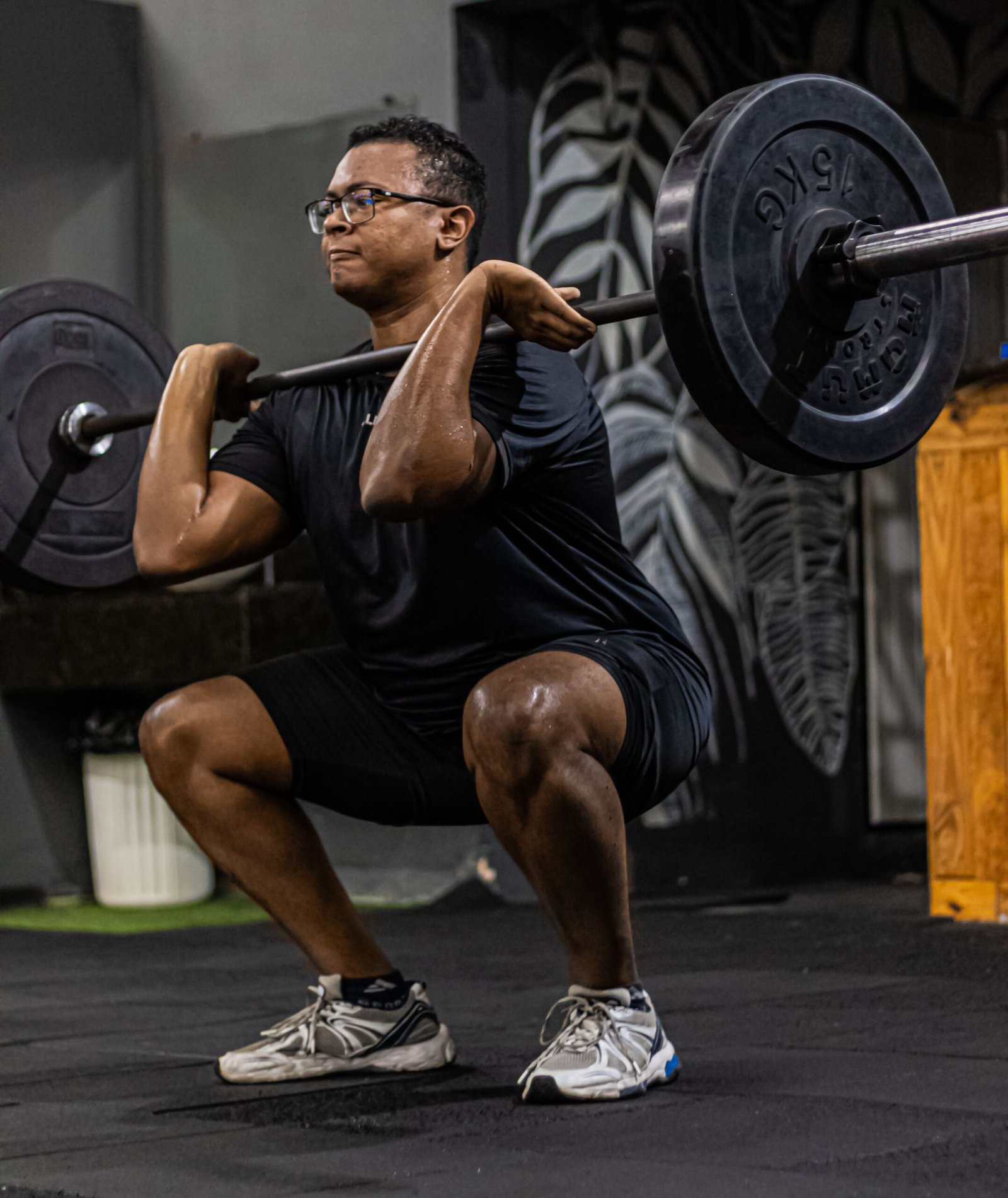
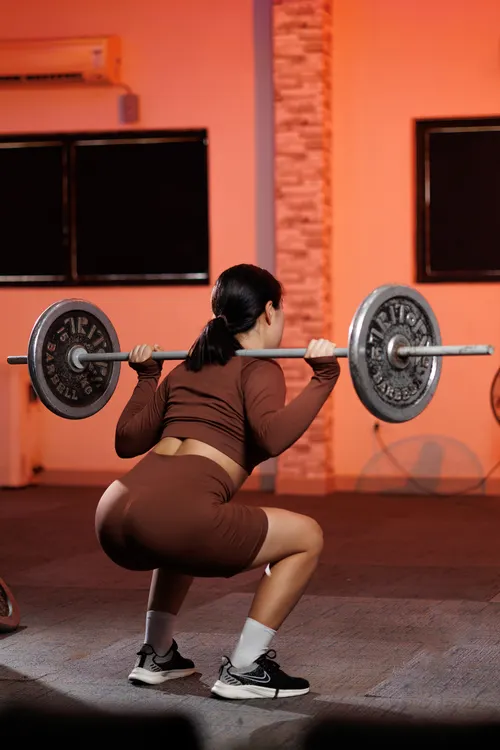
Once you are moving comfortably, use the exercise itself to bridge the gap to your working load. This is where strength training differs from a generic fitness warm-up. A light squat rehearses stance, bracing and depth. A lighter bench press checks your setup and bar path. A few unloaded hinges tell you whether the deadlift pattern feels controlled today. The warm-up becomes more relevant as it approaches the actual task.
For example, if your first squat working set is 100 kg for five repetitions, a practical sequence might be the empty 20 kg bar for eight controlled reps, 50 kg for five, 70 kg for three and 85 kg for one or two, followed by adequate rest before 100 kg. Those exact numbers are an illustration, not a research-validated prescription. A smaller or lighter lift needs fewer steps; a very heavy single may benefit from another brief intermediate set.
As load increases, reduce the repetitions. Five demanding reps at every warm-up weight would accumulate fatigue that competes with the main work. None of these preparatory sets should approach muscular failure. Keep technique deliberate, check that the movement feels normal, and rest long enough before the first working set to begin it fresh.
You also do not need to repeat the full sequence before every exercise. After heavy squats, a subsequent leg press often requires only one or two familiarization sets. A new movement pattern, a joint that feels stiff or a particularly heavy top set may justify more. Think in terms of preparation required, not a fixed number of warm-up sets per machine.
Explosive priming can help, but only when the payoff exceeds the fatigue
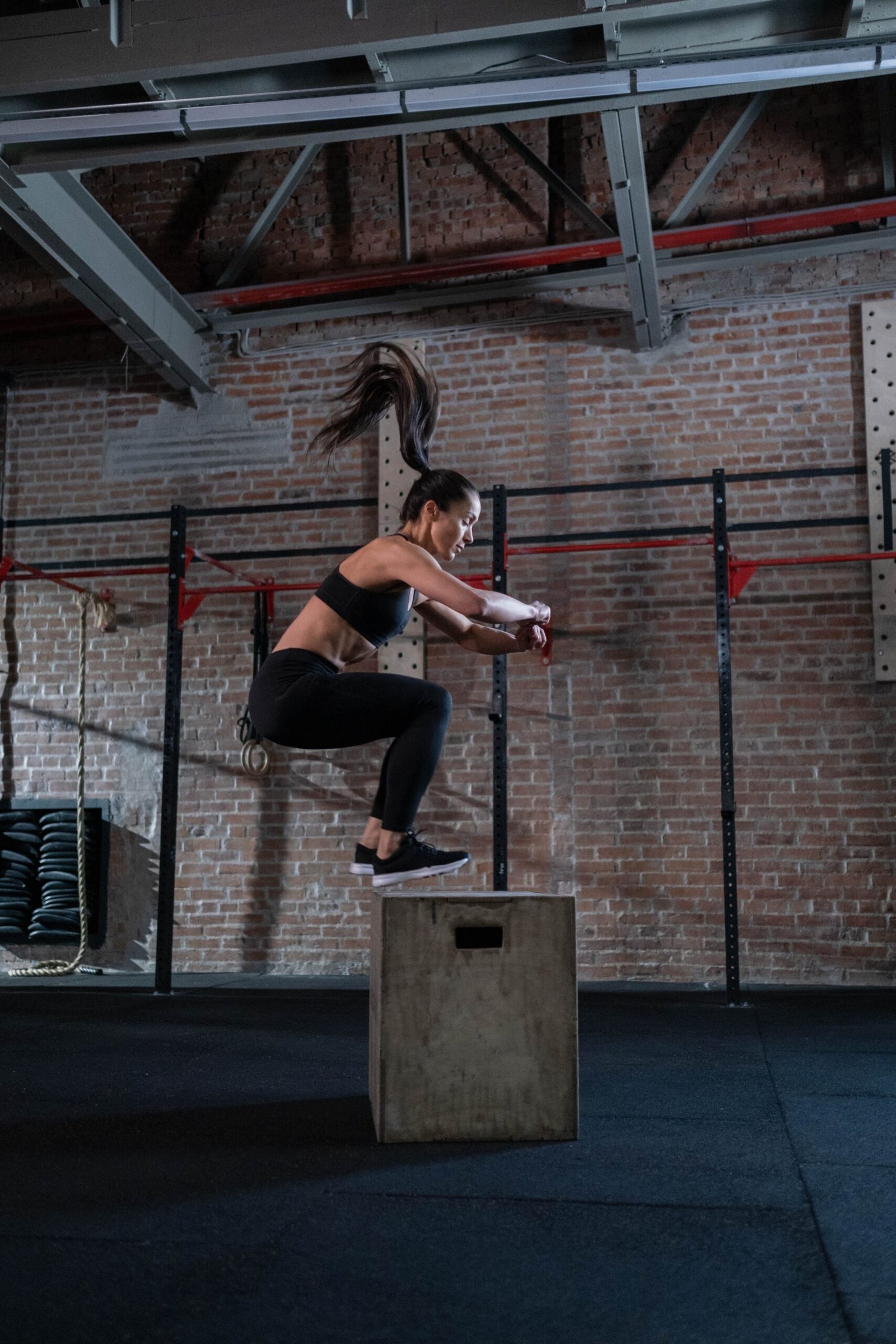
The optional final layer of a warm-up is sometimes called potentiation or priming. It involves a brief, appropriately intense effort intended to sharpen performance for the activity that follows. For a jumper, this might be a few crisp submaximal jumps. For a sprinter, a small number of progressive accelerations. For an experienced lifter, a short, technically sound heavier single may make the subsequent work weight feel familiar.
This is not an invitation to perform a maximum-effort test before every session. The relationship between priming intensity, rest and performance is individual. Too much volume, poor landing mechanics or insufficient recovery can leave you less ready. Beginners often get everything they need from easy movement and progressive practice sets. Experienced athletes can experiment with a small amount of high-quality priming while tracking whether it improves the first real effort.
Keep the rule of thumb concrete: the final warm-up effort should look crisp, feel controlled and stop well before technique degrades. A box jump that turns into a series of exhausting jumps is no longer a primer. A heavy squat single that becomes a grinder is not preparing you for productive sets; it is already part of the workout.
On ordinary hypertrophy days, skip fancy potentiation unless you have a clear reason to use it. More preparation is not always better. The strongest warm-up is often the shortest one that consistently delivers the movement quality and readiness your session demands.
Powerlifting Shirts & Lifting Gear
Powerlifting shirts and gym gear for squat, bench and deadlift lifters who live for heavy numbers.

Don'T Fart Squats & Leg Day Meme Hoodie
Show off your leg-day humor in a laid-back “Don't Fart Squats” hoodie.

Skeleton Deadlift Sweater & Fans Meme T-Shirt
Show some gym-day personality with “Skeleton Deadlift”.

Leg Day Squats Deadlifts Sweater Meme T-Shirt
Show some gym-day personality with “Leg Day”.

Shirt – If The Bar Ain'T Bending You'Re Just T-Shirt
Heavy lifts, good laughs, and a little “If The Bar Ain't Bending You're Just” energy.

Shirt – Lifting Is Freedom – Statue Of Liberty Meme T-Shirt
Heavy lifts, good laughs, and a little “Lifting is Freedom” energy.

Shirt – Legendary Leg Day Meme Gymbros, & Fans T-Shirt
Make gym days more fun with “Legendary Leg Day Meme” style.

Shirt & Barbell Heartbeat , Gymbros & Meme Lovers T-Shirt
Heavy lifts, good laughs, and a little “Funny Gym Shirt & Pump” energy.

2500 Pound Club Shirt Stack Of Weight Plates & Top T-Shirt
Make gym days more fun with “2500 Pound Club” style.

Leg Day Is Calling You Decal Water Bottles & Sticker
Bring “Leg Day Is Calling You” attitude to your water bottle or laptop.

Never Skip Leg Day Chicken Legs Meme & Bros Hoodie
Show off your leg-day humor in a laid-back “Never Skip Leg Day” hoodie.
Match the warm-up to lifting, running and mixed conditioning

Heavy strength: Begin with brief easy movement if needed, address any specific restriction, then progressively load the first major lift. More steps may be useful before a near-maximal attempt than before moderate sets of ten. The important part is practicing the exact lift without creating fatigue.
Hypertrophy: For ordinary sets of six to fifteen reps, use a short general transition and one to three lighter practice sets for the first major movement. If you switch from pressing to rows or from squats to hamstring curls, a quick new rehearsal can be worthwhile. Do not count easy warm-up reps as the challenging working volume you intended to perform.
Running: Start with easy movement and build toward the intended pace. Before hard intervals, add controlled drills and a few short strides, allowing recovery between them. Before an easy conversational run, a long elaborate routine is rarely necessary. The session’s first gentle minutes can themselves serve as a progressive warm-up.
Mixed conditioning: Rehearse the highest-skill or most demanding movements that will appear in the circuit. If a session includes loaded carries, jumps and rowing, practice each at low intensity before the clock starts. A warm-up cannot fully protect against fatigue-induced technique loss later in the workout; sensible pacing and exercise selection still matter.
Temperature, training history and current readiness all change the amount of preparation needed. A cold early-morning session may require more gradual movement than a workout after an active day. The goal is not to copy a professional athlete’s twenty-minute ritual; it is to arrive at your first challenging effort with reliable control.
Equipment Worth Exploring
Explore equipment, accessories and gear from our carefully selected range.
VOLTRA
Compact digital cable trainer with smooth, adjustable resistance.

Go-Tone Pro
Portable digital cable trainer with up to 66 lb (30 kg) of adjustable resistance.


FID Bench MAX
Adjustable bench offering flat, incline, and decline positions + adjustable headrest.


Power Tower
Freestanding pull-up and dip station with adjustable handles for bodyweight training.



Squat Harness
Wearable harness for hands-free cable squats, sled work, and lower-body training.
Three practical warm-ups and a better readiness check
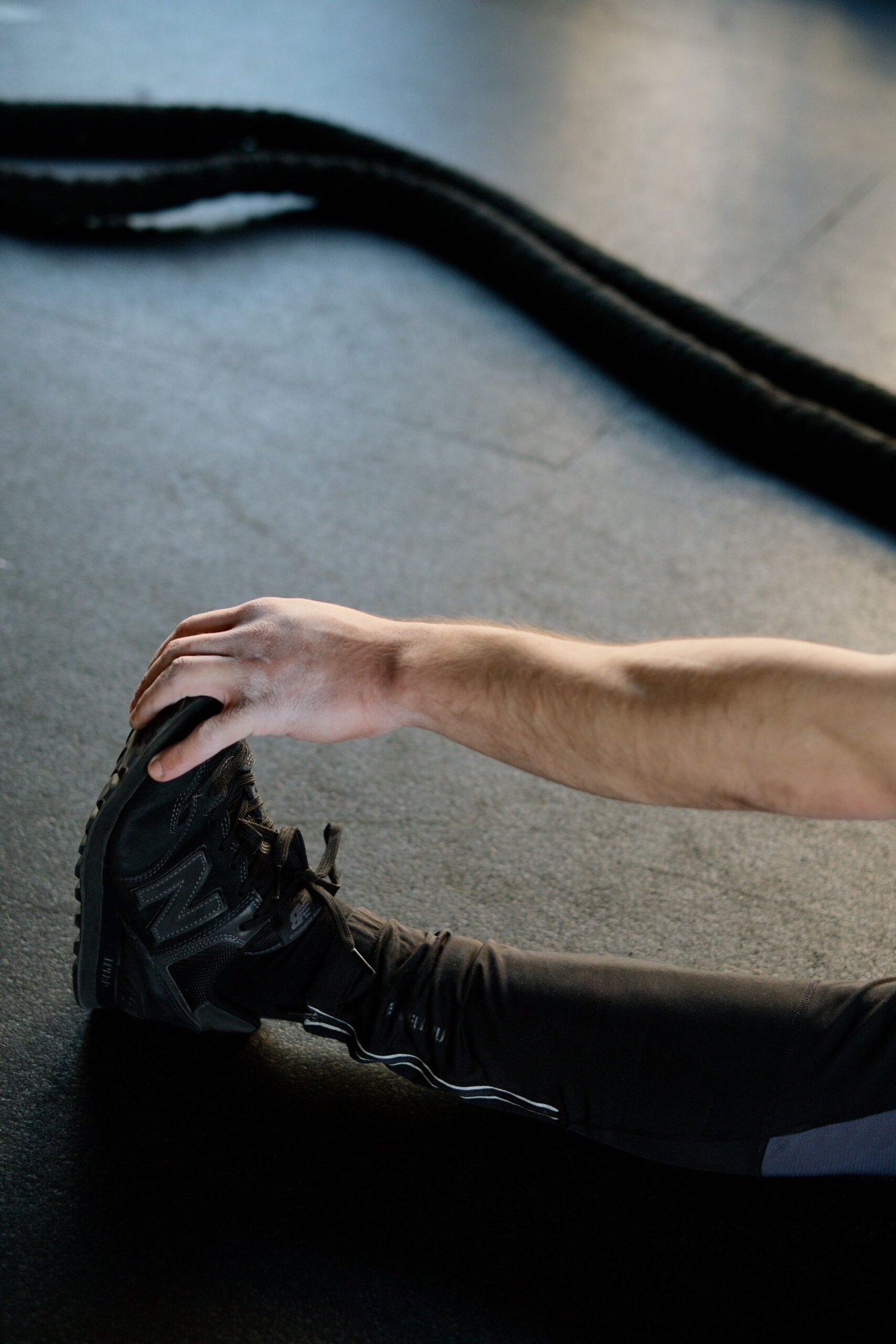
Plan A — 8-minute general strength workout: Start with two minutes of easy walking or cycling. Spend two minutes on controlled squats, hip hinges and shoulder circles. Use four minutes for two or three progressive sets of your first main lift. If the first working set feels unexpectedly heavy, take another light practice set rather than forcing the load.
Plan B — heavy squat day: Walk or cycle easily for three minutes if arriving cold. Perform several body-weight squats and a few controlled ankle movements. Progress through four to five squat warm-up sets with rising load and falling reps, taking longer rests near the top. Stop the ramp before fatigue accumulates. After the first main lift, subsequent exercises usually need less preparation.
Plan C — interval running or explosive training: Begin with five minutes of relaxed jogging or easy locomotion. Add a few controlled leg swings, lunges or skips. Finish with two or three progressively faster strides or low-volume jumps, resting enough to keep each effort sharp. Start the actual intervals only when breathing, coordination and movement feel settled.
These are adaptable examples rather than mandatory durations. Use three questions to judge readiness: Can I move through the required range without a new sharp pain? Does the movement look and feel coordinated? Did the last warm-up set leave me prepared rather than exhausted? If the answer is no, change the load, exercise or plan. If the answer is yes, stop preparing and start training.
The larger lesson from the 2026 consensus is not a magic drill or exact minute count. It is that preparation should have a purpose. Raise readiness, rehearse the work, add intensity only when useful, and leave enough in reserve to make the session itself count.