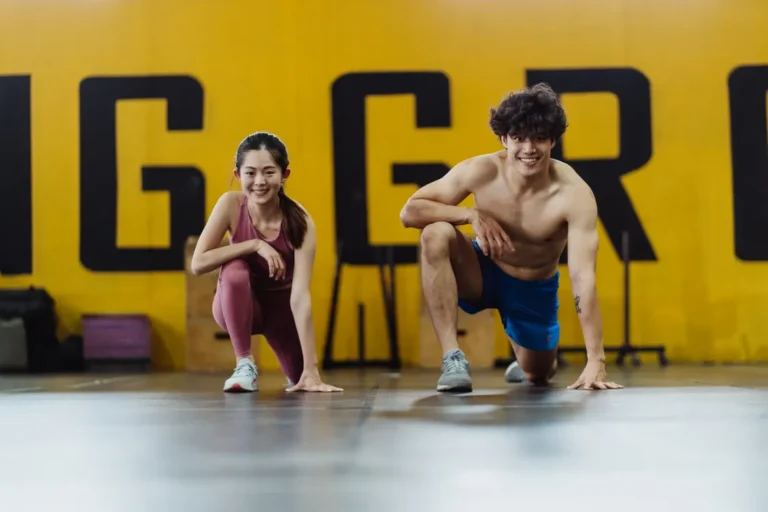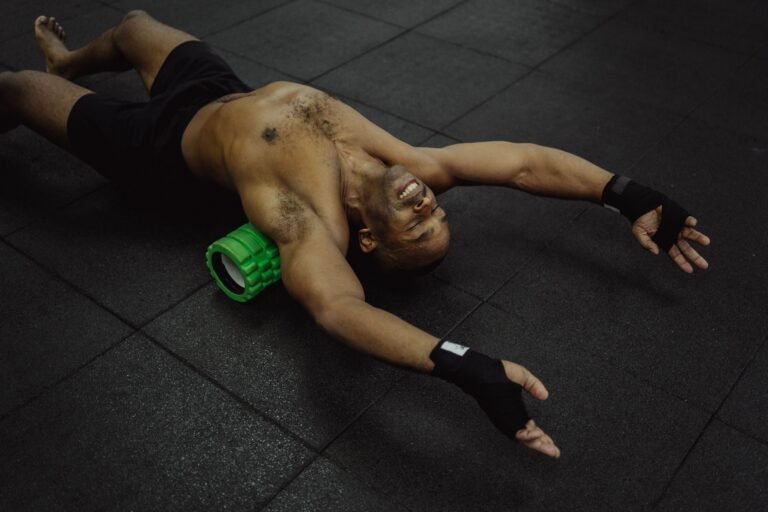
Strong legs sound like an obvious shortcut to faster hill running. Yet a 2026 controlled experiment produced a more complicated result: recreational runners improved one measure of calf strength without a significant improvement in the oxygen cost of running uphill. The finding is not a reason to skip strength training. It is a reason to separate strength from running economy and ask what each part of a training plan actually changes.
Here is how the eight-week trial fits with longer research, why a gym lift may not transfer directly to a hill, and how to combine strength work with running practice without exhausting your legs.
Running economy is not the same thing as leg strength
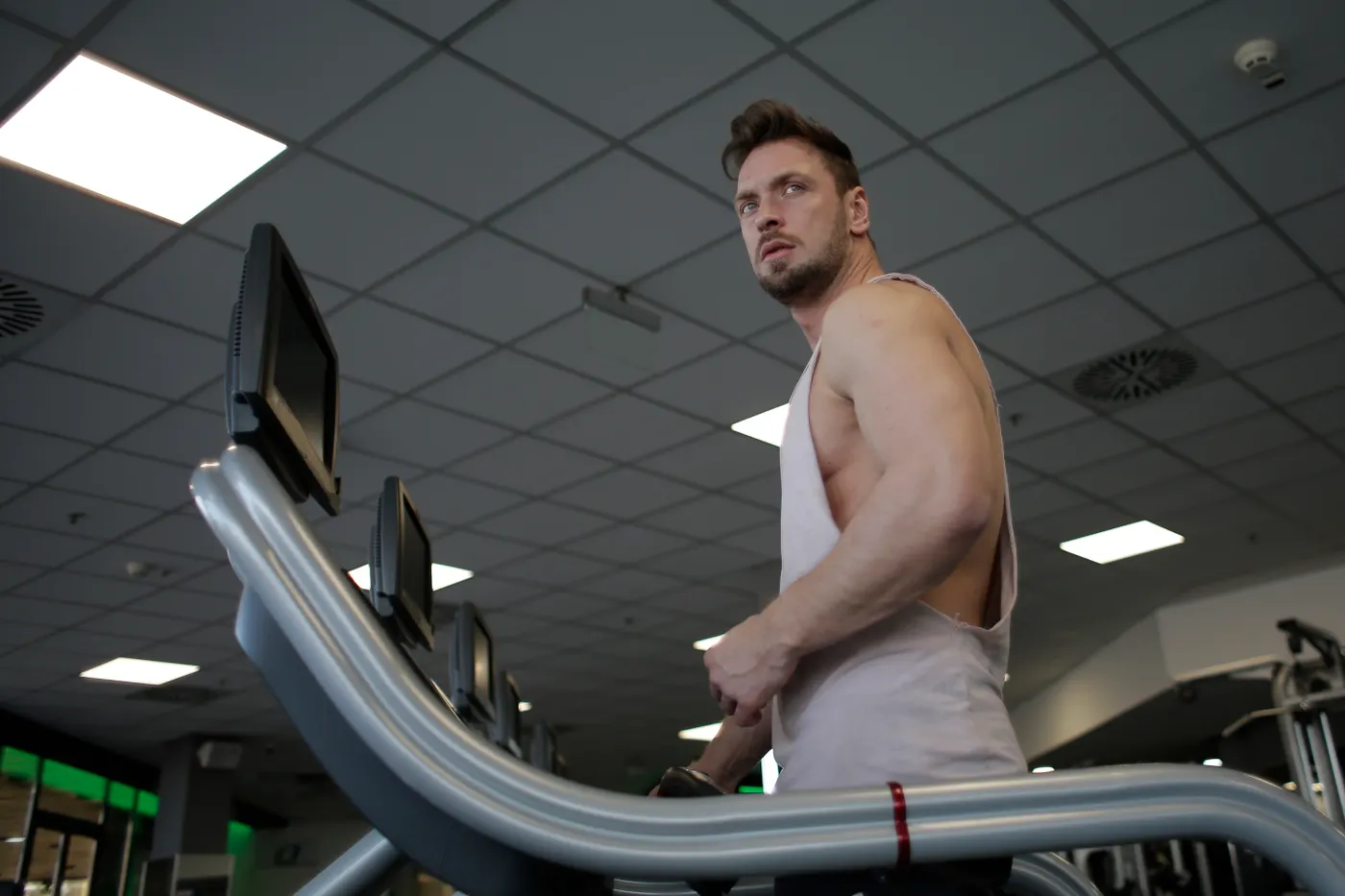
Running economy describes the oxygen or energy cost of maintaining a particular running speed. Two runners can reach the same pace with different oxygen demands, even when both have strong legs and similar aerobic fitness. Improving economy means spending less energy on that specific task, not simply producing a bigger force on a gym machine. This distinction becomes especially important when the route tilts uphill, because gravity changes the mechanical demands of every stride.
On a hill, runners must lift their body mass against gravity while still controlling landing, cadence and forward motion. The calves and hips contribute differently as the grade changes, and the best technique for a flat track is not automatically the most economical one on a ten-percent slope. Training for hills therefore combines several qualities: aerobic capacity, sustainable pacing, muscular endurance, foot and ankle tolerance, and familiarity with the terrain.
That is why a stronger squat or calf raise is best viewed as an additional capacity, not a guaranteed improvement in uphill pace. If strength rises but the nervous system does not learn to use it efficiently during running, the oxygen bill at a fixed speed may stay much the same. Conversely, runners can become more efficient through repeated practice without setting a new gym personal record.
What an eight-week uphill-running experiment found
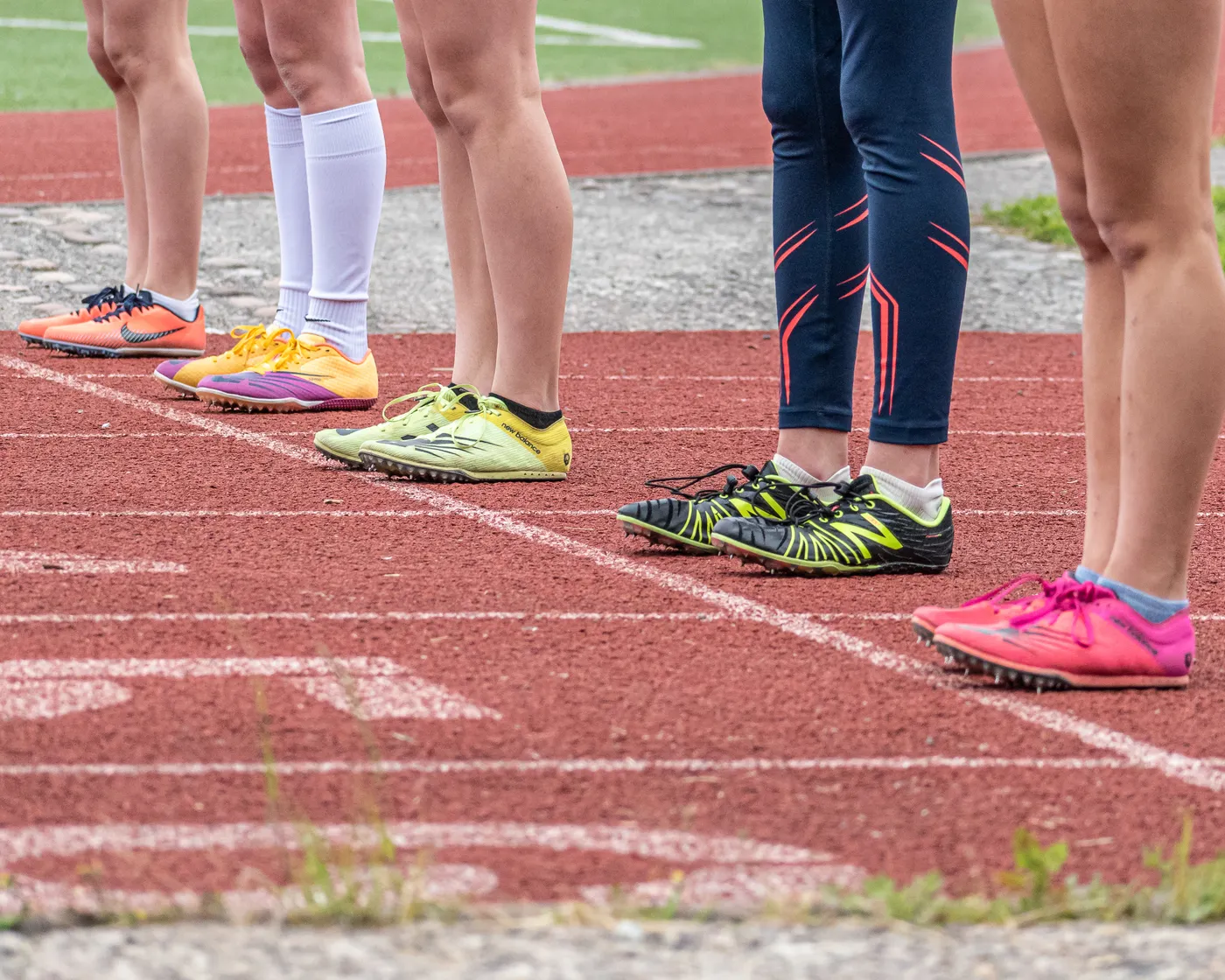
A controlled 2026 experiment followed 25 recreational runners, including 12 women, and compared an eight-week lower-body resistance-training program with a control condition. The training emphasized hip extensors, knee extensors and ankle plantar flexors: the muscle groups that help propel and support a runner. Before and after the intervention, participants completed economy testing on level ground and at five-percent and ten-percent treadmill grades.
The clearest measurable strength change was in the ankle plantar flexors, with a statistically significant difference between groups over time. But running economy did not improve significantly at any tested grade. Measures of joint work and joint stiffness also failed to show a significant group-by-time response. Changes in strength were not reliably associated with changes in economy or biomechanics. Some individuals improved beyond a threshold judged worthwhile, but the group result was not a convincing economy benefit.
Those findings are narrower than the headline ‘lifting does not help runners.’ The sample was small, the program lasted only eight weeks, and the outcome was energy cost under defined laboratory conditions rather than injury rate, finishing time on a hilly course or late-race resilience. A negative result at one training dose does not overturn every longer study. It does, however, challenge the assumption that simply making the legs stronger will automatically make uphill running cheaper.

Equipment Worth Exploring
Explore equipment, accessories and gear from our carefully selected range.


GymPin Squat Wedges
Non-slip 15-degree squat wedges help elevate the heels for deeper quad-focused squats.

Safety Squat Handles
Barbell squat handles that reduce shoulder positioning demands during high-bar squats.


FID Bench MAX
Adjustable bench offering flat, incline, and decline positions + adjustable headrest.
Why extra force does not always translate into a cheaper stride
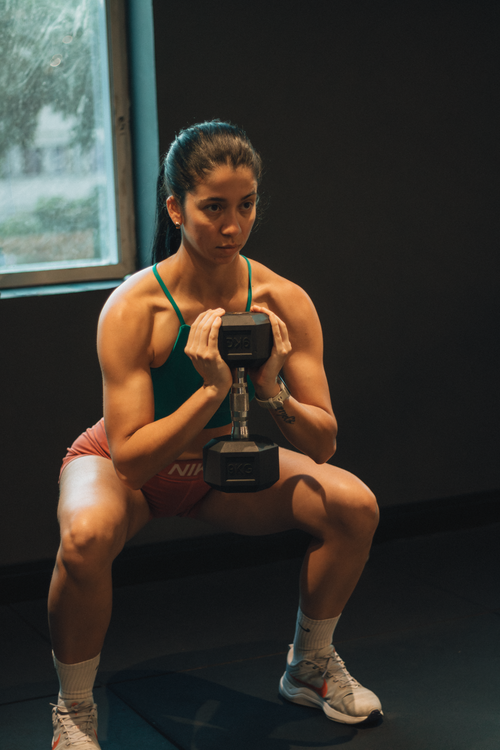
A gym exercise and a running stride solve different problems. A squat asks you to produce force through a relatively deliberate range of motion; running repeatedly produces and absorbs force in fractions of a second. The timing of muscle activation, tendon recoil, ground-contact duration and coordination between joints all affect the cost of that movement. Raising the ceiling for maximum force does not guarantee the body will alter these patterns at a familiar running pace.
Specificity matters even within running. Flat running, moderate hills and steep climbs place different demands on ankle motion, hip extension and cadence. An athlete might benefit from stronger calves during short climbs or technical descents without showing lower oxygen consumption on a treadmill at a fixed speed. Equally, someone can become better at controlling steep terrain through repeated hill sessions while their measured peak squat remains unchanged.
The useful coaching response is not to abandon lifting, but to give each session a clear job. Resistance work can develop strength and robustness. Easy running builds aerobic volume and efficient movement at sustainable speeds. Hill repetitions provide grade-specific practice. Plyometric drills can add rapid force production when the athlete tolerates them. Trying to make one gym workout accomplish all four jobs is often less effective than distributing them across a balanced week.

Cardio Shirts & Workout Gear
Cardio and conditioning gym gear for runners, endurance athletes and anyone who earns the sweat.

Running Dost Thou Even Trot Medieval Treadmill Pullover Hoodie
Show off your medieval humor in a laid-back “Running” hoodie.


Triathlon – Iron Man Medieval Knight Swim Bike Run Shir T-Shirt
Make gym days more fun with “Triathlon” style.

Track Panther – Shirt & Running & Fans – Black T-Shirt
Rep “Track Panther” humor in and out of the gym.


Anti Jogging Jogging Club Shirt – & Meme Top T-Shirt
Bring “Anti Jogging Jogging Club” humor to your next gym day.

Anti Running Club Tee
Heavy lifts, good laughs, and a little “Anti Running Running Club” energy.

Cardio Is Calling You , Meme Top Answer Or Decline? T-Shirt
Make gym days more fun with “Cardio Is Calling You” style.

Negative Cardio Review Cardio Sucks Running , Meme T-Shirt
Heavy lifts, good laughs, and a little “Negative Cardio Review” energy.
How the broader evidence fits the apparent contradiction
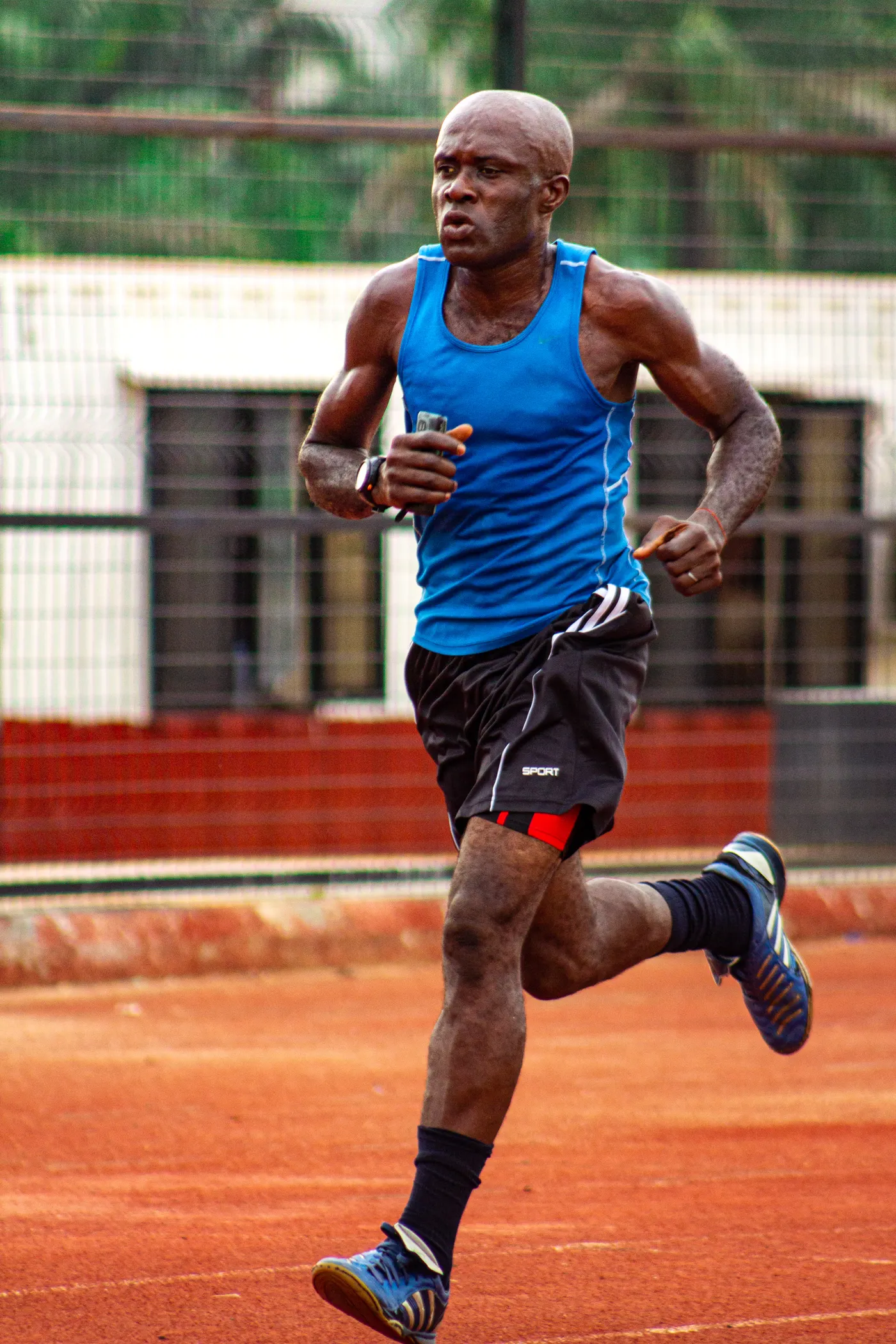
Several larger evidence syntheses report that resistance training can improve running economy, particularly when programs use high loads or combine lifting with explosive work. One analysis of 31 studies involving 652 runners found small improvements with high-load training and a moderate improvement with combined methods. It also suggested that the effect of plyometrics can depend on running speed, while heavier lifting may be more useful at faster speeds and among fitter runners.
Another synthesis of 22 studies found that heavy resistance work tended to outperform plyometrics for economy in the pooled comparisons, and that interventions lasting roughly ten to fourteen weeks often showed stronger effects than six- to eight-week blocks. These are trends across different athletes and programs, not a promise that everyone needs near-maximal squats. A later overview of 17 reviews also highlighted uneven confidence in the evidence and important differences in how outcomes were measured.
Taken together, the sensible interpretation is that strength training can help many runners, but the size and location of the benefit depend on program length, exercise choice, running speed, existing training status and what the athlete already does. An eight-week experiment finding no significant uphill-economy change is compatible with a broader literature showing modest benefits in other settings. Neither result justifies a universal claim that lifting always works—or never works—for running economy.
Building a strength routine that supports hill running
For most recreational runners, two concise lower-body sessions per week are a practical starting point. Choose one squat pattern, one hip-hinge pattern, a single-leg movement and a calf exercise. For example, a session might include three sets of goblet squats, three sets of Romanian deadlifts, two sets of step-ups per leg and two or three sets of standing calf raises. Start with loads that allow clean, repeatable technique and leave a couple of repetitions in reserve.
A second session can emphasize a different pattern: split squats, trap-bar deadlifts, controlled lateral lunges and bent-knee calf raises. The goal is not to reproduce an entire bodybuilding leg day while also chasing high mileage. Add weight or repetitions gradually, keep most sets well short of technical failure, and place the hardest lifting away from important long runs or demanding hill workouts when possible. A brief session completed consistently is usually more useful than a heroic workout that ruins the next three runs.
Runners who already lift regularly may benefit from heavier sets with fewer repetitions, but maximal loading is not a prerequisite for beginners. Progress from controlled bodyweight movements to moderate external loads before experimenting with heavier work. If soreness repeatedly disrupts running, reduce the number of hard sets before abandoning strength work altogether. The best program is one that builds capacity while preserving the quality of the running that matters most.
Equipment Worth Exploring
Explore equipment, accessories and gear from our carefully selected range.


Apple Watch Ultra 3
Rugged 49 mm smartwatch with cellular connectivity, GPS and fitness tracking.

Squat Harness
Wearable harness for hands-free cable squats, sled work, and lower-body training.
VOLTRA
Compact digital cable trainer with smooth, adjustable resistance.

Go-Tone Pro
Portable digital cable trainer with up to 66 lb (30 kg) of adjustable resistance.


Plyometrics, hill repeats and the role of running practice

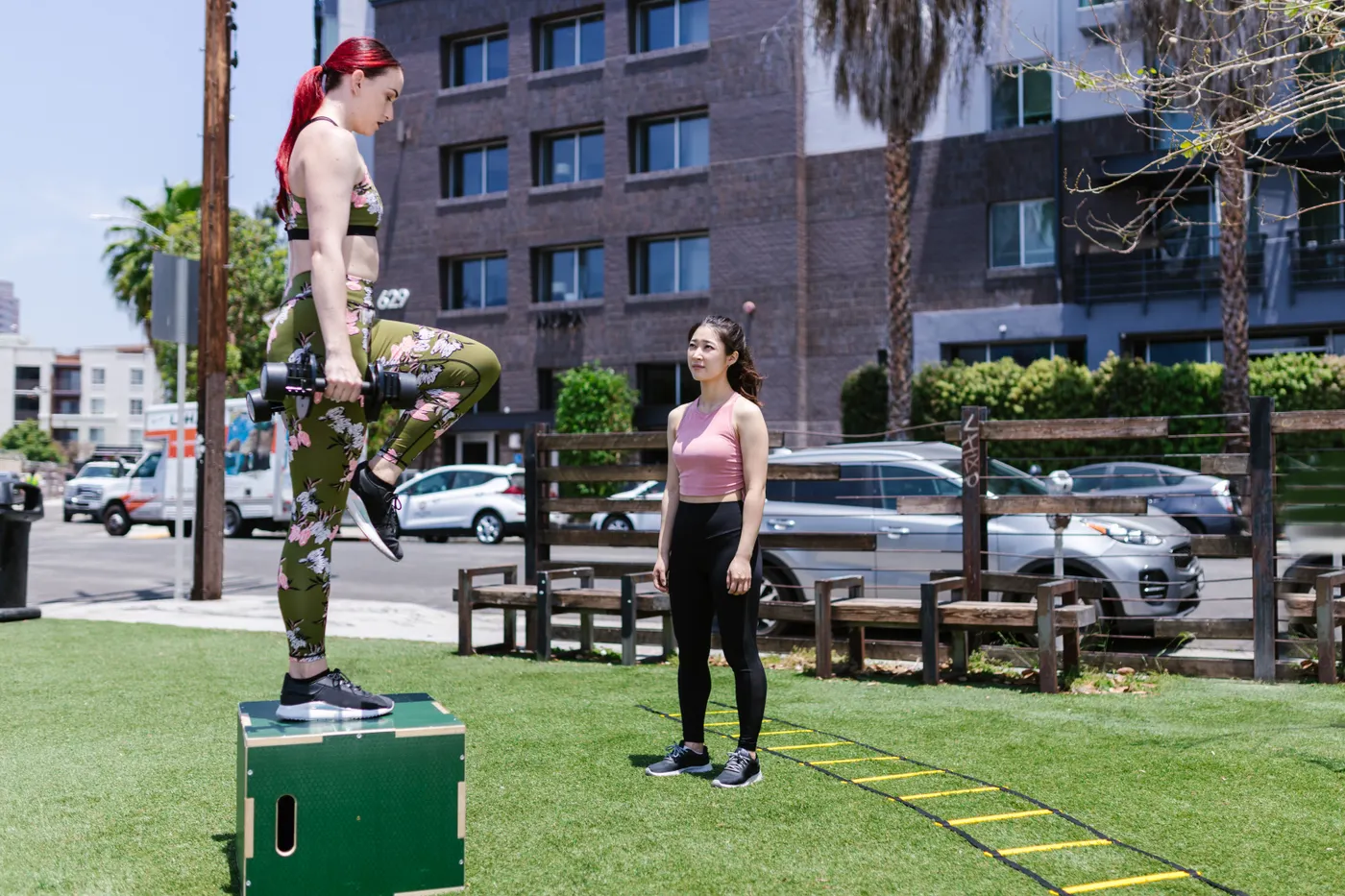
Explosive drills train a different quality from slow heavy lifting. Low-volume pogo hops, skipping, small bounds or carefully coached box jumps can teach the lower leg to handle rapid force. Begin with a handful of contacts on forgiving ground and increase only when ankles, calves and knees recover comfortably. Plyometrics are optional for a new runner, particularly one with limited impact tolerance, but can complement resistance training once a basic strength and running routine is established.
Hill running itself supplies the most specific practice. A short session might start with ten to fifteen minutes of easy running, then six repetitions of fifteen to thirty seconds uphill at a controlled hard effort, walking back for recovery. Longer uphill intervals develop a different quality: maintaining form and breathing rhythm while gravity steadily raises the cost. The exact dose depends on experience, terrain and total weekly workload; more steep repeats are not automatically better.
Keep the sessions distinct enough to learn from them. A hill workout that is always performed on tired legs after heavy squats makes it difficult to tell whether technique or fitness is improving. Likewise, adding jumps, sprints and maximal lifting at once creates unnecessary injury and fatigue risk. Introduce one new stressor at a time, track how it affects the next run, and remember that downhill running also needs gradual exposure because it loads the legs differently from climbing.
Leg Day Shirts & Workout Gear
Leg-day gym shirts and workout gear for lifters who never skip squats, lunges and lower-body punishment.


Leg Day Squats Deadlifts Sweater Meme T-Shirt
Show some gym-day personality with “Leg Day”.

Squatzilla Meme Leg Day & Squat Fans Hooded Hoodie
Show off your leg-day humor in a laid-back “Squatzilla” hoodie.

Squat You Must Star Wars Leg Day Meme Sweater T-Shirt
Show some gym-day personality with “Squat You Must”.

1 Plate Squat Club Meme – Essential Top T-Shirt
Heavy lifts, good laughs, and a little “1 Plate Squat Club” energy.

I Love Squats Valentine'S Day Shirt – & T-Shirt
Heavy lifts, good laughs, and a little “I Love Squats Valentine's Day” energy.

Dont Skip Leg Day Funny Gym Sweatshirt
Add a playful “Dont Skip Leg Day” touch to your casual rotation.

Leg Day Gains | LEGO Inspired Muscle Shirt For Squats & Tank Top
Your gym-day look, with a playful “Leg Day Gains” twist.

Stars Stripes & Squats Patriotic Eagle – 4th Of July T-Shirt
Rep “Stars Stripes & Squats Patriotic Eagle” humor in and out of the gym.

Leg Day No Thanks Skip Leg Day Meme Squats Deadlifts Tank Top
Bring “Leg Day No Thanks” humor to your next lifting session.
An eight-week plan and what to measure instead of guessing
For weeks one and two, keep your normal easy runs and add one or two short strength sessions built around a squat, hinge, step-up and calf raise. Avoid hard lifting the day before your most important run. In weeks three and four, maintain that routine and introduce one small hill-specific session each week if your current running volume is stable. During weeks five and six, progress either the resistance or the hill repetitions modestly, not both aggressively at once.
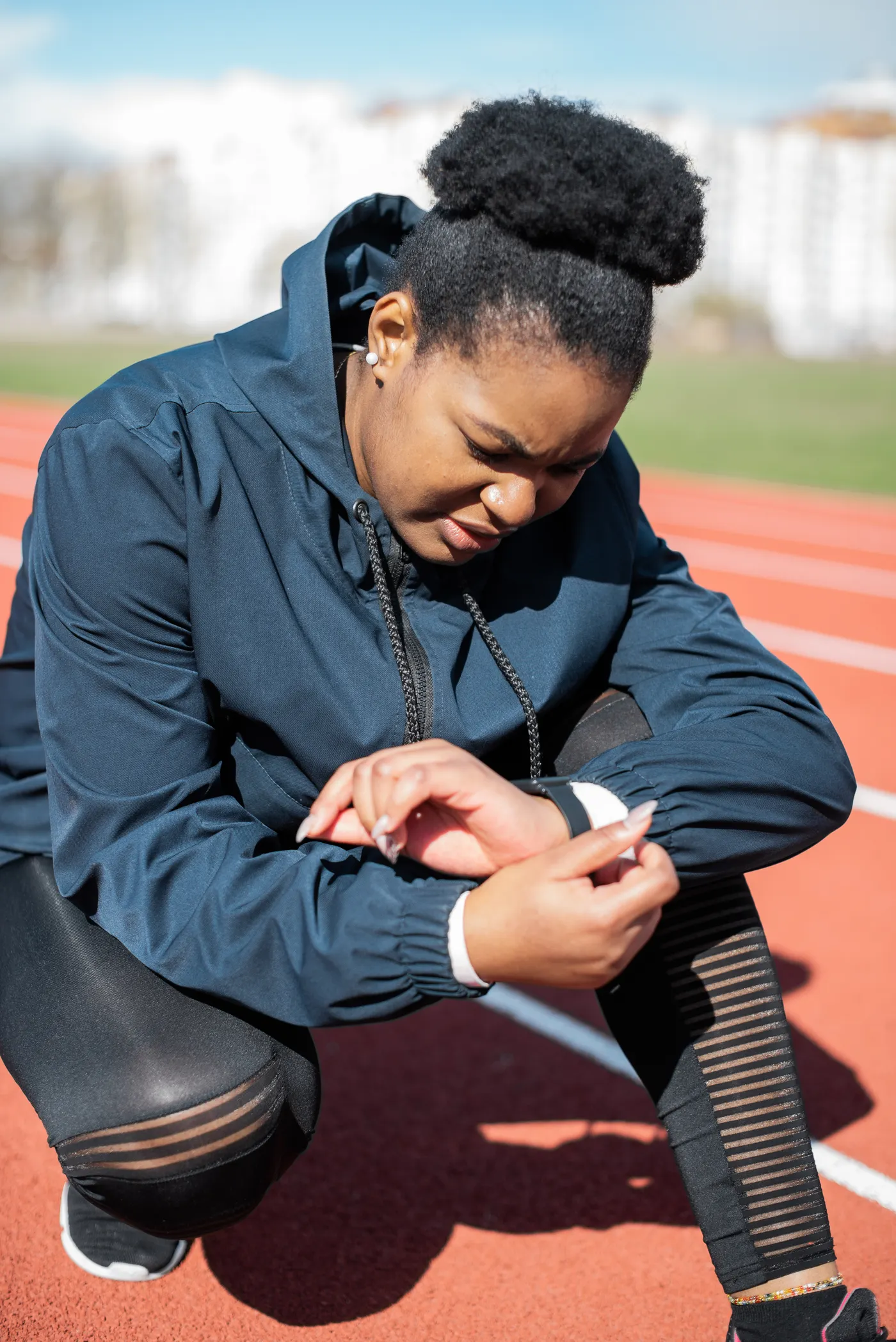
In weeks seven and eight, repeat a familiar hill route at a similar effort and note pace, heart rate, breathing and perceived exertion. A fixed treadmill grade can help standardize conditions, but outside comparisons should account for wind, heat, surface and fatigue. Track the number of quality hill repetitions completed, how quickly breathing settles between them, and whether your easy runs feel less costly. Gym strength is worth tracking separately; it is one input, not the final verdict.
Do not expect eight weeks to reveal every adaptation. Running economy can be noisy, and a small difference in daily readiness can obscure a modest change. A faster hill split achieved by going much harder is not necessarily an economy improvement. If your calves are stronger, you tolerate climbs better and you recover well enough to keep running consistently, the strength work may already be valuable—even if a single treadmill test shows no obvious change. The goal is durable, repeatable performance, not a laboratory number in isolation.