Most training plans are judged by what happens to muscle: heavier lifts, better endurance or a change in appearance. Bone responds to exercise too, but on a different timeline and to somewhat different mechanical demands. A workout can make you stronger without producing an equally large or immediate change in bone mineral density. That is why a bone-focused program should not be reduced to “just walk more” or “lift the heaviest weight possible.”
The useful approach combines progressive resistance exercise, suitable weight-bearing activity and balance practice. Each addresses a different part of remaining active and avoiding fractures as the years pass. The right starting point also depends on whether you are a healthy adult planning ahead or someone with low bone density or a previous fracture.
Why bone responds to loading—and why progress is slow
Bone is living tissue. When muscles pull on it and the body absorbs ground forces, bone cells sense mechanical strain and help regulate remodeling. That does not mean every workout creates new bone. The signal must be appropriate, repeated over time and balanced with recovery, nutrition and the person’s underlying health. A single hard session may challenge the skeleton without producing a measurable change on a scan.
Resistance training works through muscle-generated force. Walking, jogging, hopping and other upright activities transmit forces through the feet and legs. These are overlapping but not identical stimuli. A seated upper-body machine can strengthen the arms without loading the hip like a squat or step-up. Conversely, a long walk is excellent movement but may not provide the progressive muscle tension needed for substantial strength gains.
Bone density is often measured by DXA, but density is only one component of fracture risk. Bone architecture, muscle strength, fall risk, age, medication and previous fractures all matter. Expect exercise to support function and potentially preserve or improve bone measures over months, not to reverse osteoporosis in weeks. Exercise complements rather than replaces indicated medical treatment.
Walking, jogging and impact: what loads the skeleton?

Weight-bearing means your body supports its weight against gravity. Brisk walking, hiking, stair climbing and dancing qualify. Their impacts vary substantially. Walking is accessible and useful for general activity; a small hop or short jog imposes a sharper force, but only if the person has enough strength and balance to land safely.
There is an important distinction between cardio that improves the heart and activity that loads bone. Cycling and swimming can be excellent aerobic training, yet the bicycle and water support much of the body’s weight. They should not be the only activities in a bone-health plan when safe upright options are available. That does not make cycling a bad choice: it simply serves a different purpose.
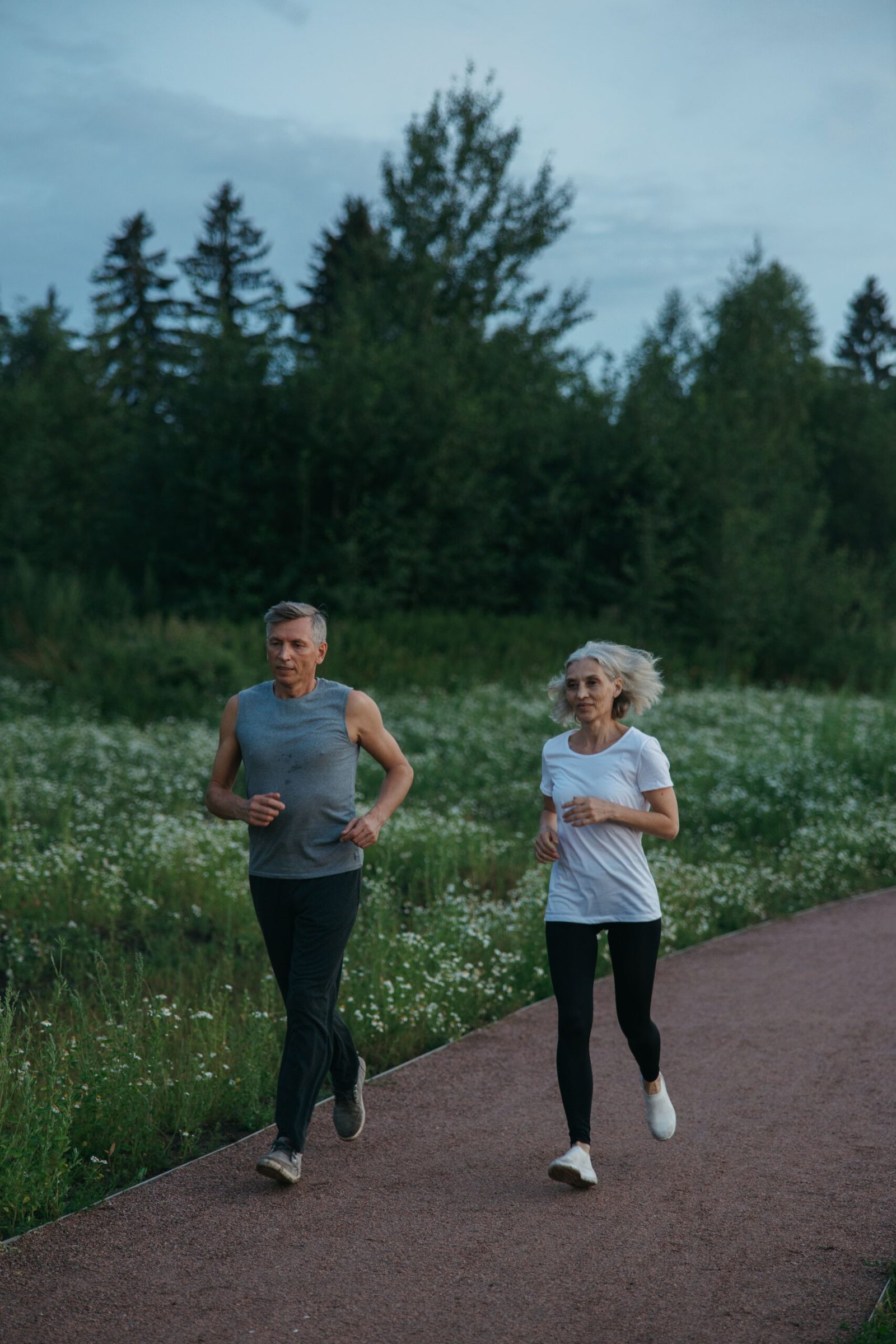
For a healthy beginner, try brisk walking with gentle inclines or stairs. As confidence improves, add controlled step-ups or short intervals of quicker walking. Experienced adults without relevant restrictions may gradually incorporate jogging, low hops or other moderate impacts. Landing quietly, controlling direction changes and tolerating the session afterward matter more than chasing a jump count.
Impact is not automatically better at higher intensity. Someone with vertebral fractures, repeated fragility fractures, severe balance problems or painful joints may need low-impact movement and individualized guidance. Consistent walking and resistance training can be more productive than an aggressive jumping program that cannot be performed safely.

Equipment Worth Exploring
Explore equipment, accessories and gear from our carefully selected range.


GymPin Squat Wedges
Non-slip 15-degree squat wedges help elevate the heels for deeper quad-focused squats.
Resistance training: the strongest practical foundation
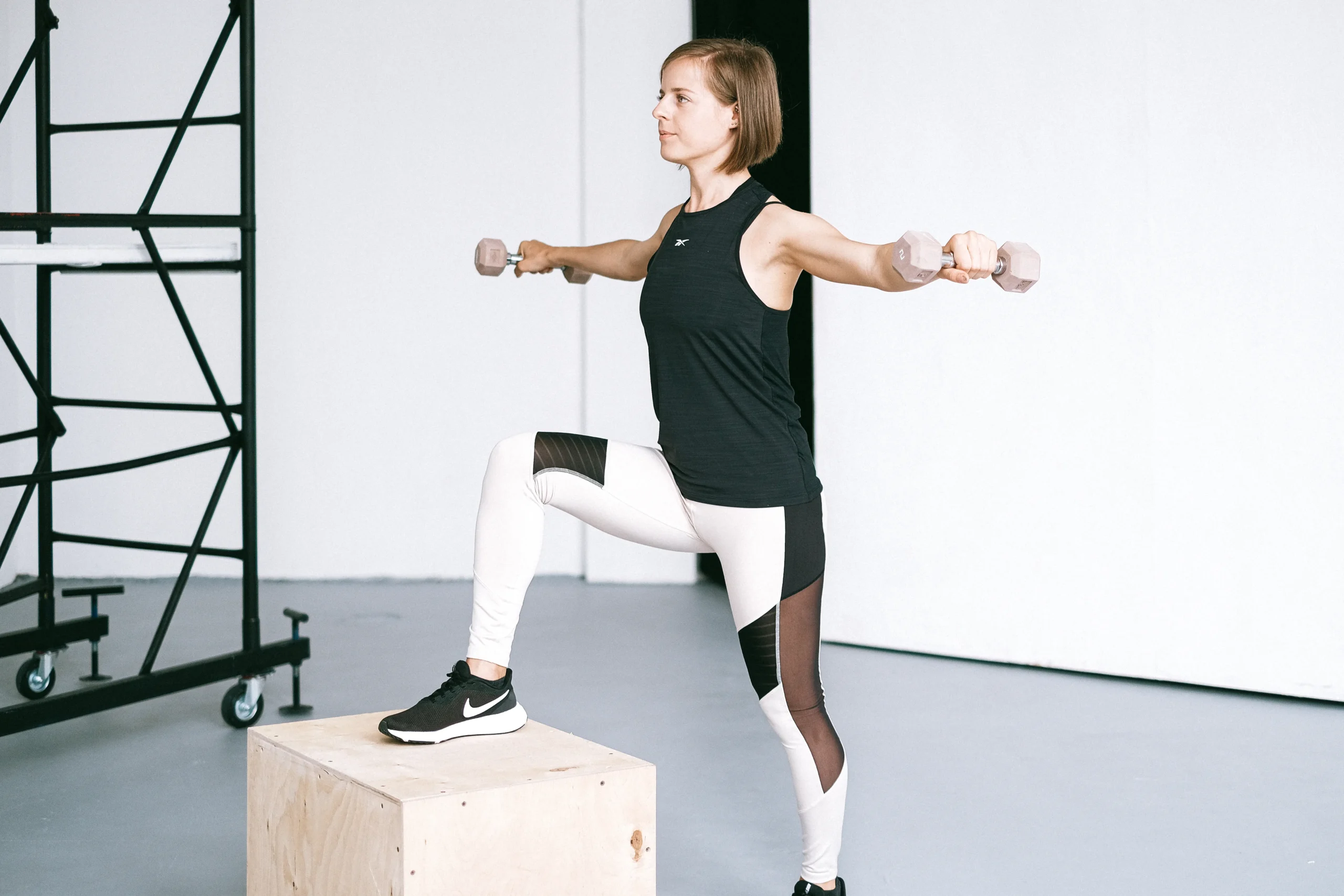
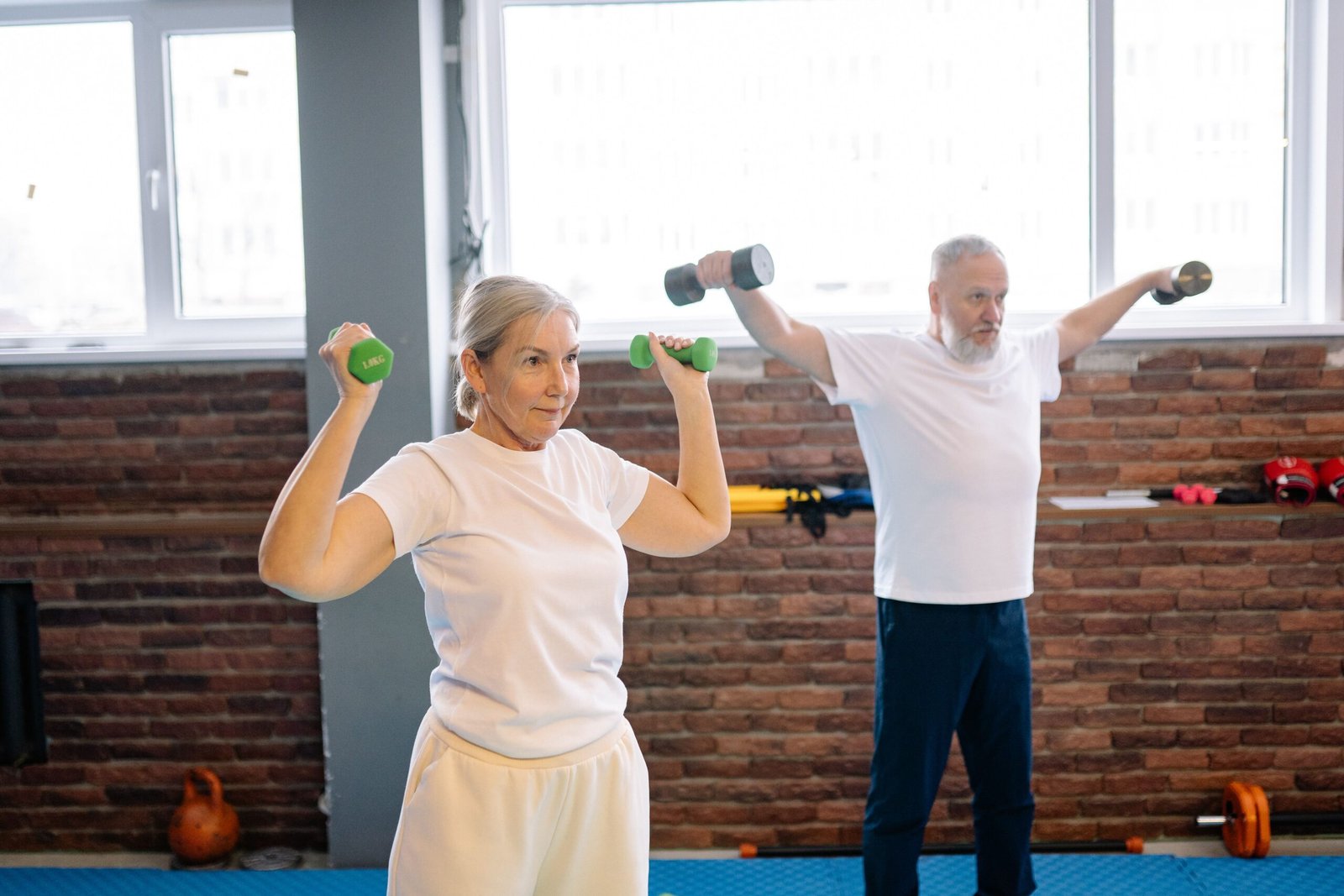
Muscle strength helps with daily tasks, posture and the ability to recover from a stumble. Progressive resistance exercise also gives bone a reason to adapt. A synthesis of randomized trials in adults aged 65 and older found improvements in lower-body strength and hip or femur bone mineral density, although evidence for density changes was less consistent than for strength gains. The pooled studies did not establish a reliable improvement in lumbar-spine density.
A useful session covers squat, hinge, push and pull. A chair squat or goblet squat trains getting up and down. A hip hinge or Romanian deadlift develops the posterior chain. A row supports pulling strength. A wall push-up or dumbbell press develops pushing capacity. A supported step-up or split squat adds single-leg control. These are examples, not a requirement to use barbells.
Begin with two sessions per week on nonconsecutive days. For each pattern, perform one or two controlled sets of roughly six to twelve repetitions at an effort that leaves a few good repetitions available. As technique improves, add a third set, increase resistance or move to a harder variation. A challenging set is not a maximal attempt. A stable pattern repeated for months is more valuable than occasional heavy lifting with poor control.
Adults with low bone density may benefit from progressive loading, but exercise choice and spinal positioning deserve extra care after vertebral fractures. Do not interpret a generic percentage of one-repetition maximum as a universal prescription. A qualified professional familiar with fracture history can help establish an appropriate starting load.

Funny Gym Shirts & Workout Gear
Funny gym shirts, tanks, hoodies and workout gear for lifters who like training hard.

Meme – You May Delay Time Will Not Next Cult Brand T-Shirt
Heavy lifts, good laughs, and a little “You May Delay Time Will Not” energy.

Vitruvian Kettlebell Tee
Heavy lifts, good laughs, and a little “Vitruvian Man With Kettlebells” energy.

Atlas Kettlebell Earth Meme Greek God Top T-Shirt
Make gym days more fun with “Atlas Kettlebell Earth Lifter” style.

Dadlift Dads Meme Dad Strength Tank Top
Bring “Dadlift” humor to your next lifting session.

Defy Gravity Shirt Old School Weight Strongman Meme T-Shirt
Bring “Defy Gravity” humor to your next gym day.

Break The Stereotype | Feminist Workout Sweater For Str T-Shirt
Keep things casual with a little “Break The Stereotype” attitude.

Meme – "Shhh I'M Doing Plate Math" Sweater & Jumper T-Shirt
Keep things casual with a little “"Shhh I'm Doing Plate Math" Workout Sweater” attitude.

Girl Meme – Let'S Go Girls Top Strong & Gains T-Shirt
Bring “Gym Girl Powerlifting Meme” humor to your next gym day.

– Flex Armstrong Astronaut Moon Huge Arms Jumper T-Shirt
Show some gym-day personality with “Flex Armstrong Astronaut Moon Huge Arms”.

Kettlebell Heart X-Ray Meme Top T-Shirt
Show some lifting attitude with a playful “Kettlebell Heart X-Ray” tee.
Which exercises deserve priority—and which are optional?
Choose exercises for the forces they create and the skills they develop, not because a list labels them “bone building.” Squats, deadlift variations and loaded carries challenge major muscle groups while placing demands on the legs and trunk. Step-ups and split squats train strength in positions resembling daily movement. Calf raises and stair work develop lower-leg capacity for walking and balance.
For a beginner, progression may start with sit-to-stands, wall presses, band rows and supported lunges. An experienced lifter might use dumbbells, kettlebells, barbells or cables. Equipment is secondary to controlled movement, appropriate loading and progressive effort. Changing exercises every week makes it harder to see whether you are getting stronger.
Impact can complement lifting rather than compete with it. A brisk stair walk or a short jogging interval can provide an upright stimulus without becoming a full endurance session. If jumping causes pain or you cannot maintain balance on landing, it is not essential. Other options can deliver meaningful activity with lower risk.
Do not mistake muscle soreness for evidence of stronger bones. A workout that feels easy on the heart can still load the skeleton, and hard cycling may provide little direct impact loading. Track performance, movement confidence and consistency; leave density measurement to appropriately timed clinical assessments.
Balance training protects bones by reducing falls
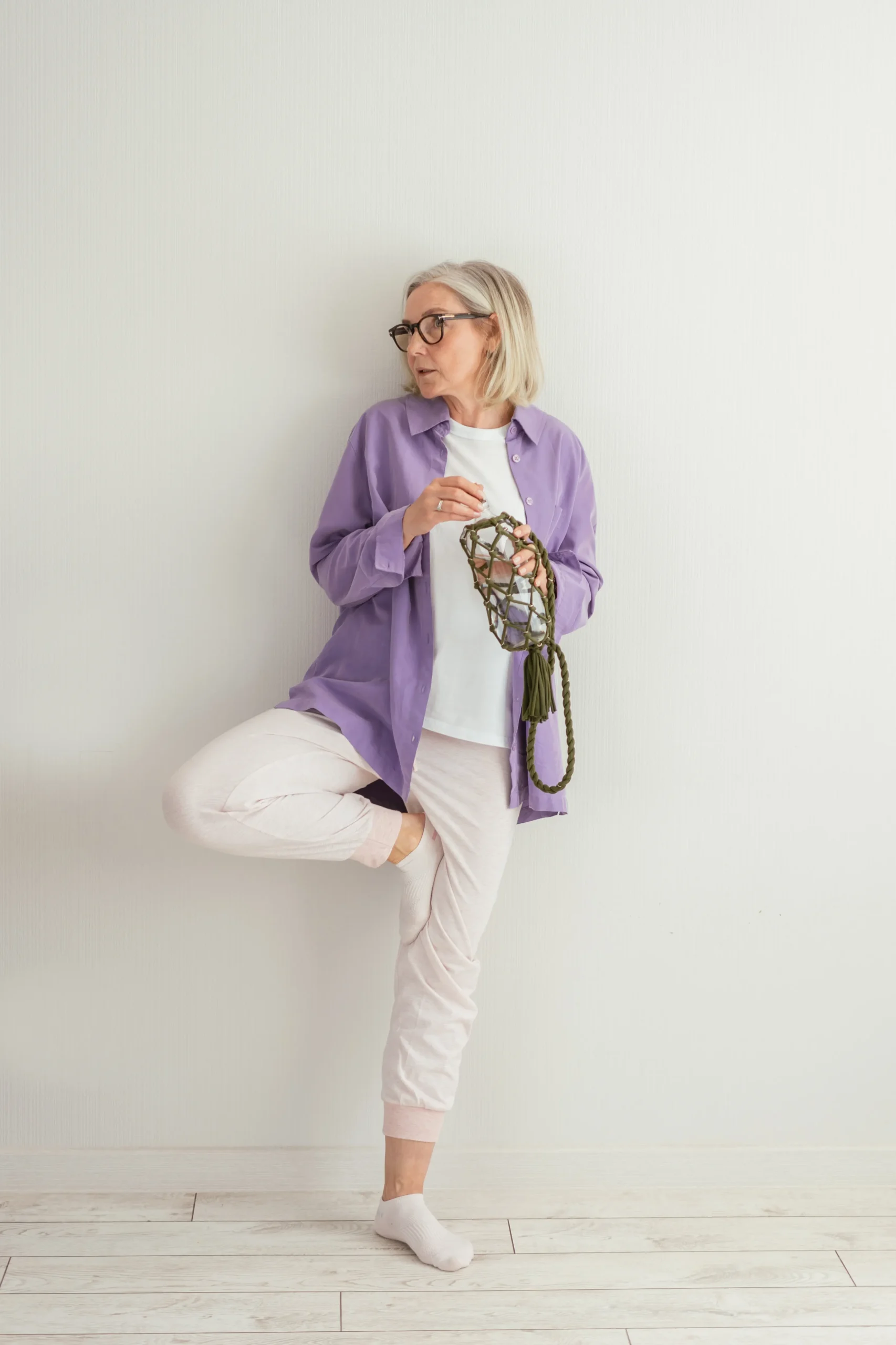
Balance exercises work through a different mechanism from bone loading. Standing on one leg, stepping sideways, controlling a turn or practicing a slow weight shift can improve the ability to stay upright when the environment changes. These drills may not create large density gains, yet avoiding a fall can be crucial when bones are fragile.
Start next to stable support. Hold a single-leg stance for ten to twenty seconds per side with a hand near a countertop or rail. Progress to gentle heel-to-toe walking, step-over drills or supported lateral steps. Once comfortable, make the challenge slightly more dynamic rather than closing your eyes or removing all support. Safety and repeatability matter more than spectacle.
Balance practice can fit into a strength warm-up or several short sessions during the week. It is especially relevant for older adults, people returning to activity and anyone who feels uncertain on stairs or uneven ground. The goal is not a dramatic balance stunt; it is to make ordinary movement more reliable.
Mobility and balance are related but different. Ankle and hip range can help you move comfortably, while strength and coordination allow control of that range. Repeated falls, dizziness or unexplained weakness warrant assessment rather than simply adding harder drills.
Equipment Worth Exploring
Explore equipment, accessories and gear from our carefully selected range.
VOLTRA
Compact digital cable trainer with smooth, adjustable resistance.

Go-Tone Pro
Portable digital cable trainer with up to 66 lb (30 kg) of adjustable resistance.

Squat Harness
Wearable harness for hands-free cable squats, sled work, and lower-body training.


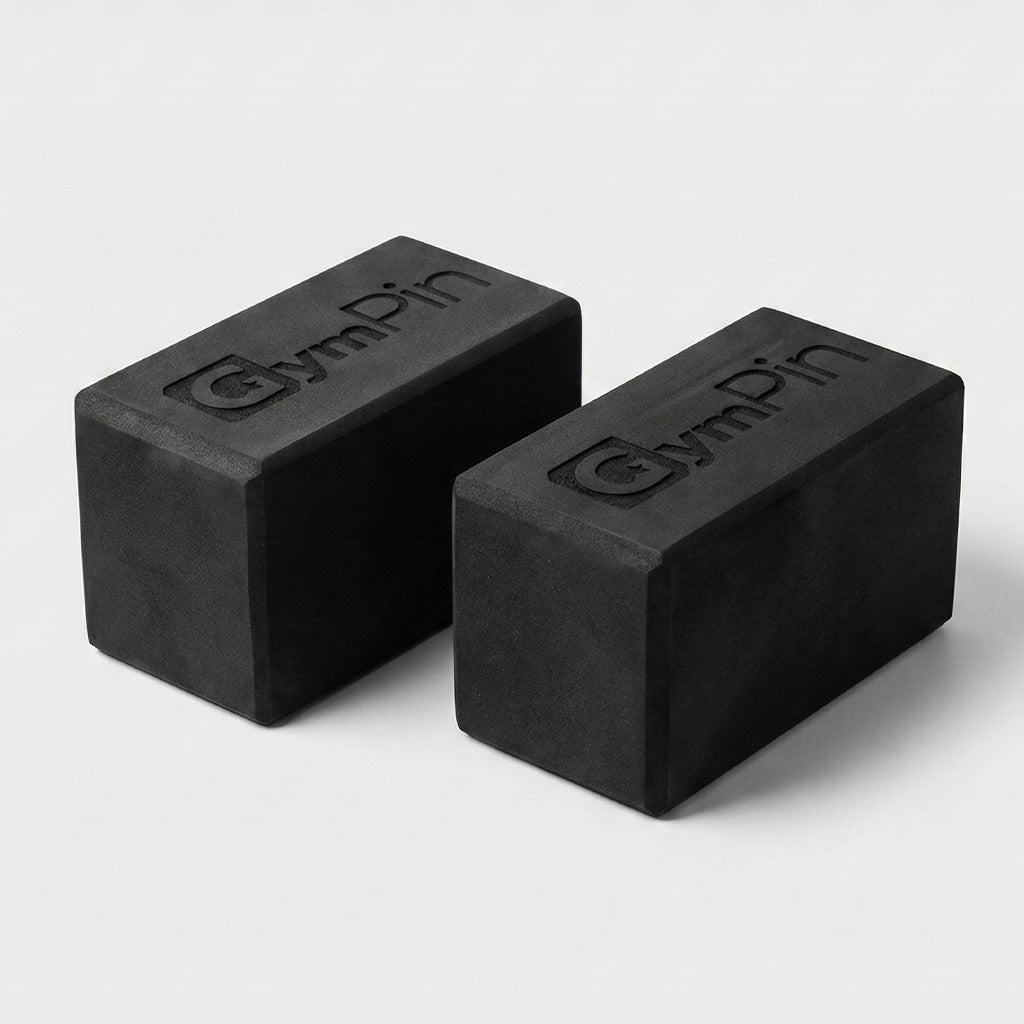
GymPin Starting Blocks
Portable high-density foam blocks for adjusting machine starting positions and range of motion.


FID Bench MAX
Adjustable bench offering flat, incline, and decline positions + adjustable headrest.

A realistic weekly bone-health training plan
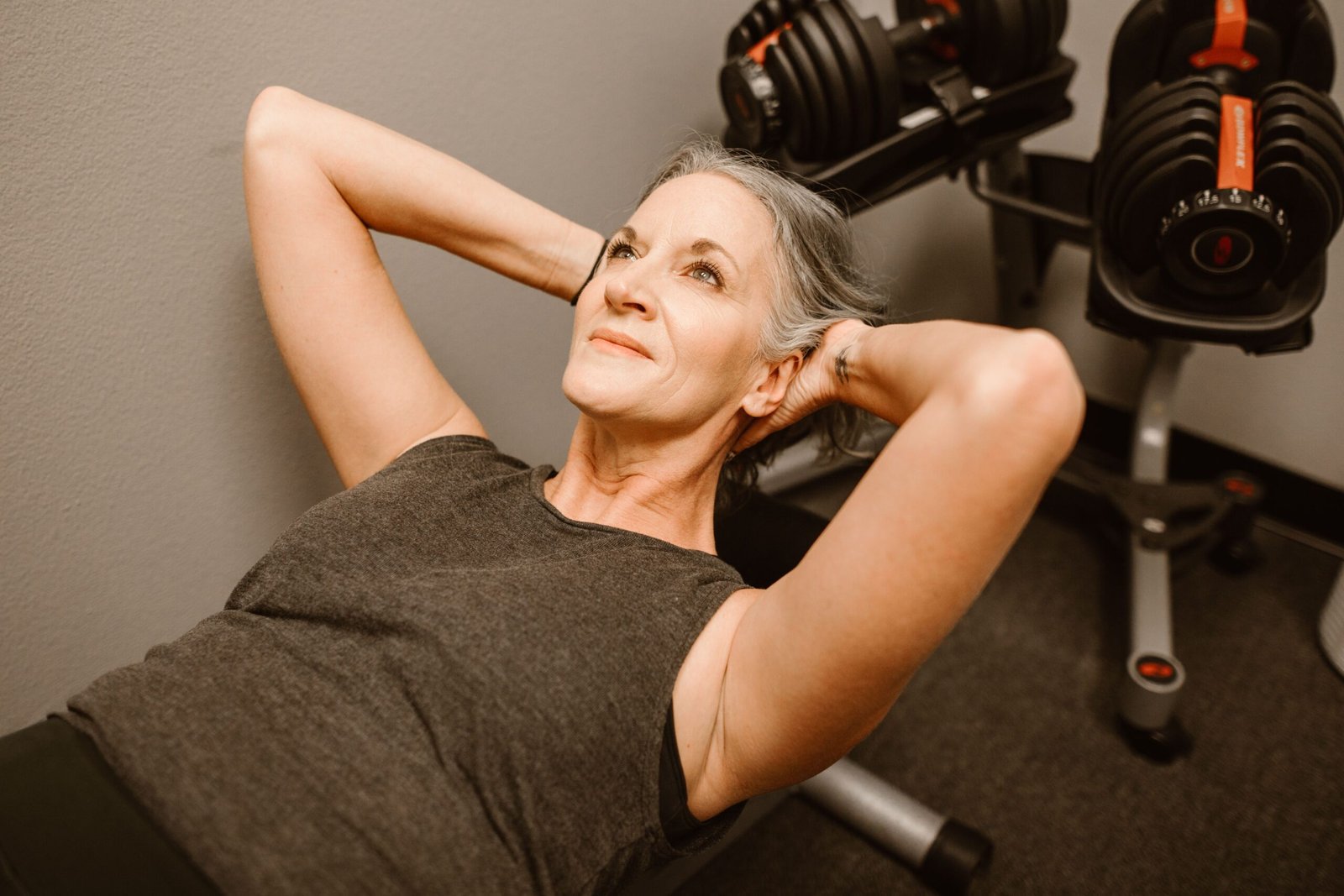
A useful plan is small enough to repeat and varied enough to cover strength, upright movement and balance. For a generally healthy adult cleared for exercise, the following is a starting template—not a prescription for someone with an unstable fracture or significant medical limitations.
Monday: strength. Two sets each of goblet or chair squats, Romanian deadlifts, rows and wall or floor push-ups. Finish with supported single-leg holds. Choose resistance that challenges the final repetitions without sacrificing control.
Tuesday: weight-bearing movement. Walk briskly for twenty to thirty minutes, using a gentle hill or a few flights of stairs if tolerated. Add lateral steps or heel-to-toe walking near a rail.
Thursday: strength. Repeat the four basic patterns with step-ups or split squats replacing one lower-body movement. If Monday felt manageable, progress only one variable: a little resistance, a few repetitions or a slightly harder variation.
Weekend: enjoyable upright activity. Hiking, dancing, a longer walk or recreational sport can make activity sustainable. If you are fit and have no relevant restrictions, introduce small amounts of moderate impact progressively. If impact is inappropriate, choose the safest movement you can repeat.
Move normally on other days. Two resistance sessions and regular upright activity are more useful than a complicated seven-day plan abandoned after a week. Progress according to tolerance and steady improvements, not an arbitrary deadline for a density change.
Leg Day Shirts & Workout Gear
Leg-day gym shirts and workout gear for lifters who never skip squats, lunges and lower-body punishment.


Leg Day Squats Deadlifts Sweater Meme T-Shirt
Show some gym-day personality with “Leg Day”.

Leg Day No Thanks Skip Leg Day Meme Sweater Squats T-Shirt
Show some gym-day personality with “Leg Day No Thanks”.

Squat Here | Edgy Workout | Gym Meme Hooded Jumper Hoodie
Make your off-duty look more fun with “Squat Here”.

7 Plates Squat Club Shirt – Meme & Leg Day Gains T-Shirt
Rep “7 Plates Squat Club” humor in and out of the gym.

My Leg Hurts Leg Day & Squat Meme Fans Vest Tank Top
Train hard, laugh a little, and rep “My Leg Hurts”.

Squatzilla Meme Leg Day & Squat Fans Hooded Hoodie
Show off your leg-day humor in a laid-back “Squatzilla” hoodie.

Mermaid Leg Day Sweater Strong Meme T-Shirt
For laid-back days and leg-day humor: “Mermaid Leg Day”.


When to modify the plan—and what success looks like
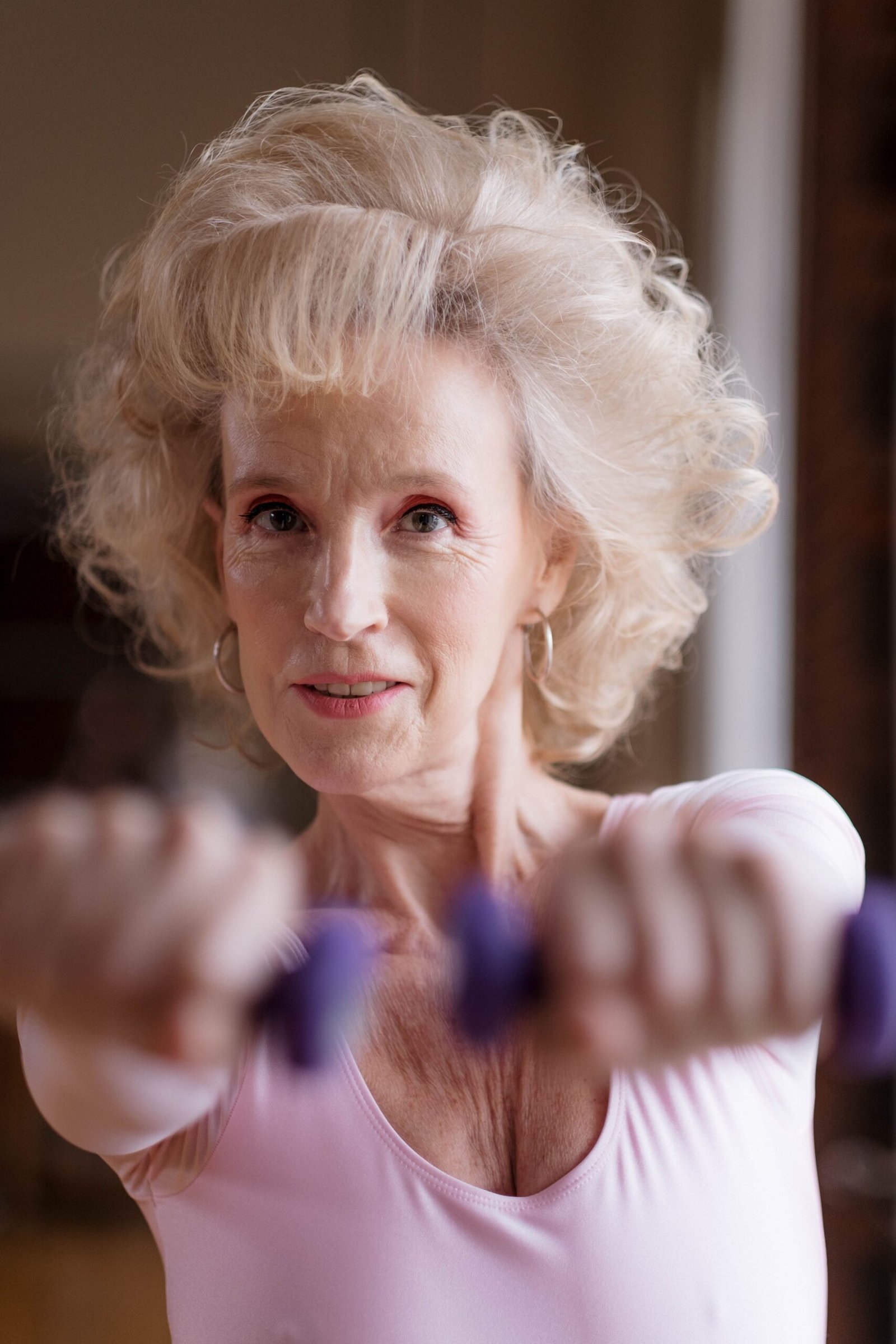
Someone with healthy bones who wants to stay strong can gradually increase resistance and, when appropriate, moderate impact. Someone with osteoporosis, recent fragility fractures or vertebral fractures may need a more conservative plan emphasizing safe strength work, low-impact activity and fall prevention. The diagnosis changes the exercise decision; it does not mean the person should stop moving altogether.
Get individualized guidance before introducing heavy spinal loading, repeated jumps or aggressive twisting if you have vertebral fractures, multiple fragility fractures or unexplained pain. Persistent pain, sudden back pain after a minor event, chest symptoms or dizziness during exercise are reasons to stop and seek assessment. Exercise should complement prescribed treatment, nutrition and clinical monitoring.
Measure observable wins: a heavier but controlled squat, rising from a chair without assistance, walking farther without fatigue, navigating stairs confidently and fewer losses of balance. Density changes, if they occur, take longer and depend on factors beyond training. Avoid promising a specific percentage improvement from a generic routine.
The bottom line: the most useful bone-health program is not one magical exercise. It is a repeatable combination of progressive resistance, suitable weight-bearing activity and balance practice. Start where you can move safely, build capacity over time and judge the plan by stronger movement and long-term consistency.