Advertising disclosure: This page includes affiliate links that may earn us a commission at no additional cost to you.
A can of pink salmon is one of the few protein sources you can keep in a cupboard for weeks, open after training and turn into a proper meal without touching a raw fillet. It can also be surprisingly easy to undercount or overcount. The weight printed on the front, the drained serving on the back and the amount you actually put into a lunch bowl are not always the same.
For lifters, the appeal is not that salmon has some special muscle-building advantage over every other protein. It is that the fish provides useful protein, marine omega-3 fats and a convenient starting point for a meal. The important decisions are how much to serve, whether you want edible bones, what to mix with it and how to store the leftovers.
Read the drained-weight label, not the size of the can
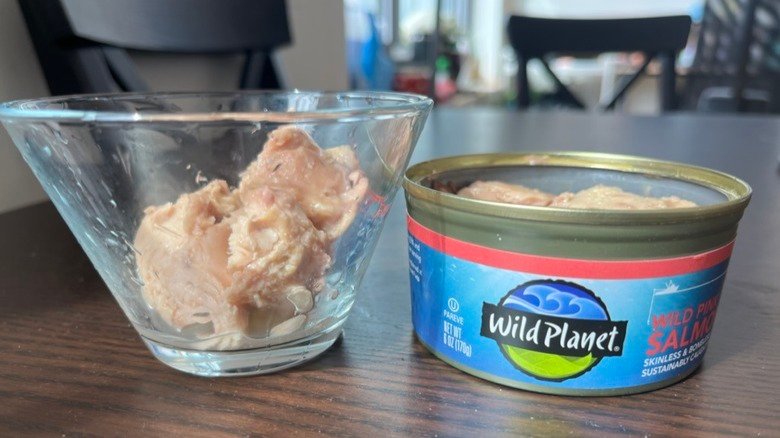
Start by looking for the serving weight and whether the nutrition figures describe drained fish. One example of skinless, boneless wild pink salmon comes in a five-ounce can but lists a drained serving of 113 grams. That serving contains 22 grams of protein, 110 calories, two grams of fat and 240 milligrams of sodium. It lists no carbohydrate. Those figures describe that particular product, not every can of salmon.
The five ounces on the front correspond to about 142 grams of net contents, including liquid. If you entered 142 grams of drained salmon into your food tracker based on the front label, you would be counting more fish than the label’s drained serving. If you eat the full drained contents, record the serving as stated. If you eat part of it, weigh the drained portion and scale the nutrition accordingly.
For instance, 75 grams from the 113-gram serving would provide roughly 15 grams of protein and 73 calories. A second identical can would give a total of 44 grams of protein and 220 calories before anything else is added. You do not need to chase perfect precision when the fish itself varies a little, but you do need to be consistent about which weight you enter.
Also check what the manufacturer means by a serving. A larger traditional can of pink salmon might list 85 grams as one serving, with 16 grams of protein and 100 calories. Its full contents can provide several servings. The two labels look different partly because of portion size, and partly because of the product itself. Do not compare 22 grams on one package with 16 on another without first adjusting for the serving weights.
If you shop by value, compare the price for a usable amount of protein, rather than the price of a tin in isolation. Divide the price by the total grams of protein in the amount you intend to eat. That simple calculation helps when a discounted small tin sits next to a larger tin that costs more but contains several meals.
Build a useful protein portion without guessing
Pink salmon comes in skinless, boneless packs and in traditional packs that may include the skin and softened bones. Both can work for meal prep. The first is convenient if you want a uniform texture and do not want to pick through the fish. The second can supply additional calcium if you eat the softened bones, which are commonly mashed into the flakes.
One traditional pink salmon label lists 190 milligrams of calcium per 85-gram serving. The boneless 113-gram example lists zero percent of the daily value for calcium. That is a meaningful distinction when comparing fish, but there is no reason to assume every bone-in product has exactly the same calcium content. Read your own label and consider what the rest of your diet supplies.
Salmon also contributes vitamin D and the long-chain omega-3 fats EPA and DHA. An 85-gram serving of canned Alaska salmon is estimated to provide roughly 800 to 1,400 milligrams of those marine omega-3 fats, depending on the product. Protein is the easier number to track because manufacturers usually put it directly on the nutrition panel. Treat an omega-3 estimate as an estimate, not a guarantee.
When assembling a lunch, first decide how much protein you want from the entire meal. A full small can with 22 grams is a reasonable starting point, but it might leave you short if your lunch usually contains 30 to 40 grams. You could add a second portion of fish, a scoop of plain Greek yogurt as dressing, or another protein-containing food that fits your preferences. The final amount depends on the labels and portions of everything you add.
Sodium deserves the same attention. A standard can might have 240 milligrams, while a reduced-sodium version of the same product lists 180 milligrams. Pickles, sauces and bread can contribute more than you expect. Taste the finished mixture before adding salt, particularly when using prepared mustard, soy sauce or seasoned rice. If you have a medically prescribed sodium restriction, use the limits set by your clinician rather than a general fitness meal plan.
Three fast salmon meals for different training days
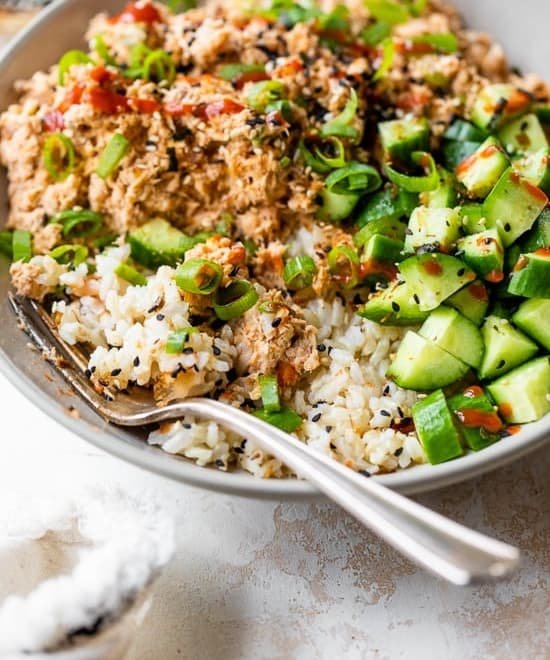
The main advantage of this pantry ingredient is flexibility. You can create meals with different amounts of carbohydrate and fat without changing your basic protein preparation. Drain the salmon, break up the larger flakes and taste it before choosing the rest of the ingredients. Here are three simple frameworks rather than fixed recipes with misleading universal calorie totals.
Training-day rice bowl. Put warm cooked rice in a bowl, top it with drained salmon and add cucumber, shredded carrot or chopped cabbage. Mix a little plain yogurt with lemon, black pepper and mustard for a quick sauce. For a larger training-day meal, increase the rice or add a second source of protein according to your actual targets. Keep the vegetables and dressing separate if you plan to reheat the rice.
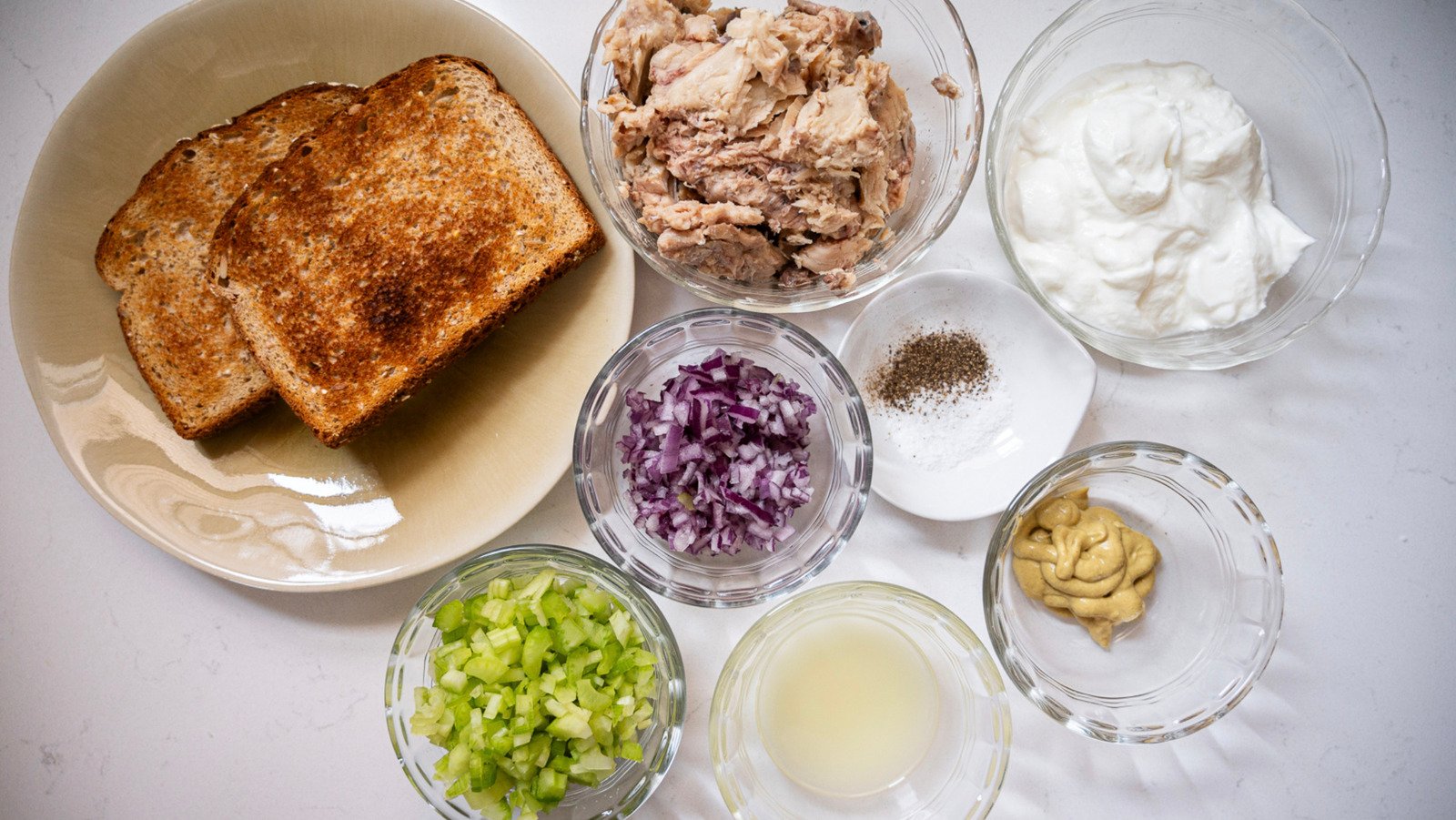
Cold salmon wrap. Combine the flakes with diced celery, chopped red onion and a spoonful of yogurt or mayonnaise. Add a squeeze of lemon and a few chopped pickles if desired. Spread the mixture over a tortilla, add crunchy lettuce, then roll it tightly. A larger wrap or a side of fruit can make the meal more substantial, while a smaller tortilla and extra vegetables suit a lighter lunch.
Potato and salmon plate. Use cooked potatoes as a carbohydrate base, toss with herbs and add flaked salmon. Serve with a side of vegetables and a dressing made from mustard, lemon and a little olive oil. This works equally well chilled or with the potatoes warm. The fish is already cooked, so it does not require another long cooking step.
There is no need to assume that a low-calorie fish label makes the entire meal low-calorie. A generous serving of rice, several tablespoons of oil or a large tortilla can change the total substantially. Those additions are not inherently bad; they simply need to fit the job you want the meal to do. A lifter in a gaining phase may welcome the extra energy, while someone cutting might choose more vegetables and a smaller serving of dressing.

Funny Gym Shirts & Workout Gear
Funny gym shirts, tanks, hoodies and workout gear for lifters who like training hard.

Bro – Powered By Chicken Broccoli Rice Meme & Gains T-Shirt
Show some meal-prep attitude with a playful “Gym Bro” tee.

Meme – Free Protein Gymbro – Humor Top & Gains T-Shirt
Heavy lifts, good laughs, and a little “Free Protein Gymbro” energy.

Bulking King Sweater & Mass Gain Meme T-Shirt
Add a playful “Bulking King” touch to your casual rotation.

Wheysted Gym | Funny GTA Parody Workout | Whey Protein Hoodie
Show off your gaming humor in a laid-back “Wheysted” hoodie.

Blue Protein Shaker Bottle : Decal For Water Bottles & Sticker
Stick a little “Blue Protein Shaker Bottle” humor on your favorite gear.

Brotein Bar Gym | Funny Protein Bar Meme Workout For Gy Hoodie
Stay casual and show some bodybuilding attitude with “Brotein Bar”.

Hustle For That Muscle Gym Sweatshirt
Keep things casual with a little “Hustle For That” attitude.

Eat Your Chicken – Chicken Bro Protein Meme Vest Muscle Tank Top
Show some personality between sets with “Eat Your Chicken”.

Eat More Whole Foods Donuts – Junk Food Meme Jumper Pul T-Shirt
For laid-back days and donut-loving humor: “Eat More Whole Foods Donuts”.

Everything Hurts And I'm Hungry – Motivation Lifting T-Shirt
Show some lifting attitude with a playful “Everything Hurts And I'm Hungry” tee.
Make patties that hold together without hiding the macros
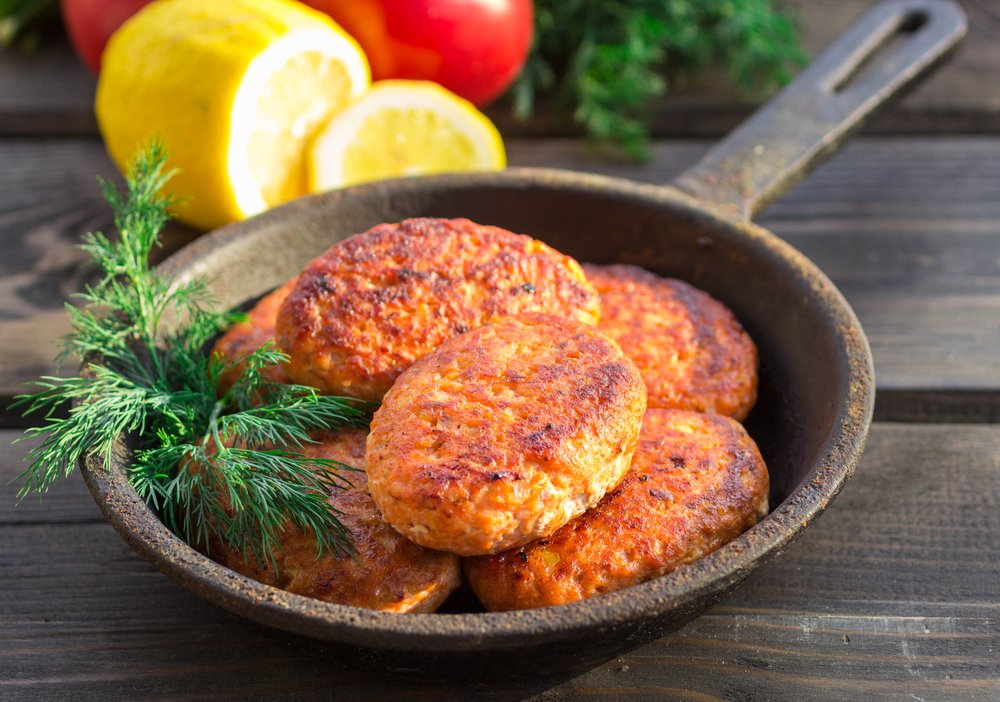
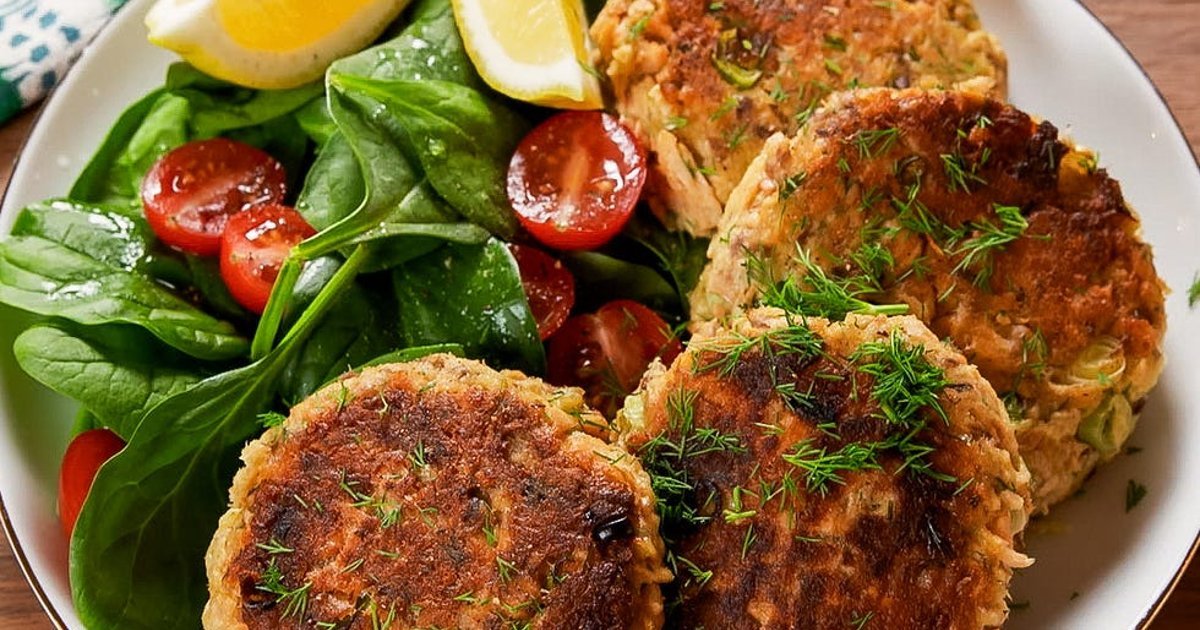
Salmon patties are useful when you want something that feels like a cooked meal rather than a bowl of canned fish. The main challenge is binding the flakes. A mixture that is too wet spreads in the pan; too many dry crumbs can make the finished patty dense. Start with drained salmon and add just enough egg and breadcrumbs or oats to hold the mixture together. Chopped scallions, dill, pepper and lemon zest provide flavor without requiring a large quantity of sauce.
For a practical small batch, use two drained 113-gram cans, one beaten egg and a modest amount of breadcrumbs, adding them gradually until the mixture can be shaped. Press four equal patties and chill briefly if they are too soft. Cook in a lightly oiled skillet over moderate heat until the egg is fully cooked and the outside is browned. Use a thermometer to check that the center reaches 160°F (71°C) for the egg-containing mixture. Avoid very high heat, which can scorch the exterior while the inside is still soft.
The two fish servings contribute 44 grams of protein before counting the egg or crumbs. Divided evenly among four patties, that is 11 grams of fish protein per patty. Two patties therefore provide about 22 grams from the salmon alone. Calculate the egg, crumbs, cooking oil and any sauce separately. This makes the batch easier to portion than trying to find a generic database entry for salmon cakes.
A useful trick is to weigh the complete mixture before shaping it. If the bowl contains 320 grams of mixture, four 80-gram portions should contain approximately equal amounts of each ingredient when thoroughly mixed. The cooked weight will be lower because of moisture loss, so the raw mixture weights are a simpler basis for dividing the batch. Record the total ingredients once and divide the result by the number of patties.
Store the fish safely and make the routine repeatable
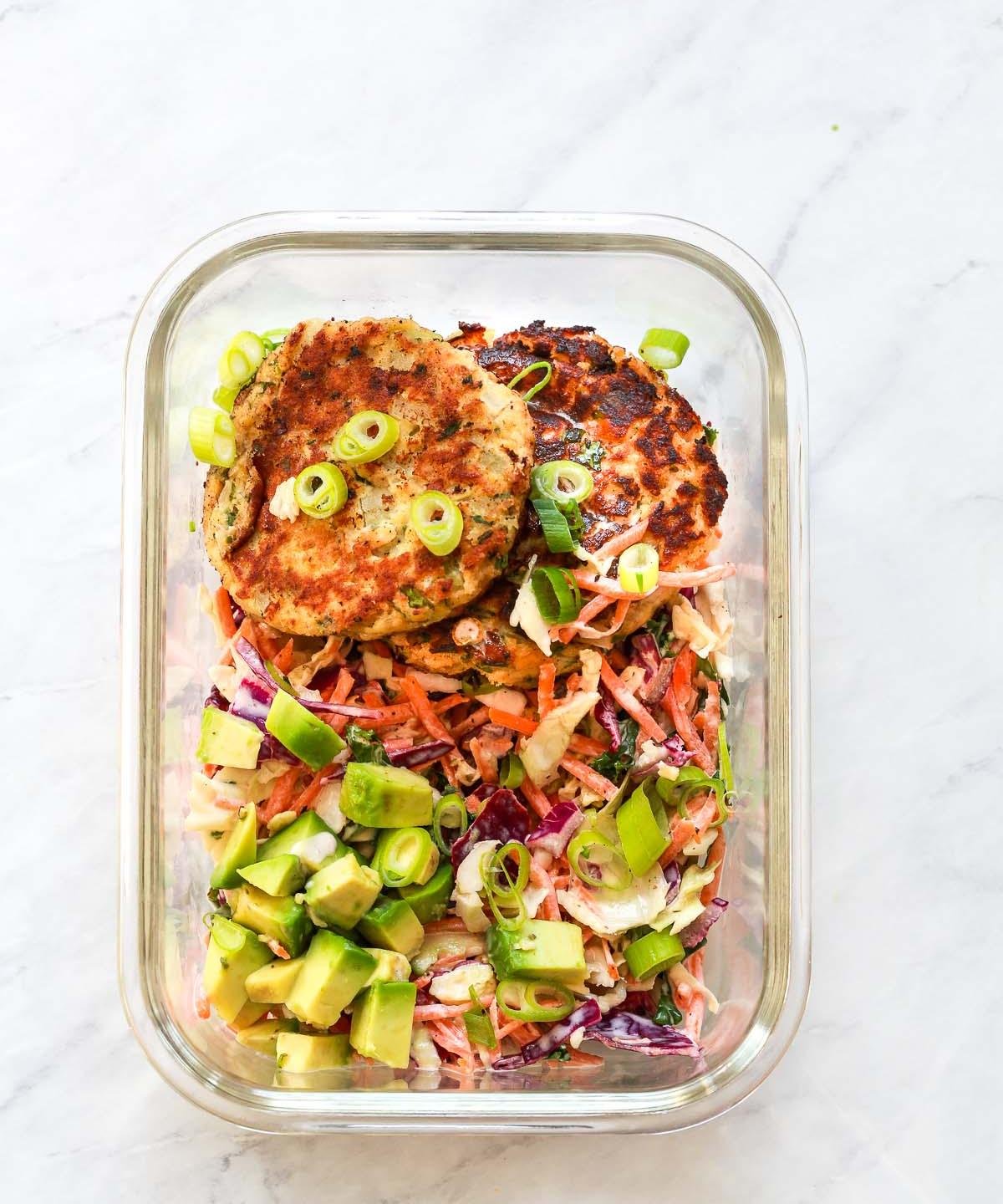
Unopened, undamaged shelf-stable cans can be kept in a cool, dry cupboard according to their package guidance. Once you open one, treat the contents as perishable. Move any unused fish into a clean covered container, refrigerate it promptly and keep the refrigerator at or below 40°F (4°C). Aim to eat opened canned salmon within two to three days; do not stretch storage merely because it came from a tin.
Cooked leftovers and assembled meals should go into the refrigerator within two hours, or within one hour if the surrounding temperature is above 90°F (32°C). If you take a salmon lunch to work or the gym, use an insulated bag with adequate ice packs unless you have reliable refrigeration. Keep the fish and other perishable ingredients cold until you eat them. Smell is not a reliable test for whether improperly stored food is safe.
Salmon is generally among the lower-mercury seafood choices, but variety remains a good habit. Rotate it with eggs, poultry, beans, dairy or other fish that fit your diet rather than letting one convenient food become your entire protein strategy. People who are pregnant, breastfeeding or feeding young children should follow the appropriate seafood-serving advice for those groups. Fish allergies are another reason to choose an alternative altogether.
For a repeatable weekly routine, buy two or three different meal bases, keep a couple of cans on hand and prepare only what you expect to eat in the next few days. You can cook the rice or potatoes separately, then open a can on the day you need it. That avoids forcing yourself to eat a week’s worth of the same fish mixture and reduces the amount of ready-to-eat food sitting in the refrigerator.
The simplest way to judge whether this approach works is to check your actual meal: sufficient protein for your plan, enough energy for your training and ingredients you enjoy eating regularly. Canned pink salmon is useful because it solves a practical problem. It gives you a protein option when there is no time to cook a fresh fillet, without requiring you to turn every lunch into a complicated recipe.