Advertising disclosure: This page includes affiliate links that may earn us a commission at no additional cost to you.
Couscous can be a useful change from rice when you want a different texture or a quicker way to finish a meal. The important decision comes before the cooking: the tiny granules in one packet and the round pearls in another are not interchangeable just because both carry the same familiar name.
For lifters planning regular meals, the useful questions are practical. Which product did you buy? Are its nutrition figures for the dry ingredient or the cooked food? What supplies the rest of the meal’s protein, vegetables and flavour? Answer those, and couscous becomes easier to use without turning it into a special muscle-building food.
1. Identify the product before choosing a recipe
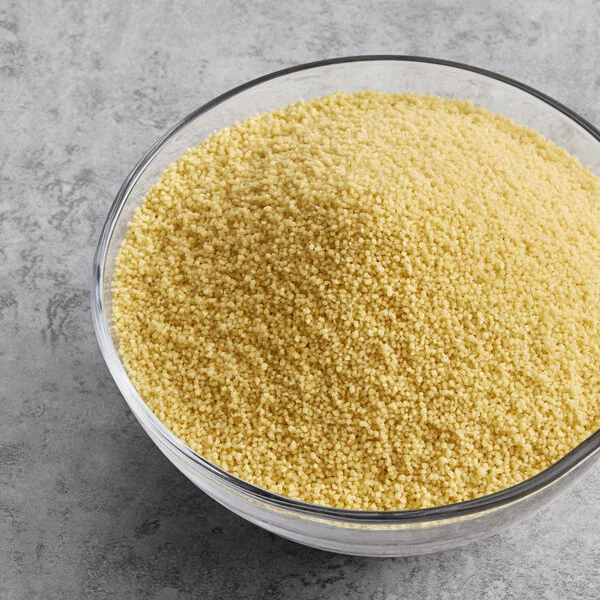
Conventional couscous is made from moistened semolina that is formed into small granules, then steamed and dried. Semolina comes from durum wheat. The resulting food may look like a grain, but the small pieces have been made from milled wheat rather than harvested in that shape.
Whole-wheat versions are also available. Check the ingredient description rather than deciding from colour alone. A brown-looking product is not enough information to establish its ingredients, fibre content or serving size. If comparing two packets, use their actual nutrition panels and the same weight basis.
Pearl couscous is a larger, pasta-like product, commonly sold as Israeli couscous or ptitim. Its rounded pieces have a different bite from the fine, fluffy variety. It can work well when you want more distinct pieces in a salad, while fine couscous can sit beneath a saucy main or mix through finely chopped vegetables.
Standard wheat couscous contains gluten. Whole-wheat couscous does too; choosing the whole-wheat version does not make it gluten-free. Products made from other ingredients need their own label check. Keep this basic identity question separate from whether a particular brand’s packaging looks wholesome or its recipe photograph looks appealing.
2. Fine and pearl couscous need different treatment
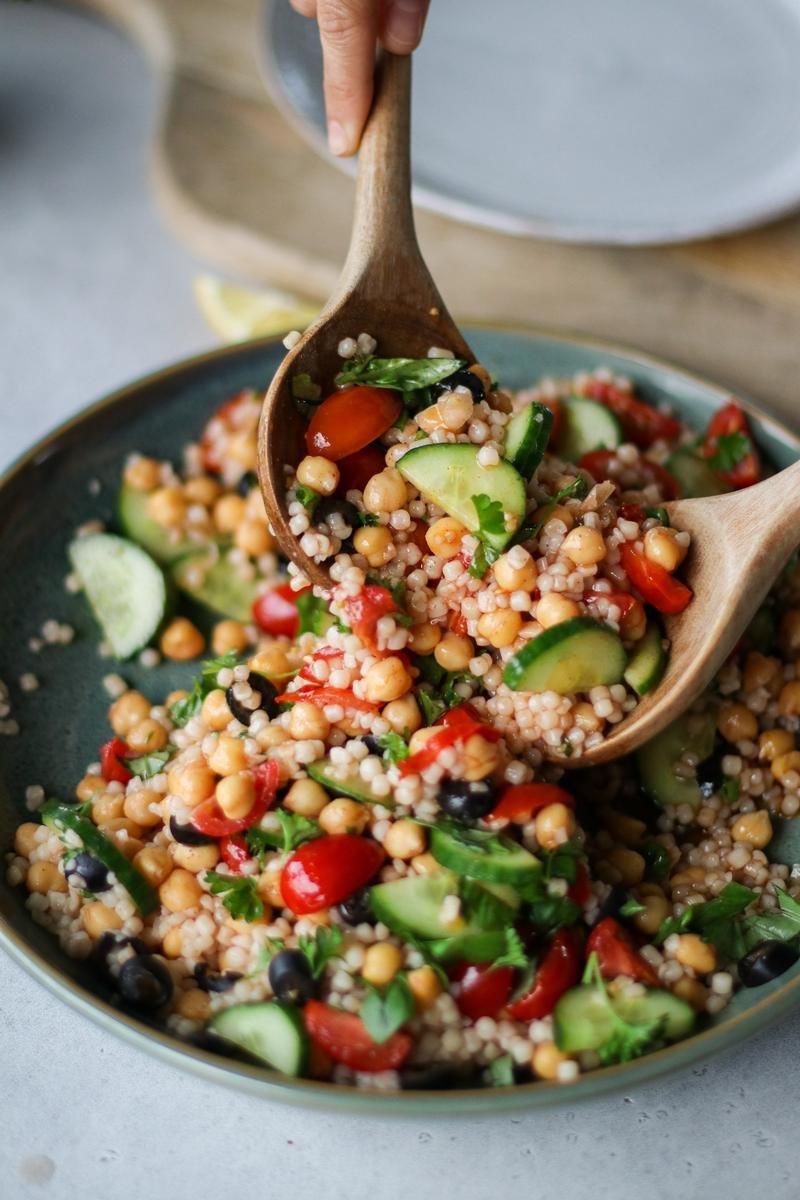
Many supermarket fine-couscous products are already steamed and dried. Their preparation involves adding hot liquid, covering and leaving the granules to absorb it off the heat. Fluffing with a fork separates the cooked pieces. Pearl couscous generally needs a period of simmering to become tender while retaining its characteristic chew.
That difference explains an ordinary kitchen mistake: following instructions intended for fine couscous after buying pearls. A short covered rest cannot simply be assumed to replace the simmering method. The reverse mistake is possible too. Keeping fine couscous on the heat because a pearl recipe says to simmer it can produce a disappointing result.
Use the instructions on the packet you actually have, or a coherent recipe written for that specific type. Water quantities and resting times differ across products. Combining the water ratio from one set of instructions with the cooking time from another creates a new method that neither source has established.
Start plain when learning a new packet. Once you know how it cooks, decide whether stock, herbs, spices or a sauce would suit the meal. This makes troubleshooting easier: you can distinguish a preparation problem from a seasoning choice. The aim is the texture you wanted, rather than loyalty to one universal couscous ratio.
3. Keep dry and cooked weights on the same page
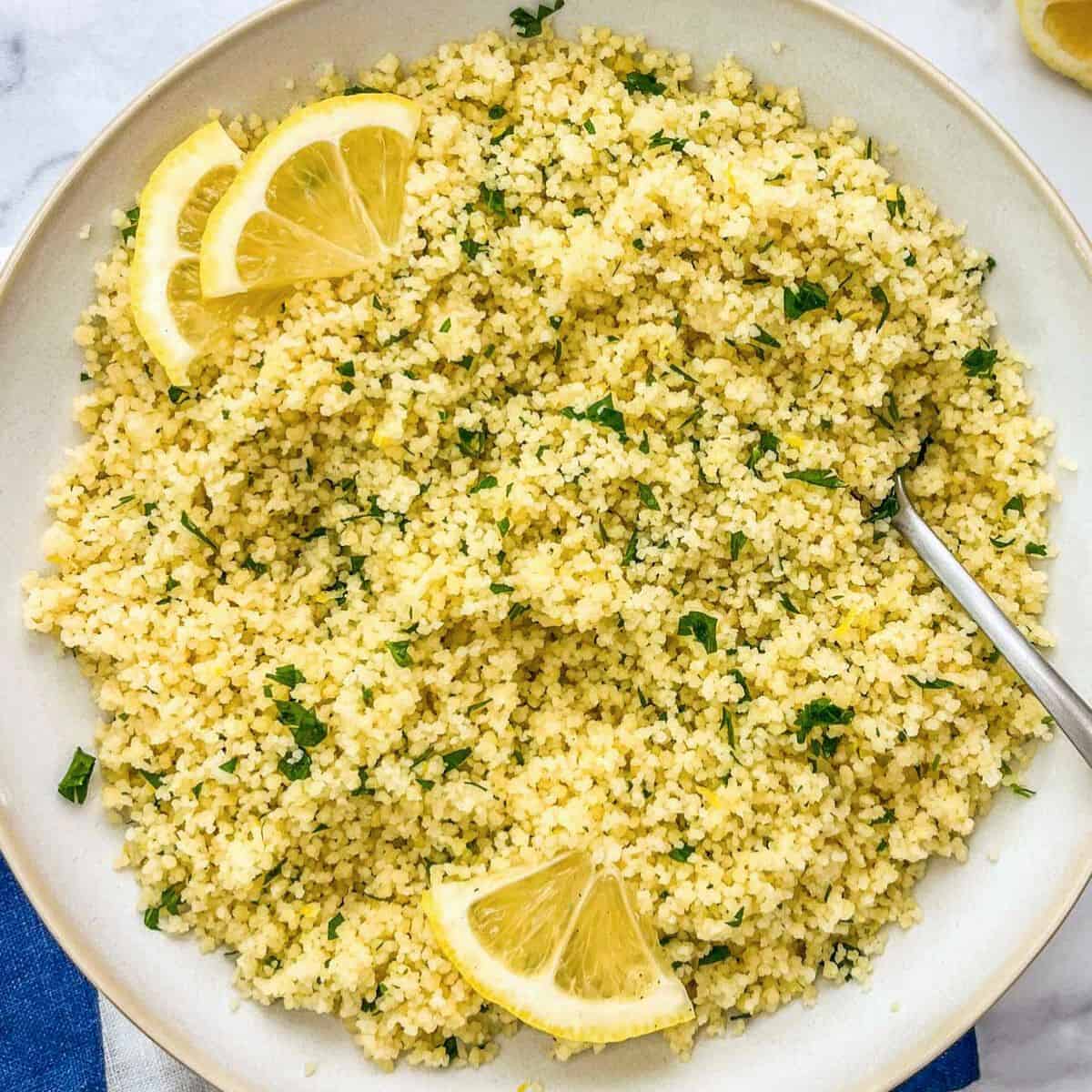
A dry portion and a cooked portion are different measurements. Couscous takes up water during preparation, so the finished food weighs more. That does not mean water has created more protein or carbohydrate. It means those nutrients are distributed through a heavier portion of food.
If you track food, match your weighing method to the entry or label you use. Dry couscous weighed before cooking belongs with dry-product information. Cooked couscous belongs with information that actually describes a comparable cooked preparation. A generic cooked entry is an estimate when the water uptake and ingredients differ.
For a simple batch example, imagine weighing 120 grams of dry couscous and dividing the finished plain batch into two equal portions. Each portion represents half the original dry ingredient, or 60 grams dry equivalent, regardless of the final batch’s absorbed-water weight. Calculate the batch from the packet’s figures, then divide it consistently.
Oil, butter, cheese, nuts and dressing still belong in that calculation when used. They do not disappear into the couscous simply because you cannot pick them out afterwards. Nor does a photograph establish a dish’s calories. Our guide to dry and cooked lentil weights explores the same measurement distinction with a different ingredient.
4. Build the plate around more than the couscous
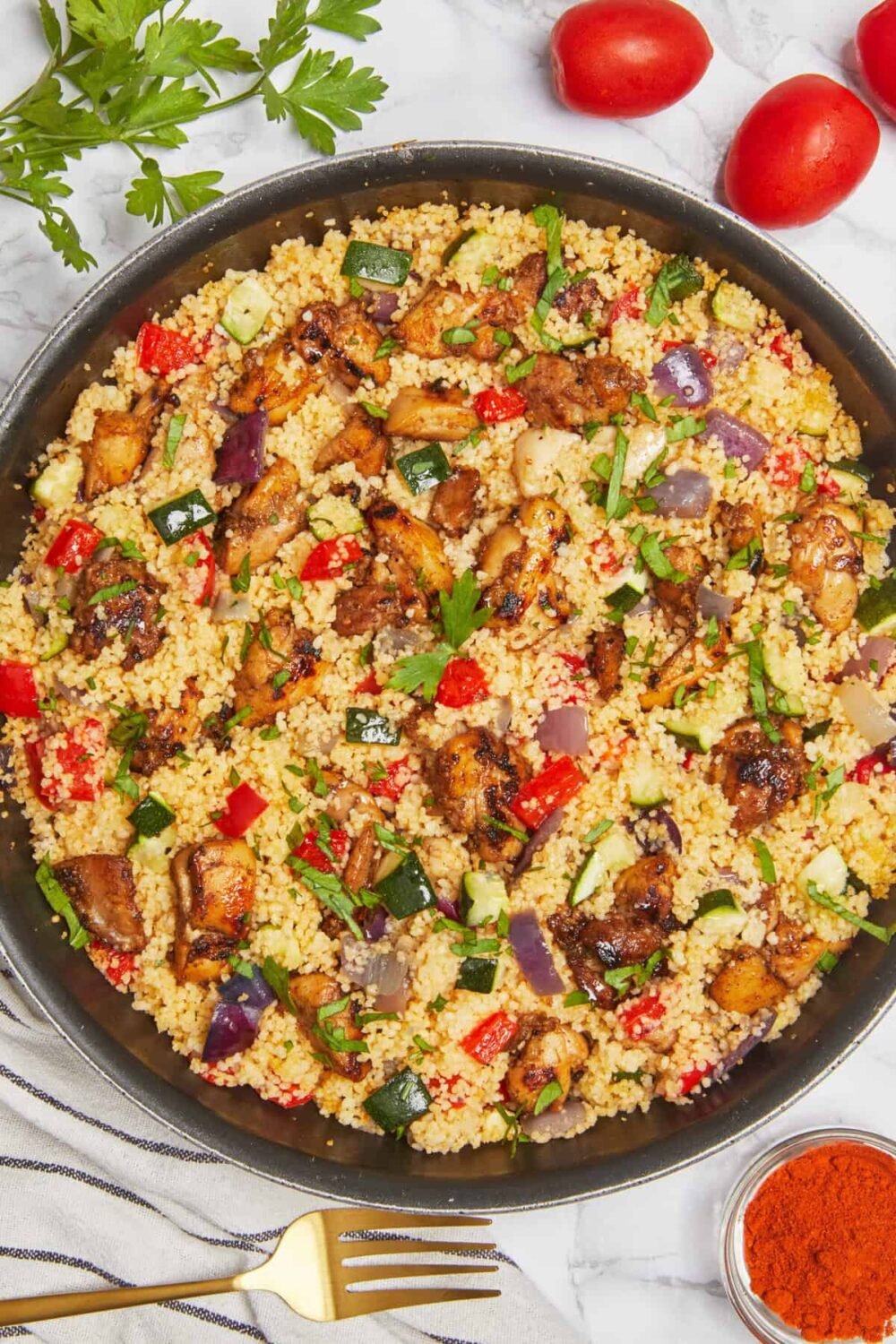
Couscous contributes protein as well as carbohydrate, but a serving is not automatically a complete protein plan for the meal. The amount depends on the product and portion. Read the label, then account for the other ingredients rather than assuming the word wheat or wholemeal settles the question.
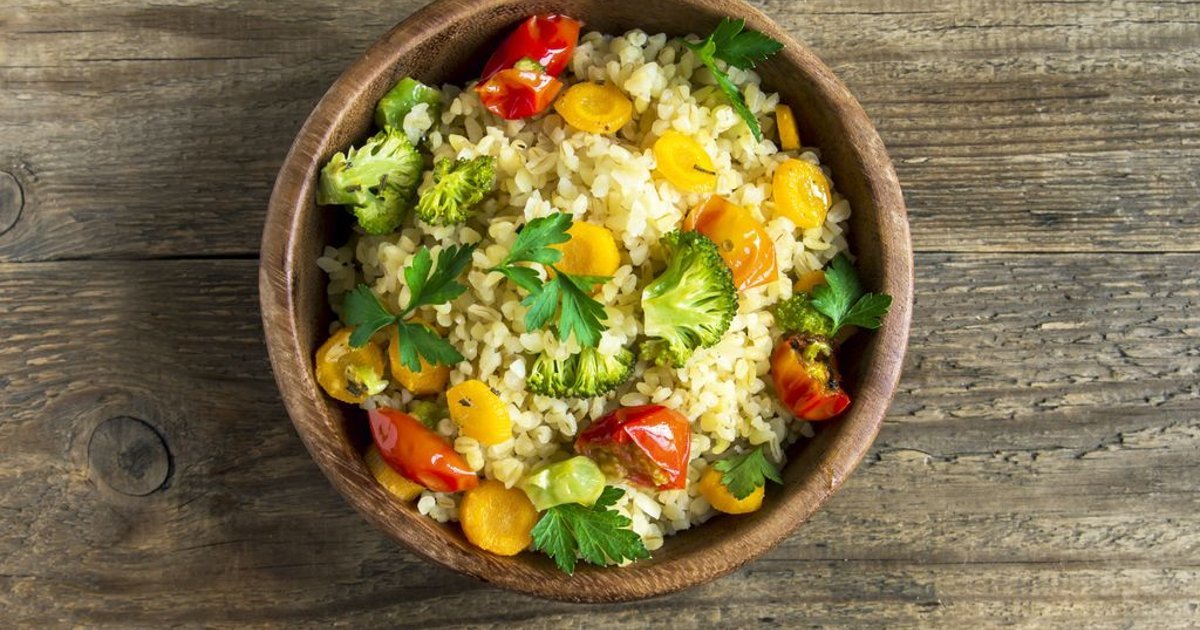
A chicken-and-vegetable bowl is one straightforward format. Prepare the chicken appropriately, add vegetables you enjoy, and use couscous as the base or side. Chickpeas or lentils provide another direction, with a different texture and their own contribution to the plate. These are meal-building examples, not claims about the macros of the pictured dishes.
Change the component that needs changing. If your meal needs more of its main protein ingredient, adding only extra couscous may not be the most direct adjustment. If you want a larger carbohydrate portion, increasing the couscous may be convenient. If the bowl feels dry, a suitable sauce or dressing changes the eating experience.
This also gives a familiar chicken, broccoli and rice meal a useful alternative without declaring rice inferior. The couscous changes the texture and preparation; the whole meal still deserves attention. Eating for training does not require every ingredient to perform every nutritional job on its own.

Bodybuilding Shirts & Workout Gear
Bodybuilding shirts, tanks and gym gear for lifters chasing muscle, size, symmetry and the pump.

Why Did The Chicken Go To The & Meme Fans Hoodie
Make your off-duty look more fun with “Why Did The Chicken Go To”.

Lift Eat Repeat Sweater & Meme Fans T-Shirt
For laid-back days and lifting humor: “Lift Eat Repeat”.

Bro – Powered By Rice Chicken Broccoli Meme Top & T-Shirt
Make gym days more fun with “Gym Bro” style.

Protein Bro Supplement Decal Water Bottles & Shaker Sticker
Give your everyday gear a playful “Protein” twist.

Shirt – Eat Your Chicken – Meme & Gains T-Shirt
Rep “Eat Your Chicken” humor in and out of the gym.

Eat Big Lift Big Get Big Bulking Season Pizza Meme Hoodie
Make your off-duty look more fun with “Eat Big Lift Big Get Big”.

Shirt Protein Addicts – & Gymbros – Meme Gains T-Shirt
Bring “for Protein Addicts” humor to your next gym day.

Heavy Weights And Protein Shakes Meme And Gymbros T-Shirt
Show some powerlifting attitude with a playful “Heavy Weights and Protein Shakes” tee.

Chicken Broccoli Rice – , Gymbros & Gains Meme T-Shirt
Heavy lifts, good laughs, and a little “Chicken Broccoli Rice” energy.

5. Choose a meal you will actually want again
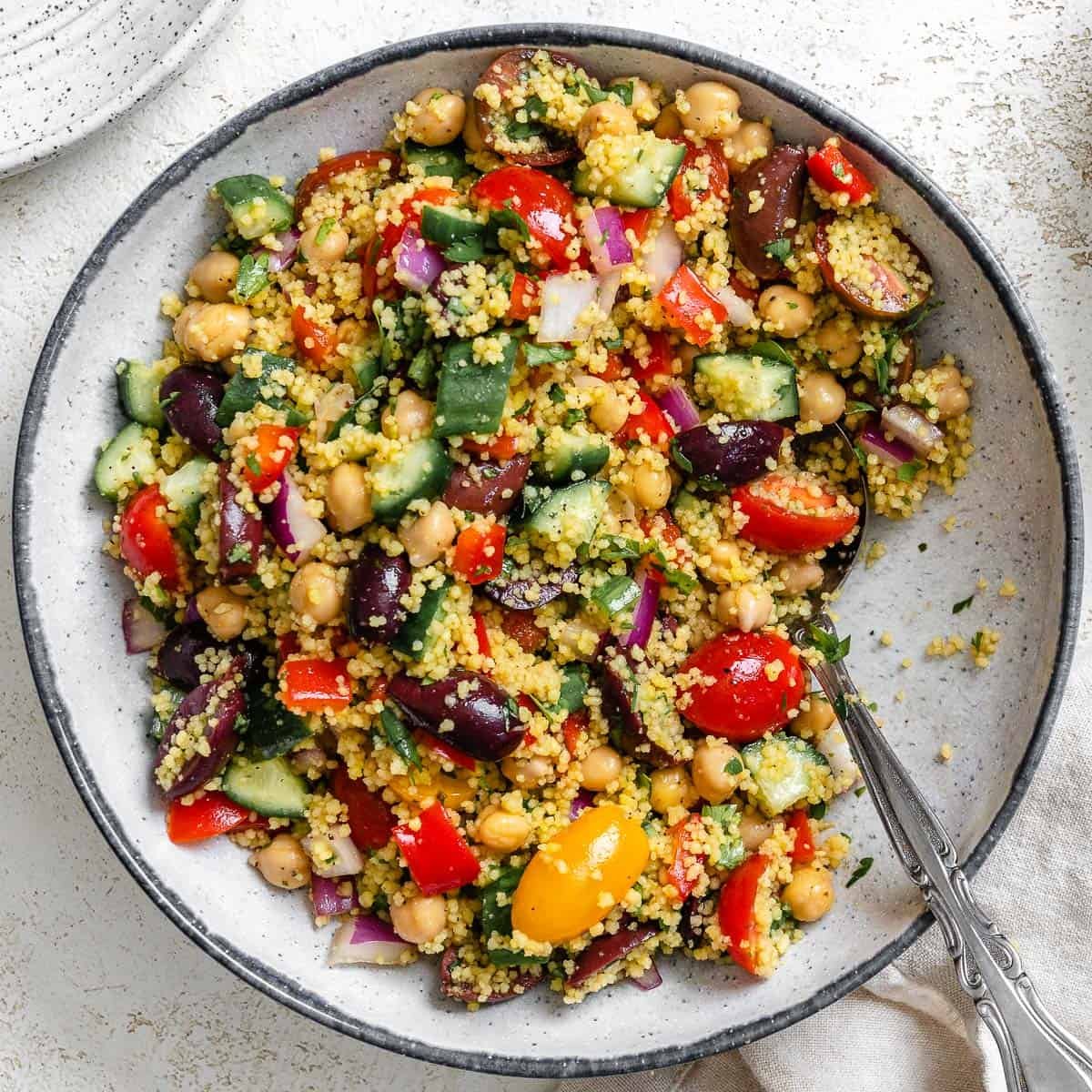
Fine couscous can become a warm side with herbs and lemon, a base beneath a stew, or part of a chopped-vegetable salad. Pearl couscous gives a more distinct, chewy piece when that suits the dish. Choose for the result you enjoy eating rather than treating one shape as inherently better for a lifter.
For a plant-based bowl, combine couscous with chickpeas, vegetables and a dressing you like. Our guide to chickpeas, hummus and meal preparation explains why canned chickpeas, hummus and roasted snacks need separate product and portion checks. A spoonful of one is not automatically equivalent to a spoonful of another.
Keep the first version simple enough to assess. Try one product with a familiar main ingredient and a small number of vegetables. Notice whether you prefer it warm, mixed with sauce or served as a salad. You can change the seasoning next time without changing the entire meal structure.
If cooking ahead, cool the finished food promptly in shallow containers and refrigerate it rather than leaving a large warm batch on the counter. Keep dressing or crisp ingredients separate when that helps the texture. A useful meal plan includes how the food will be stored and served, not just how attractive it looks immediately after cooking.
Couscous earns a place in a routine when its preparation, taste and portion work for you. Buy the form that suits the dish, follow a matching method, keep the weighing basis consistent and give the rest of the plate equal attention. That is a more useful test than asking whether it deserves a permanent ranking above rice or pasta.