Advertising disclosure: This page includes affiliate product links that may earn us a commission, as well as products from our own store.
Britain’s first Olympic champion won a lifting event that no longer resembles the competition most gym fans recognize. On 7 April 1896, Launceston Elliot won the one-hand lift in Athens with 71 kilograms. Each hand had to be used separately. It is an extraordinary result, but turning it into a modern dumbbell challenge requires more care than copying the number.
Elliot’s story belongs to an era when Olympic sport, physical culture and strongman entertainment overlapped. That makes him interesting beyond a medal table. It also makes him easy to misrepresent: an impressive old photograph cannot establish an athlete’s complete training routine, and a historical lift should not silently become a modern strict press.
The one-hand event that decided the gold
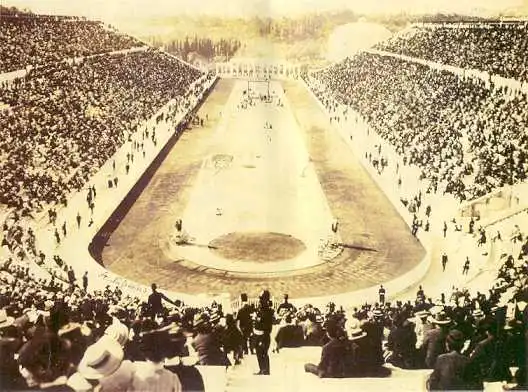
The 1896 one-hand competition took place at the Panathenaic Stadium in Athens. Four competitors from three countries appear in the results. Elliot finished first at 71 kilograms; Denmark’s Viggo Jensen and Greece’s Alexandros Nikolopoulos were listed at 57 kilograms, followed by Sotirios Versis at 40 kilograms.
The requirement to lift separately with each hand matters. Jensen managed his weight with both hands in turn, whereas Nikolopoulos was reported to have achieved his listed weight with only one. A results table can therefore contain equal numbers without describing an identical performance.
For a modern reader, that is the first lesson: learn what the score represents before comparing it. A number might describe one successful attempt, a total, a best side or a requirement satisfied on both sides. Those are different scoring systems. Saying that a person lifted a certain weight does not finish the explanation.
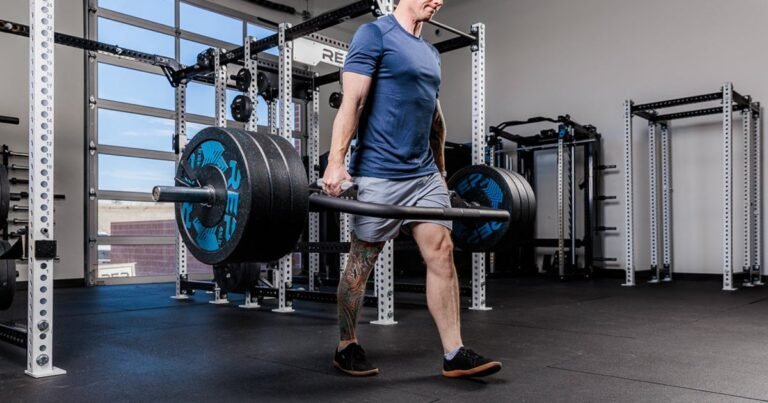
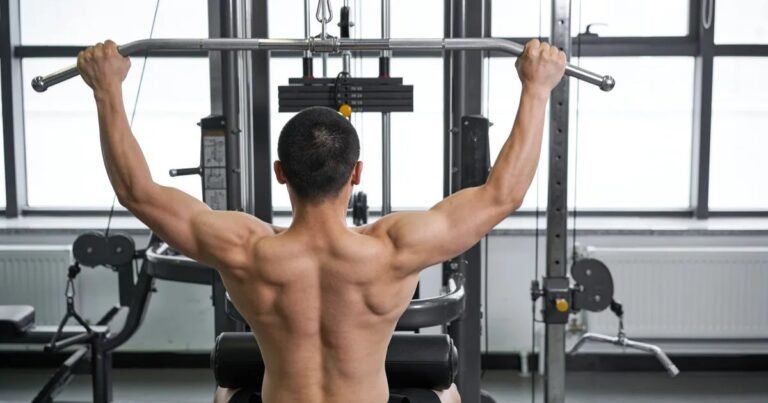
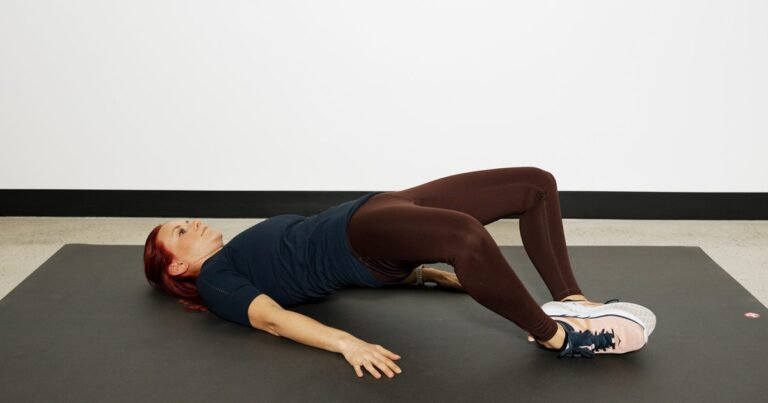
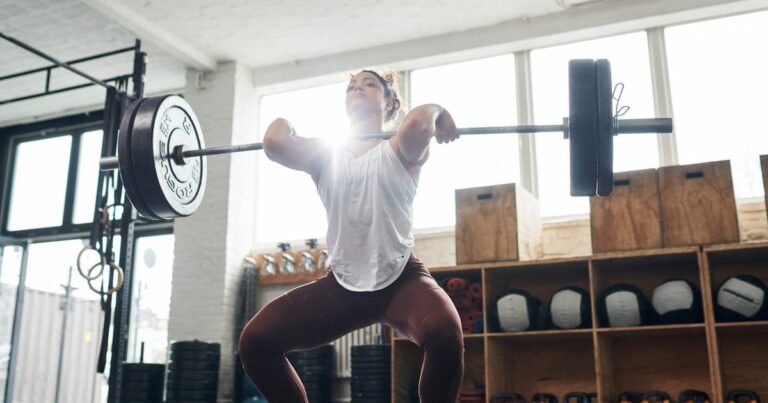
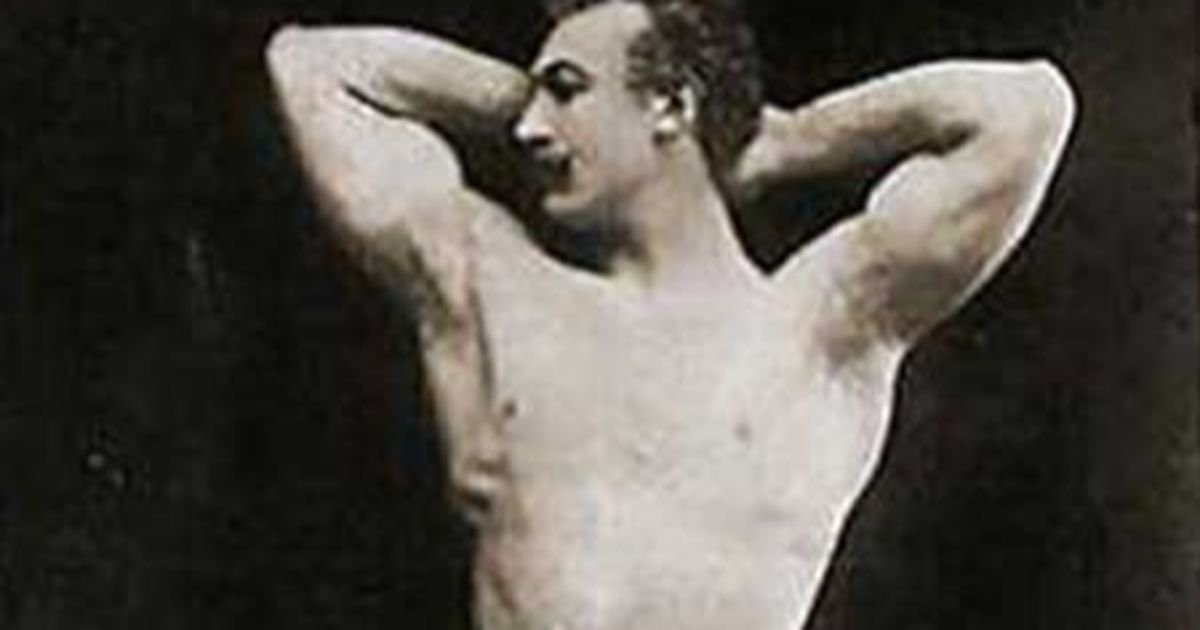
The photographs accompanying this feature are a mixture of an identified Elliot portrait, historical sporting scenes, equipment and a modern exercise illustration. They are not a frame-by-frame record of his winning attempt. The distinction is especially useful when old images circulate with confident new captions.
There is no need to make the achievement more dramatic by inventing a contemporary equivalent. Winning the event under its own conditions is the historical achievement. The event can be fascinating even when a direct comparison with today’s gym lifts remains uncertain.
Why his silver medal also needs its rules
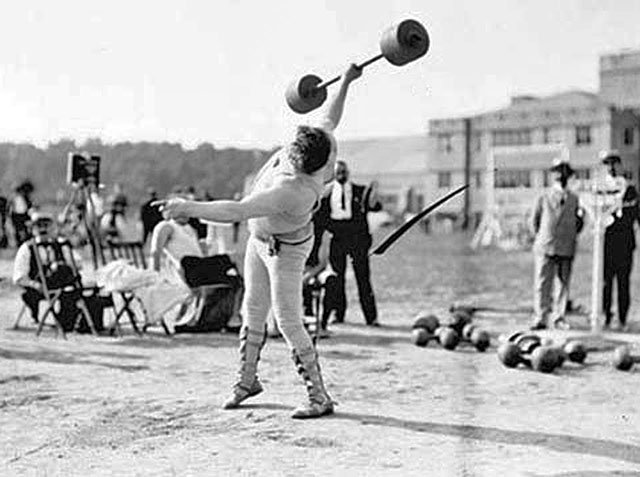
Elliot also took silver in the two-hand event. He and Jensen both lifted 111.5 kilograms, but the judges preferred Jensen’s style. The account describes Elliot moving a foot during his lift. The subsequent one-hand victory reversed their finishing order.
That sequence can sound strange if you expect a modern results spreadsheet to settle every question. Yet a strength competition is never only the weight on the implement. It also needs rules for how a lift starts, what movement is permitted, what counts as completion and who decides whether those requirements were met.
We should resist judging that older event by rules we have not established it used. Equally, we should resist presenting its result as if it was recorded under today’s rules. Respecting the athlete means keeping the conditions attached to the achievement.
The same issue appears in ordinary gym comparisons. A seated press, a standing strict press and a push press may all finish with a dumbbell overhead. They remain different tasks. So do repetitions with different starting positions or assistance. A short video showing the final position cannot answer every question about the movement that preceded it.
If you want a useful personal benchmark, name the exercise and record the conditions that matter. Include the implement, starting position, range of movement and whether leg drive is allowed. That takes less effort than arguing afterward about two performances that were never meant to be equivalent.
The athlete was bigger than one event
Elliot’s Olympic appearances extended beyond weightlifting. In Athens he also competed in athletics, wrestling and rope climbing. At Paris in 1900 he competed in the discus, with weightlifting absent from that Games’ program. His career does not fit neatly into the modern image of a lifter specializing in a single discipline.
Later, his strength became part of a professional performance career. One documented act involved supporting a bar with a bicycle and rider suspended at each end. That belongs to the history of staged strongman entertainment. It is not a recommendation to improvise a similar apparatus in a gym.
After retirement, Elliot settled in Australia and died in 1930. A ceremony at Fawkner Cemetery in Melbourne commemorated him in March 2012, with family members present. His sporting legacy survived well beyond the particular event that made him an Olympic champion.
There is a useful distinction between appreciating that versatility and trying to train everything at once. A biography records what someone did across a career. It does not automatically tell us what they practised on Monday, how they recovered or how a beginner should divide a week.
Nor does a photograph reveal a complete diet, a progression model or an exercise prescription. Those details require their own evidence. Elliot’s story is strong enough without attaching an invented six-day split or claiming that a particular routine created his physique.
Different equipment makes a different comparison
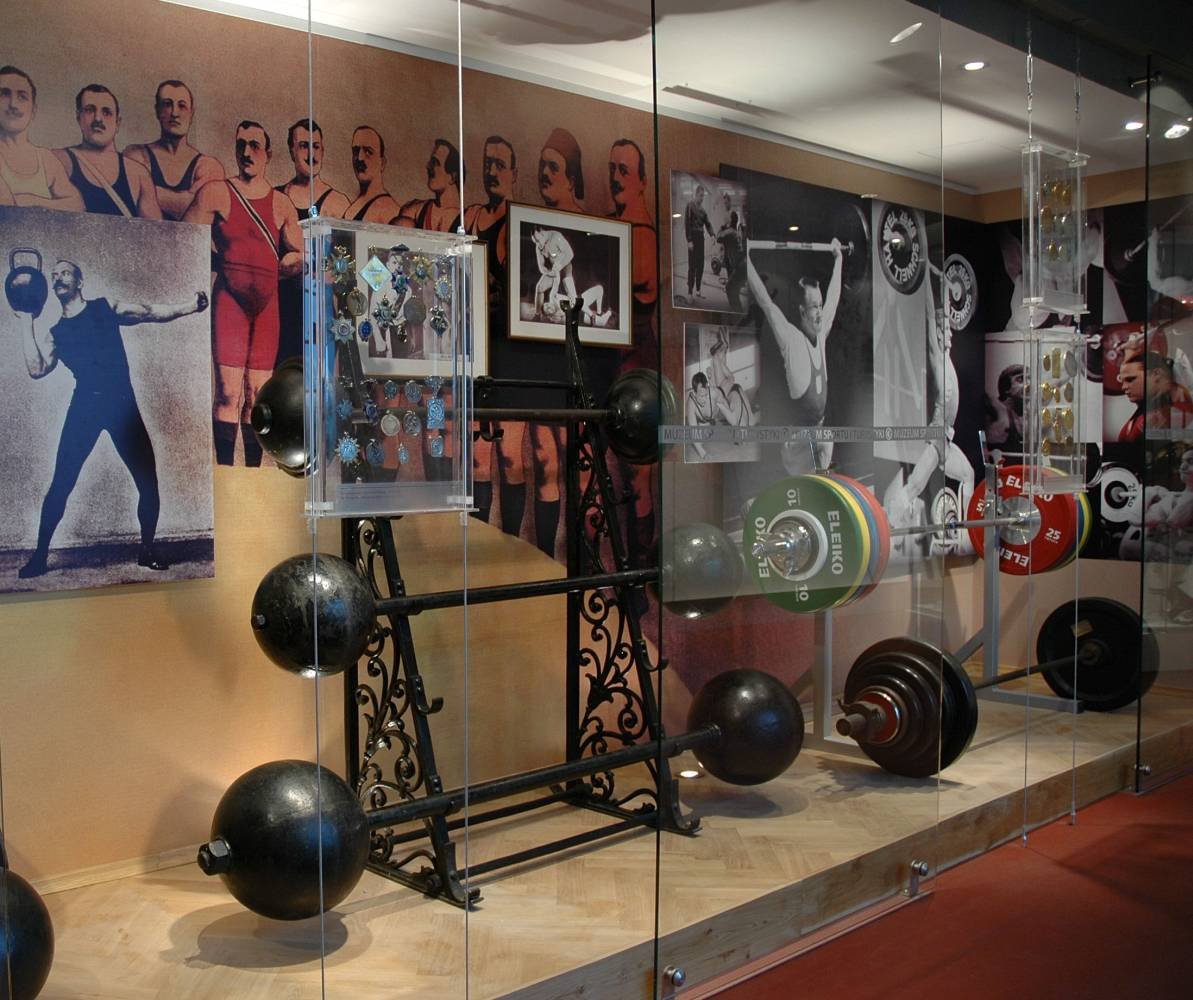
Historical weightlifting equipment is worth looking at closely. Museum displays place old globe-ended implements beside more familiar plate-loaded bars. The shapes make an immediate point: the word weight does not describe everything the lifter had to handle.
Grip dimensions, balance, the available starting position and the way a load can be adjusted all affect the task you are trying to repeat. That is a reason to document equipment differences, not permission to announce which era had the harder athletes without an appropriate comparison.
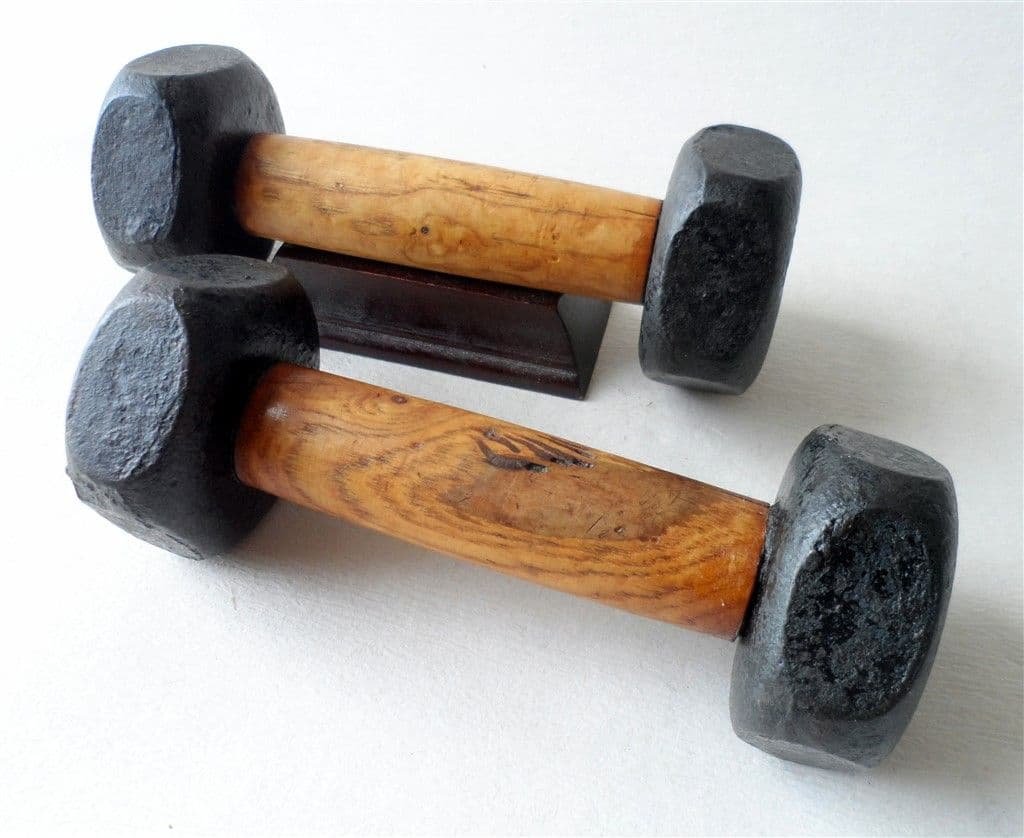
The small antique dumbbells pictured here are equipment-history illustrations, not Elliot’s Olympic implement. Their appearance alone would not tell you their mass. A dramatic-looking object can be light, while a compact modern implement can carry a substantial load. Always separate appearance from a verified measurement.
For your own training, choose a dumbbell you can grip and position appropriately for the exercise you have learned. Check the manufacturer’s instructions for adjustable equipment and compatible accessories. A small change plate is useful only when the particular system is designed to accept it; a nearby product listing does not establish compatibility.
A bench can support a different pressing or rowing exercise, but it does not turn that exercise into the 1896 event. Keep those categories separate in your log. That lets you enjoy old-school strength culture while building records you can actually compare from session to session.

Equipment Worth Exploring
Explore equipment, accessories and gear from our carefully selected range.


Rubber Hex Dumbbells
Rubber-coated hex dumbbell pairs with a stable shape for home and commercial strength training.

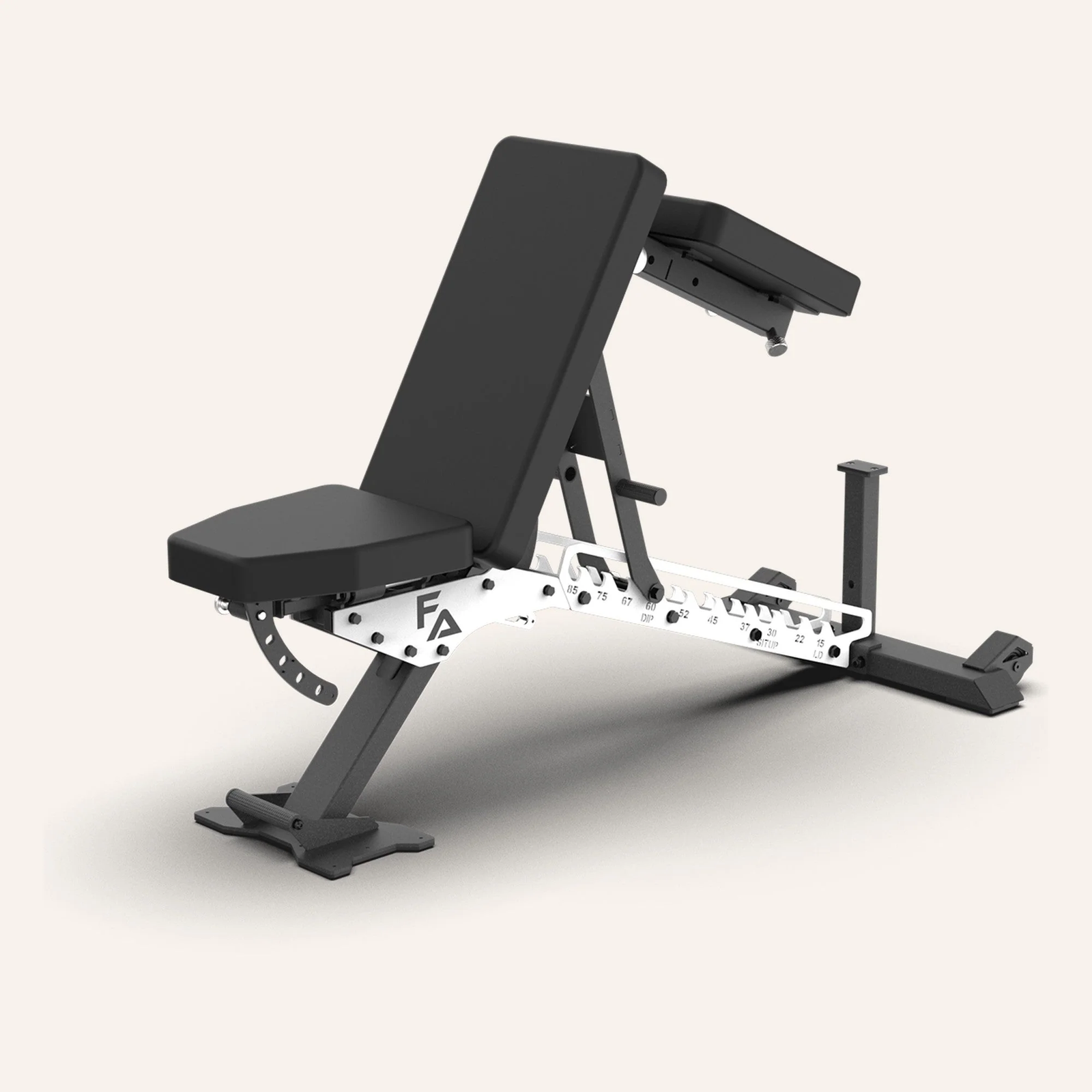

Multi Bench MBX-650 2.0
Adjustable multi-bench with roller adjustment, 15 backrest positions and accessory mounts.

FID Bench MAX
Adjustable bench offering flat, incline, and decline positions + adjustable headrest.


Take inspiration without copying a mythical workout
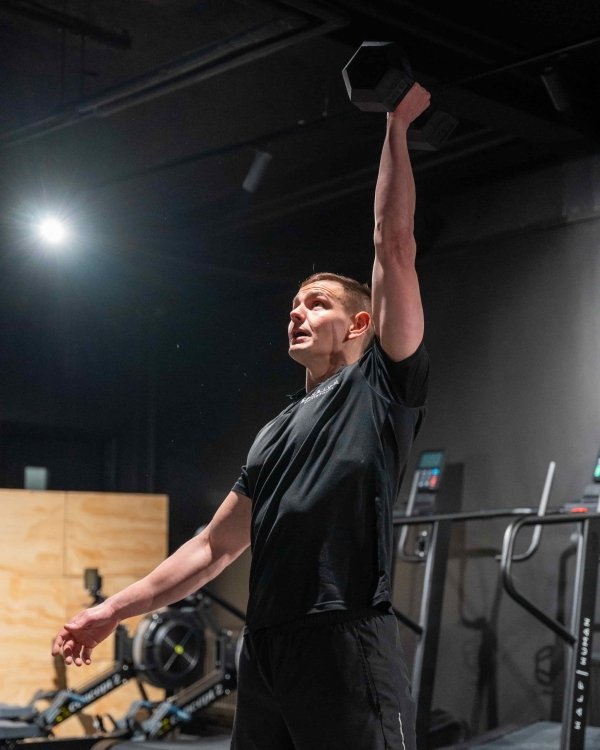
A modern single-arm dumbbell exercise can be an interesting skill to learn, but it is not a reconstruction of Elliot’s gold-medal lift. Use qualified instruction when needed, select an appropriate load and understand how to start and finish the movement. A historical result is not a sensible starting target.
For general strength training, regular participation and a program adapted to the person remain more useful than chasing an elaborate historical formula. Contemporary guidance recognizes benefits from several forms of resistance training; you do not need to reproduce antique equipment to make training worthwhile.
If you already train with dumbbells, a practical editorial exercise is to review how you record your presses, rows and curls. Could another person understand the movement from the entry? Could you reproduce the setup next week? Those questions are more actionable than estimating what an old champion might lift today.
Write down each side separately when that is relevant. If one arm completes fewer controlled repetitions, record the observation rather than averaging it away. Avoid turning a single session into a diagnosis or assuming every difference needs an aggressive correction. First make the task clear enough to review.
For example, an entry reading single-arm seated press, the same bench position, three sets, with load and completed repetitions for each side gives you a usable reference. Add a brief note if you changed the setup or stopped because technique deteriorated. This is a record-keeping illustration, not Elliot’s program or a claim that three sets suit every goal.
When you review that entry, choose the comparison before drawing a conclusion. More repetitions at the same load and setup answer one question. A heavier load in a newly learned movement answers another. Both can be worth recording, but combining them into a single headline about getting stronger hides useful detail.
Finally, keep your goals distinct from your interests. You can enjoy strength history without making maximal lifting your main sport. You can build a consistent resistance-training habit without collecting a set of spectacular comparisons. Elliot’s story offers a memorable reminder that achievements become more meaningful when we understand the event behind them.

Bodybuilding Shirts & Workout Gear
Bodybuilding shirts, tanks and gym gear for lifters chasing muscle, size, symmetry and the pump.

Old School Weight Strongman – Meme Shirt & Top T-Shirt
Show some powerlifting attitude with a playful “Old School Weight Lifter Strongman Graphic” tee.

Gym Skull Weightlifting Pullover for Powerlifters Bodyb Hoodie
Bring “Skull Weightlifting” gym humor to lazy days and post-workout plans.

Lifting Is My Therapy – Bodybuilding Powerlifting Meme T-Shirt
Add a playful “Lifting Is My Therapy” touch to your casual rotation.

Iron Addict Shirt – Weights & Lifting Meme & Gains T-Shirt
Bring “Iron Addict” humor to your next gym day.

Dumbbell Heartbeat Muscle Shirt Athletic Vest Fitness F Tank Top
Your gym-day look, with a playful “Dumbbell Heartbeat” twist.

Heart And Brains Dumbbell Meme : The Ultimate T-Shirt
Make gym days more fun with “Heart and Brains Dumbbell Gym Meme” style.

Lift Smart Brain Plate Tee
Show some lifting attitude with a playful “Lift Smart Brain Weight Plate” tee.

Gymhead Meme Mind Muscle Connection Decal Water Sticker
A fun “Gymhead” touch for bottles, laptops, and lockers.

Repetition Stoic Shirt: Meme Sigma & Greek God Pump T-Shirt
Show some lifting attitude with a playful “Repetition Stoic” tee.

Lifting Cult Meme Bodybuilding Powerlifting Workout Gym Tank Top
Bring “Lifting Cult” humor to your next lifting session.