Advertising disclosure: This page includes affiliate product links that may earn us a commission, as well as products from our own store.
The TRX YBell NEO puts several handles around one compact weight. You can hold its centre like a dumbbell, use an outside handle for an offset load, or support it with both hands. That can make a small home workout easier to organise. It does not mean one weight will suit every exercise.
The useful buying question is which movements you want to train, at what load, and with how much room around you. A pair that feels manageable for rows might be too heavy for lateral raises. A weight that works for an overhead press may leave your legs wanting more. Here is how to assess the NEO without confusing extra grip options with unlimited progression.
A different grip changes the position of the load
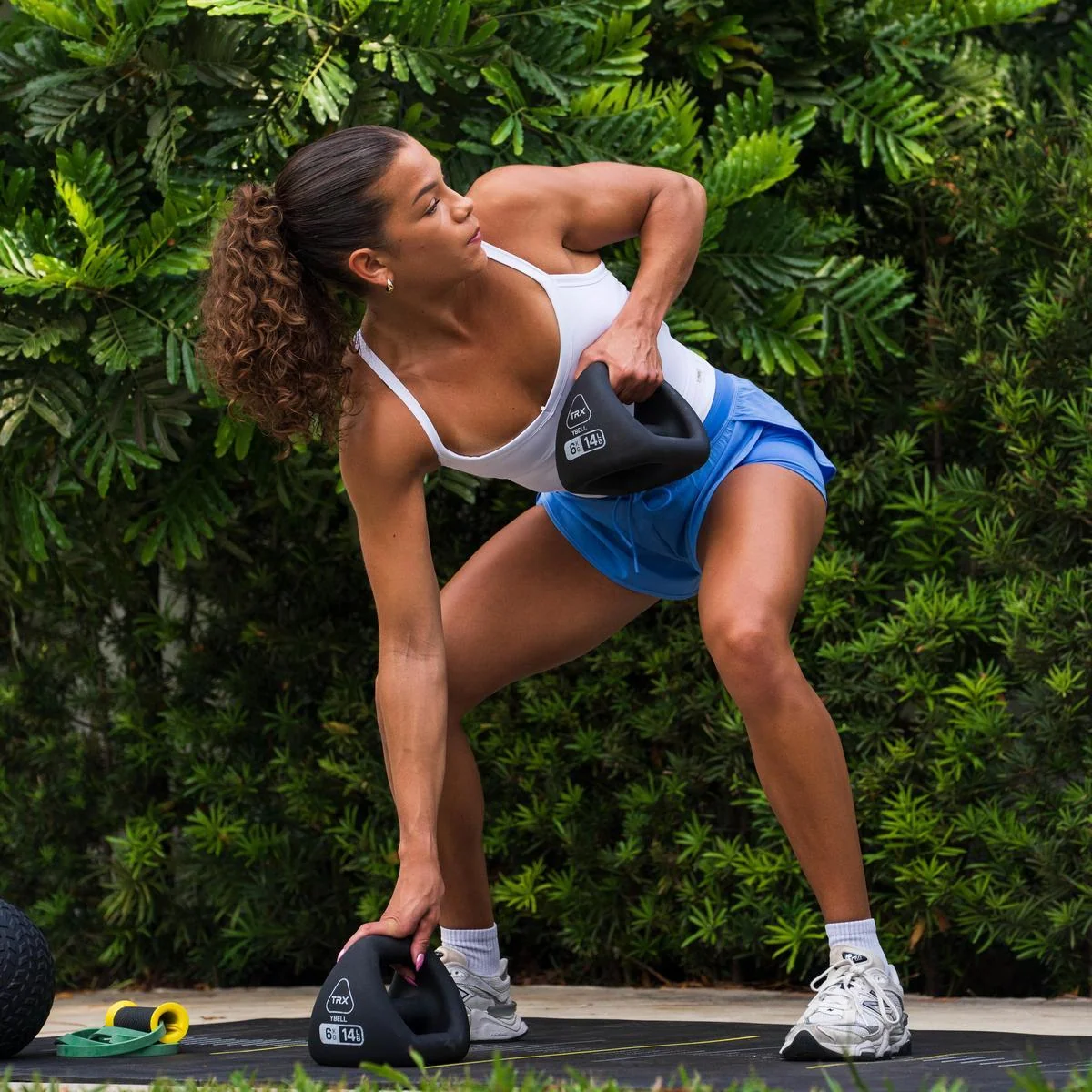
The centre handle puts your hand within the YBell’s frame. An outside handle places more of the weight away from your hand. The difference matters when you bring the weight towards your shoulder or lower it beside your leg. Your wrist position, the space around your forearm and the clearance past your body can all change.
Begin with a controlled row or curl rather than a complicated sequence of swings and presses. Pick the weight up, establish your grip and perform a few slow repetitions. Check that the frame clears your torso and that you can keep your wrist comfortable. Then put it down before trying another handle. Changing grips while a weight is moving adds a skill requirement that a beginner does not need.
The NEO’s multiple handles are its main distinction from a conventional dumbbell. However, someone who mainly wants heavier rows and presses should compare the available loads before choosing the shape. If your interest is kettlebell work, our guide to kettlebell handle fit and body clearance explains why the space around your hand matters as much as the number printed on the weight.
Keep your training log specific. Record the handle used, whether the exercise was one-handed or two-handed, and the range you controlled. Eight repetitions with one grip are not automatically interchangeable with eight using a different position.
Choose the weight around the exercises you actually need
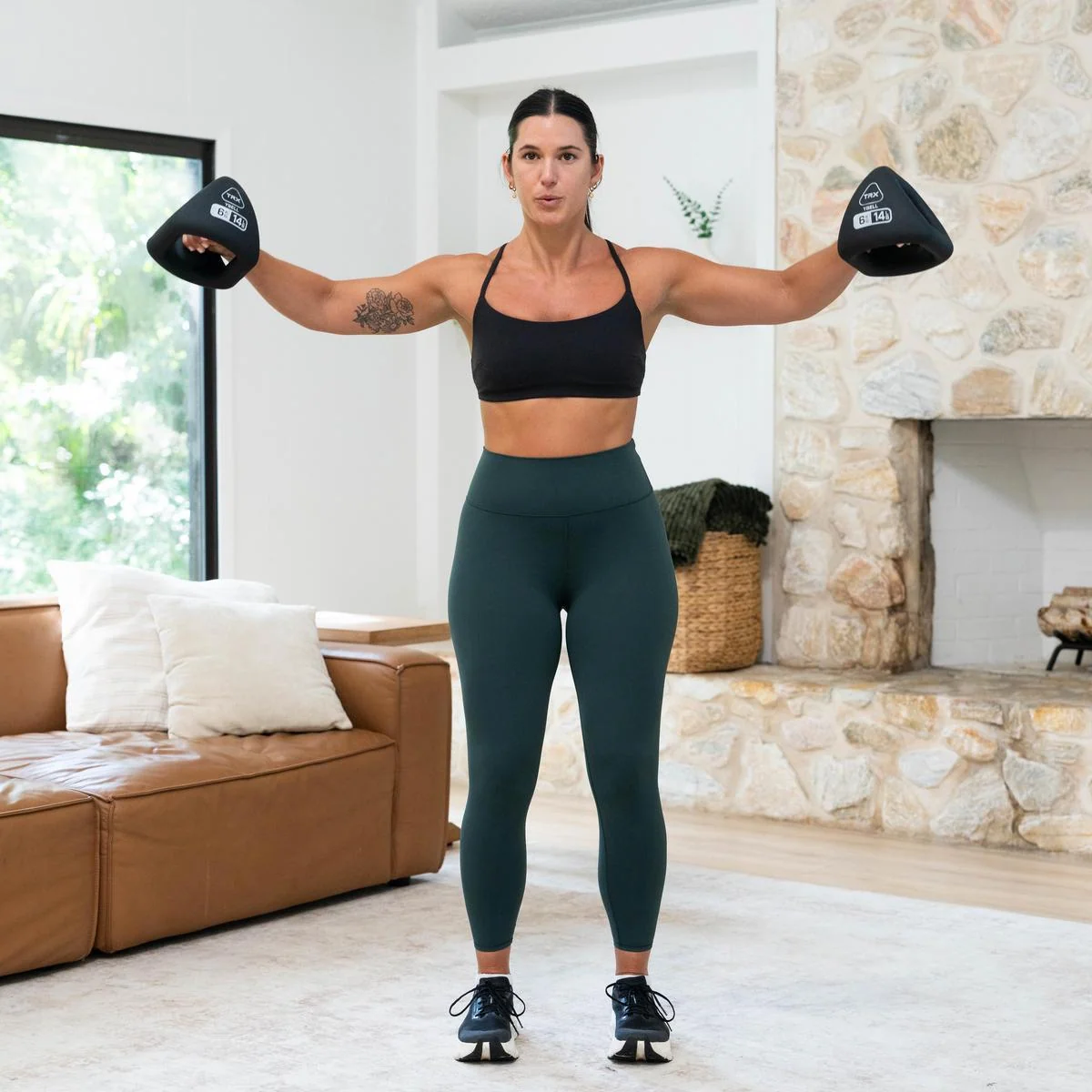
The current US NEO range lists weights from 1.1 to 12 kg, sold individually. Check the selected variant and quantity: ordering one does not give you a matched pair. Use the kilogram label consistently when comparing models, because rounded pound descriptions vary between listings.
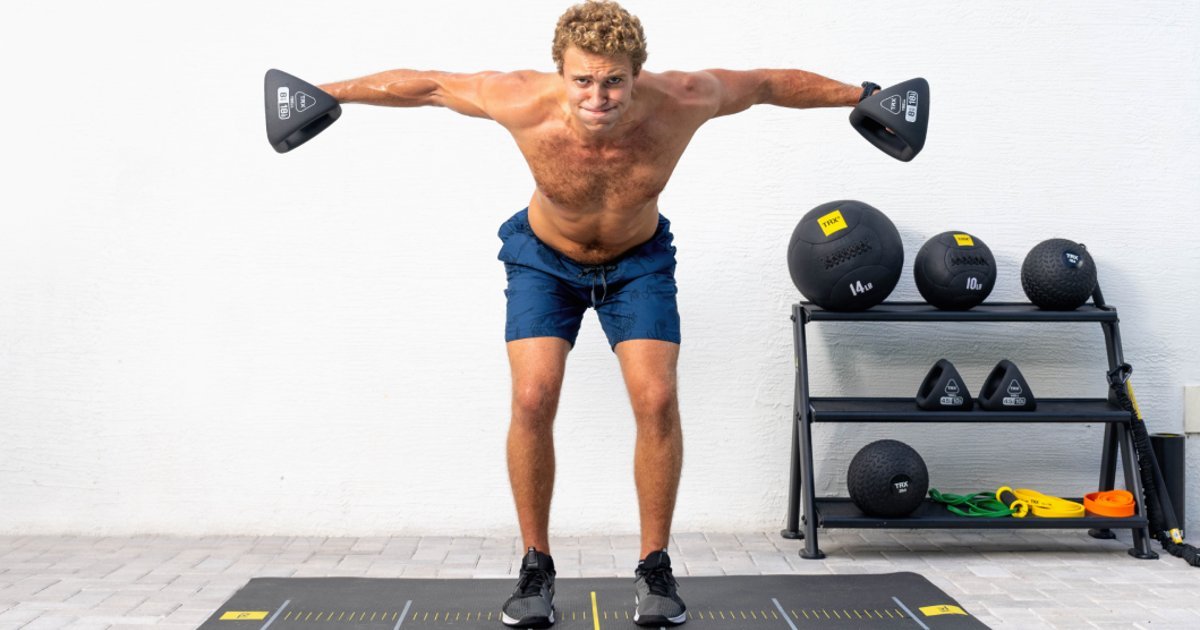
For a mixed session, assess the movement that needs the lightest load. A lateral raise puts the weight far from the shoulder, so it can become difficult with a load that feels easy in a row. Buying a heavier pair because you can squat with it may leave you unable to perform the rest of your planned session well.
Write down three exercises before buying. For each, note a load you already control for your intended repetitions. If those numbers differ considerably, one pair will involve a compromise. A lighter pair plus a heavier single weight may make more sense than forcing everything through the same load, provided the cost and storage still work for you.
The upper end also matters. A 12 kg weight can be useful for many movements, but an experienced lifter may outgrow it for bilateral leg exercises or rows. Slower lowering and single-leg variations can change the challenge; they do not create heavier equipment. If small load increases are your priority, compare that trade-off with an adjustable kettlebell’s loading steps and changeover time.
Conventional fixed or adjustable dumbbells and kettlebells remain useful alternatives. Choose them around the loads and movements you need rather than trying to make every implement perform every job. Check each adjustable system’s plate compatibility and locking method before treating its smallest increase as available in your setup.

Equipment Worth Exploring
Explore equipment, accessories and gear from our carefully selected range.

Rubber Hex Dumbbells
Rubber-coated hex dumbbell pairs with a stable shape for home and commercial strength training.

Cast Iron Kettlebells
Textured cast-iron kettlebells for swings, squats, carries, and full-body training.


Check clearance before linking presses and two-handed movements
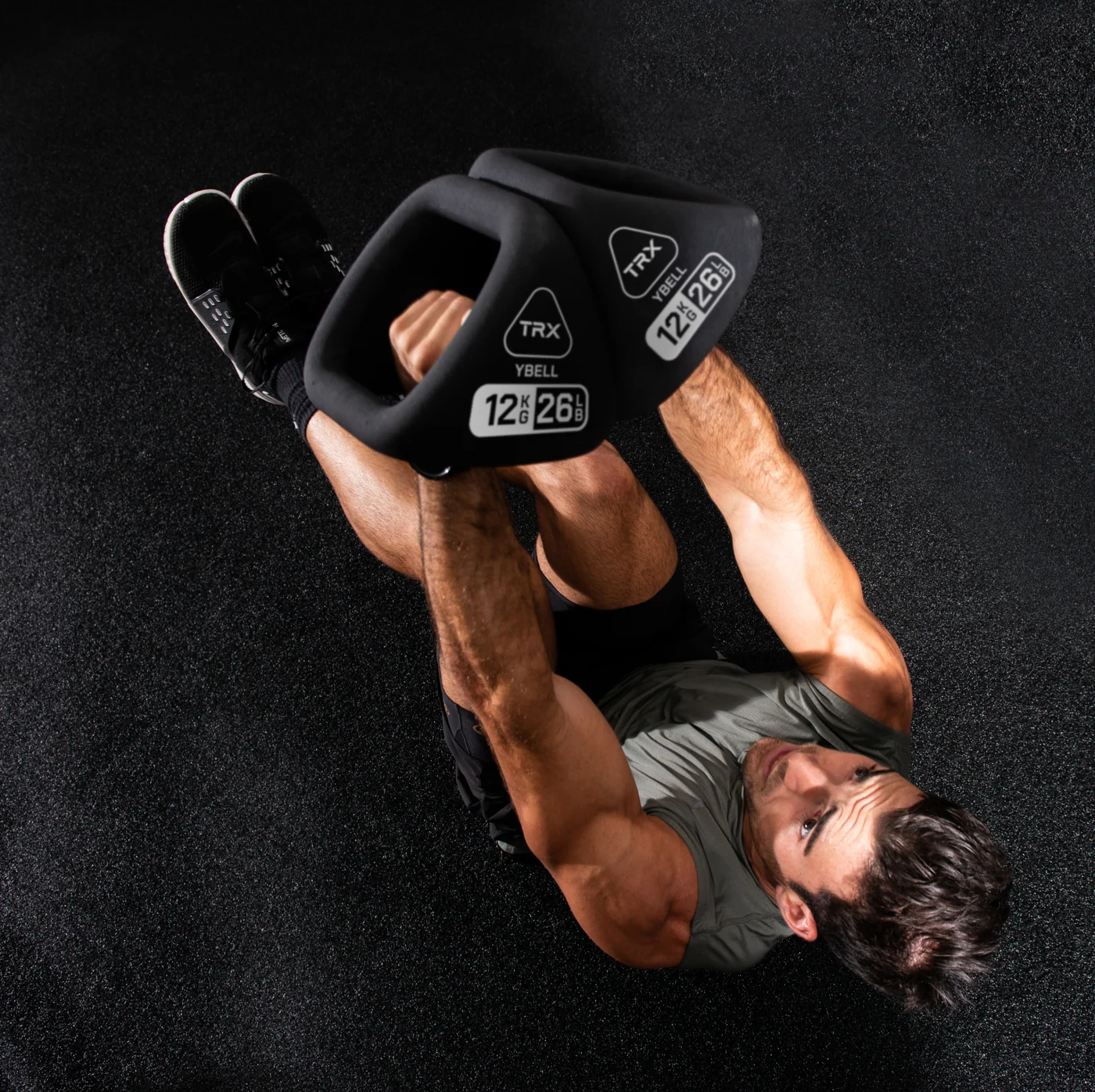
Multiple handles give you options for pressing and holding the weight close to your chest. They also create a different outline from a round dumbbell or a traditional kettlebell. Practise the complete path with a light weight, including the pickup and the return to the floor.
For a floor press, sit down with the weights under control, settle onto your back and establish your arm position before pressing. Keep a clear space beside you so you can finish without dropping a weight towards furniture. Do not assume that touching the floor with your upper arms makes an unfamiliar load easy to manage.
For a two-handed hold in front of the chest, check where your fingers fit and whether the frame presses uncomfortably against your hands or forearms. Begin with a stationary hold and a controlled squat. Add stepping or turning only after you can maintain that position without constantly readjusting your grip.
The medicine-ball comparison describes ways to hold and move the implement. It should not be read as permission to throw, bounce or slam a coated metal weight. If your session needs throws or slams, use equipment specifically intended for those actions. Likewise, floor pressing and standing overhead pressing have different clearance demands; check your ceiling and the space above your hands separately.
Floor exercises still need a stable starting position
The YBell can also serve as a push-up stand, but its shape does not remove the need to check the surface. Place the weights on a level, firm area and test them with gradually increasing pressure before putting your full weight through the handles. A thick, soft mat can let equipment tilt even when the floor beneath it is flat.
Start with a straightforward plank or controlled push-up. Keep the handles at a comfortable spacing and stop if either weight moves. More clearance under your hands permits a deeper repetition, but you do not have to use that extra depth immediately. Choose the range in which you can control your shoulders and trunk.
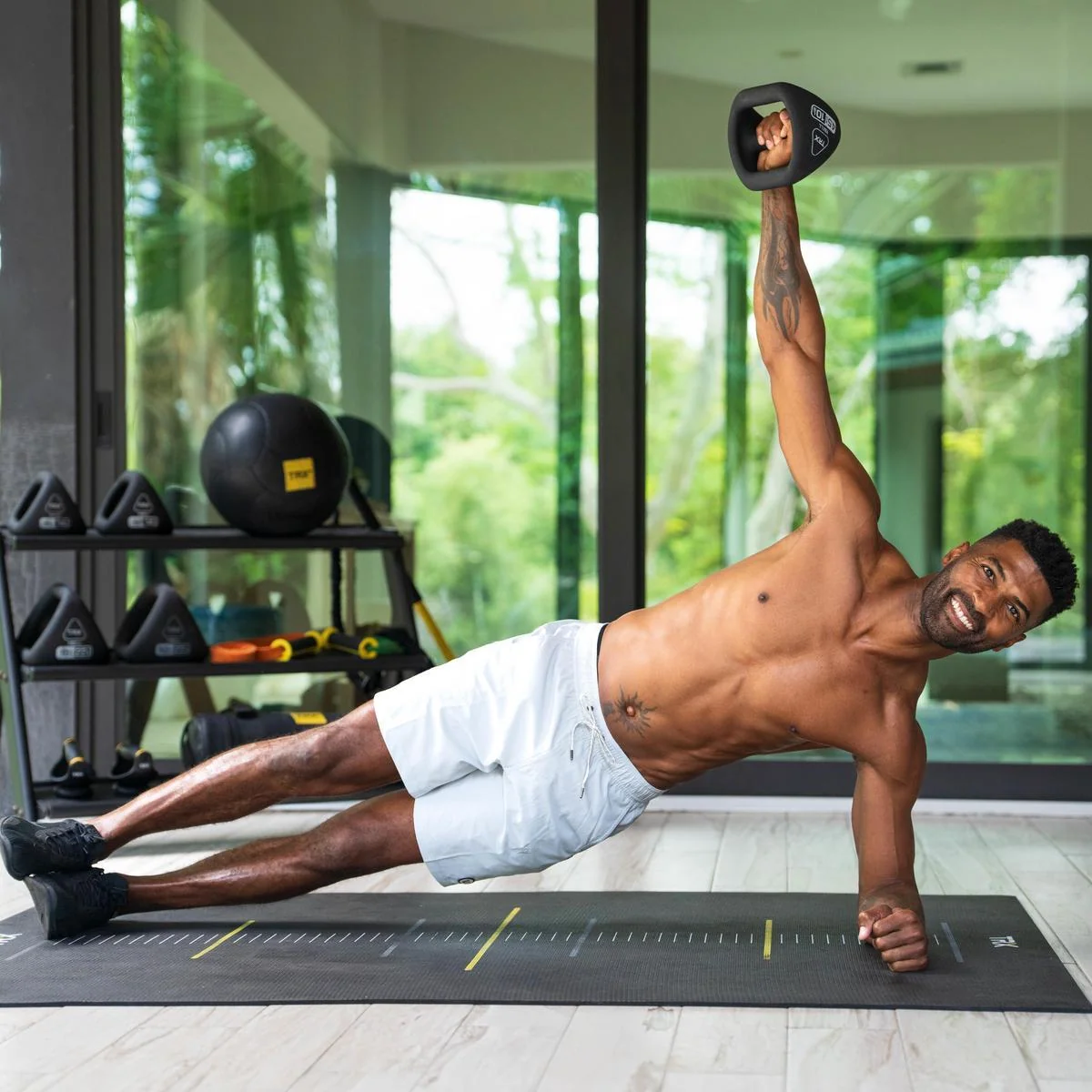
A loaded side plank, such as the variation pictured, asks substantially more of your balance and shoulder control. Master an unloaded version first. Adding a weight overhead is an optional progression, not an entry requirement for owning the equipment. If your position deteriorates, reduce the demand rather than fighting through a shifting load.
Dedicated parallettes can be a simpler choice if push-ups are the main reason for your purchase. Rings offer another way to adjust bodyweight exercise difficulty, while a suitably fitted vest can add load without occupying your hands. These are different setups with their own stability and support requirements; compare them against your actual floor space and training experience.

Functional Fitness Shirts & Workout Gear
Functional-fitness shirts, tanks and workout gear for athletes who train strength, conditioning and everything in between.


Poisoned Apple Kettlebell : Enchanted Fairy Tale T-Shirt
Show some Halloween attitude with a playful “Poisoned Apple Kettlebell” tee.

Earth Kettlebell Meme Shirt – Lifting The Earth T-Shirt
Show some lifting attitude with a playful “Earth Kettlebell” tee.

Kettlebell Skull Tee
Heavy lifts, good laughs, and a little “Kettlebell Skull Gym Meme” energy.

Gym Equation Kettlebell Makes Me Happy Meme Crewneck an T-Shirt
Bring “Gym Equation” humor to your everyday gym style.

Happy Kettlebell Emoji Smiley Kettlebell Workout Shirt Tank Top
Bring “Happy Kettlebell Emoji” humor to your next lifting session.

Pineapple Kettlebell – Kettlebell Meme Hooded Pullover Hoodie
Make your off-duty look more fun with “Pineapple Kettlebell”.

Watermelon Kettlebell – Fruit Themed Workout Decal for Sticker
Stick a little “Watermelon Kettlebell” humor on your favorite gear.
Build a simple session before chasing faster transitions
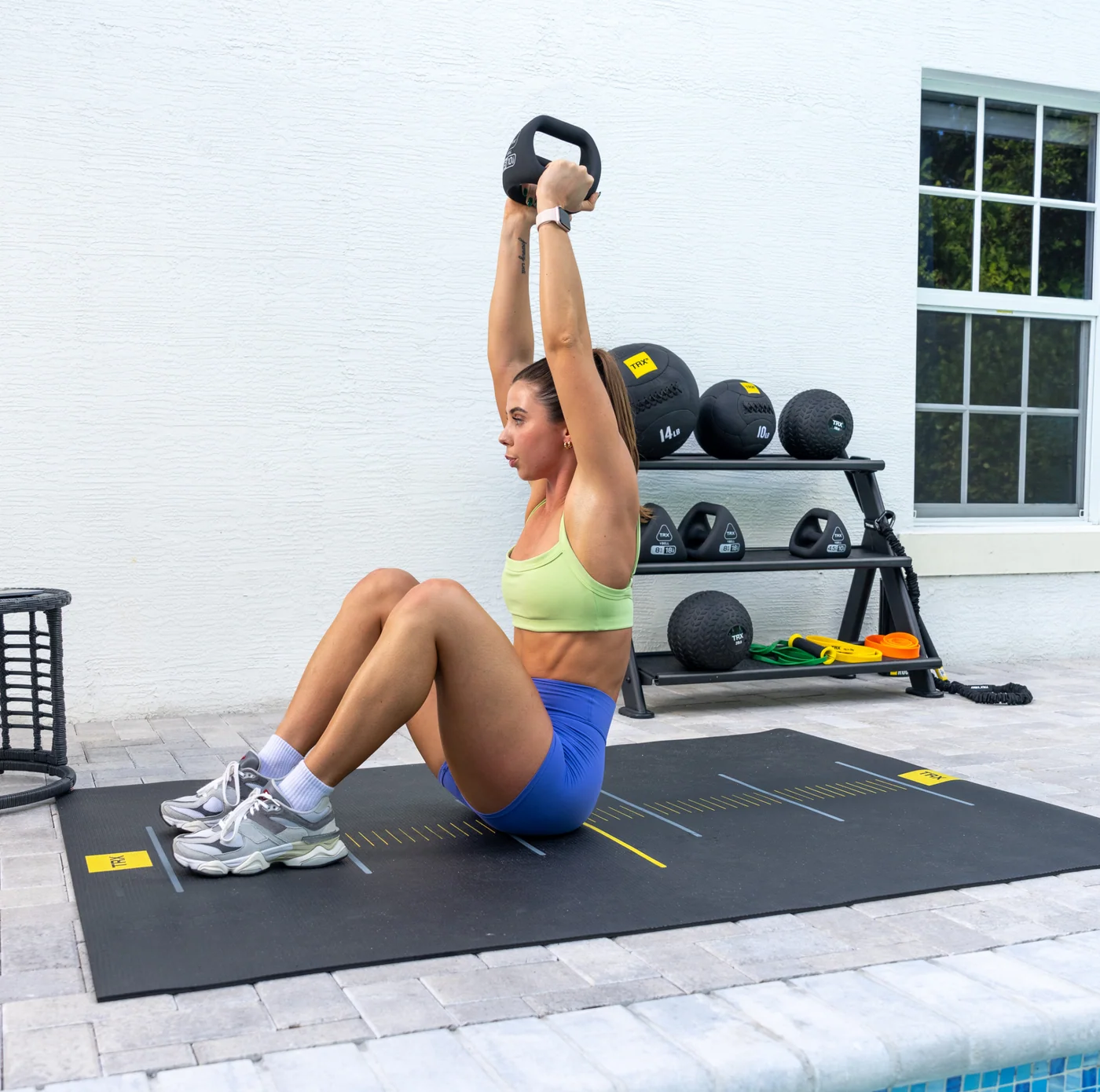
A useful first session can be deliberately plain: a squat holding one weight, a supported one-arm row, a floor press and an unloaded side plank. This is an original starting example, not a manufacturer-prescribed programme. Use a load and variation that leave several controlled repetitions available.
After a few minutes of comfortable movement and lighter practice, perform two sets of six to ten repetitions for the squat, row and press. Rest long enough to repeat the movement without rushing. For the side plank, use a short hold you can maintain on both sides. If one exercise needs a lighter weight, change it rather than turning that movement into a test of survival.
Repeat the same setup on a later day. Once both sets reach the top of your range with consistent control, consider a modest increase in load if you have it available. Otherwise, add a small amount of work or choose an appropriate variation. Change one variable at a time so you can tell what helped.
Finally, plan where the weights live between sessions. Keep them off walkways and leave enough room to pick them up without twisting around other equipment. The NEO’s compact form is most useful when it makes your intended workout easier to start and repeat. If the available loads, handle clearance or purchase quantity do not fit that workout, a simpler set of weights may be the better use of the same space.