Advertising disclosure: This page includes affiliate product links that may earn us a commission, as well as products from our own store.
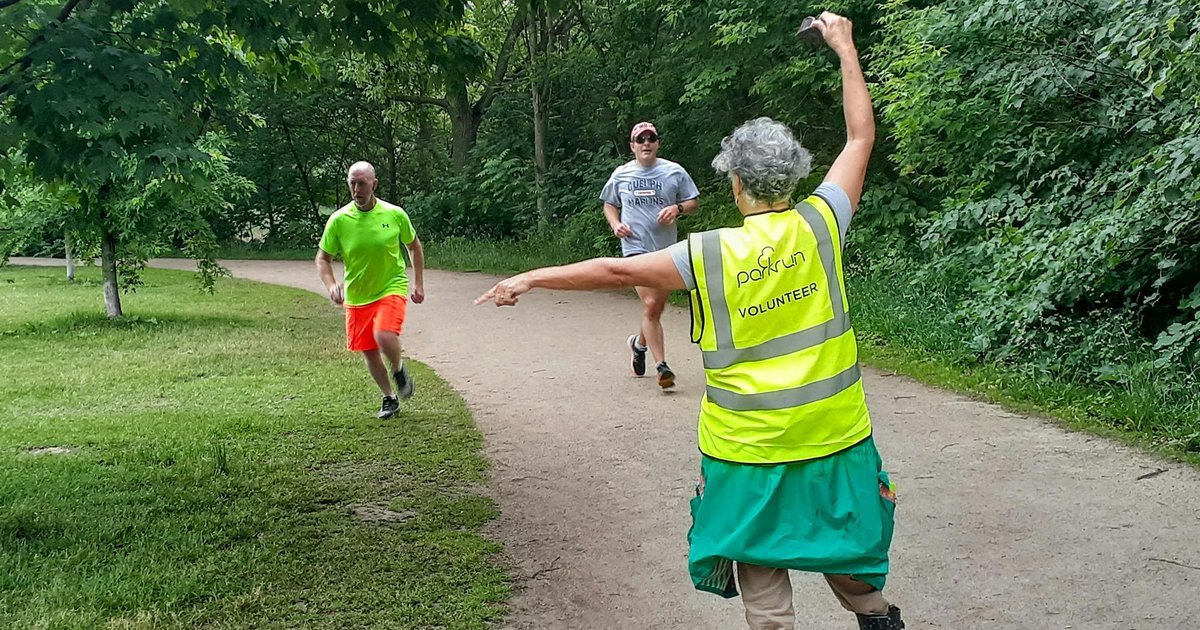
You do not need a fast 5K time to try parkrun. The free, weekly, timed events welcome people who walk, jog, run or volunteer. For someone whose training usually revolves around the gym, that can provide a straightforward reason to get outside and share a regular activity with other people.
Your first visit works best with a little preparation and a manageable goal. Learn where to go, bring your barcode if you want a recorded result, listen to the briefing and choose your own effort. The first useful achievement may simply be understanding how the morning works well enough to return.
Read the local event information before leaving home
Start with the event’s own course page. Look for the exact meeting location, start time, route information, transport details and any notices. A park can have several entrances, and arriving at its main gate does not establish that you are close to the start. Give yourself time to find the gathering point without turning the journey into a hurried warm-up.
Check for cancellations or changed arrangements before travelling. Weather, conditions and operational issues can affect an event. A remembered start time or an old social-media photograph is a poor substitute for current local information, especially when visiting somewhere unfamiliar.
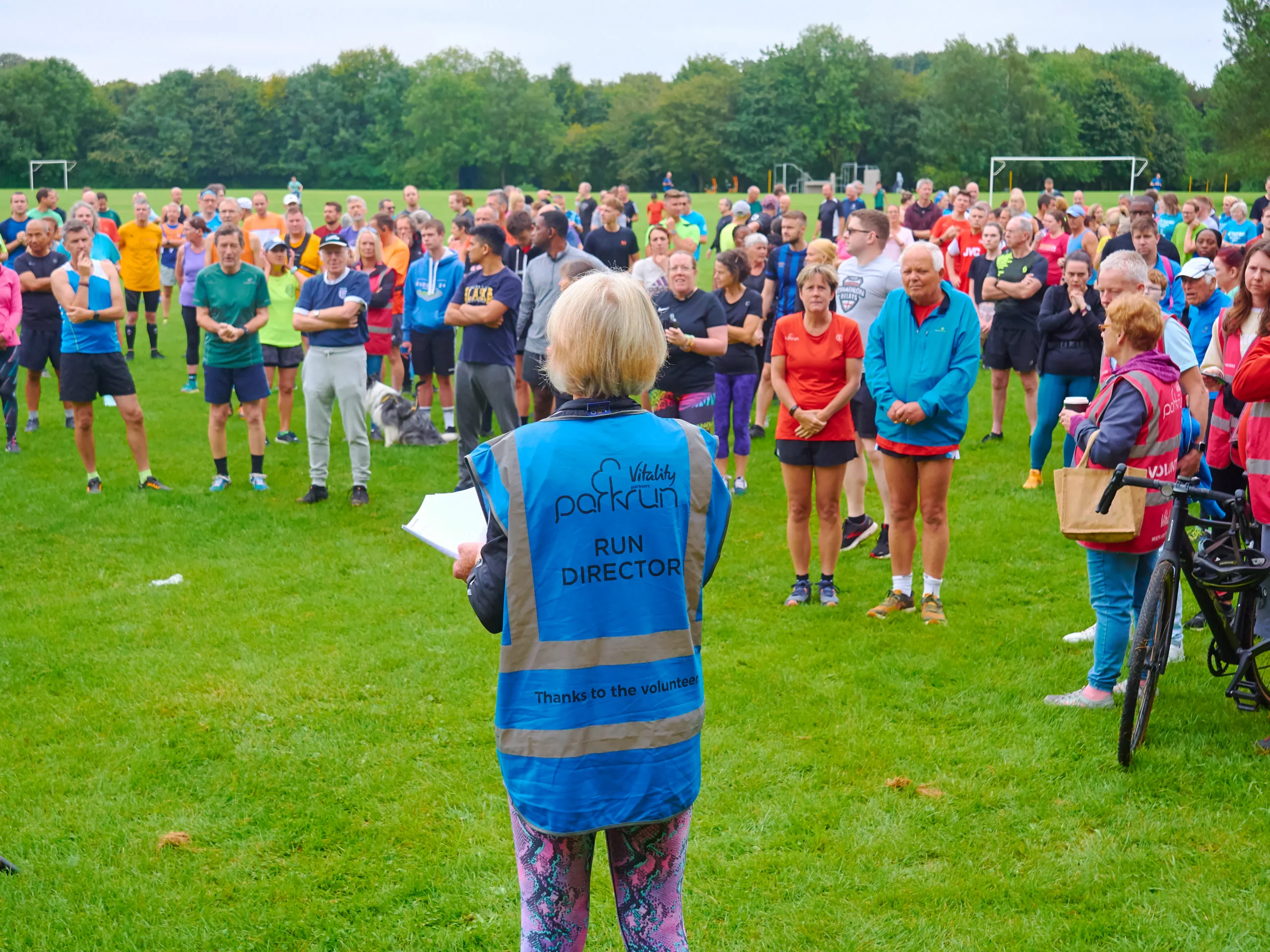
When you arrive, find out where the first-timer information is being given, and listen to the main briefing. The route may involve laps, shared paths or particular passing arrangements. Knowing those details is more useful than studying someone else’s finish time. If an instruction is unclear, ask before the start rather than guessing while everyone is moving.
The volunteers are responsible for delivering a safe, sustainable event. Respect their decisions about the course and the morning’s arrangements. An unofficial challenge, personal milestone or travel plan cannot take priority over that responsibility. A friendly event still needs participants to follow directions.
Keep your preparation simple: clothing suitable for the weather, comfortable footwear, a way to carry your barcode and enough time to orient yourself. You do not need to turn the first visit into an equipment purchase. The practical question is whether you can arrive ready to participate comfortably.
Register once and make your barcode easy to find
Register through parkrun before attending if you want your participation recorded. You receive a personal barcode, which can be printed or downloaded. Registration stays with you when you visit other events, so you do not need to create another profile for every location.
Sort out the barcode before leaving home. If you use a phone, make sure you can actually retrieve it and that the device has sufficient charge. If you use paper, protect it from becoming unreadable. The point is to have a scannable copy available when it is needed, rather than discovering a login or connection problem at the finish.
The personal barcode identifies you; a finish-position token is part of that day’s results process. They serve different jobs. Your own barcode is scanned after you finish, alongside the event’s process for matching your position. Follow the volunteers’ instructions rather than assuming that a fitness-watch activity uploads your result automatically.
You can participate without a barcode, but you will not appear in the results table. If you cross the finish line, still take the position token and return it to a volunteer before leaving. That helps keep the event’s results in order for everyone else.
For a first visit, treat this as a small piece of preparation rather than a test. Once you have a reliable way to carry the barcode and understand what happens at the finish, the same routine becomes much easier on subsequent mornings.
Choose a walk, jog or run you can manage
The 5K distance does not require you to run continuously. Walking the course or mixing walking and jogging are valid ways to take part. There is no need to earn a place by reaching a particular pace first. Choose an approach that matches the activity you can currently manage.
If you are used to lifting but have done little recent running, let that influence your plan. Strong legs in the gym do not tell you exactly how an unfamiliar running distance will feel. Beginning conservatively gives you time to notice your breathing, footing and effort rather than spending the whole morning recovering from an overly ambitious start.
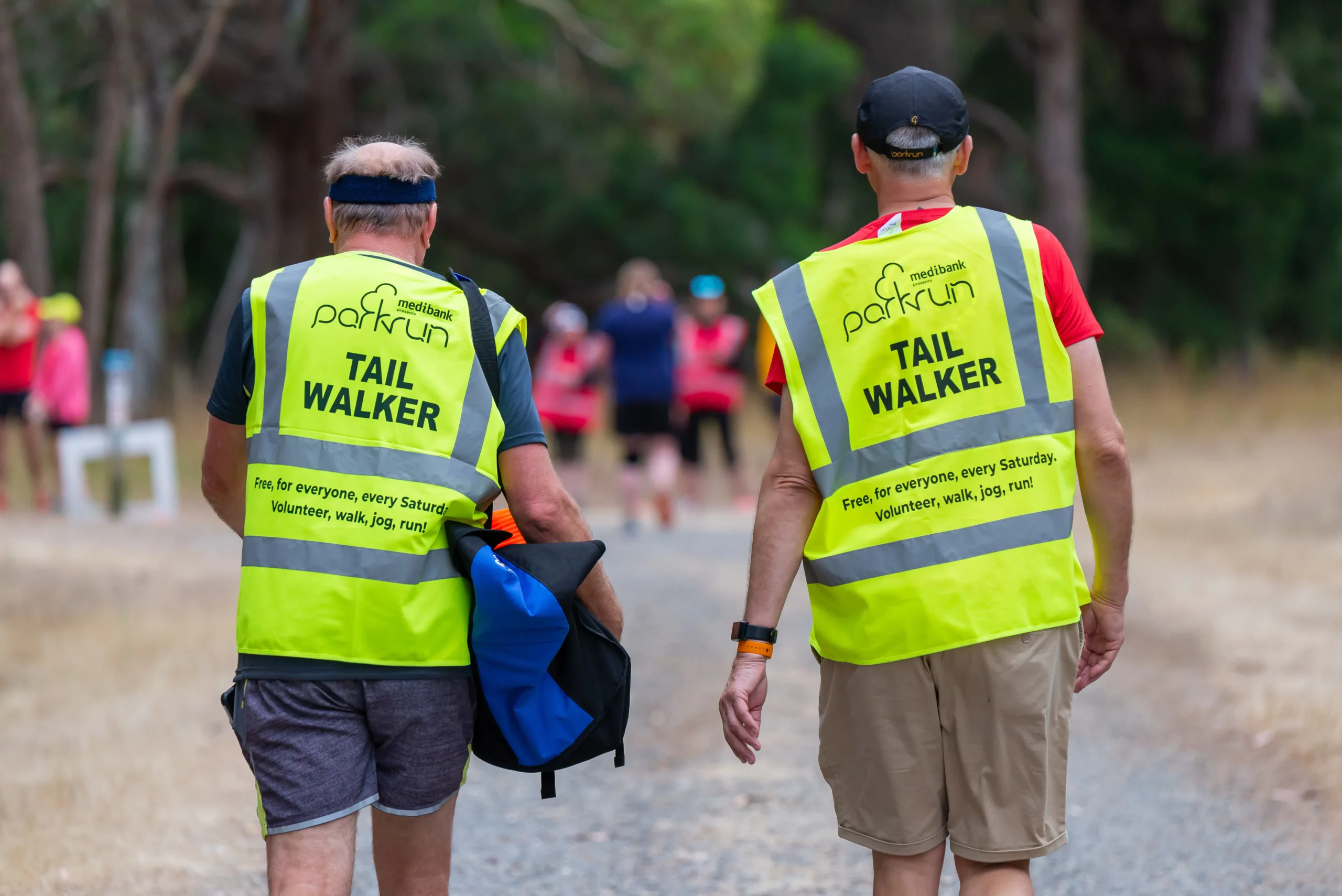
A simple first-visit goal is to keep the effort comfortable enough to stay aware of the route and the people around you. Walk when that is the appropriate choice. The Tail Walker is a volunteer role designed to remain at the back of the field; needing more time does not mean you are disrupting a fast runners’ session.
Follow local guidance on positioning and passing, especially on narrow sections or courses with several laps. Other participants may be moving at very different speeds. Leave room, pay attention and avoid sudden changes of direction when someone is coming through.
If you later want to examine your running mechanics, our running-form guide explains how to approach cadence and stride without chasing a universal number. Your first parkrun does not need to become a simultaneous experiment in new shoes, new technique and a faster pace.
Follow the finish process and judge more than your time
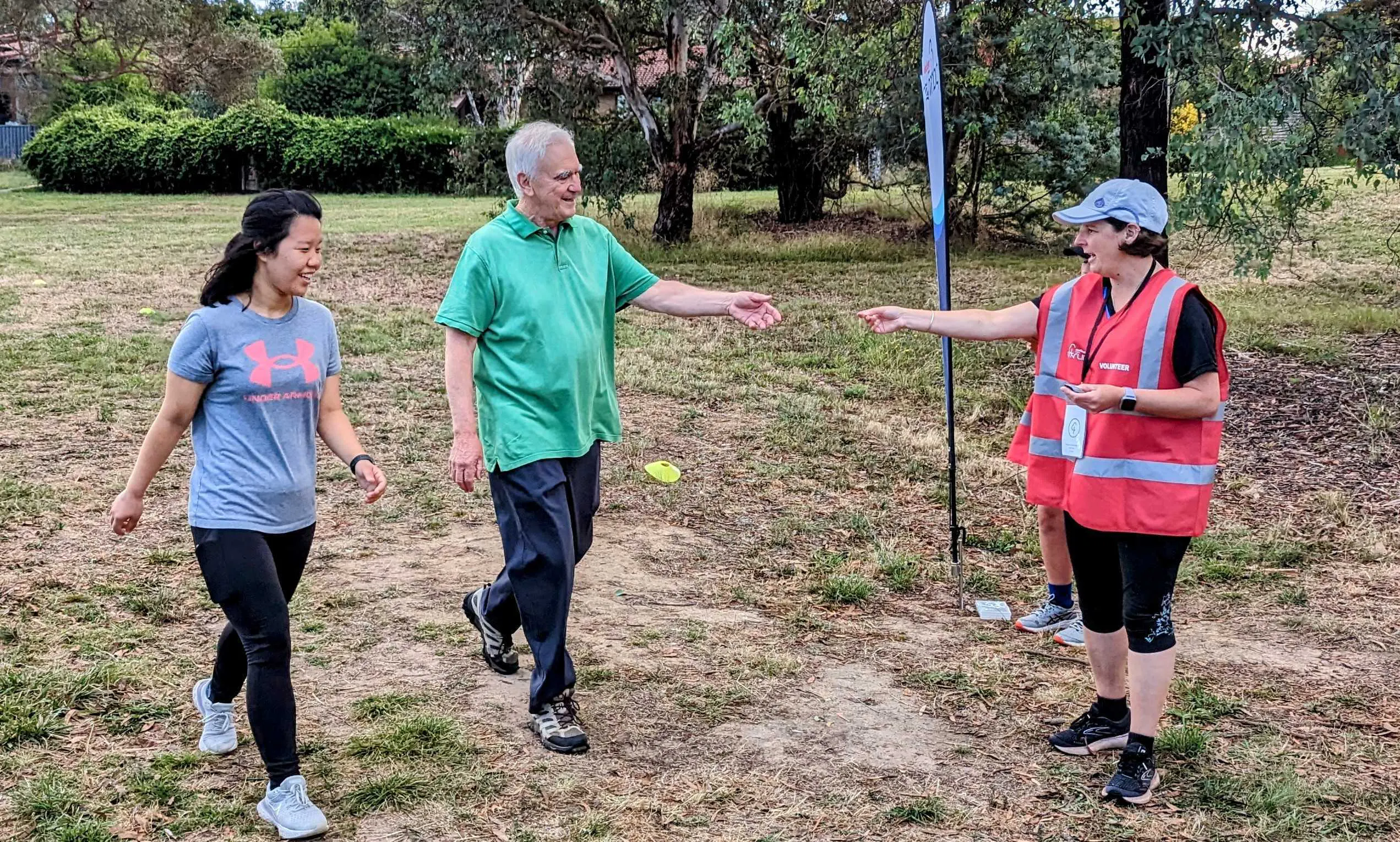
As you reach the finish, follow the funnel and token instructions. Stay attentive even when you are tired or pleased to have completed the distance. The volunteers need the finish sequence to match the results correctly, and a small misunderstanding can affect people behind you.
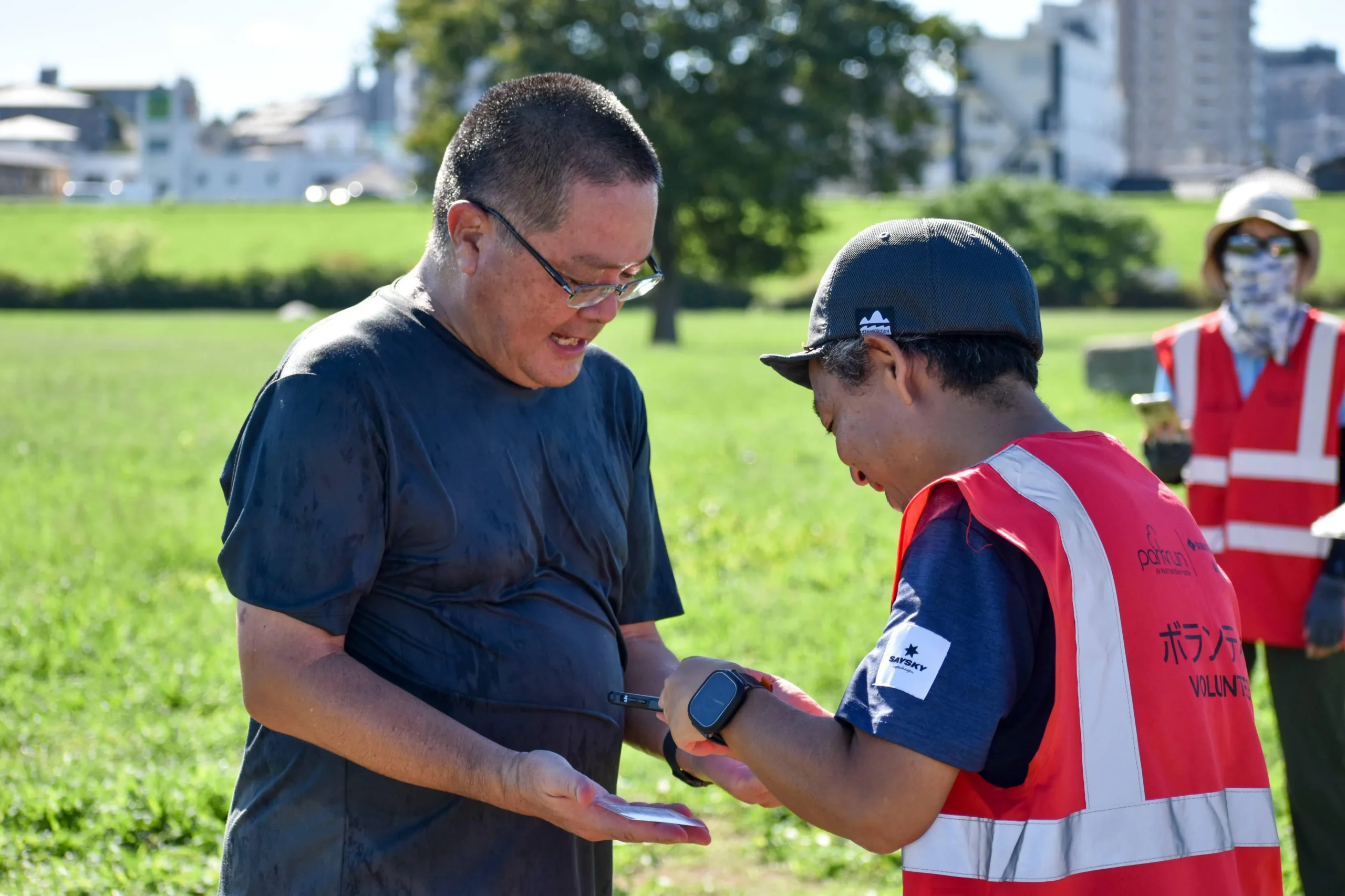
Keep moving as directed, have your barcode ready and hand back the event’s token. If you are unsure what comes next, ask a volunteer. A finish token is part of the event equipment, not a souvenir to take home. Thank the people helping the morning run smoothly.
Your first recorded time can be a useful reference, but it is only one observation. A busy start, unfamiliar turns, walking breaks, weather and the course surface all form part of the visit. Comparing it immediately with a different course or someone else’s personal best may tell you less than you expect.
Instead, make a short note of what you learned: whether the journey worked, whether you chose an appropriate effort and whether the distance felt manageable. If you return, you can improve the experience without making every visit an attempt at a faster result.
There is also value in the social side. A large participant survey found that many respondents reported a sense of achievement and improved wellbeing, including people who volunteered. Those are self-reported experiences from people who participated, not a guarantee that attending causes a particular health benefit. Use them as encouragement to explore the activity rather than a promised outcome.
Make room for a return visit or a volunteer role
A regular event can give the week a useful point of structure. Whether that helps you depends on how well it fits your travel, family commitments and other training. Choose a routine you can repeat comfortably rather than deciding after one visit that you must attend every week.
If lifting is your main priority, account for how you actually participate. An easy walk, a relaxed jog and a hard 5K effort create different demands. Our guide to combining cardio and strength training explains why the type and amount of endurance work matter. Do not assume every timed outing has to be a maximal effort.
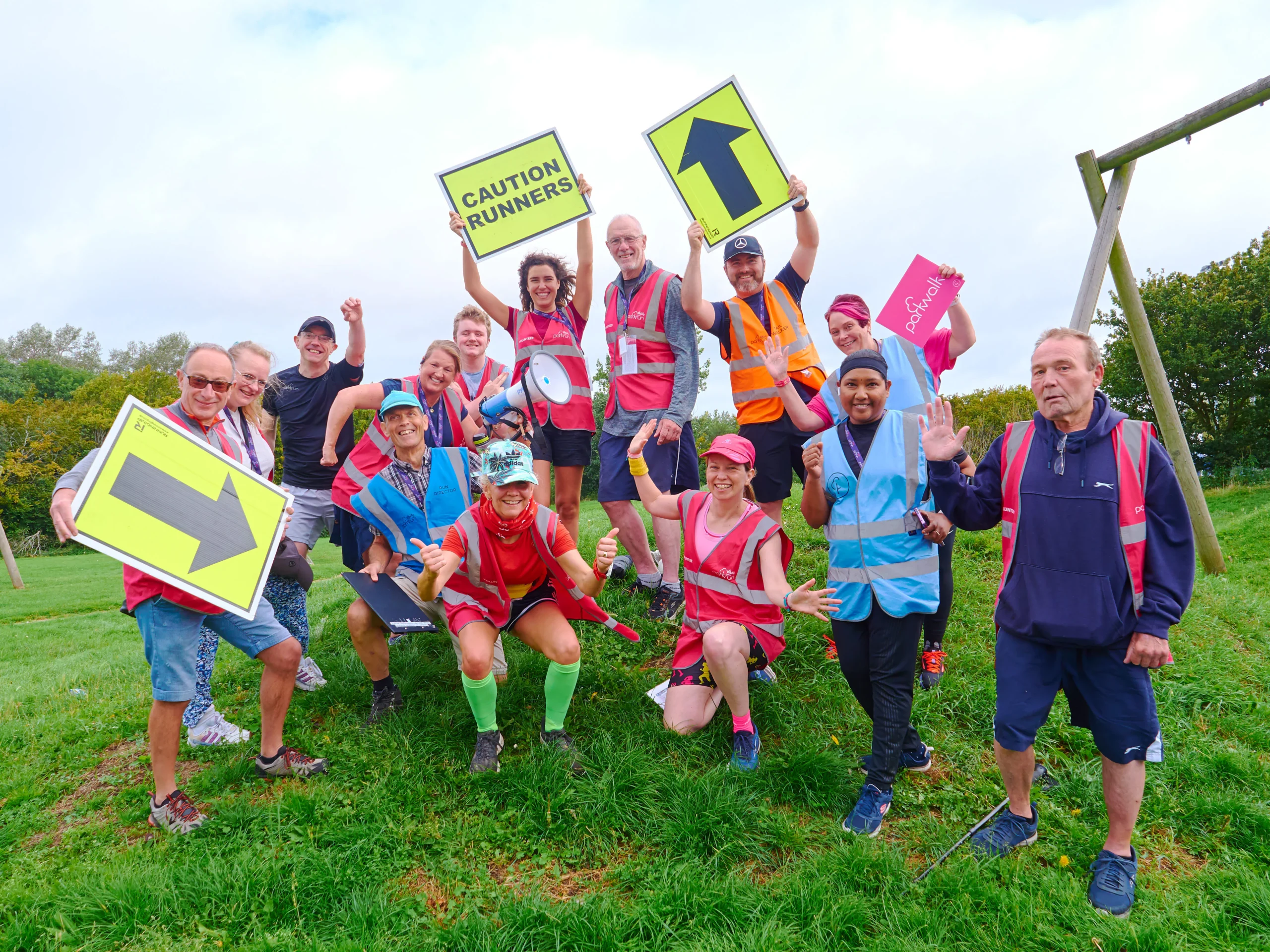
Volunteering offers another way to contribute and become familiar with the event. Ask the local team about available roles and what they involve. Some jobs require particular knowledge or experience, and the team may suggest a different role to the one you initially requested.
You can also make the next visit easier through ordinary preparation: save the route to the meeting point, check the current notices and put your barcode somewhere reliable. Small practical steps can remove more friction than a complicated motivation plan.
The aim is a useful addition to your life: movement at an appropriate effort, a welcoming shared activity and respect for the people who make it happen. Arrive informed, participate in your own way and leave with a clear idea of whether you would like to return.

Cardio Shirts & Workout Gear
Cardio and conditioning gym gear for runners, endurance athletes and anyone who earns the sweat.

Anti Running Club Tee
Heavy lifts, good laughs, and a little “Anti Running Running Club” energy.

Anti Jogging Jogging Club Shirt – & Meme Top T-Shirt
Bring “Anti Jogging Jogging Club” humor to your next gym day.

Anti Walking Walking Club Shirt Gymbro Meme Lifting T-Shirt
Bring “Anti Walking Walking Club” humor to your next gym day.


Cardio Heartbeat for Runners, Cyclists, Rowers and Fitn Sticker
Give your everyday gear a playful “Cardio Heartbeat” twist.


Cardio Is Calling You , Meme Top Answer Or Decline? T-Shirt
Make gym days more fun with “Cardio Is Calling You” style.

Cardio Is Hardio – Workout Meme Hooded Pullover Hoodie
Keep it laid-back with a little “Cardio Is Hardio” attitude.

Negative Cardio Review Cardio Sucks 1 Star Vest Tank Top
Bring “Negative Cardio Review” humor to your next lifting session.

Don't Quit Do It – Motivational Jumper Pullover For Wor T-Shirt
Show some gym-day personality with “Don't Quit Do It”.