Advertising disclosure: This page includes affiliate product links that may earn us a commission, as well as products from our own store.
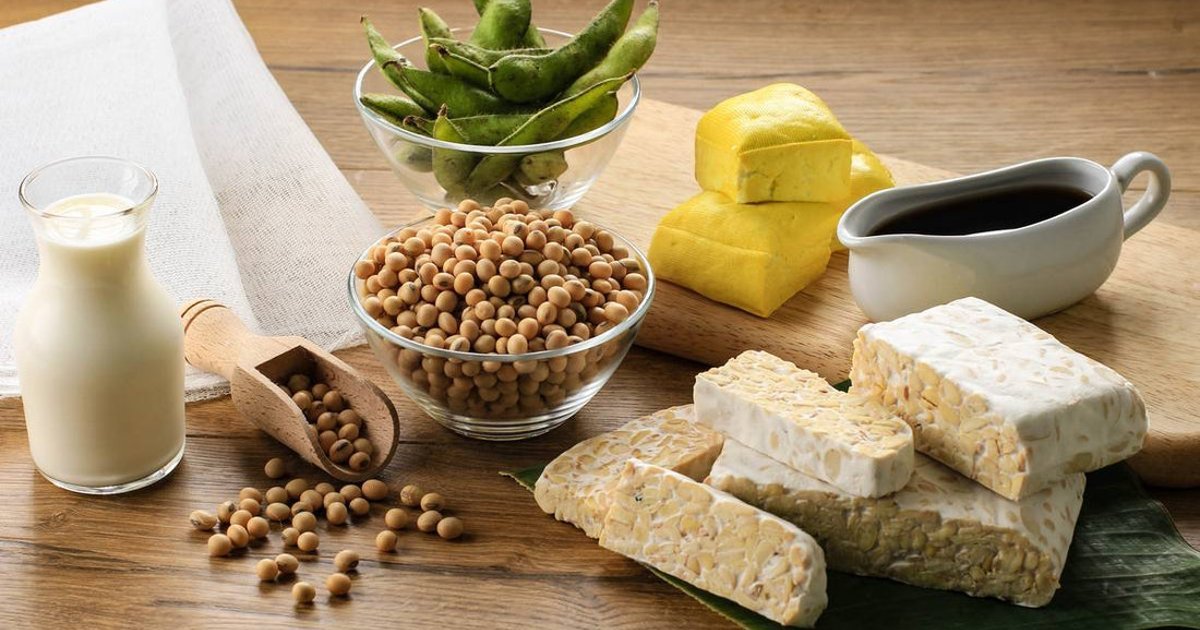
Tofu, tempeh and edamame all start with soybeans, but they solve different problems in a lifter’s kitchen. One can disappear into a sauce, another holds its shape in a sandwich, and a bag of shelled beans can fill a gap in a rice bowl. Choosing between them gets easier when you compare the food you will actually eat.
Soy foods can contribute useful protein. The trap is treating every product with soy in its name as nutritionally interchangeable. Water content, processing, serving size and added ingredients change what reaches your plate. Start with the label, then choose the texture and preparation you enjoy enough to repeat.
Compare protein in your portion, not just the headline
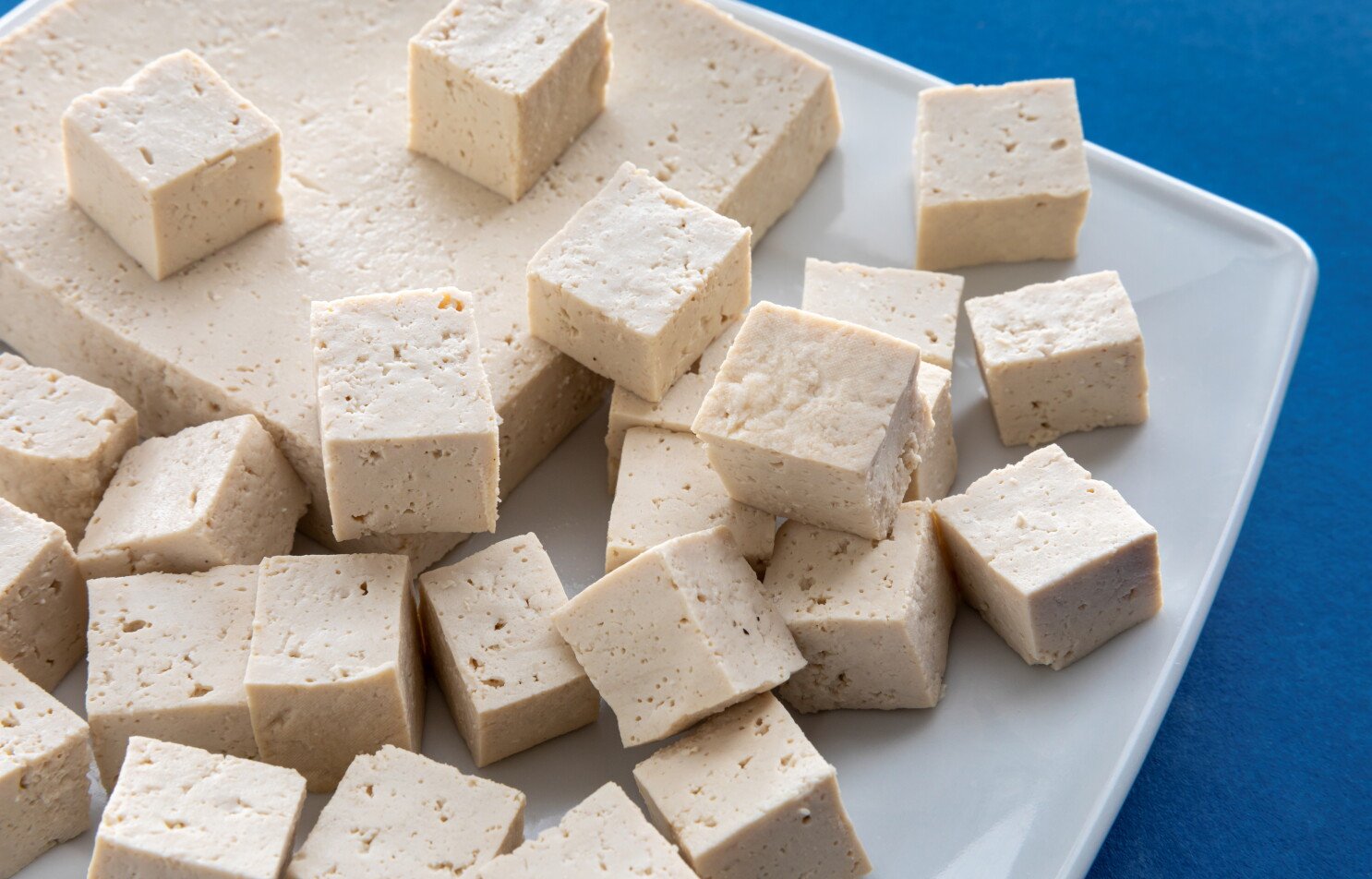
The useful question is how much protein your planned portion supplies. A manufacturer’s serving may be smaller than your lunch, while a familiar-looking block may contain several servings. Comparing one brand’s serving with another brand’s 100-gram figure can make an ordinary difference look dramatic.
Use one consistent calculation: protein per 100 grams multiplied by the grams you eat, divided by 100. For a hypothetical tofu labelled 14 grams of protein per 100 grams, a 180-gram portion supplies 25.2 grams. Those are example numbers, not a claim about every tofu or the food pictured here. Your packet provides the values that matter.
Then check the energy and ingredients for the same portion. A product that fits a lower-calorie meal might differ from the one you prefer during a bulk. Neither needs a universal winner. Oil used for frying, a rich sauce or a generous topping belongs in the meal calculation too.
Pay attention to whether the label describes the food drained, as sold or prepared. Keep that basis consistent when weighing it. If you drain a block but calculate from a value that includes packing liquid, precision on the kitchen scale will not fix the mismatch. Our guide to serving sizes, protein and price maths explains how to make those comparisons.
Price follows the same logic: compare the cost of an edible portion that delivers the amount of protein you want. The cheapest packet is not automatically the cheapest meal, especially when packet sizes differ.
Choose tofu texture for the dish you want to cook
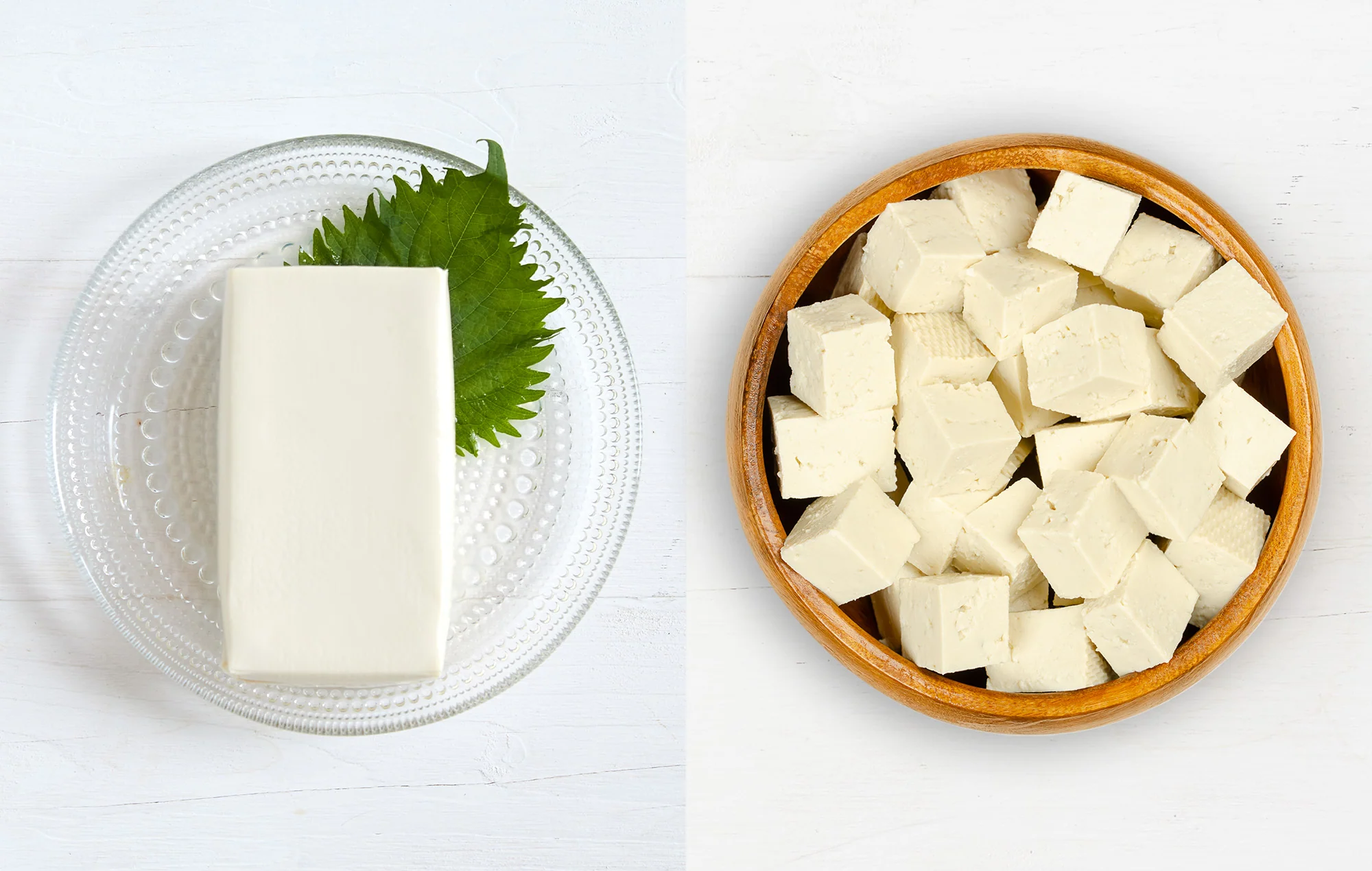
Tofu ranges from delicate silken varieties to firm blocks that can be sliced and browned. Texture names are useful cooking clues, but they are not a reliable substitute for the nutrition panel. Different products can carry different amounts of water and protein even when their descriptions sound similar.
Silken tofu suits dishes where a smooth texture helps: blended sauces, soups or a soft topping. Firm tofu is usually the easier starting point when you want separate cubes or slices. Choose it for a stir-fry, tray bake or sandwich filling where the food needs to survive turning and mixing.
Avoid buying a delicate block for a recipe that depends on crisp, distinct pieces, then blaming soy when it breaks apart. Match the product to the job before changing seasonings or adding more oil. Follow its preparation instructions; pressing is not a compulsory ritual for every variety.
For a simple first meal, take firm tofu, a vegetable you already like and a familiar carbohydrate such as rice or noodles. Season the food rather than expecting the tofu to supply the entire flavour. A sauce you enjoy can make the ingredient useful without turning dinner into a complicated replacement-food experiment.
There is no requirement to make tofu imitate chicken or steak. Judge it by whether the finished meal tastes good, provides the intended portion and fits the time you have. That is a more useful standard than demanding the same texture as an unrelated food.
Tempeh offers a different bite, so compare the actual pack
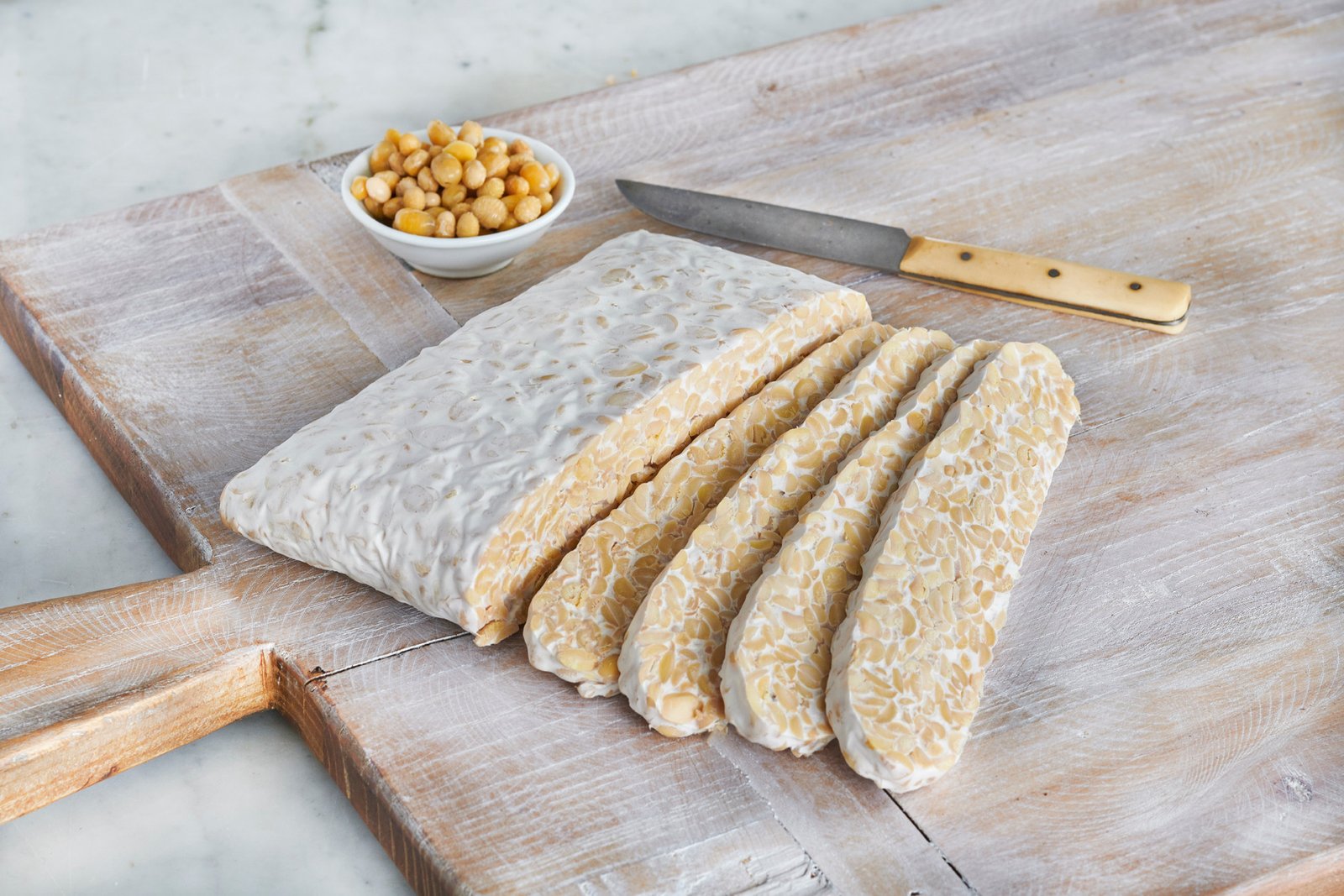
Tempeh is made through fermentation and has a compact structure in which pieces of the beans remain visible. It behaves differently from smooth tofu. Slices can provide a substantial sandwich filling, while smaller pieces can bring texture to a bowl or a sauce.
That difference makes it worth trying if your objection to tofu is its softness. It does not establish that tempeh is automatically the best choice for every meal. Check its label and ingredient list, particularly when comparing plain products with marinated versions or products containing additional grains or beans.
Apply the same portion calculation used for tofu. If a hypothetical tempeh provides 20 grams of protein per 100 grams, 125 grams supplies 25 grams. That example makes the arithmetic clear; it is not a verified value for the photographed product or a promise about the pack in your shop.
Compare cooking effort as well. Thin slices, thick slabs and crumbled pieces produce different eating experiences. Start with the producer’s instructions and a preparation that matches your meal. The most protein-dense option on paper has limited practical value if you dislike its texture or consistently leave half of it uneaten.
Fermentation also does not justify turning a meal into a supplement claim. This guide treats tempeh as food. You do not need to attach promises about digestion, recovery or muscle growth to a fermented label to decide whether it earns a place in your rotation.
With edamame, count the beans you eat rather than the pods
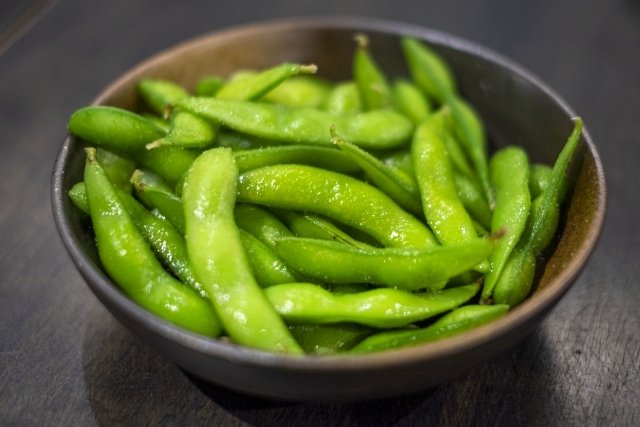
Edamame are immature soybeans, commonly sold frozen either in their pods or already shelled. That packaging difference matters when you plan a portion. A bowl of pods can look generous, but the discarded pods are not part of the beans you eat.
For straightforward meal tracking, shelled edamame are convenient because the edible portion is easier to measure. With in-pod products, check how the label defines a serving before applying its values to the weight of the entire bowl. Do not transfer a shelled-bean figure to pods by guesswork.
Follow the cooking instructions on the pack, including for frozen products. Edamame can serve as a snack, a side or an addition to a larger meal. If you want it to carry most of a meal’s protein, calculate the required edible portion first. A decorative spoonful on top of rice should not silently become the main protein serving in your estimate.
Seasoning and sauces change the finished dish. Soy sauce can add flavour, but its name does not make a small splash equivalent to a portion of soybeans or tofu. Likewise, a soy drink, a protein powder and whole beans need separate label checks rather than one assumed value for everything made from soy.
Anyone with a soy allergy needs a different ingredient choice. For everyone choosing among these foods, the practical distinction is still the form, the portion and the rest of the meal.
Build a repeatable meal before chasing a perfect winner
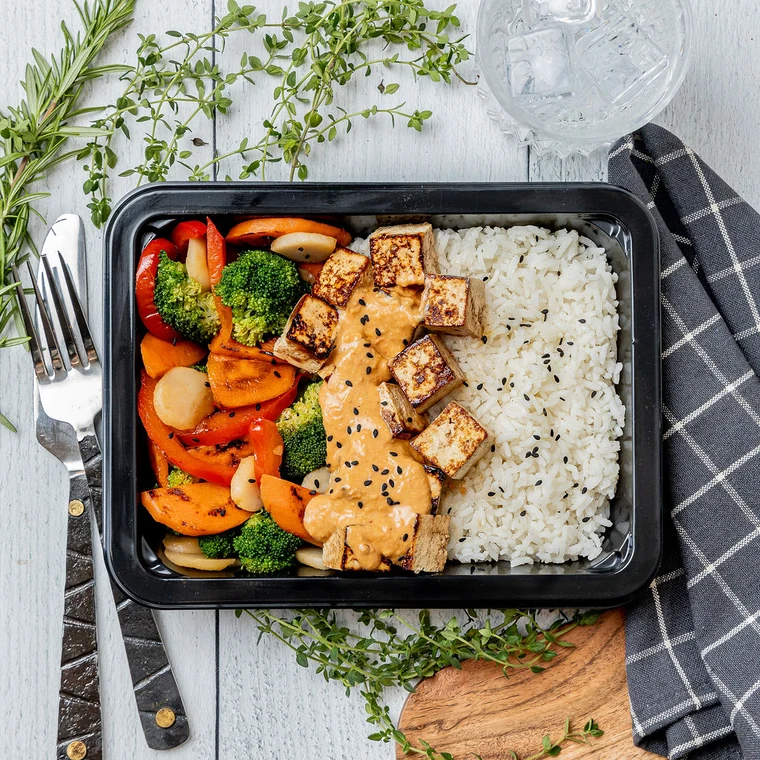
Choose one soy food as the main protein component, then add the other parts of dinner deliberately. A tofu rice bowl, tempeh sandwich or edamame noodle dish can all work as starting ideas. They are meal formats, not fixed recipes with guaranteed nutrition numbers.
Write down the quantity you will actually use. Count the protein from that product’s label, then account for the remaining ingredients. This also makes mixed meals easier to understand: beans scattered through noodles contribute protein, but the finished bowl has to be assessed as a whole.
If you already rotate other protein foods, soy does not demand an all-or-nothing switch. The same comparison used for whole eggs versus egg whites applies here: choose a portion and calorie contribution that fit the meal, while recognising that foods bring different textures and ingredients.
For the next shopping trip, pick one product rather than buying every version. Try it in a meal whose other ingredients are familiar. Note the edible portion, protein calculation, cost and whether you would happily cook it again. If the answer is no, change the preparation or try another texture.
Tofu is a flexible starting point, tempeh gives a firmer bean-based bite, and edamame make an easy addition when their edible weight is clear. The best choice is the one that turns the label into a useful, enjoyable meal you can repeat.

Funny Gym Shirts & Workout Gear
Funny gym shirts, tanks, hoodies and workout gear for lifters who like training hard.

Lift Eat Repeat – Weightlifting & – Meme Bros & T-Shirt
Make gym days more fun with “Lift Eat Repeat” style.

Lift Eat Sleep Repeat Meme Sweater & T-Shirt
Bring “Lift Eat Sleep Repeat” humor to your everyday gym style.

Protein Power Cereal Tee
Heavy lifts, good laughs, and a little “Protein Power Cereal” energy.

Bear Protein : Hilarious Meme Tank Top
Your gym-day look, with a playful “Gym Bear Protein” twist.

Pink Protein Shaker Bottle | Meme Decal Sticker
Stick a little “Pink Protein Shaker Bottle” humor on your favorite gear.

Heavy Weights And Protein Shakes T-Shirt
Make gym days more fun with “Heavy Weights and Protein Shakes” style.

Shirt Protein King – Meme & – Top T-Shirt
Heavy lifts, good laughs, and a little “Protein King” energy.

Protein Shake Hooded & Meme Fans Hoodie
Show off your lifting humor in a laid-back “Protein Shake” hoodie.

Protein Monster – Protein Lovers, & Bros – Meme T-Shirt
Heavy lifts, good laughs, and a little “Protein Monster” energy.

Shirt Protein Addicts – & Gymbros – Meme Gains T-Shirt
Bring “for Protein Addicts” humor to your next gym day.