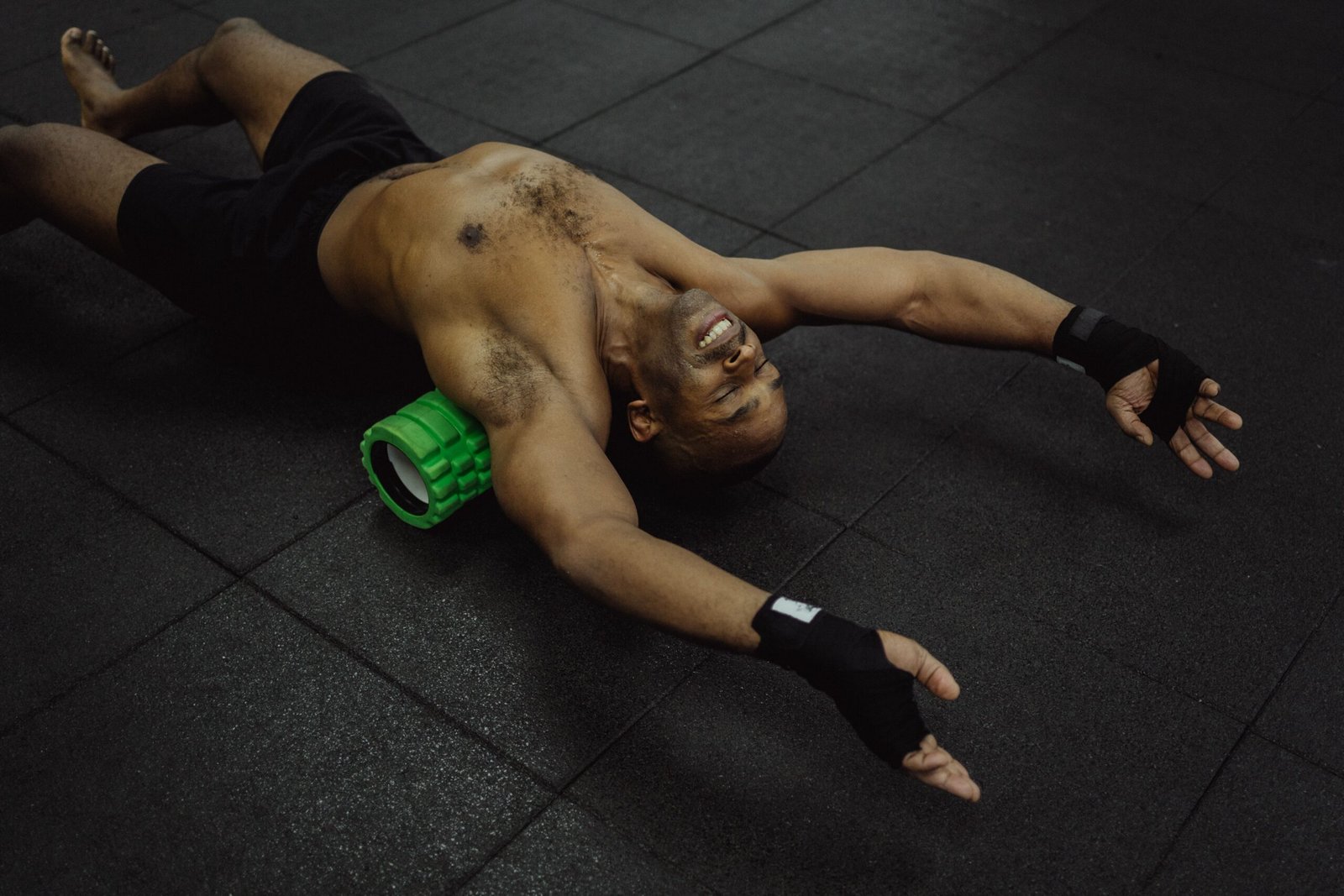
Foam rollers have become almost as common as water bottles in weight rooms. Some lifters spend ten minutes rolling their quads after every leg session; others try one painful pass, feel no immediate magic, and put the roller away. The useful question is not whether rolling feels intense. It is whether the practice changes soreness, movement or next-session performance enough to justify the time.
Controlled research offers a more nuanced answer than either “essential recovery tool” or “complete waste.” Rolling can make sore muscles feel more comfortable and may temporarily improve range of motion. It has not been shown to replace sleep, sensible training progression or the basic recovery process. Here is how to use it without mistaking a short-term sensation for a long-term adaptation.
What foam rolling actually does to your muscles
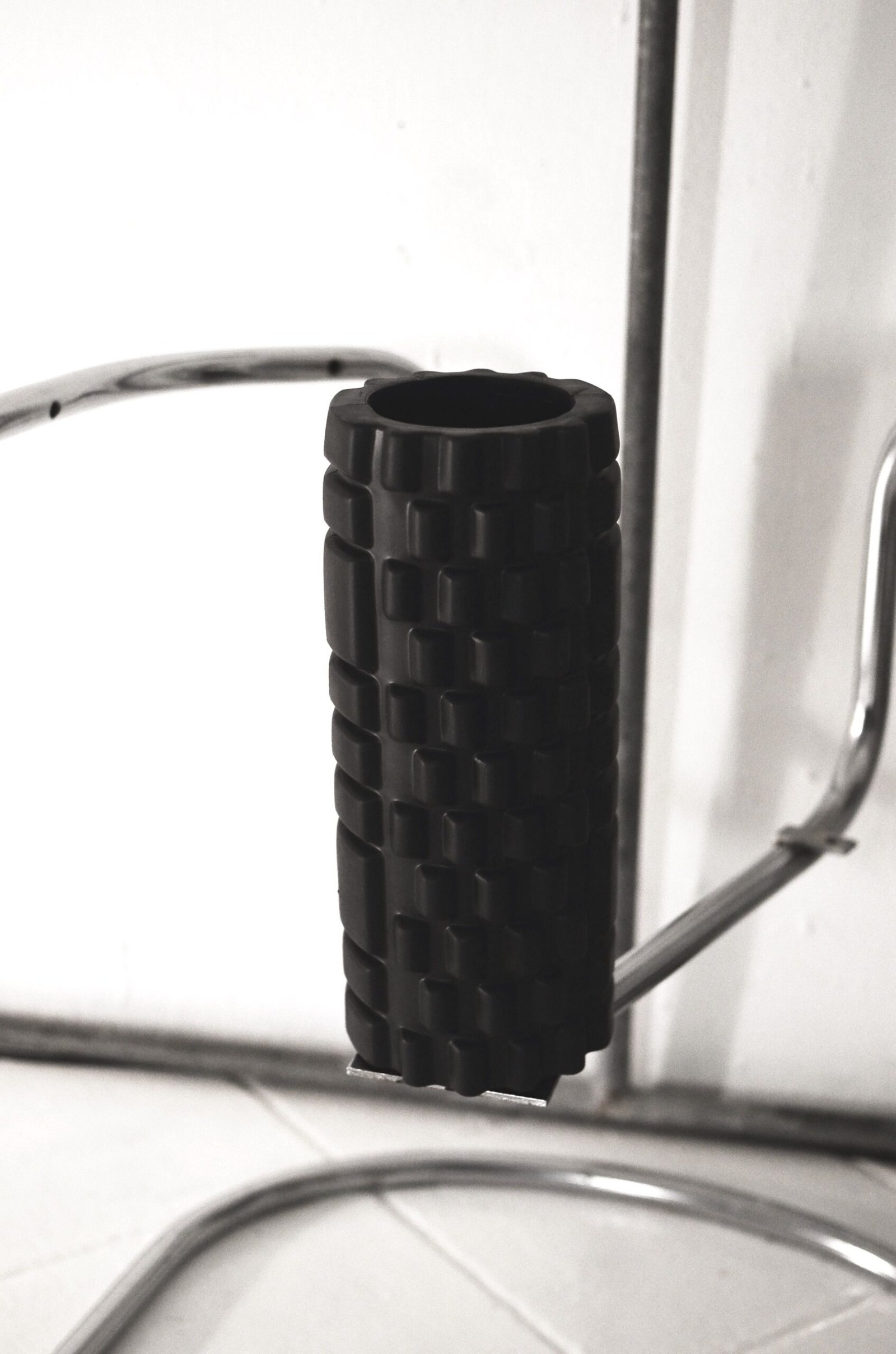
Foam rolling is a form of self-applied pressure. You place part of your body on a cylinder and move slowly enough to control how much force reaches the tissue. A smooth roller spreads pressure more evenly; a textured model concentrates it into smaller contact areas. Neither type literally squeezes metabolic waste out of muscle or mechanically breaks apart ordinary “knots” in the way a rolling pin flattens dough.
Instead, the immediate experience probably reflects several interacting effects: pressure-sensitive nerve input, a temporary change in how uncomfortable a stretch feels, and altered perception of stiffness. That can matter. If your calves feel tight when you descend into a squat, a short rolling bout might make ankle movement more comfortable even without changing the actual length of your muscles.
Discomfort is not a dose meter. You do not need to grind into a tender spot until you wince. The goal is tolerable pressure that lets you breathe normally and move smoothly. A roller should be treated as an optional mobility or comfort tool, not as a diagnostic device or a method for repairing damaged tissue. Persistent localized pain, swelling or loss of function deserves a different approach from ordinary post-workout tenderness.
Does rolling after lifting reduce muscle soreness?
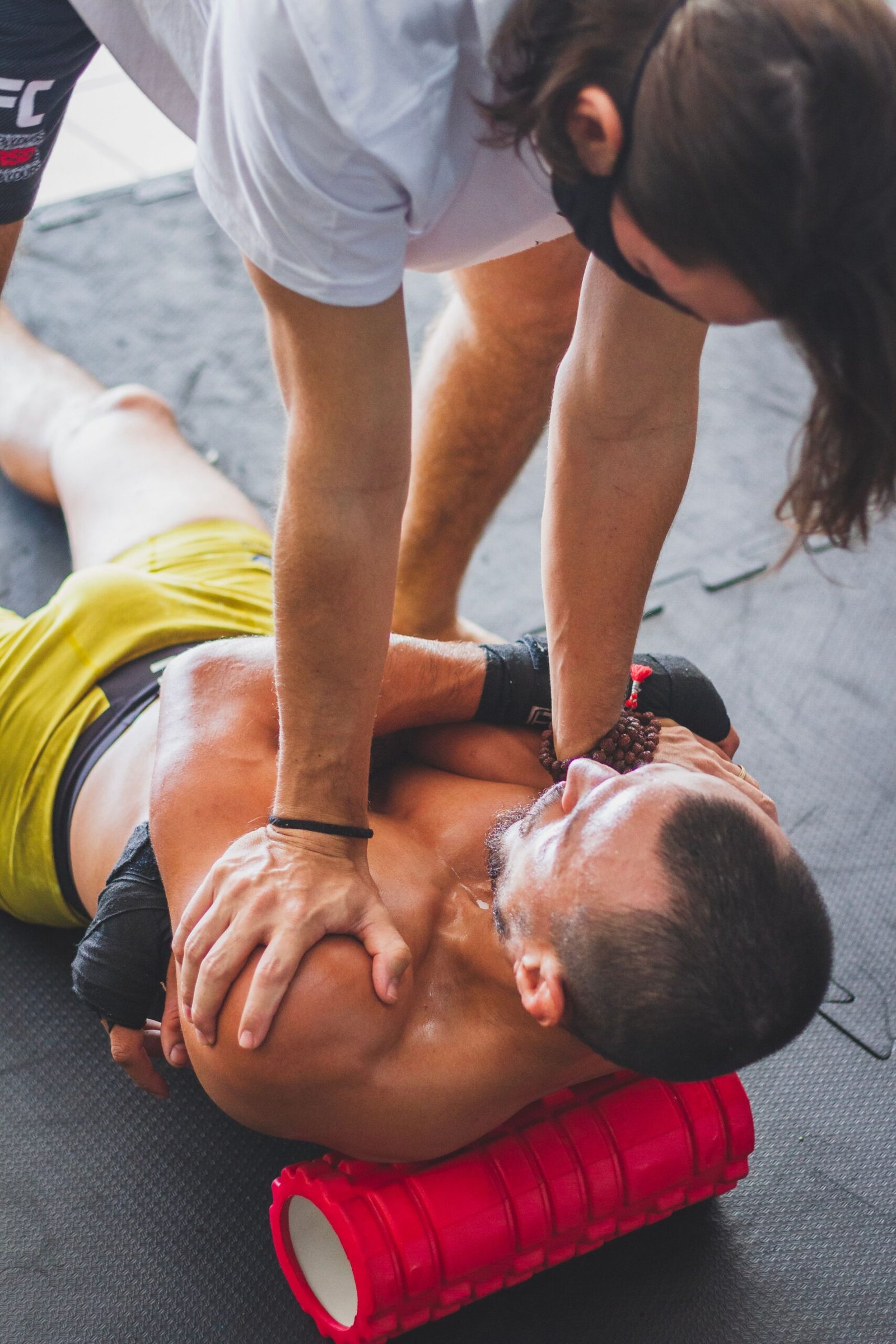
A 2024 quantitative review pooled 16 controlled studies involving 515 participants and examined exercise-related soreness after foam-rolling interventions. On average, participants reported less soreness than comparison groups, with the clearest effects appearing at follow-up rather than immediately after exercise. The evidence supports a modest comfort benefit; it does not mean every athlete or every muscle will respond the same way.
That distinction matters because delayed-onset muscle soreness, or DOMS, is a subjective experience. It commonly appears after unfamiliar exercise, especially when the lowering phase is challenging. Pain scores can change without a corresponding increase in force production, muscle repair or readiness for a demanding session. A roller may make stairs feel less unpleasant the next morning while your legs are still recovering from a difficult squat workout.
Research also varies in roller density, treatment duration, body region, training status and what counts as a meaningful improvement. A pooled average is not a guarantee that five minutes on your quadriceps will transform your next workout. Think of rolling as a way to manage how recovery feels, then judge readiness using warm-up performance, movement quality and your training log rather than soreness alone.

Equipment Worth Exploring
Explore equipment, accessories and gear from our carefully selected range.


GymPin Squat Wedges
Non-slip 15-degree squat wedges help elevate the heels for deeper quad-focused squats.

HUSLA Leg Extension Pad
Pad attachment designed to increase usable range of motion on compatible leg-extension machines.



Squat Harness
Wearable harness for hands-free cable squats, sled work, and lower-body training.


FID Bench MAX
Adjustable bench offering flat, incline, and decline positions + adjustable headrest.
VOLTRA
Compact digital cable trainer with smooth, adjustable resistance.
Why the 24- to 72-hour window matters

Soreness is not always strongest when you leave the gym. For many people, the difficult part arrives a day later and may peak around the second day after an unfamiliar session. In the pooled soreness data, the apparent benefit of foam rolling was relatively small immediately after treatment and more noticeable at approximately 24, 48 and 72 hours. This pattern is compatible with a symptom-management role, not proof of faster tissue regeneration.
Imagine two identical lower-body sessions on Monday. One lifter spends a few minutes rolling the thighs and calves afterward; the other goes straight home. If the first lifter feels more comfortable on Wednesday, that is useful in its own right. But it would be an overreach to claim the first lifter has already rebuilt more contractile tissue or can automatically tolerate another maximal session.
Normal soreness can coexist with adequate training capacity, and minimal soreness can coexist with fatigue. The smarter test is practical: Can you warm up without compensation? Are your usual loads moving at an expected effort? Has joint discomfort changed? Use those signals alongside how you feel. Do not force a heavy session simply because rolling made the muscles temporarily less tender, and do not assume soreness means the previous workout was more productive.
Mobility benefits are more consistent than strength gains
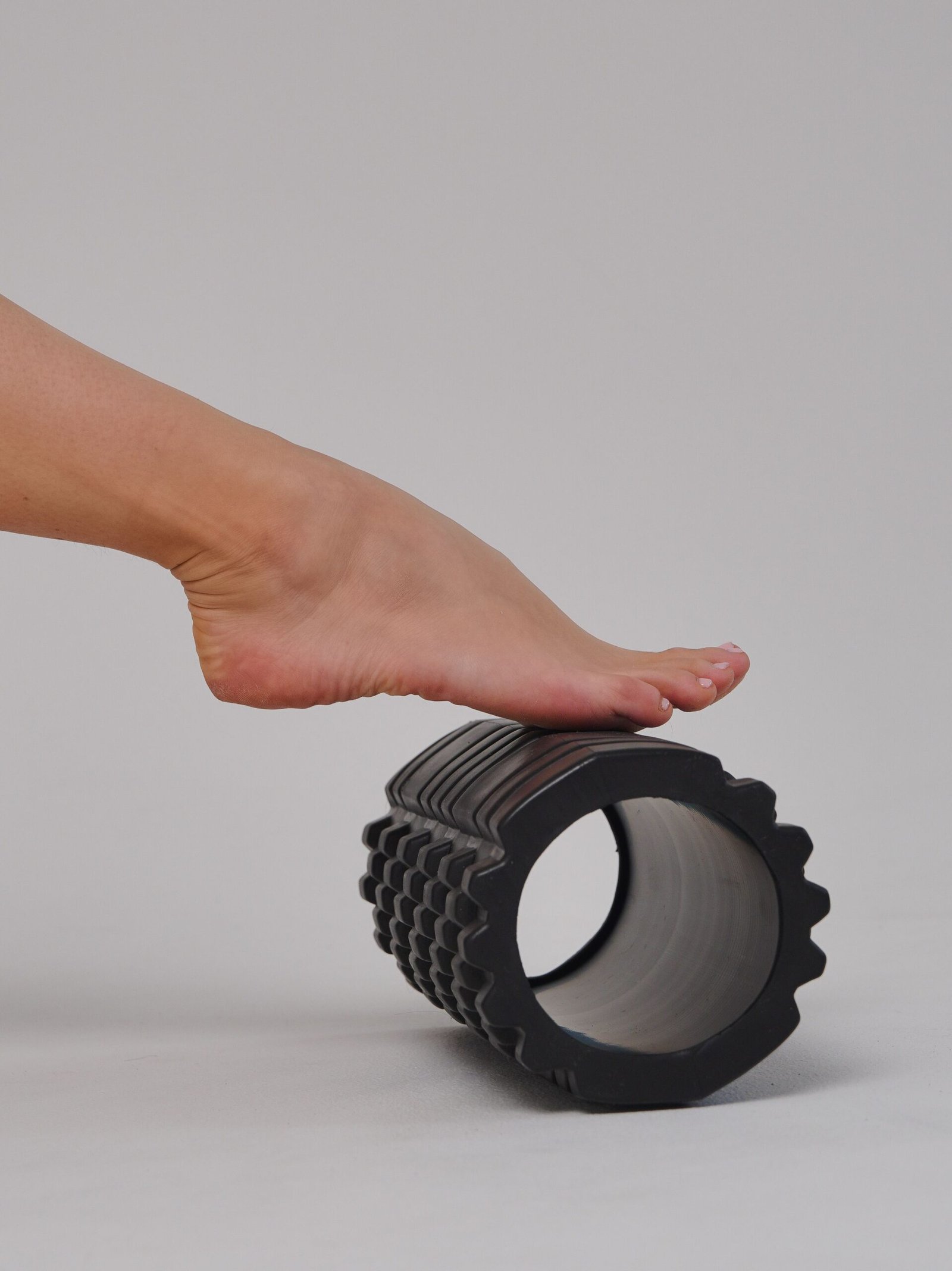
One earlier synthesis of 32 studies found that foam rolling reliably improved measured joint range of motion in the short term. Its range-of-motion meta-analysis reported a relatively large average effect, while direct improvements in strength, jumping or other athletic outcomes were much less convincing. This is a useful separation: being able to move through a position more comfortably is not the same thing as becoming stronger in that position.
For a lifter whose ankles feel stiff before squats, a short calf-rolling bout followed by ankle rocks and a few progressively heavier warm-up sets may be a sensible sequence. For someone with tight-feeling upper back tissue before overhead work, gentle thoracic rolling can be one piece of a warm-up. But a new range of motion needs to be controlled under load; the roller does not teach the bracing, balance or motor skill required to use it safely.
Longer-term performance claims are weaker. A separate review of rolling programs lasting more than two weeks did not find clear improvements in strength or other performance outcomes compared with controls. If your main goal is bigger lifts, the training program still needs progressive resistance, adequate recovery and repeatable technique. Roll because it helps you move or feel better, not because the roller itself is secretly a hypertrophy program.

Funny Gym Shirts & Workout Gear
Funny gym shirts, tanks, hoodies and workout gear for lifters who like training hard.

Vive La Resistance Bands Painting Meme – Resistance Ban T-Shirt
Add a playful “Vive La Resistance Bands” touch to your casual rotation.

– Everything Hurts And I'M Dying Jumper T-Shirt
Show some gym-day personality with “Everything Hurts And I'm Dying Workout”.

Dino Sore Dinosaur Sore Muscles & Meme Hoodie
Stay casual and show some lifting attitude with “Dino Sore”.


Anti Stretching Stretching Club Meme Shirt – T-Shirt
Bring “Anti Stretching Stretching Club” humor to your next gym day.

Pain Is Temporary Stoic Gains – Meme Shirt & Sigma T-Shirt
Heavy lifts, good laughs, and a little “Pain is Temporary Stoic Gains Graphic” energy.

Rest Day Sloth – Essential T-Shirt
Show some bodybuilding attitude with a playful “Rest Day Sloth” tee.

No Pain No Valhalla – Viking Workout Vest Norse Muscle Tank Top
Show some personality between sets with “No Pain No Valhalla”.

Pain Is Gain Stoic Greek God Marble Sculpture & T-Shirt
Rep “Pain is Gain Stoic Greek God Marble” humor in and out of the gym.

Off-Season Rest Day & Meme Fans Hooded Hoodie
Keep it laid-back with a little “Off-Season Rest Day” attitude.
How to roll calves, quads, glutes and upper back
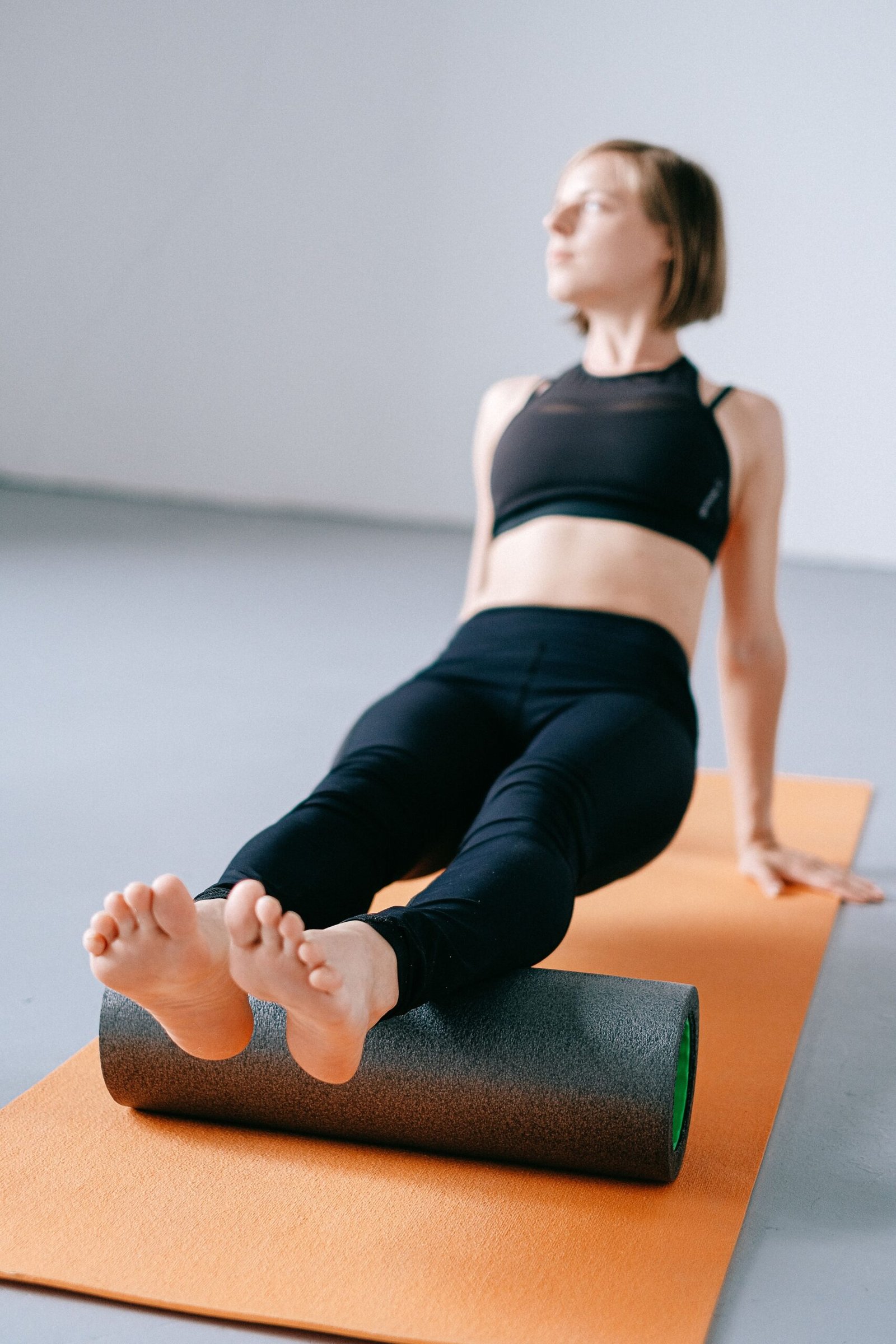
For calves, sit on the floor with one calf resting on the roller and use your hands to control pressure. Slowly travel from above the Achilles tendon toward the upper calf without pressing directly into the tendon or the back of the knee. If that is too intense, keep the other foot on the floor to reduce body weight on the roller.
For quadriceps, lie face down with the roller under the front of one or both thighs. Move from the upper thigh toward just above the knee, avoiding direct pressure on the kneecap. A slow, comfortable pass is more useful than bouncing rapidly over painful spots. If your hips rotate or lower back arches to escape the pressure, reduce the load.
For glutes, sit on the roller, lean slightly toward one hip and use your hands for balance. Work over the fleshy muscle rather than forcing pressure into the tailbone or bony hip. For the upper back, place the roller across the thoracic region and move a short distance while keeping your ribs controlled. Avoid rolling aggressively across the neck or directly through the lower-back spine.
Start with roughly 30 to 60 seconds per region and reassess. Those are practical starting doses, not a scientifically established minimum. If a muscle feels worse afterward, stop. A roller should leave you more comfortable and ready to move, not bruised or determined to tolerate escalating pain.
Equipment Worth Exploring
Explore equipment, accessories and gear from our carefully selected range.

Go-Tone Pro
Portable digital cable trainer with up to 66 lb (30 kg) of adjustable resistance.


Leather Lifting Straps
Padded leather straps support grip during heavy rows, deadlifts and pulling exercises.

GymPin Ergo Handles
Pair of ergonomic cable handles shaped for comfortable triceps and pulling exercises.
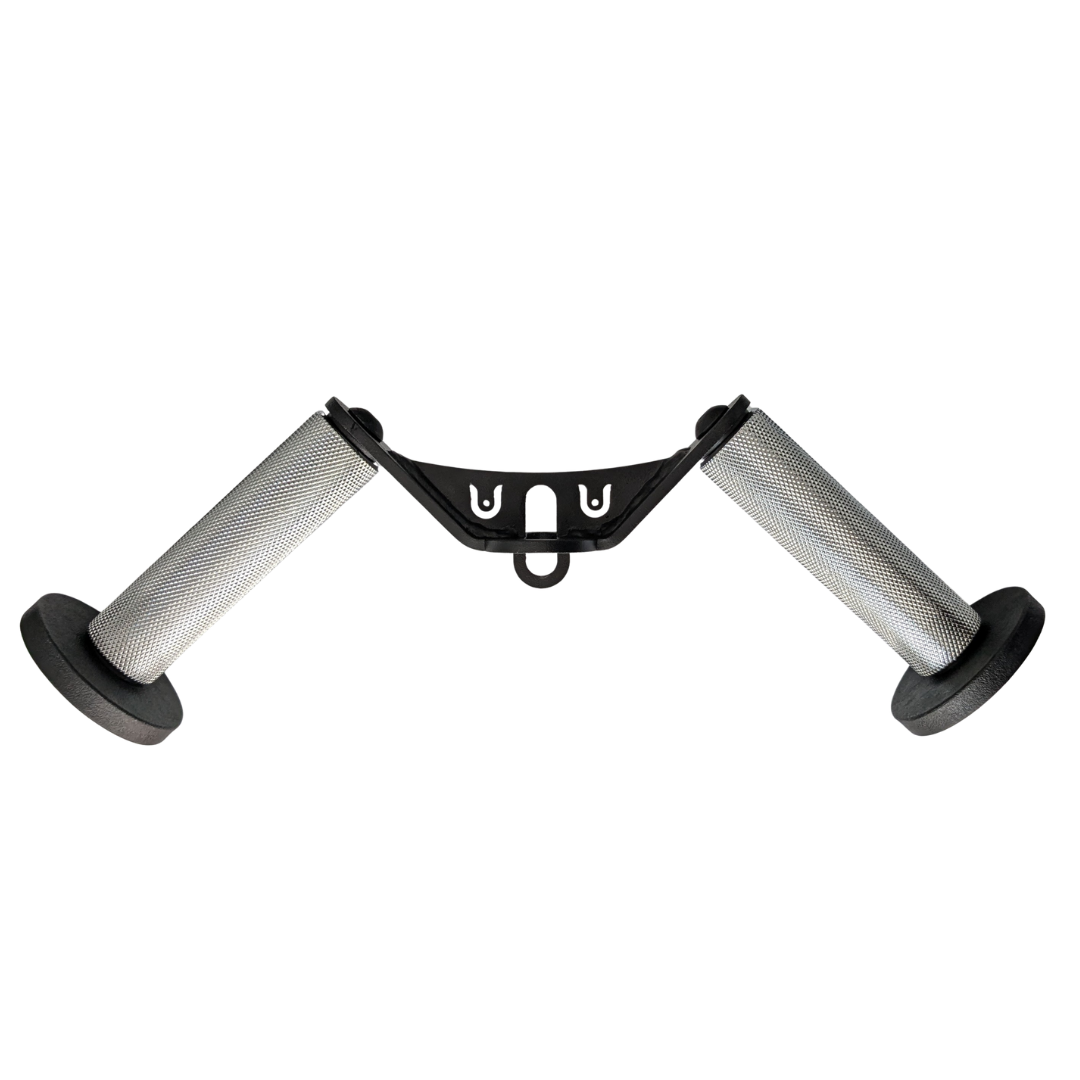
W Grip
Angled cable grip for comfortable rows, pushdowns, and curls.

Before training, after training or on rest days?
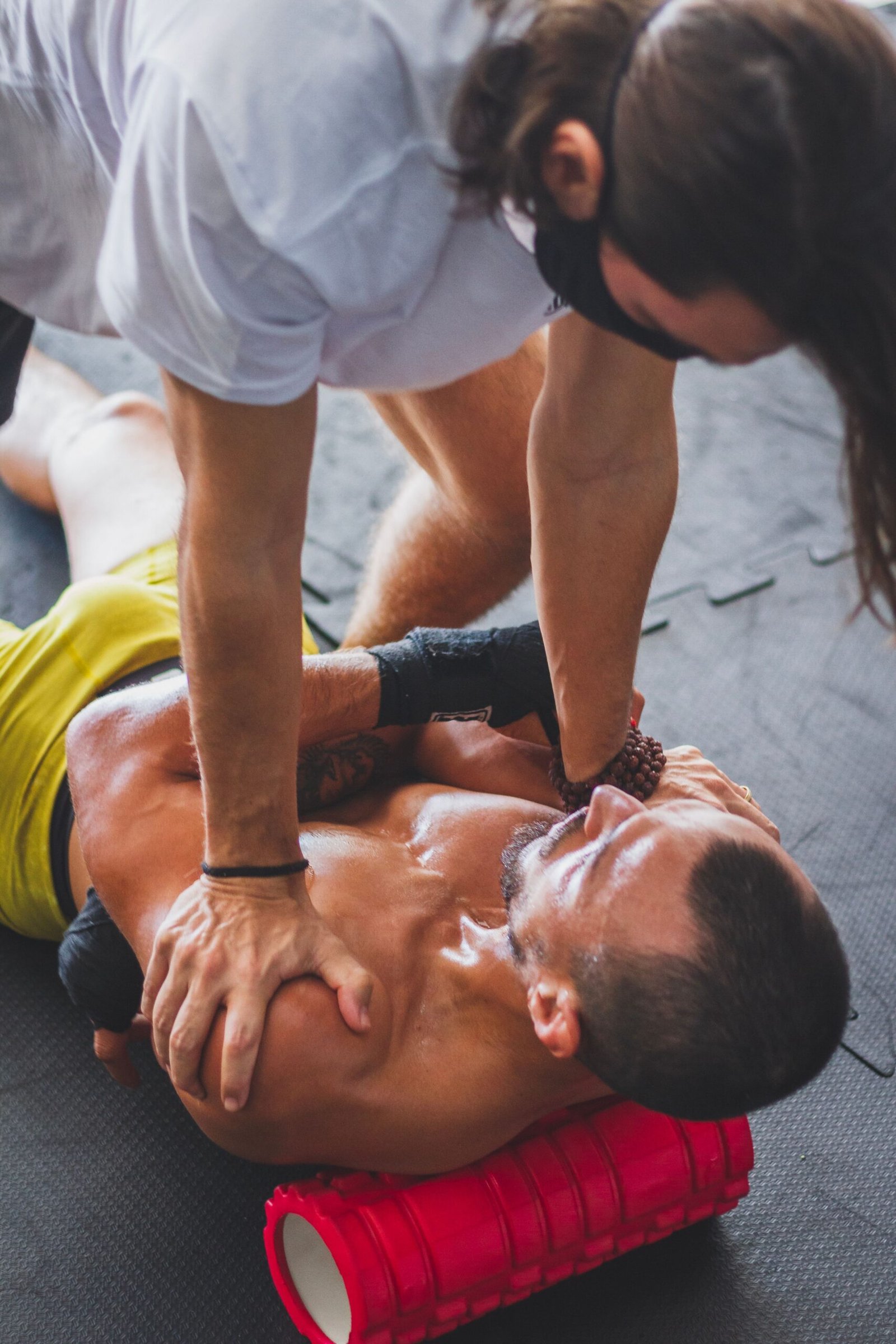
Before lifting: keep rolling brief and pair it with movement that resembles the workout. A minute of calf or quad rolling might help you access a comfortable squat position, but the next steps should be active mobility, lighter practice repetitions and gradually heavier sets. Do not spend so long on the floor that the actual warm-up becomes rushed.
After lifting: rolling can be an optional comfort routine. This is where soreness-focused studies are most relevant. Use enough pressure to feel the muscle working against the roller, not so much that you tense up. If you already have little soreness and prefer to leave the gym, there is no evidence-based requirement to roll every muscle before going home.
On rest days: a few minutes may make stiff-feeling legs easier to move, particularly when combined with walking or light activity. But rolling does not erase the fatigue from a poorly managed training block. A 2025 review of vibration-assisted rollers reported possible improvements in soreness and some movement outcomes, yet results were inconsistent and did not isolate a reliable extra benefit from vibration itself. An ordinary roller is a reasonable starting point before paying for a motorized model.
The best timing is therefore the one that solves a real problem: more comfortable movement before exercise or less unpleasant soreness afterward. Neither requires an elaborate daily ritual.
A simple ten-minute recovery routine—and when to skip it
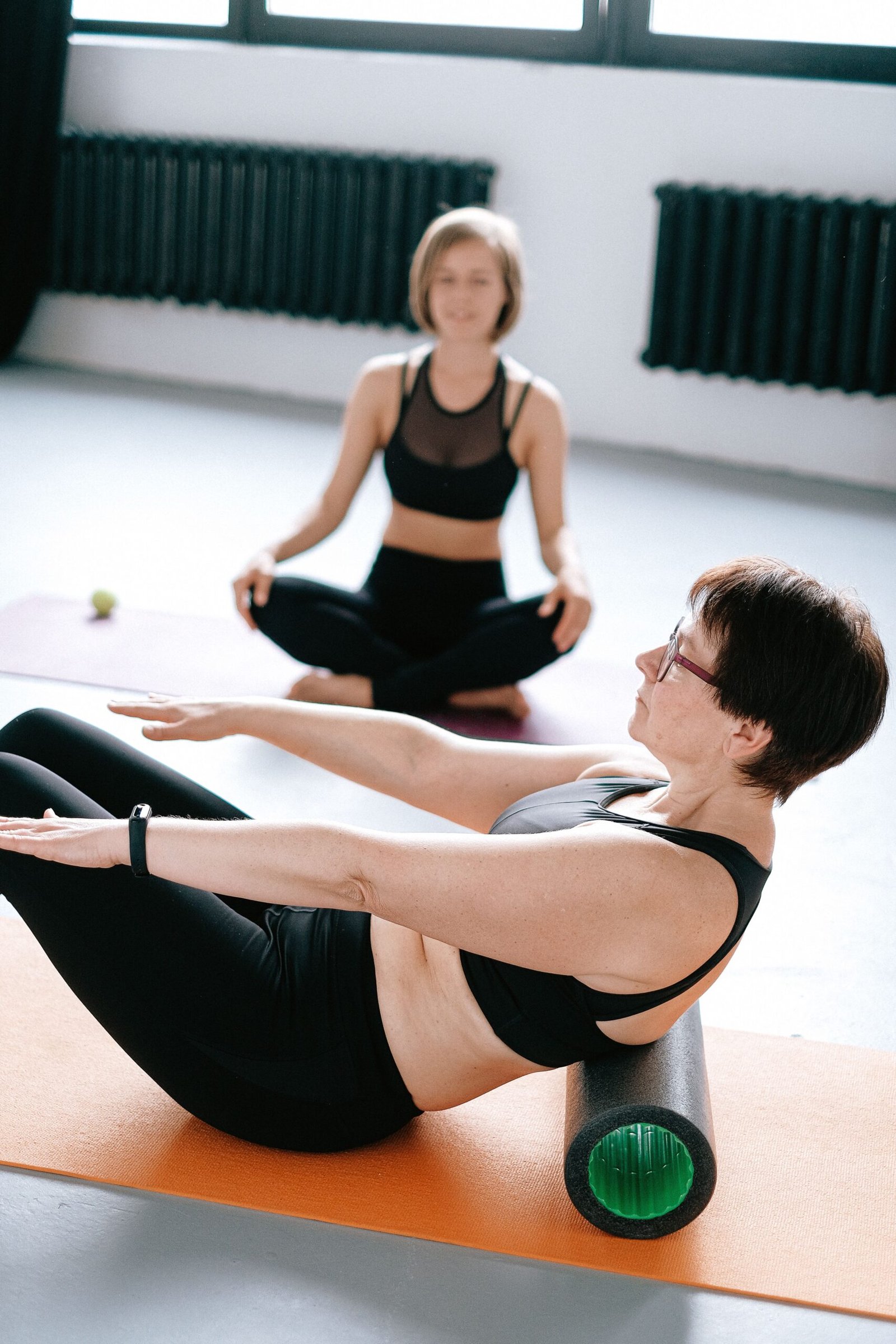
After a demanding lower-body workout, try this optional sequence: one minute per calf, one minute per quadriceps side, one minute per glute side, then two minutes of relaxed walking and easy bodyweight squats. That adds up to about ten minutes including transitions. Keep the pressure moderate and move slowly enough to notice whether comfort improves. If the roller does nothing useful after a few sessions, reclaim the time.
Do not roll directly over a fresh bruise, an inflamed joint, an obvious injury, a suspected blood clot or an area with altered sensation. Sharp pain, spreading numbness, unusual swelling or weakness is not normal training soreness. And if a particular movement repeatedly produces joint pain, address the exercise and loading strategy rather than trying to roll away the warning sign.
For muscle growth, the bigger recovery levers remain progressive training that you can repeat, enough food and protein, sufficient sleep and sensible management of hard sessions. The roller belongs below those priorities. It can make the journey more comfortable, but it cannot compensate for continuously increasing volume while your performance falls.
If you are unsure whether rolling helps you personally, run a simple two-week comparison rather than chasing the strongest sensation. After similar lower-body sessions, record next-day soreness on a consistent scale, note whether your warm-up feels easier, and track the first working set’s load and effort. On some days roll for a few minutes; on others use only an easy walk and normal warm-up. Training fatigue will never be perfectly controlled, but a small log can reveal whether the routine earns its place in your schedule.
There is also a difference between a routine that feels pleasant and one that changes outcomes. Both can be legitimate reasons to use a roller, provided you do not confuse them. If a brief session helps you relax and move comfortably, that may be enough. If you expect measurable increases in strength, muscle size or injury protection from rolling alone, the evidence does not support that expectation. The purpose is to make training sustainable, not to create another obligation that competes with training itself.
Bottom line: foam rolling after lifting can modestly reduce perceived soreness and often improves short-term mobility. It is a useful option, not a requirement, and feeling less sore is not proof of faster muscle repair or more growth. Use it when it improves your next few hours or days, and keep measuring progress with the lifts themselves.
Leg Day Shirts & Workout Gear
Leg-day gym shirts and workout gear for lifters who never skip squats, lunges and lower-body punishment.

My Leg Hurts Leg Day Squat Lovers & Meme Fans Hoodie
Bring “My Leg Hurts” gym humor to lazy days and post-workout plans.

Quadzilla Massive Quads Leg Day Squatting Meme Tank Top
Train hard, laugh a little, and rep “Quadzilla”.

The Walking Deadlift | Zombie Workout For Leg Day & Pow Hoodie
Make your off-duty look more fun with “The Walking Deadlift”.

Negative Leg Day Review 1 Star Not Recommended Decal Sticker
Stick a little “Negative Leg Day Review” humor on your favorite gear.

Shirt Leg Day Lovers – Fried Chicken & Gains Meme – T-Shirt
Rep “for Leg Day Lovers” humor in and out of the gym.

The Only Thing To Fear Is Leg Day Itself Patriotic T-Shirt
Make gym days more fun with “The Only Thing To Fear Is Leg Day Itself” style.

5 Plates Deadlift Club : Meme Shirt & Leg Day Gains T-Shirt
Show some leg-day attitude with a playful “5 Plates Deadlift Club Graphic” tee.

I Look Better Bent Over – Squats, Deadlifts & Booty T-Shirt
Show some leg-day attitude with a playful “I Look Better Bent Over” tee.

Leg Day Gym Fails
Show some leg-day attitude with a playful “Leg Day Gym Fails Funny Grunge Graphic” tee.

Funny Gym Meme Graphic Tee
Show some leg-day attitude with a playful “Gym Meme Graphic” tee.