Creatine is one of the few sports supplements where the practical question is not whether the ingredient can help repeated high-intensity exercise, but how to use it without complicating your routine. The most common fork in the road is a loading phase: several larger servings for about a week, followed by a smaller daily dose. The alternative is simply taking a modest amount every day from the beginning. Both approaches can raise muscle creatine stores; they just reach that point at different speeds.
The distinction matters if you are preparing for a near-term training block, dislike taking multiple supplements throughout the day, or are concerned about the initial jump on the scale. A controlled muscle-biopsy experiment provides unusually direct evidence for the difference. The useful answer is less dramatic than supplement advertising: loading is an option, not a prerequisite for results.
What the original muscle-biopsy experiment actually measured

In a controlled experiment involving 31 men, muscle total creatine was measured while participants consumed different amounts over different periods. Six days at 20 grams per day raised measured muscle creatine by approximately 20%. A separate, slower strategy—3 grams daily for 28 days—produced a similarly sized increase. Those are changes in muscle creatine concentration, not direct measurements of muscle growth or the number of extra repetitions somebody could perform.
The fast-loading participants then continued at 2 grams per day for another 30 days, which maintained the elevated muscle creatine level under those study conditions. Without continued supplementation, the elevation gradually disappeared; around 30 days after stopping, muscle creatine was back near its starting level. This is important because creatine is not a one-off pre-workout stimulant. The benefit of a protocol depends on building and maintaining a larger store over time.
The experiment was relatively small, involved men rather than a representative sample of every population, and used muscle measurements rather than a long resistance-training program. It answers the saturation-speed question better than it answers every question about hypertrophy, strength or side effects. The sensible conclusion is that a higher dose gets the same general storage job done faster, not that a loading week has some special anabolic property that a steady routine can never match.
Why muscle saturation matters more than the clock
Inside working muscle, creatine and phosphocreatine help replenish adenosine triphosphate, the immediate energy currency used during intense contractions. This system is especially relevant when effort is hard and brief, such as repeated heavy sets or short bursts of powerful movement. Increasing available creatine does not replace progressive training, calories or sleep; it may help you sustain useful high-intensity work, which can contribute to better training outcomes over time.
There is a limit to how much creatine a muscle can store. People begin with different baseline levels because diet, muscle mass and individual physiology vary. Someone who already consumes substantial creatine from animal foods may not respond identically to somebody with a lower starting level. A scale reading or the feeling of a pump is not a reliable way to tell whether a particular person’s muscle stores are saturated.
This explains why the timing of a single serving is usually a secondary issue. If the goal is to keep a store elevated, taking a dose consistently on training days and rest days makes more physiological sense than treating each serving as a magic switch for the next workout. The difference between fast and slow loading is mostly how quickly that reservoir fills. It does not mean you have to chase a precise minute before your first working set.

Equipment Worth Exploring
Explore equipment, accessories and gear from our carefully selected range.
VOLTRA
Compact digital cable trainer with smooth, adjustable resistance.

Go-Tone Pro
Portable digital cable trainer with up to 66 lb (30 kg) of adjustable resistance.


FID Bench MAX
Adjustable bench offering flat, incline, and decline positions + adjustable headrest.


The faster route: a loading week with smaller servings
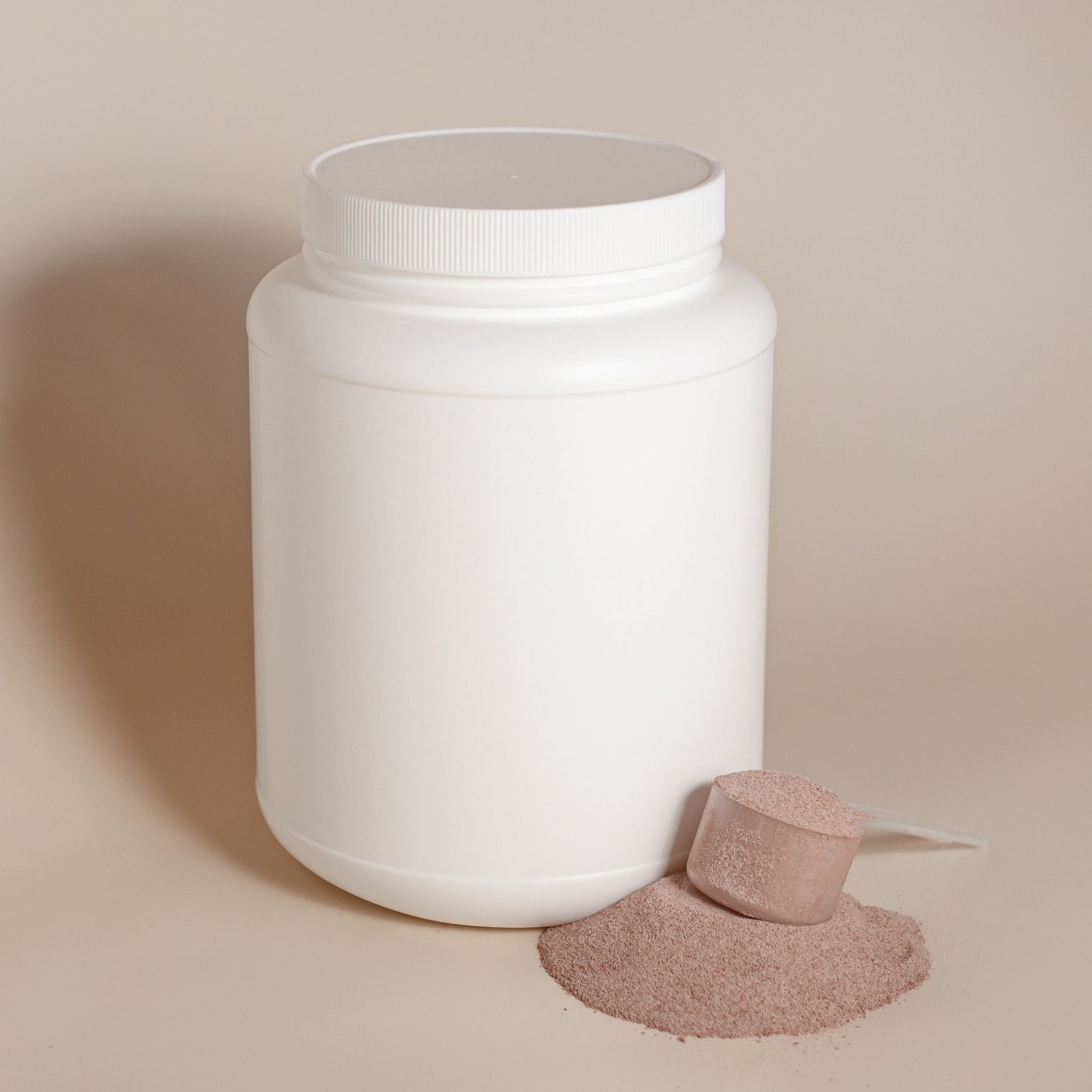
A commonly studied loading strategy uses about 20 grams of creatine monohydrate daily for five to seven days, often divided into four 5-gram servings. A body-mass-based version uses approximately 0.3 grams per kilogram per day over a similar period. These are alternative ways of describing a high initial intake, not a requirement to use both. After loading, a lower daily maintenance intake—often 3 to 5 grams—helps preserve the larger store.
Splitting the loading dose matters for tolerability. Taking a large pile of powder at once is more likely to upset the stomach than distributing smaller servings across meals or drinks. The exact number of hours between servings is not the main performance variable. If you cannot conveniently take four servings or repeatedly forget them, the simpler non-loading plan may be a better fit even if its biochemical effect takes longer.
Loading can be appealing before a planned period of repeated hard training, but the short-term advantage should not be exaggerated. A larger muscle creatine store is not a guarantee of an immediate personal record. The original saturation experiment did not establish that every athlete needs to load before a competition. People with gastrointestinal sensitivity, unusual medical circumstances or existing treatment plans should not interpret a general sports-nutrition protocol as an individualized medical prescription.

Bodybuilding Shirts & Workout Gear
Bodybuilding shirts, tanks and gym gear for lifters chasing muscle, size, symmetry and the pump.

Meme – Sweet Sweet Creatine Winnie The Pooh Top T-Shirt
Heavy lifts, good laughs, and a little “Gym Meme T” energy.

This Is Your Body On Creatine Shirt – Superpower T-Shirt
Heavy lifts, good laughs, and a little “This Is Your Body On Creatine” energy.

Creatine Monster Cookie Monster Meme Weightlifting & Tank Top
Add some lifting attitude to training with “Creatine Monster”.

Powered By Creatine Breaking Bad Meme & Bros Hoodie
Keep it laid-back with a little “Powered By Creatine” attitude.

Sniffing Creatine Gym | Hilarious Gym Meme Workout Deca Sticker
A fun “Sniffing Creatine” touch for bottles, laptops, and lockers.

Creatine Gym Cosmic Crewneck , Crazy Workout Sweater T-Shirt
Show some gym-day personality with “Creatine”.

Creatine Miami Crime Gym Parody for Bodybuilders, Lifte Tank Top
Bring “Creatine” humor to your next lifting session.

Funny Protein Shaker Bottle : Gym Meme Pullover For Fit T-Shirt
Keep things casual with a little “Protein Shaker Bottle” attitude.

Bro Protein Sweater & Fans Meme T-Shirt
Show some gym-day personality with “Gym Bro Protein”.

Bear Protein : Hilarious Meme Tank Top
Your gym-day look, with a playful “Gym Bear Protein” twist.
The simpler route: three to five grams every day
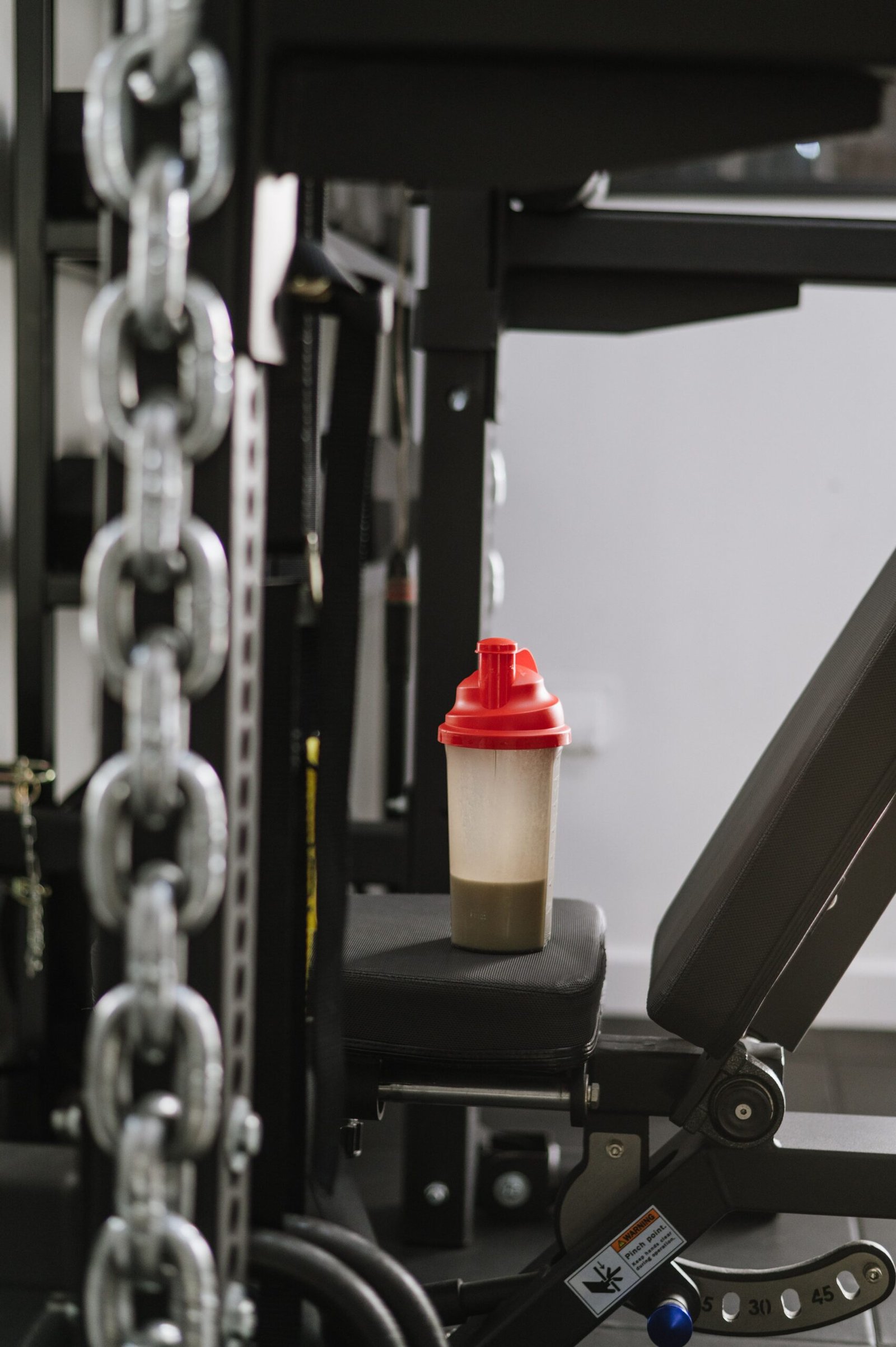
For most lifters without a pressing deadline, the straightforward alternative is 3 to 5 grams of creatine monohydrate daily from day one. In the classic comparison, 3 grams per day increased measured muscle creatine by roughly 20% over four weeks. The lower dose is not a weaker destination; it is a slower route to a similar elevated store. It also avoids the need to plan multiple servings during an ordinary workday.
A practical routine is to put the powder next to a daily meal or mix it into a drink you already have. Use a proper gram scale or a scoop with a verified serving size rather than assuming every heaped teaspoon equals 5 grams. Take it on non-training days as well. Consistency matters more than whether the dose arrives before breakfast, after lifting or with dinner.
The main drawback is patience. If you start on Monday and expect a measurable performance difference by Wednesday, the no-loading approach may not have substantially changed muscle stores yet. Give the protocol several weeks and judge training trends across repeated sessions rather than hunting for a dramatic first-dose sensation. More powder is not automatically better once the maintenance target is reached; unnecessary extra servings mainly increase cost and the chance of stomach discomfort.
Will loading build more muscle or just work sooner?
Creatine supplementation alongside resistance training can support improvements in lean tissue and performance, but that broader finding is not proof that a loading week produces superior long-term muscle growth compared with a properly maintained daily-dose strategy. A 2024 synthesis of resistance-training trials estimated about 1.14 kilograms more lean body mass with creatine than with training alone on average, although study designs, doses and populations varied. Lean body mass includes water and other non-fat tissues; it should not be read as 1.14 kilograms of newly built contractile muscle in every participant.
The loading-versus-no-loading distinction is about time to increased stores. If two lifters train comparably for several months and both eventually maintain elevated creatine levels, there is no sound reason to assume that the one who took a high first-week dose must permanently outperform the other. Training quality, adequate food, recovery and adherence can easily matter more than a small difference in the first few weeks of supplementation.
Track progress with the same exercises, range of motion and loading method over several weeks. Useful markers include repeatable reps at a given weight, total quality work and whether you can recover between demanding sessions. A digital resistance machine, barbell or dumbbell may display resistance differently, so compare like with like. Creatine may help the work you perform; it cannot compensate for an inconsistent training plan.
Equipment Worth Exploring
Explore equipment, accessories and gear from our carefully selected range.


GymPin Ergo Handles
Pair of ergonomic cable handles shaped for comfortable triceps and pulling exercises.


Squat Harness
Wearable harness for hands-free cable squats, sled work, and lower-body training.

Leather Lifting Straps
Padded leather straps support grip during heavy rows, deadlifts and pulling exercises.
Before or after lifting, with food, or on rest days?
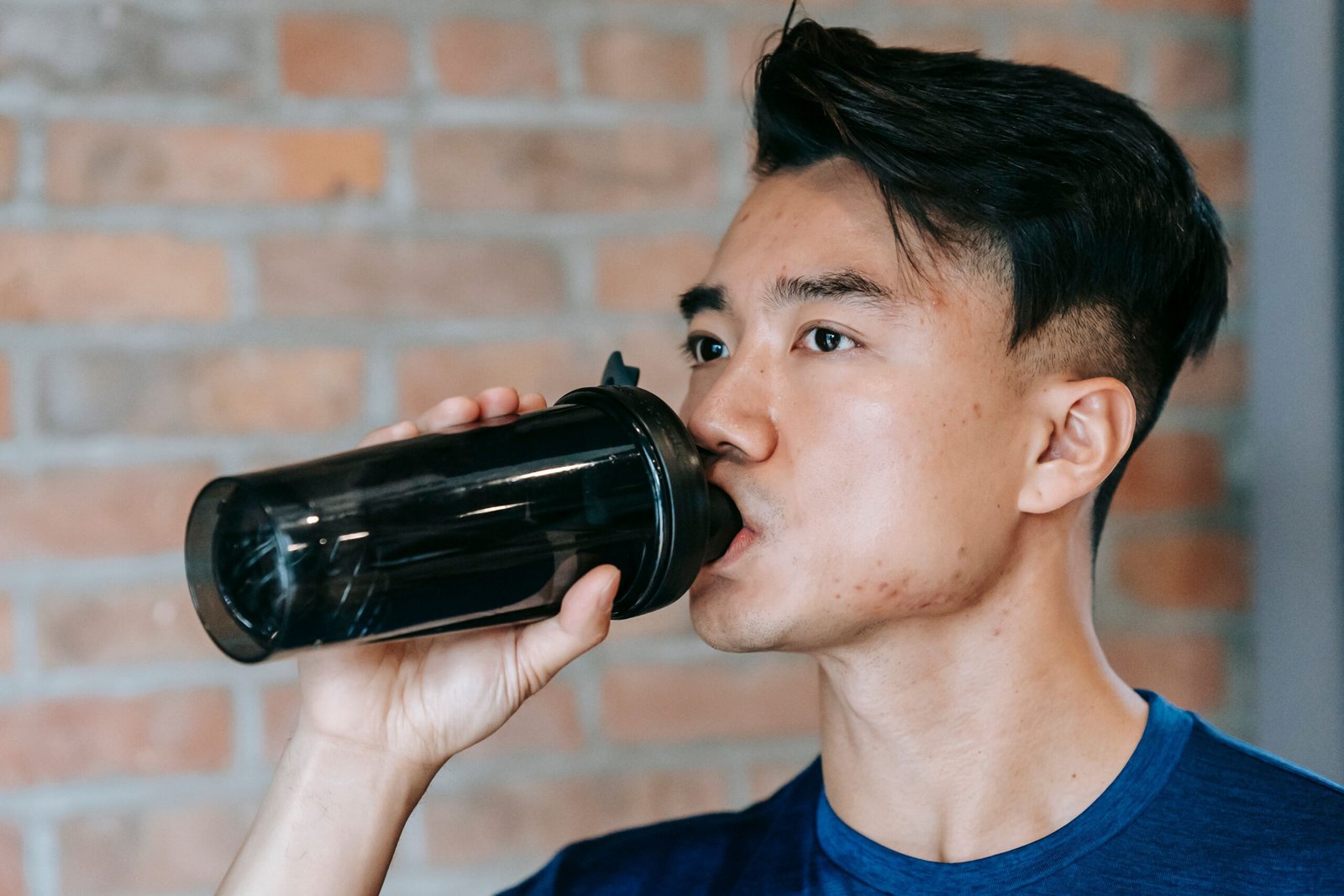
People often ask whether creatine must be taken in a narrow post-workout window. An eight-week randomized trial involving 34 resistance-trained men and women compared 5 grams before exercise, 5 grams after exercise and placebo while participants trained. It did not find an additional advantage from the timing of creatine ingestion for the measured training or body-composition outcomes. That does not prove timing can never matter under any circumstances, but it does make daily adherence the more defensible priority.
Creatine can be taken with a normal meal, in water or in a shake. Some research suggests carbohydrate or carbohydrate-plus-protein co-ingestion may affect retention, but there is no requirement to drink a sugary beverage merely to make a standard creatine routine worthwhile. If a mixed drink is easier to remember, that is a practical advantage. If you prefer plain water, the central objective remains the same.
Rest days count because muscle stores do not reset after each workout. Someone who trains four days a week and skips all other doses may still take creatine, but their pattern is less consistent than the protocols commonly used to maintain elevated stores. A missed day is not a catastrophe and does not justify doubling up indiscriminately. Return to your usual daily amount and keep the long-term pattern simple.
Water weight, digestion, kidney tests and choosing a plan

Creatine loading may produce an early rise in body mass partly because muscle water content changes as stores increase. That is not the same as instantly adding new muscle fibers or gaining fat. If you compete in a weight-class sport, track body weight closely or dislike sudden fluctuations, a gradual approach may be easier to manage. A higher single serving can also cause loose stools or abdominal discomfort, which is another reason not to force loading when you do not need speed.
Creatine is converted to creatinine, a substance measured in many kidney blood tests. Supplementation can change creatinine-based estimates without necessarily indicating tissue damage. A 2025 systematic review did not find a significant overall difference in glomerular filtration rate between creatine and control groups, while a 2026 analysis noted that creatinine-based estimates and measurements using other filtration methods can diverge. These findings are reassuring in studied contexts but do not mean that every dose is appropriate for every person with kidney disease or every abnormal laboratory result.
For a healthy adult lifter seeking a sustainable routine, a daily 3-to-5-gram creatine monohydrate plan is usually the easiest default. Consider a brief divided loading phase only when faster saturation is genuinely useful and tolerability is good. If you have kidney disease, take medication that affects kidney function, are pregnant, or are managing a medical condition, get individualized guidance rather than copying a sports protocol. The important habit is not a dramatic loading ritual; it is pairing sensible supplementation with training you can repeat for months.
Funny Gym Shirts & Workout Gear
Funny gym shirts, tanks, hoodies and workout gear for lifters who like training hard.

Eat Your Chicken – Protein Meme Decal for Water Bottles Sticker
A fun “Eat Your Chicken” touch for bottles, laptops, and lockers.

Protein Gym Cosmic Crewneck , Macros Workout T-Shirt
Show some gym-day personality with “Protein”.

OnlyGains Meme Sweater Bros Jogger Jumper Top T-Shirt
Show some gym-day personality with “OnlyGains Gym Meme”.

Protein Shake Hooded & Meme Fans Hoodie
Show off your lifting humor in a laid-back “Protein Shake” hoodie.

– Installing Muscles Downloading Gains Meme T-Shirt
Add a playful “Installing Muscles Downloading Gains Meme” touch to your casual rotation.

Shirt Protein King – Meme & – Top T-Shirt
Heavy lifts, good laughs, and a little “Protein King” energy.

Protein Monster Decal Protein Lovers, & Bros Sticker
Stick a little “Protein Monster” humor on your favorite gear.

Funny Protein Sniffing Gym | Hilarious Workout Sweater T-Shirt
Add a playful “Protein Sniffing” touch to your casual rotation.

with Pink Protein Shaker Design | Workout Jumper T-Shirt
Keep things casual with a little “with Pink Protein Shaker Design” attitude.

Shirt Protein Addicts – & Gymbros – Meme Gains T-Shirt
Bring “for Protein Addicts” humor to your next gym day.
The takeaway: A loading phase gets muscle creatine stores up sooner; a steady daily dose can reach a similar destination over about four weeks. Choose the method you can tolerate and maintain, and judge the value by your training over time.