Advertising disclosure: This page includes affiliate product links that may earn us a commission, as well as products from our own store.
Powerlifting can look brutally simple: three lifts, one platform, a bar and a stack of plates. But getting 24 elite athletes to make fair attempts under bright lights demands much more than heavy equipment. Eleiko and SBD have committed to a three-year partnership around the Sheffield International Powerlifting Championships, covering the 2026, 2027 and 2028 editions. For the 2026 event, scheduled for 21 November at Utilita Arena Sheffield, the central question is not whether the platform looks impressive. It is whether the equipment, handling and competition format give lifters the most consistent conditions possible.
Below is a practical look at what the arrangement covers, how the Sheffield scoring format differs from ordinary meet rankings, and what a lifter building a modest home gym can learn from a competition-grade setup. This is an equipment and format analysis, not an invented result report or a claim that owning an expensive bar guarantees a bigger total.
What the Eleiko–SBD agreement actually brings to Sheffield
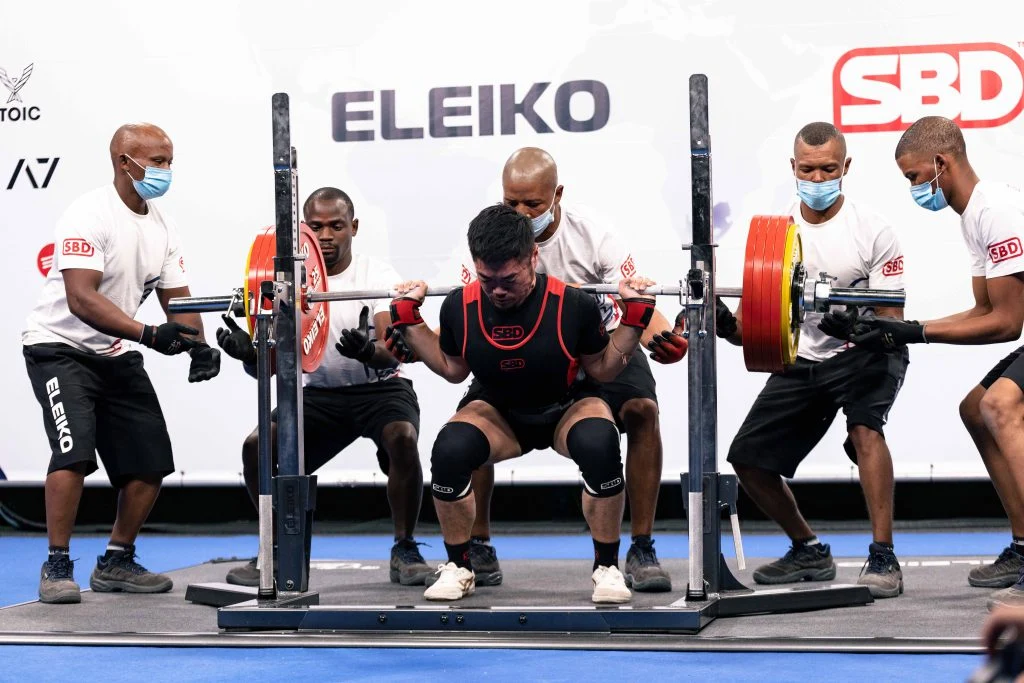
The announced deal spans three championships rather than a one-off equipment placement. SBD created and organises the Sheffield competition, while Eleiko is supplying an equipment package for the competition environment. The announced platform elements include IPF-certified barbells and plates, platforms, and an IPF Combo Rack. Previous Sheffield championships have also featured Eleiko hardware. The new aspect is a defined multi-year arrangement with continued support through 2028.
That distinction matters. It is tempting to treat every equipment partnership as a sponsorship logo on a backdrop, but the actual rack, bar, plate and handling standards affect the athlete’s attempts. Even if two bars both weigh the regulation amount, their knurling, sleeve rotation, thickness, condition and maintenance can change how familiar they feel. A predictable equipment environment reduces surprises during warm-ups and on the platform. It does not eliminate nerves, changing strength levels or differences in technique.
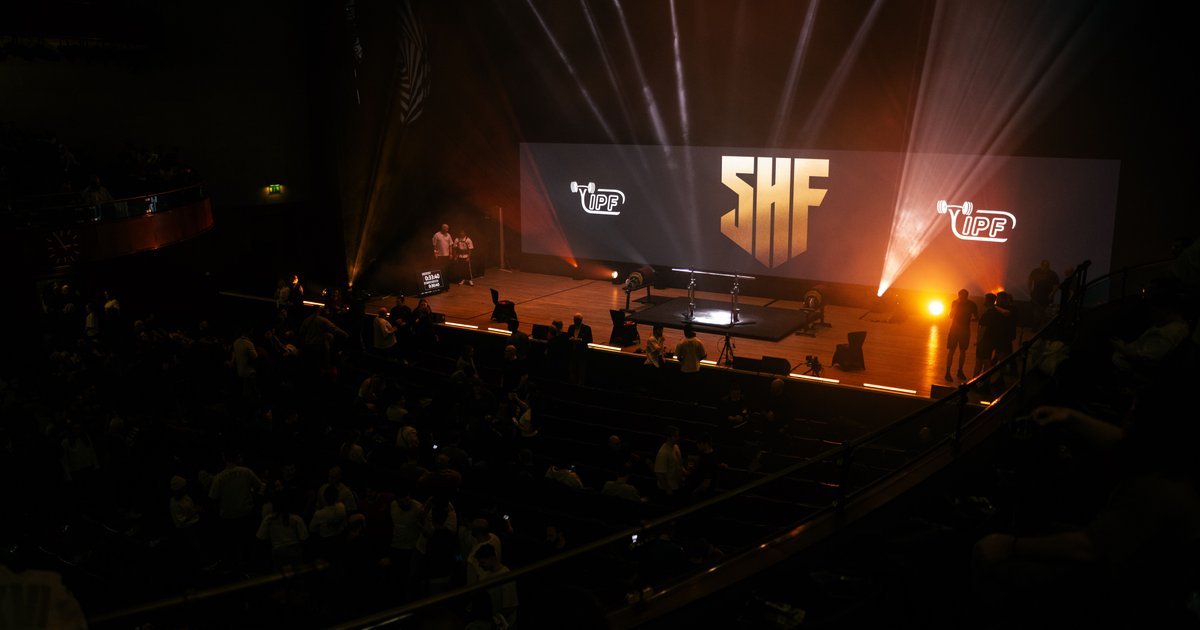
The event has moved to Utilita Arena Sheffield for the November 2026 edition. A larger production changes logistics: more space, additional spectators and more distance between warm-up areas and the main stage can affect operations. None of those details proves how the 2026 contest finished. The confirmed facts are the equipment-partnership scope, the venue, the date and the sport’s established three-lift contest structure.
A useful way to evaluate the announcement is to ask what an athlete can reasonably expect: consistent certified hardware, a safe working rack, correctly loaded plates, clear warm-up access and an orderly attempt sequence. Those features matter because competitors have only limited attempts to demonstrate their best total. The sponsorship itself is not a performance result.
The combo rack is the less glamorous part that matters most
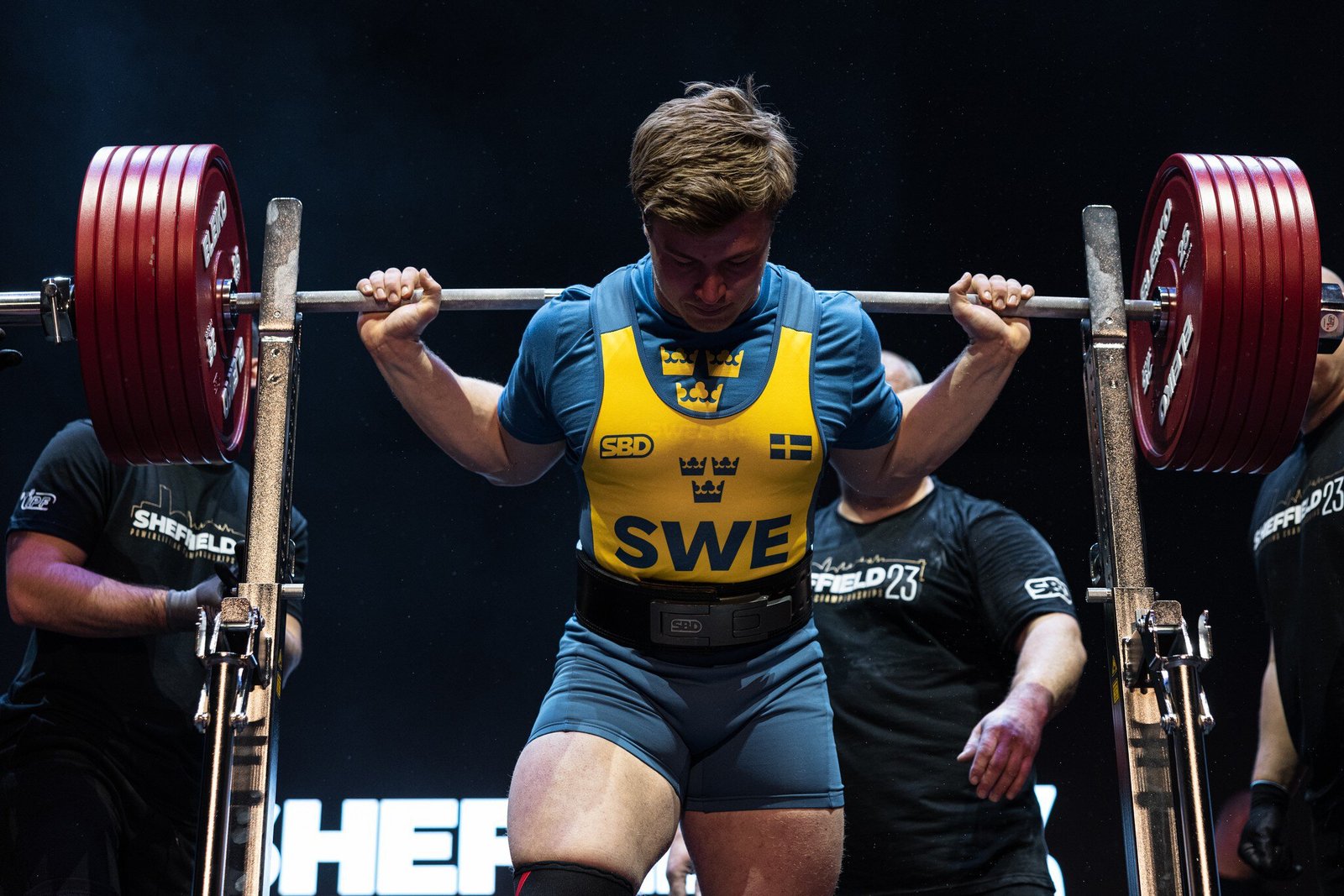
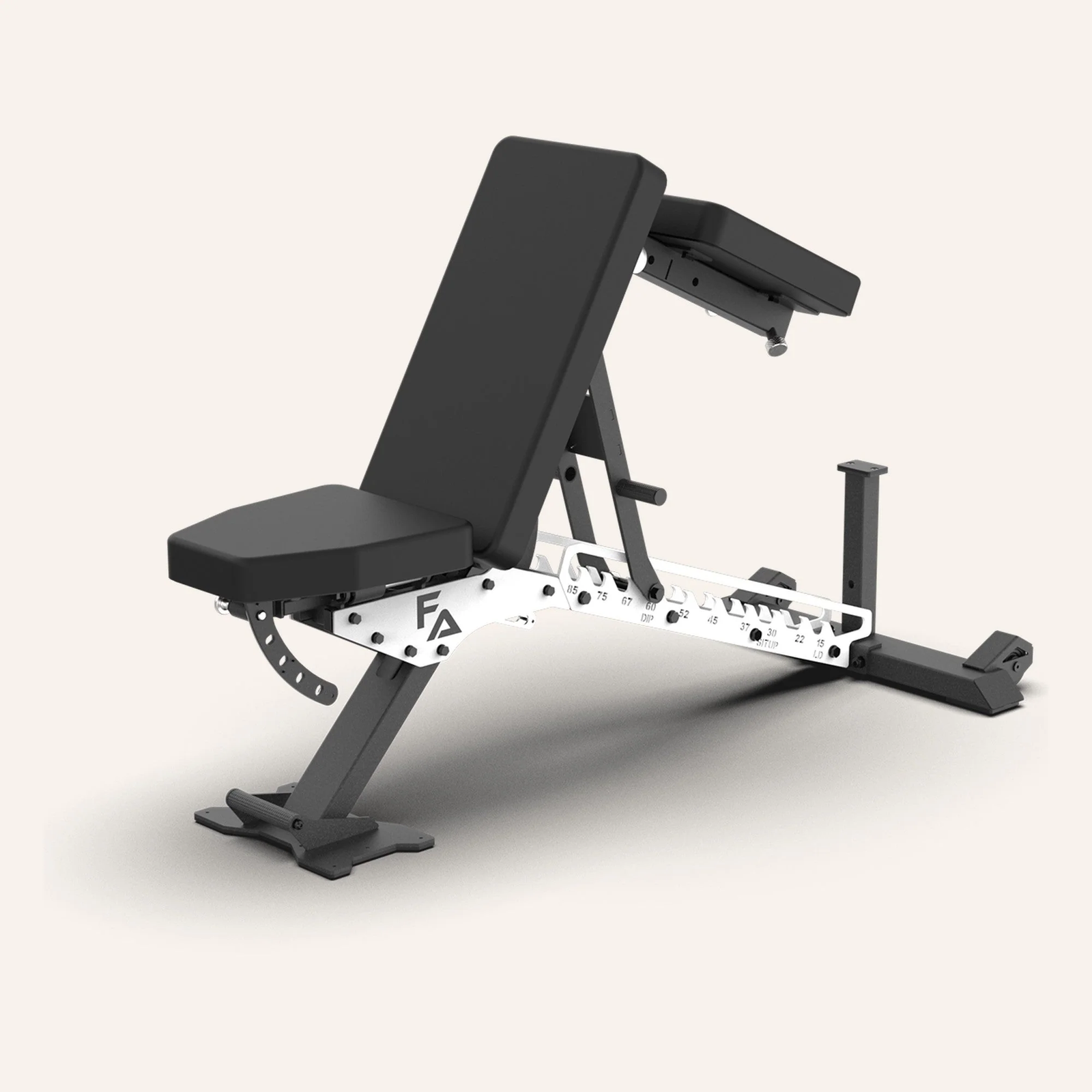
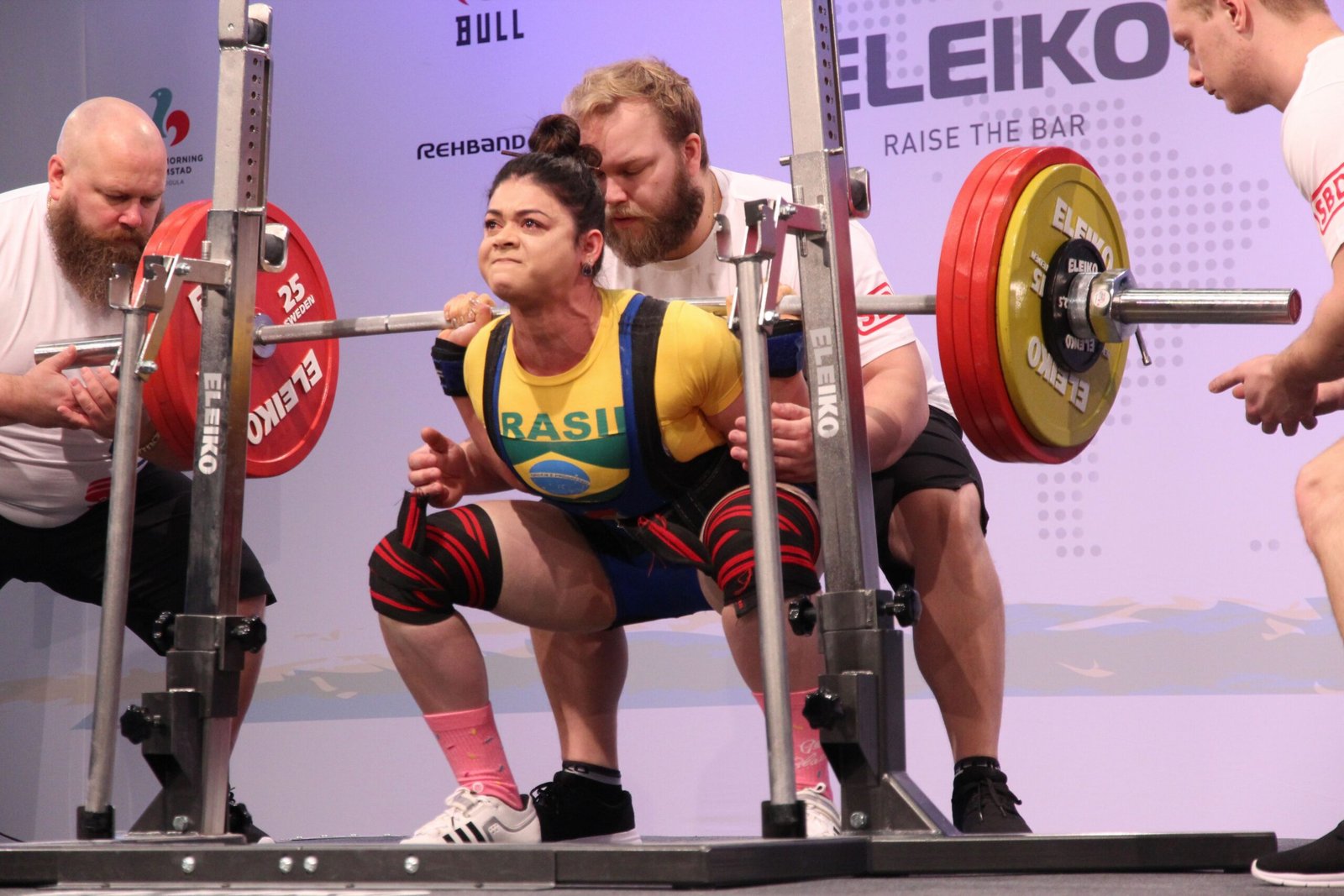
In the squat and bench press, the rack is not decoration. Its height adjustment, stability, bench configuration and spotter access influence how an athlete gets into position before any serious weight moves. A competition combo rack allows the platform crew to switch from squat to bench configuration while using standardised heights and an orderly changeover. That is essential when lifters of very different body sizes follow one another.
Consider the squat walkout. If the bar starts too high, a lifter may end up on tiptoe just to clear the hooks. If it sits too low, the athlete wastes energy squatting the bar out of the rack before the official attempt begins. Correct rack settings do not make a world-record squat easy, but they remove an avoidable source of inconsistency. Side spotters and the rear spotter need a clear, repeatable position as well.
Bench press highlights a different set of details. A bar that is easy to grip but unexpectedly positioned can force an awkward handoff or reduce the lifter’s ability to set their shoulder blades. The bench surface and its stability influence the starting position, while safeties and trained spotters protect against a missed attempt. At the competition level, familiar equipment and practiced procedures are a form of preparation rather than a luxury.
For a home-gym owner, the lesson is not that a certified combo rack is mandatory. It is to make the ordinary rack work reliably: use consistent J-cup heights, check the safeties, maintain enough walkout room, and rehearse your unrack before max-effort sets. A rack that suits your dimensions and lets you repeat the same setup is often a more meaningful purchase than another decorative attachment.

Equipment Worth Exploring
Explore equipment, accessories and gear from our carefully selected range.


Competition Plates
Competition-style bumper plates for Olympic lifts and loaded strength training.


Multi Pull Smith Rack MPHR-780
All-in-one rack with a Smith machine, functional trainer, lat pulldown and low row.

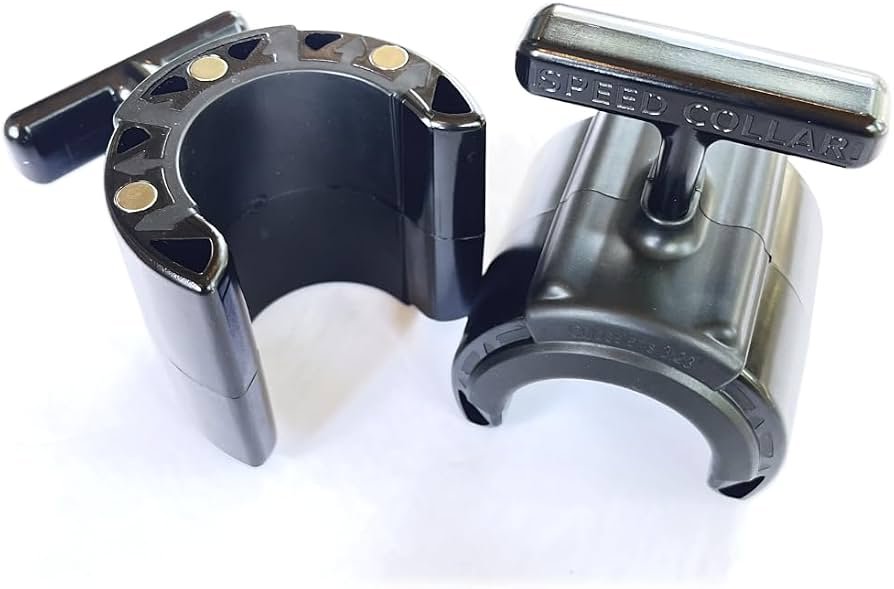
Speed Collar
Quick-release collars designed to secure weight plates on standard two-inch Olympic bars.

Bars, plates and collars: consistency beats a dramatic spec sheet
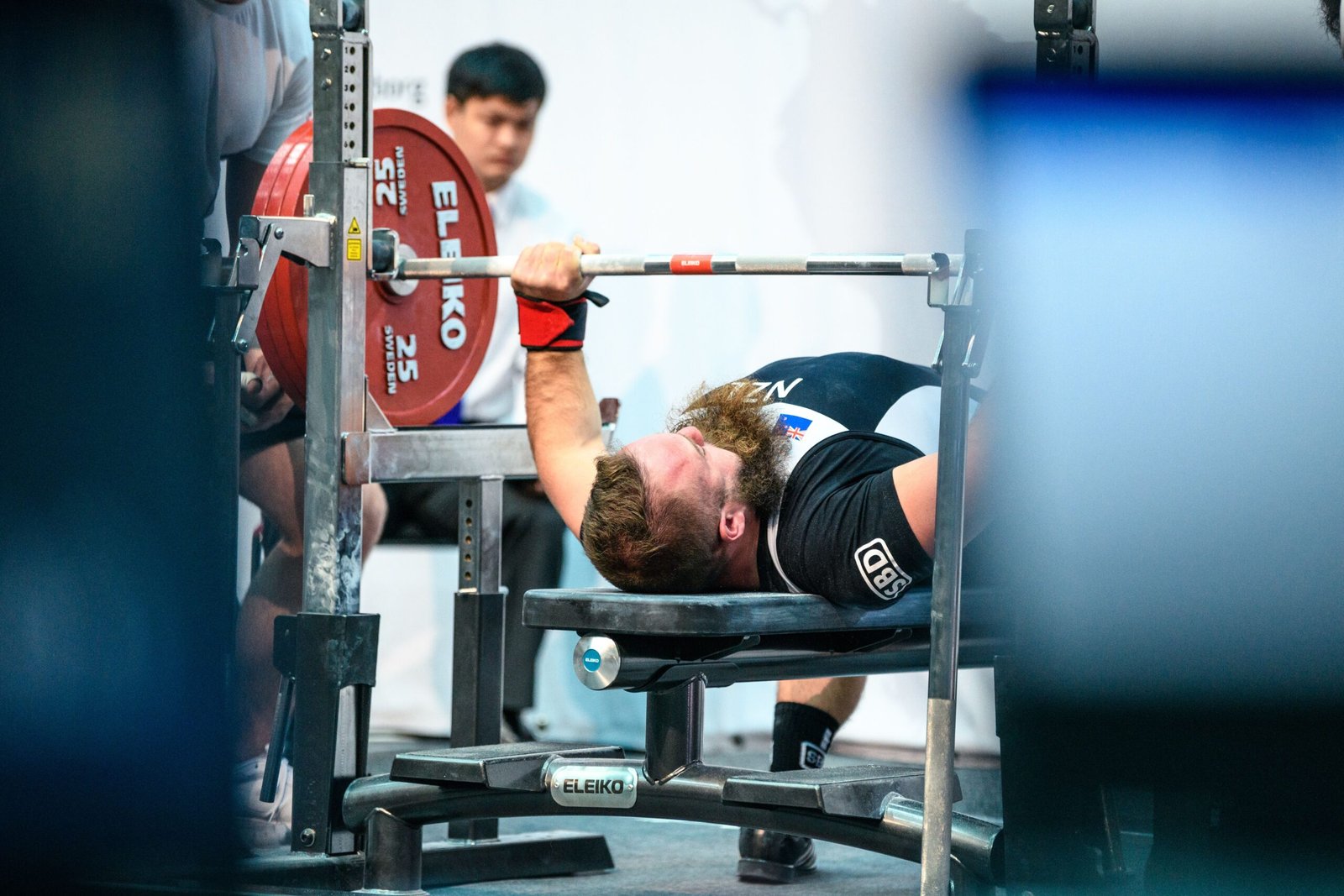
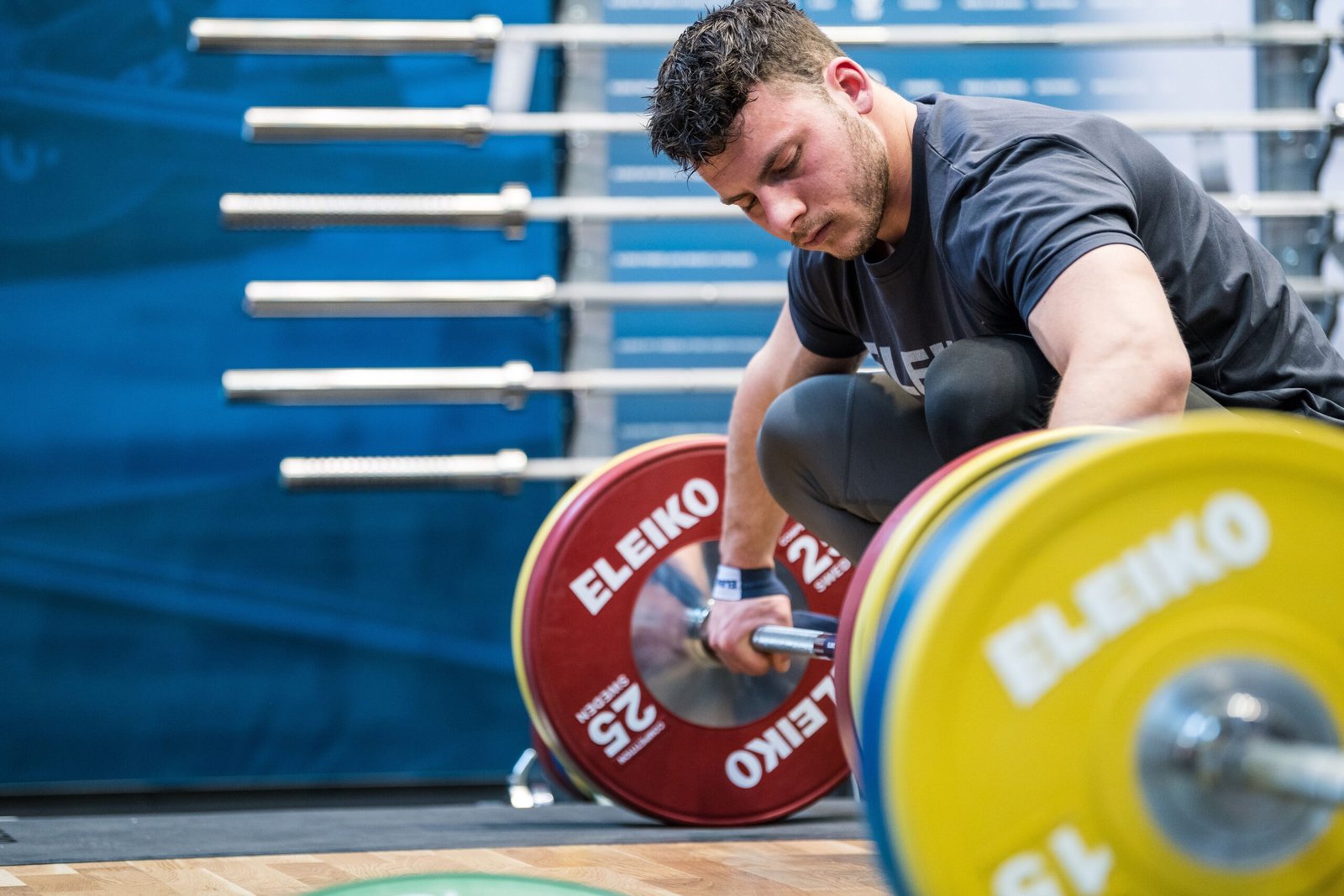
Powerlifting bars are designed for a different job from lightweight multipurpose gym bars. Their grip texture, shaft behaviour and sleeves are meant to support heavy squats, benches and deadlifts. Certified plates and secure collars help crews load attempts accurately and repeatably. The athlete must still execute the lift under the technical commands and standards that apply to the federation; a premium bar cannot compensate for a missed command or a failed lockout.
Accuracy can be underappreciated by lifters who train with mixed plates. A large nominal load is not useful for comparing performance if the total changes with inconsistently sized or unverified plates. Calibration is a competition tool for reducing uncertainty. At home, the same principle encourages consistent loading and honest logging, even when you use standard commercial plates instead of specialist competition discs.
Another difference is how the kit is handled. A competition crew must change loads quickly, choose the proper rack setting and keep the stage clear without turning the movement into a rush. Familiarisation and shared procedures support safe transitions. That is one reason a partnership spanning several years could be operationally useful: the same type of hardware can become predictable for organisers and returning lifters, although annual maintenance and setup still matter.
Do not confuse a branded equipment lineup with an endorsement of every accessory in your own training program. A straight powerlifting bar is suitable for standard competition lifts, while specialty bars, trap bars, landmine attachments and straps serve different training goals. They can be excellent tools without being legal competition substitutes. Buying the right tool starts with understanding the exercise and the rules it must meet.

Powerlifting Shirts & Lifting Gear
Powerlifting shirts and gym gear for squat, bench and deadlift lifters who live for heavy numbers.


Heavy Barbell – Meme Shirt & Top T-Shirt
Make gym days more fun with “Heavy Barbell Powerlifting Graphic” style.

Grim Reaper Deadlift Gym Tank Top
Your gym-day look, with a playful “Grim Reaper Deadlift” twist.

Deadlift Skull Graphic , Hardcore Workout Crewneck, Fit T-Shirt
For laid-back days and deadlift humor: “Deadlift”.

Big Boy Barbell Club Shirt Meme & Essential Top T-Shirt
Make gym days more fun with “Big Boy Barbell Club” style.

Barbell Heartbeat Decal for Water Bottles Laptops Power Sticker
Stick a little “Barbell Heartbeat” humor on your favorite gear.

Squat Here | Edgy Workout | Gym Meme Hooded Jumper Hoodie
Make your off-duty look more fun with “Squat Here”.

Deadlift Addict & Barbell Cigarettes Can'T Quit T-Shirt
Show some deadlift attitude with a playful “Deadlift Addict & Barbell Cigarettes” tee.

Therapy Barbell – Lifting Bodybuilding Powerlifting Mem Hoodie
Stay casual and show some powerlifting attitude with “Therapy Barbell”.

Squat Inspector Gym | Edgy Leg Day Meme Workout Decal | Sticker
A fun “Squat Inspector” touch for bottles, laptops, and lockers.
Sheffield’s scoring format changes the way you read the leaderboard
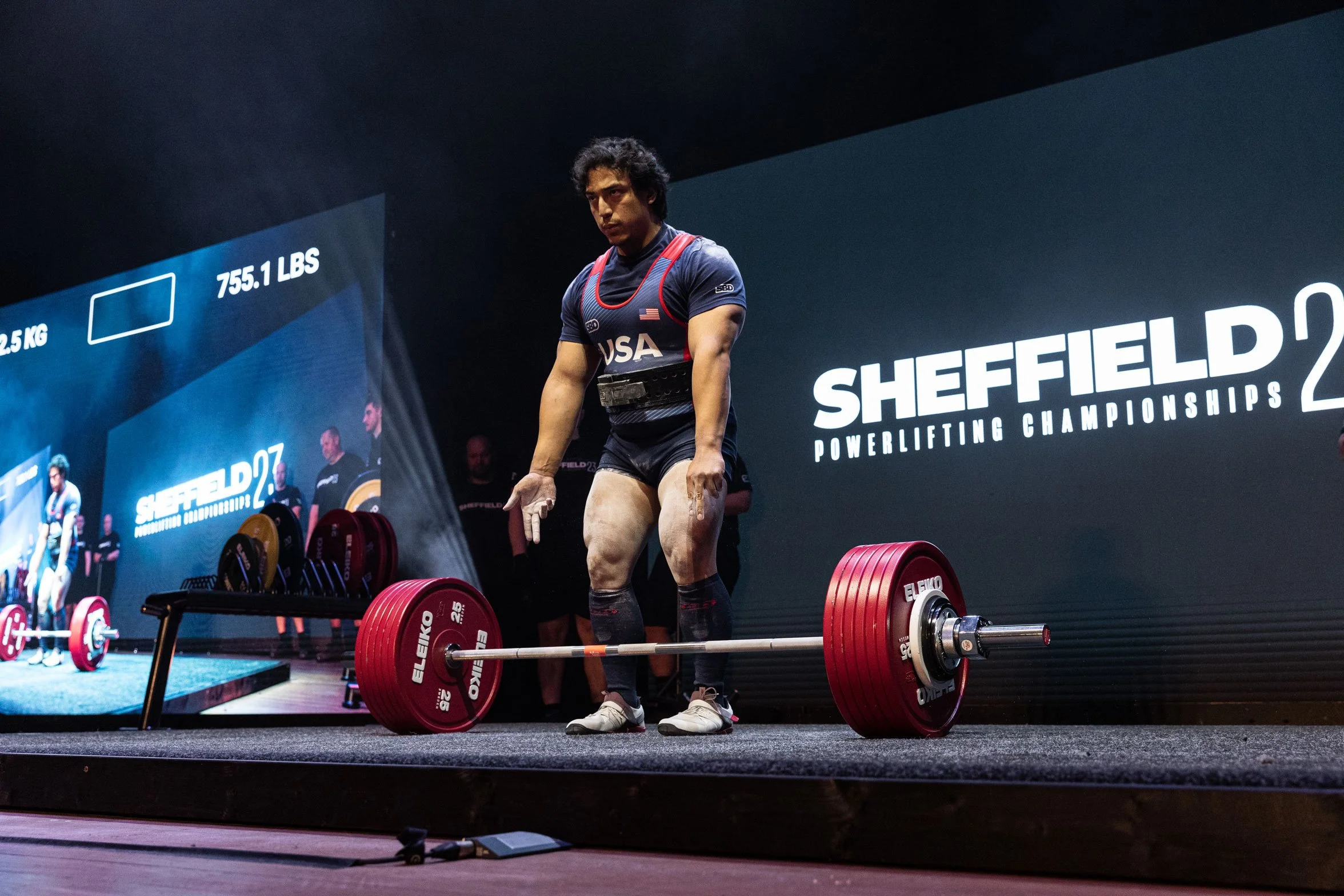
Sheffield brings men and women from different weight classes into a champion-of-champions contest. The competition invites 12 men and 12 women, and its published explanation centres on how far an athlete can exceed the world-record total in their category rather than simply who lifts the heaviest absolute weight. That is a critical distinction: the largest lifter is not automatically the most successful competitor, and a lighter athlete’s exceptional performance may rank above a much larger raw total.
The scoring concept rewards strength relative to the record standard used for a category. That gives fans a very different viewing experience from a single weight-class meet, where lifters usually compete directly against opponents at comparable bodyweights. When you see a lifter choose a final deadlift, the attempt may be about a record percentage and overall standing, not just another personal best. It is worth checking the organiser’s current scoring and record definitions before interpreting live standings.
Elite competition also has an attempt-management dimension. A lifter typically needs a safe opener to record a valid result, then must decide whether to pursue a higher total, secure a position or chase a record. More aggressive second and third attempts can create spectacular wins, but the same ambition can leave the athlete with a missed lift. The platform does not reward what was nearly completed.
Sheffield V was scheduled for Saturday 21 November 2026, with a 3:30 p.m. local start advertised by the venue. This article examines the confirmed format and equipment agreement rather than reporting unverified winners or record-breaking lifts. Any eventual final standings should be checked against official results before being added to a historical results recap.
Equipment Worth Exploring
Explore equipment, accessories and gear from our carefully selected range.


Open Hex Bar
Open-frame trap bar with multiple handles for deadlifts, carries, and lower-body training.

Leather Lifting Straps
Padded leather straps support grip during heavy rows, deadlifts and pulling exercises.


Leather Wrist Grips
Padded leather lifting grips help support the hands and wrists on heavy pulling exercises.


Safety Squat Handles
Barbell squat handles that reduce shoulder positioning demands during high-bar squats.


What home-gym lifters can borrow without buying a competition platform
Elite platforms often inspire expensive shopping lists. The more transferable lesson is process. Choose one consistent bar for your main lifts; know the unloaded weight of the bar and any collars; check that plates are properly fitted; place safeties where they protect you without cutting off the legal range of motion; and keep a training log that distinguishes strong repetitions from shaky attempts. These habits cost little compared with replacing an entire rack.
For squats, mark a repeatable stance and walkout pattern. For bench, standardise bench position, grip reference points, foot contact and handoff practice where applicable. For deadlifts, keep your starting position and loading system consistent. Video can help identify a changing setup, but one smooth-looking rep cannot confirm the bar’s exact weight or establish what a judge would call valid in competition.
If you are preparing for a sanctioned powerlifting meet, use the federation’s current technical rules and practice commands. Gym training goals can be broader: hypertrophy work, variations, machine rows, squats with altered bars and controlled accessory exercises need not look identical to a meet lift. In fact, varying exercises can distribute stress and build neglected muscles. Just avoid comparing your specialty-bar numbers directly with a regulation straight-bar record.
Prioritise safety before certification. An ordinary rack with properly positioned safeties, a secure bench and a reliable bar is more useful than premium plates on an unstable setup. Store plates and collars where they do not obstruct the lifting area. Inspect used gear for damage, maintain bolts and contact surfaces, and remember that a busy home gym may have less room for spotters than a staffed competition platform.
Funny Gym Shirts & Workout Gear
Funny gym shirts, tanks, hoodies and workout gear for lifters who like training hard.

Mount Liftmore Strongman – Brian Shaw Hafthor T-Shirt
Make gym days more fun with “Mount Liftmore Strongman” style.
Lift Heavy – Hardcore Heavy Metal Gym Shirt for Powerli T-Shirt
A t-shirt featuring the Lift Heavy – Hardcore Heavy Metal Gym Shirt for Powerlifting and Bodybuilding artwork, bringing lifting-inspired humor and distinctive gym graphics to your everyday gear.

The Powerlift Girls Meme – Gains Top T-Shirt
Bring “The Powerlift Girls” humor to your next gym day.

Bench Press and Chill Funny Gym T
Make gym days more fun with “Bench Press and Chill” style.


Barbell Buddies for Gym Buddies, Friendship, and Liftin Sticker
Put “Barbell Buddies” gym humor on your laptop, bottle, or gym gear.

Rat Cheese Barbell | Muscle Shirt & Bodybuilding Meme F Tank Top
Add some lifting attitude to training with “Gym Rat Cheese Barbell”.

Girl Meme – Let'S Go Girls Top Strong & Gains T-Shirt
Bring “Gym Girl Powerlifting Meme” humor to your next gym day.

Lord of the Plates | My Precious Workout Sweater For Bo T-Shirt
Keep things casual with a little “Lord of the Plates” attitude.

Motivation – Barbell Meme Strong , Leg Day Squats & T-Shirt
Make gym days more fun with “Gym Motivation” style.
How to judge the partnership over the next three editions
Three years give Eleiko and SBD a longer window to refine a competition rather than measure success from a single evening. The sensible indicators are fairly practical: athletes should have reliable warm-up conditions, the correct equipment should be ready at the right moment, spotter and loader changes should be efficient, and results should be decided by the lifting rather than avoidable equipment disruptions.
A high-production arena event can also make powerlifting easier to follow. Clear attempt graphics, readable score updates, camera angles that show the bar path, and knowledgeable commentary help viewers understand why a particular lift matters. A row of red plates is exciting to a committed lifter; the broader audience may need context about record standards, attempt selection and referee decisions before the drama makes sense.
The brand partnership does not guarantee more world records. Records depend on the athletes who qualify, their preparation, health, chosen attempts and performance on the day. Nor does a smooth event validate every marketing claim about a manufacturer’s training products. Competition hardware deserves to be evaluated on reliability and compliance; a home-gym purchase deserves separate scrutiny for space, adjustability, price, customer service and practical fit.
That is the most useful conclusion for anyone following Sheffield: the best equipment makes itself almost invisible. When the rack height is right, the plates are accurate and the platform works as intended, attention returns to the lifter and the lift. Whether you follow the championship from the arena or run your own training in a compact garage gym, consistency and execution remain the foundations of meaningful strength progress.
The 2026–2028 agreement is a concrete commitment with visible equipment responsibilities. Its longer-term success should be judged by how well the actual events run, not by a press photograph or a logo placement. Sheffield’s record-relative format will continue to make the numbers interesting; predictable and correctly operated competition equipment helps ensure those numbers can be trusted.