Advertising disclosure: This page includes affiliate product links that may earn us a commission, as well as products from our own store.
Supersets can shorten a workout without making every training outcome identical. That distinction matters if your reason for training is a bigger number on a particular lift. The practical question is which work you can pair efficiently while protecting the work you care about most. Start with the goal, then decide where saving time belongs.
What the ten-week comparison actually tested
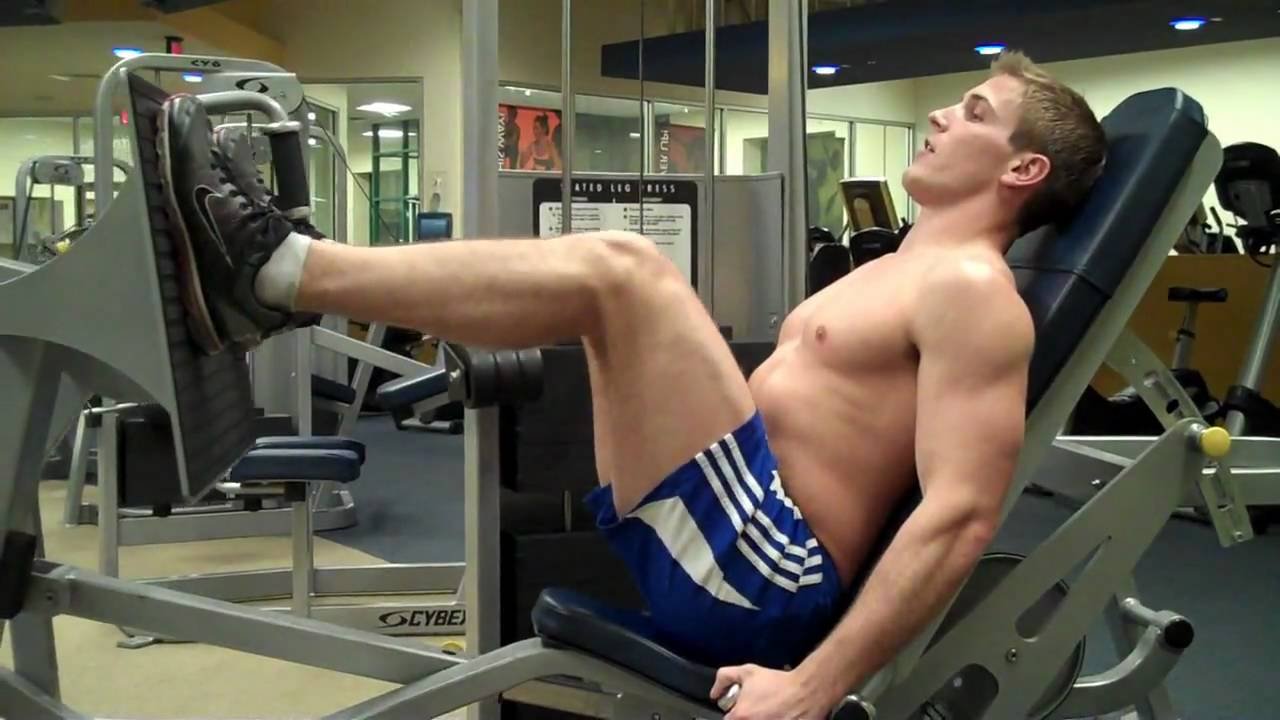
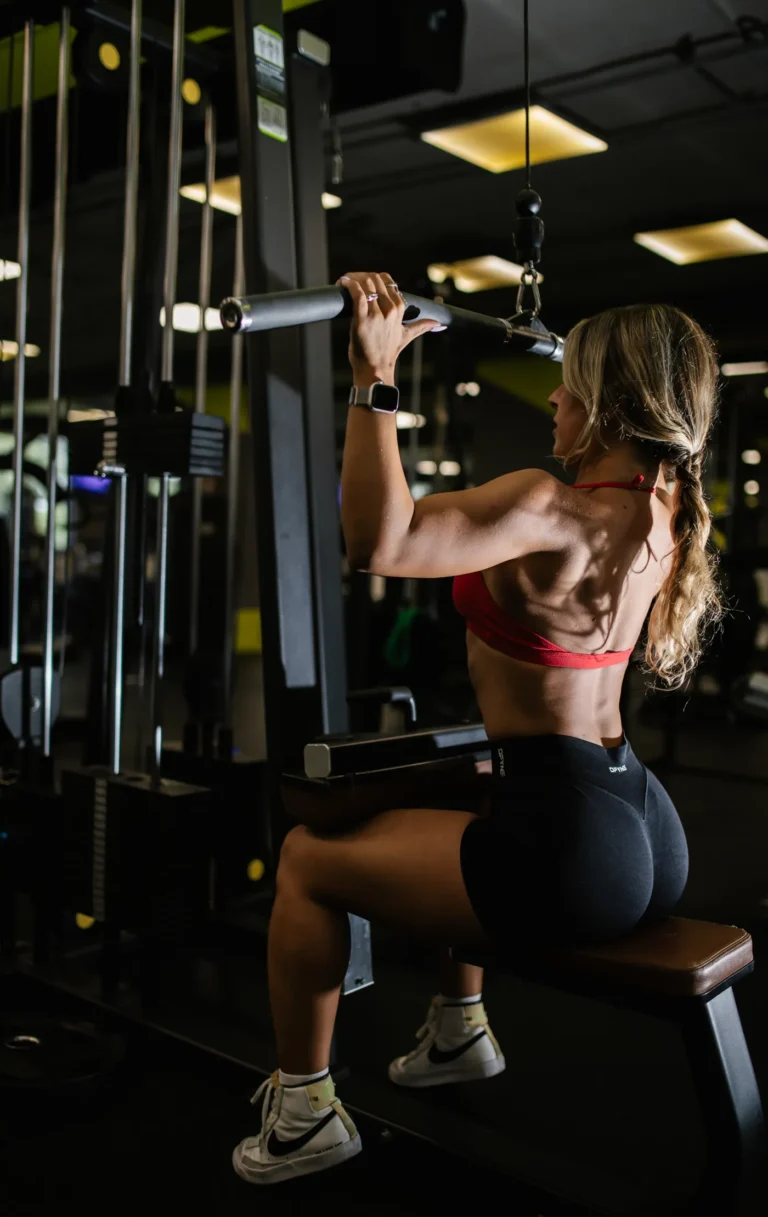
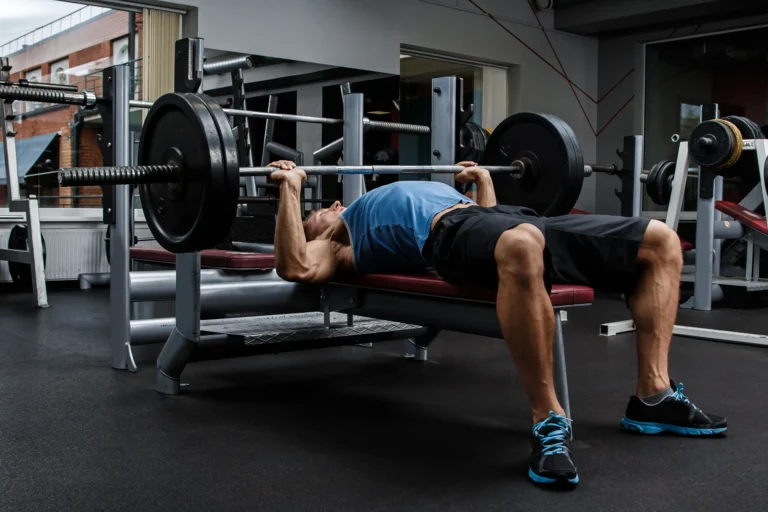
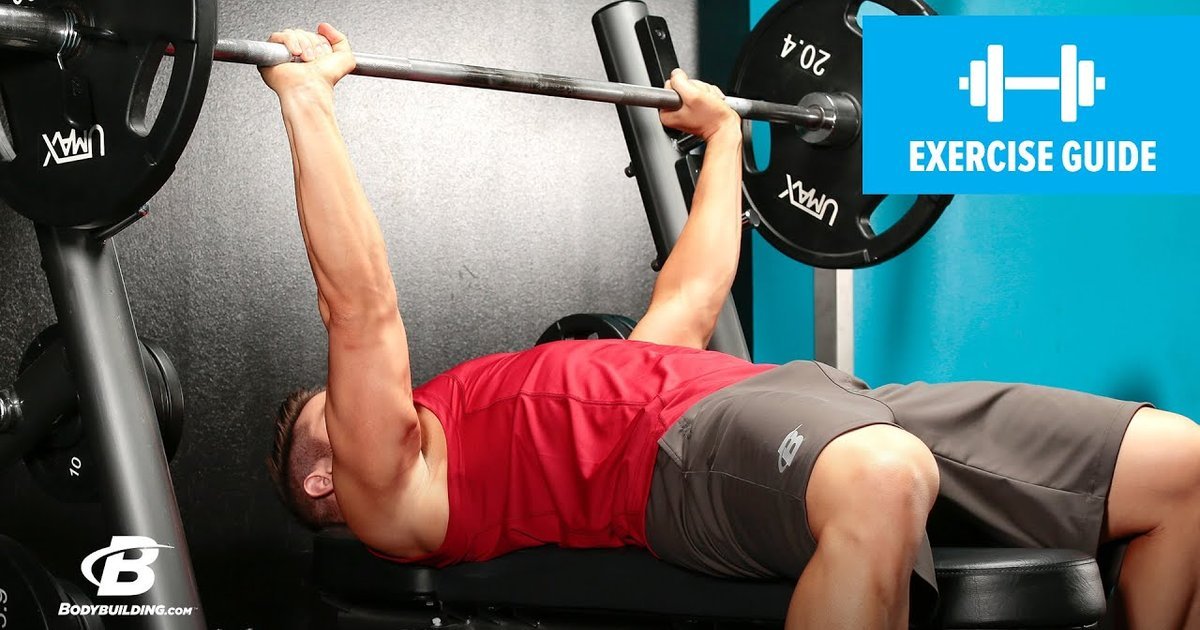
After three weeks of familiarization, participants completed ten weeks of heavy resistance training twice weekly. The exercises were leg press, bench press, lat pulldown and seated row. Participants were randomized, and the test leaders were blinded to their group. This was a comparison of two ways of organizing a whole-body program, rather than a test of whether lifting beats doing nothing.
The exercise list makes the question relevant to an ordinary strength session: a lower-body press, an upper-body press and two pulling movements. However, it does not turn every machine in your gym into the equipment used in the experiment. Different seats, levers, handles and cable ratios change the setup. Treat the exercise categories as context, not a specification for buying identical hardware.
Think about what you actually want to preserve when changing your program. If you enjoy a leg press and bench press session because it fits your week, the scheduling problem differs from preparing to demonstrate your best pulldown performance. A faster format can be attractive for either person, but the second person needs closer attention to the lift that defines success.
Familiarization also deserves attention when you compare your own sessions. Learning a new machine, finding the right seat adjustment and getting comfortable with a handle can improve a number before a training method has had much chance to work. Write those settings down. When you change the structure of a workout, keeping the surrounding setup recognizable makes the comparison more useful.
The pulling-strength result deserves a careful reading
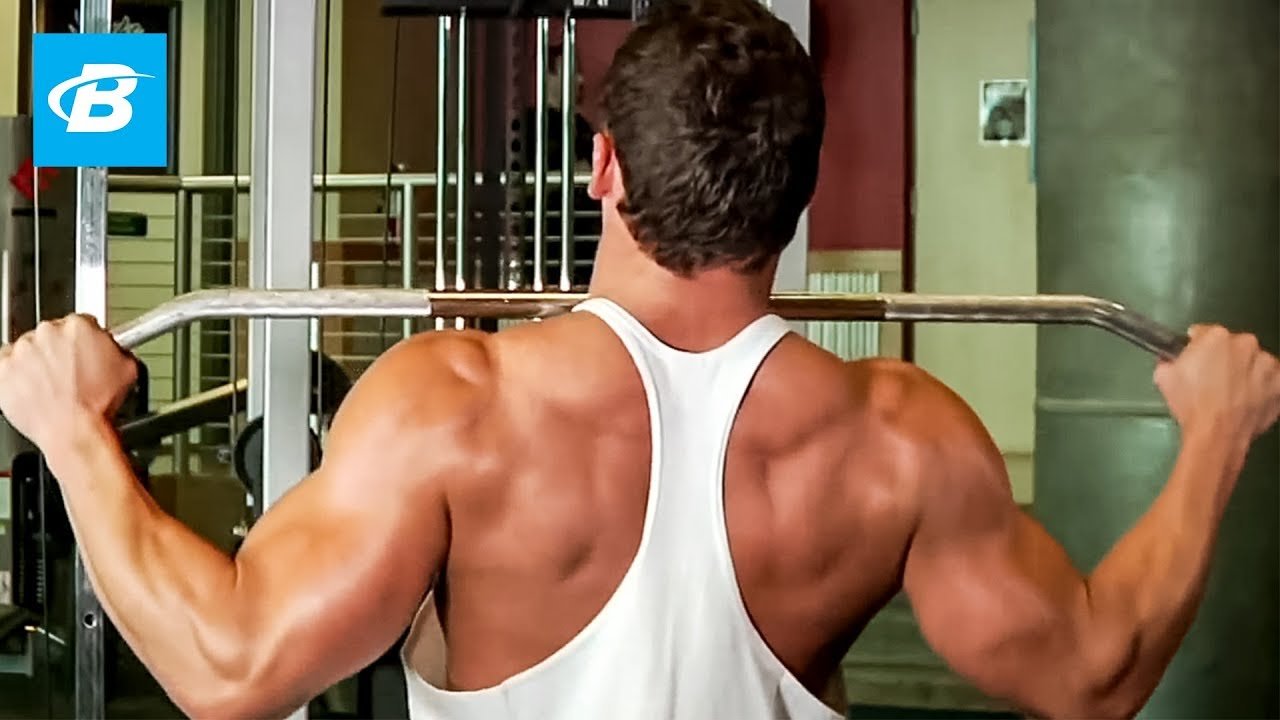
The traditional-set group gained 5.2 kilograms more on the pulldown, with a statistically significant difference. Its seated-row advantage was 4.8 kilograms, but that comparison was not statistically significant. Bench-press and leg-press improvements were similar between groups. The superset group still improved strength across the exercises. A relative disadvantage on one test is different from making no progress.
The two pulling results should not be flattened into the same claim. The pulldown provides clearer evidence of a difference in this comparison. The seated-row estimate points in the same direction, but the uncertainty prevents treating it as a demonstrated advantage. Equally, a nonsignificant result does not establish that two methods are interchangeable for every lifter or every goal.
If pulling strength is your main objective, an obvious practical option is to protect that work before compressing the rest of the session. You might retain traditional sets for the priority pulldown and use paired work later. That is a programming choice suggested by the question, not an additional group tested in this experiment or a guarantee of better results.
Record the order as well as the load. A row performed after demanding pulldowns is not the same training context as a row performed first. If you change both the order and the set format, a change in performance cannot cleanly identify which adjustment mattered. Keep one priority exercise easy to track, and judge the new format across repeated sessions rather than one unusually good day.

Equipment Worth Exploring
Explore equipment, accessories and gear from our carefully selected range.

Leg Press/Hack Squat BPR-790
Convertible 45-degree leg press and hack squat machine with a broad footplate and band pegs.

Compact Leg Press CLP-700
Compact reverse-style leg press with a moving seat carriage and an adjustable footplate.

Standing Chest Press SCP-760
Standing chest-press machine with adjustable handle positions for chest and close-grip pressing.

Multi Bench MBX-650 2.0
Adjustable multi-bench with roller adjustment, 15 backrest positions and accessory mounts.


FID Bench MAX
Adjustable bench offering flat, incline, and decline positions + adjustable headrest.


Rubber Hex Dumbbells
Rubber-coated hex dumbbell pairs with a stable shape for home and commercial strength training.

Similar body-composition changes do not settle every goal
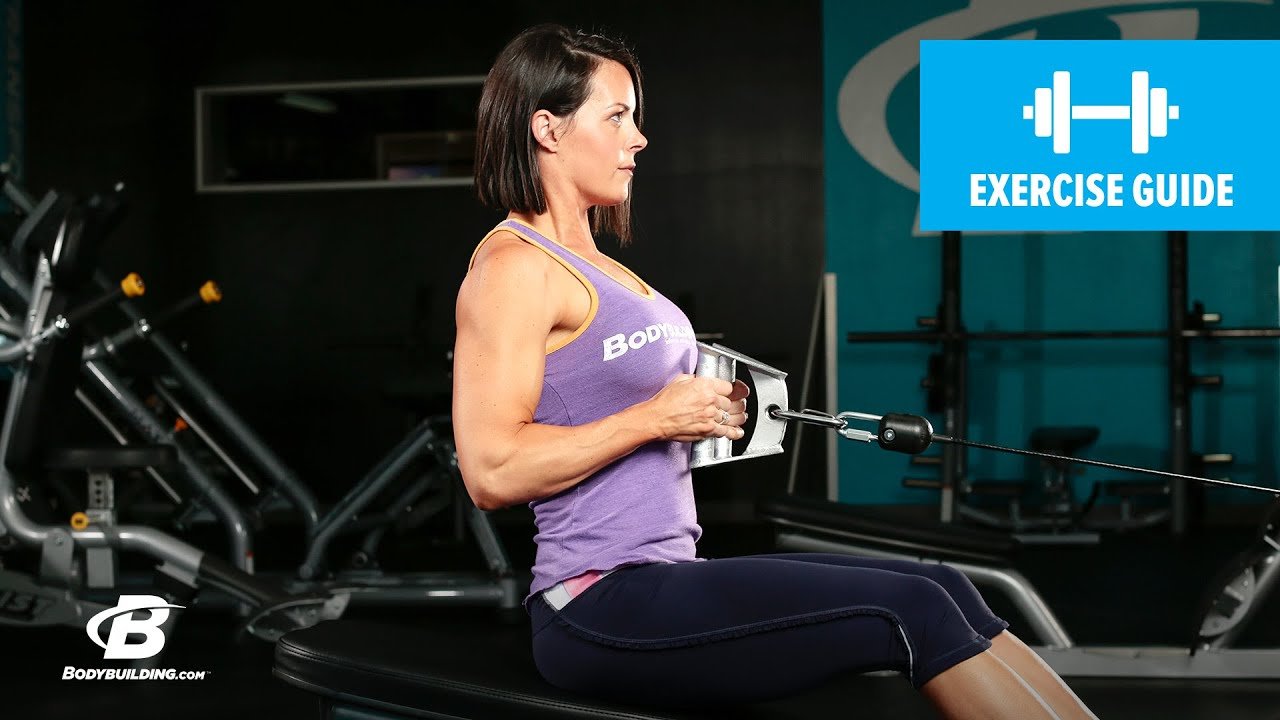
The groups did not differ significantly in body-composition changes; both increased muscle mass and reduced fat mass. Those findings belong beside the strength results, rather than replacing them. A body-composition measure and the maximum load moved on a particular exercise answer different questions about the same training period.
Broader evidence also argues against treating every superset as the same intervention. A meta-analysis pooling nineteen studies and 313 participants found shorter sessions with supersets and higher perceived exertion. Its pooled longer-term estimates for strength, endurance and hypertrophy were similar between formats. Those averages describe the included evidence; they do not erase a specific exercise result in an individual comparison.
Another randomized comparison involving 43 trained adults reported similar muscular adaptations between formats. Taken together, this is a reason to ask about the actual program rather than declare one format universally superior. Different participants, exercises and arrangements can produce a different balance of convenience and performance. A promising average is useful background, not an exact forecast for your next training block.
Choose measurements that match your reason for changing things. If the problem is running out of time, track the workout clock and whether you complete your planned work. If the goal is a stronger bench press, keep a consistent bench-performance record. If you care about muscle development, do not substitute how breathless a session felt for the longer-term outcome you actually want to assess.
Choose the pair before compressing the rest
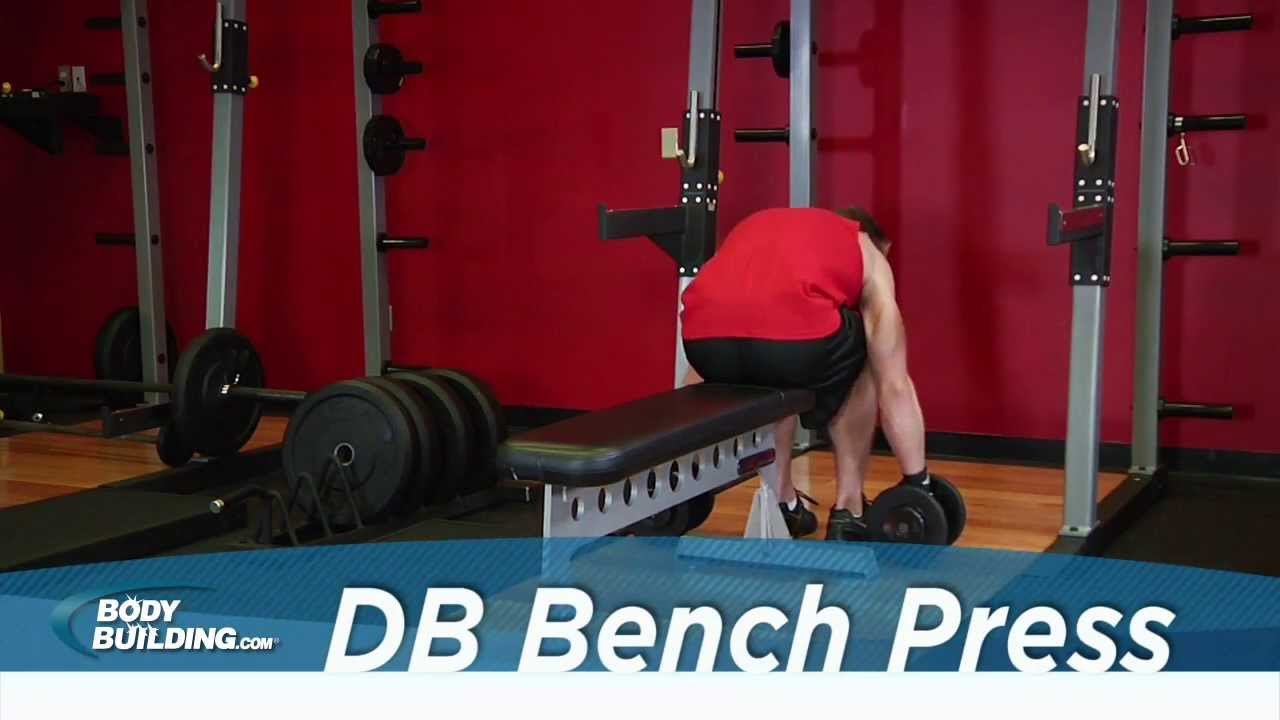
Pairing a press with a row and pairing one press with another press are different decisions. The first alternates movement demands; the second repeats more overlapping work. The broader comparison found that pairings with similar movement demands could reduce volume load. A busy session does not become better simply because every pause now contains another difficult exercise.
For an illustrative press-and-row pairing, check whether both stations can be used without disrupting other people. Then consider how you will return to the first exercise: are you ready to perform the planned repetitions with the same control? The time spent on the second movement is part of the interval between sets, but it is not complete rest from training.
Dumbbell setup is another practical detail. Getting a pair into position, finishing the press and returning the weights to the rack all take time. A bench that must be moved or readjusted between movements adds another transition. These details can make a pair that looks efficient on paper awkward in practice, especially when the available weights change during the session.
Treat those examples as choices to evaluate, not a reconstruction of the ten-week study's exact exercise pairings or rest prescription. There is no need to invent a universal rest interval from an abstract that does not supply one. Keep the planned work recognizable, allow an orderly transition and adjust the arrangement if the second exercise consistently prevents you from performing the first as intended.
Equipment Worth Exploring
Explore equipment, accessories and gear from our carefully selected range.

Trinity Lat Machine LSW-850
Weight-stack pulldown tower offering three cable directions and adjustable seated support.

Linear Row LRX-750
Dual-sided rowing machine for supported rows, bent-over rows and varied pulling movements.

Lateral Row Machine LRM-720
Rowing machine with independent lever arms, an adjustable seat and chest support.

VForce Lat Tower
Wall-mounted cable tower with pivot arms and adjustable 1:1 or 2:1 pulley ratios.

VForce Wall Trainer
Space-saving wall-mounted functional trainer with pivoting cable arms and variable resistance ratios.

VForce 2IN1
Half rack and pivot-arm functional trainer with switchable 1:1 and 2:1 pulley ratios.

VForce 3IN1
All-in-one rack combining an adjustable Smith machine, functional trainer, and free-weight station.
VOLTRA
Compact digital cable trainer with smooth, adjustable resistance.
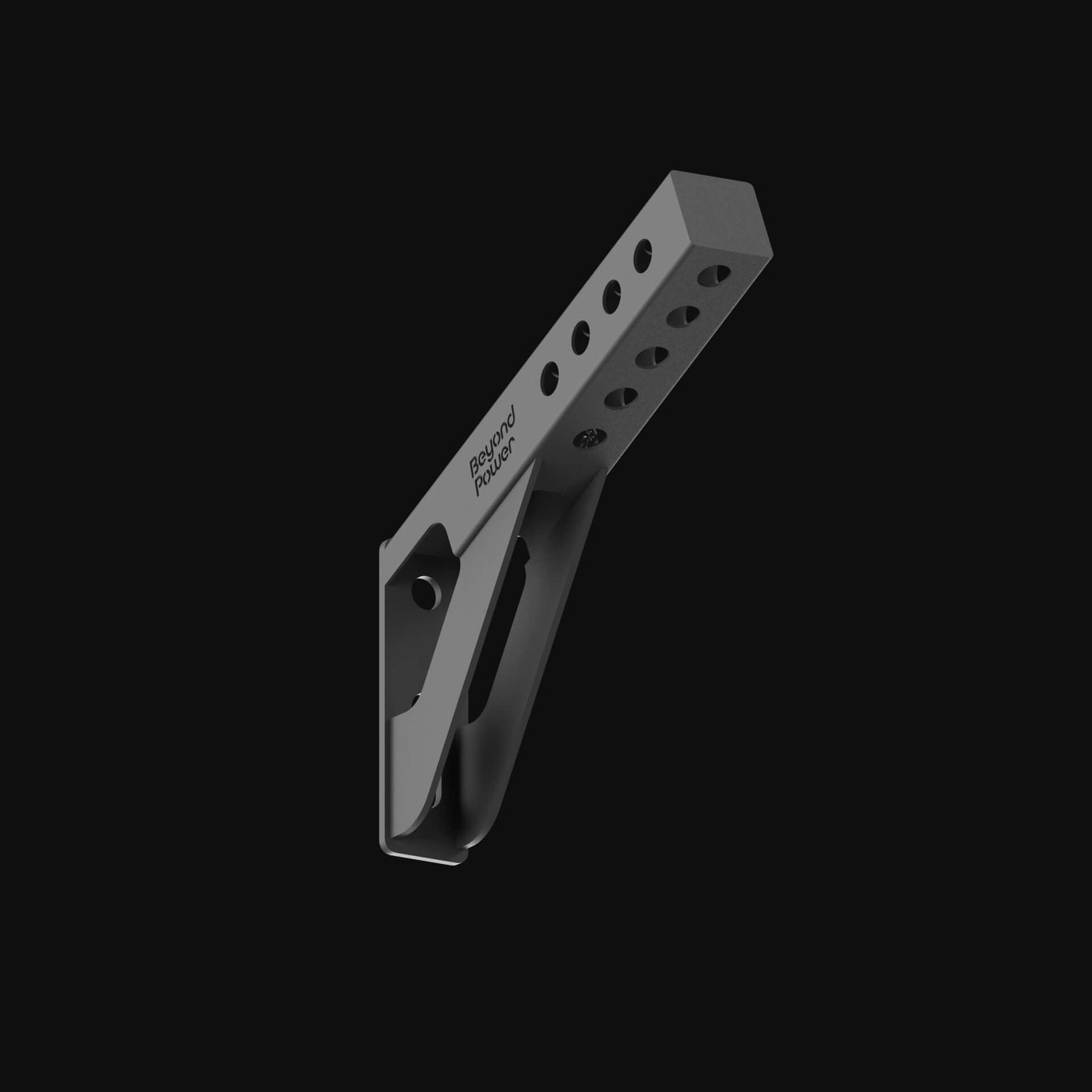

48in Aluminum Lat Bar
48-inch aluminum lat pulldown bar with knurled grip and rotating center swivel.
Make the time saving work in your actual gym
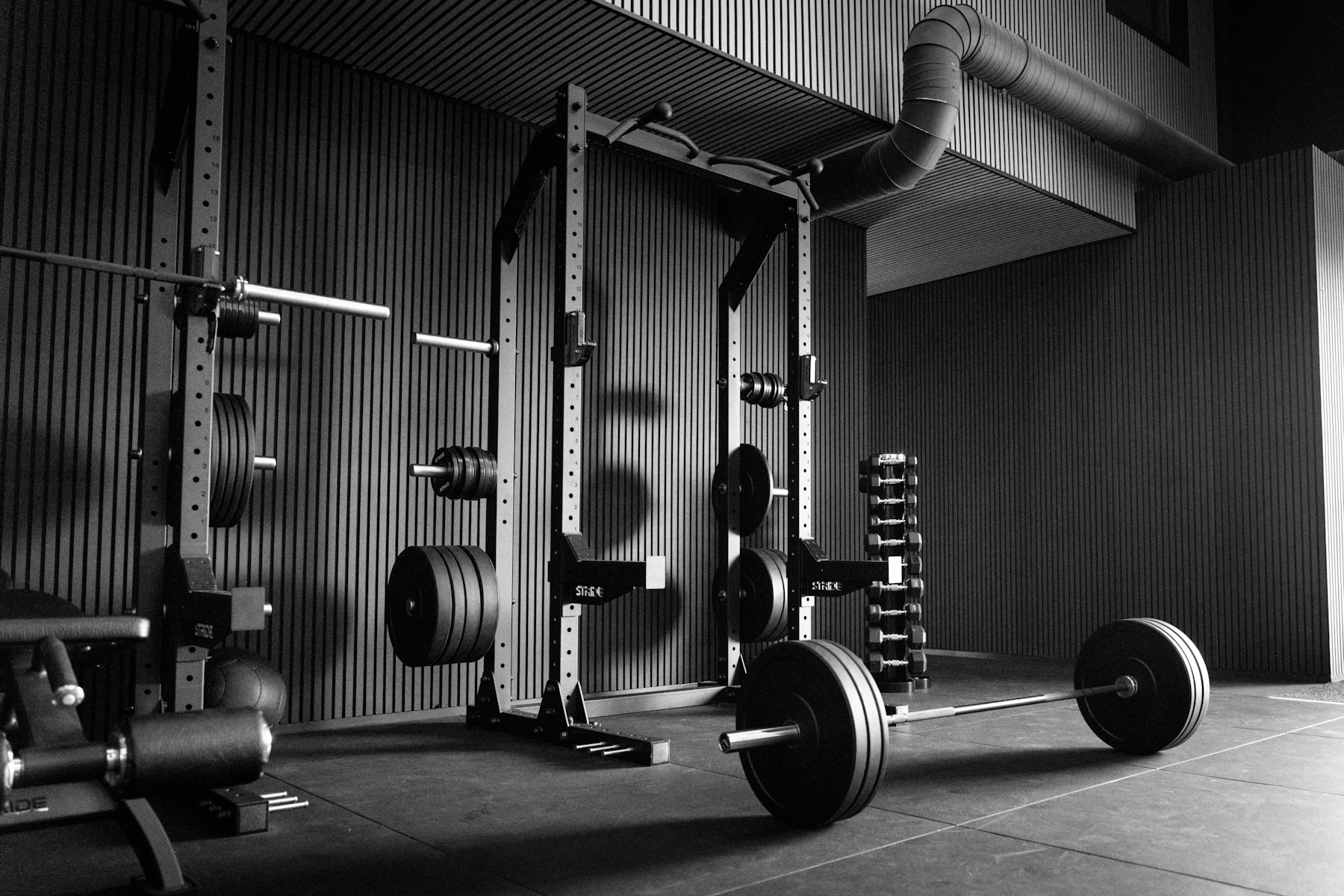
A time-efficient plan has to survive the room you train in. A cable station and bench across a crowded floor may be a poor pairing even when the movements make sense. Two exercises that share one easily adjusted station can be more practical, provided the setup changes do not consume the saving. Equipment access is part of the training decision, not an inconvenience to ignore. Keep the route between stations clear enough to set down equipment deliberately.
A review of time-efficient resistance training emphasizes prioritizing useful lower-body, pushing and pulling work and choosing equipment around the goal and availability. Apply that idea before adding complexity. A home gym does not need every commercial machine to support an organized session. Conversely, owning adjustable equipment does not mean all adjustments are quick enough to make every proposed pairing worthwhile.
Use a simple record for your next comparison: start and finish time, exercise order, working loads, completed repetitions and any interruption that changed the plan. For example, note that you waited for the row station rather than pretending the delay was prescribed recovery. Include setup and transitions on the clock; timing only the lifting portions can flatter an arrangement that does not actually get you home sooner.
Agree on the comparison before looking at the result. If you choose shorter sessions as the main benefit, record the time honestly. If you choose pulling strength, keep that test consistent. Changing the definition of success after a difficult workout makes almost any format look better than the alternative.
Do not rewrite the whole program after one rushed workout. First decide whether the pairing itself was workable. Next check whether the important sets remained productive by the standards you already use. Only then judge the time saving. This sequence separates a logistical problem, such as station availability, from a performance problem, such as repeatedly losing repetitions on the lift you wanted to improve.
Consistency is the final practical test. A manageable format that helps you complete your training week has value, while a complicated circuit that repeatedly falls apart may need simplifying. You can keep priority lifts as traditional sets and pair selected remaining work without turning the session into a contest to eliminate every pause. Let the clock inform the decision, and let your actual training goal decide which minutes are worth keeping.

Funny Gym Shirts & Workout Gear
Funny gym shirts, tanks, hoodies and workout gear for lifters who like training hard.

Superset Octopus Meme – Gymbro T-Shirt
Bring “Superset Octopus Gym Meme” humor to your next gym day.

Ultimate Bench Press Tee
Heavy lifts, good laughs, and a little “Ultimate Bench Press” energy.

Shirt Pull Day – Back & Biceps Meme Top T-Shirt
Heavy lifts, good laughs, and a little “Pull Day Graphic” energy.

I Love Bench Press Gym | Funny Bench Press Meme Crewnec T-Shirt
For laid-back days and gym-girl humor: “I Love Bench Press”.

Consistency King Tee
Make gym days more fun with “Consistency King Stoic Greek God Marble” style.

Funny Lift Time Gym | Muscle Shirt For Gym Bros & Bodyb Tank Top
Train hard, laugh a little, and rep “Lift Time”.

One More Rep Shirt: Motivational & T-Shirt
Make gym days more fun with “One More Rep” style.

Lift Eat Repeat – Weightlifting & – Meme Bros & T-Shirt
Make gym days more fun with “Lift Eat Repeat” style.

Be Happy Lift Heavy Happy Weights Emoji Weight Plate Hoodie
Show off your powerlifting humor in a laid-back “Be Happy Lift” hoodie.

Home Gym Built Not Bought Crewneck Pullover Sweater for T-Shirt
Bring “Home Gym Built Not Bought” humor to your everyday gym style.