Bulking usually means adding food, lifting progressively heavier loads and accepting some fat gain alongside new muscle. A 2026 experiment raises a useful question: can lifters build muscle while limiting their meals to an eight-hour window? In a 12-week comparison, a time-restricted group gained similar measured muscle and strength to a conventional-eating group, while adding less fat.
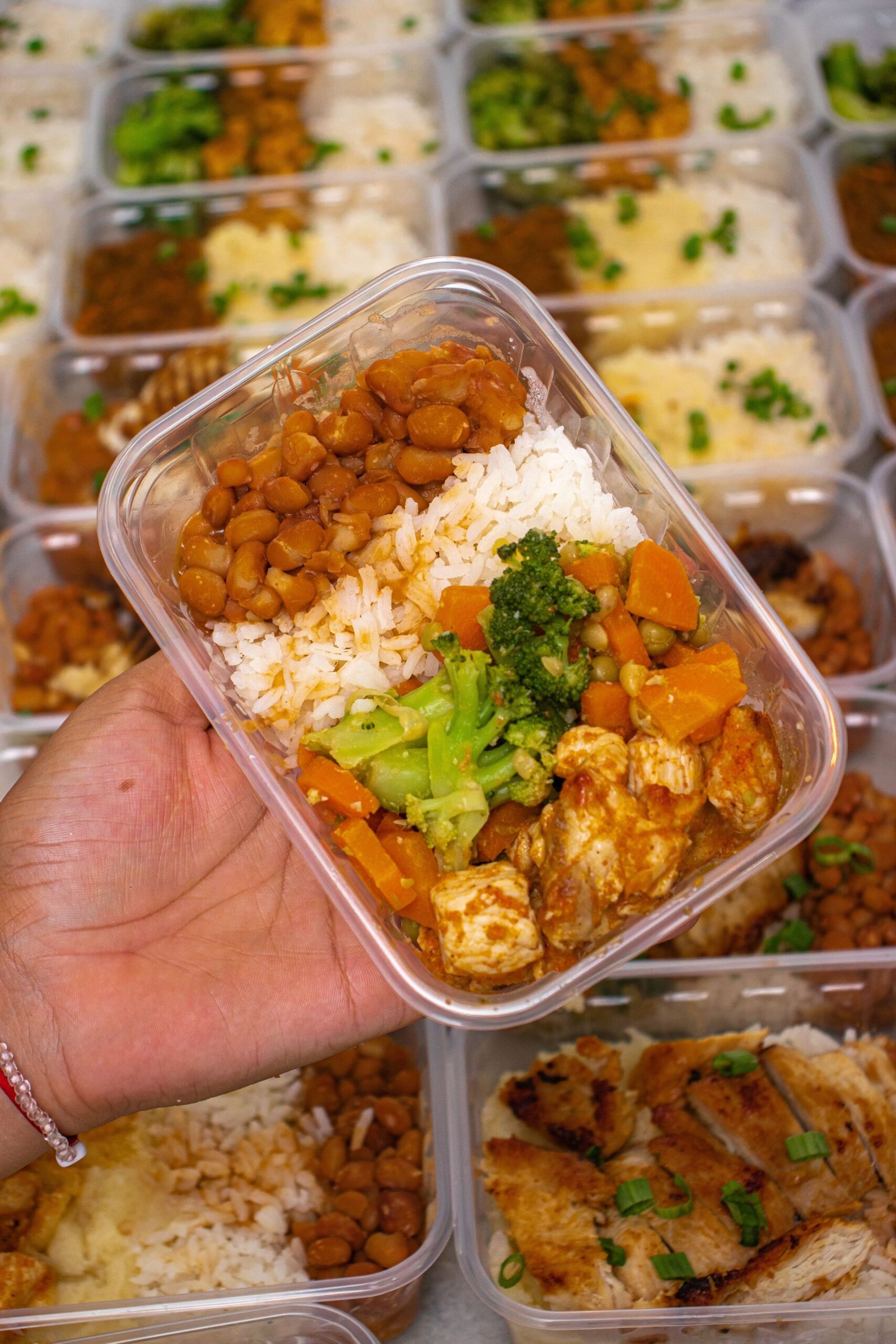
The important detail is what the participants actually ate. The shorter-window group fell further below its prescribed calorie and carbohydrate targets. Eating within eight hours did not magically redirect calories into muscle. It may simply have made overeating harder. That distinction is more useful than choosing sides in the fasting debate.
What the 12-week bulking experiment actually tested

The trial randomly assigned 23 healthy resistance-trained adults to two eating patterns. One group followed a 16:8 schedule, eating within eight hours and fasting for the remaining 16. The comparison group kept a conventional meal pattern. Both groups trained with resistance exercise three times weekly for 12 weeks and were instructed to eat approximately 300–500 calories above their estimated daily needs.
Investigators checked body composition and one-repetition-maximum strength every four weeks. They also tracked dietary intake, resting hormone measurements and daily well-being reports. This is more informative than a survey asking people whether they prefer breakfast or intermittent fasting: training and planned calorie surplus were shared features, while the eating window differed.
Still, this was a small study, not a definitive test of the best way to bulk. The participants were already accustomed to resistance training; results should not automatically be applied to beginners, older adults, competitive bodybuilders or anyone training fasted without adequate food afterward. Body composition was estimated with bioelectrical impedance, which is affected by hydration and is less direct than muscle imaging. Treat the numbers as useful signals, not precise measurements of newly built contractile tissue.
Muscle and strength gains were surprisingly similar

After 12 weeks, the time-restricted group gained about 1.34 kg of fat-free mass, compared with about 1.38 kg in the conventional group. Estimated muscle mass increased by roughly 1.07 and 1.13 kg respectively. Those between-group differences were not statistically meaningful in this small sample. Both groups were capable of improving measured lean tissue while following a structured lifting program.
Strength told a similar story. Average deadlift one-repetition maximum increased by approximately 26 kg in each group; bench press increased by roughly 13 kg with time restriction and 11 kg with conventional eating. These are group averages with considerable individual variation, not promises of what an individual lifter should add to the bar in three months. Improvements in technique, familiarity with maximal testing and training consistency can also contribute to one-rep-max changes.
The appropriate conclusion is narrower than “fasting builds just as much muscle.” In this trial, researchers did not detect a disadvantage in measured muscle or strength over 12 weeks, despite lower food intake in the restricted group. With only 23 participants, the experiment cannot exclude smaller differences or tell us whether the same pattern holds over six months, a year or an advanced athlete’s high-volume training block.
Why did the shorter eating window produce less fat gain?
Body weight increased by about 2.19 kg in the time-restricted group versus 3.90 kg in the conventional group. Estimated fat mass rose by about 2.00 kg versus 4.36 kg. The difference matters, but it should not be interpreted as proof that a 16-hour fast independently prevents fat storage. The shorter-window group consumed substantially less energy than prescribed, with lower average protein and carbohydrate intake as well.
In other words, the groups were not eating identical calories. A smaller actual surplus is a straightforward explanation for gaining less fat. This fits the broader pattern seen in controlled resistance-training research: aggressive energy surpluses can accelerate scale-weight gain without producing proportionally greater muscle growth. A conservative surplus, adjusted using real weight trends and gym performance, is often easier to defend than a fixed instruction to eat as much as possible.
For a practical example, imagine two lifters with similar maintenance needs. One consistently adds 200–300 calories per day and gains weight slowly. The other adds 700–800 calories, pushing the scale up much faster. Both may train hard, but the extra weight in the second case is not automatically extra muscle. The study’s most interesting lesson may be that meal timing can influence how much someone actually eats—not that the clock overrides energy balance.

Bodybuilding Shirts & Workout Gear
Bodybuilding shirts, tanks and gym gear for lifters chasing muscle, size, symmetry and the pump.

Rice Chicken Broccoli Sweatshirt
For laid-back days and meal-prep humor: “Powered By Rice Chicken Broccoli”.

Work Hard Eat Hard Donut Dumbbell Donuts Barbell Hoodie
Bring “Work Hard Eat Hard Donut Dumbbell Donuts” gym humor to lazy days and post-workout plans.


Donut Dumbbell Donuts Barbell Bulk Diet Sticker
A fun “Donut Dumbbell Donuts Barbell” touch for bottles, laptops, and lockers.

Eat Your Chicken – Chicken Bro Protein Meme Vest Muscle Tank Top
Show some personality between sets with “Eat Your Chicken”.

Dreams of Calorification – Calorie Meme Vest Muscle Shi Tank Top
Train hard, laugh a little, and rep “Dreams of Calorification”.

Sweet Home Cheat Meal Shirt Lynyrd Skynyrd Southern T-Shirt
Show some bulking attitude with a playful “Sweet Home Cheat Meal” tee.


Pizza Dumbbell Barbell Bulk T-Shirt
For laid-back days and pizza-loving humor: “Pizza Dumbbell Barbell”.

I'm A Rice-ist – Bro Rice Lovers, Lifting, & Gains – T-Shirt
Make gym days more fun with “I'm A Rice-ist” style.
Protein and carbohydrates still matter more than the clock

In the trial, average protein intake in the time-restricted group was about 1.44 g per kilogram of body weight, below the group’s prescribed 1.60 g/kg. Carbohydrate intake also fell below its target. Yet measurable training progress continued. That does not establish that protein is unimportant or that every lifter should reduce carbohydrates. It means the intake achieved by these participants was sufficient for meaningful gains during this particular program.
Across a much larger body of resistance-training research, daily protein intake near 1.6 g/kg is a reasonable starting target for maximizing average muscle-gain responses, with individual needs varying. A person weighing 80 kg might therefore plan around 128 g per day, then adjust for preferences, training experience and total energy intake. An eight-hour window could accommodate that through three meals containing roughly 40–45 g each, or two meals plus a protein-rich snack.
Carbohydrates deserve attention too. They support repeated hard sets, training volume and recovery, especially when sessions are long or frequent. If an eating window makes it difficult to eat enough before and after training, the resulting lower performance or energy intake may outweigh any convenience. The experiment did not test deliberately fasted workouts with delayed post-training nutrition, so it cannot settle questions about training completely unfed and waiting hours for the first meal.

Equipment Worth Exploring
Explore equipment, accessories and gear from our carefully selected range.


FID Bench MAX
Adjustable bench offering flat, incline, and decline positions + adjustable headrest.


VOLTRA
Compact digital cable trainer with smooth, adjustable resistance.

Go-Tone Pro
Portable digital cable trainer with up to 66 lb (30 kg) of adjustable resistance.


What this study does—and does not—prove about 16:8 bulking
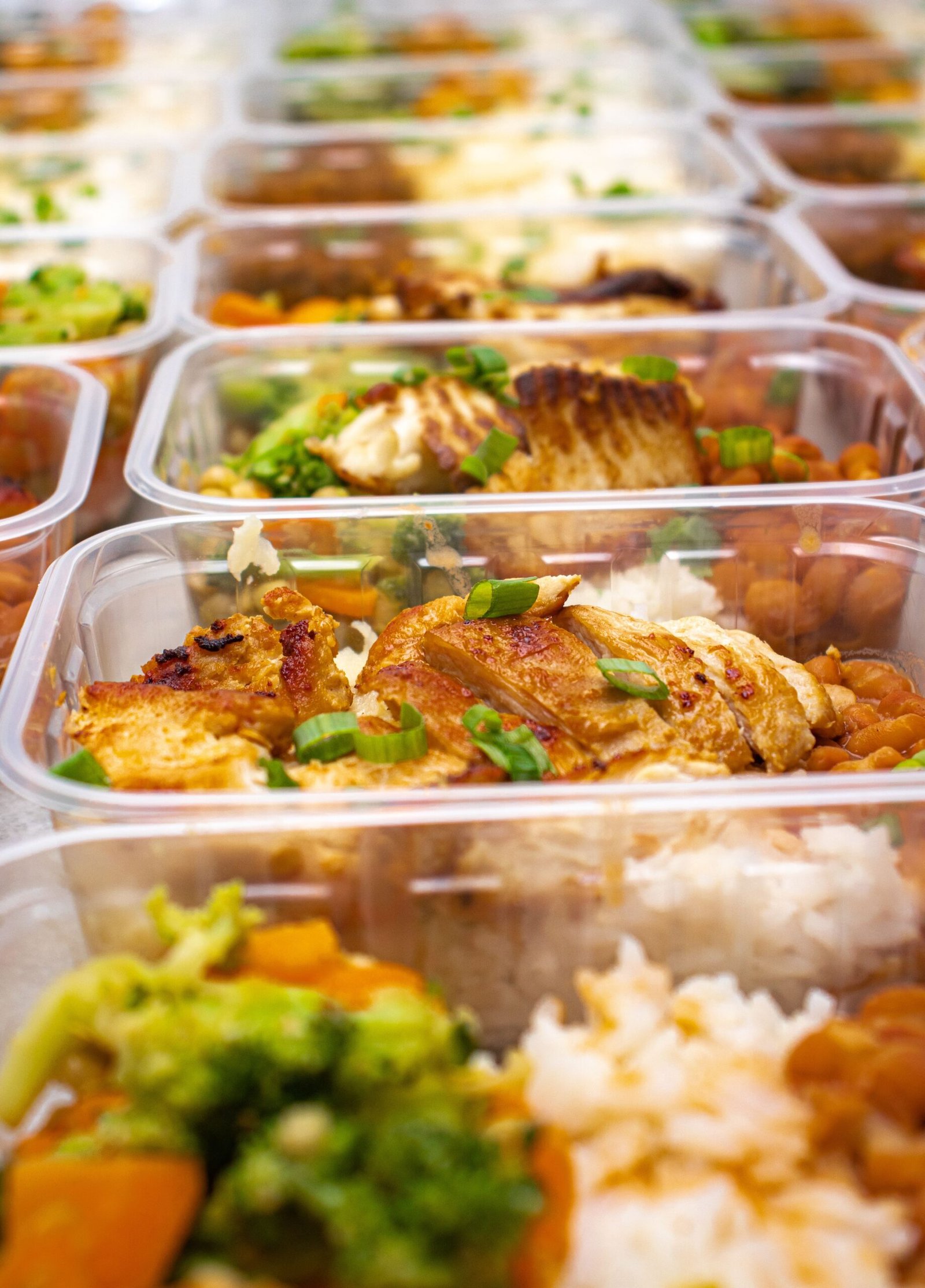
Time-restricted eating is a schedule, not a fixed calorie prescription. Two people can follow the same 12:00–20:00 window and eat radically different amounts of food. One might easily reach a moderate surplus; another may struggle to fit sufficient meals between work, commuting and training. The method’s usefulness depends on appetite, routine and adherence, not merely on fasting duration.
A separate pooled analysis of seven studies involving 164 adults found that combining time-restricted eating with resistance training tended to reduce body weight, fat mass and energy intake compared with conventional eating plus lifting, without clear differences in muscle mass or strength. Most of those trials were not specifically designed as bulking experiments. That distinction matters: evidence from weight loss or maintenance cannot be transferred uncritically to a planned muscle-gain phase.
The 2026 bulking trial adds directly relevant evidence, but its sample was small and its duration limited. Bioelectrical impedance estimates can fluctuate with hydration and glycogen; self-reported food intake is imperfect; and meal timing, meal frequency and actual calorie intake changed together. Similar group averages do not establish biological equivalence. The safest reading is that a restricted window can be compatible with productive lifting when enough food is consumed—not that 16:8 is inherently superior for hypertrophy.
How to build an eight-hour eating plan around your workouts

If the schedule fits your life, start with your training time rather than choosing a fashionable fasting window. Someone lifting at 17:00 might eat between 12:00 and 20:00: a substantial first meal at noon, a carbohydrate-and-protein meal or snack in mid-afternoon, then dinner after training. Someone training early in the morning may find a morning-to-afternoon window easier—or may prefer unrestricted eating rather than delaying food after a hard session.
Set a modest calorie surplus based on your actual maintenance intake, then use weekly average body weight rather than single-day fluctuations. Build each meal around a reliable protein source, add carbohydrates that help you train well, include fruit and vegetables, and make room for dietary fat. If a busy schedule leaves only two meals, consider whether a convenient snack or shake would make meeting your targets less stressful. There is no prize for compressing meals until digestion, appetite or sleep becomes uncomfortable.
Track training quality as carefully as calories. If repetitions, load or energy steadily decline, ask whether the issue is sleep, programming, recovery or inadequate food. Do not assume fasting is the cause without checking the rest of the picture. Conversely, if strength is climbing, your average weight is rising at a controlled pace and meals feel easy to manage, there is little reason to change a schedule solely because another lifter eats six times per day.
Funny Gym Shirts & Workout Gear
Funny gym shirts, tanks, hoodies and workout gear for lifters who like training hard.


I’m Strong Barbell Heartbeat Hooded Pullover for Streng Hoodie
Make your off-duty look more fun with “I’m Strong Barbell Heartbeat”.

Lift Smart Brain Plate Tee
Show some lifting attitude with a playful “Lift Smart Brain Weight Plate” tee.

Negative Leg Day Review 1 Star Not Recommended Tank Top
Train hard, laugh a little, and rep “Negative Leg Day Review”.


Muscle Mommy Lifting Club for Gym Girls, Lifting & Stre T-Shirt
Bring “Muscle Mommy Lifting Club” humor to your everyday gym style.

Never Skip Leg Day – NSLD Fried Chicken Meme Decal for Sticker
Bring “Never Skip Leg Day” attitude to your water bottle or laptop.
Who should choose time restriction—and who should skip it?

Time restriction can be a sensible preference for someone who dislikes grazing, works predictable hours and finds it easier to maintain a modest surplus with fewer eating opportunities. It may also help people who habitually overshoot their intended calories when meals stretch from early morning to late evening. In that case the benefit is behavioral: the schedule supports consistency and makes intake easier to manage.
It is a weaker choice for a hard-gaining lifter who already struggles to eat enough, an athlete doing multiple sessions daily, or anyone whose training schedule forces a long gap between exercise and food. People with a history of disordered eating, those who are pregnant, or those managing diabetes with glucose-lowering medication should not adopt restrictive meal timing casually. The practical risks and suitability of fasting are not captured by a small sports-nutrition trial.
Choose the plan that lets you train progressively, hit an appropriate daily protein target, consume enough energy and recover consistently. Reassess every two to four weeks using average body weight, waist changes, performance and how sustainable the routine feels. If you gain fat rapidly, reduce the surplus before blaming meal frequency. If your weight and performance stall, increase food or adjust training before declaring fasting a failure. The strongest takeaway is simple: a shorter eating window can work for a bulk, but it is a tool for organizing intake, not a substitute for getting the fundamentals right.
Equipment Worth Exploring
Explore equipment, accessories and gear from our carefully selected range.


Leather Lifting Straps
Padded leather straps support grip during heavy rows, deadlifts and pulling exercises.

Power Tower
Freestanding pull-up and dip station with adjustable handles for bodyweight training.

Belt Squat Collar
Heavy-duty collar adapter for compatible belt-squat and landmine bar setups.


Some product links may be affiliate links, which can support Mind Muscle Perfection at no additional cost to you.