Creatine has a well-established place in strength training, yet one question keeps resurfacing: can taking it make your hair fall out? The rumor grew from an older experiment that measured a hormone associated with pattern baldness, not hair loss itself. A later randomized trial finally examined scalp measurements as well as blood hormones. Its findings offer a much more direct answer, but the details matter: the dose, participants, observation period and limits of a negative result all shape what lifters can reasonably conclude.
Here is what the evidence actually says about creatine, DHT, hair follicles and the practical decision to supplement—without treating an untested theory as a proven side effect or pretending that one short trial answers every long-term question.
Where the creatine–hair-loss claim began
The worry did not begin with a trial that observed men going bald. It began with a short experiment measuring hormones in 20 college-aged rugby players. The athletes completed a three-week crossover protocol that included a seven-day creatine-loading phase at 25 grams per day, followed by 14 days at 5 grams per day. The comparison condition used carbohydrate rather than creatine. Investigators measured circulating testosterone and dihydrotestosterone, usually shortened to DHT; they did not measure hair density, hair shedding or the condition of follicles.
After the loading week, DHT was reported to be 56% higher than its starting level, and it remained about 40% above baseline at the end of maintenance. Testosterone itself did not show a corresponding change. Those percentages sounded alarming when detached from the details, particularly because DHT is involved in common pattern hair loss in genetically susceptible people. But a shift in one blood hormone during three weeks is not evidence that the supplement makes scalp follicles shrink.
There were also reasons to be cautious about the comparison: the groups began with different average DHT levels, and the observed concentrations remained within normal clinical ranges. A small short-term hormone experiment can generate a useful hypothesis without settling a long-term health question. The headline that creatine causes baldness skipped the critical step of testing actual hair outcomes. That missing step matters more than the memorable percentage.
What the 2025 hair-follicle trial actually tested
A later randomized trial directly examined the outcome that the older hormone experiment could not. Forty-five resistance-trained men aged 18 to 40 were assigned to receive either 5 grams of creatine monohydrate per day or a matched maltodextrin placebo. Thirty-eight participants completed the 12-week study. They continued their usual diets and resistance-training routines rather than following an entirely new training program designed to produce a hair-related effect.
Before and after supplementation, the researchers collected blood samples for total testosterone, free testosterone and DHT. They also assessed hair health using standardized hair sampling and digital scalp imaging. The measurements included hair density, follicular units and cumulative hair thickness. Those objective measures make this a more direct test of the popular claim than asking people whether they thought they were shedding more hair.
Across the 12 weeks, the creatine group did not show statistically significant differences from placebo in DHT, the DHT-to-testosterone ratio or the measured hair outcomes. Testosterone values changed over time in both groups, but the changes did not point to a creatine-specific effect. In plain language, men taking 5 grams daily did not show detectable extra thinning or a hormone pattern consistent with the earlier alarm.
That is reassuring evidence, not a promise about every possible dose or every person. A result showing no statistically detectable difference means the study did not establish an effect under its conditions. It does not prove that the true effect must be exactly zero in all populations. The important advance is that investigators finally measured hair follicles rather than inferring hair loss from a hormone reading.

Equipment Worth Exploring
Explore equipment, accessories and gear from our carefully selected range.
VOLTRA
Compact digital cable trainer with smooth, adjustable resistance.


FID Bench MAX
Adjustable bench offering flat, incline, and decline positions + adjustable headrest.


Go-Tone Pro
Portable digital cable trainer with up to 66 lb (30 kg) of adjustable resistance.
DHT, genetics and why a blood test is not a baldness diagnosis

DHT is produced when an enzyme converts testosterone into a more potent androgen. It has normal biological roles, and its presence alone is not a diagnosis of hair loss. Common male-pattern hair loss involves inherited susceptibility, local androgen signaling and gradual miniaturization of certain scalp follicles. Two people can have similar blood hormone values and different hair patterns because their follicles do not necessarily respond in the same way.
That distinction explains why the 2009 result generated a plausible concern without demonstrating harm. A higher circulating DHT reading is not the same as a measured increase in scalp DHT activity, and neither automatically establishes that follicles are shrinking. Conversely, one normal blood test cannot guarantee that a genetically susceptible person will never experience pattern hair loss. The biological pathway is more complicated than a single number on a laboratory report.
The 2025 trial approached the issue from both sides: it checked hormone values and directly examined hair structure. Neither outcome differed meaningfully between creatine and placebo over the observation period. This agreement is more informative than a hormone-only result, although the trial was not large enough or long enough to settle every question about lifelong susceptibility.
Creatine supports cellular energy recycling; it is not a hormone. Its usefulness in lifting comes primarily from supporting rapid energy availability during repeated demanding efforts, not from deliberately altering androgen levels.

Funny Gym Shirts & Workout Gear
Funny gym shirts, tanks, hoodies and workout gear for lifters who like training hard.

Creatine – Meme & Gains – Powered By Creatine Top T-Shirt
Bring “Creatine” humor to your next gym day.

Powered By Creatine – Creatine Lovers, & Gymbros – T-Shirt
Heavy lifts, good laughs, and a little “Powered by Creatine” energy.

Shirt – Hilarious – Sniffing Creatine Meme , Gymbros T-Shirt
Make gym days more fun with “Hilarious” style.

Shirt – With A Body Like This Who Needs Hair? – Meme T-Shirt
Rep “With a Body Like This Who Needs Hair?” humor in and out of the gym.

More Rest More Test Meme Testosterone Bro Hoodie
Keep it laid-back with a little “More Rest More Test Gym Meme Testosterone” attitude.

Pencilneck Science Tee
Make gym days more fun with “Pencilneck Science-Based Lifting” style.

Shirt – Broscience – Meme & Gymbros T-Shirt
Make gym days more fun with “Broscience” style.

Funny Gym Shirt for Supplement Lovers
Heavy lifts, good laughs, and a little “for Supplement Lovers” energy.

Bro – Protein Tub Meme , & Fans – Protein T-Shirt
Bring “Gym Bro” humor to your next gym day.

I Snort Pre- Bro Weightlifting Meme Cartoon Sticker
Give your everyday gear a playful “I Snort Pre-workout Gym Bro Fitness” twist.
What the evidence still cannot rule out

The strongest direct trial followed 38 completers for 12 weeks. That is a useful controlled experiment, but it is not a population-wide study lasting years. Participants were healthy, resistance-trained men aged 18 to 40. The results cannot automatically be extended to women, older adults, people with diagnosed scalp conditions or people taking unusually large doses for long periods. Family history and individual hair-loss predisposition were not the central variables tested.
Hair follicles cycle through growth, transition and resting phases, and visible changes can emerge slowly. Twelve weeks may be enough to detect some measurable differences, but it may miss small effects or longer-term trajectories. The absence of a statistically significant difference is strongest evidence against a substantial short-term effect at the tested 5-gram daily dose. It is weaker evidence about rare responses or exposure over many years.
At the same time, uncertainty should not become an excuse to treat every theoretical possibility as equally likely. A small older experiment found a hormone change but never tested hair. A newer direct trial found no meaningful difference in hormones or hair measurements. Broader evaluations of creatine safety have also found that the hair-loss claim lacks convincing human evidence. Taken together, the findings do not support telling healthy lifters that ordinary creatine use causes baldness.
Someone already experiencing rapid shedding may reasonably investigate the cause rather than assuming a supplement is innocent or guilty. Someone with no hair concerns need not treat an unconfirmed association as established harm. Both positions can coexist: the current evidence is reassuring, and more long-term research would improve confidence.
Why lifters use creatine in the first place
Creatine helps replenish phosphocreatine stores in muscle, which support rapid regeneration of ATP during brief, high-effort work. ATP is the immediate energy currency behind muscular contraction. A heavy set, repeated sprint or demanding sequence of lifts can draw on this system, making the ability to sustain repeated high-intensity efforts relevant to training quality.
Supplementing with creatine monohydrate increases available muscle creatine over time. For many lifters, that can support a little more work across hard sets, slightly better repeated-effort performance or improved strength gains when combined with progressive resistance training. The changes are not identical for everyone. They also do not mean creatine builds substantial muscle in the absence of a useful training stimulus, enough energy and adequate recovery.
Imagine two lifters using the same squat program. One occasionally manages an extra technically sound repetition or holds performance more consistently across later sets. Across weeks, those small differences may help the person accumulate productive training. Creatine does not replace the program; it may help support the repeated efforts that make the program effective. Results still depend on load selection, technique, consistency and individual response.
Some early scale-weight gain can reflect increased water stored with muscle rather than an immediate increase in new contractile tissue. Track strength, repetitions and longer-term measurements rather than treating every fluctuation as proof of muscle growth. A supplement decision should weigh credible training benefits against actual evidence of risk, not a dramatic rumor about hair.
Equipment Worth Exploring
Explore equipment, accessories and gear from our carefully selected range.


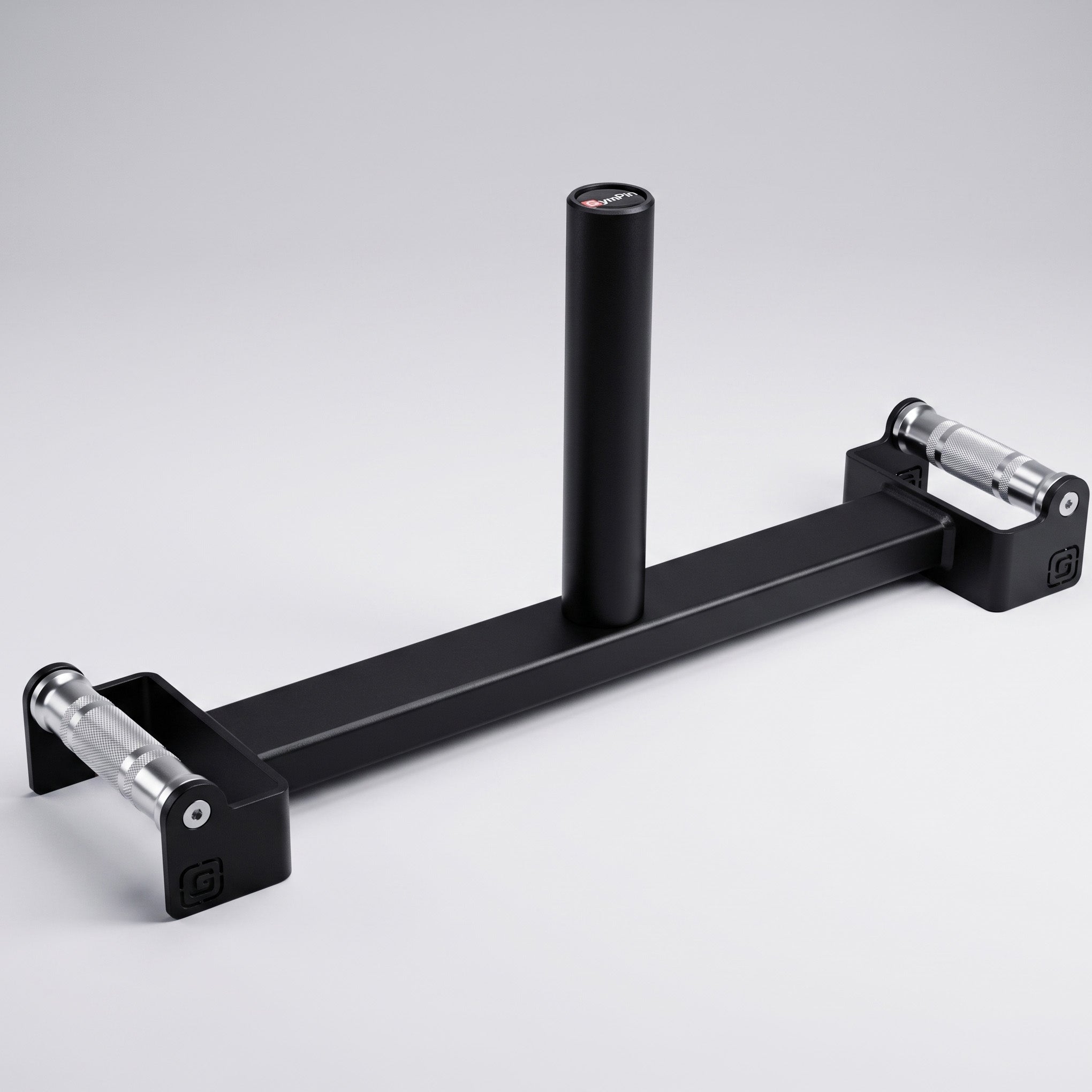
GymPin Hyper Loader
Central Olympic-plate loading attachment for weighted hyperextensions.
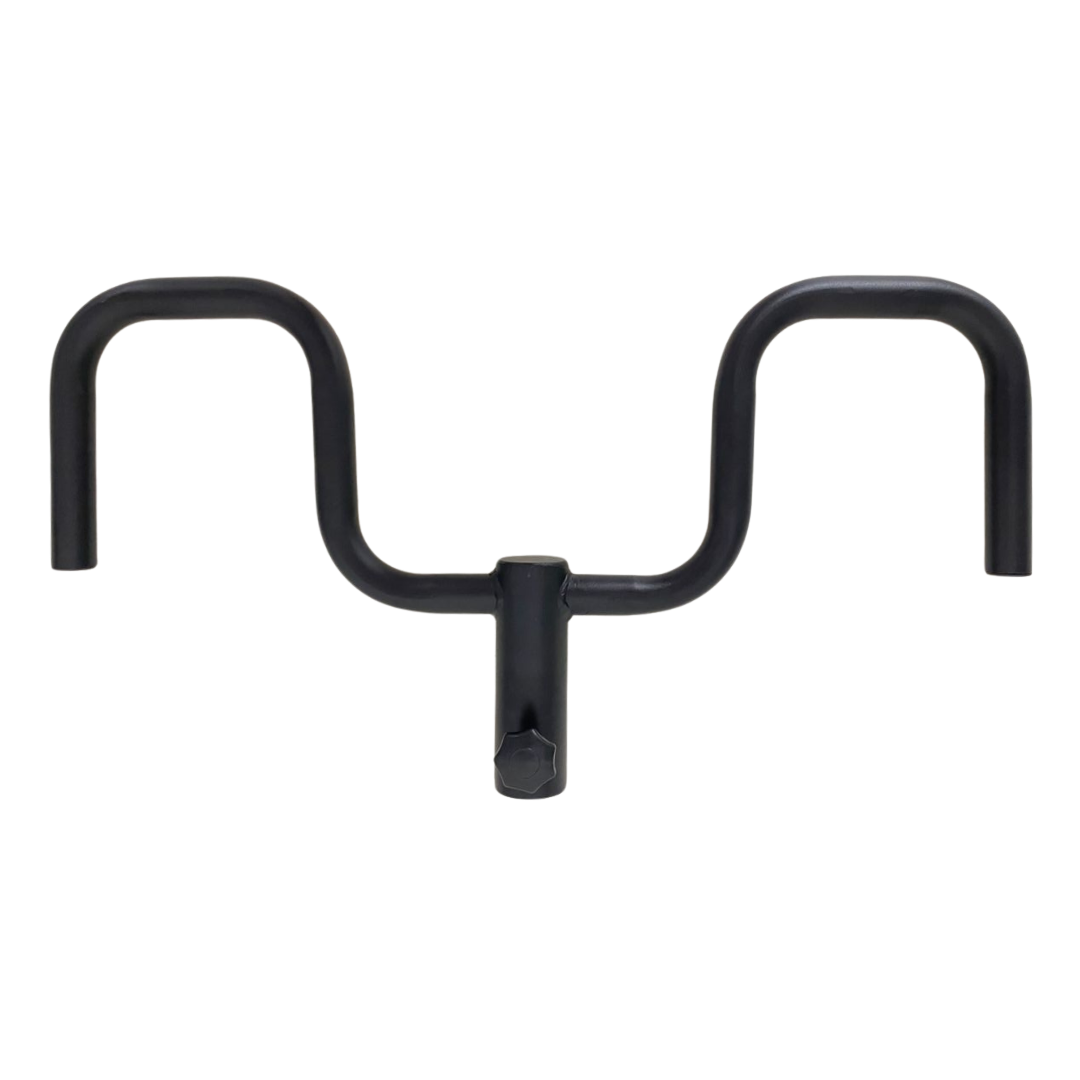

Squat Harness
Wearable harness for hands-free cable squats, sled work, and lower-body training.


Power Tower
Freestanding pull-up and dip station with adjustable handles for bodyweight training.
A practical creatine routine without supplement folklore
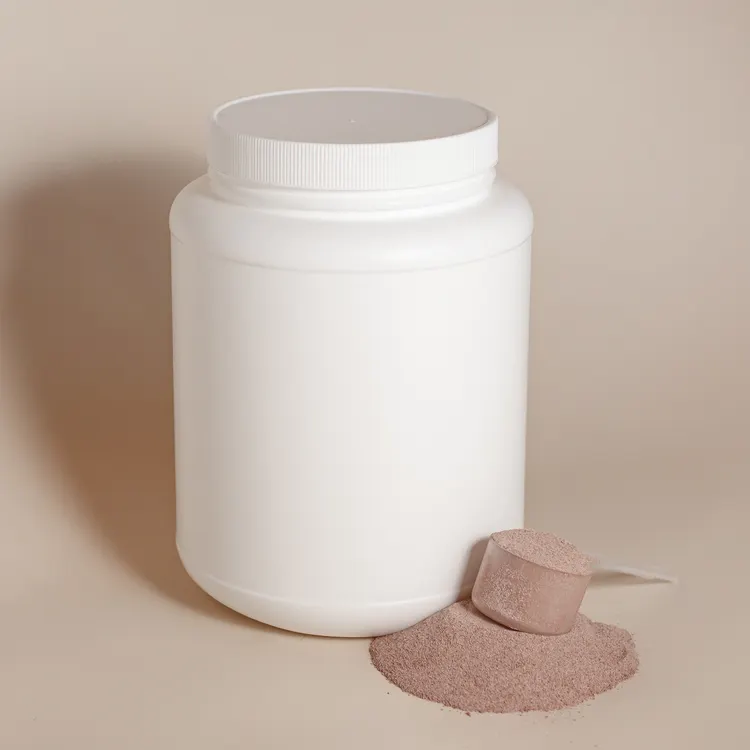
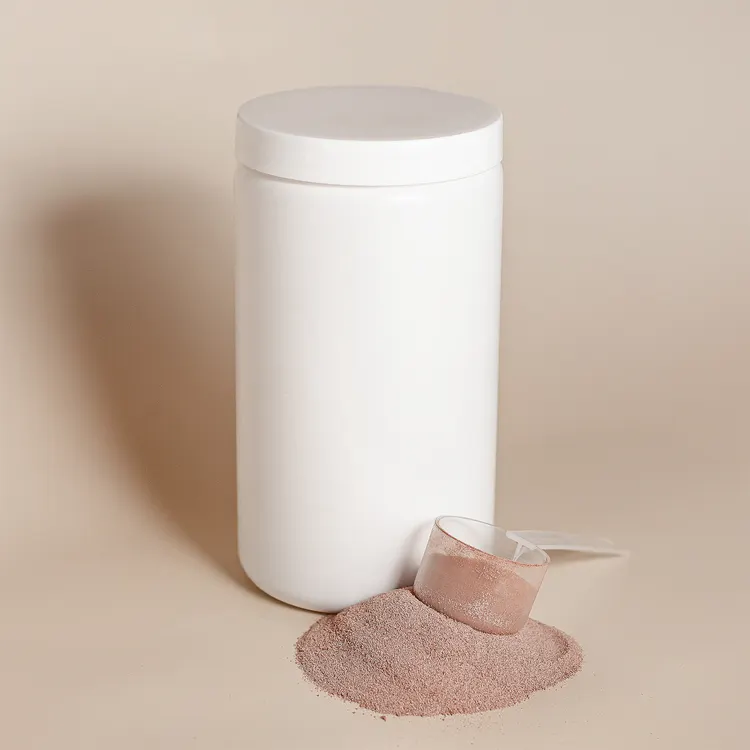
For most healthy adults choosing creatine for resistance training, a straightforward approach is 3 to 5 grams of creatine monohydrate daily. The hair trial specifically used 5 grams per day. Consistency matters more than finding a perfect minute before or after a workout because the goal is to build and maintain muscle creatine stores over time. Taking it with a regular meal or drink can make the habit easier to remember.
A loading phase is optional. A traditional protocol divides roughly 20 grams per day into several smaller servings for about five to seven days, then switches to a lower maintenance amount. That can saturate stores faster, but smaller daily servings reach the same general destination more gradually over several weeks. If large doses upset your stomach, there is little reason to force a loading schedule just to accelerate the process.
Choose a clearly labeled monohydrate product from a reputable seller, preferably with independent quality testing. More expensive formulations are not automatically more effective. Mix the powder into water or a meal, keep the dose consistent on rest days and assess whether it fits your training goals. No special hair-protection supplement stack is justified by the current evidence. Nor is there a scientific reason to double the dose because a workout felt particularly hard.
People with kidney disease, relevant medical conditions or medications that affect kidney function should discuss supplementation with their clinician. Creatine can also influence serum creatinine, a laboratory marker that is not itself a direct measure of kidney damage; disclose supplement use when interpreting blood tests. These cautions are about individualized medical context, not evidence that ordinary creatine use makes healthy lifters lose their hair.
Bodybuilding Shirts & Workout Gear
Bodybuilding shirts, tanks and gym gear for lifters chasing muscle, size, symmetry and the pump.

Creatine Monster – Bro Weightlifting, & Gains – Meme T-Shirt
Rep “Creatine Monster” humor in and out of the gym.

Testo King – Testosterone Bros, & Meme T-Shirt
Make gym days more fun with “Testo King” style.


Meme – Free Protein Gymbro – Humor Top & Gains T-Shirt
Heavy lifts, good laughs, and a little “Free Protein Gymbro” energy.

Wheyhalla Viking Protein – Meme Lovers, & Gains – Top T-Shirt
Heavy lifts, good laughs, and a little “Wheyhalla Viking Protein” energy.

Shirt Protein Addicts – & Gymbros – Meme Gains T-Shirt
Bring “for Protein Addicts” humor to your next gym day.

Big Flex Theory Tee
Bring “The Big Flex Theory Science-Based Lifting” humor to your next gym day.

Bear Protein Bear Meme , & Bros Hilarious T-Shirt
Heavy lifts, good laughs, and a little “Gym Bear Protein Bear” energy.


Shirt – Hilarious – Protein Sniffing Meme & Gains T-Shirt
Rep “Hilarious” humor in and out of the gym.
If you notice shedding, investigate the pattern rather than guessing
Hair shedding can occur for many reasons, including inherited pattern hair loss, illness, major stress, nutritional deficiencies, medication changes and scalp conditions. Timing alone can mislead: beginning a supplement around the same month as noticing a receding hairline does not establish cause and effect. Pattern hair loss often becomes noticeable during the same adult years when many people start lifting seriously and trying sports supplements.
Start by documenting what you are actually seeing. Consistent photos of the hairline, crown and part under similar lighting can be more useful than comparing random selfies. Note whether the change is gradual thinning, a widening part, diffuse shedding or an abrupt patch. Record recent illness, weight loss, diet changes, medications and any other new symptoms. Avoid repeatedly tugging at the hair or using unverified online tests as a diagnosis.
If shedding is sudden, patchy, accompanied by scalp irritation or clearly progressing, a qualified dermatologist can evaluate the pattern and possible causes. There are established approaches for common hair-loss conditions, but the right option depends on the diagnosis. It is more useful to identify a treatable problem early than to assume every change comes from a scoop of powder. Do not discontinue prescribed treatment or ignore significant symptoms because an internet theory sounds convincing.
For a healthy resistance-trained adult taking a standard daily dose, the current direct evidence does not show that creatine increases DHT or causes measurable hair thinning over 12 weeks. That is the clearest answer available, with honest limits. Keep your training decisions grounded in actual outcomes, use sensible dosing and investigate hair concerns on their own merits rather than letting one small hormone experiment dominate the conversation.