Advertising disclosure: This page includes affiliate product links that may earn us a commission, as well as products from our own store.
The final rep of a demanding squat session can leave your heart racing, your legs heavy and your whole body feeling as if you ran intervals. That feeling is real, but what does it mean biologically? A controlled laboratory exercise session involving ten resistance-trained men offers a useful, narrow answer. After six sets of ten back squats, one circulating stress-related protein rose for a short period, while several commonly measured inflammatory messengers did not follow the same pattern.
That is not evidence that squats are a replacement for cardio, that an enormous leg day automatically grows more muscle, or that more soreness signals better training. It is evidence that a hard resistance session places demands on more than the muscle fibers producing the repetitions. Understanding the distinction can help you train aggressively without mistaking one blood-test result for a workout prescription.
What Six Sets of Ten Back Squats Actually Tested
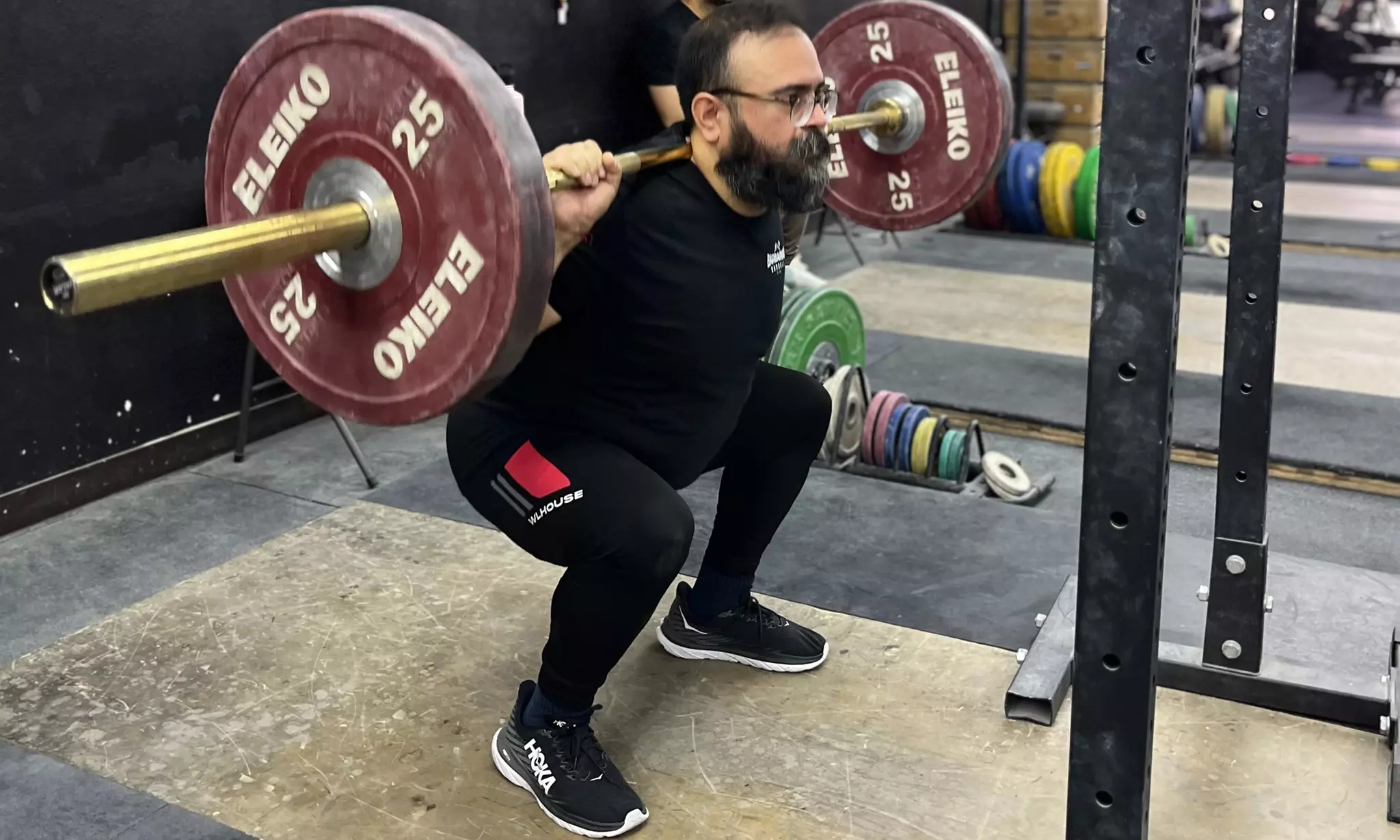
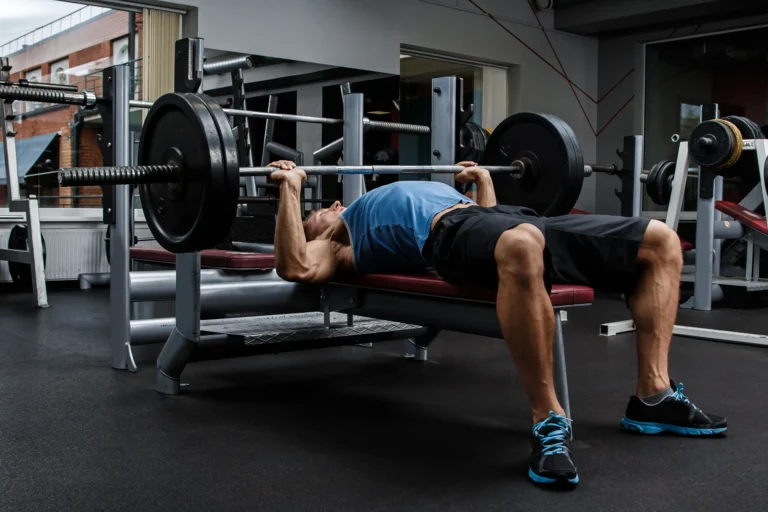
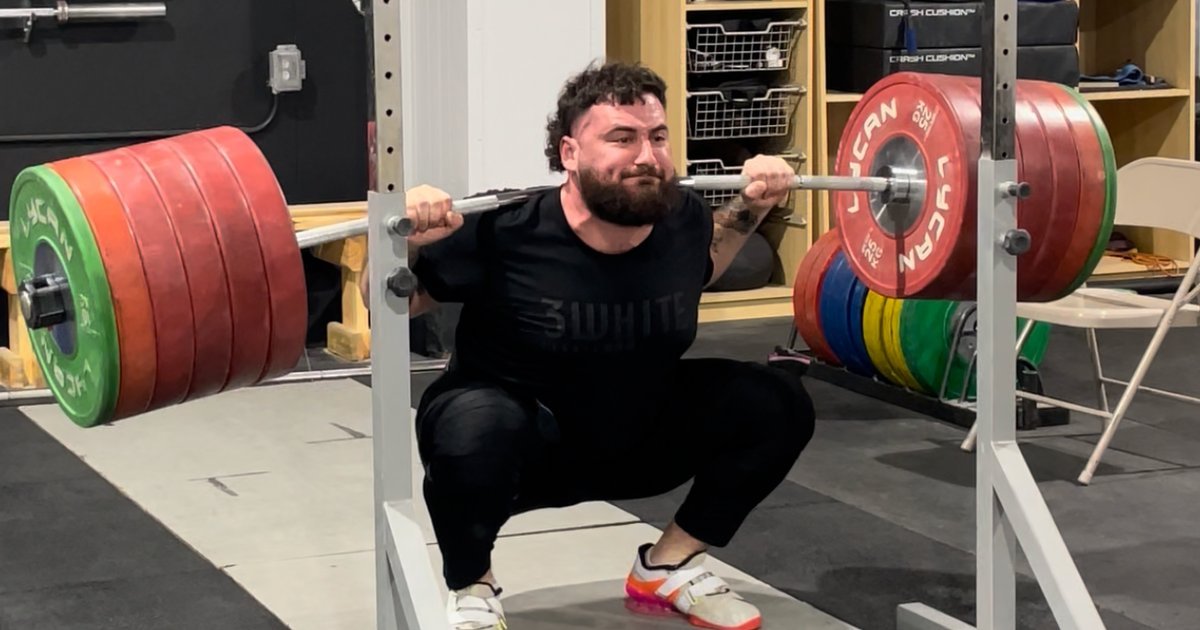
Ten healthy men with resistance-training experience completed one deliberately stressful bout: six sets of ten back squats. Their average age was 24 years, and their average one-repetition-maximum back squat was about 145 kilograms. That level of prior training matters. A workload that is merely challenging for an experienced squatter could be excessive or inappropriate for somebody still learning the movement, and the results should not be extended automatically to new lifters or to women.
The investigators drew blood before the session and immediately afterward, then repeatedly through the following minutes, hours and up to three days. Instead of primarily asking whether the men grew bigger or lifted more in the next month, they measured acute changes in extracellular heat-shock protein 70, selected immune-signaling molecules and circulating white blood cells. The design was built around the body’s short-term response to a heavy effort, not around a long-term hypertrophy program.
Six sets of ten amount to sixty prescribed squat repetitions, but that number by itself does not tell you precisely how much mechanical tension every repetition produced. Bar weight, proximity to failure, tempo, rest interval, depth and the lifter’s technical consistency all influence the real stimulus. You can imitate the number of sets without reproducing the physiological demands of a particular laboratory session.
Think of the protocol as a controlled stress test for trained lifters rather than a universal template. A high-repetition barbell squat session requires repeated bracing, a large active muscle mass and enough breathing between bouts to recover. Those overlapping demands make squats interesting for exercise physiology. They also make the movement worth programming thoughtfully instead of adding sets because a dramatic marker moved in the blood.
The Heat-Shock Protein Signal Was Brief
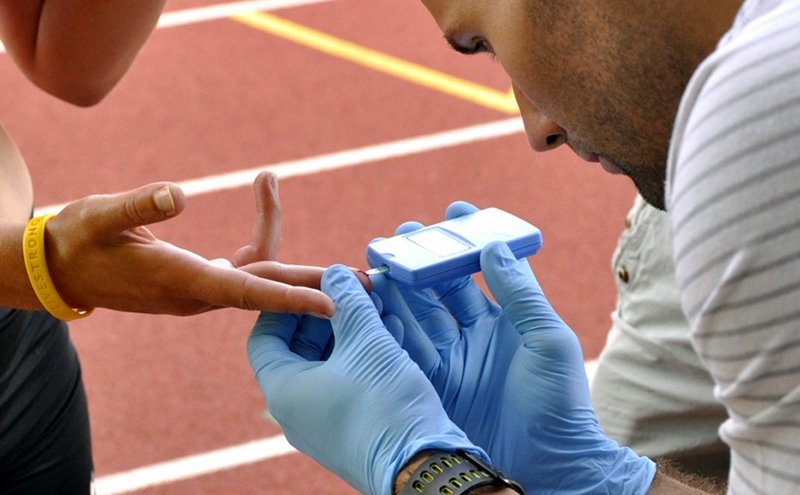
The most striking result involved extracellular HSP70, often abbreviated eHSP70. Average concentration increased from approximately 0.39 nanograms per milliliter before the session to 0.57 immediately after it. Fifteen minutes later it was around 0.52, then approximately 0.42 at the thirty-minute sample, a value no longer statistically distinguishable from baseline in this small group. The response was observable, but its measured peak was transient.
Heat-shock proteins participate in the broader cellular response to physical and environmental stress. Their name does not mean they appear only after exposure to hot temperatures. Hard exercise can create multiple stresses through muscular work, temperature changes and shifts in metabolism. The crucial detail here is the word extracellular: the measured protein was circulating outside cells, not a direct measurement of more muscle protein synthesis occurring inside the quadriceps.
Do not confuse the magnitude of this brief blood change with an estimate of hypertrophy. The researchers did not show that an athlete with a larger eHSP70 spike subsequently developed larger quads, recovered faster or acquired superior fitness. There was no comparison of different squat volumes over a training block that could establish an ideal marker level. A statistical difference immediately after exercise tells us something happened at that sampling point; it does not assign a desirable target for everyday lifters.
Other exercise work has documented circulating HSP70 responses following sustained cycling and running, with the size of the response varying by exertion, duration, the environment and individual fitness. That context is useful because it explains why scientists measure the protein across exercise modes. It does not make a barbell workout physiologically equivalent to an endurance session. The acute molecular overlap is only one piece of a much larger adaptation puzzle.

Equipment Worth Exploring
Explore equipment, accessories and gear from our carefully selected range.


Competition Plates
Competition-style bumper plates for Olympic lifts and loaded strength training.

Multi Pull Smith Rack MPHR-780
All-in-one rack with a Smith machine, functional trainer, lat pulldown and low row.

Foldable Wall Rack
Wall-mounted folding squat rack designed to save floor space between workouts.


GymPin Squat Wedges
Non-slip 15-degree squat wedges help elevate the heels for deeper quad-focused squats.

Safety Squat Handles
Barbell squat handles that reduce shoulder positioning demands during high-bar squats.


Grip Plates
Rubber-coated weight plates with handholds for loading barbells and machines.
White Blood Cells Moved, but Inflammation Was Not One Simple Spike
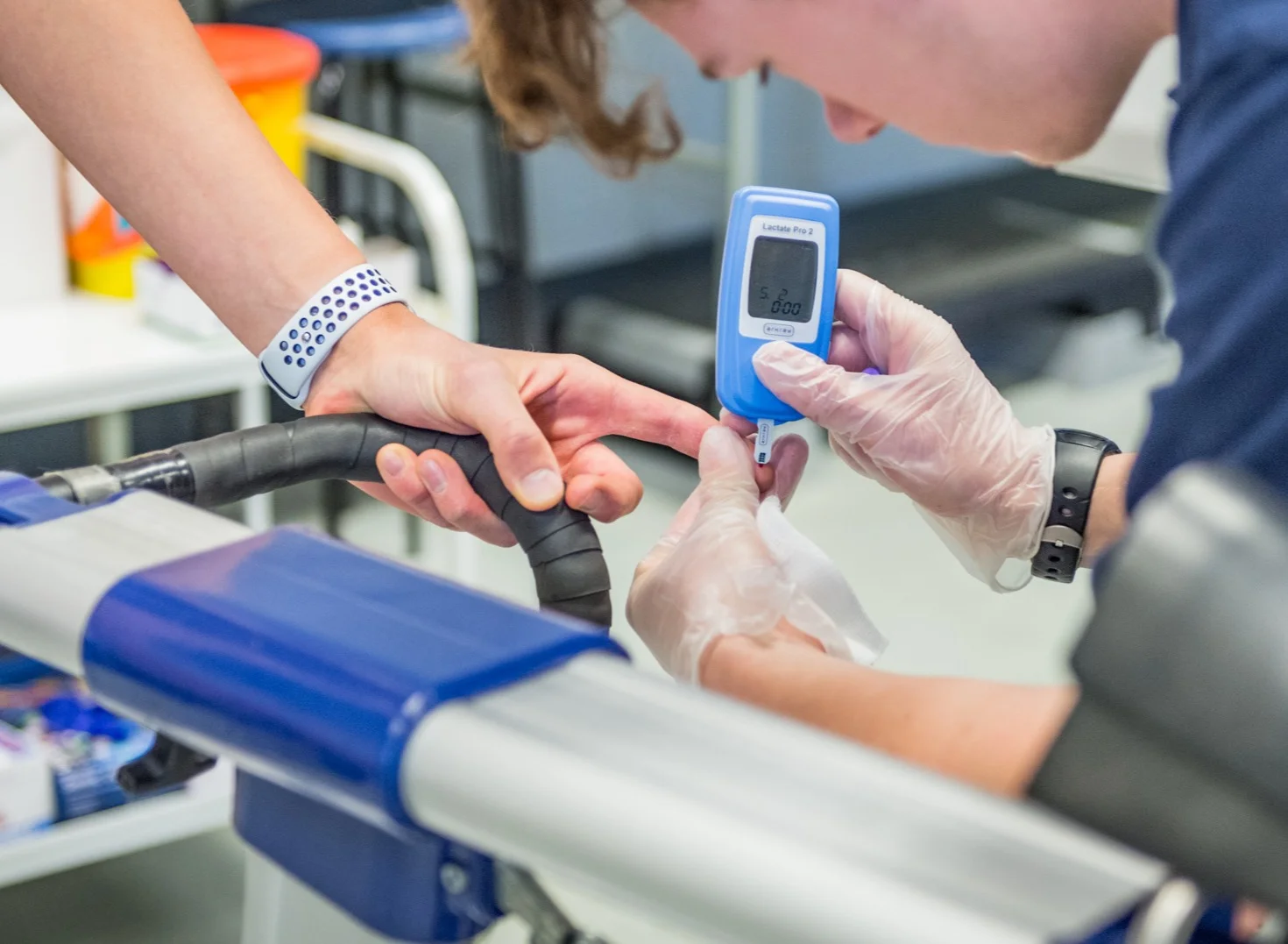
The same session produced a clear short-term change in circulating white blood cells: the group average moved from approximately six to eleven thousand cells per microliter immediately after exercise. A signal associated with immune-cell recruitment, IL-8, also increased. At the same time, the investigators did not find a uniform postexercise increase in the other selected cytokines they measured. Calling the entire response a large, indiscriminate inflammatory surge would misrepresent the pattern.
White blood cells can redistribute rapidly during strenuous exercise. An immediate count reflects cells circulating at the time of the draw, which is different from establishing that the workout caused lasting immune impairment, tissue disease or chronic inflammation. Likewise, cytokines differ in function and timing. Looking at one increased messenger while ignoring unchanged measurements invites exaggerated health claims.
The study’s ten-person sample also limits certainty. Individual responses can differ meaningfully, especially when the group average and the spread of values are both considered. A marker that changes over minutes in this trained group should not be turned into a diagnostic rule for people recovering from illness, using medication, or managing medical conditions. The relevant question is how a study measured its outcomes, not whether a result sounds impressive in isolation.
For lifters, the interpretation is comparatively modest: one demanding squat workout temporarily altered the circulation of several stress-related markers, and not all markers moved together. Those measurements are useful for exploring physiology, but you cannot use them to determine whether your next leg session should contain four, six or eight sets. More productive feedback comes from repeatable performance, recovery and the ability to train again with good form.

Leg Day Shirts & Workout Gear
Leg-day gym shirts and workout gear for lifters who never skip squats, lunges and lower-body punishment.


My Leg Hurts Leg Day & Squat Meme Fans Vest Tank Top
Train hard, laugh a little, and rep “My Leg Hurts”.

Zombie Deadlift Deadlift Lovers & Leg Day Meme Hooded Hoodie
Make your off-duty look more fun with “Zombie Deadlift”.

Deadlift Lovers Grim Reaper Sweater Powerlifters & T-Shirt
Add a playful “Deadlift Lovers Grim Reaper” touch to your casual rotation.

Deadlift Pink Skull Crewneck for Powerlifting Leg Day a T-Shirt
Show some gym-day personality with “Deadlift”.

Deadlift Cyberpunk Skull Gym Shirt for Powerlifters, Sc T-Shirt
Bring “Deadlift” humor to your next gym day.

Deadlift Wasteland Skull Decal , Hardcore Gym Accessory Sticker
Put “Deadlift” gym humor on your laptop, bottle, or gym gear.

Thicc Booty Energy Leg Day Lovers & Squat Enthusiasts Tank Top
Bring “Thicc Booty Energy” humor to your next lifting session.

Let It Grow Leg Day Squats & Booty Building Meme Hoodie
Keep it laid-back with a little “Let It Grow” attitude.
A Hard Squat Session Still Does Not Replace Cardio
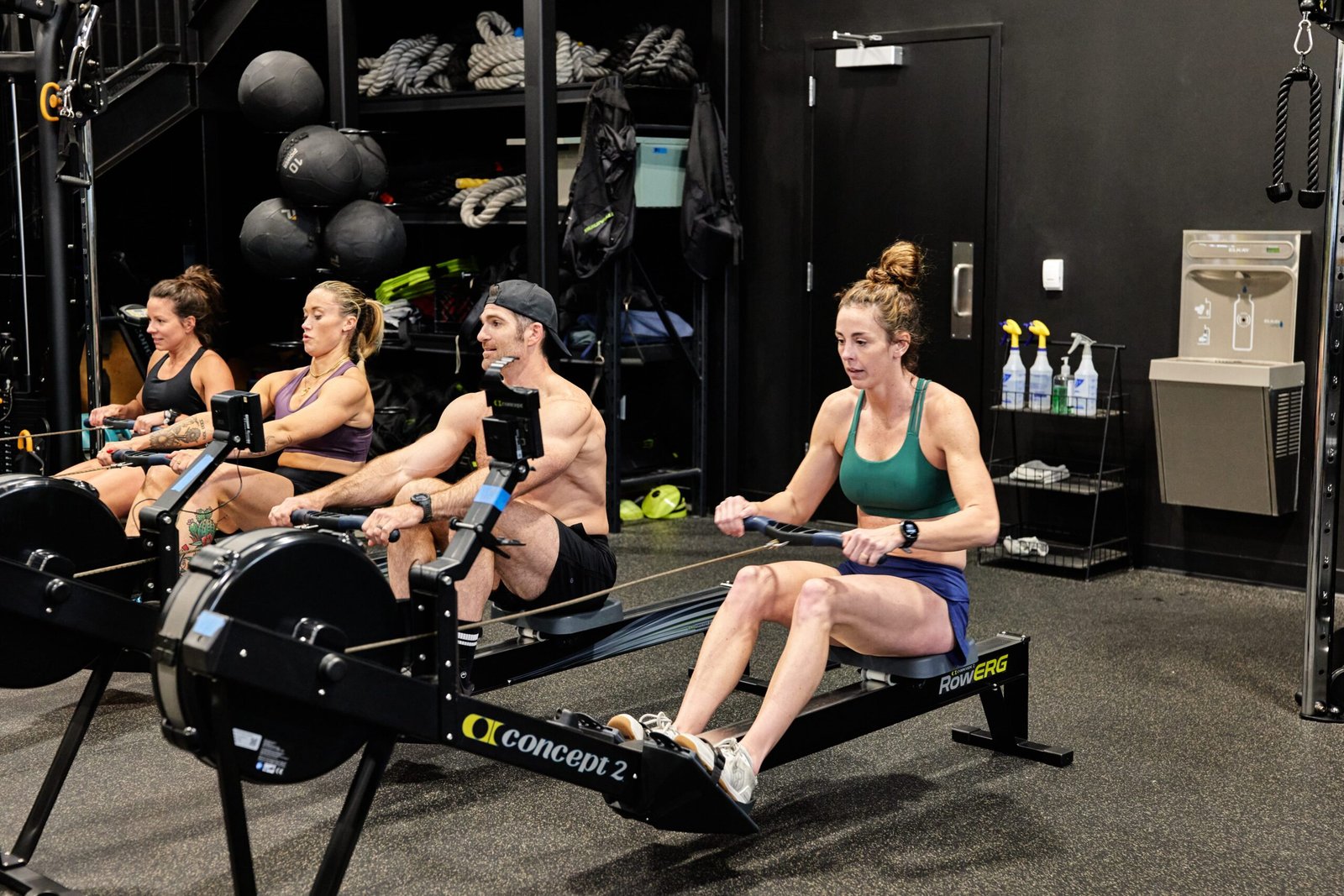
Heavy squats can certainly produce a high heart rate and leave an athlete breathing hard. In some circumstances resistance exercise creates a considerable acute cardiovascular load. But an elevated heart rate or a transient stress protein is not the same outcome as better aerobic capacity, increased endurance performance or a measurable improvement in the ability to sustain work for many minutes.
Training adaptations are specific to the demands you repeat. Back squats prioritize producing force under a bar, coordinating the lower body and trunk, and managing progressively heavier or more demanding sets. Cycling, rowing, swimming or running supply a more continuous cardiovascular challenge that can be progressed by duration, distance, power and recovery. Both can be valuable. Their overlap does not erase their distinct purposes.
If strength is your primary objective, protect the quality of your main squats and other heavy lifts rather than exhausting your legs with conditioning immediately beforehand. A few easy minutes of cycling can warm you up; a brutal interval session can change the performance of the work that follows. Conversely, if you primarily want to improve your ability to sustain effort, regularly include dedicated aerobic training instead of hoping occasional leg-day breathlessness will do everything.
A simple combined schedule might put demanding lower-body lifting on Monday and Thursday, with an easy bike or brisk walking session on another day. A more advanced athlete could add intervals when recovery and performance support them. The point is not to avoid conditioning. It is to choose the dose and placement of different exercises according to your actual goals, not according to a single blood biomarker.
How to Program Difficult Squat Volume Without Chasing Exhaustion
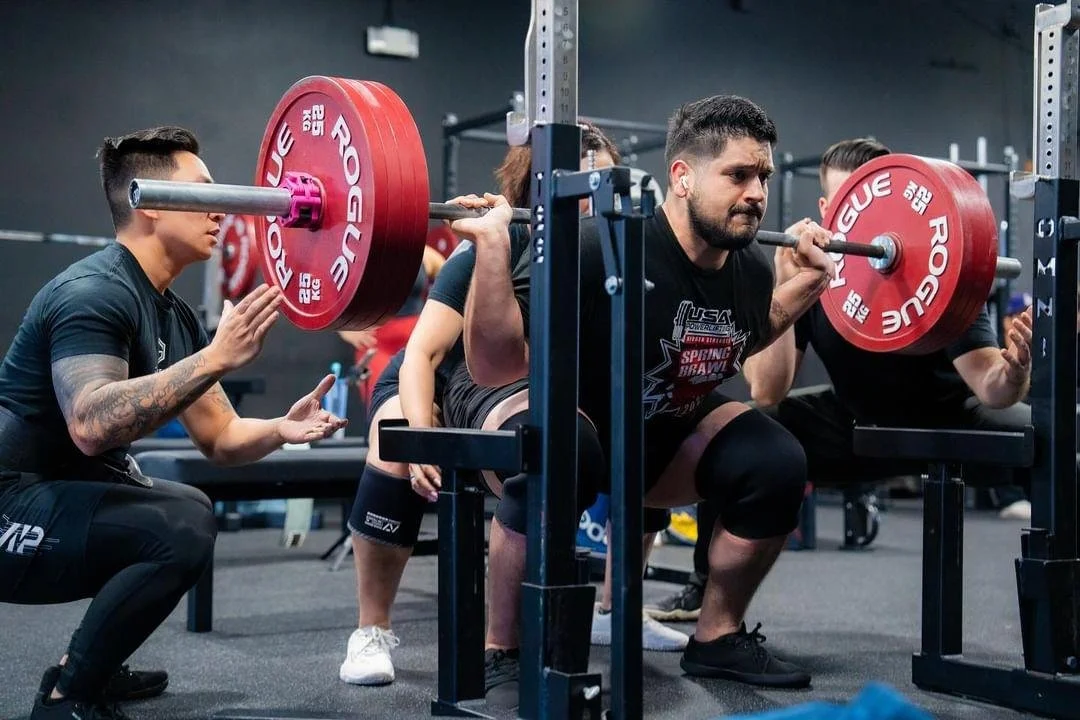
The six-by-ten protocol demonstrates a large acute workload, but it does not prove that sixty squat reps are superior to every shorter or longer session. The amount of effective volume you can use depends on how long you have trained, the weight selected, where the set ends relative to failure and how much total lower-body work already appears in your week. More sets can help up to a point; eventually additional fatigue may cost more than the training stimulus adds.
Start by defining the role of squats in the week. For a strength-oriented lifter, two to four challenging working sets in a lower repetition range may preserve better bar speed and technical quality than six exhausting tens. A hypertrophy-focused athlete might use several moderate-repetition sets, then add less technically demanding quad or glute work. Neither approach needs to reproduce a physiological research protocol to be useful.
Choose a load that lets you hit consistent depth and keep your feet planted, spine braced and knees tracking comfortably. If your first set is smooth but the fourth becomes a different exercise, the useful response may be to lower the load, take longer breaks or stop accumulating sloppy reps. Two to three minutes of rest may be practical for moderate sets, and genuinely hard compound lifts can justify more time. There is no prize for rushing every squat just because you are capable of breathing hard.
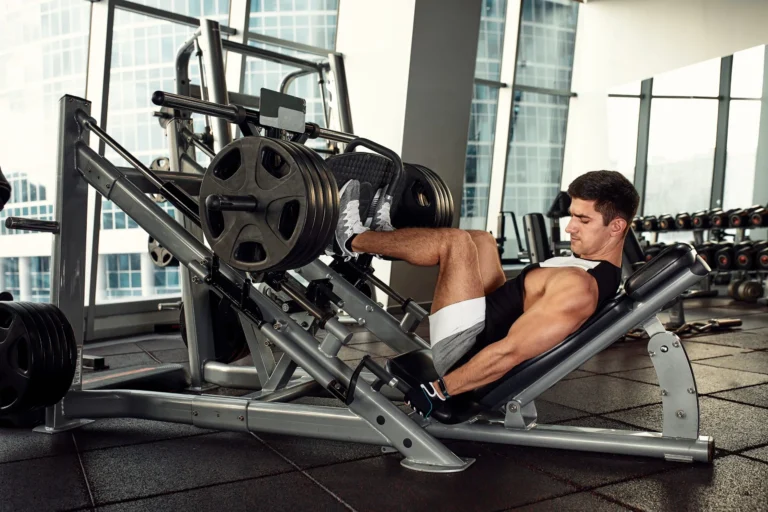
Use safety pins or appropriate spotting when testing difficult sets, and do not mistake knee pain, dizziness or technique breakdown for evidence of a superior stimulus. Plates, a sound rack and a stable barbell are practical investments in repeatable execution. Alternatives such as a hack squat, leg press or belt squat can also add lower-body volume when back-squat fatigue becomes the limiting factor. They serve a different setup and loading demand, not an exact duplication of the study.
Equipment Worth Exploring
Explore equipment, accessories and gear from our carefully selected range.

Studio V-Squat
Plate-loaded V-squat machine for supported lower-body strength training.

Leg Press/Hack Squat BPR-790
Convertible 45-degree leg press and hack squat machine with a broad footplate and band pegs.

Compact Leg Press CLP-700
Compact reverse-style leg press with a moving seat carriage and an adjustable footplate.

Open Hex Bar
Open-frame trap bar with multiple handles for deadlifts, carries, and lower-body training.


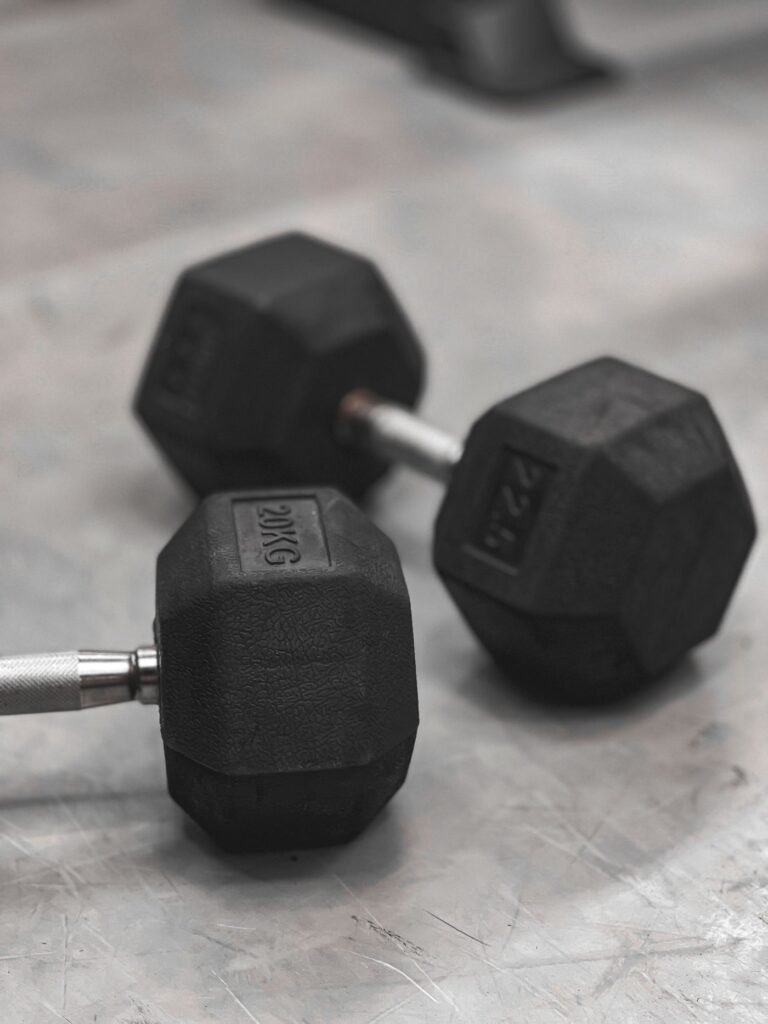
Rubber Hex Dumbbells
Rubber-coated hex dumbbell pairs with a stable shape for home and commercial strength training.

Belt Squat Collar
Heavy-duty collar adapter for compatible belt-squat and landmine bar setups.

Studio Glute Drive
Plate-loaded hip-thrust machine with supported back pad and adjustable foot platform.
Try a Two-Week Performance and Recovery Check Instead
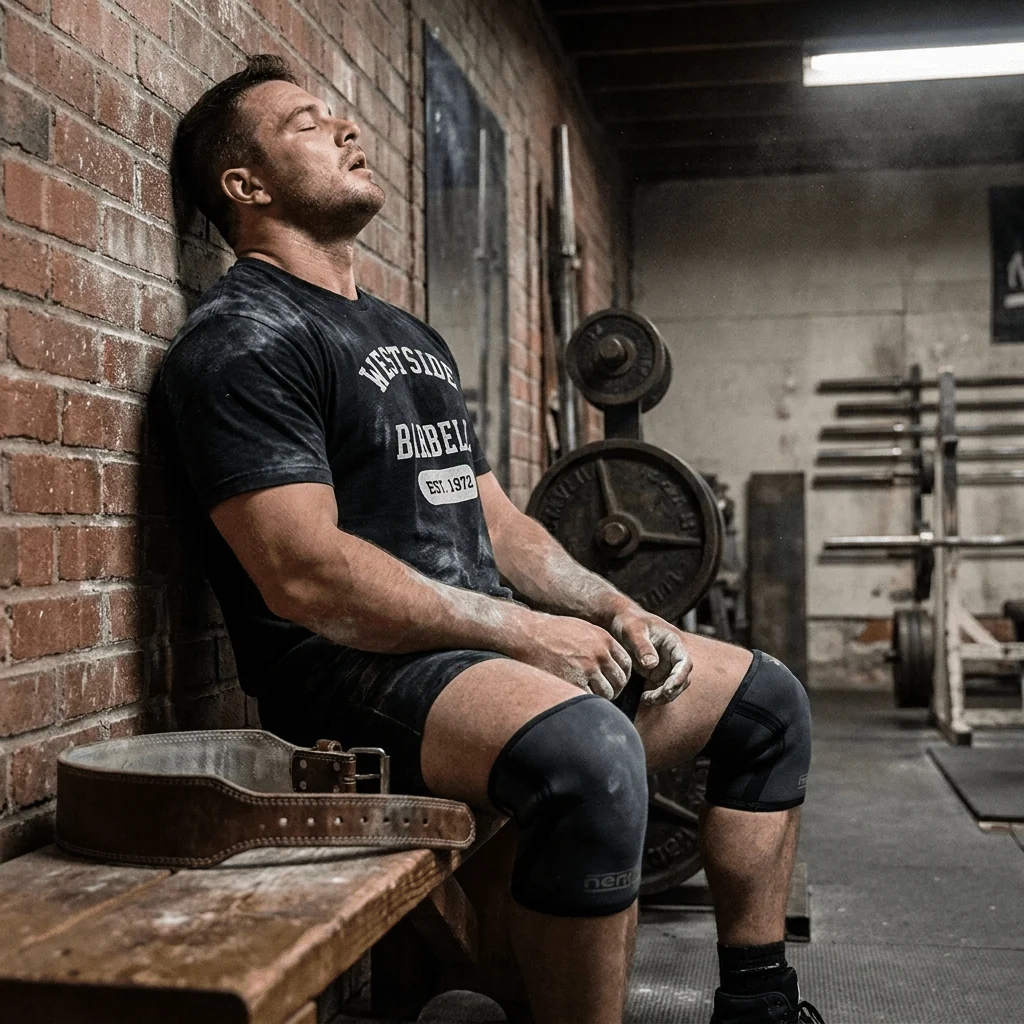
You do not need a blood test after each leg session to make a useful training decision. For two weeks, keep a simple record of your top squat work sets: load, repetitions, approximate reps in reserve, rest time and whether your final repetition still matched the movement you intended. Also note sleep, unusual soreness and how ready you felt for the next lower-body session. This produces a practical baseline rather than an isolated reaction to a hard day.
During week one, maintain a manageable workload. For example, perform three or four working sets of back squats once or twice per week at an effort that leaves roughly two repetitions in reserve, then complete the rest of your planned session without chasing failure. If you already have an established squat program, keep it instead of switching just to mimic the research. The experiment is the tracking, not an arbitrary volume increase.
In week two, adjust only one variable when the evidence supports it. If technique, load performance and recovery are solid, you might add one working set, add a small amount of weight or maintain the same load with cleaner reps. If performance drops, soreness lasts into your next session or bracing deteriorates, reduce the workload instead. A useful training plan is one you can repeat and gradually progress, not one that guarantees the biggest immediate physiological disturbance.
The bigger lesson is that strenuous resistance exercise sends whole-body stress signals, and researchers can measure some of them. That makes the science interesting without turning every acute change into a practical command. Keep squatting for strength and muscle, use conditioning for the benefits you want from conditioning, and judge your program by changes you can reproduce over weeks rather than by how destroyed you feel after a single afternoon.
Powerlifting Shirts & Lifting Gear
Powerlifting shirts and gym gear for squat, bench and deadlift lifters who live for heavy numbers.

Heavy Enough Tee
Bring “If You're Not Scared It's Not Heavy Enough” humor to your next gym day.

Bending Bars Meme – Barbell Squat Bench Deadlift, & T-Shirt
Heavy lifts, good laughs, and a little “Bending Bars Gym Meme” energy.

Platehead Skull Sweater Powerlifters & Bros Meme T-Shirt
Bring “Platehead Gym Skull” humor to your everyday gym style.

Gymhead Skull Plate Hooded Hoodie
Keep it laid-back with a little “Gymhead Skull Plate Funny Powerlifting” attitude.

Dadlift Dads Meme Dad Strength Tank Top
Bring “Dadlift” humor to your next lifting session.

Rack Panther Black Panther Workout Squat Rack Bodybuild T-Shirt
Show some gym-day personality with “Rack Panther Black Panther”.

Pre-Workout Skull Hardcore Gym Pullover for Powerliftin Hoodie
Show off your powerlifting humor in a laid-back “Pre-Workout Skull” hoodie.

Christian Gym Pray Heavy Lift Heavier Medieval Knight M Tank Top
Bring “Christian” humor to your next lifting session.

Cult Member – Gymbro Meme & Gains – Top T-Shirt
Heavy lifts, good laughs, and a little “Gym Cult Member” energy.

I Want You To Lift Heavy – Patriotic Uncle Sam 4th of J Hoodie
Stay casual and show some powerlifting attitude with “I Want You To Lift”.