Advertising disclosure: This page includes affiliate product links that may earn us a commission, as well as products from our own store.
Bench dips look simple: place your hands on a bench, move your hips off its edge and bend your elbows. But the exercise is not just a lighter version of a parallel-bar dip. Your hands sit behind your torso, your feet decide how much weight your arms support, and the bottom position can ask for substantial shoulder extension. Here is how to set up repeatable reps, understand that tradeoff and choose a better triceps option when the movement does not suit you.
Set a stable bench, then choose hand and foot positions
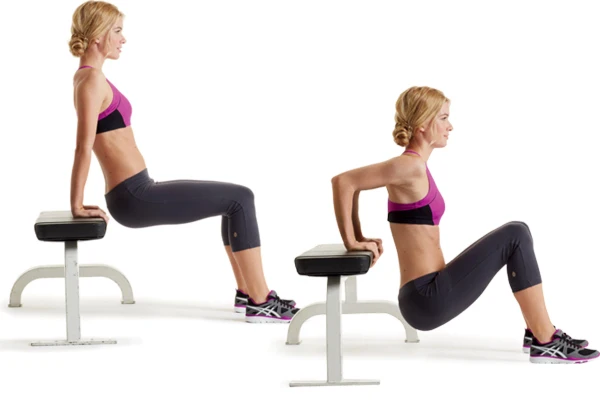
Start by testing the bench before you test your strength. Use a flat, sturdy surface that does not slide, tip, swivel or rock when you press down on its near edge. A stable workout bench is better than a rolling chair, a light household stool or an improvised platform. Place it on level flooring with enough space for your feet to move forward. If you train outside, inspect the bench for loose boards and wet surfaces. A bench dip transfers body weight to the edge; a support that looks secure while you sit on it may not stay secure when you hang from it.
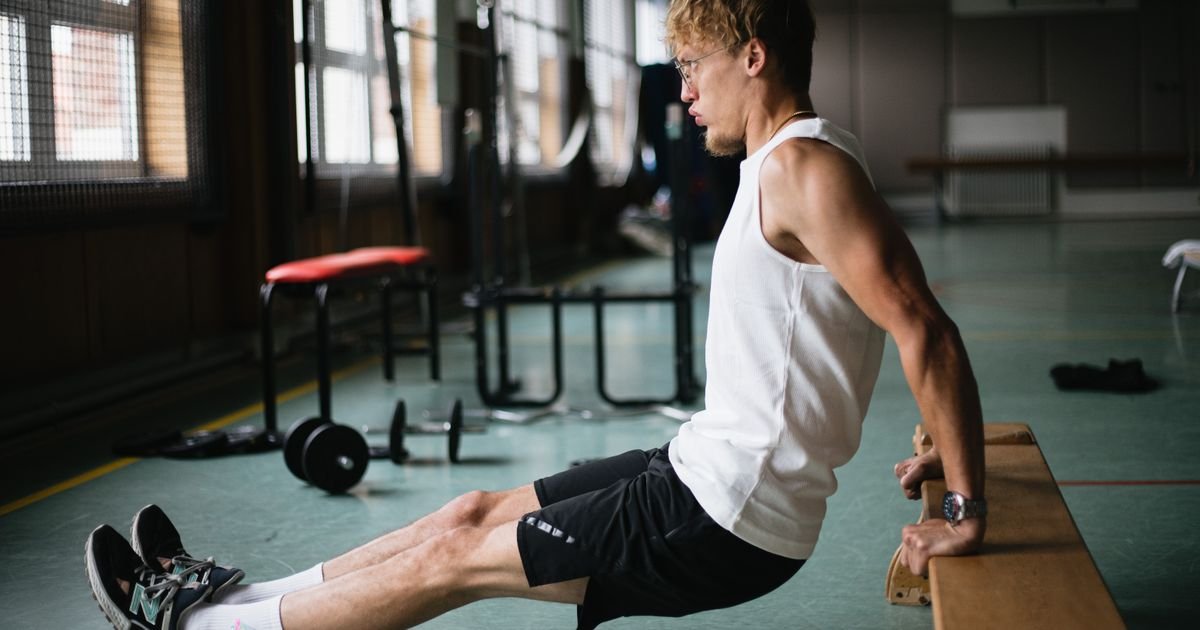
Sit near the front of the bench and place your palms beside your hips, at about shoulder width or slightly wider if your shoulders are more comfortable. Let the fingers point forward or modestly outward without forcing the wrists into a painful angle. Walk the hips just off the edge, rather than drifting a long distance away. At the top, support yourself with your palms and feet while keeping the upper body organized. The wrists need a tolerable extension angle, the elbows should track mostly back, and the neck should remain relaxed.
Foot placement is the simplest difficulty control. Keep the knees bent and feet planted closer to the bench for an easier version because the legs can support more of your weight. As the knees straighten and the heels move farther away, more work usually shifts toward the arms. Do not assume straight legs represent better form: a heavier variation is useful only if you can keep the shoulder position comfortable and the repetitions consistent. People with long legs or a high bench may need a different distance to avoid awkward hip or wrist angles.
Before your first set, perform a few partial movements without chasing depth. Confirm that the bench remains stationary, the hands do not slide, and the elbows bend symmetrically. If the elbows flare sharply or the shoulders drift forward, reset. Think of the starting position as a supported, short-range press rather than a dramatic bodyweight drop. The triceps extend the elbows, but their work should not require an uncontrolled shoulder stretch.
Set an initial standard that is easy to repeat: the hips remain close to the bench edge, the feet keep contact with the floor, and the range is the same on both sides. This baseline makes later changes in repetitions or leg position meaningful rather than hiding them behind moving targets.
Control the descent and respect shoulder extension

The limiting issue in a bench dip is often not triceps strength. The upper arms travel behind the torso as the elbows bend, putting the shoulders into extension under load. A comparison of bench, parallel-bar and ring dips observed that the bench version demanded more shoulder extension even though it registered lower peak triceps activation than the other two variants. That does not prove that any particular repetition will cause injury. It does explain why a deep bench dip can feel uncomfortable at the front of the shoulder even when the arms have strength left.
Lower yourself deliberately, letting the elbows bend while the hips travel mostly down near the support. A two-second descent is an easy starting rhythm. Do not bounce at the bottom, force an extra stretch or let the shoulders roll far forward to manufacture depth. Many guides use roughly a right-angle elbow bend as a visual checkpoint, but it is not a universal target. Your comfortable shoulder range is the better limit. Some lifters may need substantially less depth; others may be able to tolerate more without symptoms. The goal is controlled elbow work, not maximal shoulder travel.
Keep the torso reasonably upright instead of leaning far forward or letting the pelvis swing away from the bench. These movements can turn the exercise into a moving shoulder lever and make each repetition different. A little natural shoulder motion is not an error in itself, and trying to pin the shoulder blades rigidly may feel unnatural. Focus instead on a stable upper-body position that lets the elbows extend smoothly without pinching or catching.
Press through the palms until you return to a comfortable supported top position. You can fully straighten the elbows if doing so feels natural, but avoid aggressively snapping them into lockout. Exhale through the push, breathe normally between controlled repetitions and stop before fatigue turns the last few reps into a series of bounces. Pain at the front of the shoulder, a sharp catch or symptoms that linger after the set are reasons to stop this variation and choose another exercise.
Bench dips should never be treated as a mandatory rite of passage. Their behind-the-body arm position is an inherent feature, not a technique defect that one cue can entirely remove. If your shoulders dislike the position, a rope pushdown, close-grip push-up or another tolerable elbow-extension exercise can train the triceps without insisting on that same loaded range.

Equipment Worth Exploring
Explore equipment, accessories and gear from our carefully selected range.


Multi Bench MBX-650 2.0
Adjustable multi-bench with roller adjustment, 15 backrest positions and accessory mounts.


Power Tower
Freestanding pull-up and dip station with adjustable handles for bodyweight training.


Long Tricep ERGO Ropes
Extended triceps ropes with ergonomic grips for cable pressdowns and overhead extensions.
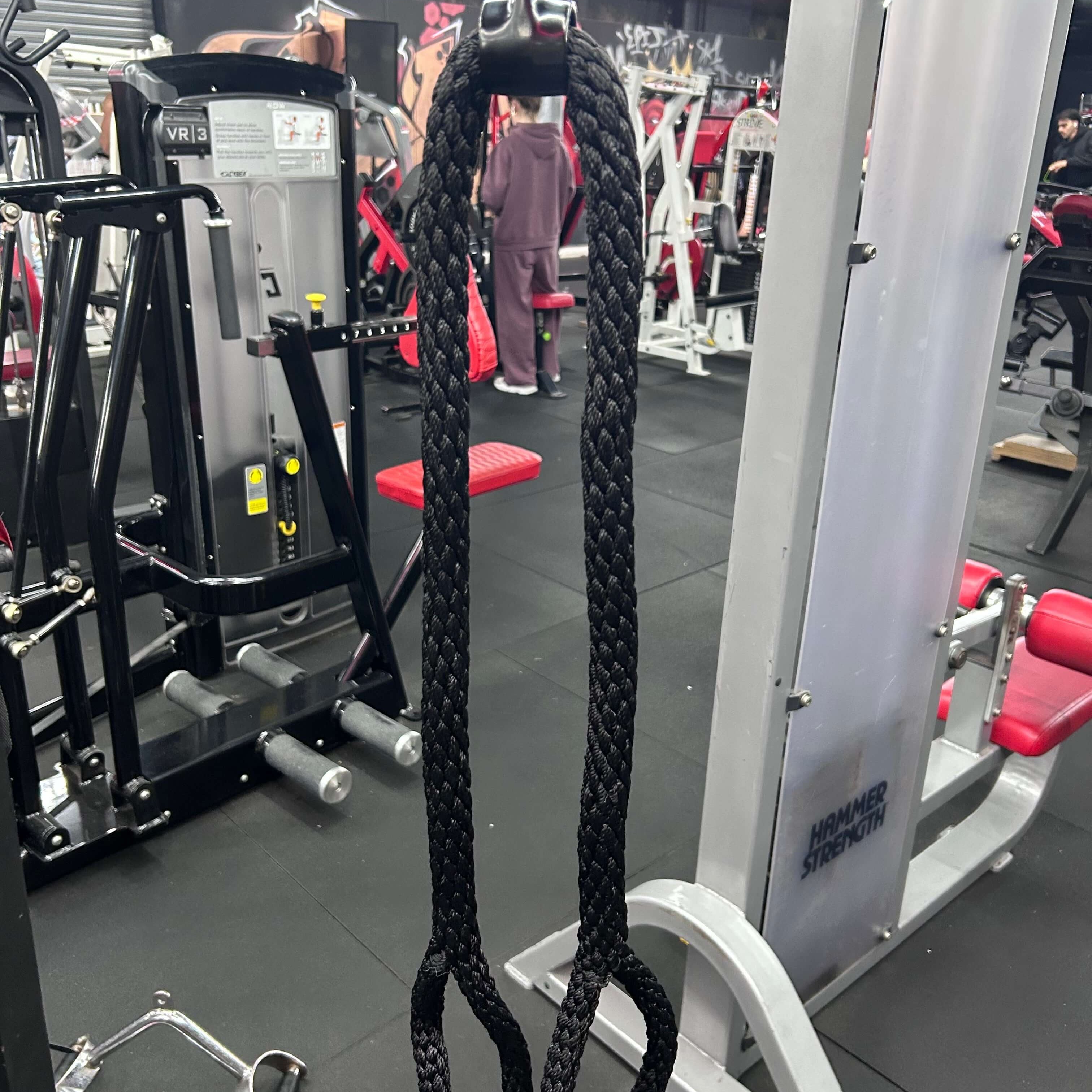
Super Long Tricep Rope
Extra-long looped cable rope for triceps pressdowns and overhead extensions.
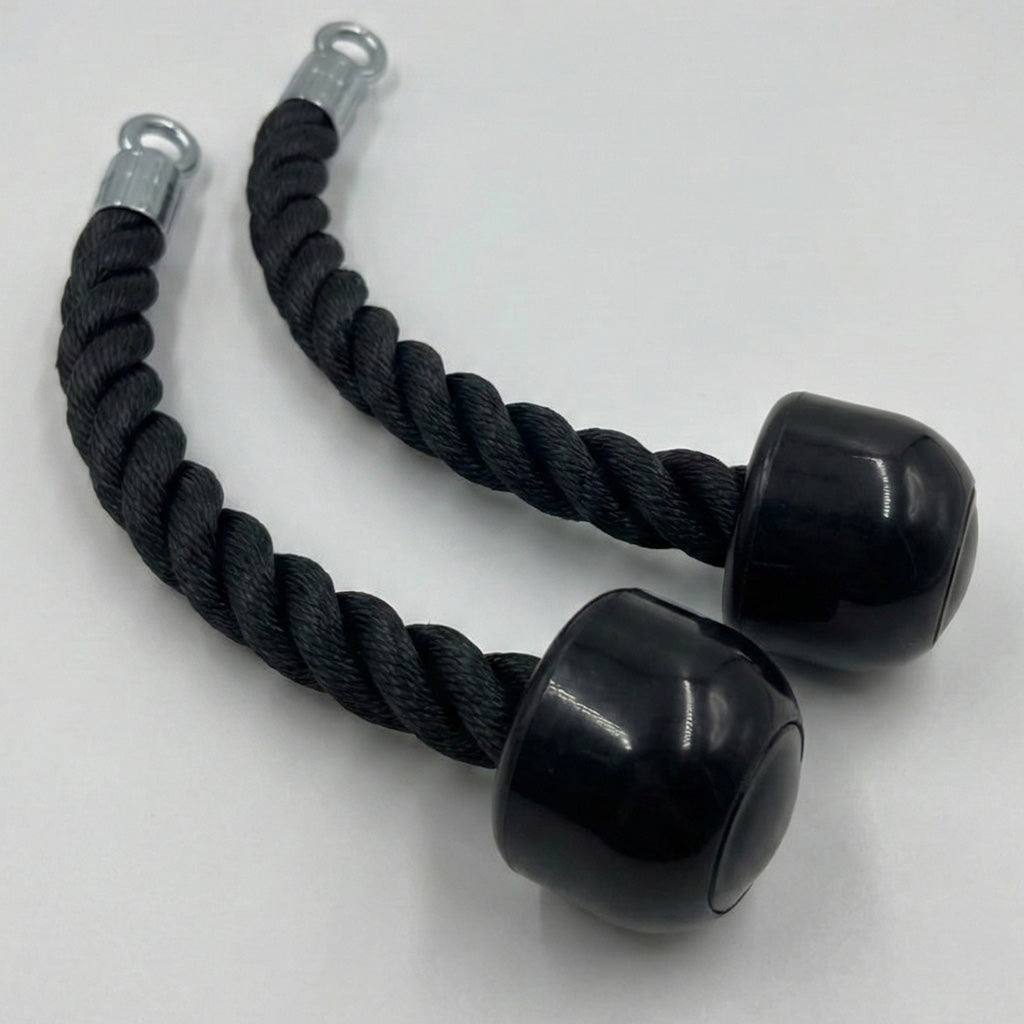
Individual Tricep Ropes
Pair of individual cable ropes for triceps pressdowns and cable hammer curls.

Multi-Length Tricep Strap
Adjustable-length cable strap for triceps, biceps and upper-body cable exercises.
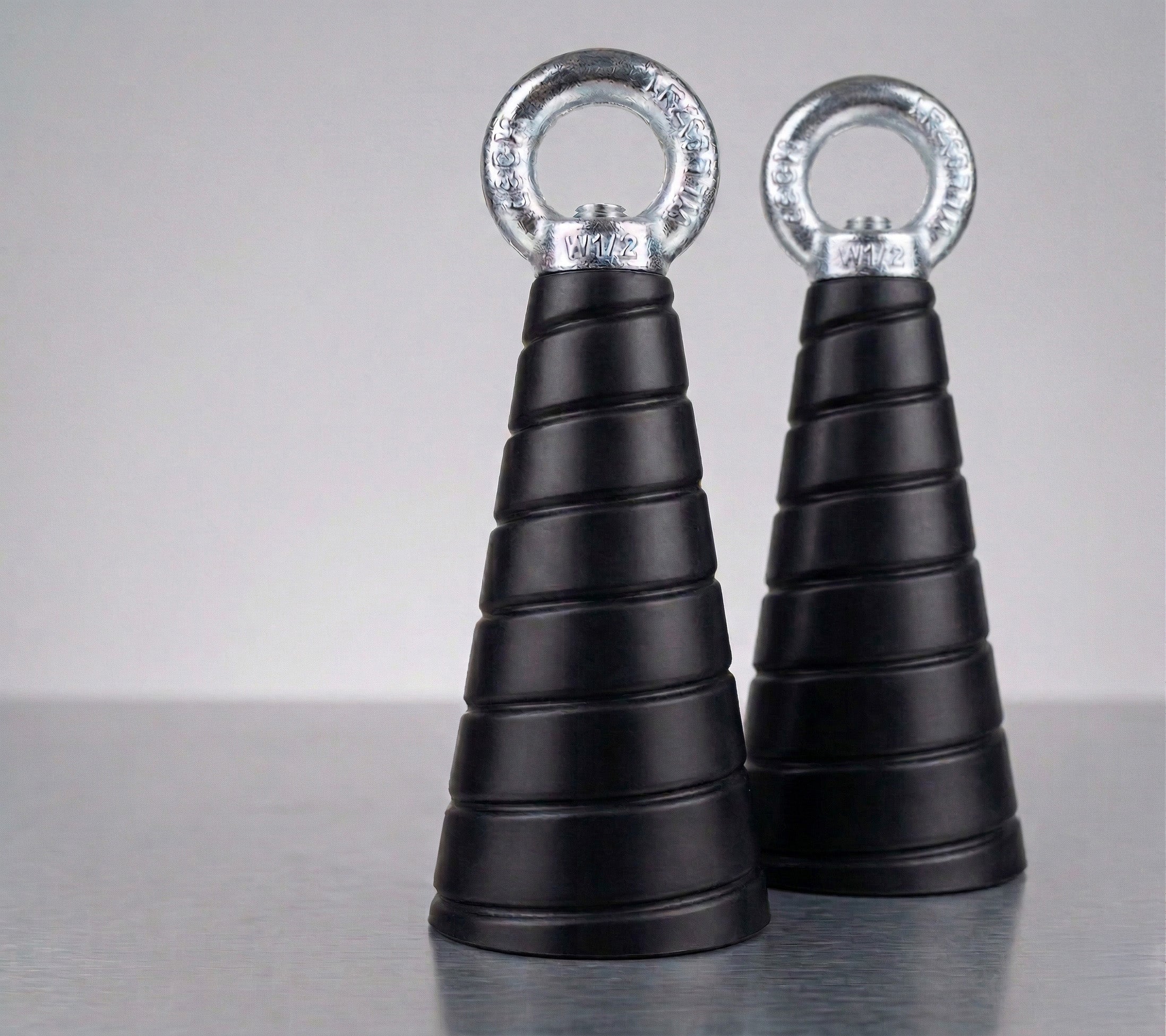
Tapered Tricep Cone
Tapered rubber cable grip for triceps extensions, face pulls and hammer curls.
Understand what bench dips and parallel-bar dips change

A bench dip and a parallel-bar dip share elbow extension, but they do not put the body or shoulders in the same geometry. The bench supports your hands behind you while the feet remain grounded. Parallel bars position the hands beside the torso and suspend more of the body between two handles. That changes how much weight the arms bear, the motion of the upper arm and how the chest, shoulder and triceps contribute. Comparing the two only by how many reps you can complete misses those differences.
In a small laboratory comparison involving 13 experienced men, researchers recorded four repetitions of each of three dip variations and compared motion capture with surface muscle-activity signals. Peak triceps readings were lower for bench dips than for bar dips, while bar and ring dips showed similar peak values overall. The study also found meaningful differences in motion and in some other muscle signals. These are measurements made during a brief controlled test, not evidence that one exercise automatically creates more muscle over months of training.
Take the practical message as a comparison of demands, not a ranking contest. A bench dip may be accessible because the feet provide assistance; a parallel-bar dip may offer a more suitable arm position for some lifters while requiring greater supporting strength. Neither version is guaranteed to be comfortable for every shoulder, and a deeper range is not necessarily a better one. The exercise you can train consistently with manageable load and no persistent symptoms is the more useful option for you.
For parallel bars, begin with a stable support hold before performing repetitions. Brace lightly, keep the handles firm and lower under control to a range your shoulders tolerate. If you cannot support your weight or control the bottom, use a suitable assistance method or train the movement with a different exercise first. Do not leap from easy, bent-knee bench dips directly into weighted bar dips simply because both share the word dip.
Your training goal also matters. If you want pressing strength, bar dips may have value alongside a bench or overhead press. If the goal is mainly triceps hypertrophy, a cable pushdown offers precise resistance changes and is often simpler to standardize. Bench dips are one option within that menu, not the only path to stronger arms.
See why ring dips add a stability challenge
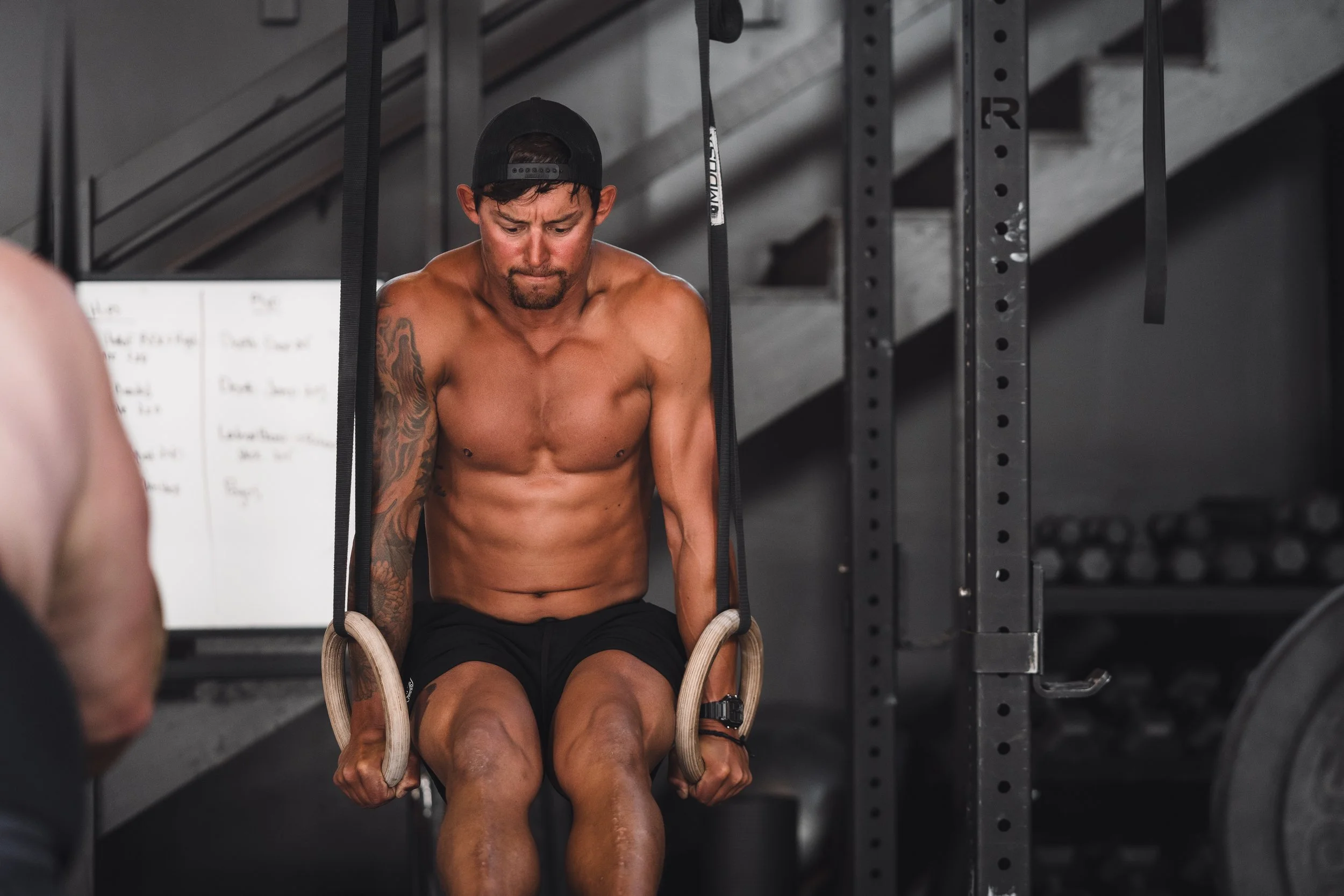
Gymnastic rings remove the fixed hand spacing and direction provided by parallel bars. The handles can move independently, rotate and drift as your shoulders and elbows try to support the body. This adds a coordination demand before you even start the lowering phase. A shaky support hold is not a signal to push deeper; it is a sign that the first task is to maintain control of the rings in a range you can own.
Research comparing the three dip versions found that ring dips produced muscle-activity patterns similar to bar dips at the triceps peak, with some supporting muscles showing greater activation. That result describes a specific small group of experienced men performing a few repetitions. It does not mean rings are universally the best triceps builder, and it does not turn unstable repetitions into superior training. Instability can make an exercise more demanding without improving the stimulus you care most about.
If you are exploring rings, first check that the straps and anchor points are rated, correctly secured and evenly adjusted. Practice a brief straight-arm support with the rings held beside the hips. Keep the shoulders and wrists in a comfortable position, and avoid swinging or dramatically turning the rings outward to imitate an advanced demonstration. Only progress to shallow dips once your support is consistent. A spotter, band assistance or a lower-foot-supported variation can help, but make sure the setup itself does not introduce a new slip or fall hazard.
An athlete comfortable with parallel-bar dips may still find ring dips challenging because stabilization is a separate skill. Use fewer reps, longer rest and more conservative progression until the ring path is repeatable. If the arms tremble enough to alter the range or the shoulders feel unstable, scale back. Practice quality support holds rather than forcing volume with poor control.
Ring work is not a required upgrade from bench dips. For someone focused on triceps size, the extra instability may make precise effort harder to measure. For someone pursuing calisthenics skills, it can be a valuable training goal in its own right. Choose the tool that matches the outcome instead of chasing the hardest-looking variation.

Calisthenics Shirts & Street Workout Gear
Calisthenics and bodyweight-training gear for pull-ups, dips, handstands and street-workout athletes.


Shirt – Calisthenics Heartbeat Gymbros & Meme Lovers T-Shirt
Bring “Calisthenics Heartbeat” humor to your next gym day.


Calisthenics Evolution Muscle Shirt Athletic Vest for B Tank Top
Add some lifting attitude to training with “Calisthenics Evolution”.

Calisthenics Hanging Out Crewneck
Bring “Calisthenics Is My Idea of Hanging Out” humor to your everyday gym style.

Turn Off Gravity Funny Calisthenics Gym Hooded for Huma Hoodie
Show off your lifting humor in a laid-back “Turn Off Gravity Funny Calisthenics” hoodie.

Funny Calisthenics Gym Decal for Water Bottles Laptops Sticker
Bring “Calisthenics” attitude to your water bottle or laptop.

Shirt – Lord Of The Calisthenics Rings Meme , Top T-Shirt
Heavy lifts, good laughs, and a little “Lord of the Calisthenics Rings Meme” energy.

Be Stronger Than Your Excuses – Motivational T-Shirt
Rep “Be Stronger Than Your Excuses” humor in and out of the gym.

Human Flag Crewneck Calisthenics Pullover Sweater Worko T-Shirt
Bring “Human Flag” humor to your everyday gym style.
Build a four-week plan and know when to switch exercises

Start with the movement you can do pain-free and consistently, not the version that creates the largest burn. If bench dips feel comfortable, begin with two sessions per week separated by recovery days. Perform two sets of six to ten smooth repetitions with bent knees, stopping while you still have two or three good reps available. Keep the bench, foot position and comfortable depth the same for those first sessions. Record the setup, not merely the repetition total, because a longer foot position changes the challenge.
In week two, stay with the same range and add one or two repetitions per set if control remains unchanged. In week three, consider a third set only if recovery and shoulders are responding well. Week four is a review rather than an automatic load increase: try to repeat the cleanest version at a slightly higher total number of controlled reps, or switch to a different triceps exercise if bench dips feel awkward. These are example workloads, not a promise of progress or a medical rehabilitation schedule.
If bent-knee dips are easy, you could move the feet slightly farther out while keeping the shoulders within the same comfortable range. Raising the feet or placing a plate on the lap increases demand, but neither is essential. A second bench can introduce extra setup and slip risks, and loading a weight plate can shift or exaggerate shoulder stress at the bottom. Only consider those harder options once the basic pattern is reliably comfortable; many lifters will get a better training tradeoff by adding resistance to a cable triceps exercise instead.
For a shoulder-friendly substitute, try rope pushdowns with the elbows kept near the torso and a load that lets you straighten the arms without swinging. Another choice is a close-grip push-up with the hands placed to suit the wrists and elbows. If overhead extensions are comfortable for you, they train the triceps in a different arm position; start light and control the lowering phase. Each alternative brings its own joint and setup demands, so use the same rule of consistent, comfortable range.
Finish each workout with a quick audit. Did the bench stay fixed? Were your hips close and repetitions even? Did the shoulders feel the same during and after the set? Were you training the triceps or enduring an unpleasant joint position? If the answer is not clear, reduce range, adjust difficulty or choose the alternative. A successful four weeks of triceps training does not require a single bench dip. It requires productive, repeatable effort that your joints tolerate.
Bottom line: Bench dips can train the triceps, but they demand a substantial behind-the-body shoulder position. Use stable support, a repeatable foot position and a comfortable depth; if the shoulder tradeoff is not worth it, train your triceps another way.