Advertising disclosure: This page includes affiliate product links that may earn us a commission, as well as products from our own store.
Trap Bar Deadlifts: What 19 Powerlifters Reveal About Force and Power
Trap bar deadlifts can feel like a different lift from pulling a straight bar up the shins. Your hands are beside the legs, the load can sit closer to your center, and many frames offer raised handles. Those changes create useful options for building strength and explosive force, but they do not make the lift magically safe or better for every muscle.
A comparison involving 19 male powerlifters supplies a rare useful benchmark: different bars change what the legs, hips and back are asked to do, even when both exercises are called deadlifts. The practical question is how to use that difference in your own training without confusing a heavier number with automatic progress.
What 19 powerlifters actually showed
In the controlled comparison, 19 male powerlifters performed straight-bar and hexagonal-bar pulls across eight submaximal loading levels, from 10% to 80% of their measured maximums. They were instructed to move the loads as quickly as possible. The athletes achieved an average maximum of 265 ± 41 kg with the hex bar and 245 ± 39 kg with the straight bar. This is a difference within this group and test, not a universal conversion for your logbook.
The researchers also measured greater peak force, velocity and power during the hex-bar trials. Reported maximum peak-power values were approximately 4,872 watts with the hex bar and 4,388 watts with the straight bar. Power is force multiplied by movement velocity: shifting the bar position can influence both parts. These numbers are laboratory outcomes from trained lifters, not promised targets for casual gym members.
There was a joint-level tradeoff. The hex bar produced lower peak external moments at the lumbar spine, hip and ankle, and a higher peak moment at the knee. A joint moment is a mechanical turning demand, not a direct measurement of injury risk or next-month muscle growth. The result suggests a somewhat different distribution of work rather than an easy-versus-hard hierarchy. Both patterns still require substantial effort from the lower body and trunk.
Why lifting inside the frame changes the mechanics
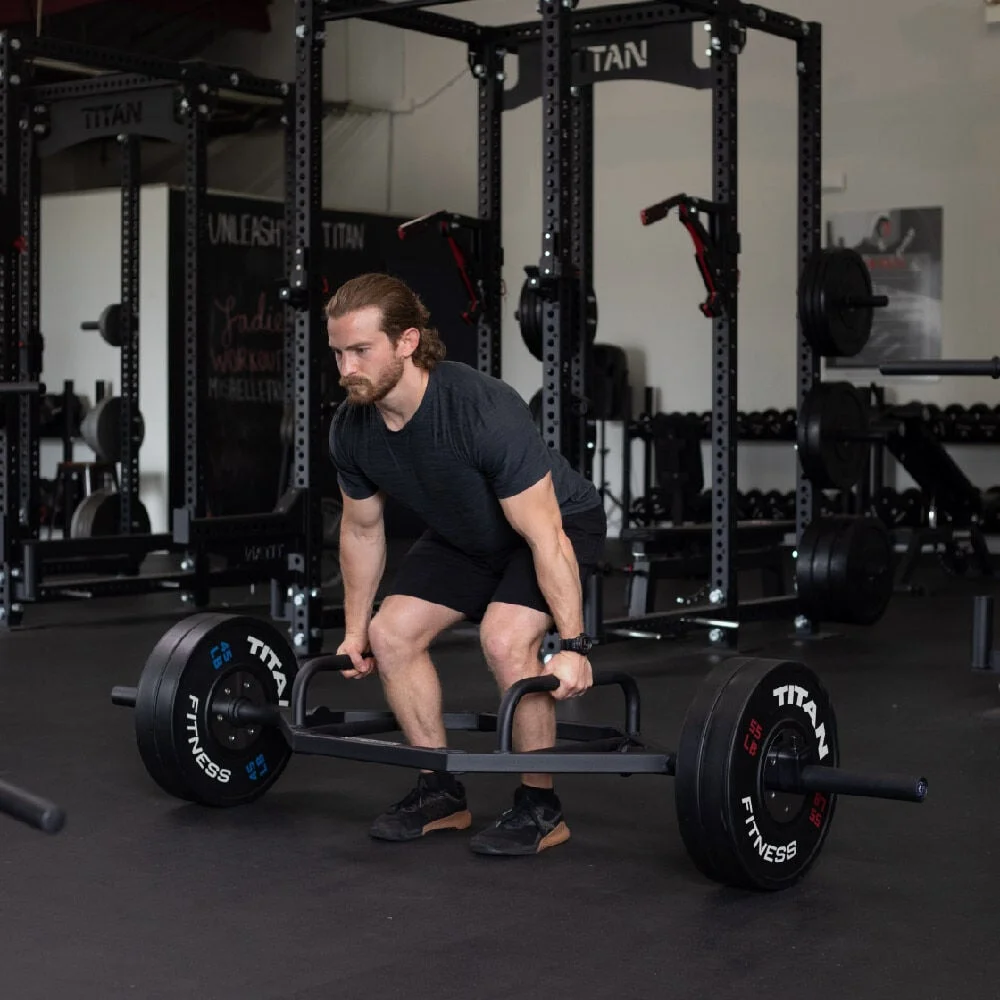
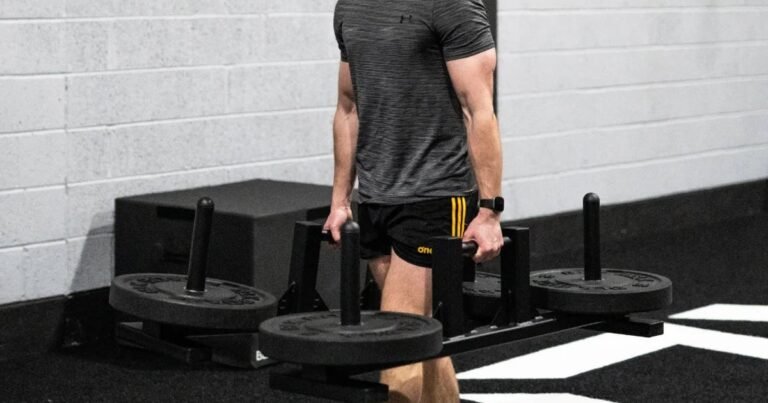
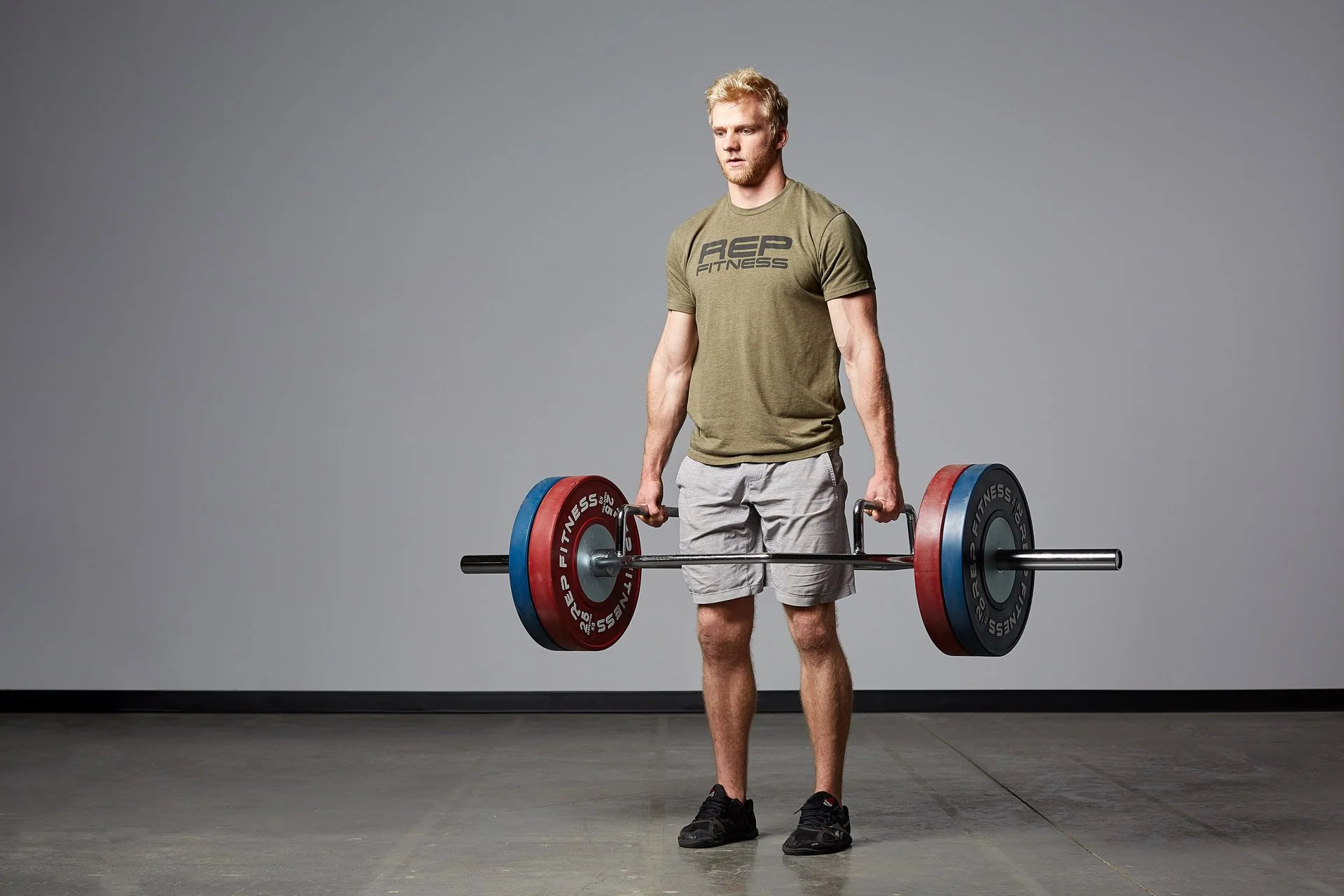
A straight bar normally starts in front of the shins, forcing the lifter to manage the bar’s forward position while keeping it close. With a hexagonal frame, you stand inside the load and grip handles at your sides. Many people can begin with a more upright torso and additional knee flexion, though individual limb lengths, handle height and technique matter.
The hex bar is often called a squat-deadlift hybrid, but that description can mislead. Your knees and hips still extend together, your upper body still resists bending, and your arms remain straight. Lowering the hips until the torso is vertical may turn the first movement into a knee-dominant squat that the bar cannot follow smoothly. Locking the knees too early can turn it into a long, awkward hinge. Find the middle that lets hips and shoulders rise together.
As an independent comparison in 11 trained women later showed, hex-bar maximal triples could produce higher knee joint moments and bar speed, while conventional and sumo pulls produced higher hip moments near lockout. Different participants and testing methods mean the two studies are not interchangeable, but the overall direction helps explain why grip position and torso angle matter. Use the mechanical evidence to pick a training tool, not to pronounce one deadlift superior for everyone.

Equipment Worth Exploring
Explore equipment, accessories and gear from our carefully selected range.


Open Hex Bar
Open-frame trap bar with multiple handles for deadlifts, carries, and lower-body training.


Competition Plates
Competition-style bumper plates for Olympic lifts and loaded strength training.


Grip Plates
Rubber-coated weight plates with handholds for loading barbells and machines.


Leather Lifting Straps
Padded leather straps support grip during heavy rows, deadlifts and pulling exercises.

Build a repeatable setup before the first pull
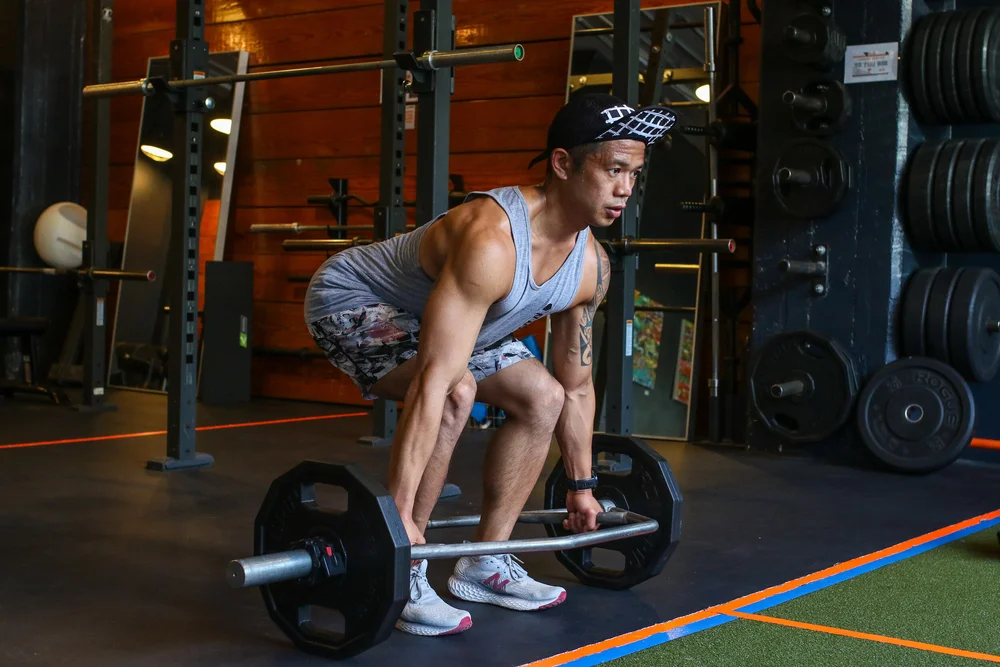
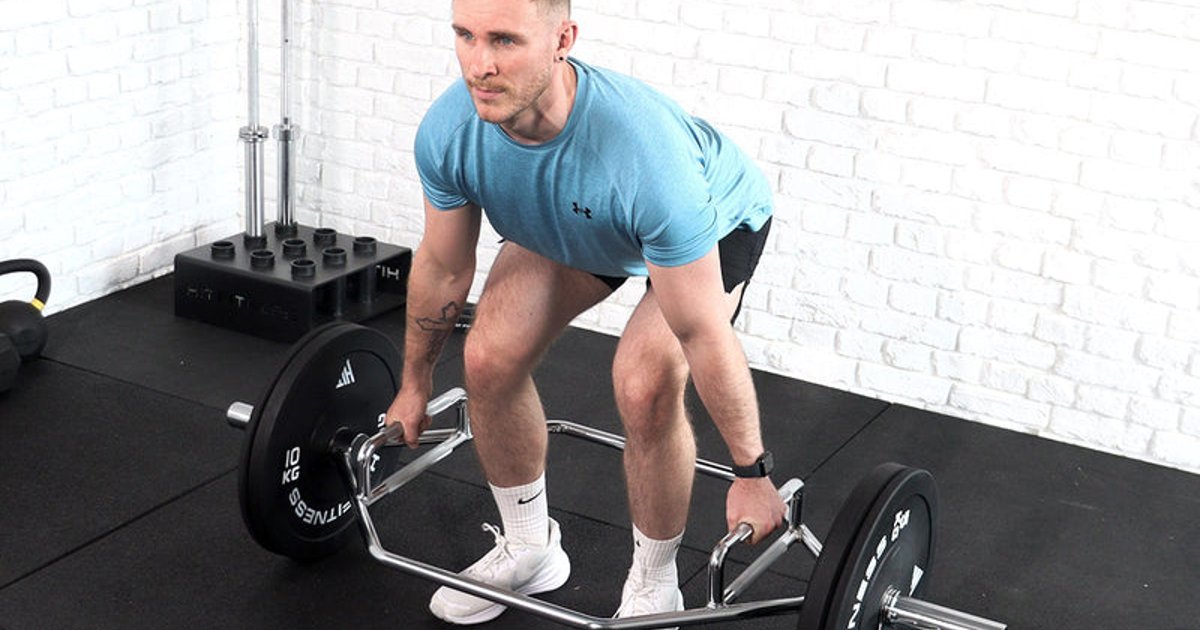
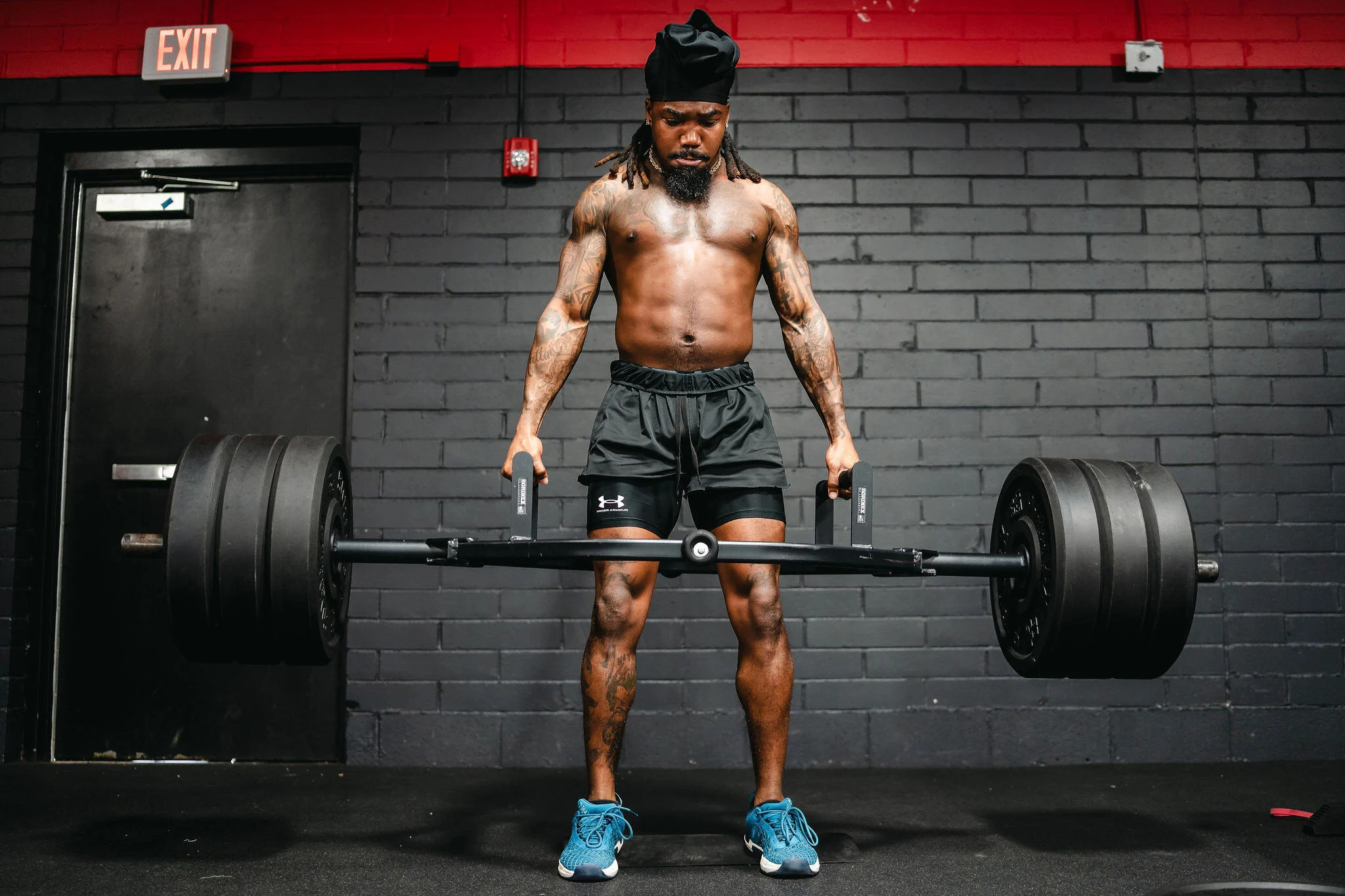
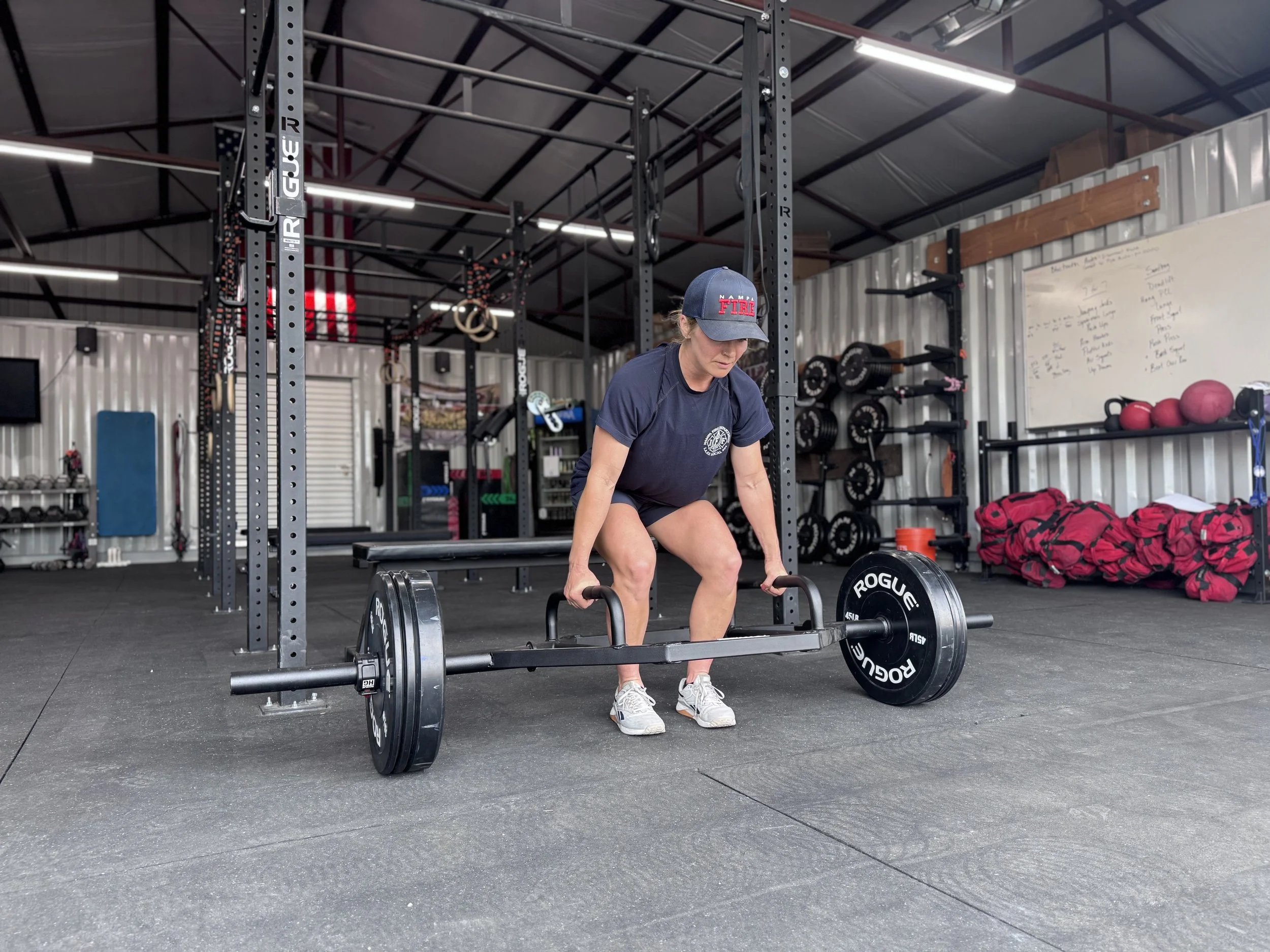
Start with an empty trap bar and check that both sleeves and handles are level. Stand roughly hip-width inside it, with your shoes centered between the front and rear of the frame. If your grip is far ahead of or behind your midfoot, the bar may tip as it breaks the floor. Check the midpoint of each handle before chasing load.
Push your hips backward, then bend the knees until you can hold the handles firmly. Aim for a comfortable neutral head position, a stable foot tripod and a back angle you can keep during the pull. Draw a breath into the abdomen and brace as though resisting a light shove to the stomach. Pull slack out of the arms without jerking upward. You do not need to wrench the shoulders back into an exaggerated shrug.
Push the floor away and stand tall while keeping the handles beside you. The hips and shoulders should begin rising together. At the top, finish with the glutes and legs; do not lean backward to manufacture an extra inch. Reverse the movement by pushing the hips back, bending the knees as the handles descend, and setting both ends down together. Reset the brace before the next repetition, especially during heavy or technically demanding sets.
If the bar rattles, tips, drifts forward or hits your legs, reduce the load and reassess the starting balance. A controlled video from a front-diagonal and a side angle can show more than repeating a cue you cannot feel.
Choose the handles and posture you can control

Many trap bars have two handle heights. Raised handles shorten the distance you must move the load, while lower handles generally demand a deeper start. The change affects not only difficulty but also the amount of knee and hip motion you can comfortably reproduce. High handles can be a useful entry point for a tall athlete or someone learning a reliable brace. They are not a license to abandon range of motion forever.
Low handles may provide more movement distance and a training stimulus closer to a floor pull, but they should be chosen because you can reach them without losing your setup. If you need to round sharply, elevate the entire bar evenly or start with the raised grips. A shorter range is not inherently cheating; it becomes misleading only when you compare different handle settings as though they were the same exercise.
Open-frame models add room for carries, lunges and simple walk-in access. A closed hex frame is entirely adequate for basic deadlifts. Whichever style you use, learn its empty weight, grip spacing, plate clearance and balance. Specialty bars can weigh considerably more or less than a conventional 20 kg barbell, so count the actual implement rather than assuming what is on the sleeves.
Equipment Worth Exploring
Explore equipment, accessories and gear from our carefully selected range.

Foldable Wall Rack
Wall-mounted folding squat rack designed to save floor space between workouts.


Multi Pull Smith Rack MPHR-780
All-in-one rack with a Smith machine, functional trainer, lat pulldown and low row.
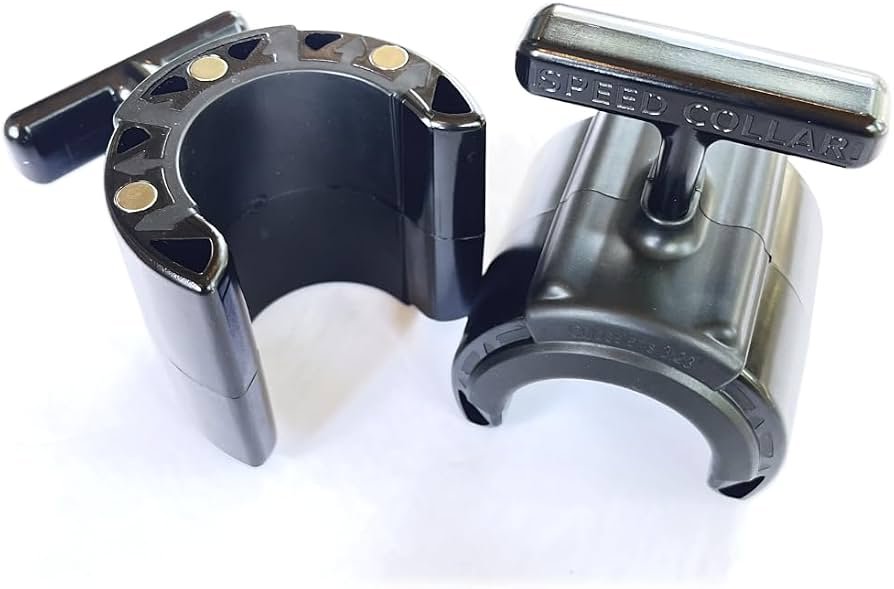
Speed Collar
Quick-release collars designed to secure weight plates on standard two-inch Olympic bars.
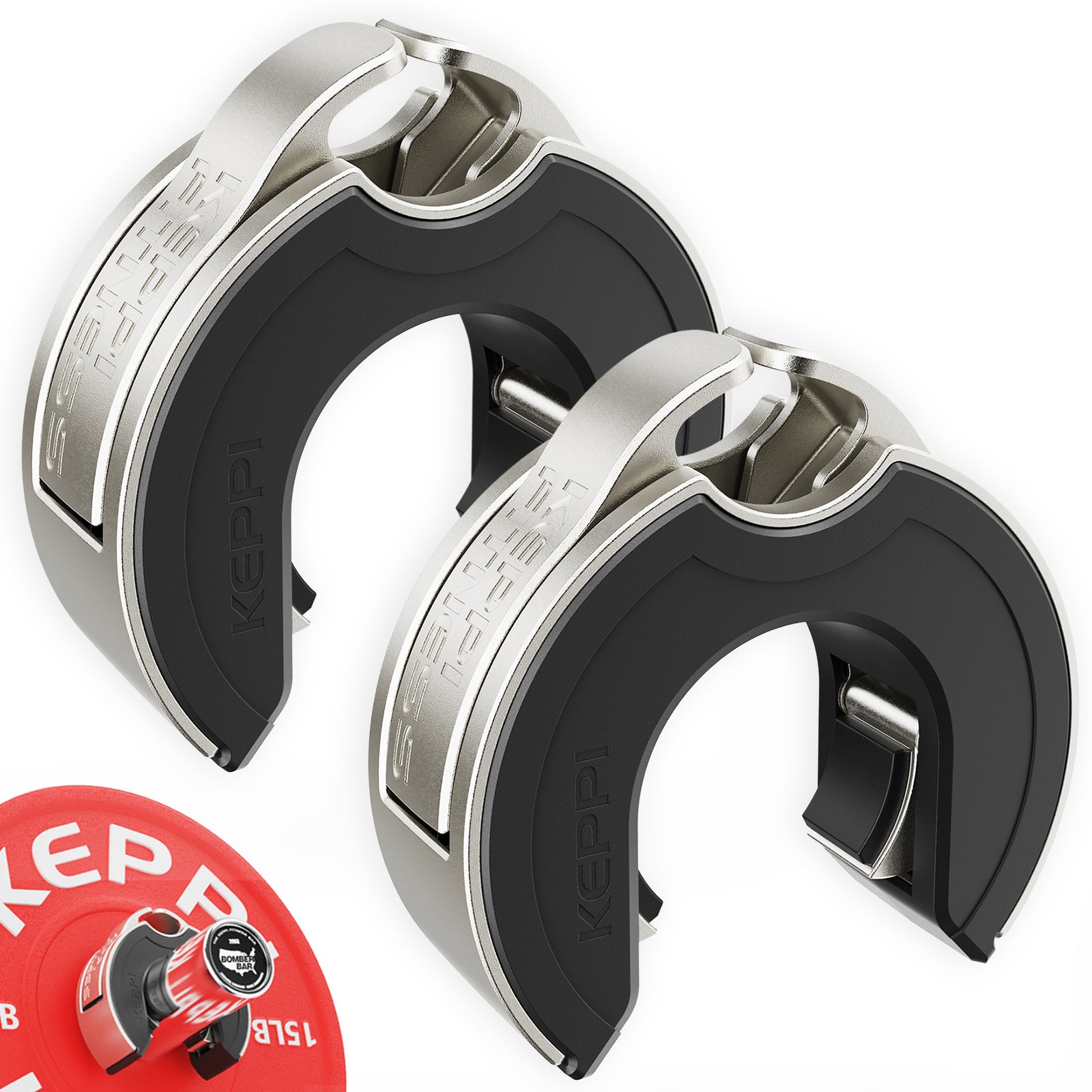
Keppi Open Collars
C-shaped magnetic Olympic barbell collars with a quick-lock mechanism and grippy lining.

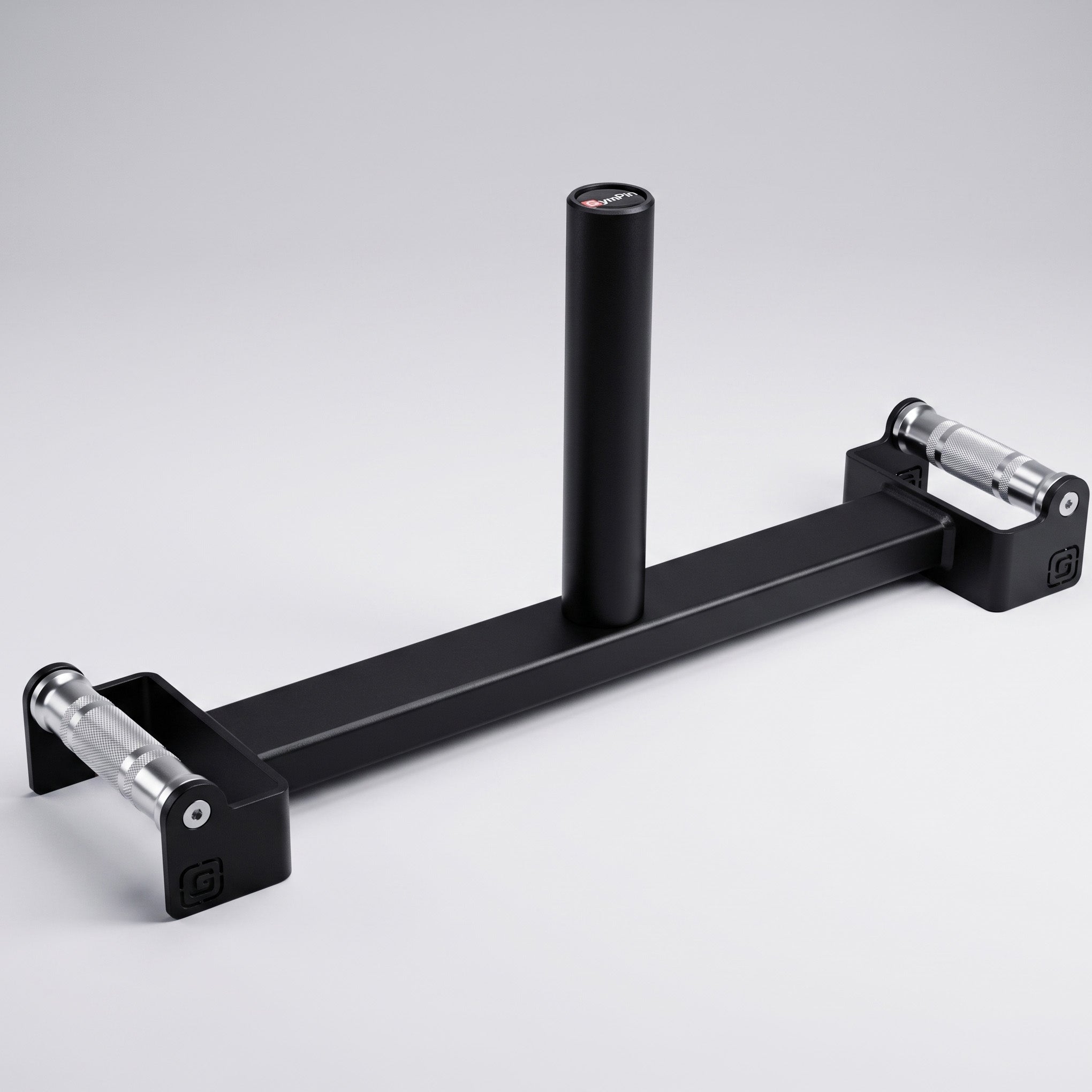
GymPin Hyper Loader
Central Olympic-plate loading attachment for weighted hyperextensions.

Rubber Hex Dumbbells
Rubber-coated hex dumbbell pairs with a stable shape for home and commercial strength training.

Leather Wrist Grips
Padded leather lifting grips help support the hands and wrists on heavy pulling exercises.

Match the trap bar to strength, speed or muscle work
For basic strength, begin with two or three challenging working sets of four to six controlled repetitions, resting long enough to maintain quality. Keep one or two repetitions in reserve while the technique is unfamiliar. A smooth first rep matters more than a personal record that forces you to twist around the frame. Add modest load only when every repetition looks similar.
For power-oriented work, treat bar speed as the priority instead of the heaviest number. Use relatively light-to-moderate loading, small sets of two to four reps and generous rests. Every rep should look fast and organized; when speed falls sharply, the set has served its purpose. A force-plate study among trained athletes found bar-dependent differences across several tests, but it does not establish one universally ideal percentage for every trap bar or athlete.
For hypertrophy, the trap bar can contribute useful quad, glute and general leg volume, particularly with a range you can control. It does not replace knee-flexion hamstring work or all hip hinges. A simple lower-body session might pair trap-bar sets with a hamstring curl and a single-leg movement, then adjust total volume around fatigue. No study of a single set of mechanical measurements proves that the hex bar grows quads or glutes more than any other bar.

Powerlifting Shirts & Lifting Gear
Powerlifting shirts and gym gear for squat, bench and deadlift lifters who live for heavy numbers.

Patriotic Eagle Deadlift Stars Stripes and Deadlifts Gy T-Shirt
Make gym days more fun with “Patriotic Eagle Deadlift” style.

Deadlift Military Skull Gym Shirt for Powerlifters, Har T-Shirt
Show some deadlift attitude with a playful “Deadlift” tee.

Deadlift Skull Graphic , Hardcore Gym Shirt, Leg Day Gi T-Shirt
Show some leg-day attitude with a playful “Deadlift” tee.

Deadlift Bloody Skull Graphic for Bodybuilders, Hardcor Tank Top
Your gym-day look, with a playful “Deadlift” twist.

Uncle Sam Deadlift Patriotic – 4th of July Workout Vest Tank Top
Train hard, laugh a little, and rep “Uncle Sam Deadlift Patriotic”.

The Ultimate Deadlifter Jesus Christ – Deadlifts Liftin T-Shirt
Bring “The Ultimate Deadlifter Jesus Christ” humor to your everyday gym style.

Master of PRs Master of Puppets Album Parody Metallica Hoodie
Show off your metalhead humor in a laid-back “Master of PRs” hoodie.

Prisoner of Gym Funny Heavy Metal Gym Decal , Workout H Sticker
Stick a little “Prisoner of Gym Funny Heavy Metal” humor on your favorite gear.

Christian Gym Pray Heavy Lift Heavier Medieval Knight P Hoodie
Show off your medieval humor in a laid-back “Christian” hoodie.

Lifting on a Prayer – Bon Jovi Gym Meme Hooded Pullover Hoodie
Make your off-duty look more fun with “Lifting on a Prayer”.
A four-week plan and when a straight bar still matters
Week 1: Learn the start. Work up to three sets of five with a load that leaves two or three good reps in reserve. Record the handle height and film one set. If you rush the descent or lose tension off the floor, use less weight at the next session.
Week 2: Keep the same setup and perform three sets of five, adding a small amount of load only if week one’s reps were repeatable. Keep the pauses between sets fairly consistent. Do not add load simply because the hex bar lets you move more than your straight-bar personal best.
Week 3: Add a fourth set of four to six repetitions if recovery is good. An alternative for athletes prioritizing speed is to keep only three strength sets and include three light, crisp doubles before them, never grinding the explosive reps. Do not stack both options on top of an already packed leg day.
Week 4: Use a slightly lighter week—about 10–15% less load or one fewer work set—and evaluate the footage. If the bar stays level and the first and last reps look alike, plan the next block. If not, keep the same load and fix the sticking point.
The straight bar still deserves a place when you compete with it, want to train that exact technique or prefer its loading pattern. The trap bar is another useful hinge and lower-body tool. Keep the same handle setting for a training block, log reps and effort honestly, and judge progress by repeatable work rather than the label on the bar.