Advertising disclosure: This page includes affiliate product links that may earn us a commission, as well as products from our own store.
Most curl variations keep your palms in one position. Zottman curls change that position mid-repetition: palms up as you lift, palms down as you lower. The result is a compact way to train elbow flexion and forearm control with nothing more than dumbbells. The technique is simple to describe but easy to rush, especially when a weight feels light on the way up and unexpectedly heavy on the way down.
Here’s how to perform the rotation, choose the right load, compare it with other curls and build six weeks of useful progression without confusing muscle-activation studies for promises of extra growth.
What makes a Zottman curl different?
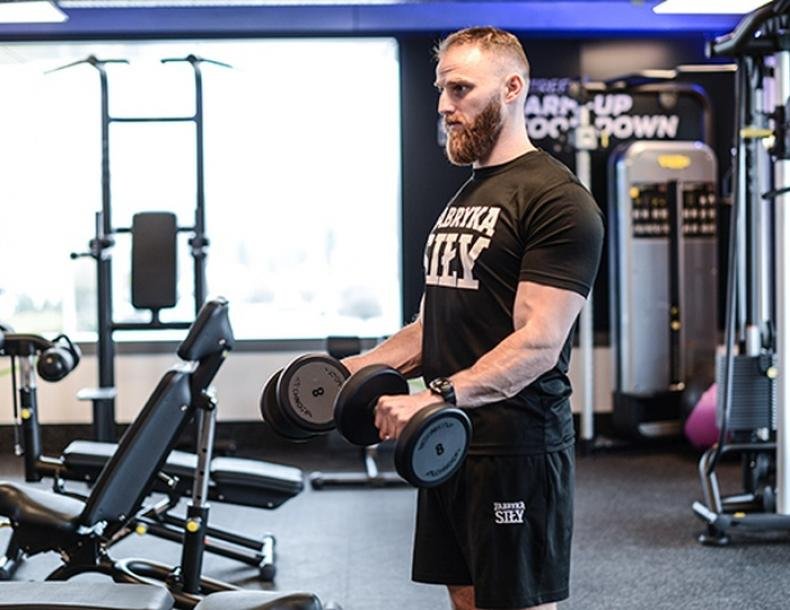
A Zottman curl is a dumbbell curl with two different grips inside one repetition. You lift with the palms turned toward you, rotate near the top, and lower with the knuckles facing up. That small change makes the exercise a practical combination of a conventional curl and an overhand reverse curl. It is especially useful when you want direct elbow-flexor work without adding another entire exercise to your arm session.
The biceps brachii helps flex the elbow and turn the forearm into a palms-up position. The brachialis contributes to elbow flexion regardless of grip, while the brachioradialis is an important forearm-side elbow flexor. Wrist and finger muscles also work to stabilize a dumbbell. The Zottman does not somehow activate every arm muscle to its maximum at once; each phase shifts joint positions and demands.
Think of the movement as a skillful accessory, not a heavy max-strength test. A controlled overhand descent can make a moderate pair of dumbbells challenging. The goal is productive tension through both halves of the rep, not proving you can swing the same load used for regular curls. If your wrists cannot rotate comfortably, a simpler curl can deliver plenty of useful training.
How to perform every phase without cheating
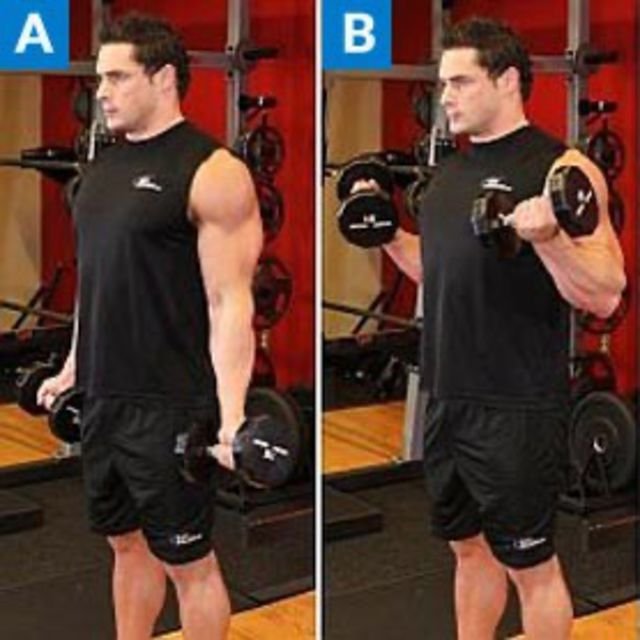
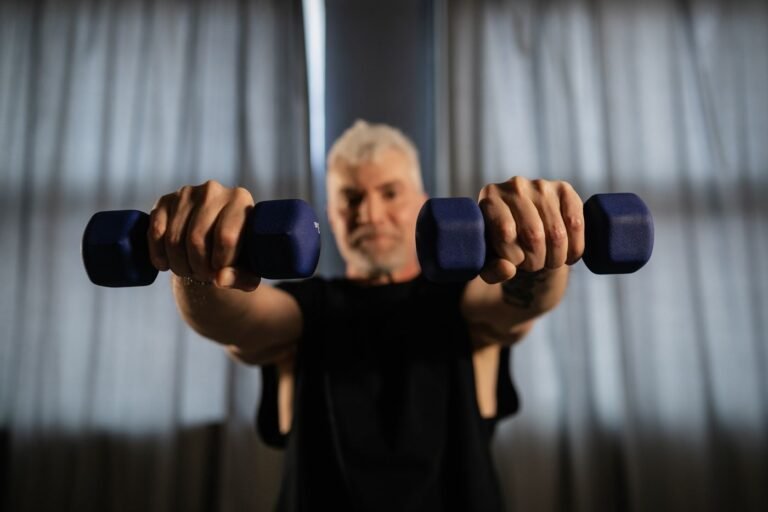
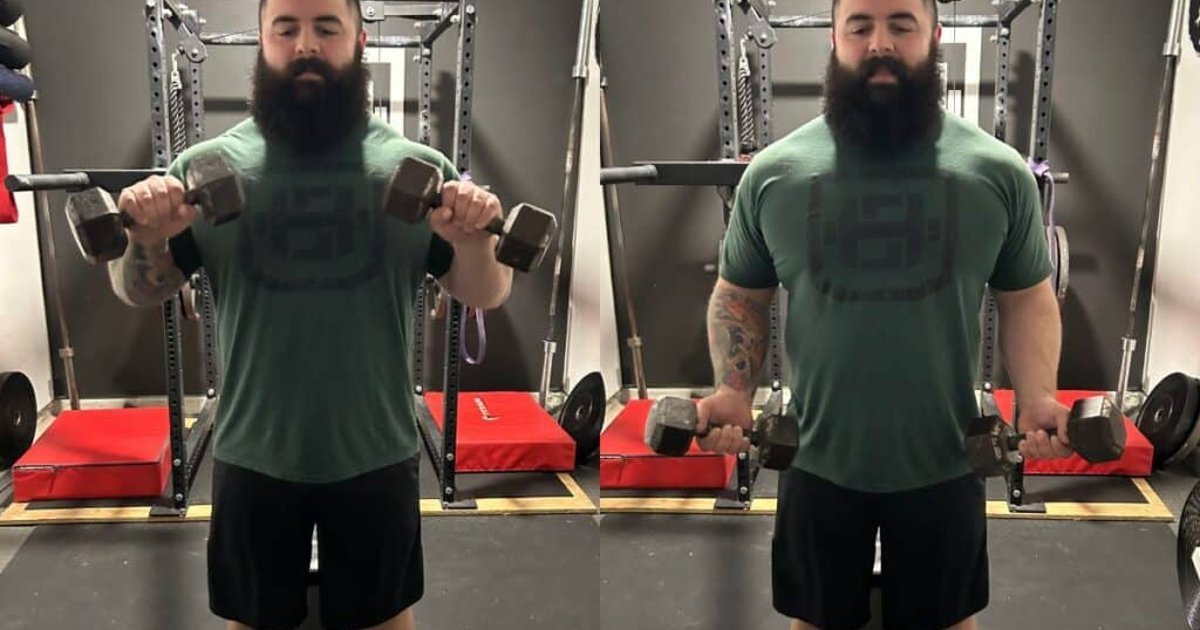
Stand tall, feet around hip width, knees relaxed, and hold a light dumbbell in each hand. Begin with your arms by your sides and your hands in a neutral or palms-up position. As you lift, finish with your palms up. Keep the upper arms relatively still; a small natural shoulder movement is normal, but driving the elbows forward and throwing the torso back defeats the purpose of controlled curling.
At roughly shoulder height, pause briefly. Rotate the forearms until the palms face the floor. Lower for about three controlled seconds, allowing the elbows to straighten as far as comfortable without abruptly snapping into lockout. At the bottom, rotate back to the starting grip before beginning another rep. You can curl both arms together or alternate them, provided the lowered arm does not become a swinging counterweight.
Try eight repetitions with a load you could confidently control for several more regular curls. Film a set from the side. The dumbbells should trace a relatively quiet path; your spine should not repeatedly extend, and your wrists should remain aligned with your forearms rather than folding backward. If rotation feels cramped at the top, stop just short of an aggressive end range. Comfort and consistent tension matter more than exaggerated twisting.
- Lift under control with the palm turning upward.
- Rotate at the top, not under momentum in the bottom third.
- Lower with an overhand grip slowly enough to own the full descent.
- Reset your grip when the arms return beside you.

Equipment Worth Exploring
Explore equipment, accessories and gear from our carefully selected range.


Rubber Hex Dumbbells
Rubber-coated hex dumbbell pairs with a stable shape for home and commercial strength training.



EZ Curl Barbell
Olympic EZ curl bar with angled grips for curls and triceps exercises.

FID Bench MAX
Adjustable bench offering flat, incline, and decline positions + adjustable headrest.

Multi Bench MBX-650 2.0
Adjustable multi-bench with roller adjustment, 15 backrest positions and accessory mounts.
Which muscles work—and what the science actually says
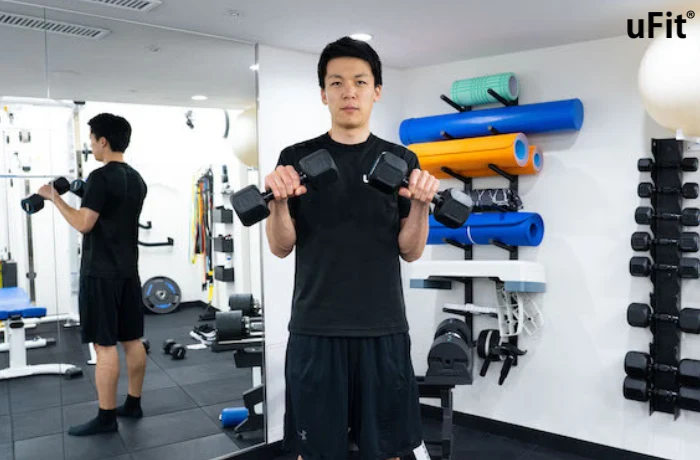
The palms-up upward phase gives the biceps a favorable position to contribute to elbow flexion. As the hands rotate into a palms-down position, the biceps’ contribution changes and other elbow flexors remain involved. The brachialis still participates, and the brachioradialis is a meaningful part of forearm-side elbow-flexion work. These are overlapping roles rather than separate switches that turn one muscle off while another turns on.
Grip orientation and contraction phase do change acute muscle-activity measurements during curls. For example, a controlled laboratory comparison involving 12 resistance-trained men measured different biceps and brachioradialis electrical activity with different barbell grips and concentric versus eccentric phases. That experiment studied barbell curls, not Zottman curls, and electrical activity during one workout is not a direct measurement of longer-term muscle growth. It supports a mechanical rationale for varying grips but cannot establish that Zottmans outgrow standard dumbbell curls.
For hypertrophy, the basics still matter: enough challenging sets, a useful range of motion, recoverable volume and progressive training over weeks. Your forearms may burn dramatically because they stabilize the load and support overhand lowering, but a burning sensation is not a reliable indicator of how much muscle will develop. Judge the variation by controlled performance, tolerance and whether it adds a useful stimulus compared with your other pulling exercises.

Bodybuilding Shirts & Workout Gear
Bodybuilding shirts, tanks and gym gear for lifters chasing muscle, size, symmetry and the pump.


For Whom The Bell Curls Metallica Kettlebell Workout He T-Shirt
Rep “For Whom The Bell Curls” humor in and out of the gym.

I Love Gym Bicep Heart Muscle Shirt | Swole Heart Funny Tank Top
Train hard, laugh a little, and rep “I Love Gym Bicep Heart”.

Slip Not Grip Training – Heavy Metal Workout Hooded Pul Hoodie
Make your off-duty look more fun with “Slip Not Grip Training”.

Gym Dost Thou Even Curl Medieval Knight Bicep Decal & B Sticker
Give your everyday gear a playful “Dost Thou Even Curl Medieval Knight Bicep” twist.


Funny Micro Biceps Club President | Gym Humor Hooded | Hoodie
Bring “Micro Biceps Club President” gym humor to lazy days and post-workout plans.

Big Biceps Theory & Meme Fans Bro Science Vest Tank Top
Your gym-day look, with a playful “Big Biceps Theory” twist.

Pumpeye Forearm Gains & Grip Strength Popeye Meme Hoodie
Keep it laid-back with a little “Pumpeye” attitude.
Choosing dumbbell weight, tempo and rep range
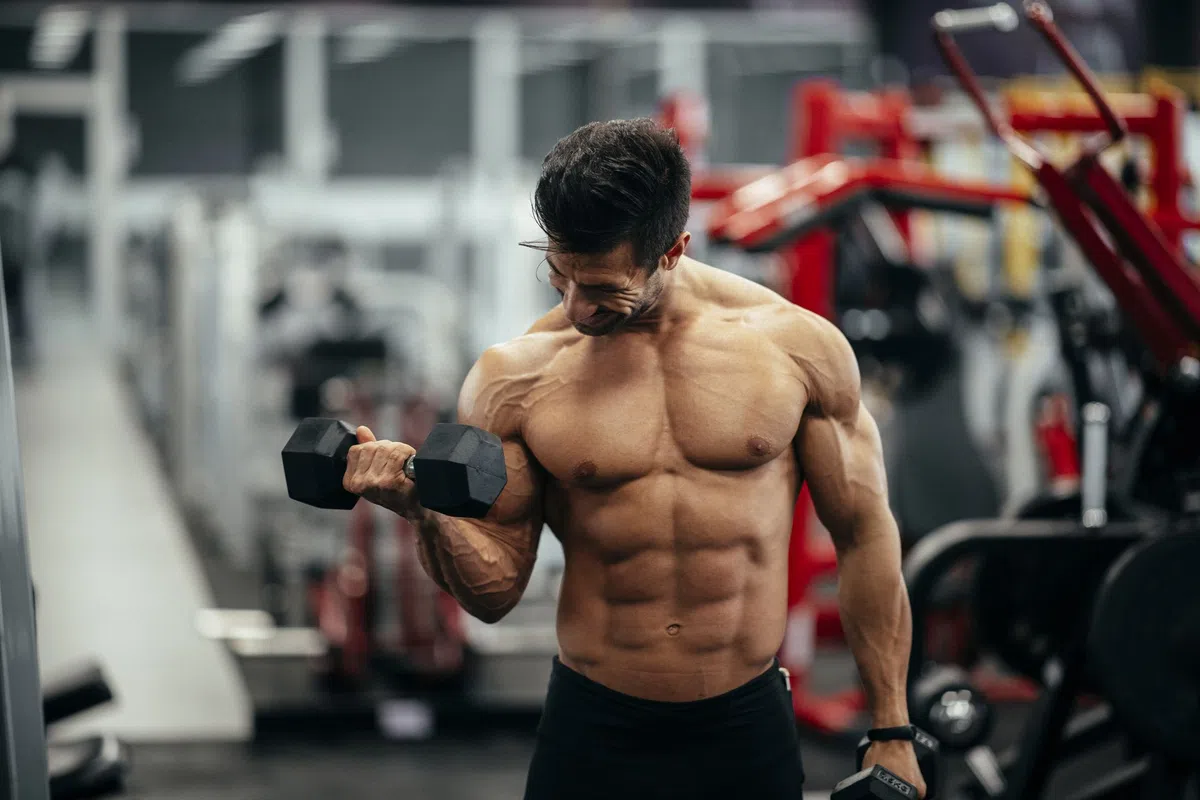
Pick the weight for the hardest part of the repetition: the overhand lowering phase. Many lifters can curl a heavier weight palms-up than they can lower neatly palms-down. Begin conservatively—even a modest pair can be surprisingly challenging after ten strict repetitions. The test is simple: if the dumbbells fall rapidly once you turn them over, your load is too high for the intended exercise.
For a first session, perform two sets of eight to twelve repetitions, stopping with roughly two or three technically clean reps still available. Rest about 60–120 seconds between sets, longer if your ability to rotate and lower the bells deteriorates. Use a smooth lift, a brief top reset, and a two- to four-second lowering phase. A longer eccentric is not automatically better; it must remain controlled without requiring excessive strain. Ten beautiful reps usually tell you more than fifteen hurried ones.
Use an identical range and tempo when you compare sessions. If your first set reaches twelve repetitions with clean rotation but the second collapses to five, the load or rest interval may be too ambitious. Recording weight, reps and approximate reps in reserve makes progression easier to interpret. When you can complete the upper end of the target range for all sets without losing wrist position, use the smallest available weight increase rather than taking a huge jump.
Wrist and elbow comfort: better choices when rotation hurts
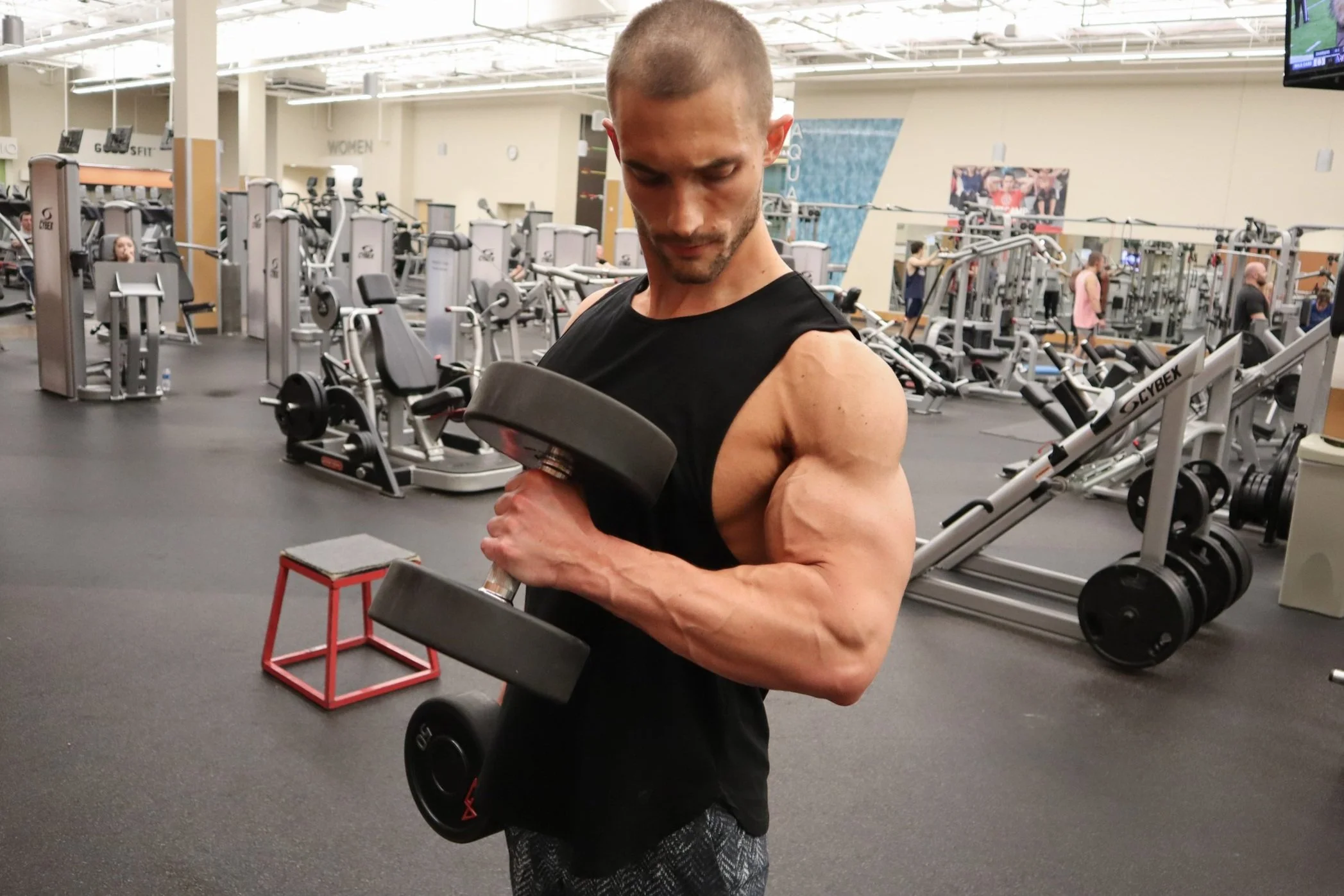
Turning a dumbbell while the elbow is loaded is not comfortable for every wrist or forearm. A common mistake is forcing a full twist with the hand already bent backward, producing a concentrated strain around the wrist. Keep the handle centered in your palm and rotate through the forearm only as far as your available mobility allows. A pain-free partial rotation with a lighter weight is preferable to aggressive twisting for appearance’s sake.
If you feel sharp wrist, elbow or forearm pain, stop that variation and reassess. Persistent symptoms, swelling or loss of strength deserve professional assessment rather than advice to simply push through. For ordinary fatigue without pain, try alternating arms, slowing down your setup, or reducing the load and number of sets. Strong gripping does not mean squeezing the handles so hard that the forearms seize before your target reps are complete.
Hammer curls maintain a neutral grip and often feel more straightforward when rotation is irritating. Regular supinated dumbbell curls reduce the overhand-lowering challenge. Reverse curls directly train an overhand elbow-flexion pattern but may require even lighter weights. You do not need all these movements in the same workout. Choose the combination that lets you accumulate controlled, progressive hard sets rather than stacking several versions that bother the same tendon region.
Equipment Worth Exploring
Explore equipment, accessories and gear from our carefully selected range.
VOLTRA
Compact digital cable trainer with smooth, adjustable resistance.

Go-Tone Pro
Portable digital cable trainer with up to 66 lb (30 kg) of adjustable resistance.

GymPin Ergo Handles
Pair of ergonomic cable handles shaped for comfortable triceps and pulling exercises.

Angles 90 Grips
Flexible grip attachments that allow natural wrist movement during pulling exercises.




Leather Wrist Grips
Padded leather lifting grips help support the hands and wrists on heavy pulling exercises.


Dual Hook EZ Curl Bar
Angled aluminum dual-hook cable bar for biceps curls and pulldown variations.
Zottman versus hammer, reverse and preacher curls
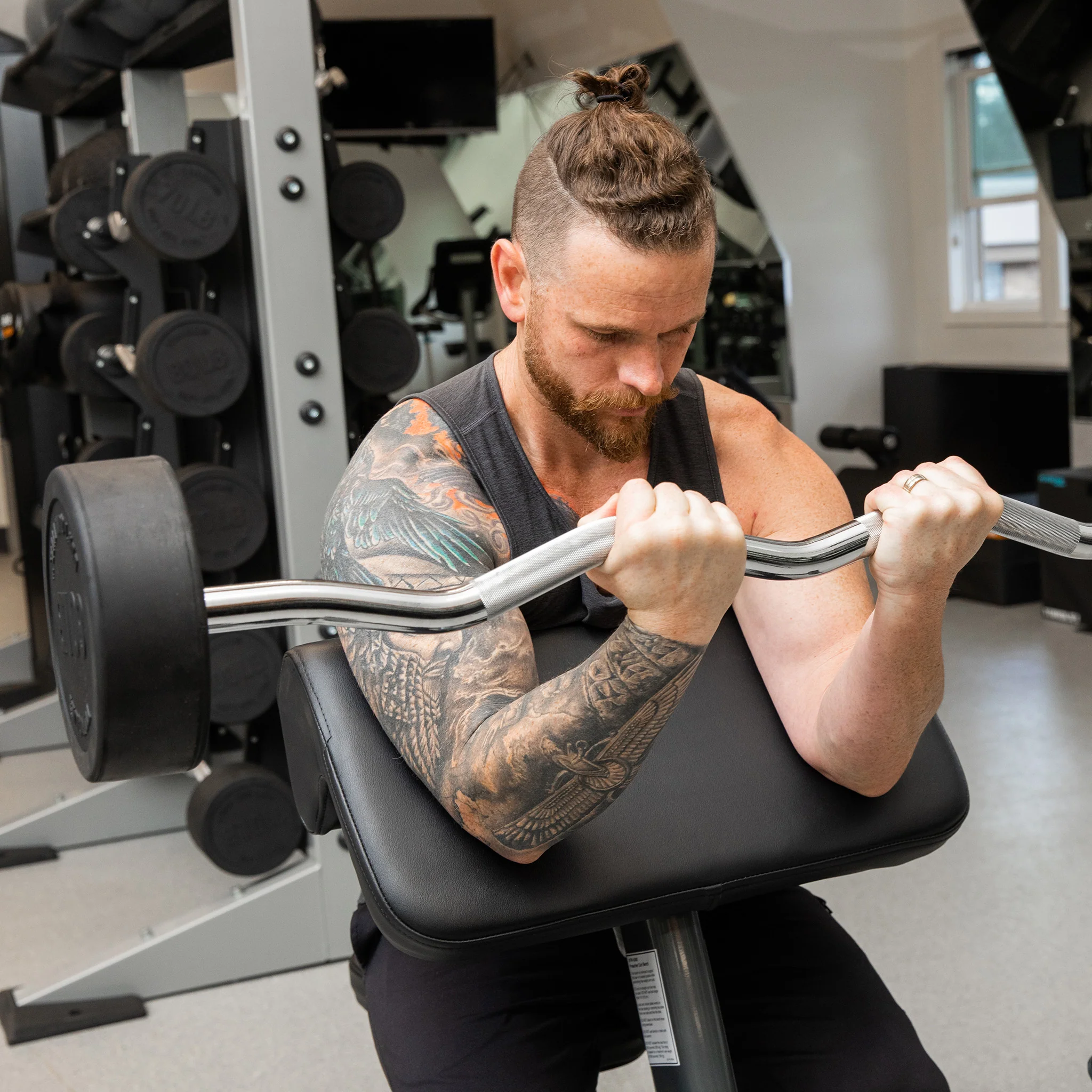
Zottman curls are not automatically superior to hammer curls, reverse curls or traditional curls. They combine a palms-up lift with a palms-down return, so you get some grip variation within a single set. Hammer curls keep the thumb-up position throughout and are easy to load consistently. Reverse curls maintain an overhand grip for both phases, placing a different demand on elbow flexors and grip. Conventional palms-up curls are often the simplest option for loading the biceps steadily.
A preacher bench supports the upper arms and reduces opportunities to swing the shoulders. It can be excellent for consistent elbow-flexion work, but combining a steep preacher position with awkward forearm rotation may not suit every lifter. When choosing between movements, first decide what is missing from the rest of your plan. Heavy rowing and chin-ups already load elbow flexors, while conventional curls might cover most direct biceps work. A couple of Zottman sets can add variety without treating it as a mandatory centerpiece.
If dumbbell selection is limited, you can alternate between a normal curl and a reverse curl on different days rather than trying to rotate a load you cannot control. Adjustable dumbbells make small progression steps convenient; fixed dumbbells make quick weight comparisons easy. Avoid heavy wrist straps on every forearm-focused set if improving direct grip tolerance is part of your goal, although straps can remain useful for demanding back exercises elsewhere in the session.
Funny Gym Shirts & Workout Gear
Funny gym shirts, tanks, hoodies and workout gear for lifters who like training hard.

Get A Grip Grip Training Decal & Gymbros Sticker
Give your everyday gear a playful “Get a Grip” twist.

Grip Day Legend Essential Gymbro & T-Shirt
Rep “Grip Day Legend” humor in and out of the gym.


Grip Strength Fanatic Meme Hoodie
Show off your lifting humor in a laid-back “Grip Strength Fanatic” hoodie.

OnlyGains Big Biceps Decal Water Bottles & Equipment Sticker
A fun “OnlyGains Big Biceps” touch for bottles, laptops, and lockers.

Every Day Is Arm Day
Make gym days more fun with “Every Day is Arm Day Octopus Gym Meme” style.
GymTok – TikTok Parody Bicep Graphic for Gymbros and Fi T-Shirt
A t-shirt featuring the GymTok – TikTok Parody Bicep Graphic for Gymbros and Fitness Creators artwork, bringing lifting-inspired humor and distinctive gym graphics to your everyday gear.

Netflex Pump Chill Meme Motivation Hooded Hoodie
Bring “Netflex Pump Chill” gym humor to lazy days and post-workout plans.

Mind Muscle Perfection Brain and Biceps Gym for Science T-Shirt
Show some gym-day personality with “Mind Muscle Perfection Brain and Biceps”.

Right To Bare Arms George Washington Sweater Jumper T-Shirt
Keep things casual with a little “Right To Bare Arms” attitude.
A six-week arm plan that keeps progression measurable
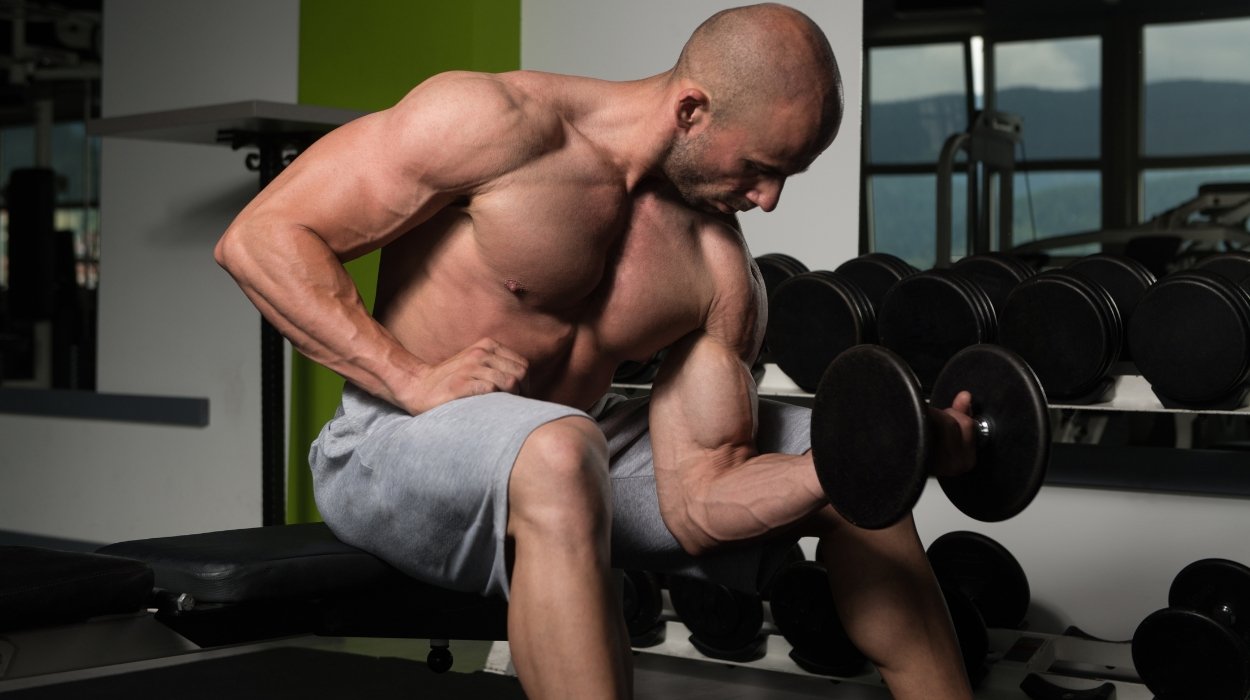
Use this as a simple two-days-per-week accessory block after your main pulling or pressing work, with at least one rest day between the sessions. The plan is an example progression, not a claim that six weeks is sufficient for everyone or that one specific grip is uniquely hypertrophic. Keep normal rowing, pulldowns, pressing and recovery habits consistent so changes in your curl log are easier to understand.
Weeks 1–2: Perform two sets of eight to ten Zottman curls per session. Use a roughly three-second lower and leave two or three clean reps in reserve. After the curls, perform one or two sets of twelve to fifteen light hammer curls if elbows feel good. The purpose is learning the rotation and identifying a repeatable load.
Weeks 3–4: Move toward two or three sets of ten to twelve Zottmans. Increase repetitions before weight. At the first session of week four, add a very small load only if you finished every set at the top of the range with controlled lowering; otherwise repeat the successful weight. Maintain normal rest periods and do not chase failure on every set.
Weeks 5–6: Use three sets of eight to twelve once or twice weekly if recovery allows. Keep one session slightly easier if your forearms remain sore from deadlifts, carries or high-volume pulling. For the final session, compare the first week’s weight, range, total strict reps and quality of rotation. Those performance measures are more useful than claiming visible forearm growth from a single program.
Finish with a personal decision: if the Zottman feels good and progresses, keep it; if a regular curl plus a hammer or reverse curl gives better comfort and overload, use those instead. Exercise selection should serve training, not become a contest over which variation sounds more advanced.