Advertising disclosure: This page includes affiliate product links that may earn us a commission, as well as products from our own store.
How much warming up is enough before a serious squat set? A useful warm-up should make your working weight move better, not drain the energy you need to lift it. The familiar choices – a few empty-bar repetitions, a long cardio session, or a dramatic heavy single – can all feel productive, but they solve different problems.
A 2026 synthesis of 20 experiments on strength-training warm-ups and mid-session re-warm-ups provides a practical starting point. Its central lesson is not that one fixed sequence works for everyone. It is that a thoughtfully progressive, exercise-specific warm-up can improve immediate strength, lifting speed, power and sometimes repetition performance. Here is how to turn that evidence into a sensible session without treating warm-up sets as extra working sets.
What the 20-study review actually found
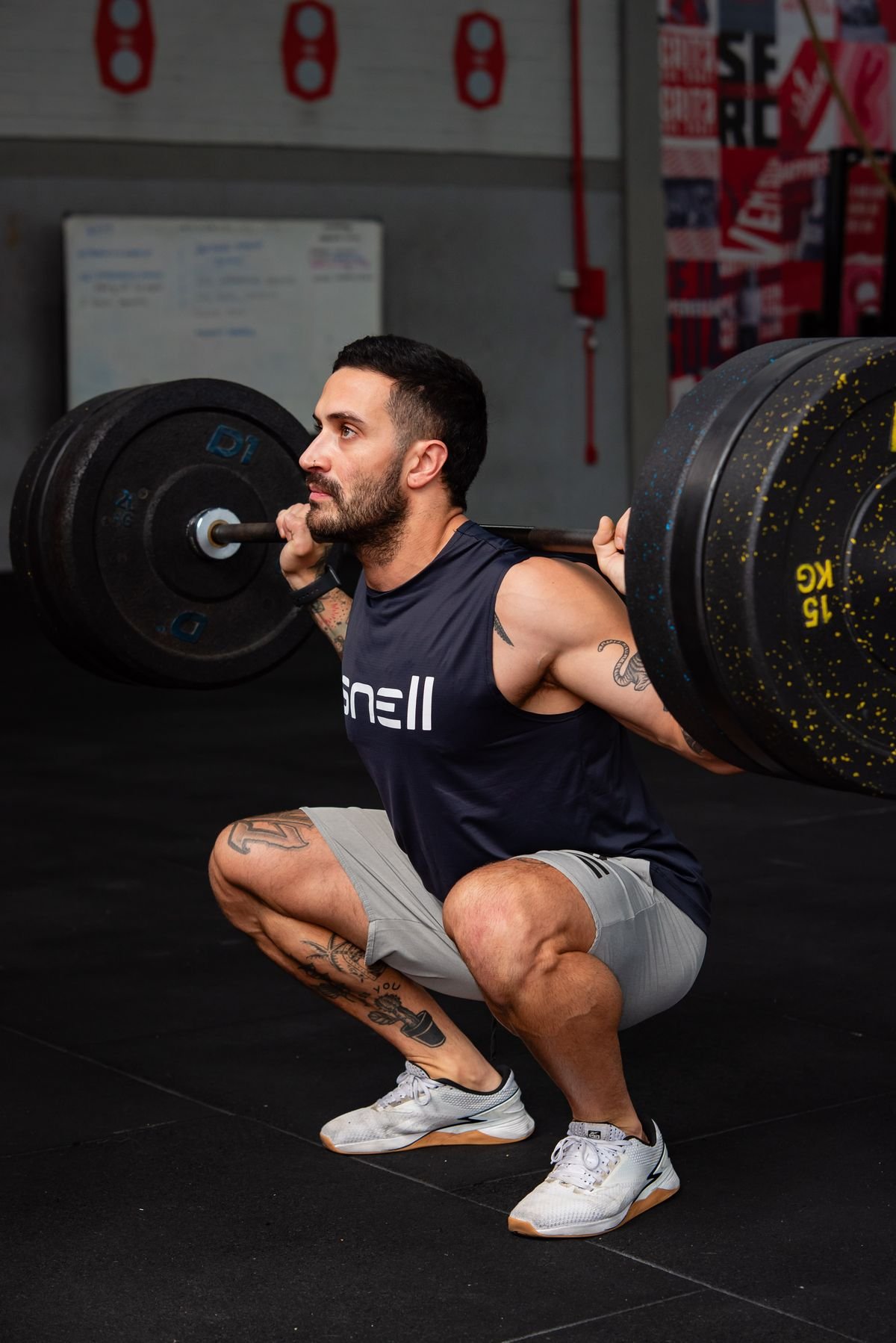
The research covered nineteen experiments examining warm-ups before resistance exercise and one examining re-warm-ups later in the session. Investigators measured different outcomes: one-repetition maximum, barbell velocity, peak power, completed repetitions or total volume load. That distinction matters. A method that helps you express one heavy repetition does not automatically improve the quality of a long bodybuilding session, and an improvement in bar speed is not proof of additional muscle growth.
Several patterns were encouraging. Warm-ups improved maximal-load performance in exercises such as the squat and leg press. Progressively increasing intensity was associated with better lifting velocity at around 80% of maximum in some squat and bench-press protocols. Other studies found that preparatory sets ranging from relatively light to quite heavy could improve total repetitions completed with moderate working loads. For light, fast bench-press work, warm-ups performed with maximal intended movement speed sometimes favored peak power.
These are summaries across different participants and designs, not results of a single giant trial involving one shared program. The methods were too varied to prescribe an exact universal number of warm-up sets. Also, most outcomes were measured within an exercise session. They tell us about readiness to perform now, not whether a particular warm-up produces more strength or hypertrophy over months.
That leads to a more useful question than whether warming up is good: which aspect of the next exercise needs preparation? A heavy squat involves both force production and rehearsing a loaded movement. A light explosive lift demands speed without accumulated fatigue. A moderate-load set for twelve repetitions requires enough readiness to complete the set while leaving plenty of energy for the difficult repetitions that actually count.
General movement first, then rehearse the lift
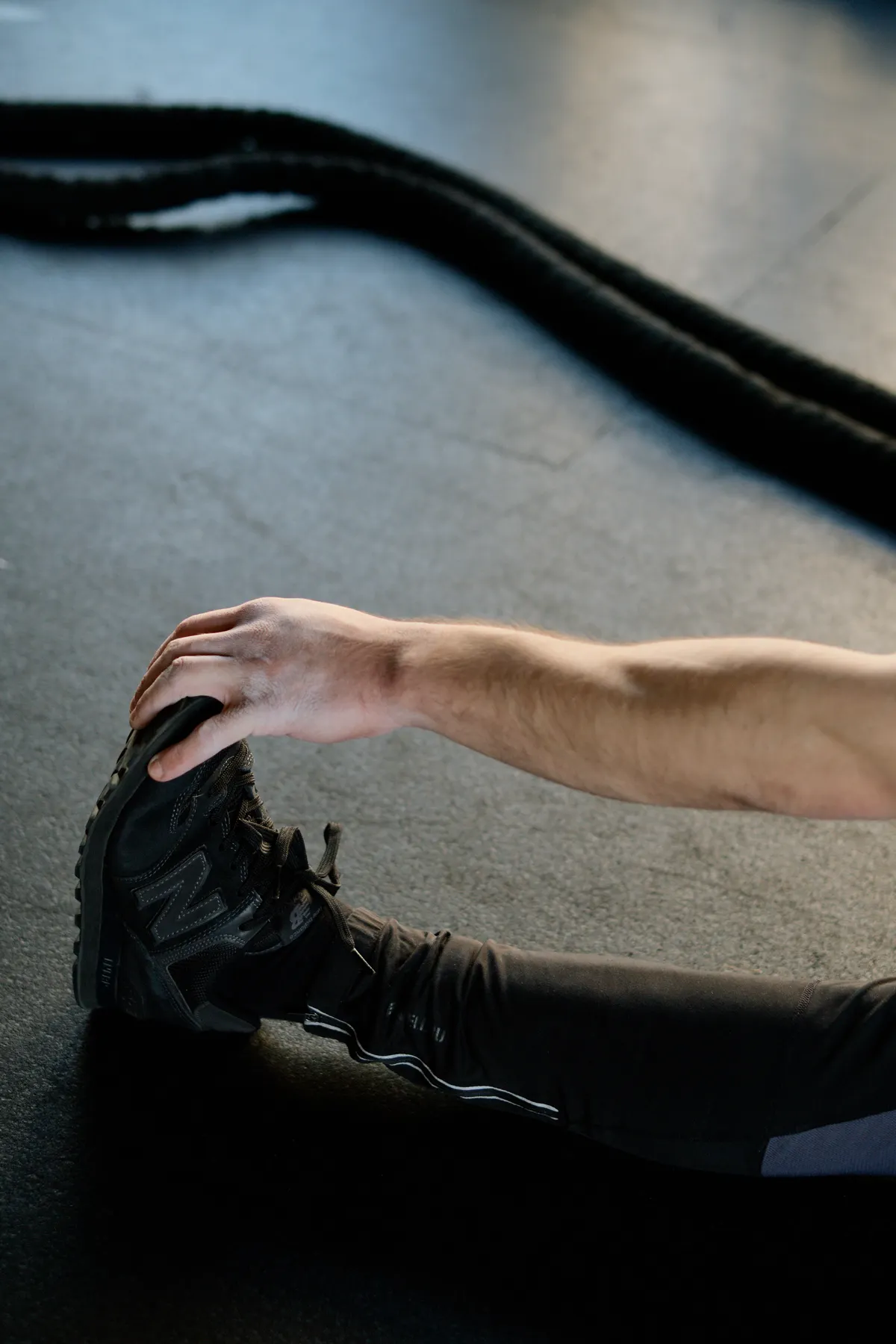
There are two different jobs to handle before your first working set. General preparation raises activity and helps you feel less stiff after sitting or traveling. Specific preparation rehearses the actual exercise: grip, stance, bracing, bar path, range of motion and the sensation of increasingly challenging resistance. A short period of walking, cycling or controlled bodyweight movement may serve the first job, but it cannot fully replace practicing the movement you are about to load.
Use general movement in proportion to how you arrive. Someone walking to the gym on a warm day may need almost none. Someone coming straight from a long desk shift into a cold training room might prefer several easy minutes. Neither case requires becoming breathless or turning the preparation into a conditioning session. If joint discomfort, injury or a medical restriction changes how you move, prioritize individualized professional advice over a generic loading sequence.
Then do a few comfortable repetitions of the actual pattern. For squats, start with a bodyweight version or an empty bar if those movements are appropriate and pain-free. Check that the feet feel planted, the bar stays controlled and the hips and knees move through the range you intend to use. If the first easy set feels awkward, repeat it before adding weight. If it feels sharp and smooth, there is little reason to keep accumulating empty-bar repetitions for the sake of a checklist.
The objective is readiness, not fatigue. A set of twenty exhausting squats followed by five demanding mobility drills might leave you sweaty but slower under the bar. A brief movement sequence followed by progressively loaded practice usually creates a more direct bridge between walking into the gym and completing quality working sets.

Equipment Worth Exploring
Explore equipment, accessories and gear from our carefully selected range.


Foldable Wall Rack
Wall-mounted folding squat rack designed to save floor space between workouts.


GymPin Squat Wedges
Non-slip 15-degree squat wedges help elevate the heels for deeper quad-focused squats.

Safety Squat Handles
Barbell squat handles that reduce shoulder positioning demands during high-bar squats.

Competition Plates
Competition-style bumper plates for Olympic lifts and loaded strength training.


Grip Plates
Rubber-coated weight plates with handholds for loading barbells and machines.
A practical squat ramp without wasting your best reps
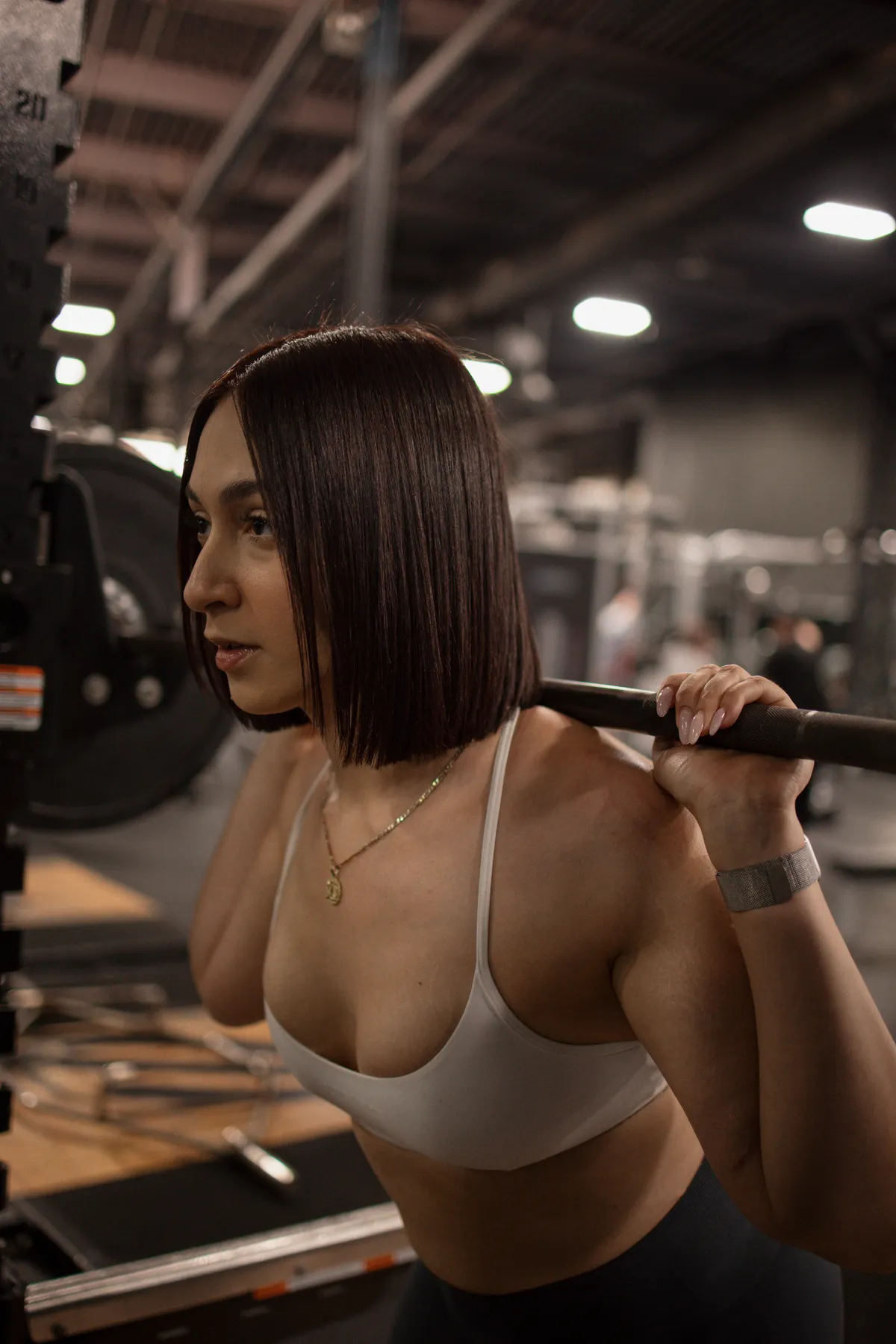
Imagine that your first planned squat working set is 100 kg for five controlled repetitions. One possible ramp is eight easy empty-bar repetitions, five at 40 kg, three at 60 kg and one or two at 75-80 kg. Then rest enough to feel prepared before the 100 kg set. The percentages here are examples tied to the planned working weight, not a formally validated formula or a requirement for everyone. Smaller lifters, experienced strength athletes and beginners will often need different jumps and different numbers of steps.
Each successive set should accomplish something specific. The lightest set checks positioning and depth. The next few sets expose you to meaningful resistance without accumulating much fatigue. The last heavier exposure helps the working weight feel familiar. As the load climbs, the repetitions generally decrease. That is the simplest way to avoid spending your best effort on preparatory sets that were never supposed to be hard.
Do not confuse a warm-up single with an all-out test. A heavy preparatory repetition is useful only when it remains technically clean and leaves enough recovery before the work that matters. An athlete preparing to attempt a true one-repetition maximum may need additional intermediate jumps and more rest. An athlete whose first work set is a comfortable twelve-rep load can often use fewer preparation steps. Beginners may benefit more from deliberate technique rehearsal than from flirting with near-maximal loads.
Watch how the bar moves. If 60 kg unexpectedly crawls upward or your brace feels unstable, simply adding more plates because the plan says so is a poor response. Repeat an easier set, extend the rest, lower the day’s target or stop if symptoms are concerning. On a good day, however, doing ten extra warm-up sets is not automatically better. Progress toward the planned task and save your hard repetitions for the actual workout.

Leg Day Shirts & Workout Gear
Leg-day gym shirts and workout gear for lifters who never skip squats, lunges and lower-body punishment.

My Leg Hurts Leg Day & Squat Meme Fans Vest Tank Top
Train hard, laugh a little, and rep “My Leg Hurts”.

Leg Day No Thanks Skip Leg Day Meme Sweater Squats T-Shirt
Show some gym-day personality with “Leg Day No Thanks”.

Legendary Leg Day – Squat Meme Decal for Gym Bottles & Sticker
Put “Legendary Leg Day” gym humor on your laptop, bottle, or gym gear.

4 Plates Squat Club Meme & Ultimate T-Shirt
Show some leg-day attitude with a playful “4 Plates Squat Club” tee.

Leg Day Leg Sweater Squats & Meme T-Shirt
Bring “Leg Day” humor to your everyday gym style.

Negative Leg Day Review Not Recommended 1 Star T-Shirt
Keep things casual with a little “Negative Leg Day Review” attitude.


Coffee Shots & Heavy Squats for Leg Day, Lifting and Fi Tank Top
Add some leg-day attitude to training with “Coffee Shots & Heavy Squats”.

Leg Day Is Calling You Squats, Deadlifts & Gains T-Shirt
Rep “Leg Day Is Calling You” humor in and out of the gym.

Leg Day Squats Deadlifts Meme Hooded Hoodie
Show off your leg-day humor in a laid-back “Leg Day” hoodie.
Why bar speed and power change the warm-up choice
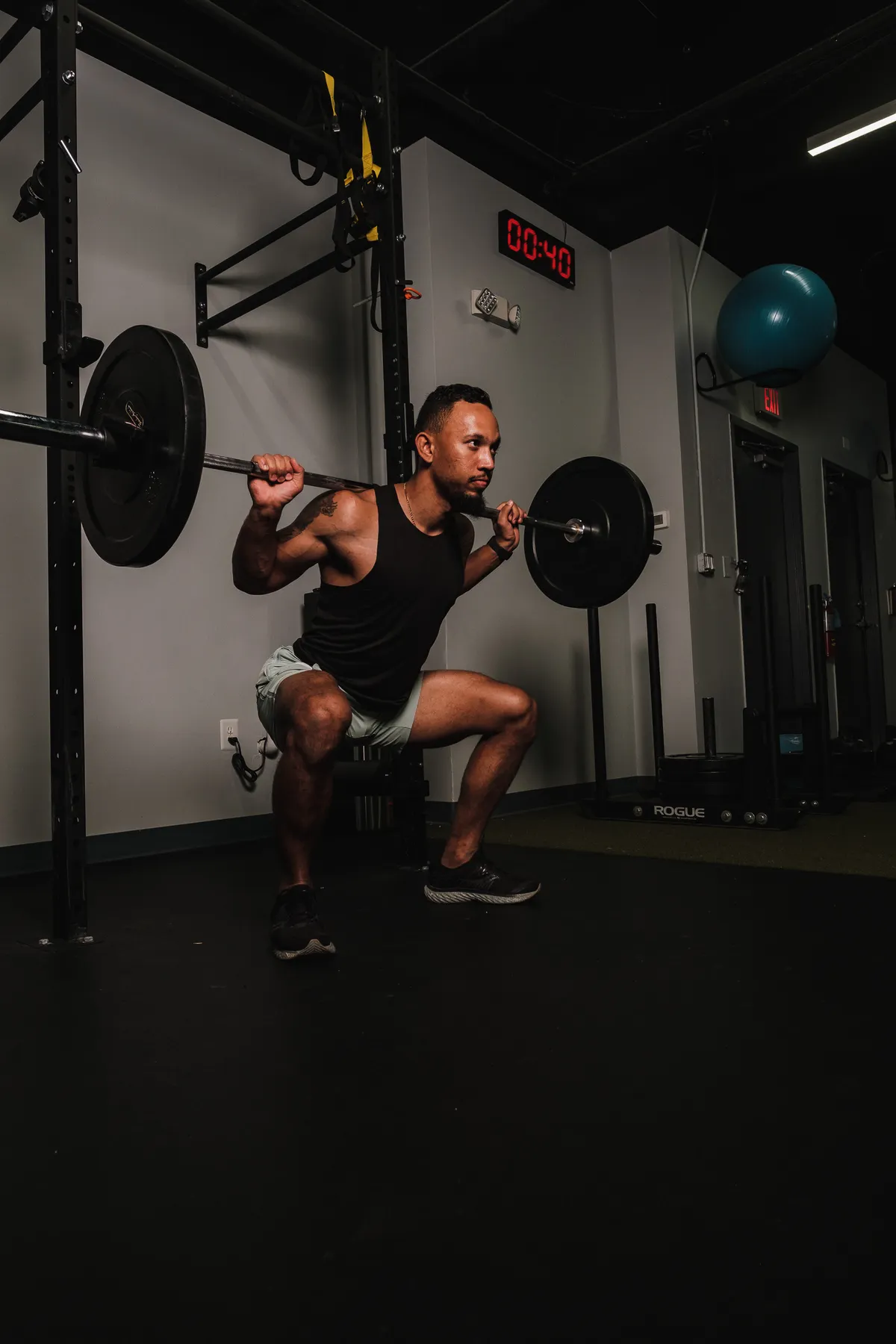
Warm-up research often reports lifting velocity or power rather than only the amount of weight on the bar. That makes sense: two athletes might both complete the prescribed repetitions while one moves the bar with more intent and less grinding. A well-chosen preparatory sequence can help the nervous system and movement pattern become ready to express force quickly. But lifting speed is also sensitive to fatigue, load selection, technique and the time allowed between sets.
A controlled experiment with forty trained men compared different specific warm-up approaches before squat and bench-press sessions. The warm-up using a relatively higher practice load produced some advantages in squat propulsive velocity over a lighter-only option, while the bench press showed a different pattern. It would be inaccurate to turn this into a claim that everyone should jump directly to a very heavy warm-up. It instead shows that the same warm-up design may not optimize two exercises equally.
For explosive training, think about the intended action. A light jump squat or fast bench press calls for a crisp, high-quality effort with enough recovery to remain explosive. Long, burning warm-up sets are usually a poor fit for that task. You may benefit from a few gradually loaded rehearsals performed with an intent to accelerate, provided the movement stays controlled and appropriate for your ability. The intention to move quickly is different from deliberately losing control.
For slower hypertrophy work, maximal velocity on the first repetition is rarely the sole goal. A repeatable start position, stable technique and sufficient strength for the planned range matter more. The lesson is to match the warm-up to the outcome: practice the exact skill for technically demanding lifts, avoid fatigue before power work, and preserve energy before sets where accumulated muscular effort is the main stimulus.
Heavy primers, moderate sets and the fatigue trap
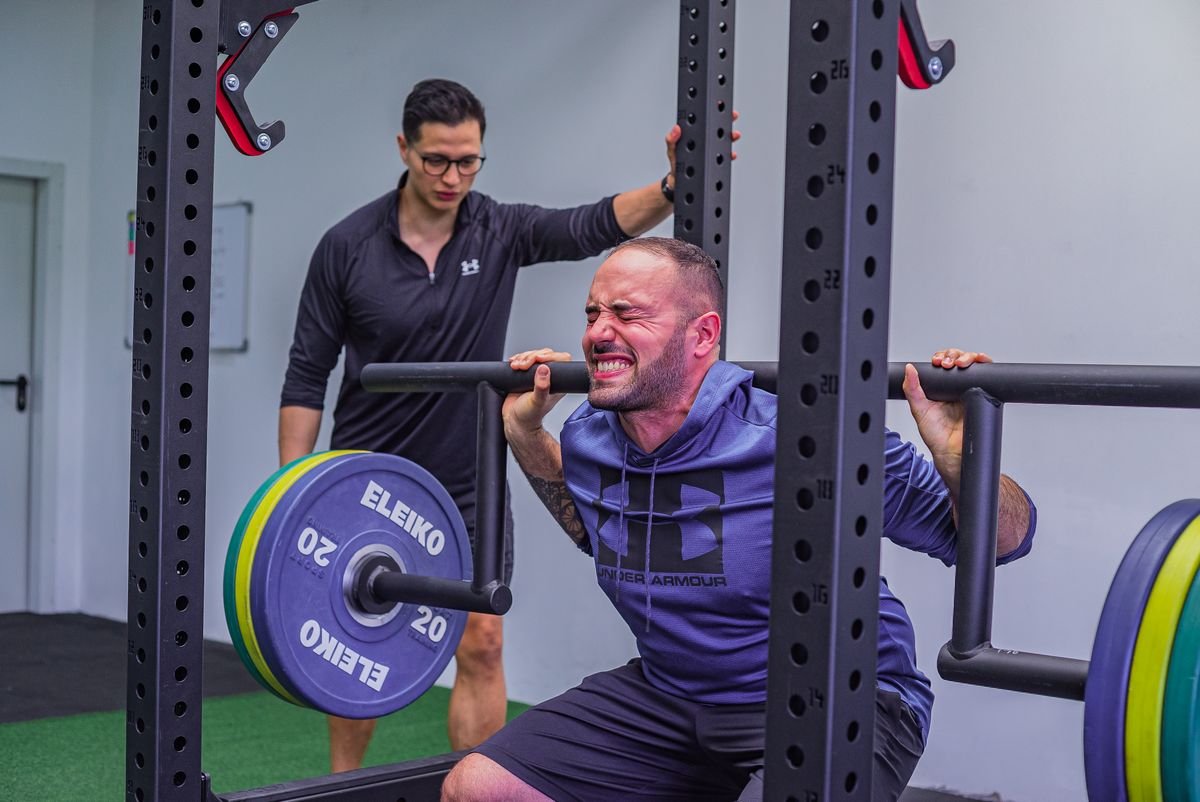
The attraction of a heavy primer is understandable. A fairly heavy but non-grinding repetition can make the next load feel manageable, and some research has observed favorable immediate performance under certain conditions. Yet an exposure heavy enough to require a fight may simply cost performance. The sweet spot depends on training status, movement complexity, recovery time and the relative weight used.
Another experiment in fourteen trained men compared different squat warm-up loading conditions, including lower and higher relative loads. Its session-wide repetition and volume outcomes did not show a straightforward universal benefit from using the heaviest warm-up. That is a valuable warning against treating one favorable speed measurement or one successful top set as proof that a heavy primer is always superior. Acute studies often examine small samples with narrowly specified exercises and rest intervals.
For a bodybuilding session built around multiple working sets of six to twelve repetitions, the risk is simple: an overlong ramp uses up local muscle endurance before the first logged work set. If your final warm-up set already feels close to failure, it may have stopped being preparation. Reduce its repetitions, extend the rest, or choose a smaller jump. A warm-up can be slightly challenging without turning into a hidden extra hard set.
Some lifters also change equipment or exercise order. The squat warm-up you just completed does not fully prepare your shoulders for heavy pressing or your grip for a different pulling movement. You do not necessarily need to restart a full general warm-up, but a few appropriate specific practice reps can be worthwhile. Think in terms of what is new in the upcoming exercise rather than repeating a fixed ritual before every station.
Equipment Worth Exploring
Explore equipment, accessories and gear from our carefully selected range.


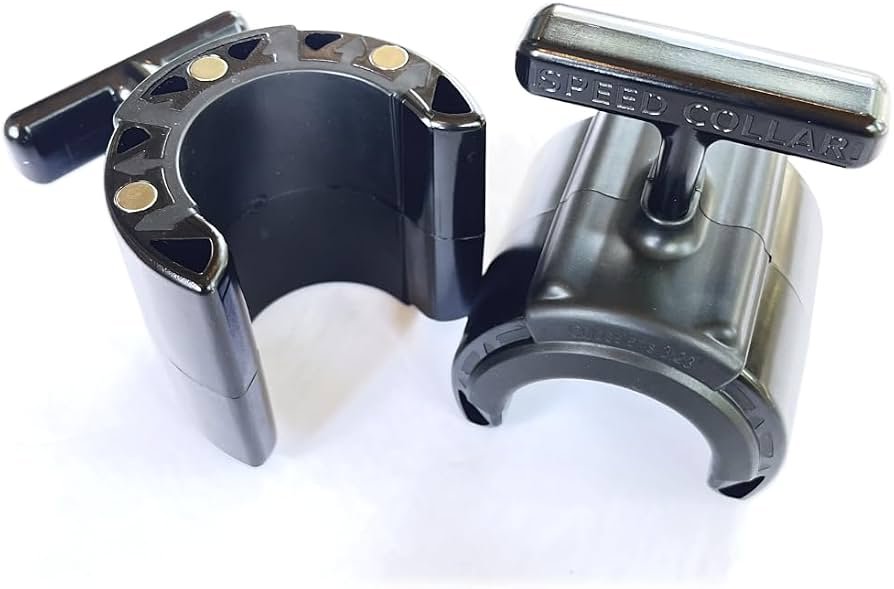
Speed Collar
Quick-release collars designed to secure weight plates on standard two-inch Olympic bars.
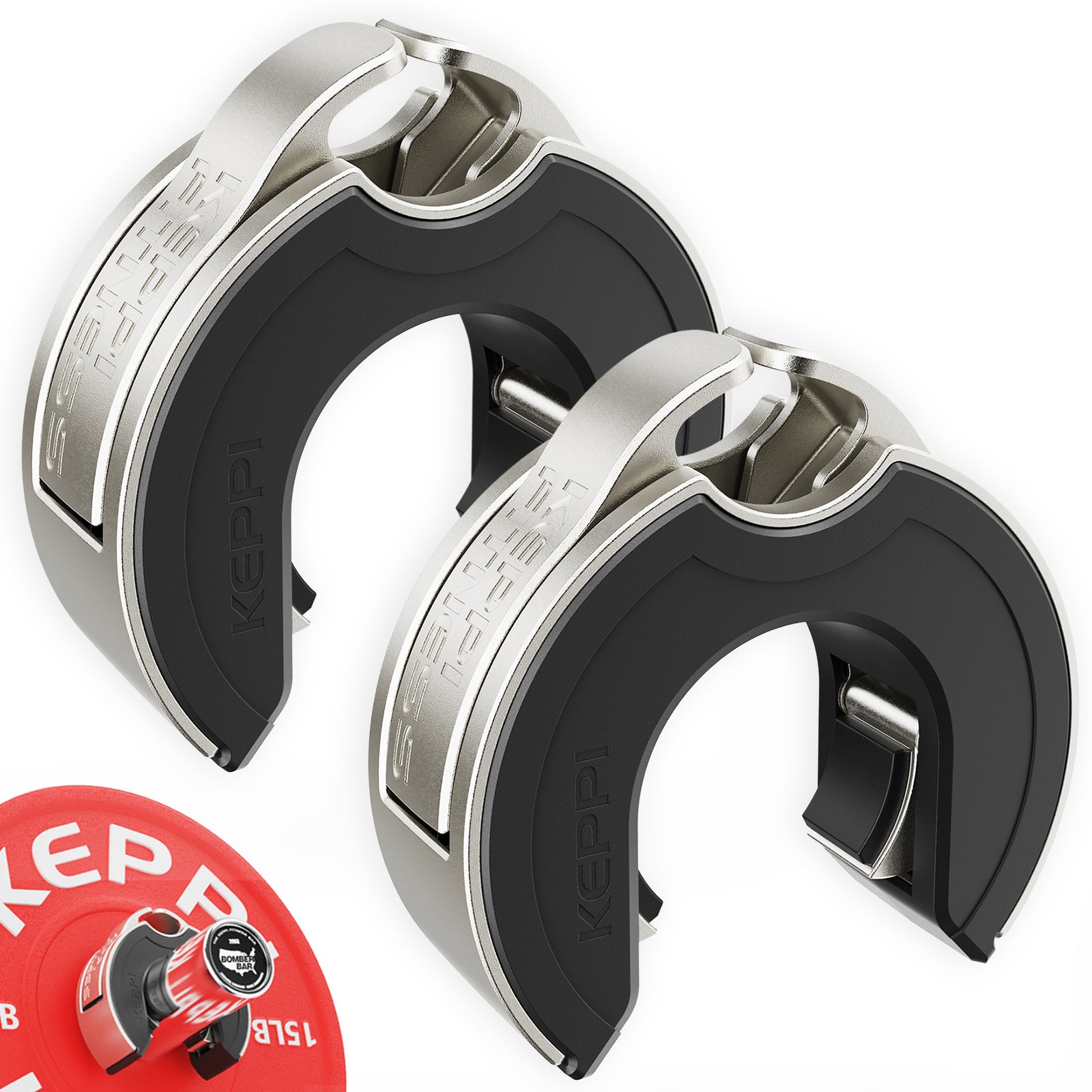
Keppi Open Collars
C-shaped magnetic Olympic barbell collars with a quick-lock mechanism and grippy lining.

Belt Squat Collar
Heavy-duty collar adapter for compatible belt-squat and landmine bar setups.

Squat Harness
Wearable harness for hands-free cable squats, sled work, and lower-body training.

FID Bench MAX
Adjustable bench offering flat, incline, and decline positions + adjustable headrest.


Studio V-Squat
Plate-loaded V-squat machine for supported lower-body strength training.
Re-warming up when the session changes direction
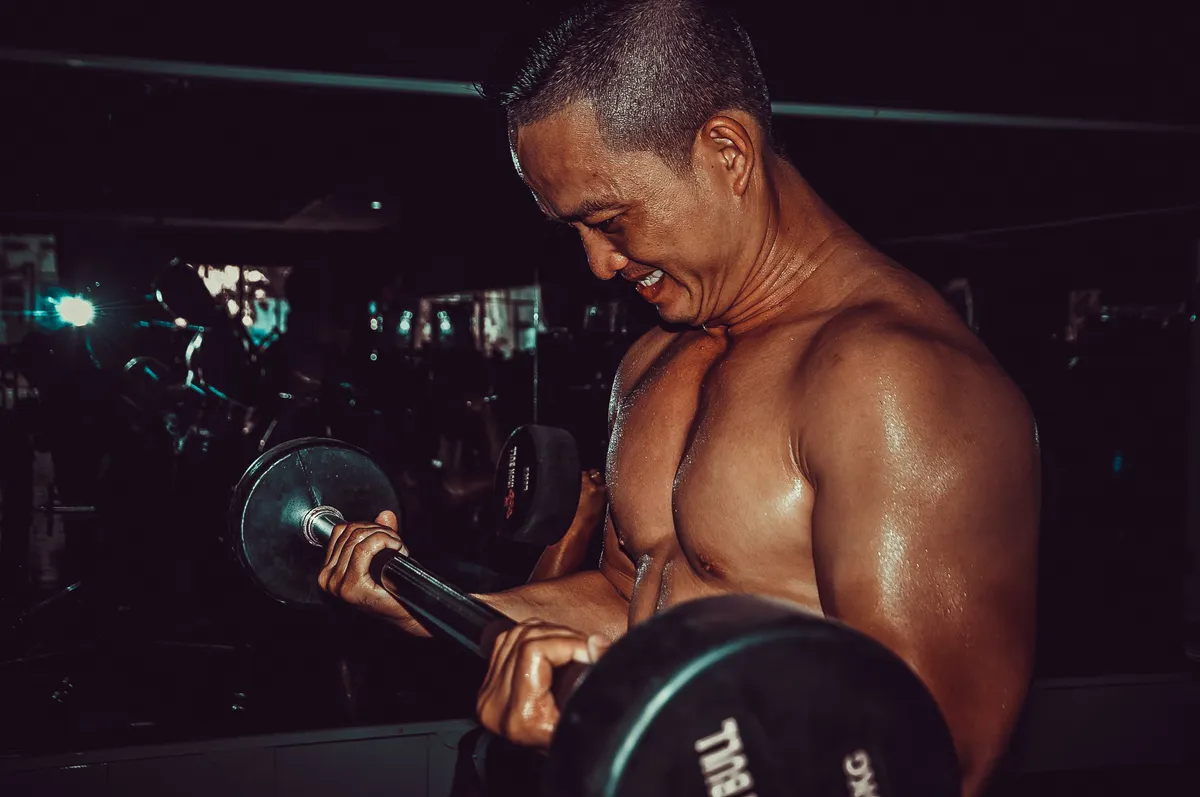
Strength workouts are rarely a continuous sequence of identical movements. You might bench first, spend twenty minutes working on the upper body, then return to heavy squats. Or you could perform squats before a long stretch of accessory work and later start a demanding hinge exercise. By then, the movement-specific readiness built during your opening sets may no longer match the next task.
A small randomized study of twenty-two recreationally trained men explored just that situation. When squats followed bench presses, a specific re-warm-up improved some squat velocity and power measurements compared with proceeding without one. When bench presses followed squats, the same general idea did not show comparable mechanical benefits for the bench press. Those findings are acute and exercise-order specific, not evidence that re-warming is essential before every movement.
A practical re-warm-up can be brief. Before a heavy squat performed after a long gap, use one or two lighter squat sets to restore the feel of the movement and gauge today’s readiness. When transitioning to a lighter cable isolation exercise, one easy rehearsal set may be enough. If you have remained active and the movement is similar, you may need very little. The longer and more demanding the break or change of movement, the stronger the case for checking the new load rather than immediately attempting a maximal set.
Be especially cautious when temperature, stiffness, distraction or fatigue make technique inconsistent. Re-warming is an opportunity to assess how the lift feels, not an excuse to add extra work. If the return set feels difficult, adjust the working load or rest rather than forcing the original plan. Use it as a quick quality check that protects performance and confidence.
Build a personal warm-up that is easy to repeat
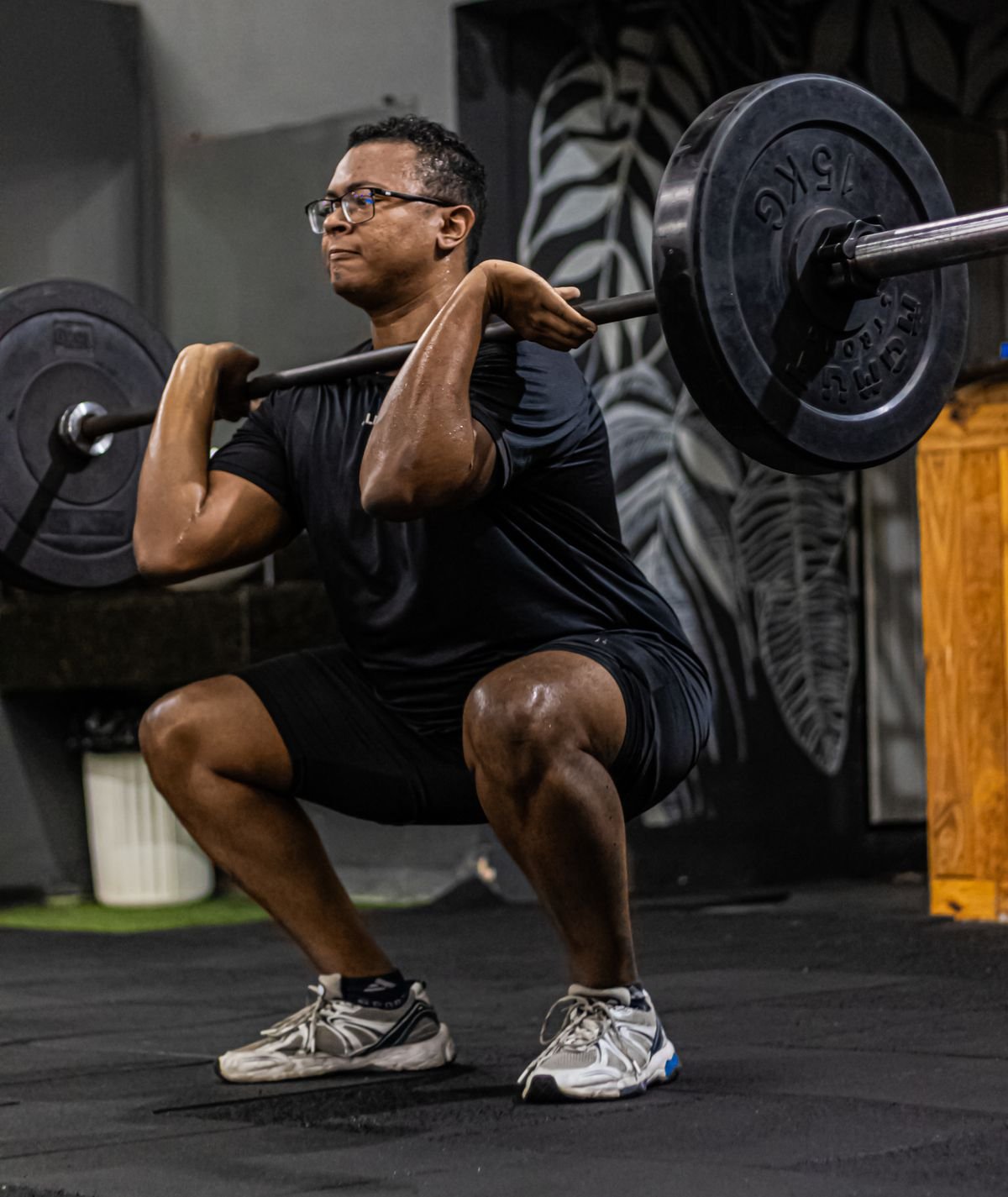
The best warm-up has to fit the lift, the session and the lifter. Begin by recording what you actually do before your first serious set: the light sets, load jumps, approximate rests and how the first work set performs. Repeat a sensible version for several sessions before you judge whether it helps. A single fast or slow day is not enough to separate the warm-up from sleep, nutrition, stress or the weight selected for the workout.
For heavy strength work, use progressively loaded practice with decreasing repetitions, finishing well short of a grind. For high-repetition bodybuilding work, use only enough ramping to establish technique and readiness without eroding the work-set target. For explosive work, favor crisp rehearsals and ample recovery instead of exhaustive preparation. When you return to a demanding lift later in the session, consider a short specific re-warm-up.
Keep simple signals in your log: did the first working set feel stable, did its repetitions match the plan, and did the warm-up create obvious fatigue? If you track bar speed, compare similar exercises and loads under similar conditions; do not interpret a small change as proof of superior gains. A brief general movement period and an appropriate series of specific sets will serve many lifters better than an elaborate routine whose only measure of success is how exhausted it makes them.
Powerlifting Shirts & Lifting Gear
Powerlifting shirts and gym gear for squat, bench and deadlift lifters who live for heavy numbers.

No Plates No Dates Shirt – Gymbros & – Meme & Gains T-Shirt
Bring “No Plates No Dates” humor to your next gym day.

Shirt & 45LBs Metal Weight Plate & Barbell Meme Top T-Shirt
Show some metalhead attitude with a playful “Funny Gym Shirt & Pump Cover” tee.

500lb Club Meme Shirt Top & Gymbros T-Shirt
Heavy lifts, good laughs, and a little “500lb Club” energy.


Shirt – Lifting Things & Getting Gains – Gymbro Meme T-Shirt
Bring “Lifting Things & Getting Gains” humor to your next gym day.

Shirt – Lifting Is My Therapy Bros & – Barbell Meme T-Shirt
Make gym days more fun with “Lifting Is My Therapy” style.

Praise The Deadlift Holy Lifting Meme Decal Water Sticker
Put “Praise The Deadlift” gym humor on your laptop, bottle, or gym gear.

Anti Social Lifting Club Sweater & Meme T-Shirt
Add a playful “Anti Social Lifting Club” touch to your casual rotation.

Lift Time Gym | Funny Workout For Gym Bros & Powerlifte Hoodie
Bring “Lift Time” gym humor to lazy days and post-workout plans.

Rep God Gym | Funny Workout Vest for Bodybuilding & Lif Tank Top
Your gym-day look, with a playful “Rep God” twist.
Bottom line: the available experiments support exercise-specific preparation, often with a sensible progression in load, while the precise ideal ramp remains individualized. Save the hard efforts for your planned working sets. Warm up enough to lift confidently and efficiently, and stop warming up before the warm-up becomes the workout.