Advertising disclosure: This page includes affiliate product links that may earn us a commission, as well as products from our own store.
Drop Sets vs Straight Sets: Do Faster Workouts Build More Muscle?
Few gym techniques turn a short set into a long, burning effort quite like a drop set. Finish your curls, reduce the dumbbells, keep moving, and suddenly the same muscles can work for another round of reps. It feels brutally productive. But feeling more exhausted is not the same thing as creating more growth. The useful question is whether that extra effort buys better results, or simply compresses work into less time.
A 2026 research synthesis examined 12 studies involving 274 participants and compared drop-set training with conventional resistance-training sets. It found a clear difference in how hard sessions felt, but no clear long-term advantage for muscle size or strength. For lifters with a normal job, limited gym time, and an actual recovery budget, the distinction matters more than the pump.
1. What counts as a drop set, and why does it feel so intense?
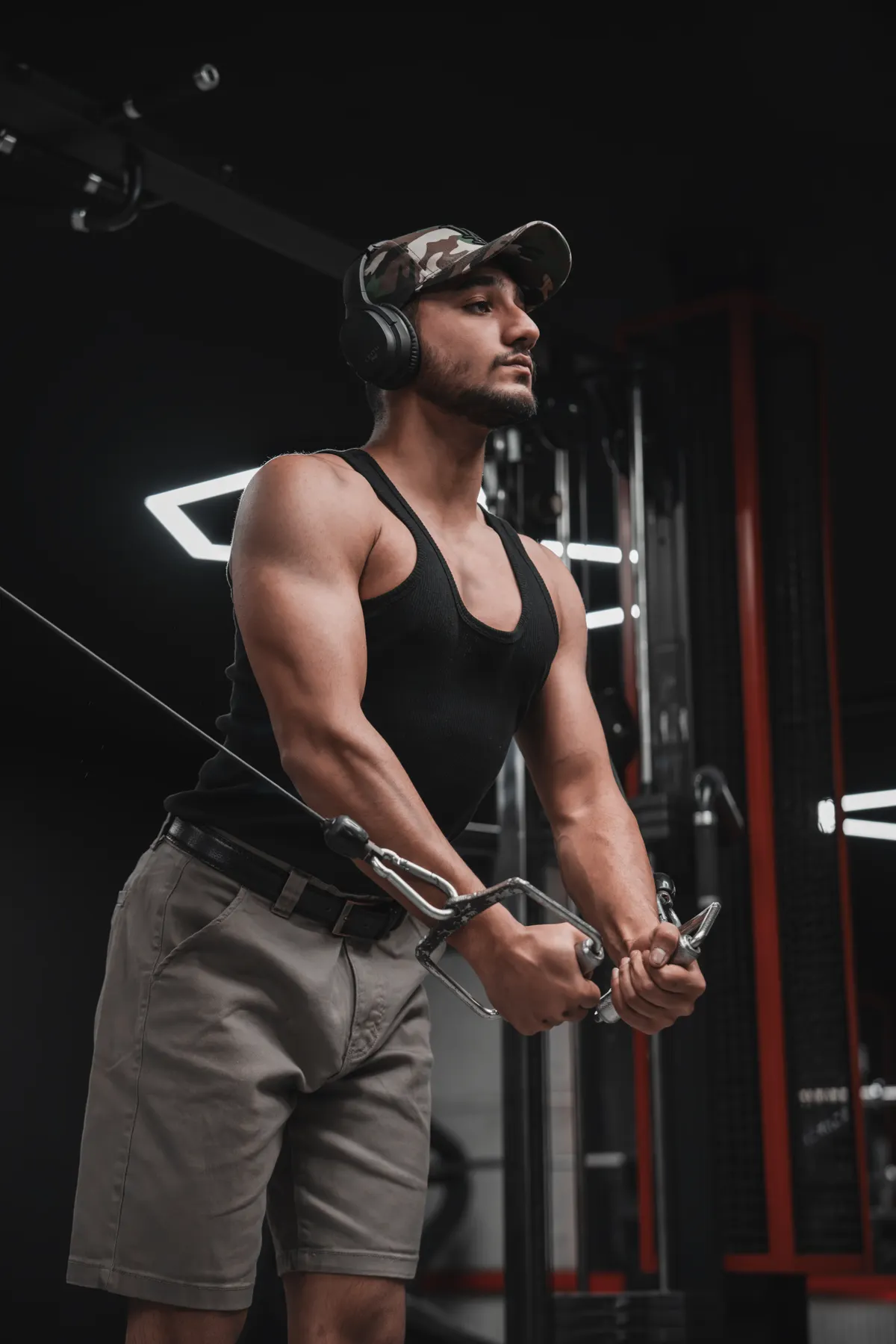
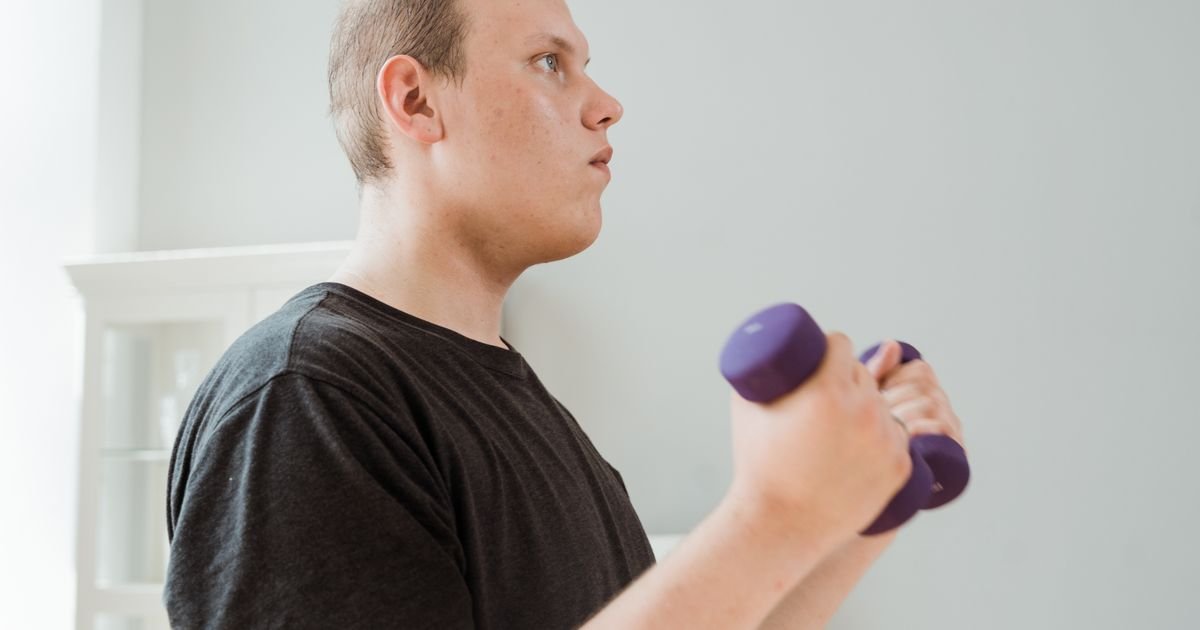
In a straight set, you pick a resistance, perform your planned reps, stop, recover, then return for another set at roughly the same load. In a classic drop set, you reach a predetermined hard stopping point, reduce resistance quickly, and continue with more reps before taking meaningful rest. You might drop from 20-kilogram dumbbells to 15s, then to 10s, all while training the same movement.
The first set recruits and fatigues working muscle fibers. Reducing the weight makes additional repetitions possible because the fresh task is easier, even though the muscles are already tired. The result can be a very high concentration of local muscular effort in a short period. There is no magic threshold requiring a specific 20, 25, or 30 percent load reduction. A useful drop is large enough to restore technically sound reps without turning the exercise into a completely different movement.
Technique still sets the ceiling. If a cable row becomes a body-swinging contest, the drop set has stopped serving the target muscles. It is more productive to use fewer deliberate reps, a controlled eccentric, and a stable range of motion than to chase a giant rep total. The final repetitions may burn; they do not need to look chaotic.
There are several versions: a single reduction after one hard set, two consecutive reductions, or multiple rounds. These are not interchangeable training doses. A ten-rep set followed by ten easier reps is not automatically equivalent to two hard straight sets when comparing total work, proximity to failure, rest time, and eventual recovery.
2. What 12 studies and 274 participants actually showed
The 2026 synthesis combined evidence on immediate training responses and longer-term adaptations. On the immediate side, drop sets generated substantially higher ratings of perceived exertion: the standardized mean difference was 1.62, with a 95 percent confidence interval from 0.33 to 2.91. Lactate responses were also higher, with a standardized mean difference of 0.67 and interval from 0.20 to 1.14. Heart rate tended upward, but that difference was not statistically clear.
For long-term muscle growth, the pooled difference was close to zero: standardized mean difference 0.04, confidence interval from -0.29 to 0.36. For strength, it was -0.04, interval from -0.34 to 0.26. Muscle endurance showed no statistically clear between-method difference either. In ordinary terms, the collected studies did not establish that drop sets produce more size or more strength than conventional training.
That does not mean the methods were proven identical. A non-significant difference is not a guarantee of equivalence, and the confidence intervals leave room for effects in either direction. Studies differed in exercises, participant experience, set structures, outcome tests, and whether total training work was matched. The pooled picture is most useful as a brake on dramatic claims, not as an ironclad prediction for every lifter.
The immediate fatigue data also answer a separate question: why can drop sets feel much harder without necessarily winning on adaptation? The sensations occur now, during a session. New muscle tissue and strength are outcomes measured across weeks. Greater discomfort, lactate, or breathlessness is not itself a reliable score for how much muscle an exercise will build.

Bodybuilding Shirts & Workout Gear
Bodybuilding shirts, tanks and gym gear for lifters chasing muscle, size, symmetry and the pump.

Muscle Mountain – Gymbro , & Gains Meme Top T-Shirt
Rep “Muscle Mountain” humor in and out of the gym.

Gainsonomics Shirt: Bro Science Muscle Graph T-Shirt
Rep “Gainsonomics” humor in and out of the gym.

Gymhead – Mind Muscle Connection – Skull , & Meme T-Shirt
Rep “Gymhead” humor in and out of the gym.

Bodybuilder – Meme & Gymbros – Top Gains & Humor T-Shirt
Heavy lifts, good laughs, and a little “Bodybuilder” energy.

This Is My Therapy Shirt Meme , & Gains Top T-Shirt
Bring “This Is My Therapy” humor to your next gym day.

Is A Battle Shirt Warrior & Gains T-Shirt
Heavy lifts, good laughs, and a little “Gym Is A Battle” energy.

Struggle Gains Stoic Sigma : Meme & T-Shirt
Show some lifting attitude with a playful “Struggle Gains Stoic Sigma” tee.

One Of Us One Of Us Cult Shirt – Meme , & Gains Top T-Shirt
Make gym days more fun with “One Of Us One Of Us Gym Cult” style.

Weights Breakfast Pancake Plates Morning Tank Top
Train hard, laugh a little, and rep “Weights For Breakfast”.

Skull Crewneck Heavy Weights Gym Wear Uplift Iron Club T-Shirt
Keep things casual with a little “Sweatshirt Skull” attitude.
3. For hypertrophy, the best method is the one you can progress
Muscle growth comes from repeated productive resistance-training exposures, sufficient nutrition, and enough recovery to adapt. Straight sets make the progression simple to track. If you complete three sets of eight clean repetitions with the same load this week and three sets of nine later, you have a clear performance signal. A drop set can also progress, but you must record its starting load, reductions, total reps, and how close each segment comes to failure.
A second synthesis of earlier drop-set research similarly found no clear muscle-growth advantage over traditional sets, although some tested drop-set protocols took roughly one-half to one-third as much time. Those time savings are promising for a busy schedule, but they apply to those protocols—not every exercise, every rest interval, or a whole workout that includes warm-ups and moving between stations.
There is an important design choice here. If you swap three straight sets for a single long drop sequence and finish earlier, you may have reduced total work. That can still be smart if time is the limiting factor. If you add the drop sequence on top of all your normal sets, you have increased training stress. The next day’s soreness or lost repetitions can tell you whether the extra dose is affordable, but soreness alone is not a growth report card.
For most muscle-building plans, think of drop sets as a tool for targeted density rather than a mandatory finisher. Choose one or two suitable exercises, retain clean technique, and watch whether the main progression trend holds over several weeks. If your normal sets move up while the final drop set stays manageable, the method may fit your recovery budget. If your main lifts stall and fatigue spreads across the week, the apparent efficiency may be misleading.

Equipment Worth Exploring
Explore equipment, accessories and gear from our carefully selected range.


Rubber Hex Dumbbells
Rubber-coated hex dumbbell pairs with a stable shape for home and commercial strength training.


EZ Curl Barbell
Olympic EZ curl bar with angled grips for curls and triceps exercises.

Original GymPin
Adds Olympic plates to compatible cable-machine weight stacks for extra resistance.

Long Tricep ERGO Ropes
Extended triceps ropes with ergonomic grips for cable pressdowns and overhead extensions.

GymPin Ergo Handles
Pair of ergonomic cable handles shaped for comfortable triceps and pulling exercises.

VForce Wall Trainer
Space-saving wall-mounted functional trainer with pivoting cable arms and variable resistance ratios.
VOLTRA
Compact digital cable trainer with smooth, adjustable resistance.
4. Strength is a different job from accumulating fatigue
Maximal strength depends partly on practicing heavy, repeatable movement with a high-quality setup. Fatigue can disrupt bracing, bar path, grip position, and the ability to accelerate a load. This is why a challenging set of heavy squats or a technically demanding deadlift is usually a poor place for a frantic chain of load reductions. You can get very tired without getting much better at the precise heavy movement you want to improve.
The pooled strength results did not identify a drop-set advantage. That is consistent with the broader practical distinction between training to get stronger at a lift and training to accumulate local muscle work. Both can overlap, but the best design for each goal need not be identical. It is perfectly reasonable to use crisp, conventional sets for a heavy compound lift, then employ a controlled drop set on a machine or cable accessory.
Suppose your priority is improving an eight-rep bench press while also bringing up triceps size. Perform the bench press work with consistent rest and a stable rep standard, then finish with one cable pressdown sequence. Your priority skill stays trackable, and the higher-fatigue work happens where a small technique error is less consequential than under a heavy bar.
Exercise order matters. Training a small assisting muscle to deep fatigue before a compound lift may limit the later load for reasons unrelated to the target muscle. Put demanding or high-skill movements first when performance is the priority. You can pursue a satisfying pump afterward without allowing that sensation to dictate the entire workout structure.
5. How to run a drop set without creating junk volume

Start with a movement that permits quick, safe changes in resistance: a cable station, selectorized machine, or an accessible dumbbell rack. Warm up normally. Select a load you can lift with full control for approximately eight to twelve hard reps. Stop when another clean rep would be difficult; intentional breakdown is not the goal. Reduce the weight by roughly 20 to 30 percent, then perform another six to twelve controlled reps. If needed, make one more reduction, but avoid building an endless ladder.
For example, a cable lateral-raise drop set might use 7.5 kilograms for ten reps, 5 kilograms for eight, and 3.75 kilograms for another eight. Those numbers are an illustration, not a scientifically prescribed combination. The right weights depend on the machine, cable leverage, your own strength, and the quality of each rep. A 10-second equipment change is generally preferable to five minutes of adjustment, because the point is low transition time.
Use a consistent definition of the set’s end: loss of the intended range of motion, inability to hold body position, or an honest assessment that another controlled rep is unavailable. Keep movement tempo natural; do not turn the last segment into jerking, bouncing, or shortened half-reps merely to inflate the count. A partner can help change weight plates, but spotters should not force repetitions through unsafe joint positions.
Write down the entire sequence rather than simply recording ‘one set.’ Note start load, each load reduction, reps for each segment, and the exercise’s position in the session. This makes future comparison possible. Progress might mean adding one clean repetition to the first segment, raising the initial load slightly, or holding output steady with less fatigue. More total reps at ever-lighter weights are not automatically superior.
Funny Gym Shirts & Workout Gear
Funny gym shirts, tanks, hoodies and workout gear for lifters who like training hard.

Gym Makes Me Happy Hooded Pullover Top Who Love Weights Hoodie
Make your off-duty look more fun with “Gym Makes Me Happy”.

Gymrat Mousetrap | Funny Workout For Dedicated Lifters Hoodie
Make your off-duty look more fun with “Gymrat Mousetrap”.

Pizza and Weights Retro Cartoon and Pizza Fans Hoodie
Show off your pizza-loving humor in a laid-back “Pizza and Weights Retro Cartoon” hoodie.

Coffee and Weights Retro Cartoon for Coffee Lovers and Hoodie
Show off your bodybuilding humor in a laid-back “Coffee and Weights Retro Cartoon” hoodie.

Rat Cheese Barbell | Muscle Shirt & Bodybuilding Meme F Tank Top
Add some lifting attitude to training with “Gym Rat Cheese Barbell”.

Gym Iron Before Honor Medieval Knight for Heavy Lifters Hoodie
Show off your medieval humor in a laid-back “Iron Before Honor Medieval Knight” hoodie.


Swolenomics Bro Science Muscle Graph : The Ultimate T-Shirt
Heavy lifts, good laughs, and a little “Swolenomics Bro Science Muscle Graph” energy.

Liftonomics – Bro Science Muscle Graph Gymbros & T-Shirt
Rep “Liftonomics” humor in and out of the gym.

Rep God The Real Swole Shady Gym | Rap Parody Decal & G Sticker
Bring “Rep God The Real Swole Shady” attitude to your water bottle or laptop.
6. Best exercise choices—and the situations to skip them
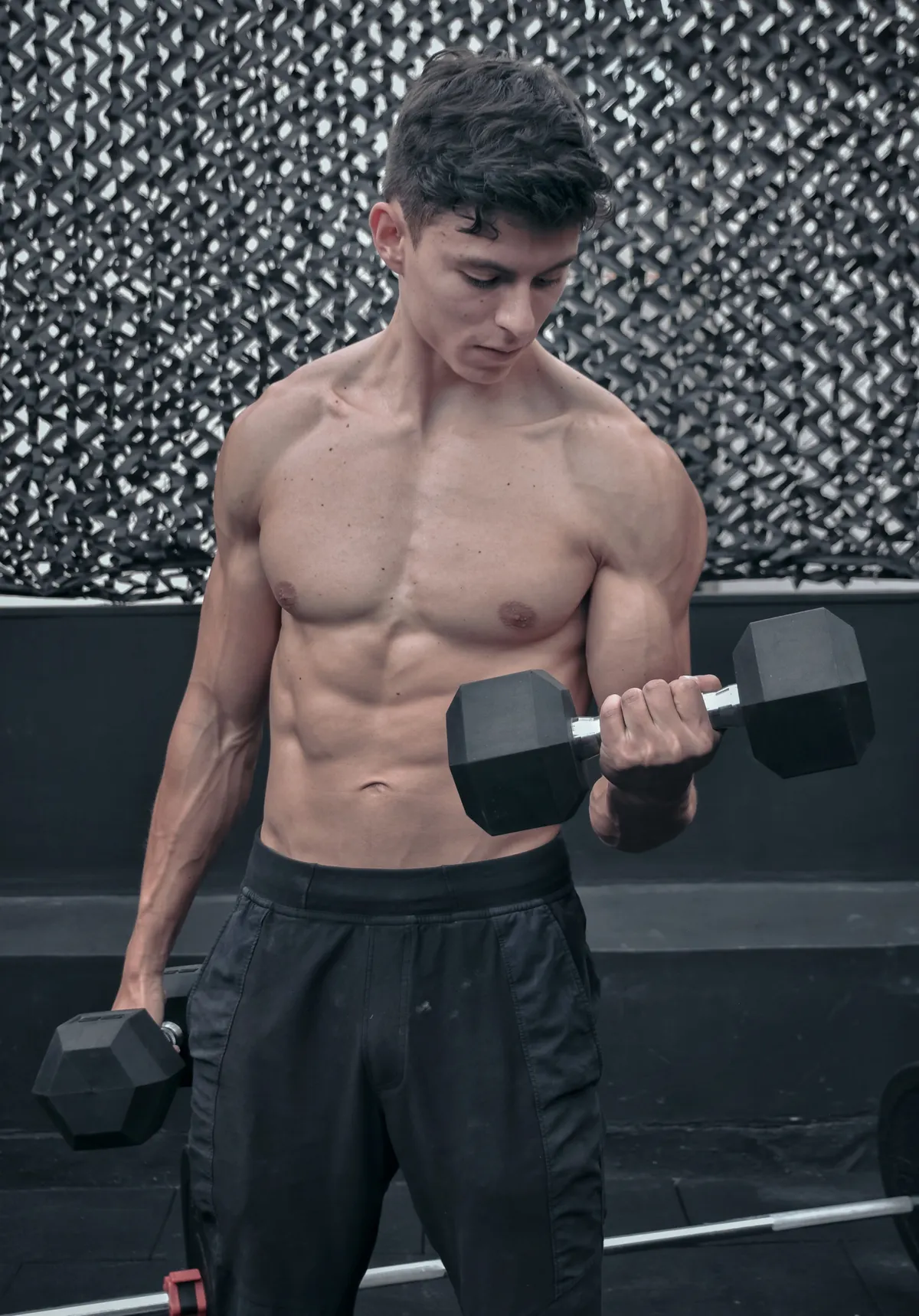
Drop sets fit especially well with curls, triceps pushdowns, cable lateral raises, machine chest presses, lat pulldowns, and certain supported leg extensions. These movements let you lower the load promptly and maintain a recognizable technique. They also make it easier to stop without getting trapped under a heavy load. Even with machines, check whether fatigue changes your posture or causes uncomfortable joint motion.
Heavy free-weight squats, near-maximal deadlifts, and complicated Olympic-lifting variations are less forgiving. A lifter who loses trunk position during a fast reduction may be practicing errors rather than building useful strength. High-skill lifts also involve more setup and often longer plate changes, defeating some of the method’s time-saving advantage. For a compound lift, a conventional back-off set with adequate rest is often a more straightforward choice.
Drop sets are also less attractive when you are already carrying substantial fatigue: several consecutive hard sessions, unusual soreness, a demanding sports schedule, or a planned maximal-strength test. One hard finisher is not inherently harmful, but the accumulation of repeated near-failure efforts can affect how well you train tomorrow. If you are returning after a break, build a base of consistent straight sets before turning every exercise into a high-effort event.
When time is scarce, prioritize full exercise coverage and regular weekly training before adding intensity tricks. A ten-minute session with meaningful squat, push, and pull work may beat a workout dominated by one elaborate arm finisher. Drop sets make an excellent accessory when they solve an actual constraint, not when they displace the work that matters most.
7. A practical two-day template and a four-week decision rule
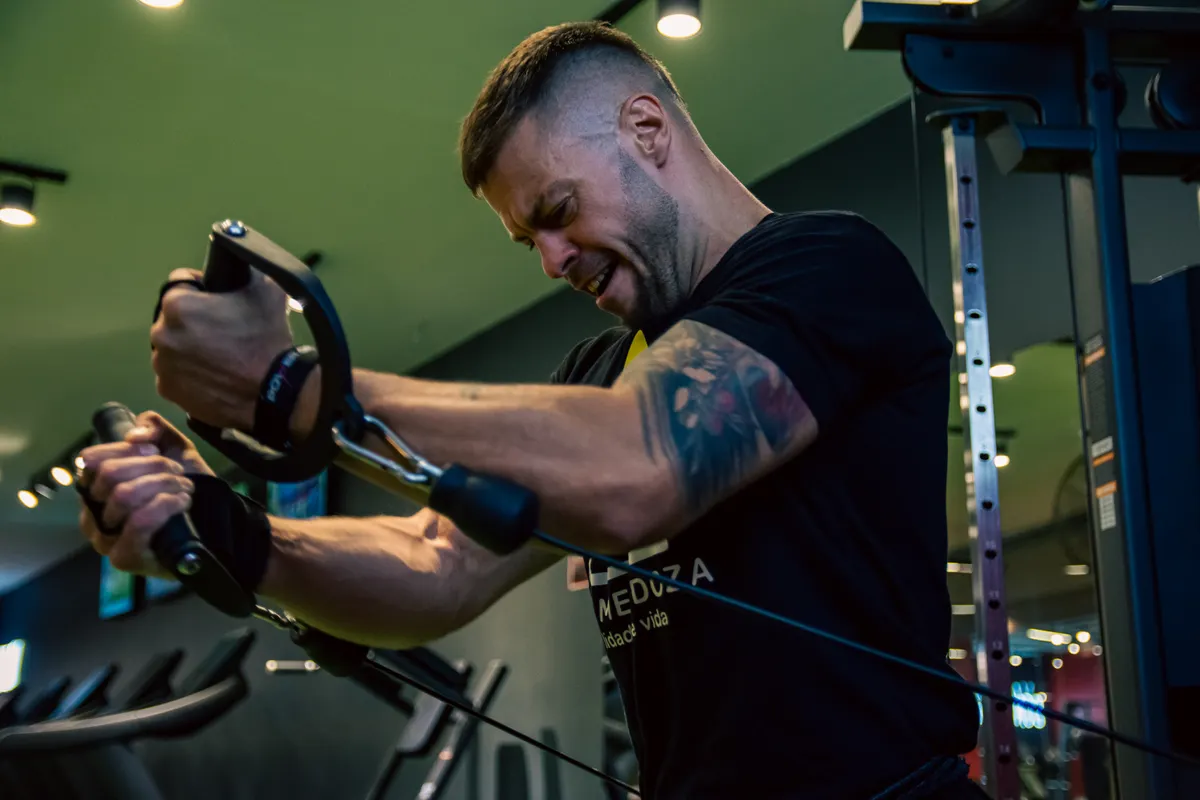
Try a simple experiment that preserves your main lifts. On your first upper-body day, do your planned bench press and row sets with ordinary rests. Follow them with two normal sets of a triceps cable movement, then one controlled double-drop sequence. On your second upper-body day, retain conventional pressing and pulling, but add a single biceps curl drop sequence at the end. Keep the rest of your program stable while you assess the change.
For a lower-body session, keep the primary squat or leg press sets consistent and use a leg extension for the optional finisher. Do not combine three or four different all-out drop sets in a session just to test your tolerance. One well-placed sequence is easier to evaluate and less likely to erase the quality of your next training day.
| Check | Useful observation | What to do |
|---|---|---|
| Training time | Did the session genuinely get shorter? | Keep it only if density matters to your schedule. |
| Main-lift performance | Are reps and loads holding or improving? | Reduce finishers if priority lifts regress. |
| Technique | Are the last repetitions still controlled? | End the drop sooner if form deteriorates. |
| Recovery | Can you train the target muscle well again? | Lower frequency or total drop-set dose if needed. |
| Progression | Are the recorded first-segment reps improving? | Increase the starting load modestly when appropriate. |
Run the comparison for four weeks and keep simple notes about your performance and the time spent training. Do not declare a method a failure because one session feels less exciting. Likewise, do not crown drop sets a growth breakthrough because your arms look temporarily fuller afterward. What matters is the trend in productive workouts and whether the training plan remains realistic.
The takeaway: Drop sets can make an efficient finisher and may help you train hard with less resting, but current pooled evidence does not establish better muscle or strength gains than straight sets. Use them when they save time, fit a particular exercise, and leave enough recovery for the workouts that follow. The best intensity technique is one you can actually repeat and improve.
Equipment Worth Exploring
Explore equipment, accessories and gear from our carefully selected range.



VForce Lat Tower
Wall-mounted cable tower with pivot arms and adjustable 1:1 or 2:1 pulley ratios.

HUSLA Leg Extension Pad
Pad attachment designed to increase usable range of motion on compatible leg-extension machines.

Lat Pulldown Set
Multi-grip cable attachment set for pulldowns, rows, and varied upper-body training.