Advertising disclosure: This page includes affiliate product links that may earn us a commission, as well as products from our own store.
Some product links may be affiliate links. If you shop through them, Mind Muscle Perfection may earn a commission at no extra cost to you.
Which triceps exercise deserves your time: an overhead cable extension or the familiar pushdown? A controlled twelve-week comparison of twenty-one adults measured actual muscle volume and found greater triceps growth when the upper arm worked overhead, even though the overhead setup used considerably less weight.
The result is especially relevant to the triceps long head, which spans the shoulder as well as the elbow. But it does not mean every lifter should discard pushdowns, nor that a heavier weight stack is automatically a better training stimulus. Here is what the measurements support, how to perform both movements, and how to put the difference to work without overstating a small experiment.
The 12-week comparison: one person, two arm positions
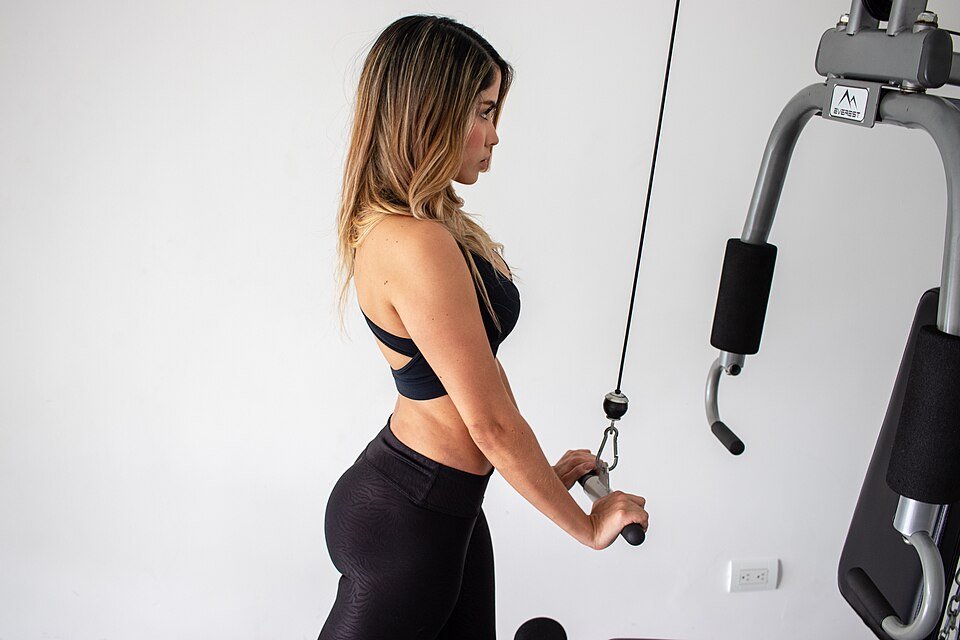
Twenty-one adults trained cable elbow extensions with one arm held overhead and the opposite arm working with the upper arm nearer the torso. This within-person setup is useful: much of the variation in genetics, diet, daily activity and general recovery is shared by the two arms. Researchers measured triceps muscle volume with MRI before and after twelve weeks, rather than relying on photographs, an arm tape measure or a temporary pump. The study focused on two shoulder positions while elbow extension remained the task.
Both arms completed five sets of ten repetitions per workout, twice weekly, starting at about seventy percent of their condition-specific one-repetition maximum. Loads increased when the prior session could be completed without failure. The test involved a prescribed cable movement with approximately ninety degrees of elbow movement, not a comparison of every overhead dumbbell variation against every rope pushdown available in a gym. That distinction matters before translating the numbers into a normal training plan.
The overhead arm handled roughly thirty-four to thirty-nine percent less absolute weight than the neutral-position arm, yet its measured growth was larger. The difference is a reminder that kilograms on the stack are not a universal measure of tension experienced by a particular muscle in a particular joint position. Cable geometry, changing leverage and the working length of a muscle alter what a number on a machine means.
What the MRI measurements actually showed
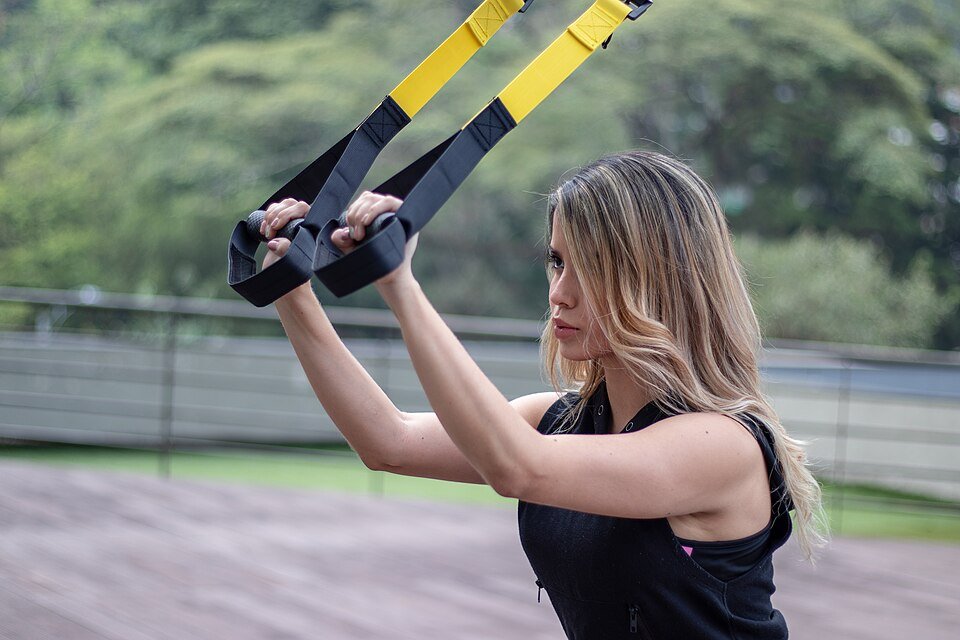
Whole-triceps muscle volume increased about 19.9 percent with the overhead position compared with about 13.9 percent with the neutral position. The long head, which spans both the elbow and shoulder, grew approximately 28.5 percent overhead versus 19.6 percent in the neutral position. Even the combined lateral and medial heads showed a difference: roughly 14.6 percent compared with 10.5 percent. These are measured changes within this experiment, not guaranteed growth percentages for every lifter.
Participants improved elbow-extension strength in both conditions, with condition-specific one-repetition maxima rising by roughly sixty-two to seventy-one percent overall. The gains did not establish a clear corresponding strength advantage for the overhead condition. In practical terms, an exercise may have an advantage for hypertrophy measurement in one setup while both exercises make people better at the movement they repeatedly practice. Muscle size and skill at producing force in a specific test are related but not interchangeable.
Notice the scale and duration. Twenty-one people and twelve weeks provide a useful controlled signal, but they are not a lifetime comparison of training styles. A larger triceps after a supervised block does not tell us exactly how the response would translate to advanced lifters, people with shoulder limitations, or athletes already using several pressing and elbow-extension movements per week. The strongest conclusion is narrow: overhead-position cable extensions were an effective growth stimulus in this particular protocol.
Why raising your arm changes the stimulus
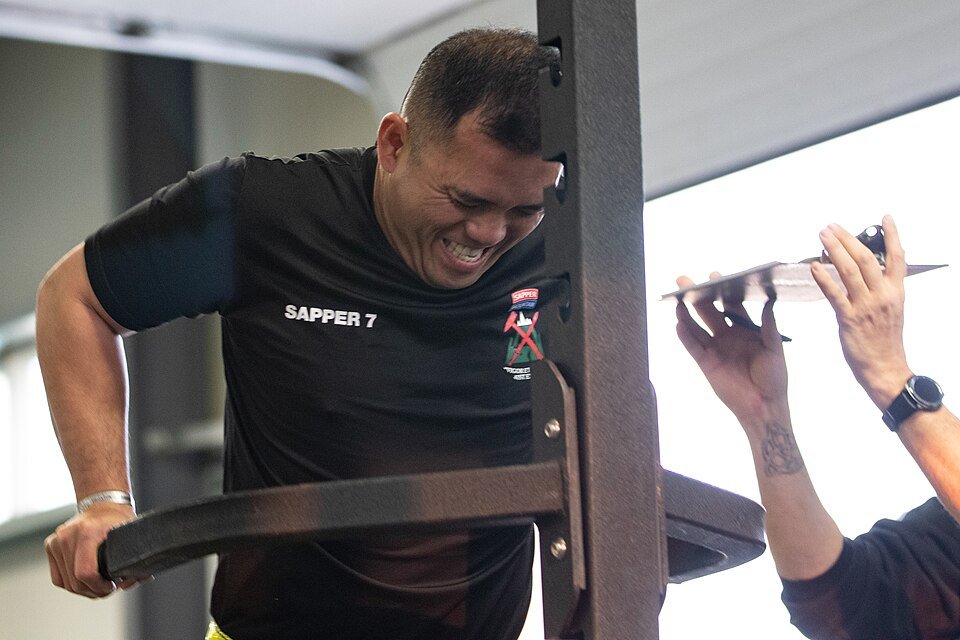
The triceps have three named heads. The long head crosses the shoulder and elbow; the lateral and medial heads cross the elbow but not the shoulder. Move the upper arm overhead, and you lengthen the long head at the shoulder while still asking the elbow to extend. This changes the length at which the long head produces force during the set. A neutral-arm pushdown usually works with the upper arm closer to the torso, changing both muscle length and the line of pull.
Long-muscle-length training has become a useful programming concept, but it is not a magic label. A substantial stretch does not automatically mean a productive working set, and the size of its benefit depends on the muscle, the exercise, the range of motion and how the resistance changes across that range. Other controlled exercise comparisons favor longer-length conditions in some muscle groups, while broader analyses suggest that the average advantage is smaller or more variable than the most dramatic individual experiments imply.
An overhead extension remains elbow extension: the hand travels away from the shoulder because the elbow straightens. Keep the shoulder position relatively stable, control the lower portion and allow a comfortable bend without surrendering the movement to swinging or leaning. A stable rope or individual handle can make the motion easier to personalize. For a bodybuilding goal, the useful target is repeated high-quality, sufficiently challenging repetitions rather than chasing the largest number on the stack.

Equipment Worth Exploring
Explore equipment, accessories and gear from our carefully selected range.

Long Tricep ERGO Ropes
Extended triceps ropes with ergonomic grips for cable pressdowns and overhead extensions.
Super Long Tricep Rope
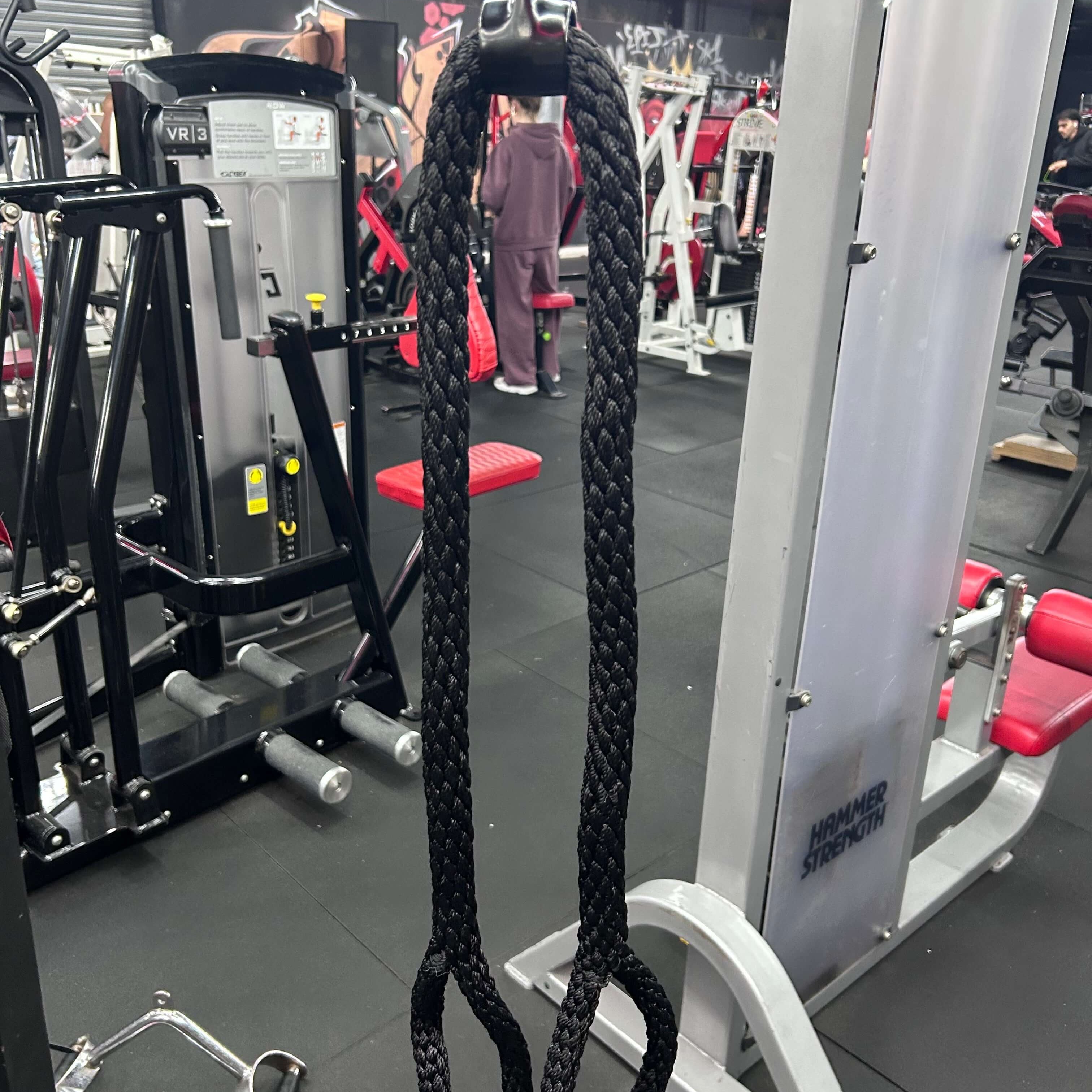
Extra-long looped cable rope for triceps pressdowns and overhead extensions.
Individual Tricep Ropes
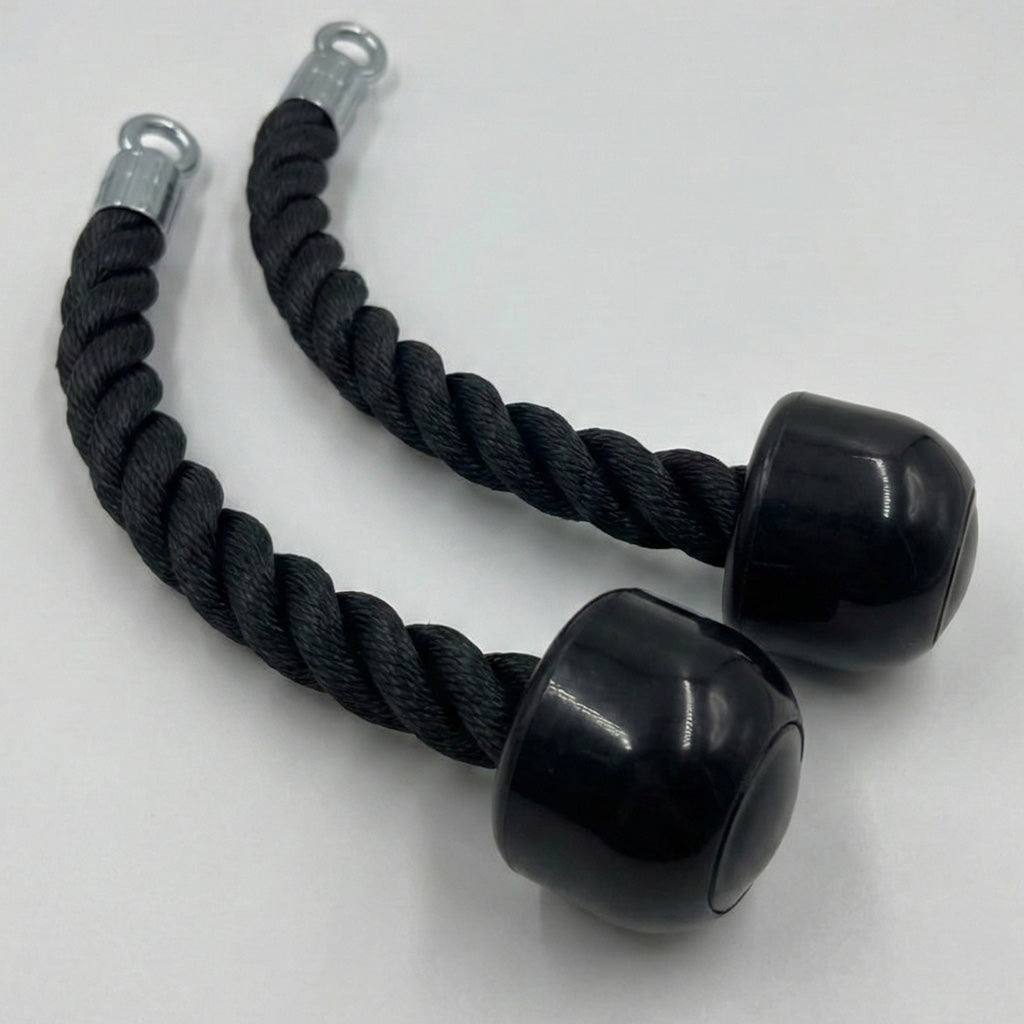
Pair of individual cable ropes for triceps pressdowns and cable hammer curls.
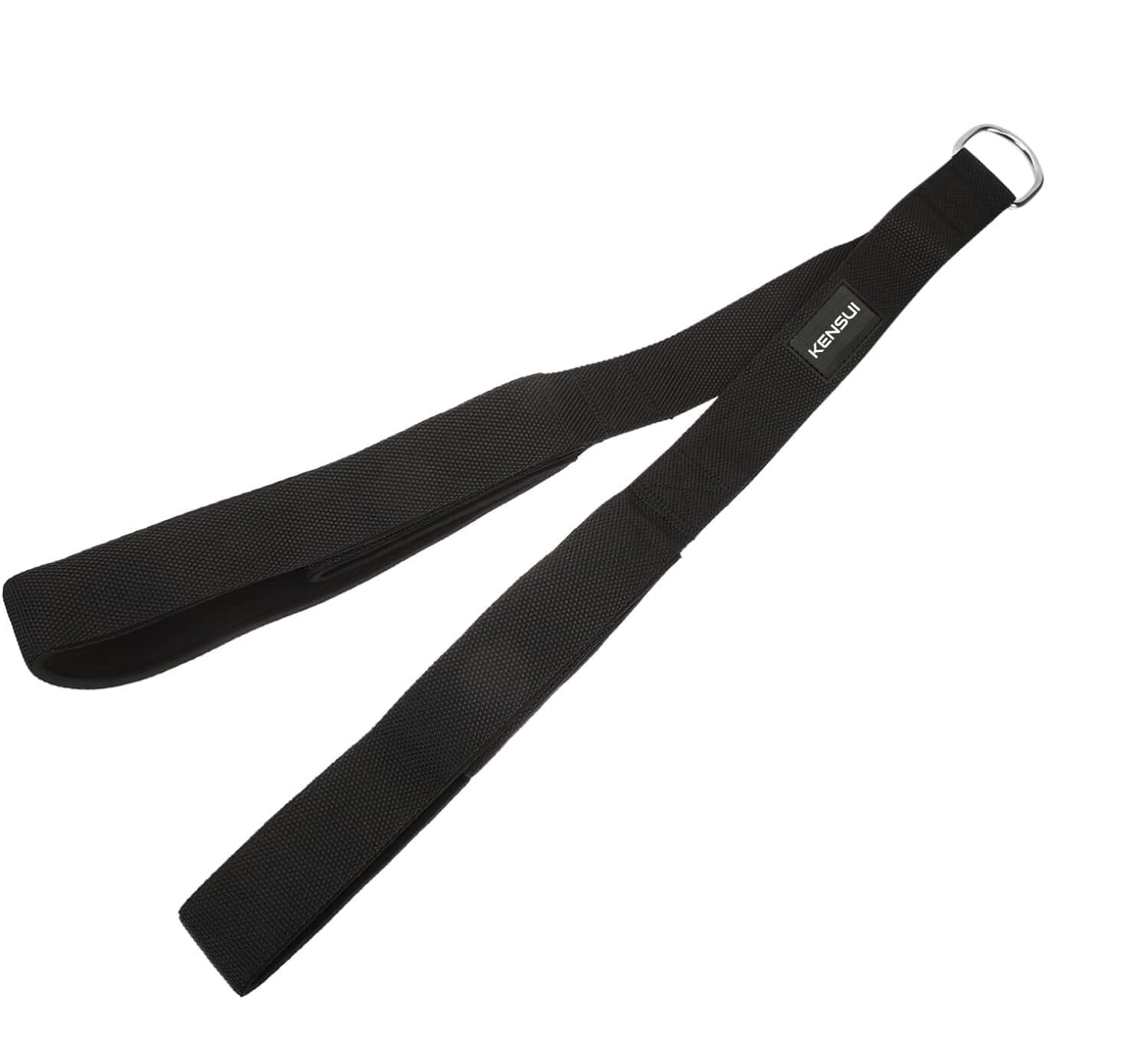
Multi-Length Tricep Strap
Adjustable-length cable strap for triceps, biceps and upper-body cable exercises.
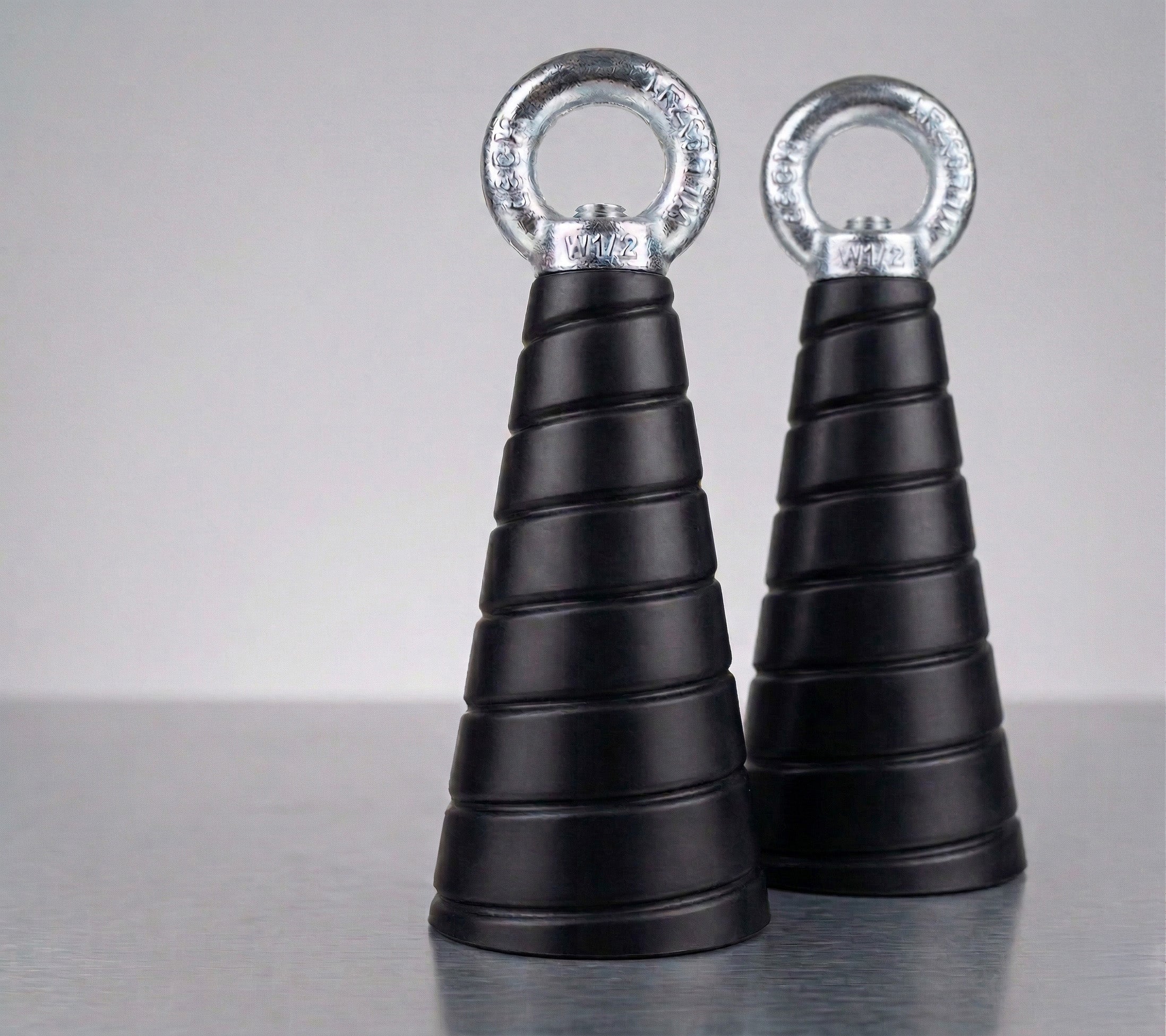
Tapered Tricep Cone
Tapered rubber cable grip for triceps extensions, face pulls and hammer curls.
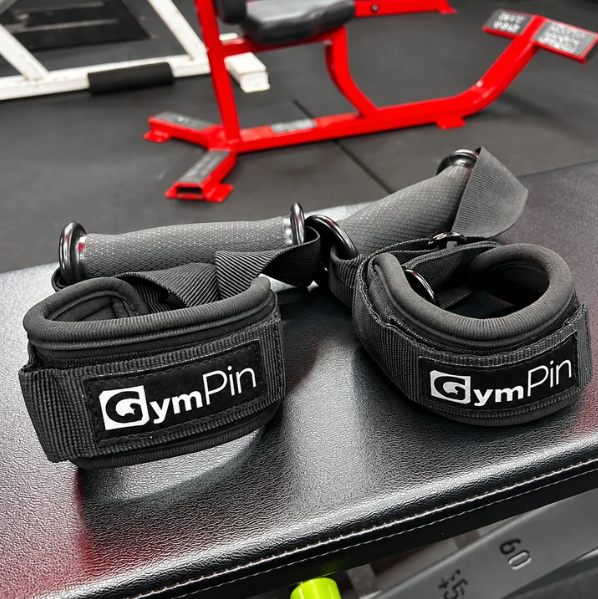
GymPin D Cuffs
Adjustable wrist cuffs with textured grips for supported cable-machine exercises.

GymPin Ergo Handles
Pair of ergonomic cable handles shaped for comfortable triceps and pulling exercises.

Angles 90 Grips
Flexible grip attachments that allow natural wrist movement during pulling exercises.

GymPin D Handle Bar
Multi-use steel D-handle bar for cable rows, pulldowns and other cable exercises.
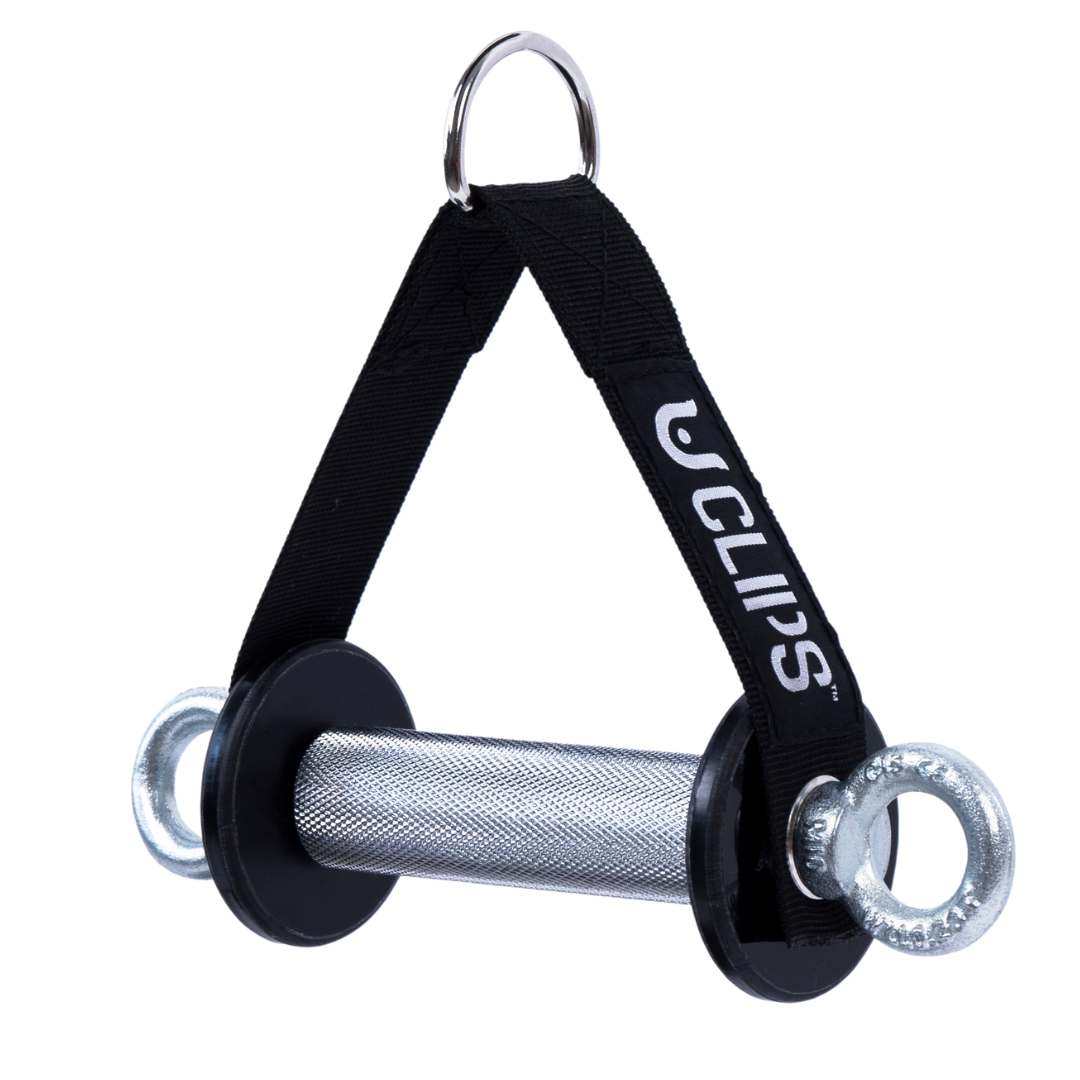
Set up an overhead cable extension that you can progress
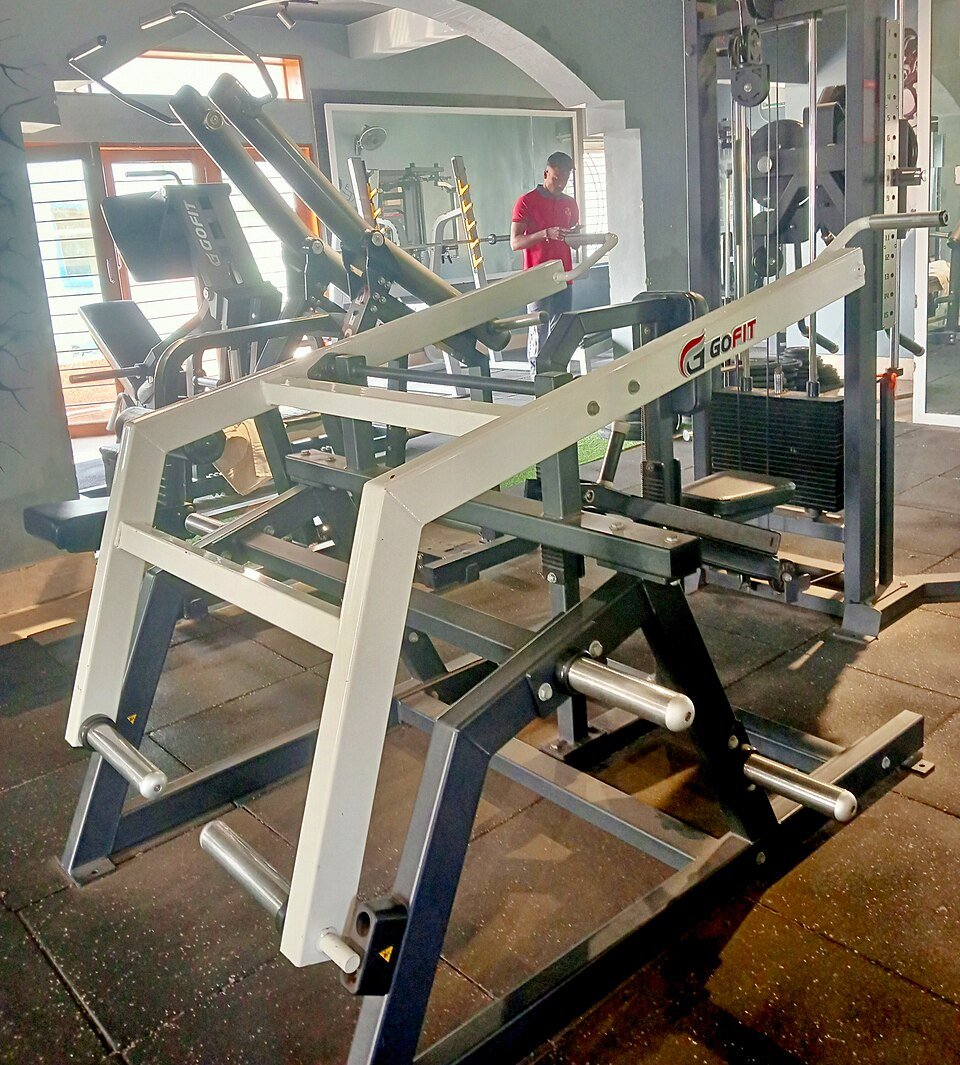
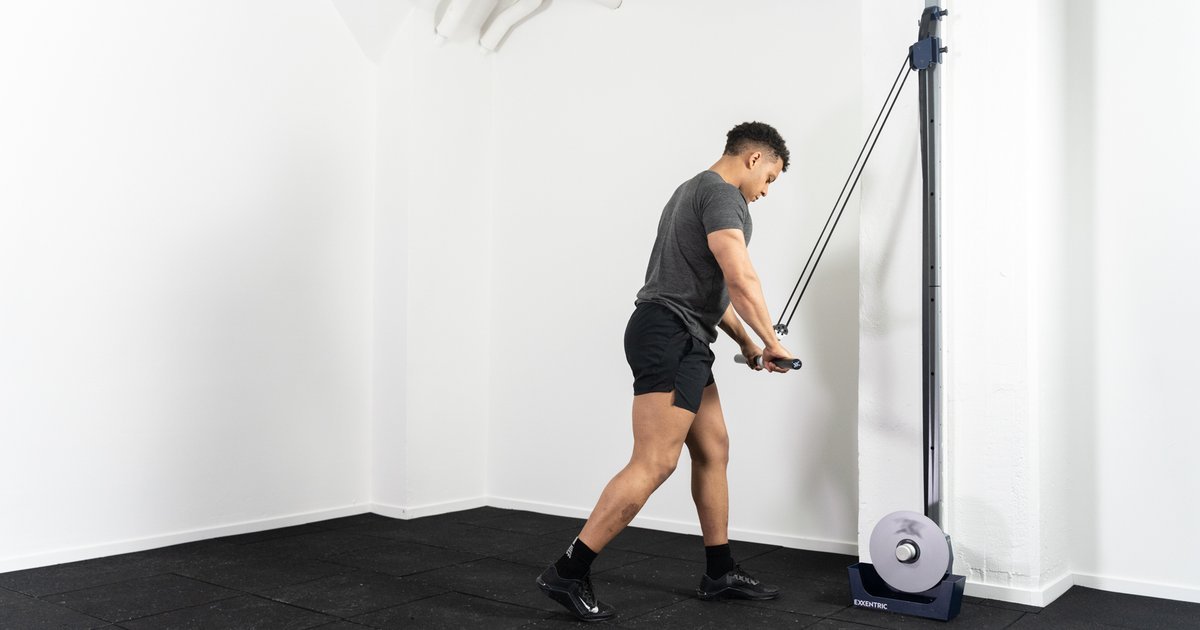
Attach a rope or two single handles to a low pulley, face away from the machine, step forward and raise your elbows until the upper arms point near your head. An alternative high-pulley setup can work if the cable line remains comfortable and the resistance pulls into elbow flexion. Set the feet apart, brace the trunk and choose a position you can repeat from week to week. The elbows do not need to be welded together; slight natural variation is preferable to forcing a painful shoulder angle.
Begin each repetition with a controlled elbow bend and straighten the elbows without aggressively snapping them into lockout. Think about keeping your upper-arm angle consistent rather than heaving the rope with the shoulders. Let the triceps lengthen on the return, but stop the descent before the upper arms drift backward or a sharp elbow pinch develops. If you feel the lower back doing the work, lighten the stack and narrow your stance or move to a seated or one-arm option.
Start with two or three sets of about eight to fifteen controlled repetitions, leaving roughly one to three good repetitions in reserve. Use a load that permits the same shape on the first and last rep. When all sets reach the top of the range at your chosen effort, raise the smallest convenient increment next session. Keep the attachment, pulley height and body position consistent; otherwise improved leverage can masquerade as a strength gain. If shoulders cannot comfortably elevate, a supported or lower-arm-angle variation is a reasonable substitution.

Bodybuilding Shirts & Workout Gear
Bodybuilding shirts, tanks and gym gear for lifters chasing muscle, size, symmetry and the pump.

Guns Gains Glory American Eagle Sweater Meme T-Shirt
Keep things casual with a little “Guns Gains Glory” attitude.

Swole Heart Bicep Love | I Love Gym Decal & Gymbros Sticker
Stick a little “Swole Heart Bicep Love” humor on your favorite gear.


Welcome To The Gun Show Dwight Schrute Meme The T-Shirt
Rep “Welcome To The Gun Show” humor in and out of the gym.

Big Biceps Theory & Meme Fans Bro Science Vest Tank Top
Your gym-day look, with a playful “Big Biceps Theory” twist.


Gundalf The Grey Big Guns – Lord Of The Rings Meme Hood Hoodie
Bring “Gundalf The Grey Big Guns” gym humor to lazy days and post-workout plans.

Right to Bare Arms George Washington Patriotic Crewneck T-Shirt
Show some gym-day personality with “Right to Bare Arms”.

LEGO Bodybuilder Meme – Muscle T-Shirt
Rep “LEGO Bodybuilder Gym Meme” humor in and out of the gym.

– Flex Armstrong Astronaut Moon Huge Arms Workout Decal Sticker
Give your everyday gear a playful “Flex Armstrong Astronaut Moon Huge Arms” twist.
Where pushdowns and pressing still belong
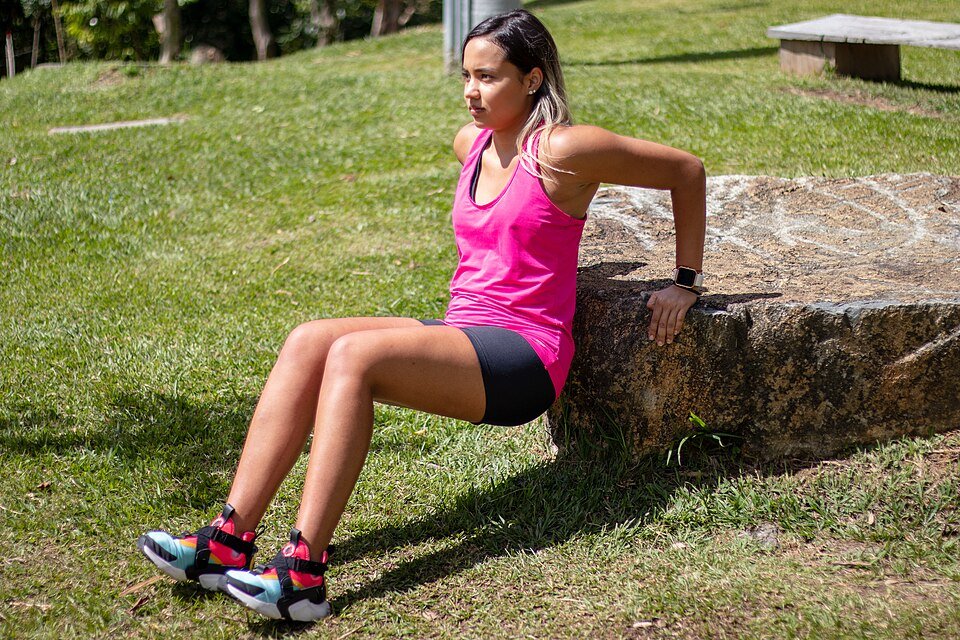
A rope pushdown is not suddenly obsolete. With the upper arm near the torso it can be straightforward to stabilize, easy to approach after chest pressing, and comfortable for lifters whose shoulders dislike an overhead position. Neutral or angled handles let the wrists find a natural path. The loading range is simple to adjust, making a pushdown useful for moderate and higher repetitions near the end of a session when precise technique matters more than maximum weight.
Pushdowns and overhead extensions also feel different because of elbow position and resistance direction. Someone might manage heavier stack numbers on pushdowns, but that does not prove the triceps received a superior growth stimulus. Conversely, a lifter who gets elbow discomfort during overhead work should not treat the one experiment as an order to train through pain. Exercise selection should balance measurable progression, joint tolerance and the rest of the week’s pressing volume.
Compound lifts cover another part of the picture. Close-grip bench presses, dips and pressing variations load elbow extension alongside chest and shoulder work. They can develop pressing strength efficiently, though they do not reproduce the shoulder position of an overhead cable extension. Pairing a stable press with some direct triceps work often makes sense, particularly when the goal is both stronger presses and fuller upper arms. Choose a dip depth that your shoulders tolerate and avoid turning every accessory set into a high-fatigue test.
A practical two-day triceps plan for the next month
For a straightforward four-week trial, put direct triceps work on two nonconsecutive upper-body days. On the first day, begin with your normal pressing work, then perform three overhead cable-extension sets of eight to twelve reps, followed by two light pushdown sets of twelve to fifteen. On the second day, keep the compound press work you already do and reverse the accessory emphasis: three pushdown sets of ten to fifteen followed by two overhead sets of twelve to twenty. This example is not an exact replication of the experiment; it is a manageable routine that exposes the muscle to both positions.
Count your other hard pressing sets when considering total workload. If your chest and shoulder days already include many close-grip presses or dips, begin with fewer isolation sets. The goal is to recover well enough to make the next session productive. Rest approximately ninety to one hundred and eighty seconds between tougher direct sets, adjusting upward when the same reps are falling sharply because you are rushing. Gradually add reps before weight rather than increasing both at once.
Keep a basic log of the handle, cable height, load, reps, effort and any elbow or shoulder irritation. Over four weeks, compare the quality of your repetitions and whether the same setup allows more total work at similar effort. Do not expect a visibly larger arm by the second workout; muscle growth is a longer-horizon adaptation. A four-week audit is useful for learning whether a variation suits you. When it does, continue the exercise long enough to assess progress under stable conditions.
Equipment Worth Exploring
Explore equipment, accessories and gear from our carefully selected range.
VOLTRA
Compact digital cable trainer with smooth, adjustable resistance.

Go-Tone Pro
Portable digital cable trainer with up to 66 lb (30 kg) of adjustable resistance.

VForce Lat Tower
Wall-mounted cable tower with pivot arms and adjustable 1:1 or 2:1 pulley ratios.

VForce Wall Trainer
Space-saving wall-mounted functional trainer with pivoting cable arms and variable resistance ratios.
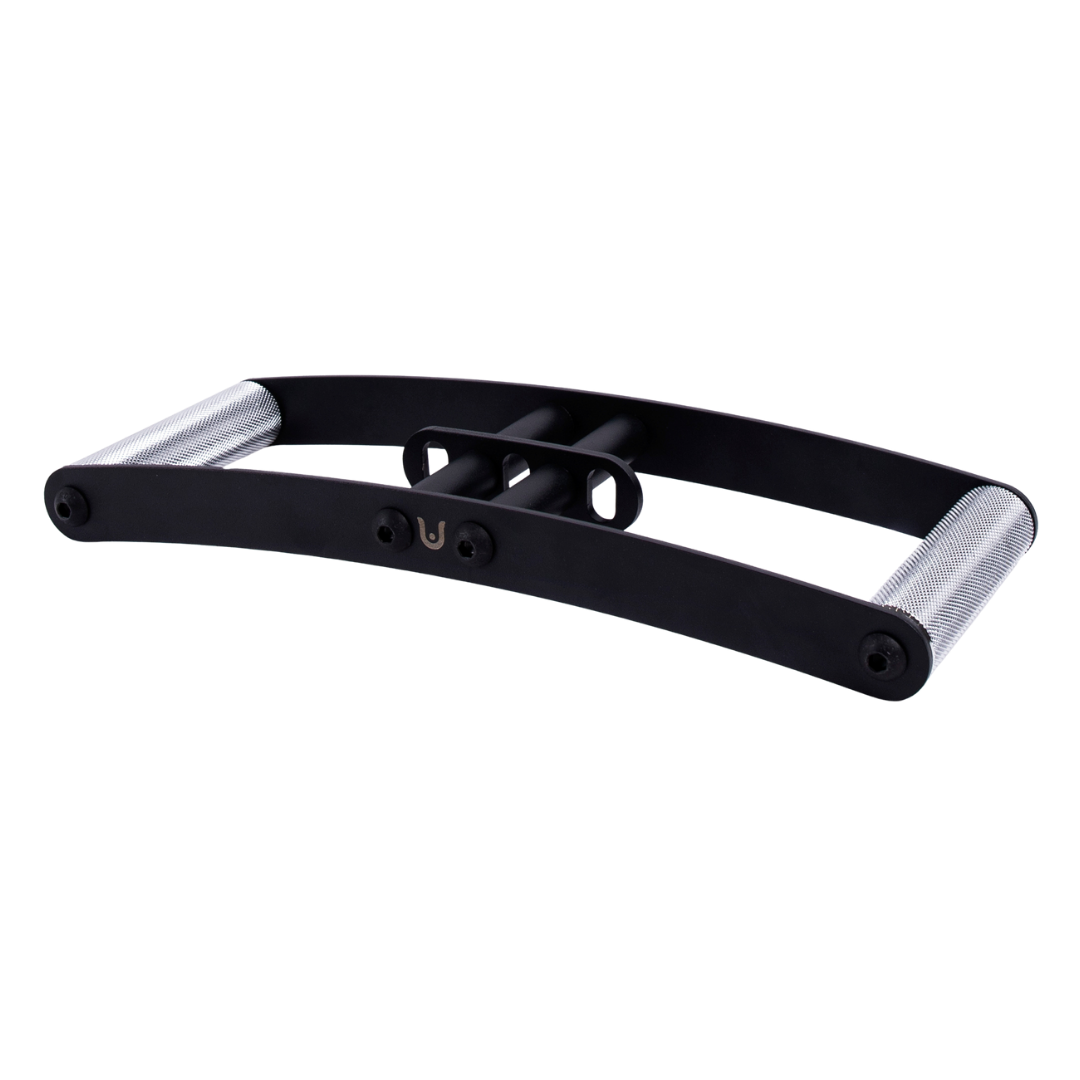
Horizon Grip
Ergonomic V-style cable grip for rows and back training.
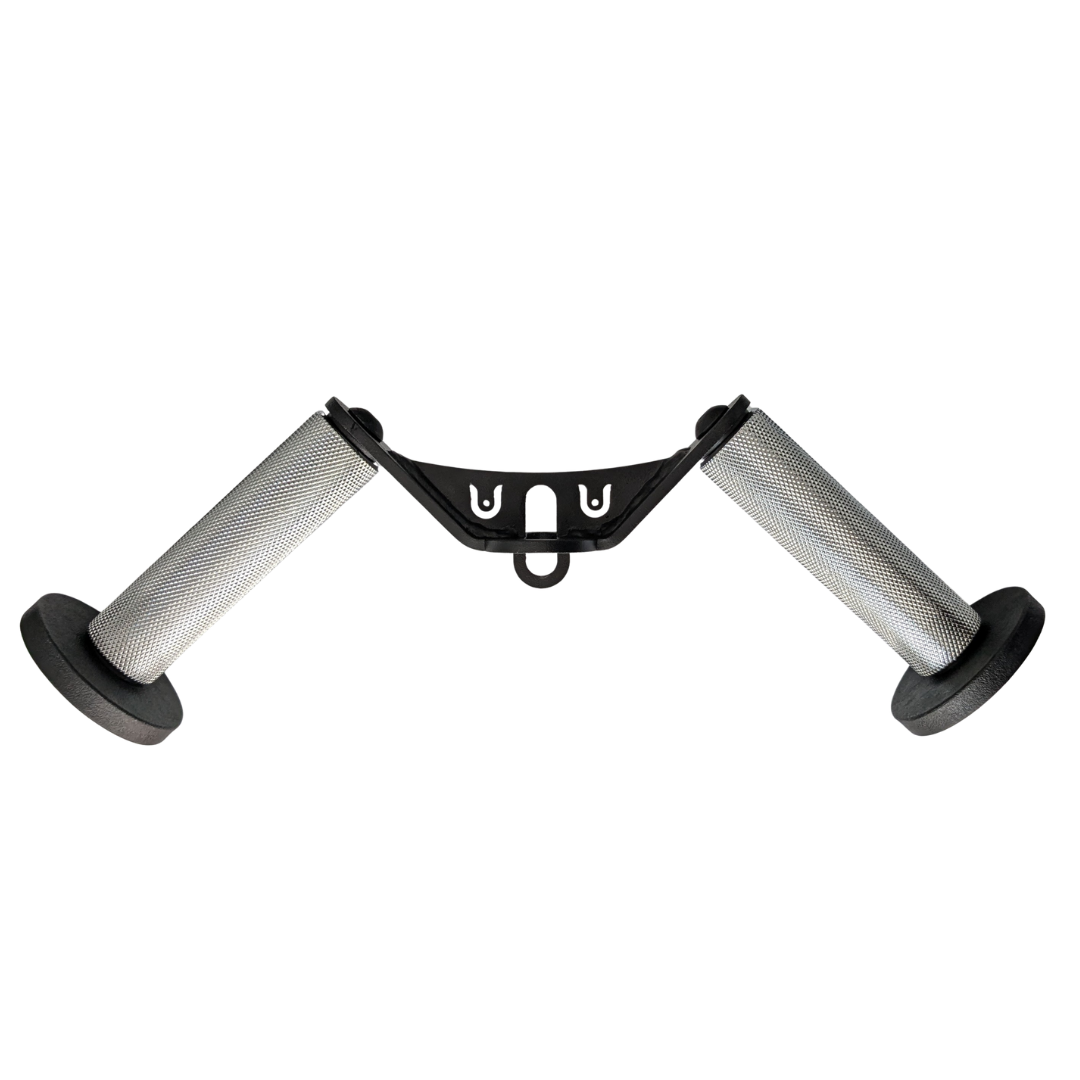
W Grip
Angled cable grip for comfortable rows, pushdowns, and curls.


FID Bench MAX
Adjustable bench offering flat, incline, and decline positions + adjustable headrest.


Power Tower
Freestanding pull-up and dip station with adjustable handles for bodyweight training.
The limits, the verdict and the simplest decision
The controlled comparison favors overhead-position cable extensions for triceps size under its particular conditions. It does not establish that a dumbbell overhead extension always wins, that pushdowns never grow the long head, or that everyone should abandon heavy pressing. It also does not tell us that an overhead cable movement is superior for a one-rep press, or that every trainee will experience the same MRI percentage change. The participants, tested exercises and twelve-week schedule limit the reach of the claim.
For a lifter who can perform both movements comfortably and whose priority is arm hypertrophy, overhead cable extensions deserve a prominent place rather than being saved as an occasional finisher. Use the pushdown as a complementary option that is easy to load, stable and potentially more comfortable when fatigue rises. If direct overhead work irritates your shoulders, try a slightly different arm angle, one-arm cable version or a pain-free neutral-arm alternative instead of forcing an exact form from a photo.
Keep the fundamentals in front of any exercise ranking: sufficient challenging sets, repeatable full and comfortable ranges, gradual progression, enough protein and calories for your goal, and recovery between hard sessions. For bigger triceps, the decision is not overhead OR pushdown forever. It is whether you are giving the long head a useful stimulus, keeping your elbows happy, and progressing your training without constantly changing equipment. That combination is much more useful than a single dramatic before-and-after number.
Funny Gym Shirts & Workout Gear
Funny gym shirts, tanks, hoodies and workout gear for lifters who like training hard.

Netflex Pump Chill Meme Jumper Motivation T-Shirt
Keep things casual with a little “Netflex Pump Chill” attitude.

Pump Up Your Stoic Gains: Sigma Meme Shirt T-Shirt
Show some lifting attitude with a playful “Pump Up Your Stoic Gains: Funny Sigma” tee.

Pump Hub Decal Water Bottles & Equipment Meme Sticker
A fun “Pump Hub” touch for bottles, laptops, and lockers.

Funny Gains O'Clock Gym | Workout & Gym Bros | Fitness Hoodie
Make your off-duty look more fun with “Gains O'Clock”.

Shirt – Survival Of The Swolest Swole Darwin Meme T-Shirt
Make gym days more fun with “Survival of the Swolest Swole Darwin” style.

Big Guns Rock Gym Funny Lifting Crewneck Who Love Rock T-Shirt
Show some gym-day personality with “Big Guns Rock”.

Wolverine Flex Muscle Shirt Athletic Vest X-Men Comic G Tank Top
Bring “Wolverine Flex” humor to your next lifting session.

Gains of the Free Home of the Swole Patriotic Gym – Fun Hoodie
Stay casual and show some lifting attitude with “Gains of the Free Home of the Swole”.

Big Gun Decal for Water Bottles Laptops Gym Gear AC DC Sticker
Bring “Big Gun” attitude to your water bottle or laptop.

Rep God The Real Swole Shady Gym | Rap Music Parody Hoo Hoodie
Stay casual and show some bodybuilding attitude with “Rep God The Real Swole Shady”.