Advertising disclosure: This page includes affiliate product links that may earn us a commission, as well as products from our own store.
Some product links may be affiliate links. If you shop through them, Mind Muscle Perfection may earn a commission at no extra cost to you.
How much should your bench press slow down before you rack the bar? The first rep of a hard set may move cleanly and quickly; the last can crawl toward lockout. That change tells you something about fatigue, but it also changes the training stimulus you accumulate. The useful question is not whether every rep should be fast. It is whether ending a set earlier or later serves your current goal.
An eight-week experiment involving 158 resistance-trained men compared different bench-press loads and stopping points. Its most interesting finding was a split: moderate velocity loss favored gains in maximum strength, while allowing more slowing favored chest muscle size and repetition endurance. Here is what those results can—and cannot—tell you about training for a bigger bench and a bigger chest.
1. What velocity loss means during a bench press set
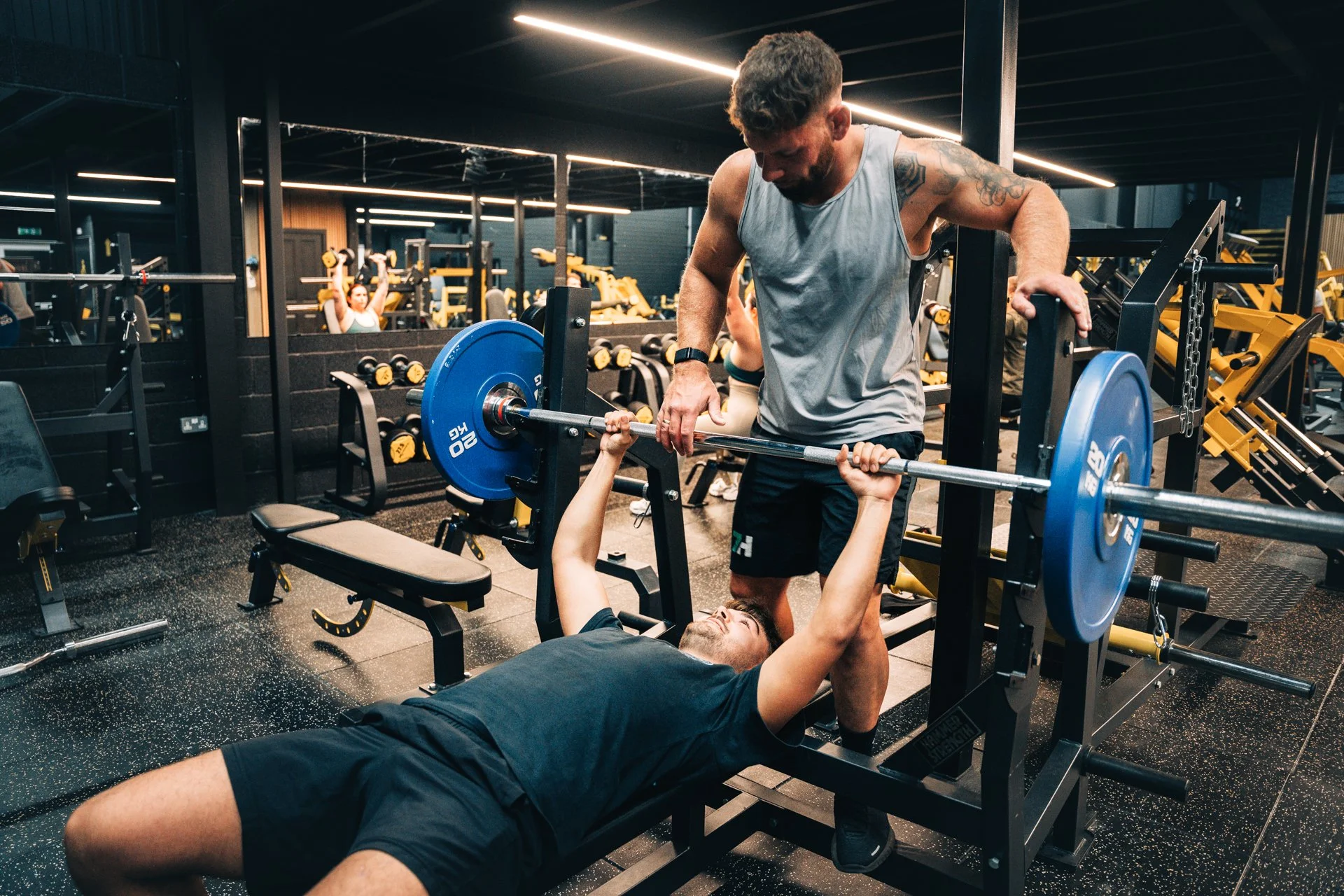
Velocity loss is the drop in bar speed from the faster early repetition of a set to a later repetition. It is often expressed as a percentage. If your best repetition travels upward at 0.60 meters per second, a 25% loss corresponds to about 0.45 meters per second; a 50% loss corresponds to about 0.30 meters per second. A dedicated sensor can measure that change, while simple video can help you spot an obvious slowdown without claiming laboratory accuracy.
The number only makes sense at the same weight and with a consistent lifting technique. A heavier first repetition naturally moves slower than a lighter first repetition. Similarly, an intentionally slow press is not evidence of the same fatigue as an all-out concentric effort that has become slow despite the lifter trying to move the bar quickly. Compare repetitions within an appropriately standardized set.
Velocity loss is not the same thing as reaching muscular failure. A 25% drop might leave several repetitions available in one person or load range, and far fewer in another. Your pressing experience, movement range, fatigue level and equipment all matter. For practical coaching, treat measured speed as one feedback signal alongside rep quality, proximity to failure, and the weights and reps you can repeat next week.
Bar speed also changes with the phase of the lift. Lower under control, maintain a stable touch point, and press with strong intent. Do not bounce off your chest or shorten the range just to keep a faster sensor reading. Sound mechanics are more important than chasing a pretty graph.
2. What 158 trained men actually did over eight weeks
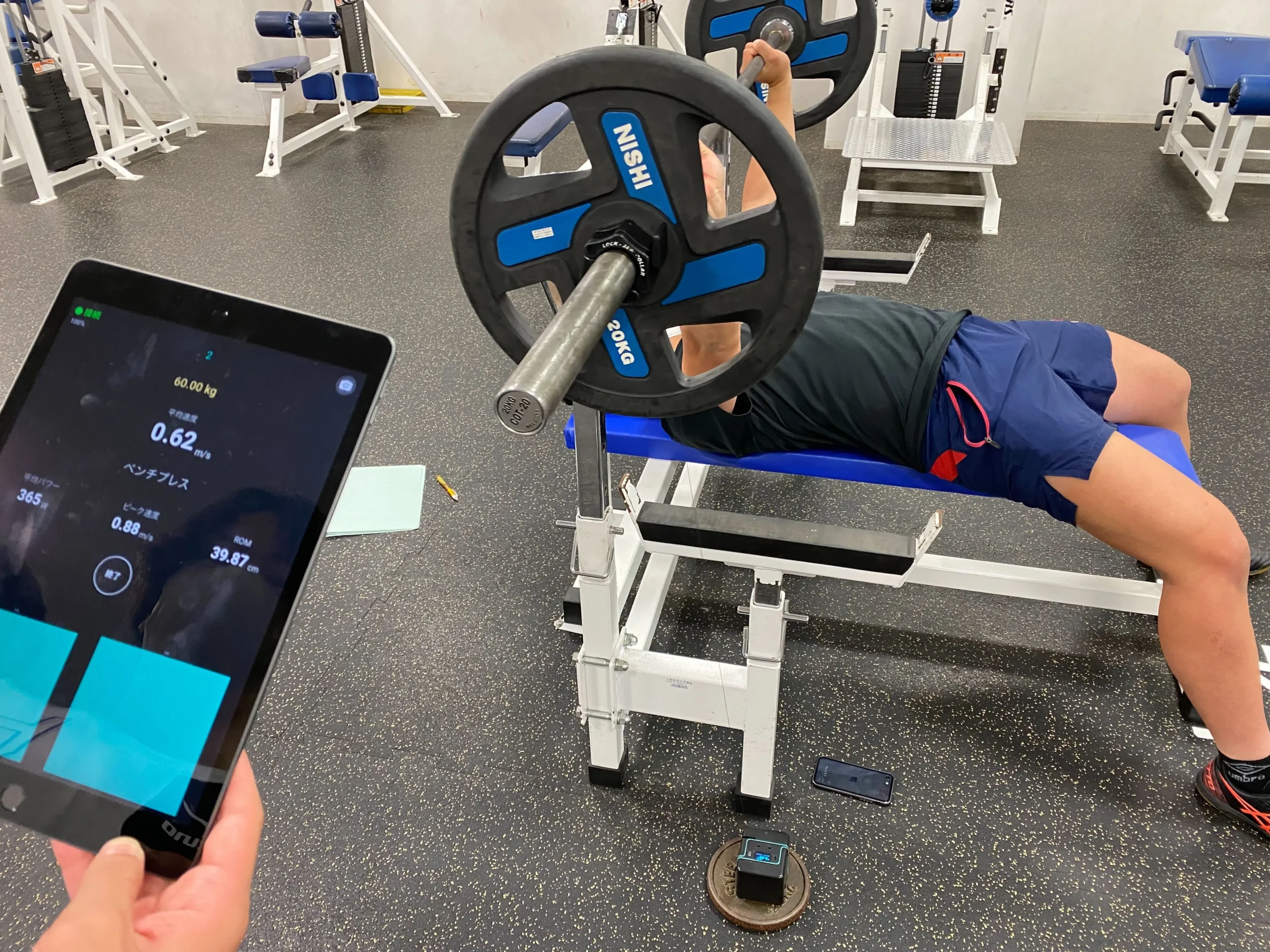
The experiment assigned 158 men with resistance-training experience across twelve bench-press conditions. Three loading bands—roughly 40–55%, 55–70%, and 70–85% of one-repetition maximum—were crossed with four velocity-loss stopping thresholds: 0%, 15%, 25%, and 50%. This design let the training comparison examine the role of load separately from the role of accumulated fatigue within sets.
Before and after the training period, the outcomes included chest muscle cross-sectional area, maximum bench-press strength, lifting velocity against submaximal weights, and how many repetitions the participants could perform. These are different outcomes. The weight you can lift once, the size of a specific muscle, and the repetitions you can repeat with a fixed load can improve at different rates.
The higher loading band produced the largest average gains for several of the main measures, including maximum strength and pectoralis major size. When compared across velocity-loss conditions, permitting a 50% drop was associated with the greatest increases in chest area and maximum-repetition performance. A 25% threshold produced the largest one-repetition-maximum improvement. That strength-versus-size distinction deserves attention.
Still, this was one eight-week training study, not a lifetime prescription. The participants were trained men, and the experiment centered on bench pressing under a controlled protocol. Different muscle groups, training experience, weekly schedules, set counts, equipment and recovery capacities may produce different results. The findings are useful for choosing a stopping strategy, not proof that one percentage is perfect for every individual.
3. Loading matters before you argue about the last rep
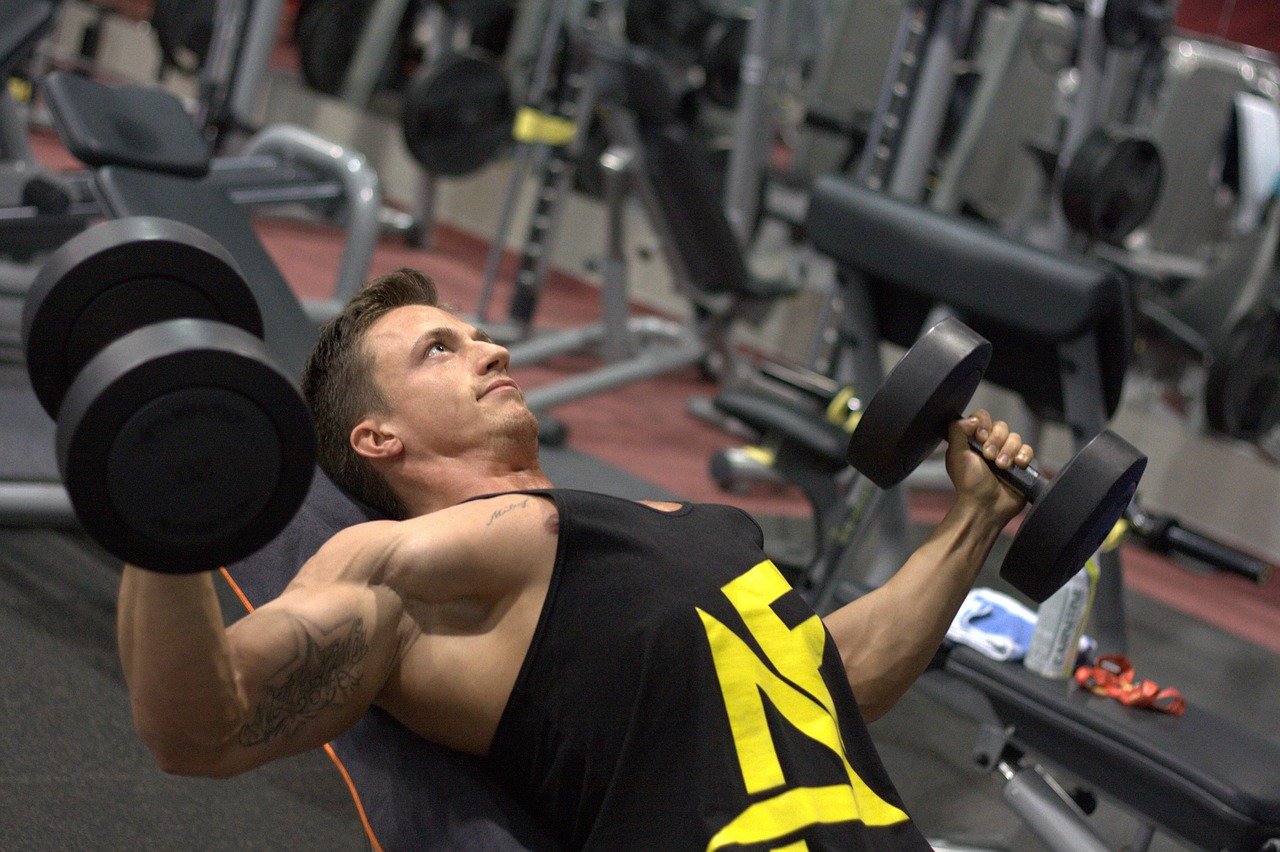
The study’s comparison of loading bands is easy to overlook because its velocity-loss numbers are more memorable. The 70–85% one-rep-max band generally outperformed the lighter bands on the main outcomes. That does not mean a set of light presses cannot grow muscle. It means the particular combination of load and programming in this experiment favored the heavier condition, especially when testing strength with a heavy single.
Practice is part of strength. Training with demanding loads teaches you to coordinate a heavy bar, stay tight through the sticking point, and apply force in a way that carries over to maximum-weight testing. A person who only performs very light, lengthy sets may develop valuable work capacity but receive less specific practice under a heavy bar. Heavy pressing is an important ingredient when a stronger one-rep maximum is the goal.
Muscle size is less straightforward than that strength test. Hard sets at multiple loading ranges can stimulate growth, and the number of challenging weekly sets matters. If all you take from this experiment is ‘use the heaviest weight possible,’ you miss the contribution of recoverable volume and controlled movement. Aim for a load that creates meaningful effort without turning every session into a hazardous personal-record attempt.
For a recreational lifter, a sensible middle ground is to keep the main barbell press moderately heavy while doing some additional controlled work with dumbbells or machines. The exercise variations can add a useful chest stimulus without insisting that every rep be a near-maximal barbell grind. Your training log should show gradual progress, not just fatigue.

Equipment Worth Exploring
Explore equipment, accessories and gear from our carefully selected range.


FID Bench MAX
Adjustable bench offering flat, incline, and decline positions + adjustable headrest.


4. For a bigger one-rep max, stop before every set becomes a grind
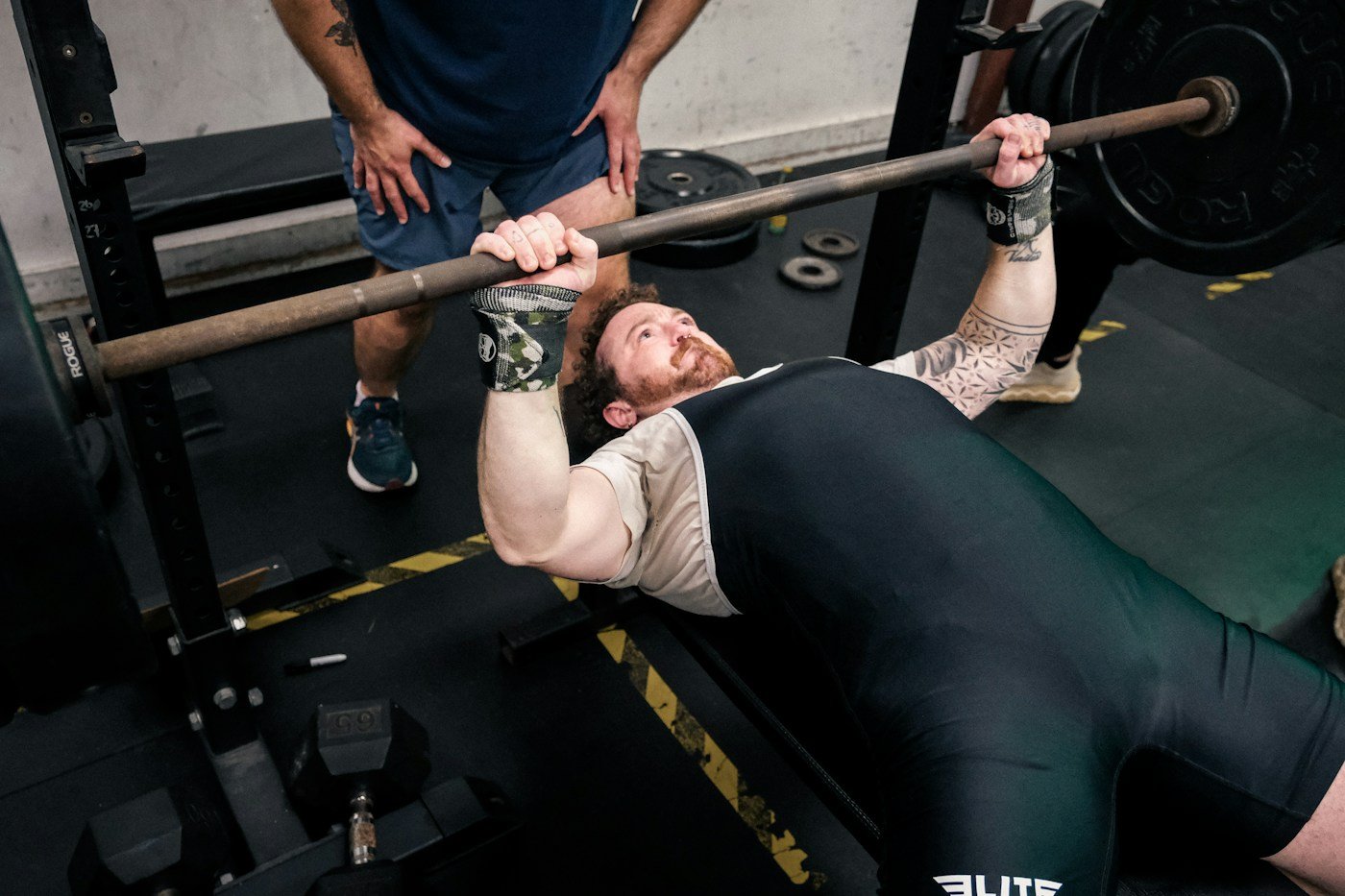
The 25% velocity-loss condition producing the largest average one-rep-max gain suggests an appealing idea: strong repetitions plus enough practice may build maximum strength more efficiently than constantly chasing the slowest possible final repetition. Ending heavy working sets when speed has deteriorated moderately can protect the quality of later sets and leave enough recovery for the rest of the week.
There is no need to pretend a 25% cutoff is the same as two repetitions in reserve. Those measures are related but not interchangeable. If you lack a velocity device, use a repeatable rep target and stop while you can still maintain a steady bar path, controlled touch, firm feet and a successful press without exaggerated assistance from a spotter. Leave one to three plausible good repetitions in reserve for many heavy work sets.
Rest also matters. A set can start slowly because you rushed your next round or because you added too much fatigue from an unrelated exercise. On priority bench work, begin with about two to four minutes of recovery between challenging sets, and extend it when needed for consistent execution. Shortening rest just to make your workout harder can undermine the very quality that a strength-focused stopping point is meant to preserve.
Make the first pressing exercise the one you care most about improving. If bench strength is the target, schedule bench press near the start of the session after progressive warm-up sets. Follow it with upper-back training, triceps work and manageable accessories. Do not judge the program by how wrecked your chest feels after the final set.

Powerlifting Shirts & Lifting Gear
Powerlifting shirts and gym gear for squat, bench and deadlift lifters who live for heavy numbers.

Three Plates Bench Club – Chest Day & Gains T-Shirt
Make gym days more fun with “Three Plates Bench Club” style.

I Love Bench Press Valentine'S Day Meme – Chest Day T-Shirt
Rep “I Love Bench Press Funny Valentine's Day” humor in and out of the gym.

Chest Day Decal Water Bottles & Equipment Meme Sticker
Bring “Chest Day” attitude to your water bottle or laptop.

If You're Reading This Its Chest Day | Drake Album Cove Hoodie
Bring “If You're Reading This Its Chest Day” gym humor to lazy days and post-workout plans.

45LB Metal Weight Plate Funny Gym T
Show some metalhead attitude with a playful “45LB Metal Weight Plate” tee.

I Love Bench Press Gym | Funny Bench Press Meme Crewnec T-Shirt
For laid-back days and gym-girl humor: “I Love Bench Press”.

for Chest Day | I Love Bench Press Muscle Shirt with Pi Tank Top
Add some lifting attitude to training with “for Chest Day”.

Gym Sir Swole of Benchalot Medieval Knight Chest Day Cr T-Shirt
Show some gym-day personality with “Sir Swole of Benchalot Medieval Knight”.

I Want You To Break Your PR Patriotic , Gymbros & T-Shirt
Rep “I Want You To Break Your PR Patriotic” humor in and out of the gym.

Funny Viking Gym – Runes Say You'll PR Today Norse Work Hoodie
Stay casual and show some Viking attitude with “Viking”.
5. For chest growth, more fatigue can help—but it has a cost
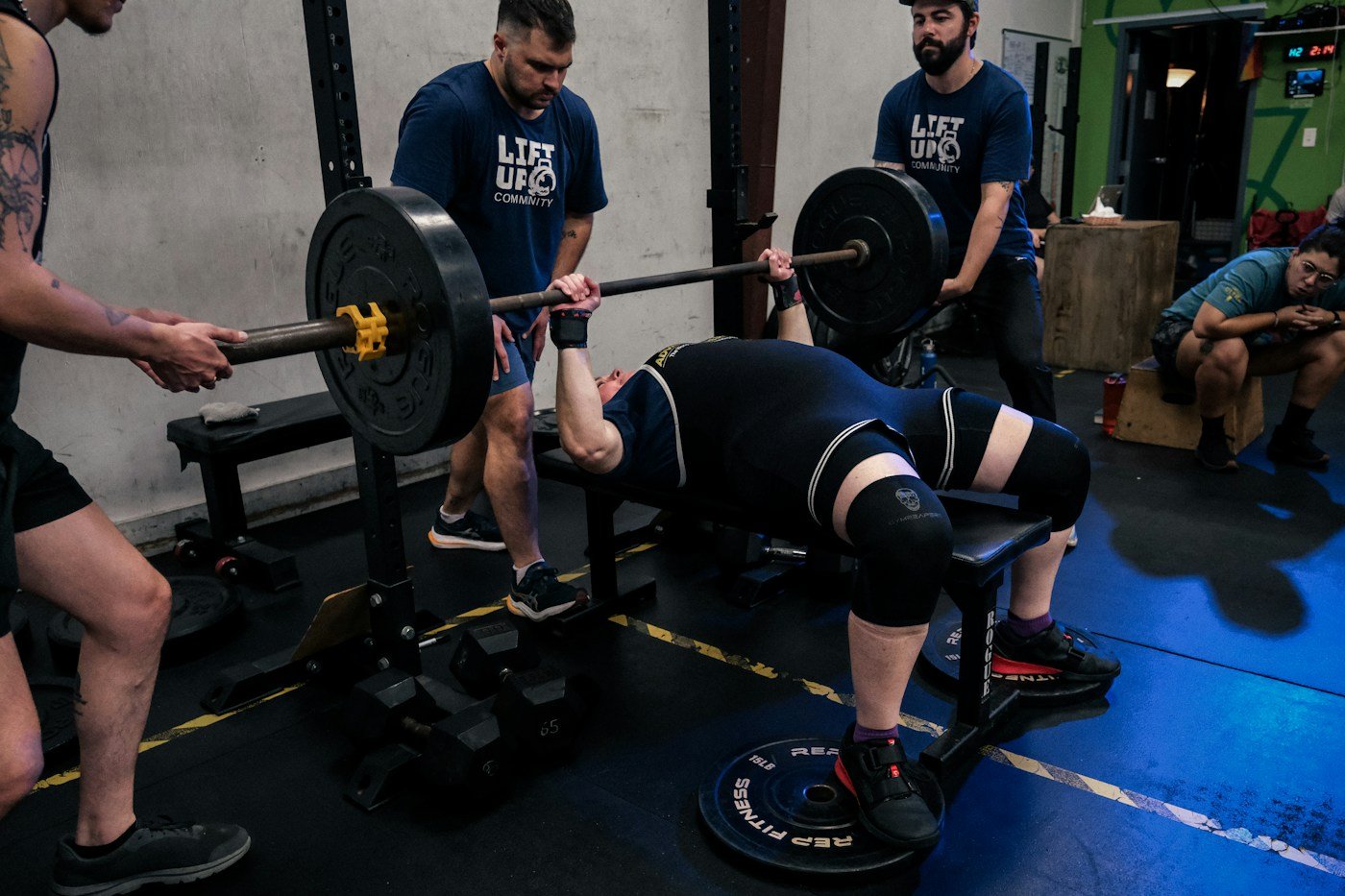
The 50% velocity-loss group showed the greatest improvement in the measured pectoral area and repetition endurance. That finding is consistent with the possibility that performing more demanding repetitions within a set increases the muscle-building stimulus. But greater velocity loss also usually means more repetitions, more local fatigue and additional time under load. The result does not isolate an invisible ‘magic speed’ that makes muscle suddenly grow.
There is an important distinction between reaching a substantial slowdown and having to fail every set. Other training comparisons have found that ending sets close to failure can develop comparable muscle size while creating less immediate fatigue. The exact relationship depends on muscles, exercises and total training volume. A hard but controlled set often makes more sense than a forced rep that requires your spotter to do half the work.
Use the extra-effort strategy where the risk is manageable. A machine chest press or a well-spotted dumbbell variation can be a better place for a demanding final set than a heavily loaded free-bar bench attempted without safeties. You can save the higher-effort work for the last set or accessory exercises rather than doing every set to a crawl.
Watch the next session as closely as the current one. If one high-fatigue workout makes your pressing performance collapse several days later, reduce the number of near-failure sets. Muscle growth is a repeated stimulus-and-recovery process, not a prize for the single most exhausting chest session of the month.
Equipment Worth Exploring
Explore equipment, accessories and gear from our carefully selected range.


VOLTRA
Compact digital cable trainer with smooth, adjustable resistance.

Go-Tone Pro
Portable digital cable trainer with up to 66 lb (30 kg) of adjustable resistance.

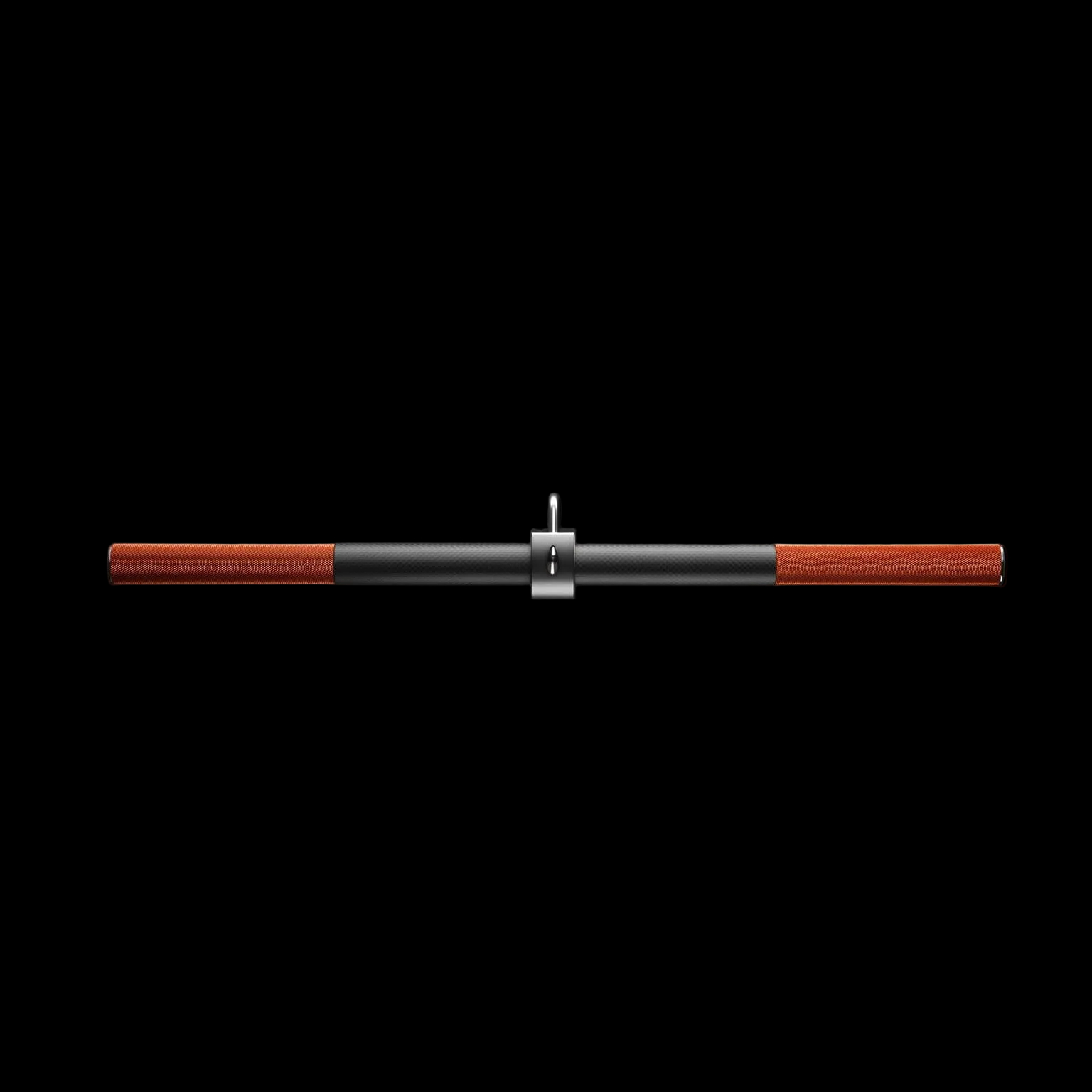
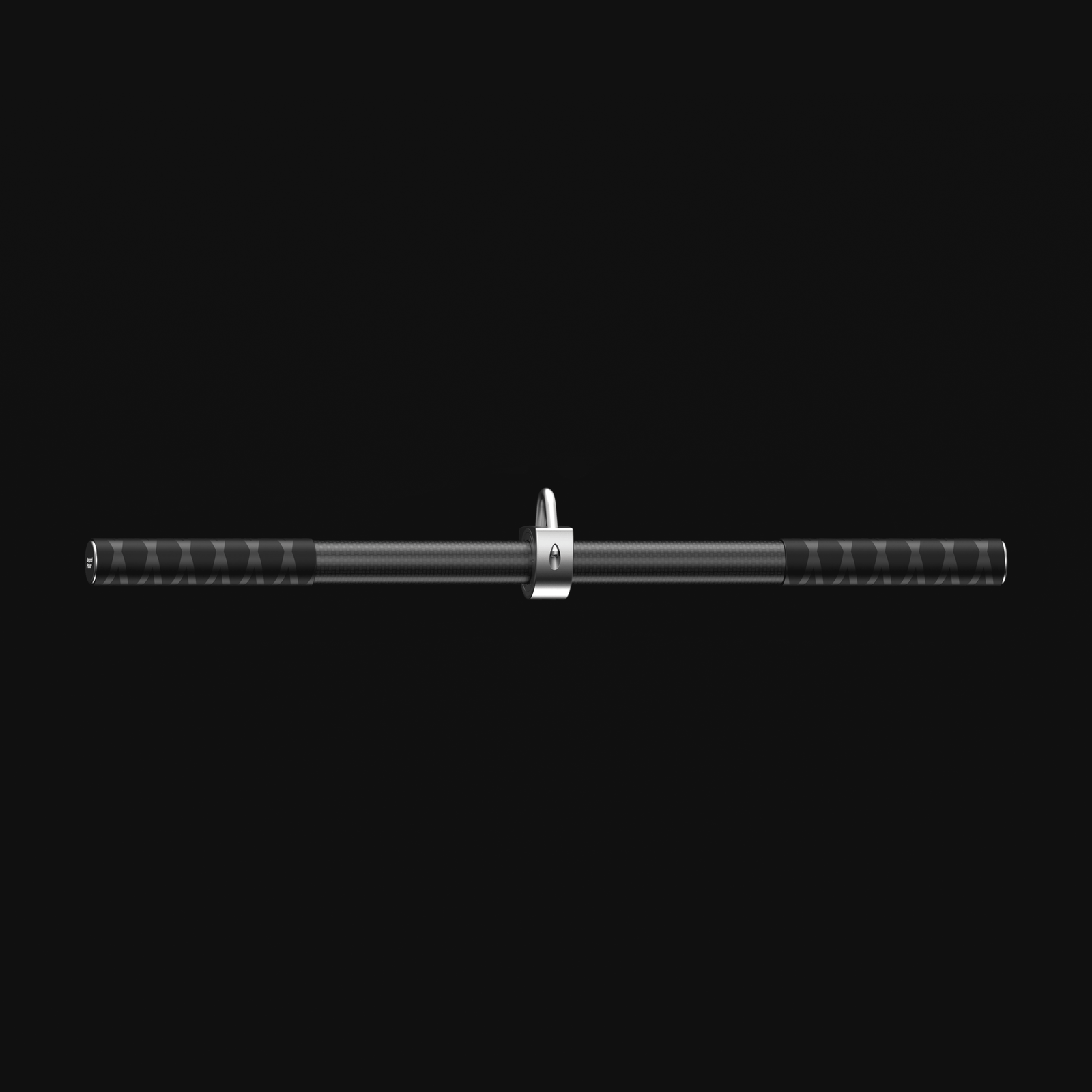

GymPin D Handle Bar
Multi-use steel D-handle bar for cable rows, pulldowns and other cable exercises.

6. A practical two-day bench and chest program
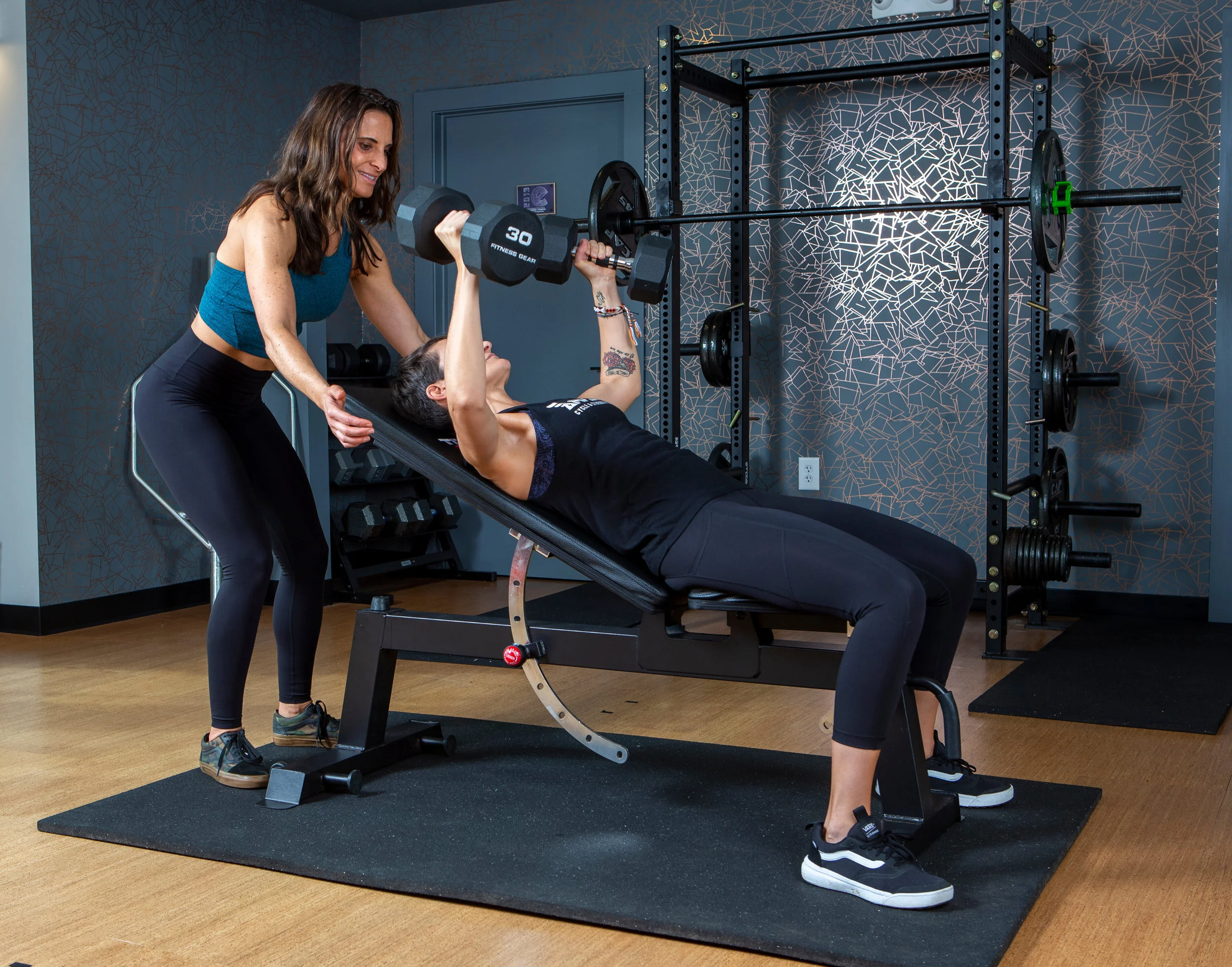
Use the study as a guide for priorities rather than copying its equipment or exact thresholds. On Day A, emphasize strength: warm up progressively, then complete three to four sets of four to six barbell bench-press repetitions with a challenging but manageable weight. Stop each set before form deteriorates, and rest two to four minutes. Then perform two or three sets of a supported row and a modest amount of triceps work.
On Day B, separated by at least two days when practical, emphasize productive chest volume. Complete three sets of six to ten barbell or dumbbell presses followed by two or three sets of eight to twelve incline dumbbell presses or machine chest presses. Keep the majority of sets within roughly one to three technically sound reps of failure, with an optional harder final accessory set if you recover well.
The specific rep ranges and set numbers here are practical suggestions, not an exact reproduction of the eight-week experiment. They combine relatively heavy pressing with additional challenging chest work. Adjust the total to your current training volume and to how often your other workouts already train shoulders and triceps. Beginners generally need less total work than experienced lifters to make progress.
If you have a reliable velocity tracker, record each set’s fastest repetition and the speed of its last successful rep. Use that alongside load, rep count and technique. Without a tracker, note the last repetition that still looked controlled and powerful, then compare the same exercises across weeks. Both approaches should help you make decisions; neither should tempt you to lift beyond your capacity.
Bodybuilding Shirts & Workout Gear
Bodybuilding shirts, tanks and gym gear for lifters chasing muscle, size, symmetry and the pump.

Gym Dost Thou Even Fly Medieval Knight Pec Fly for Body Hoodie
Show off your medieval humor in a laid-back “Dost Thou Even Fly Medieval Knight Pec Fly” hoodie.

The Chestfather Arnold Meme Sweater Big Chest T-Shirt
For laid-back days and lifting humor: “The Chestfather”.

My Bench Press Is Stuck Tee
Heavy lifts, good laughs, and a little “My Bench Press is Stuck Funny Horror” energy.

I Want You To Bench Press Uncle Sam – 4th of July Patri Hoodie
Bring “I Want You To Bench Press Uncle Sam” gym humor to lazy days and post-workout plans.

I Love Bench Press Gym Decal | Heart Weight Plate Funny Sticker
Put “I Love Bench Press” gym humor on your laptop, bottle, or gym gear.

Ultimate Meme : The Essential Bench Press Shirt T-Shirt
Show some powerlifting attitude with a playful “Ultimate” tee.

Shirt – Kanye Chest , Meme Gains & Bros T-Shirt
Heavy lifts, good laughs, and a little “Kanye Chest” energy.


Shirt: Good Argument But I Bench More Than You – T-Shirt
Make gym days more fun with “: Good Argument But I Bench More Than You” style.
7. Run a four-week progress check without chasing every number
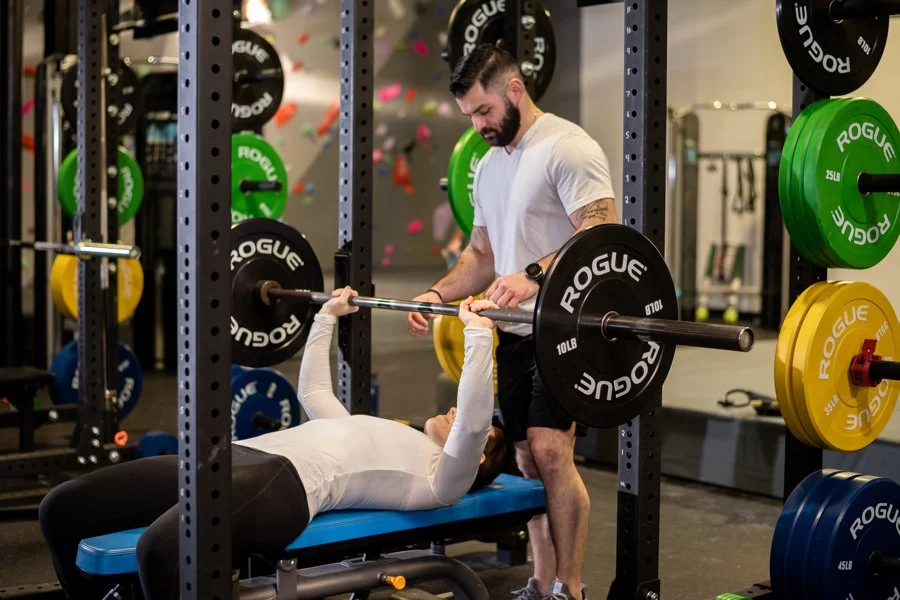
Start with a repeatable baseline: choose the same bench setup, grip width, touch point and basic warm-up. In week one, record working weights, repetitions, rest intervals, and how many clean reps you believe remained. Note the total pressing sets you performed across the week. This baseline is more useful than trying to estimate a new one-rep maximum every workout.
In week two, look for one small improvement, such as a technically good extra repetition at the same weight. In week three, add a little load if you consistently reach the top of the planned range. In week four, compare your working-set performance with week one. Include how your shoulders, elbows and overall recovery feel, not just the biggest number on the bar.
If a bar-speed device is available, calculate slowing relative to that set’s own quickest clean repetition. Make comparisons with the same load and similar conditions rather than declaring that a slower absolute speed always means worse performance. Even with measurements, reserve the right to end the set early when your position deteriorates or the bar path becomes unsafe.
Set the rack safeties appropriately or use a competent spotter on challenging barbell work. Keep your feet planted, shoulder blades controlled, wrists stacked and the weight within what you can safely handle. If pain develops, modify or stop the movement and seek appropriate qualified advice. A clean, repeatable press is a better long-term investment than an ugly grinder.
The practical conclusion is simple: for maximum strength, preserve enough speed and quality to practice heavy pressing well. For muscle growth, accumulate challenging, recoverable work and allow some sets to approach higher fatigue when appropriate. Neither goal requires copying a single laboratory threshold every session. Use the numbers to make better decisions, then let your progress log tell you whether the plan works.