Advertising disclosure: This page includes affiliate product links that may earn us a commission, as well as products from our own store.
Some product links may be affiliate links. If you purchase through them, Mind Muscle Perfection may earn a commission at no extra cost to you.
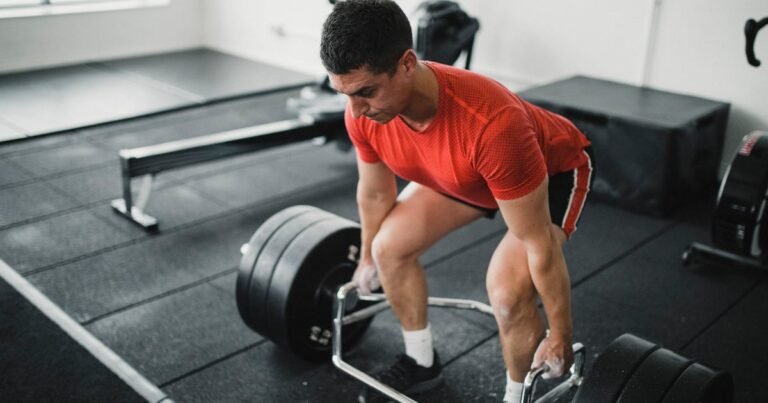
There is a point in many deadlift sessions when your hands start opening before your back and legs are finished working. Lifting straps can change that equation. They secure your hands to the bar, making grip less likely to end a set early. But useful equipment can still be overprescribed: improving a strapped set today is not the same as proving more muscle growth months later.
Whether you should use lifting straps depends on the goal of the session. An experienced lifter chasing stronger raw hands, a bodybuilder adding hard sets for the back, and a powerlifter preparing for a straps-free platform all need different answers. Here is a detailed guide to what straps change, what the experiments actually establish, and how to use them without abandoning grip development.
1. What lifting straps actually change during a pull
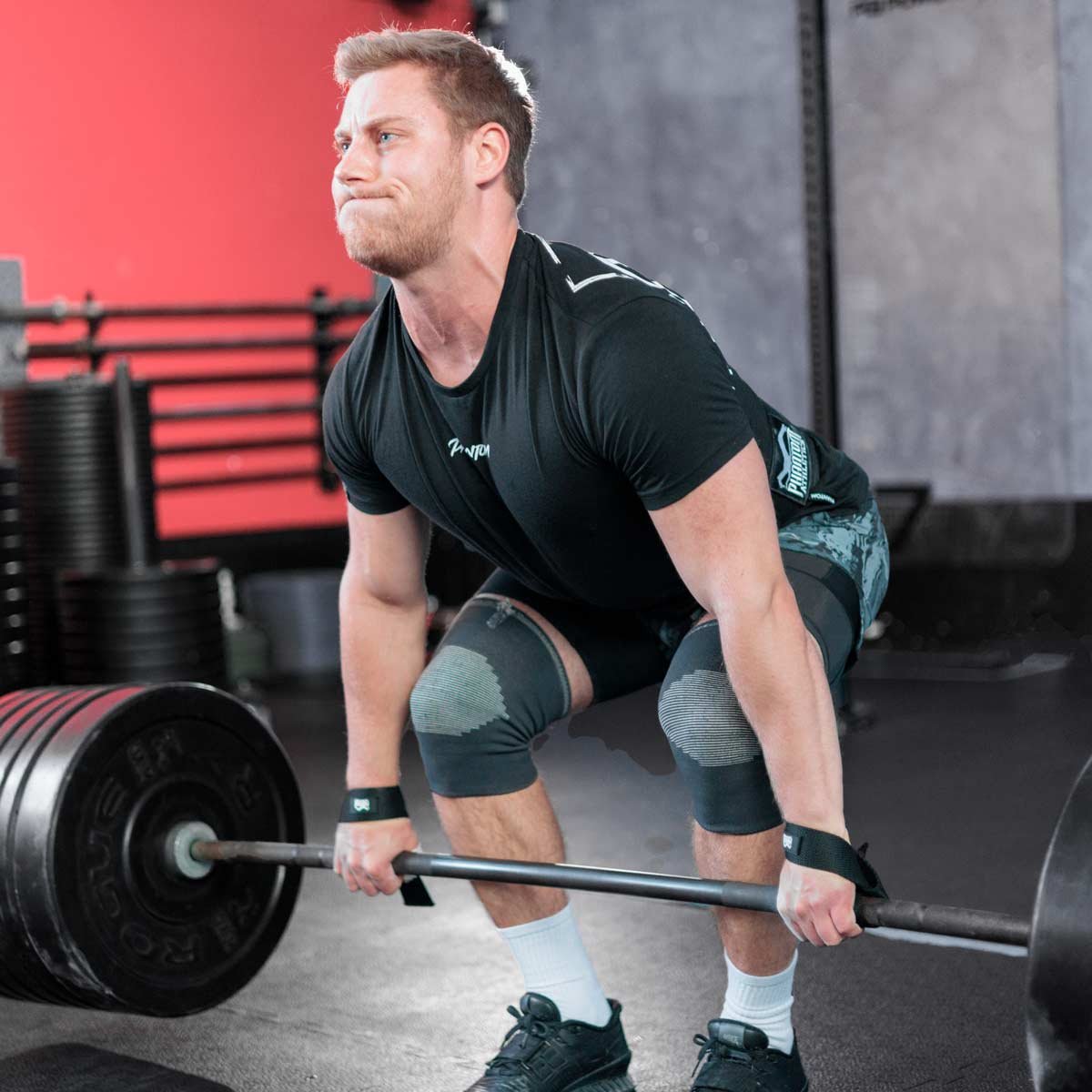
Most conventional lifting straps wrap around the wrist and then around a barbell, dumbbell or cable handle. The connection helps keep the load in contact with the hand. Instead of asking the fingers and forearm flexors to provide the entire holding force for every repetition, the strap supplies additional resistance to the bar slipping. The larger pulling muscles still have to move the weight; the strap does not lift the bar for you.
This distinction matters. A lifter who loses a deadlift at the top because the bar rolls into the fingertips may be grip-limited. A lifter whose hips shoot upward, spine position deteriorates or bar speed collapses is more likely limited elsewhere. Straps may solve the first problem without fixing the second. Before adding equipment, identify why the final repetition failed.
Common styles include plain lasso straps, figure-eight loops and palm-flap grips. A lasso usually gives useful control with a relatively straightforward release; figure-eight styles can create an especially secure connection but vary in release behavior. The best option is one you can fit correctly, use comfortably and remove safely. Check the rules of your intended competition before using any of them in preparation.
Straps are not wrist wraps. A wrist wrap primarily provides compression around the joint; a lifting strap assists the hold on an object. Neither replaces technical competence, sensible loading or secure equipment. If the bar starts drifting away from your legs or you cannot brace under the chosen load, reduce weight and solve that problem first.
2. What deadlift experiments tell us about performance
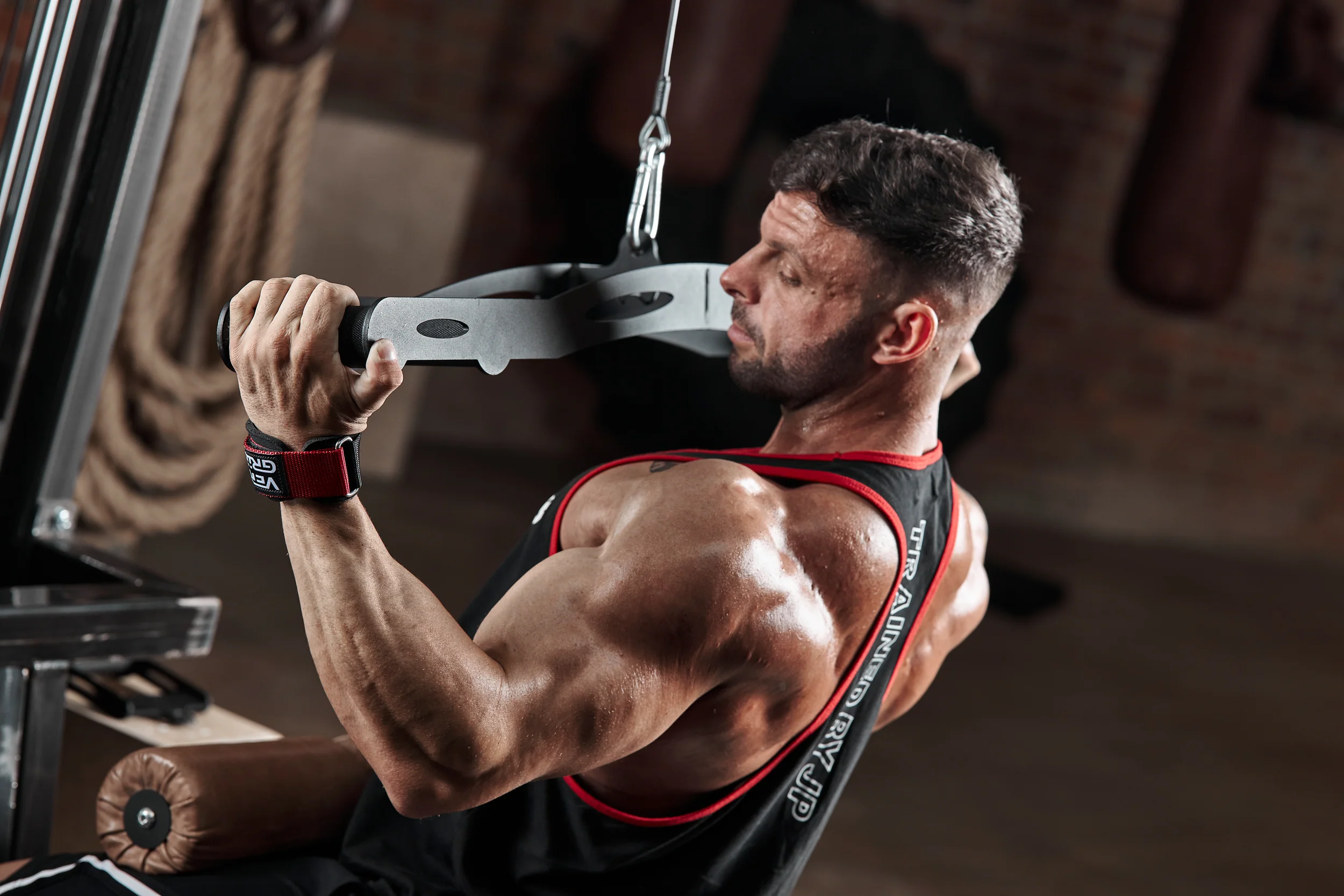
Controlled comparisons in experienced lifters show that straps can preserve grip function and improve perceived grip security during repeated deadlift sets. In one protocol involving sixteen men, four sets of four repetitions were performed under strapped and unstrapped conditions. At the same loading reference, the strapped version was associated with better mean and peak bar velocity, less grip fatigue and lower perceived exertion. Those changes are useful in a session where holding the bar is the bottleneck.
Other experiments do not all find the same velocity advantage. A separate sixteen-man study examining submaximal deadlift loads reported no significant overall differences in measured velocity or power between strapped and unstrapped conditions. The practical interpretation is that straps are not a universal speed-enhancing device. The result depends on how heavy the bar is, how fatigued the hands become and how the comparison is designed.
An experiment involving ten trained women found more total deadlift repetitions with straps over three demanding sets at a fixed relative load, alongside a smaller decline in grip strength. There was not a significant advantage in mean or peak bar velocity. That pattern is particularly relevant for hypertrophy sessions: if grip fatigue is truncating a back or posterior-chain set, a secure hold may let the target movement accumulate more quality repetitions.
These are acute findings, not a guarantee of long-term superiority. A few extra repetitions today only support a better program if load, technique, recovery and progressive overload remain appropriate. The size of the benefit is likely different between someone who struggles to hold a moderate training bar and someone whose grip already exceeds the demands of the planned sets.

Equipment Worth Exploring
Explore equipment, accessories and gear from our carefully selected range.

Leather Lifting Straps
Padded leather straps support grip during heavy rows, deadlifts and pulling exercises.

Leather Wrist Grips
Padded leather lifting grips help support the hands and wrists on heavy pulling exercises.


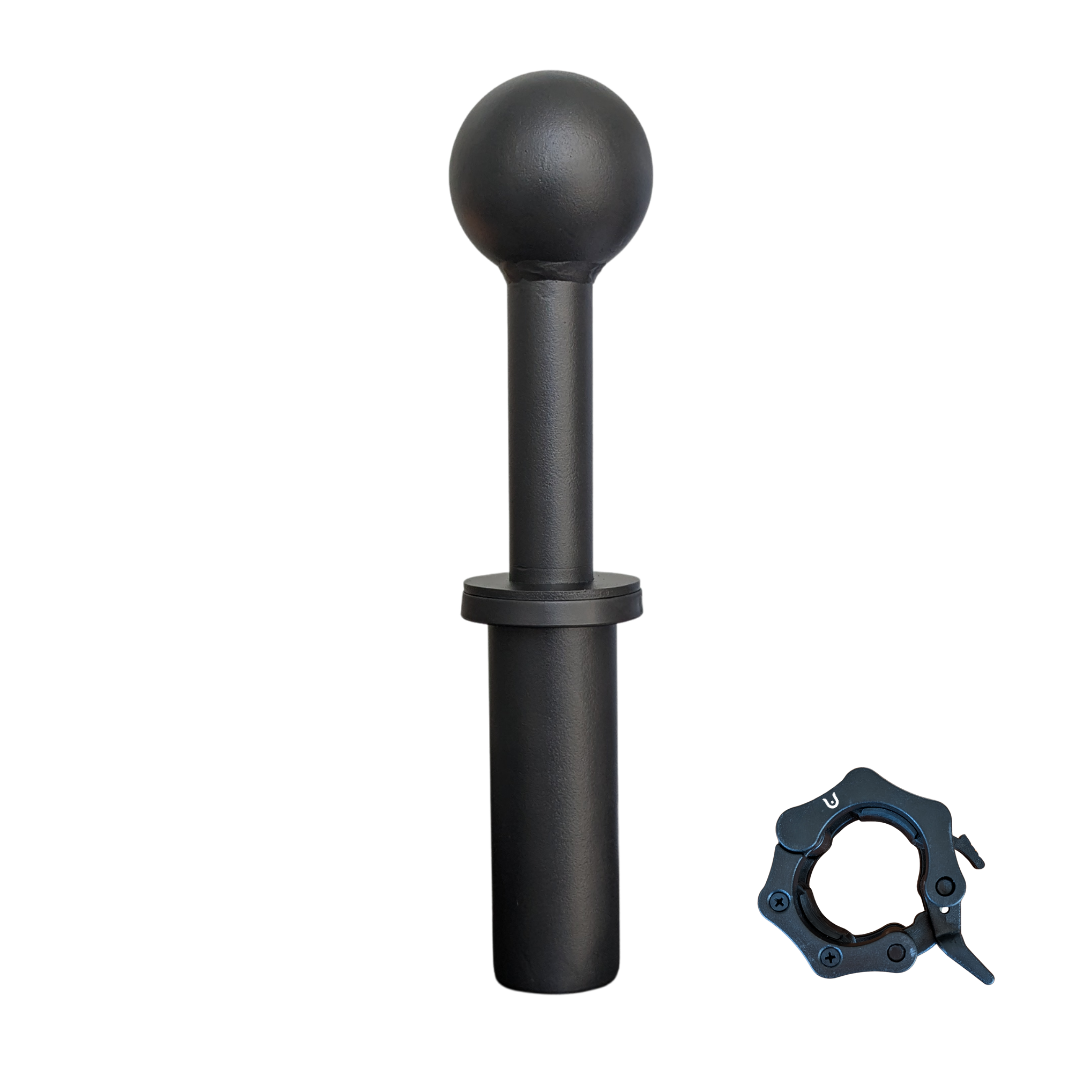
T-Bar Row Attachment
Welded barbell attachment that connects a D-handle bar for landmine and T-bar rows.

Angles 90 Grips
Flexible grip attachments that allow natural wrist movement during pulling exercises.

GymPin Barbell Row Handle
Heavy-duty handle attachment for barbell, landmine and T-bar rows.
3. Straps do not automatically build more muscle
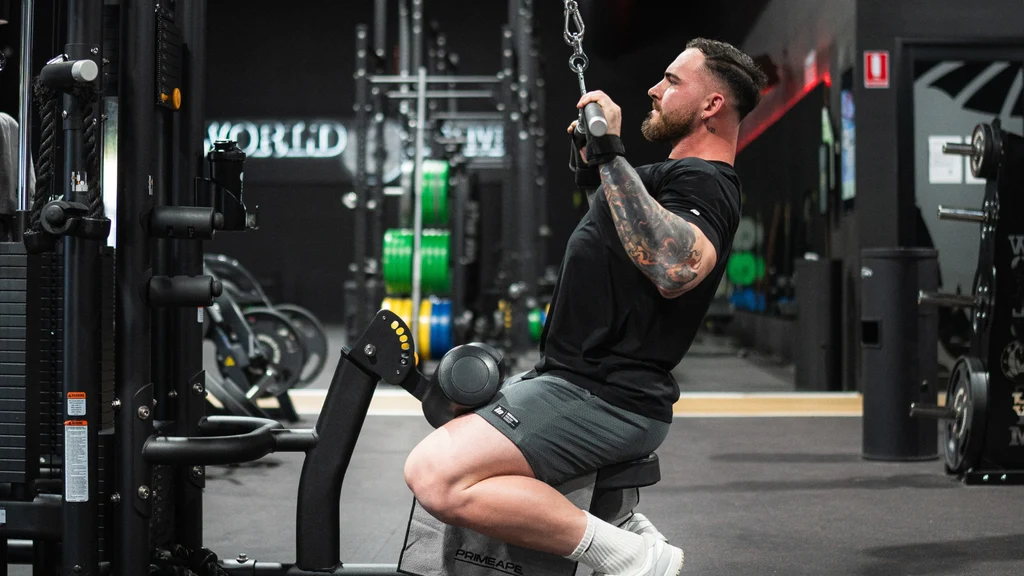
The tempting claim is simple: straps let you lift more, therefore straps build more muscle. The second part does not follow automatically. A recent synthesis of the available evidence found some support for improvements in perceived grip security, maximal strength in certain protocols and deadlift work output, but inconsistent findings for pulling and back exercises. Importantly, convincing long-term research showing that routine strap use produces greater hypertrophy is still lacking.
There is also no solid basis for saying that straps directly recruit more of the target muscles every time you use them. A lifter may complete a harder set because the hands stay attached, yet muscle activation measurements do not consistently support a blanket recruitment benefit. Muscle growth is influenced by the tension and volume a muscle can recover from across weeks, not by the presence of a particular accessory.
For bodybuilding, the most defensible use is selective. If your lats can handle another well-executed row set but your fingers are slipping, straps can reduce a non-target limitation. If a pulldown is already controlled and your grip remains secure, there is little reason to assume a strap changes the training stimulus. Some lifters find their forearms less distracting; others notice no important difference.
For raw grip development, completely outsourcing the hold creates an avoidable tradeoff. The solution is not to ban straps. Preserve unstrapped work where gripping strength is a goal, and use assistance when you deliberately want the prime movers to remain the main constraint. You can train the pulling muscles hard and still build a stronger independent grip.
4. Double overhand, mixed grip and hook grip compared
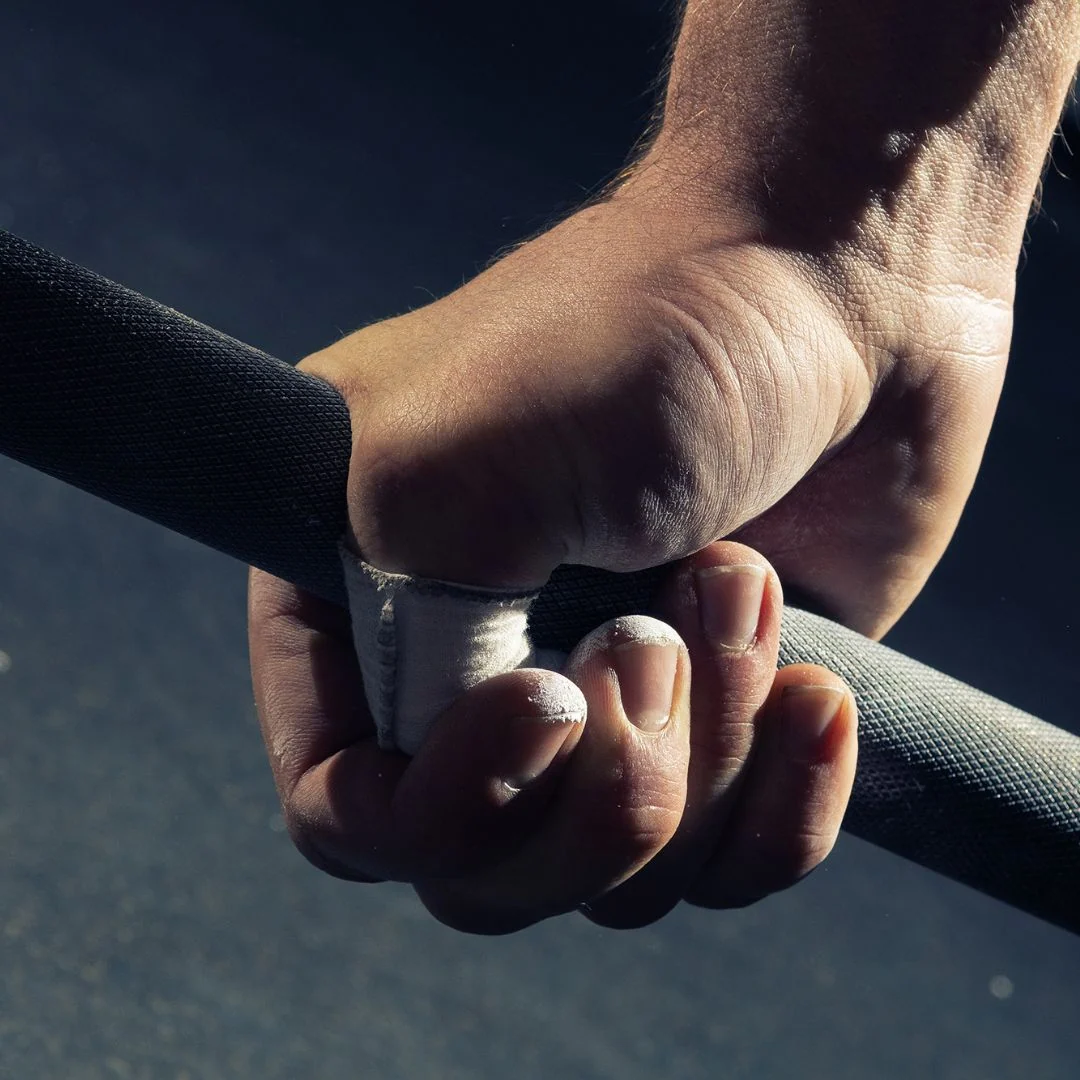
Before moving straight to equipment, understand the three common unstrapped options. A double-overhand grip places both palms toward the legs. It is symmetrical and easy to set up, making it an excellent default for warm-ups and lighter work. As loads rise, however, the bar can roll toward the fingertips. That makes double overhand useful grip practice but potentially a limitation on the heaviest sets.
A mixed grip turns one palm forward and the other back. Opposing hand orientations can help resist rolling, and many lifters find the position easier at demanding loads. It also introduces asymmetry that deserves attention. Keep both arms straight, avoid tugging with the supinated arm, and do not twist your torso while breaking the bar from the floor. A mixed grip is a secure holding strategy, not permission to curl a loaded bar.
The hook grip keeps both palms facing the body but traps the thumb between the bar and the first fingers. It can provide excellent security while retaining symmetrical hand orientation. The downside is discomfort during the learning period and potential irritation if you progress too quickly. Build tolerance on manageable loads and stop if you experience unusual pain or numbness.
A comparison of twenty-nine trained athletes examining different grips at several loading percentages found that mixed grip was rated easier overall and required less activity from some forearm muscles than other tested grips. Grip choice did not produce a simple, universal advantage in peak lifting velocity. Your competition rules, hand size, comfort and tolerance should determine the final choice.

Powerlifting Shirts & Lifting Gear
Powerlifting shirts and gym gear for squat, bench and deadlift lifters who live for heavy numbers.

5 Plates Deadlift Club Meme Shirt – Motivational T-Shirt
Bring “5 Plates Deadlift Club” humor to your next gym day.


Deadlift Snake Skull – Hardcore Powerlifting Gym Shirt T-Shirt
Make gym days more fun with “Deadlift Snake Skull” style.

Gym Viking Deadlift | Funny Leg Day Workout Pullover & T-Shirt
Bring “Gym Viking Deadlift” humor to your everyday gym style.

Zombie Deadlift Sweater Deadlift Lovers & Leg Day T-Shirt
Bring “Zombie Deadlift” humor to your everyday gym style.

Praise The Deadlift Holy Lifting Meme & Fans Hoodie
Keep it laid-back with a little “Praise The Deadlift” attitude.

Deadlift PR or ER Bloody Skull Muscle Shirt for Bodybui Tank Top
Train hard, laugh a little, and rep “Deadlift”.

Leg Day Is Calling You Squats & Deadlifts Meme Vest Tank Top
Your gym-day look, with a playful “Leg Day Is Calling You” twist.

Deadlift Lovers Grim Reaper Decal Water Bottles & Sticker
Bring “Deadlift Lovers Grim Reaper” attitude to your water bottle or laptop.
5. When to use straps for deadlifts, rows and pulldowns
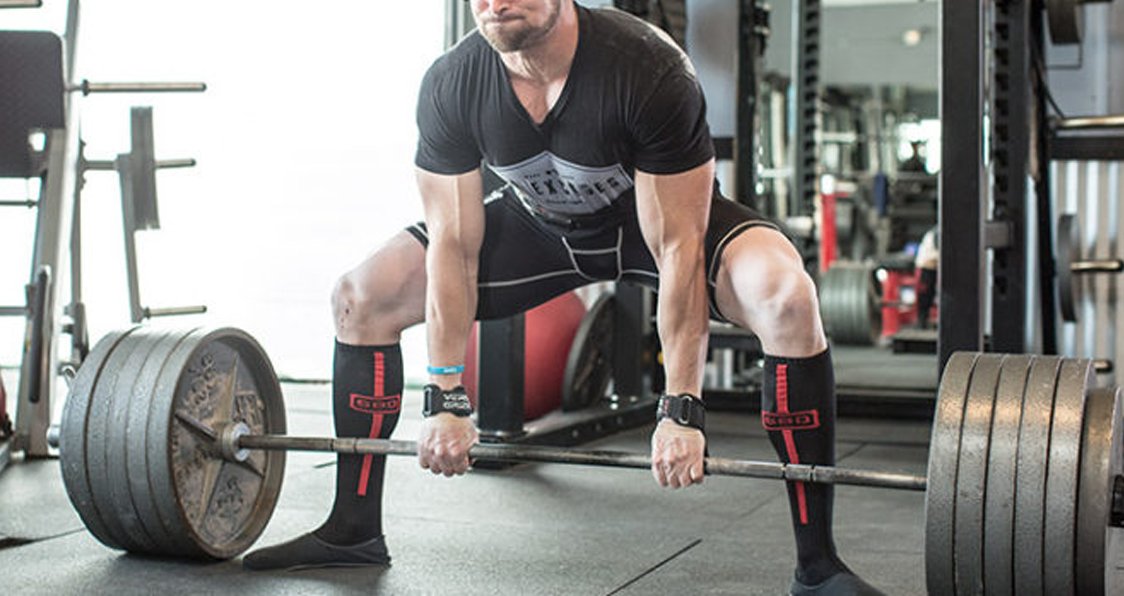
For strength-focused deadlift sessions, begin with your competition-relevant grip. Complete technical warm-ups and at least some challenging work without straps if raw holding ability matters. If the later back-off sets are intended to train hip and back musculature rather than test your fingers, adding straps there can be reasonable. Record which sets were strapped so you do not compare them uncritically with a previous unstrapped personal best.
For bodybuilders using Romanian deadlifts, machine rows or long sets of pulldowns, straps can be helpful once grip clearly fails before the intended muscles. Keep the movements honest: do not substitute jerking the torso, bouncing the bar or shortening the range to manufacture more repetitions. More repetitions achieved by worse technique are not the same as more useful training.
Consider a three-set Romanian deadlift prescription of eight to ten controlled repetitions. If the first unstrapped set reaches ten with good form, keep it. If the second set ends at six because the handle is sliding while your hamstrings and glutes still feel capable, use straps for the remaining sets and evaluate whether quality improves. If form still deteriorates at six, the load or fatigue level is the issue, not the accessory.
For lat pulldowns, keep the shoulders moving smoothly and elbows following the intended path. For chest-supported rows, allow the torso support to reduce unnecessary lower-back fatigue. In both, straps should support an already sensible setup. They do not replace a good exercise choice or adequate rest between hard sets.
6. A four-week plan for stronger hands without sacrificing back training
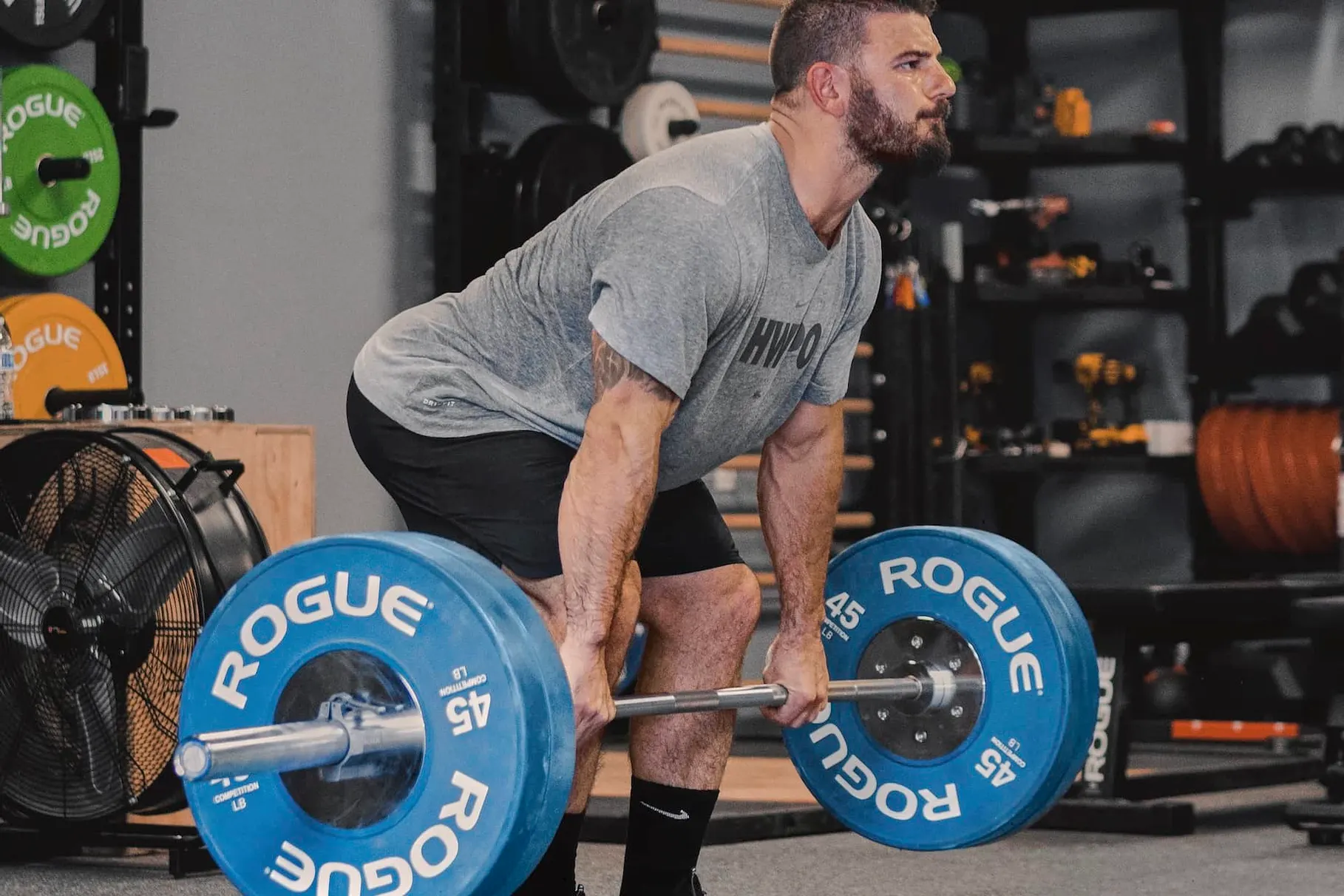
A balanced program can deliberately separate grip training from grip-assisted hypertrophy work. On your first weekly pulling day, begin with two or three working sets of a heavy hinge using your preferred unstrapped grip and appropriate rest. Follow with two or three supported rowing sets; use straps only if your hands limit clean repetitions. End with one or two moderate farmer carries or timed holds, leaving enough effort in reserve to finish with secure posture.
On your second pulling day, emphasize a different pattern such as pulldowns or pull-ups, then a controlled Romanian deadlift. You can use straps for later high-repetition sets when a slipping hold would otherwise stop the exercise early. If your hands are exceptionally sore or the skin is damaged, substitute less abrasive grip work rather than forcing contact through pain.
During week one, establish a repeatable baseline. Log the load, repetitions, grip style, the precise set where you used straps and any loss of bar control. In week two, seek one additional technically good unstrapped repetition at the same load or a few more seconds of a safe timed hold. In week three, progress the main pulling exercise only if movement quality remains stable. In week four, compare the same unstrapped test to your original baseline.
Do not chase painful finger fatigue every day. Small forearm and hand muscles recover alongside the rest of you, and elbow irritation can accumulate if you add heavy carries on top of all your pulling work. Start with modest grip volume and build slowly. If a priority deadlift session starts suffering because of extra grip work, move holds to another day or reduce their duration.
Equipment Worth Exploring
Explore equipment, accessories and gear from our carefully selected range.
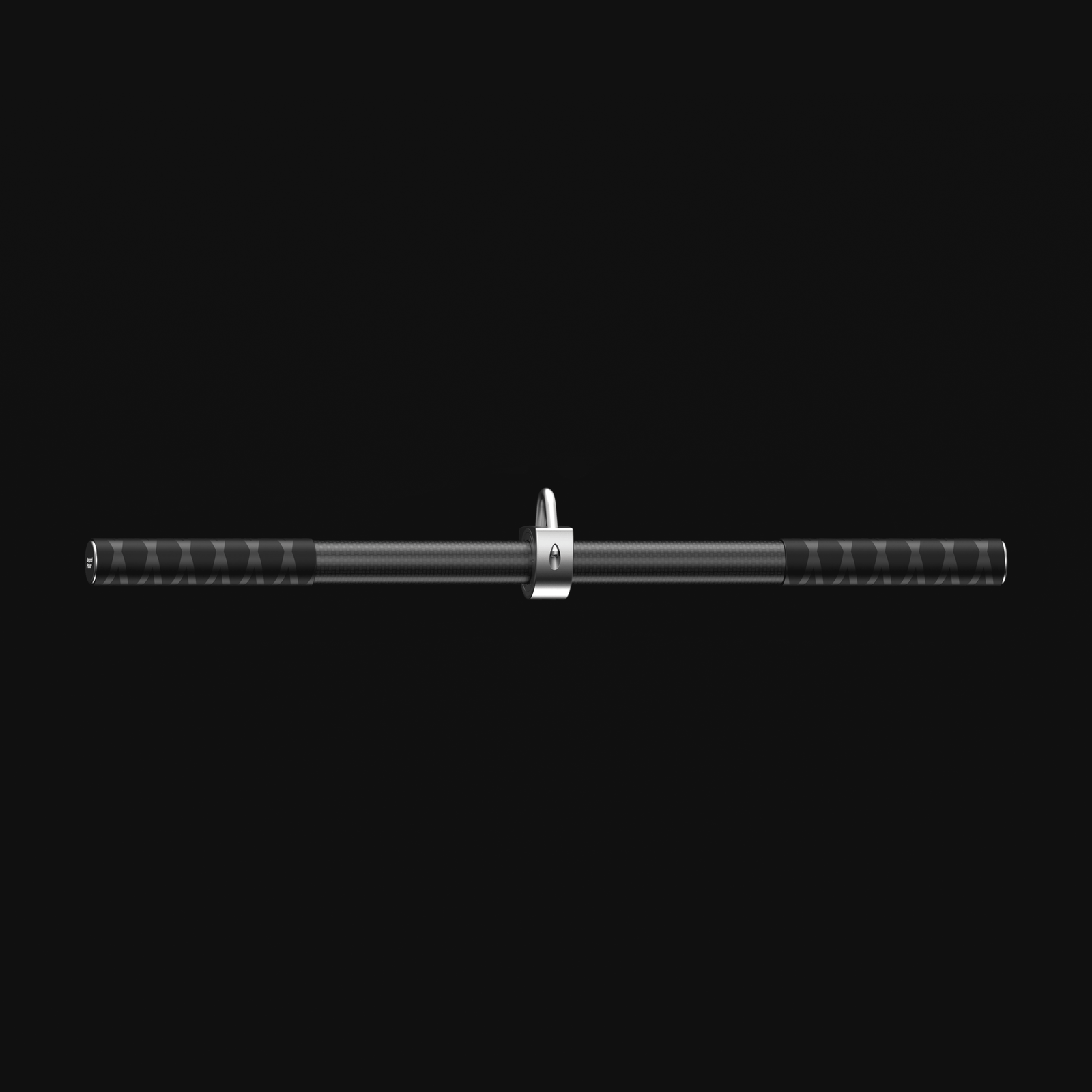
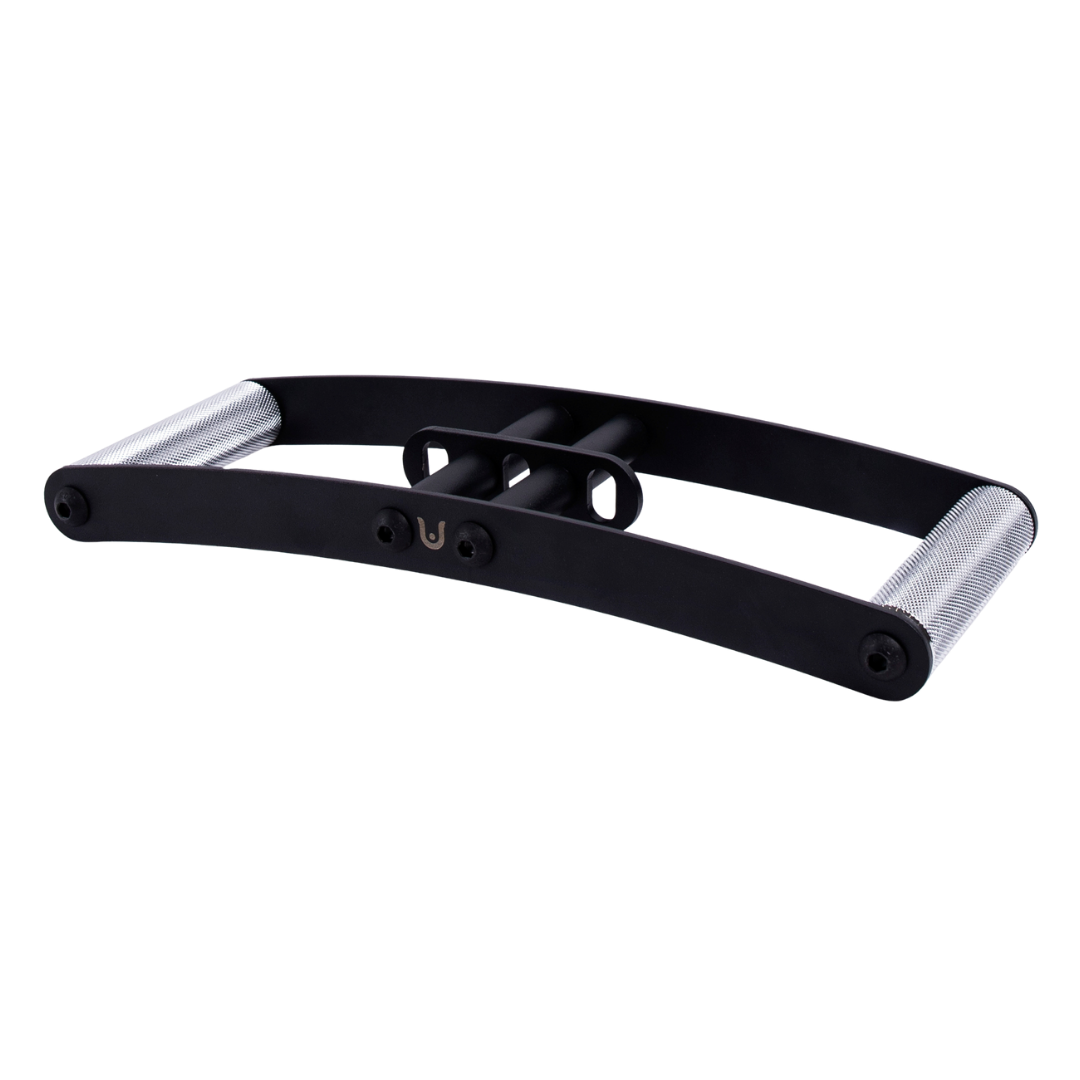
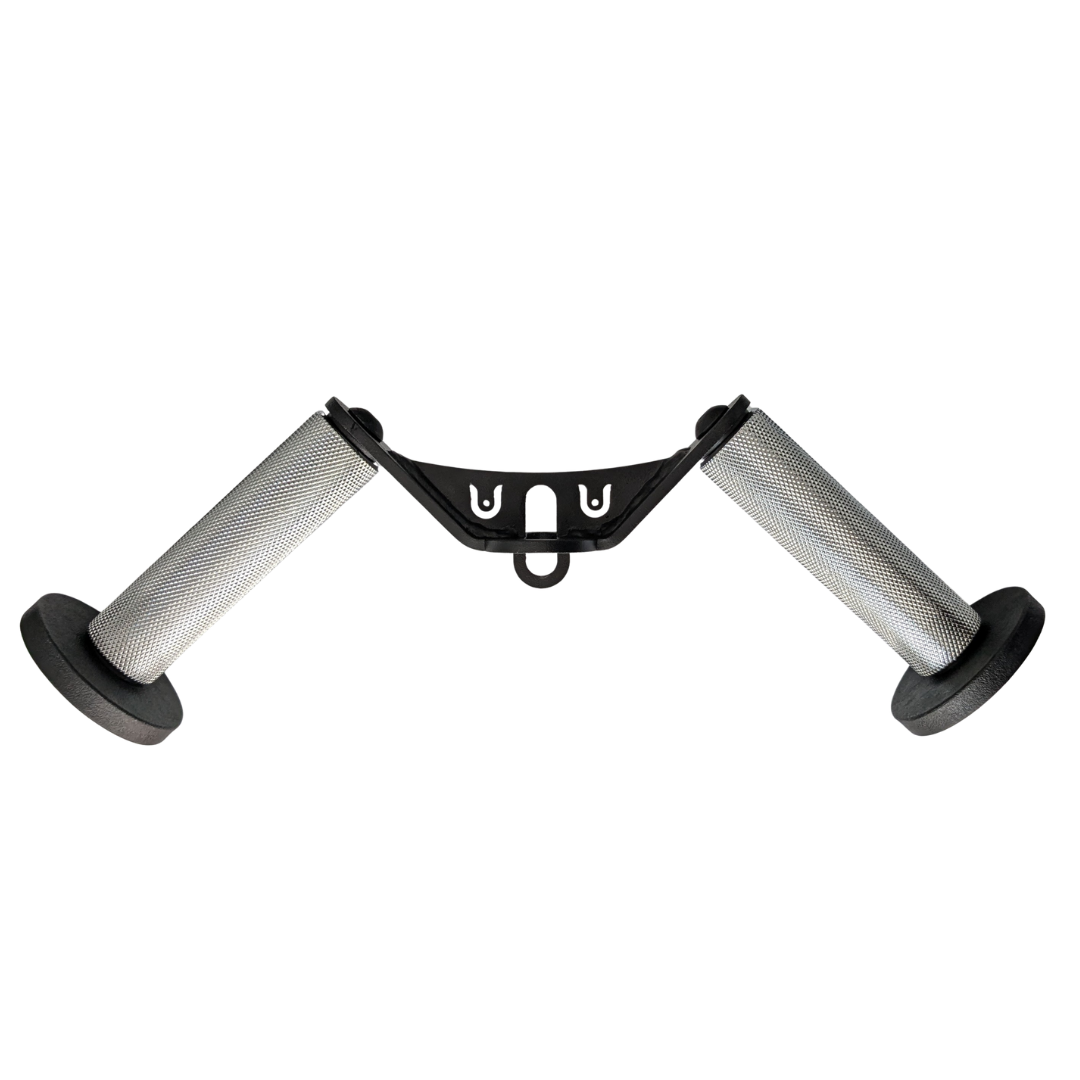
Horizon Grip
Ergonomic V-style cable grip for rows and back training.
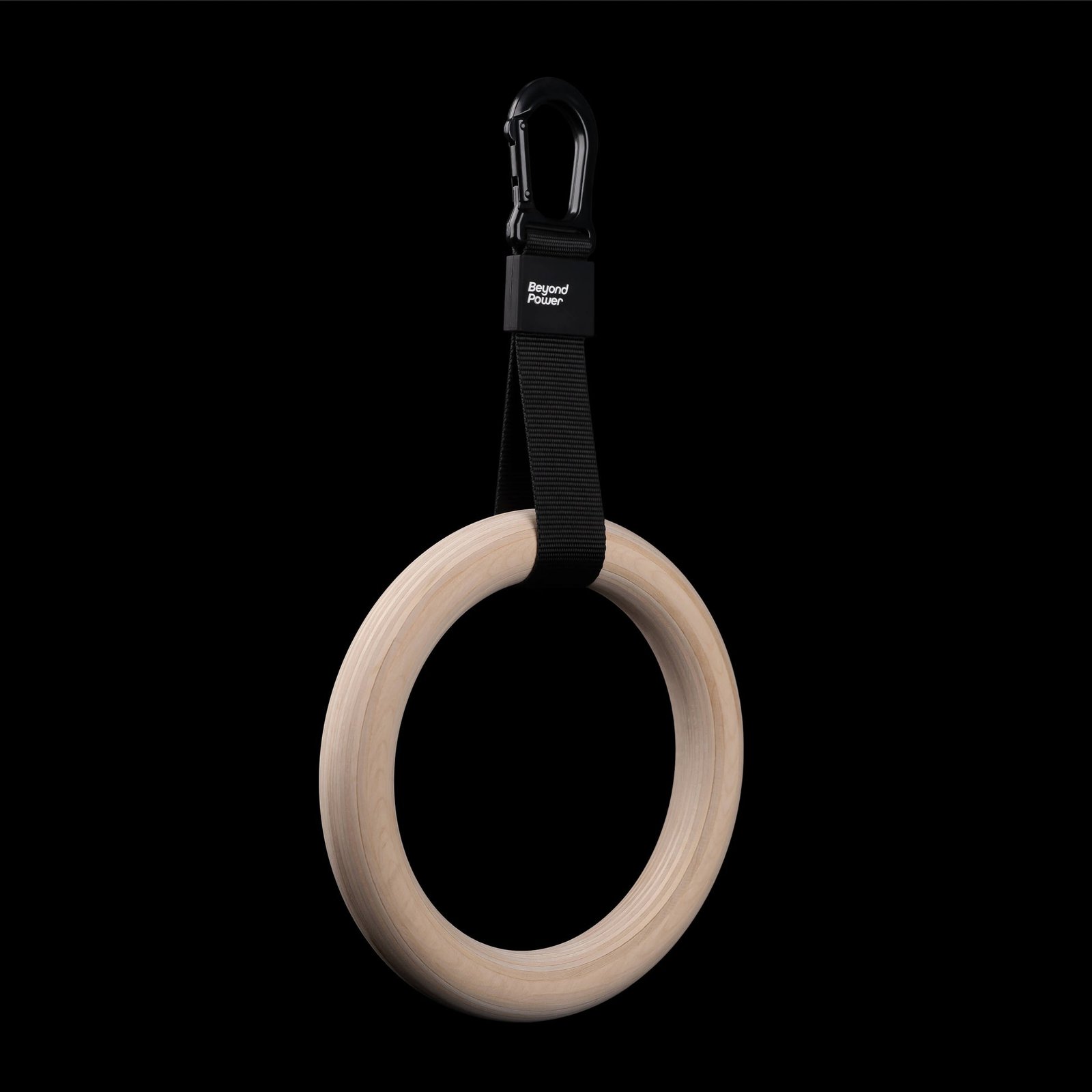
W Grip
Angled cable grip for comfortable rows, pushdowns, and curls.
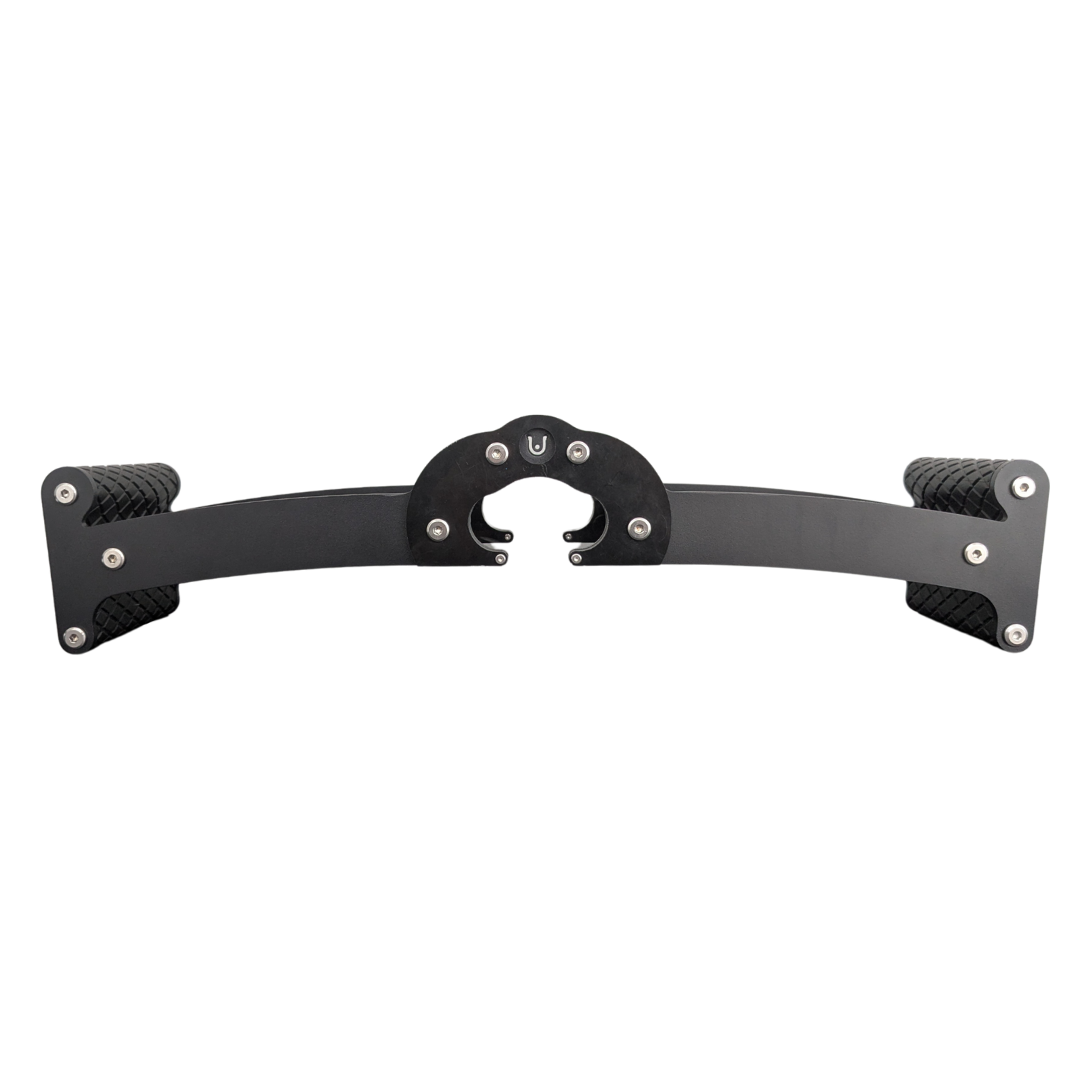
Back Bar
Multi-grip cable and landmine bar with a built-in deadlift jack.
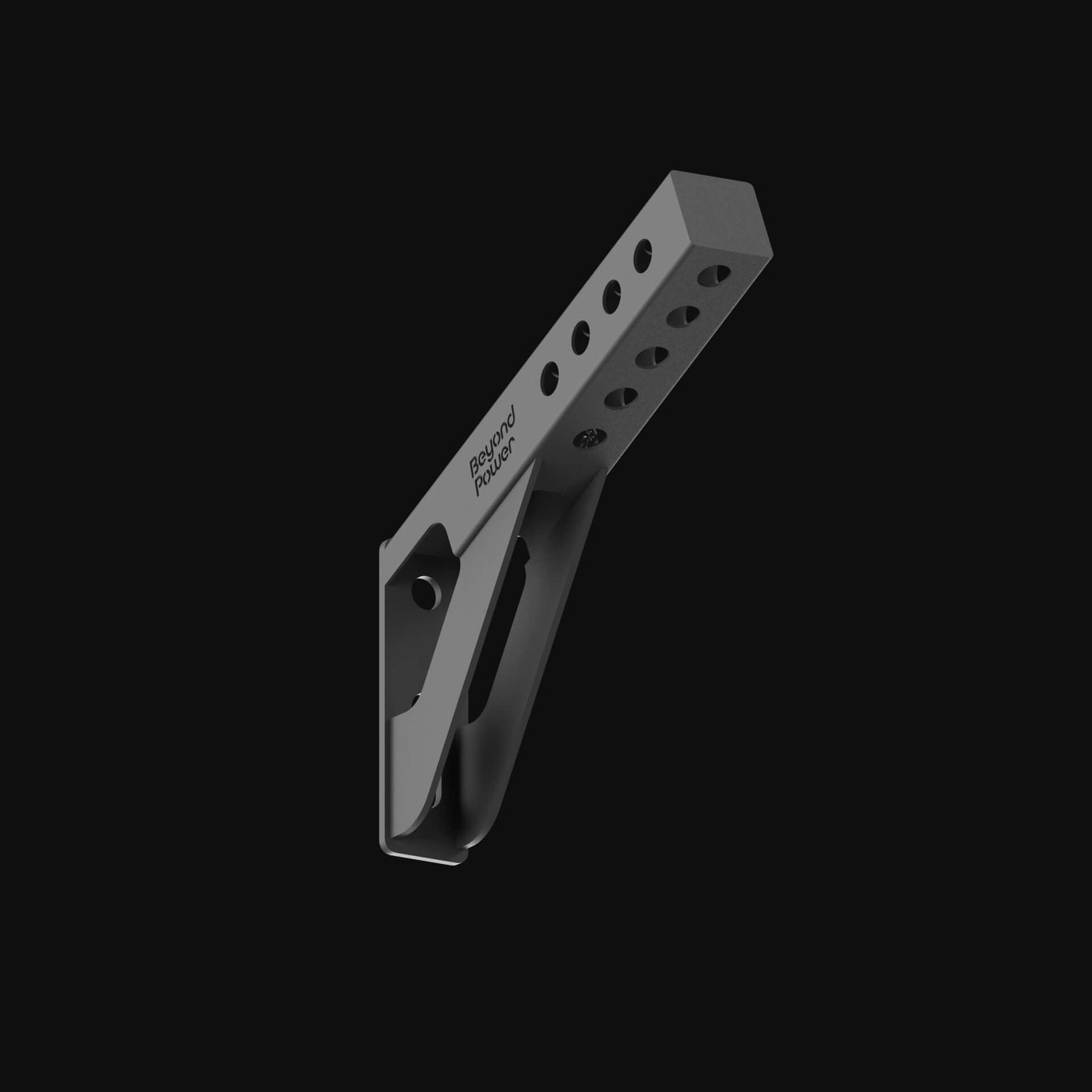

GymPin Ergo Handles
Pair of ergonomic cable handles shaped for comfortable triceps and pulling exercises.


7. Choose the right strap, check your form and measure the result
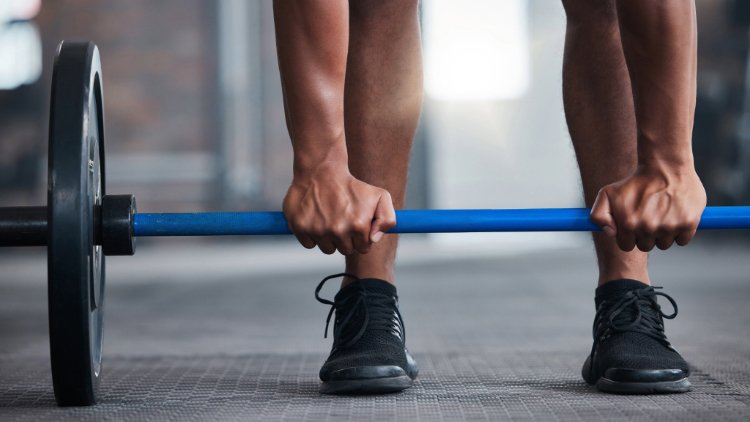
For most general-gym work, a simple pair of durable lasso straps is enough to determine whether assistance actually helps. Check how the material contacts your wrist, whether the loop reaches the bar comfortably and whether you can disengage without difficulty. A more specialized figure-eight style may suit repeated very heavy pulls, but its secure connection is a reason to practice safe releases, not an excuse to overlook them.
Do a short setup check before every demanding set: bar close to the midfoot, symmetrical hand placement, secure wrap, arms straight, trunk braced and a load you can control. Never tie yourself to equipment in a way that prevents a safe release. If you have an existing wrist, hand or elbow problem, obtain individual medical or rehabilitation advice before introducing a tighter grip aid.
Judge whether the accessory earned its place through concrete numbers. Compare sets at the same load and effort, note if finger slipping stopped the unstrapped set, and check whether strapped work maintained controlled range and stable bar speed. A useful strap is one that lets you express the strength of the intended muscles without adding unsafe movement or unwanted pain.
The final decision is goal-specific. Keep double-overhand, mixed or hook-grip work when grip strength and raw-lift skill matter. Reach for straps when the main target is another pulling muscle and the hands truly give out first. That approach captures the practical upside of assistance while leaving room for the stronger hands and cleaner technique that pay off in the long run.
Bodybuilding Shirts & Workout Gear
Bodybuilding shirts, tanks and gym gear for lifters chasing muscle, size, symmetry and the pump.


Lift King Lion – , & Gymbros – Meme T-Shirt
Bring “Lift King Gym Lion” humor to your next gym day.

Anti Social Lifting Club – & – T-Shirt
Make gym days more fun with “Anti Social Lifting Club” style.

Patriotic Eagle Deadlift Stars Stripes and Deadlifts Pu Hoodie
Show off your deadlift humor in a laid-back “Patriotic Eagle Deadlift” hoodie.

Pumpeye Forearm Gains & Grip Strength Popeye Meme Hoodie
Keep it laid-back with a little “Pumpeye” attitude.

Deadlift Skull Cyberpunk Gym Crewneck for Powerlifting T-Shirt
Show some gym-day personality with “Deadlift Skull”.

Deadlift Molten Skull Graphic , Hardcore Bodybuilding T Tank Top
Add some deadlift attitude to training with “Deadlift”.

Leg Day Squats Deadlifts Decal Meme Vinyl Sticker
Give your everyday gear a playful “Leg Day” twist.