Why a heavy walk is different from a heavy lift
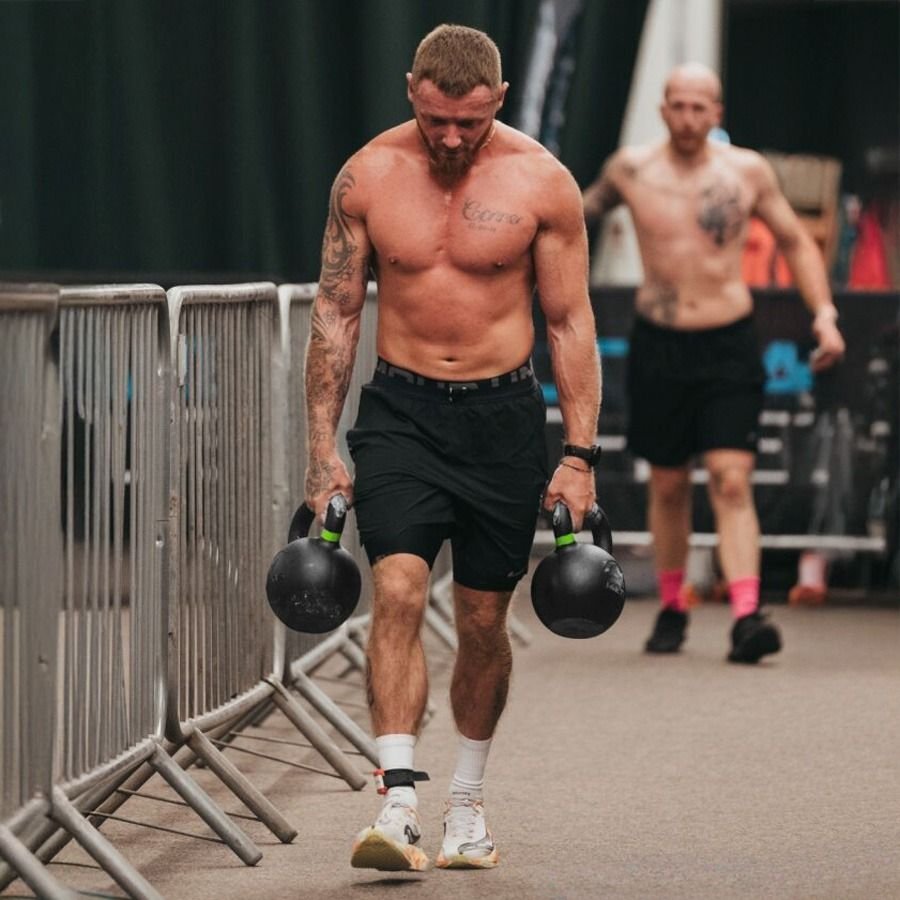
Pick up two dumbbells and walk twenty metres. The farmer’s carry looks almost too simple to count as serious training, but the challenge goes well beyond keeping your fingers closed. Your feet move while your trunk resists sway, your shoulder girdle supports the hanging load and your breathing continues under tension. That combination makes carries useful for lifters who already squat, deadlift and row but rarely test strength while moving.
Unlike a deadlift, a carry does not finish when you stand upright. Every step changes the relationship between your feet, pelvis and load. The result is a moving stability task with an obvious performance metric: can you cover the distance without leaning, shuffling or dropping the handles? A heavy static hold may feel similar in the forearms, but it removes the repeated foot contacts that define the carry.
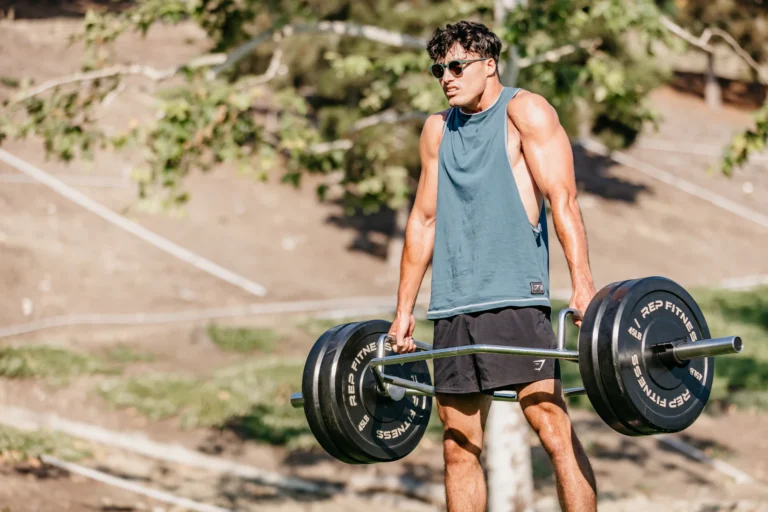
Carries are also unusually scalable. Two kettlebells work for beginners, dumbbells suit almost every gym, and dedicated farmer’s handles or an open trap bar allow heavier loading. The equipment matters less than your ability to keep a consistent gait and measure progress. Carrying more weight is useful only when it does not destroy the movement you intended to train.
Treat carries as a complement rather than a magical replacement for compound lifts. They challenge grip endurance, upper-back support and trunk position during walking, but they do not replace all direct abdominal, rowing or leg work. A brutally heavy carry session can also interfere with tomorrow’s deadlifts if programmed without regard for recovery.
What the 2024 experiment measured
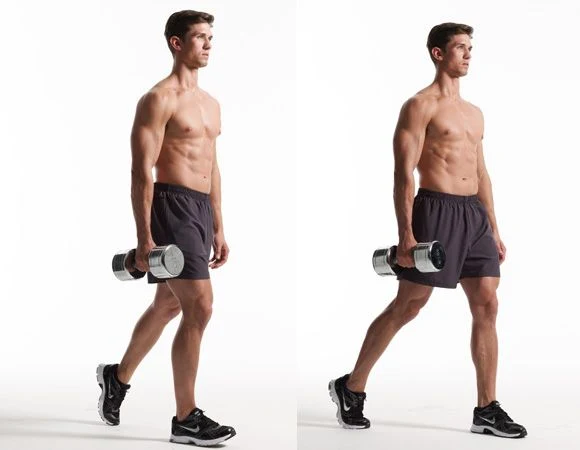
A controlled 2024 experiment compared five exercises: farmer’s carry, farmer’s hold, suitcase carry, suitcase hold and forearm plank. Participants performed randomized conditions with rest between efforts. Surface sensors measured electrical activity in four trunk muscles on both sides: rectus abdominis, external oblique, longissimus and multifidus. The comparison addressed immediate muscle activation, not long-term changes in size, strength or injury risk.
For the bilateral conditions, participants held two equally loaded dumbbells with an average combined mass of about 50.7 kilograms. The single-hand conditions used about 25.3 kilograms. Exercise duration was matched, limiting the possibility that one condition simply involved a longer effort. These details matter: the findings concern a particular load, duration and group of healthy young adults, not every imaginable carry workout.
The central question was whether moving under a load changes the trunk challenge compared with standing still. That is relevant when the gym is crowded and a lifter substitutes stationary holds for walking. Holds can be excellent grip work, but they remove the continual adjustments in balance and posture that occur as you step.
Electromyography indicates how actively a measured muscle participates in a task. It is not a direct measurement of hypertrophy or proof that one exercise prevents back pain. Higher activation is not automatically better for every goal. The defensible conclusion is narrower and more useful: movement and load distribution change which muscles must work hardest.

Equipment Worth Exploring
Explore equipment, accessories and gear from our carefully selected range.


Leather Wrist Grips
Padded leather lifting grips help support the hands and wrists on heavy pulling exercises.

Leather Lifting Straps
Padded leather straps support grip during heavy rows, deadlifts and pulling exercises.
Farmer’s carry versus hold versus plank
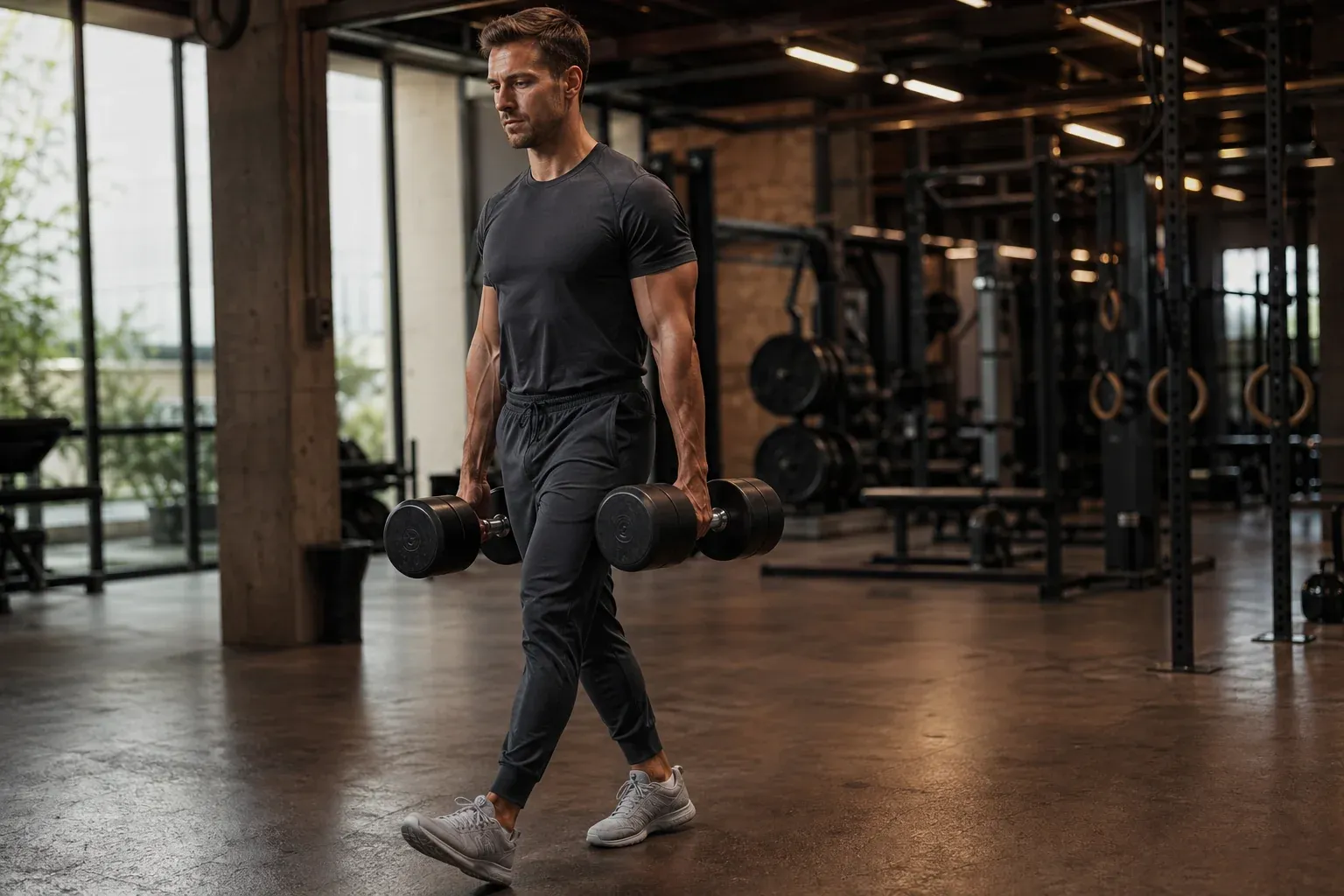
The bilateral farmer’s carry produced higher activity in all four measured trunk muscles than the load-matched farmer’s hold. The same pair of dumbbells became a more demanding torso task when participants walked. This supports choosing carries when the goal includes maintaining posture during locomotion, rather than simply surviving the weight in your hands.
That result does not make planks obsolete. In the experimental comparison, the plank generated substantially more rectus abdominis activity than the farmer’s carry, while the carry challenged measured lower-back muscles more strongly. Different exercises impose different demands. A plank remains a sensible choice for targeted anterior-abdominal isometric work.
Think of three separate jobs. A heavy hold challenges your hands and ability to support a stationary load. A farmer’s carry adds controlled steps and dynamic stabilization. A plank challenges the trunk while you support your body in a fixed position. A complete program can use all three without pretending that they train identical qualities.
Identify the limiting factor in each set. If your dumbbells slide out of your hands after fifteen metres but posture remains solid, grip is the bottleneck. If you lean or lose trunk position before your hands tire, the load is too ambitious for the walking task. If direct abdominal endurance is the priority, include a specific abdominal exercise instead of relying on carries alone.
Suitcase carries train a different stability demand
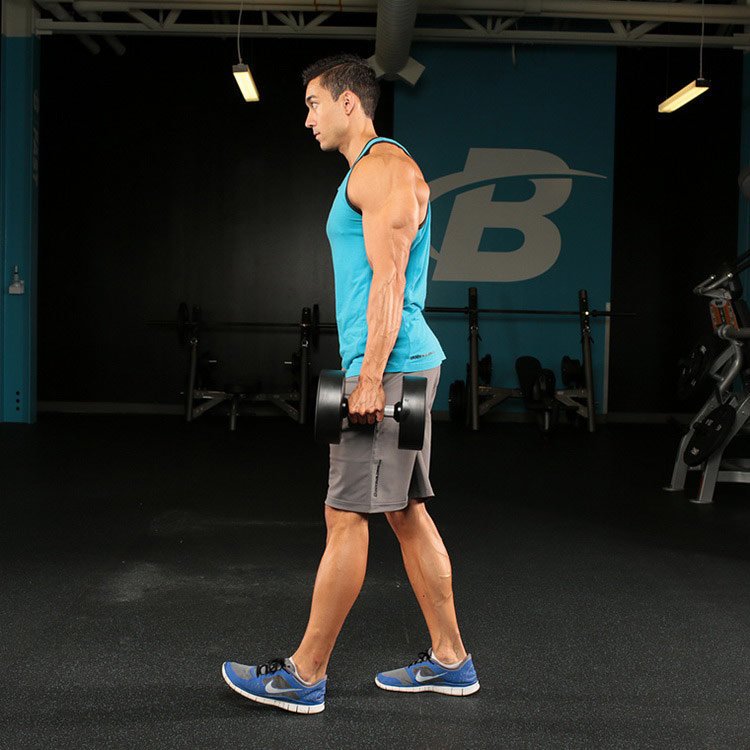
A suitcase carry uses a single dumbbell or kettlebell at one side. Gravity pulls the loaded side downward while the torso resists bending sideways. That asymmetry can make a moderate weight surprisingly difficult, even when it is much lighter than your normal two-handed carry.
In the 2024 comparison, the suitcase carry generated greater activation in measured lower-back muscles than its matched stationary hold. Its activation pattern also differed from the bilateral carry. The useful conclusion is not that one-handed carries are automatically superior. They emphasize a different challenge, making them useful when your goal includes resisting side-bending and keeping shoulders level.
Start with the weight beside your foot, hinge and stand up with control. Stack ribs over pelvis, keep the shoulders approximately level and let the free arm move naturally. Walk without leaning toward or away from the dumbbell. Cover the same distance on each side, starting with your weaker side if there is an obvious difference.
A heavy suitcase carry becomes less useful when you tilt your torso to counterbalance the weight. Film a set from the front or ask a training partner to check alignment. A modest reduction in weight often restores the challenge you actually wanted: staying upright despite the load.

Functional Fitness Shirts & Workout Gear
Functional-fitness shirts, tanks and workout gear for athletes who train strength, conditioning and everything in between.


Atlas Kettlebell Earth Meme Greek God Top T-Shirt
Make gym days more fun with “Atlas Kettlebell Earth Lifter” style.

Kettlebell Skull Tee
Heavy lifts, good laughs, and a little “Kettlebell Skull Gym Meme” energy.


Lift Together Grow Stronger for Gym Buddies and Lifting Tank Top
Bring “Lift Together Grow Stronger” humor to your next lifting session.

Anti HYROX HYROX Club Meme Shirt Gymbro T-Shirt
Make gym days more fun with “Anti HYROX HYROX Club” style.

For Whom the Bell Curls Tee
Show some metalhead attitude with a playful “For Whom The Bell Curls Kettlebell” tee.
How to walk, brace and breathe under load
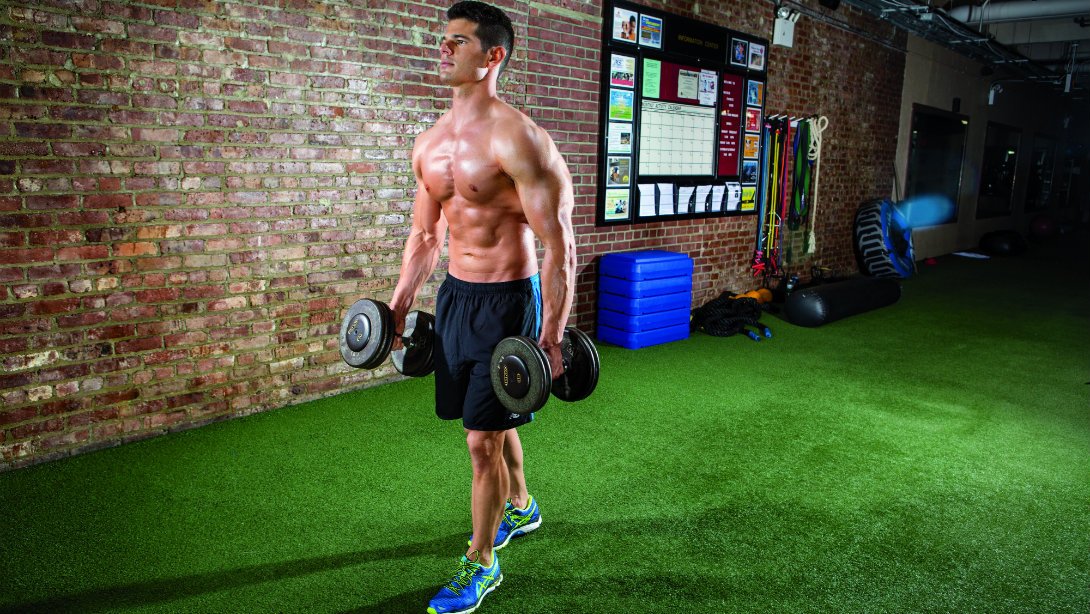
Begin with a load you can carry naturally for twenty to thirty metres. Hinge or squat to the handles, brace before lifting and stand fully upright. Keep a firm grip and arms long without exaggerating a shoulder shrug. Look forward rather than staring at the floor. Your first steps should be controlled, not an uncontrolled sprint.
Walk at a consistent pace. Avoid theatrical tiny steps and a rushed shuffle that makes the weights swing. If the implements strike your thighs, adjust handle position or stride length. Slow down before turning and avoid twisting suddenly under a maximal load. A straight lane is ideal while learning; do not carry heavy weights through crowded gym traffic.
Brace as you would for a compound lift, but do not hold your breath throughout a long carry. Take short controlled breaths while keeping your torso organized. Stop if you become dizzy or lightheaded. People with cardiovascular or blood-pressure concerns should seek individualized medical guidance before maximal loaded carries.
Set the implements down with the same care used to lift them. Do not throw dumbbells or turn a fatigued finish into a rounded-back drop. A simple technical standard works well: the final five metres should resemble the first five. When stride, posture or grip breaks down, end the set and record the distance achieved cleanly.
Dumbbells, kettlebells, trap bars and straps
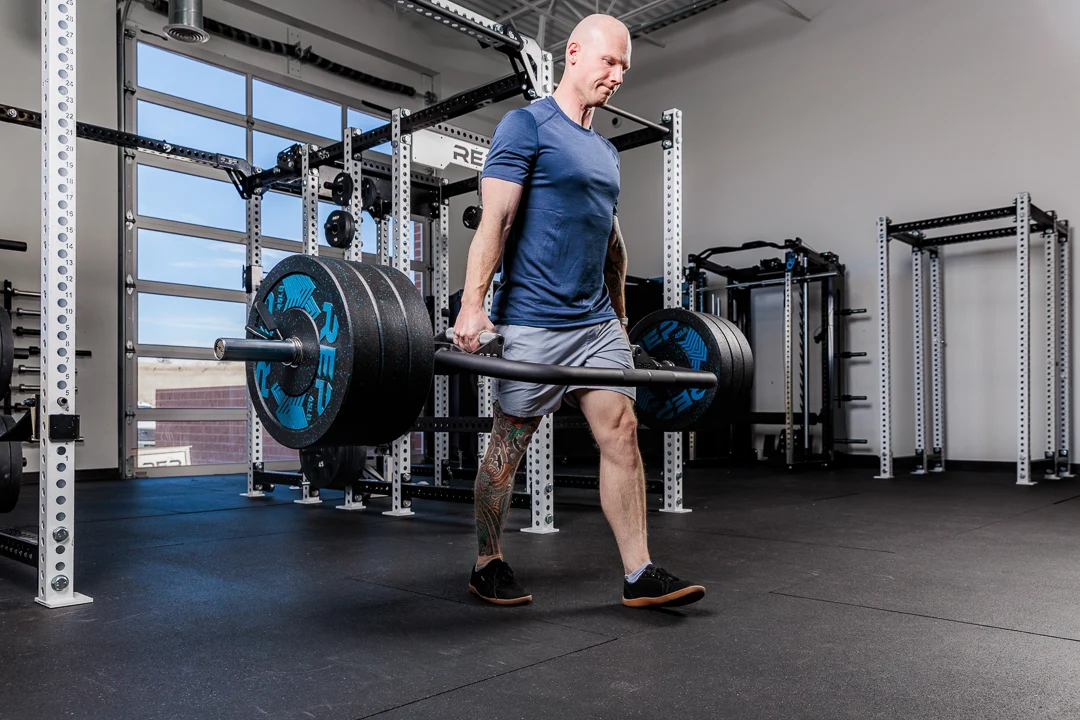
Dumbbells are the easiest entry point because nearly every gym has them. Large bells can strike the thighs, however, and fixed weight jumps may be awkward. Kettlebells hang differently and are often comfortable for longer walks. Dedicated farmer’s handles accommodate very heavy loads, while an open trap bar can be convenient when the design and available floor space permit safe walking.
Handle thickness changes the challenge. A thick handle can make your hands fail before your legs or torso receive much work. That is desirable when grip is the primary target, but less helpful for longer loaded walks. The same logic applies to lifting straps: they reduce the limiting grip demand, allowing some lifters to carry heavier or farther.
A sensible compromise is to do the first one or two sets without straps, then use them only for a separate heavier or longer effort if grip is the sole limiter. Record strapped and unstrapped work separately. Do not compare a strapped fifty-metre walk directly with an unstrapped effort and call it an identical strength test.
You do not need to buy a dedicated strongman setup. Adjustable dumbbells, kettlebells and trap bars all have broader uses, and most people can progress for months with existing gym equipment. Consider specialized handles only when available weights become the limiting factor or you are deliberately preparing for heavy carry events.
Equipment Worth Exploring
Explore equipment, accessories and gear from our carefully selected range.


Angles 90 Grips
Flexible grip attachments that allow natural wrist movement during pulling exercises.
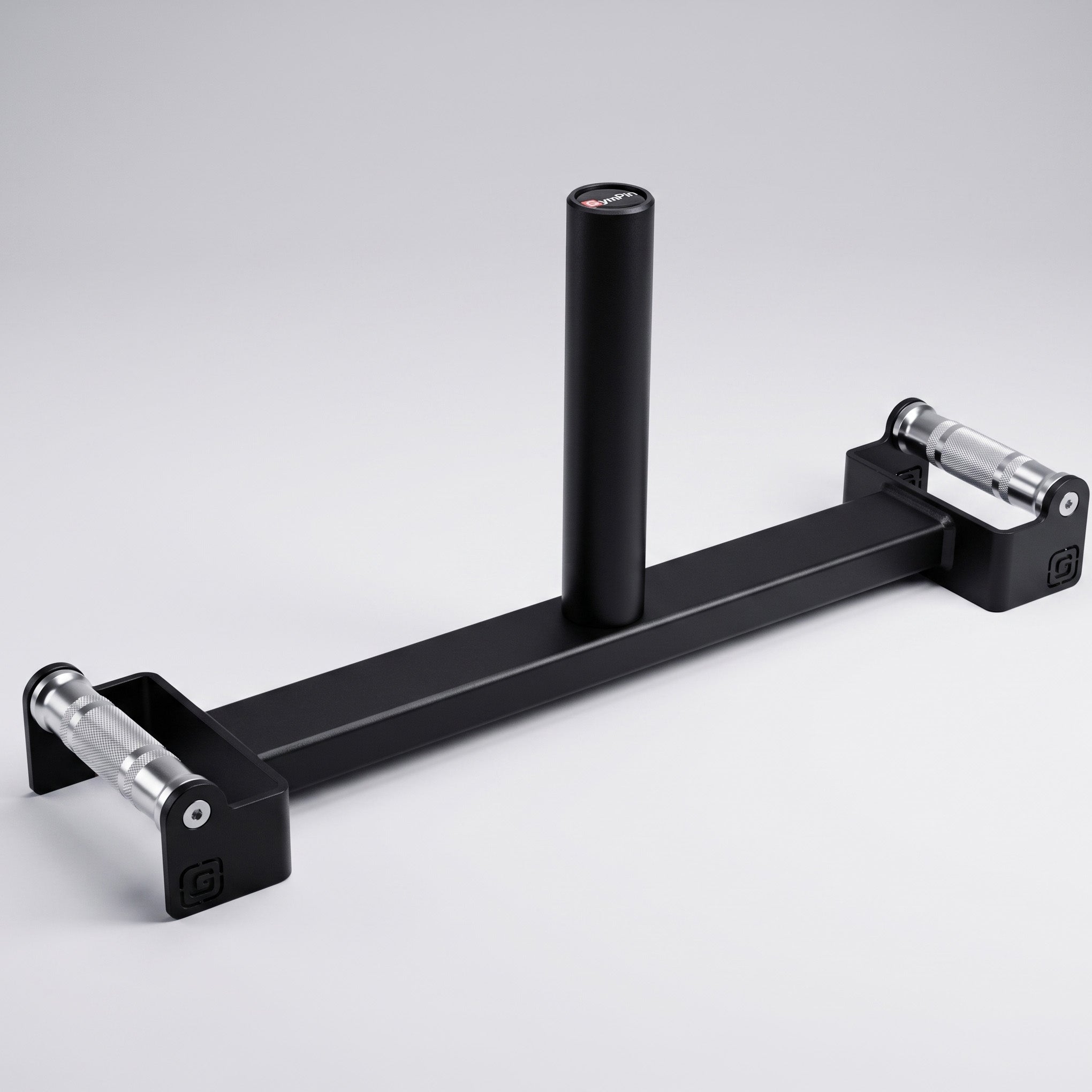
GymPin Hyper Loader
Central Olympic-plate loading attachment for weighted hyperextensions.


VOLTRA
Compact digital cable trainer with smooth, adjustable resistance.
A four-week loaded-carry progression
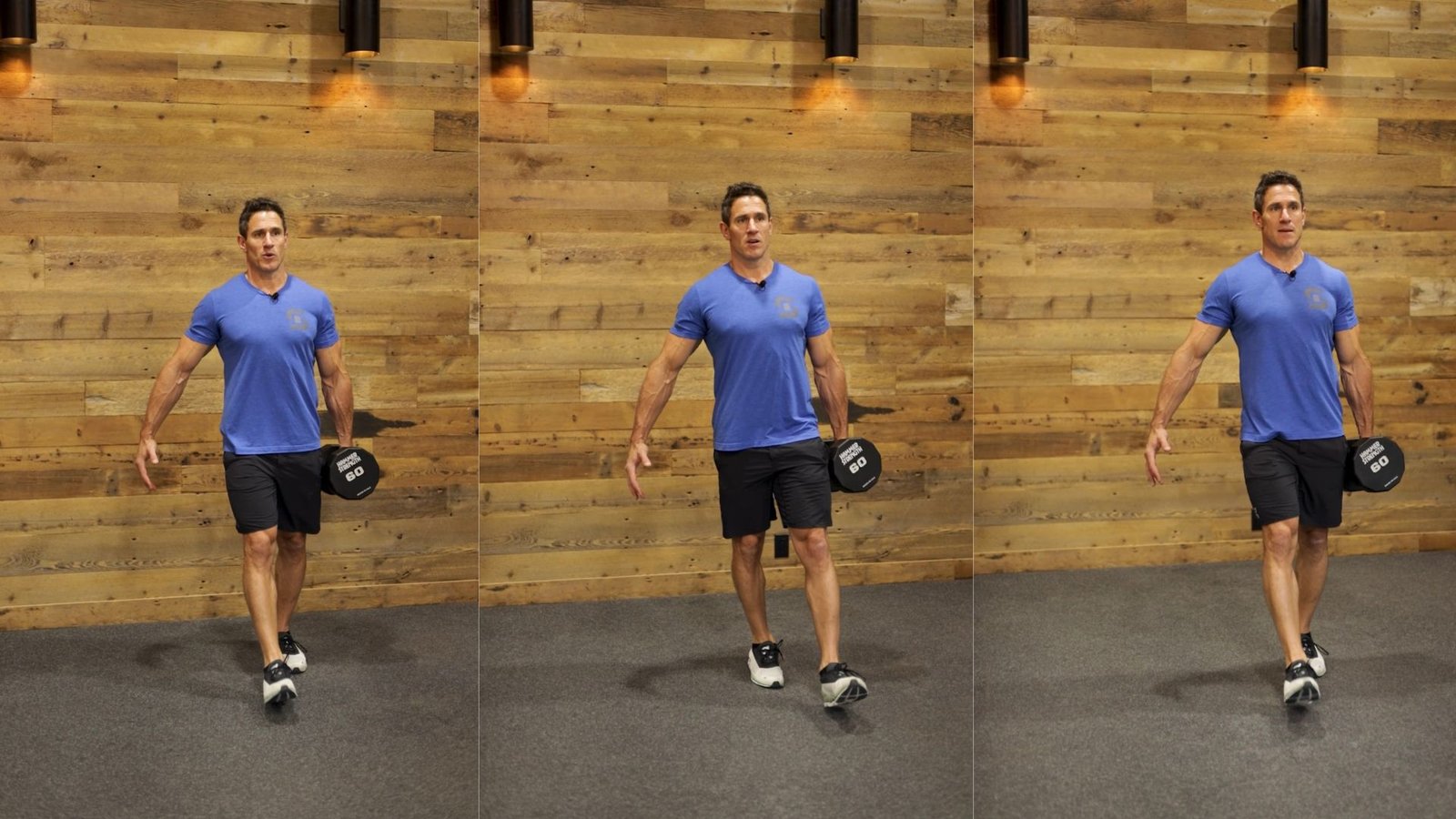
Place carries after your main strength work once or twice per week. Start with three sets of twenty metres using two dumbbells and rest ninety to one hundred twenty seconds between efforts. On a second day, perform two or three suitcase carries of fifteen to twenty metres per side. Leave recovery room around heavy deadlifts, rows and pull-ups.
Week one is about technique. Choose weights that let you finish each set with level shoulders, controlled steps and a little grip capacity in reserve. Record total load, distance and whether the last five metres stayed tidy. Avoid chasing a personal record just because the exercise looks simple.
In week two, keep the same weights and add approximately five metres to each bilateral carry, or one clean set if your space is limited. For suitcase carries, match the weaker side and stop before the torso tilts. If your main lifts suffer, maintain the previous week’s volume rather than forcing progression.
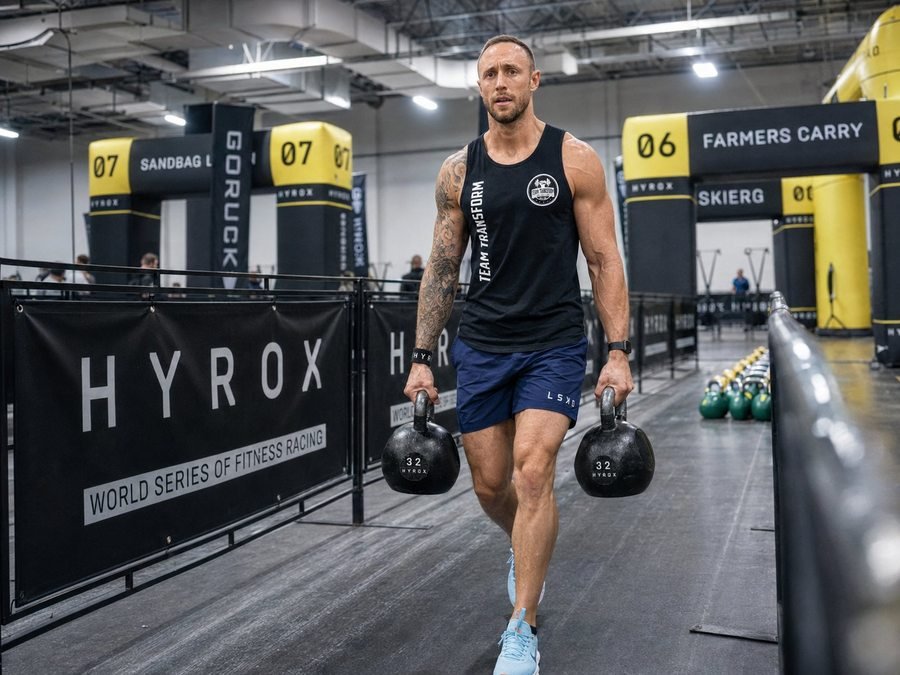
In week three, return to the original distance and raise the load by the smallest practical increment if week two was clean. Grip may fail sooner; that is expected. Rest long enough to preserve technique. Athletes preparing for a fitness race can add a moderate-distance practice set without turning every gym session into a race simulation.
In week four, repeat the heavier load and try to improve total clean distance or consistency. Compare the same implements, lane length, turns and strap choice. Three tidy twenty-five-metre walks are meaningful progress over three tidy twenty-metre walks, even without a heavier dumbbell.
The takeaway is to match the exercise to the goal. Holds train holding, planks challenge a specific abdominal brace, farmer’s carries add walking under load, and suitcase carries challenge one-sided stability. Progress one variable at a time and finish each set while you still control the weight.
Powerlifting Shirts & Lifting Gear
Powerlifting shirts and gym gear for squat, bench and deadlift lifters who live for heavy numbers.

Deadlift Skull Gym Gold Heavy Metal Decal for Powerlift Sticker
Give your everyday gear a playful “Deadlift Skull” twist.

Deadlift Viking Skull Gym Decal for Powerlifters, Norse Sticker
Put “Deadlift” gym humor on your laptop, bottle, or gym gear.

Deadlift Stone Skull Gym Crewneck for Powerlifters, Hea T-Shirt
For laid-back days and deadlift humor: “Deadlift”.

Deadlift PR or ER Horror Gym Shirt , Hardcore Halloween T-Shirt
Bring “Deadlift” humor to your next gym day.

Deadlift Post-Apocalyptic Skull , Hardcore Workout Pull Hoodie
Keep it laid-back with a little “Deadlift” attitude.

Powerlift Deadlifts Powerage Album Parody AC/DC Heavy M Sticker
Put “Powerlift Deadlifts” gym humor on your laptop, bottle, or gym gear.


Meme – Shhh I'm Doing Math Plate Math Weightlifting T-Shirt
Heavy lifts, good laughs, and a little “Shhh I'm Doing Math Plate Math” energy.

Deadlift Electric Skull Graphic , High Voltage Workout Hoodie
Show off your deadlift humor in a laid-back “Deadlift” hoodie.