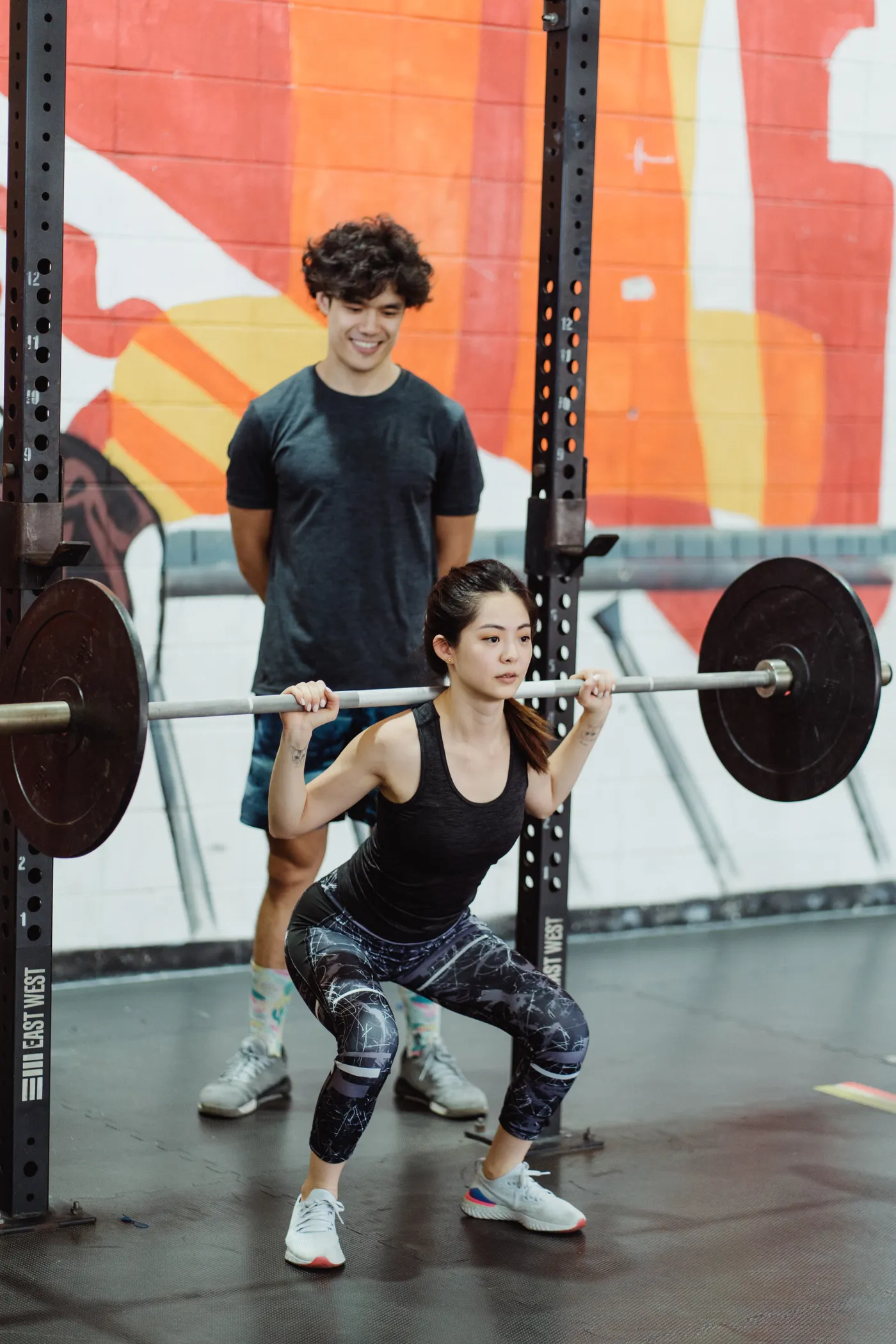
Should athletes spend their final training block grinding through heavy back squats, or switch to lighter, faster jump squats? The answer is less obvious than the usual “strength first, speed later” advice suggests. A 2026 experiment followed 80 athletes for 14 weeks and compared several ways to develop lower-body strength and power. The outcomes did not all move together.
Heavy squat training and a program that finished with jump squats both improved maximum squat strength. Yet their advantages appeared in different performance tests, and neither complete approach was clearly superior across the board. Here is what the results actually show, how to interpret the measurements, and how to plan training without pretending one exercise solves every athletic problem.
1. What the 14-week athlete trial actually compared
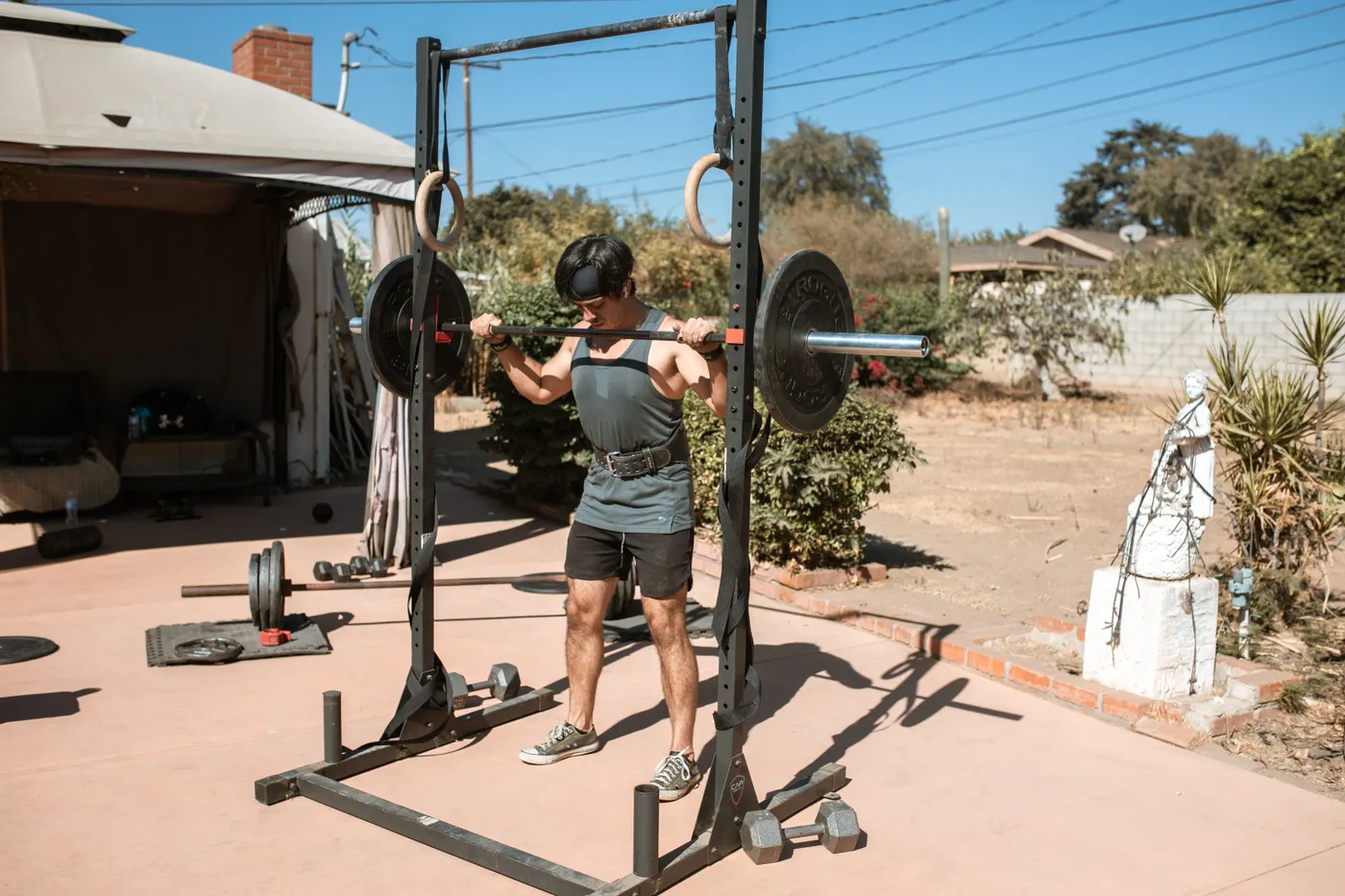
The trial enrolled 80 athletes from different sports: 62 men and 18 women. Participants were matched by their starting vertical jump height before being assigned to four groups. One group followed a block-periodized back-squat strength program. Another used a strength-and-power approach that included jump squats at each athlete’s individually selected optimal power load during the final training block. A third used an isokinetic leg-press program, and a fourth served as a control.
Those details matter. This was not simply one group doing heavy squats every day while another performed random bodyweight jumps. It compared complete 14-week programs with different emphases, and the jump-squat group still performed strength work. “Optimal power load” refers to a resistance at which an athlete produces high mechanical power during the chosen movement; it is not necessarily the heaviest weight that can be lifted, nor the same percentage of one-repetition maximum for everyone.
Before and after training, the investigators assessed squat one-repetition maximum, squat-jump and countermovement-jump performance, drop-jump performance, and power output in loaded jump squats and isokinetic tasks. These are related but different abilities. A person can become better at producing force against a heavy bar without improving every rapid movement by the same amount. Conversely, improving loaded jump power does not automatically guarantee a higher unloaded vertical jump.
2. Heavy squats still delivered meaningful strength gains
Both the back-squat-focused program and the strength-plus-jump-squat program increased absolute and relative squat one-repetition maximum. The control group lost squat strength over the observation period, while the isokinetic group did not show a meaningful change in this specific test. The important practical finding is that dedicated jump-squat work in the final block did not prevent the combined program from improving maximum squat strength.
Only the back-squat-focused group showed a statistically significant increase in vertical jump height within the reported results. That does not mean heavy squats are guaranteed to beat jump squats for every athlete. A significant change inside one group and a nonsignificant change inside another are not, by themselves, proof of a statistically significant difference between those groups. The overall comparison did not establish a clear winner between the complete strength and strength-power programs.
Heavy squats can be valuable because they raise the force ceiling from which faster movements draw. The barbell allows gradual loading and repeatable measurements of progress. For athletes who are relatively weak, building a stronger squat may offer a useful foundation for sprinting, jumping and contact sports. But strength is only one ingredient: technique, coordination, movement speed and the ability to apply force in the short time available also influence sport performance.
3. Jump squats changed the power profile, not every jump score
The combined strength-and-power group showed significant gains in mechanical power during loaded jump squats at 40-80% of squat one-repetition maximum. That is a meaningful, task-specific result: the athletes became better at expressing power against the types of external loads measured in the test. Their reactive-strength performance also improved at drop heights of 20-30 centimeters, an outcome connected with rapidly absorbing and redirecting force.
It would be a mistake to translate those findings into “jump squats build more explosiveness than heavy squats” without qualification. The improvements depended on the test, and the researchers did not find a statistically detectable superiority of one complete program over the other. Power output under load, drop-jump reactive ability and the height of an unloaded countermovement jump are not interchangeable scores. Training one quality can improve another, but the transfer is not guaranteed.
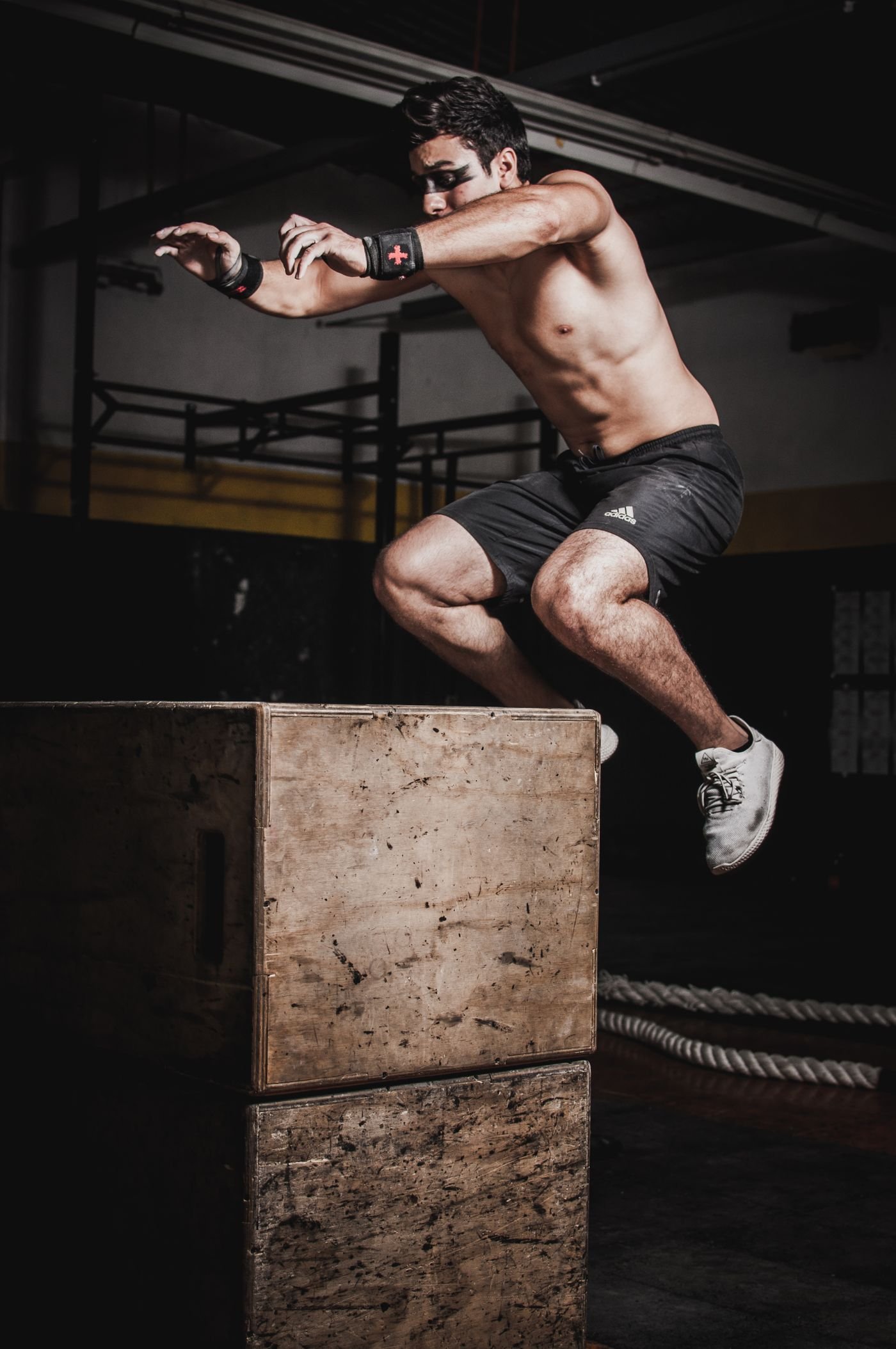
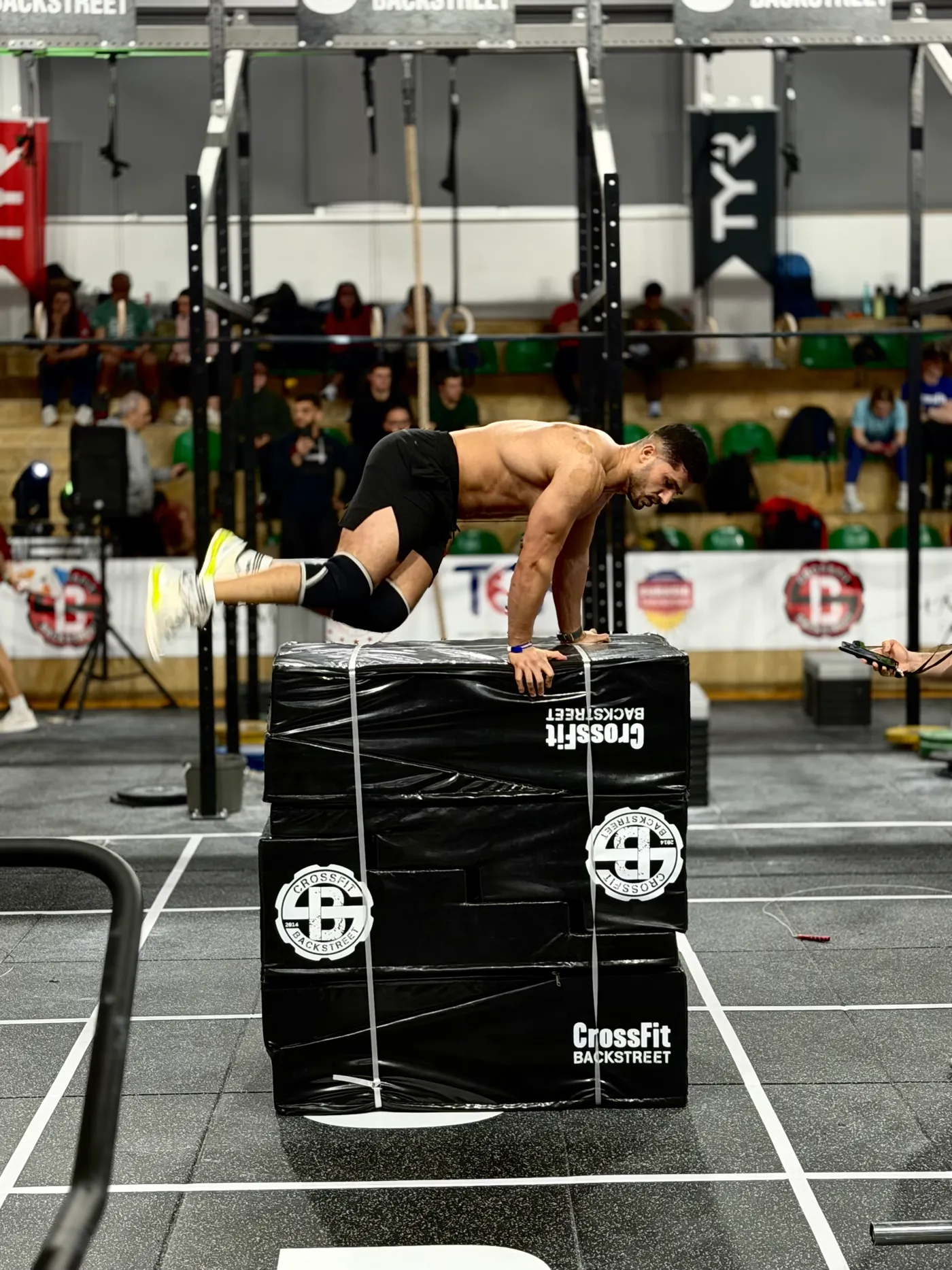
For practical training, jump squats should look fast, controlled and repeatable. They are not a contest to see how much weight can be bounced off the floor. Use a load that allows an aggressive upward drive and safe landing, and end a set when speed or technique visibly deteriorates. Box jumps are another way to practice explosive intent, but they are not identical to loaded jump squats; landing height, takeoff mechanics and external resistance all differ. Choose the drill that actually matches the adaptation you want.

Equipment Worth Exploring
Explore equipment, accessories and gear from our carefully selected range.


Safety Squat Handles
Barbell squat handles that reduce shoulder positioning demands during high-bar squats.

GymPin Squat Wedges
Non-slip 15-degree squat wedges help elevate the heels for deeper quad-focused squats.

Belt Squat Collar
Heavy-duty collar adapter for compatible belt-squat and landmine bar setups.

Squat Harness
Wearable harness for hands-free cable squats, sled work, and lower-body training.


4. Why squat strength, jump height and reactive power can disagree
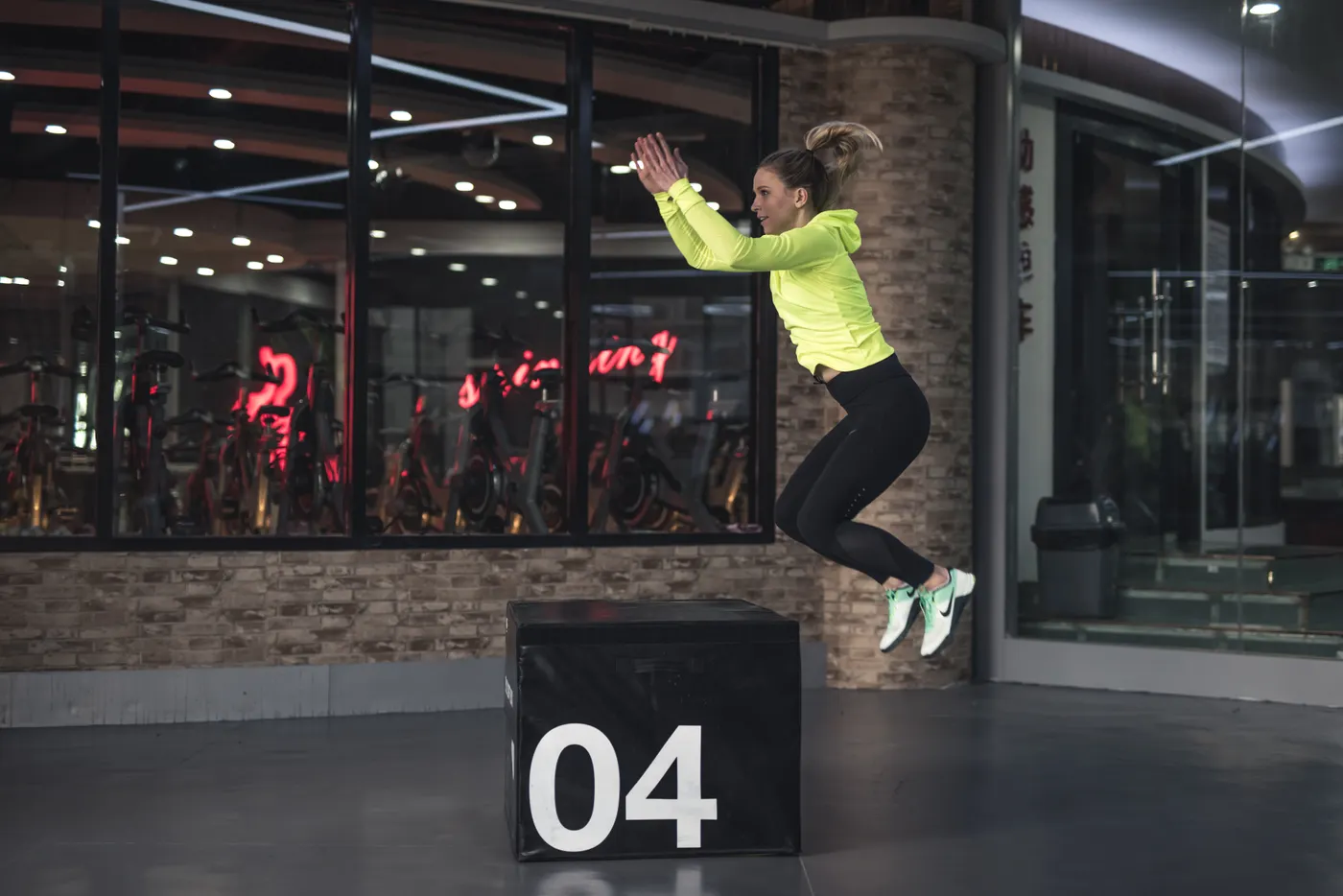
Think of lower-body performance as several overlapping capacities rather than a single number. A heavy squat rewards high force production over a comparatively long effort. A countermovement jump demands a rapid force impulse against body mass. A drop jump places additional emphasis on the transition between landing and takeoff. A loaded jump squat measures power while moving a particular external resistance. Training can improve one without producing an equally large change in the others.
This is also why the force-velocity relationship is useful as a coaching concept but should not be treated as a magic diagnostic. Athletes with similar jump heights may differ in their relative strength, body mass, technique and movement speed. A force-dominant athlete may benefit from more high-velocity work, while someone lacking basic force production may gain more from progressive strength training. But reviews of individually optimized force-velocity programming have not consistently found superior jump improvements compared with sensible non-optimized training.
When you assess progress, choose the test that resembles your goal. A volleyball player might track countermovement-jump height and approach jumps; a sprinter may care more about acceleration splits; a strength athlete should still track the squat itself. Keep testing conditions consistent, including warm-up, footwear, rest and whether you swing your arms. A few centimeters of change can be difficult to interpret when technique or measurement methods also change. Look for repeatable trends, not one spectacular attempt.

Powerlifting Shirts & Lifting Gear
Powerlifting shirts and gym gear for squat, bench and deadlift lifters who live for heavy numbers.


Heavy Metal Deadlift – Gymbro Leg Day & Gains T-Shirt
Make gym days more fun with “Heavy Metal Deadlift” style.

Skeleton Deadlift Powerlifters & Deadlift Lovers Tank Top
Add some deadlift attitude to training with “Skeleton Deadlift”.

Platehead Skull Powerlifters & Weightlifters Meme Top Tank Top
Show some personality between sets with “Platehead”.

Anti Social Lifting Club Powerlifters & Fans Vest Tank Top
Your gym-day look, with a playful “Anti Social Lifting Club” twist.

Praise The Deadlift Holy Lifting Meme & Fans Hoodie
Keep it laid-back with a little “Praise The Deadlift” attitude.

Rainbow Barbell Pride LGBTQ+ Meme Top T-Shirt
Heavy lifts, good laughs, and a little “Rainbow Barbell Pride” energy.

If You'Re Not Scared Skeleton Hooded Meme Jumper Hoodie
Show off your powerlifting humor in a laid-back “If You're Not Scared” hoodie.

Weights Breakfast Pancake Weight Plates Decal Morning Sticker
Stick a little “Weights For Breakfast” humor on your favorite gear.
5. Should you add a dedicated power block?
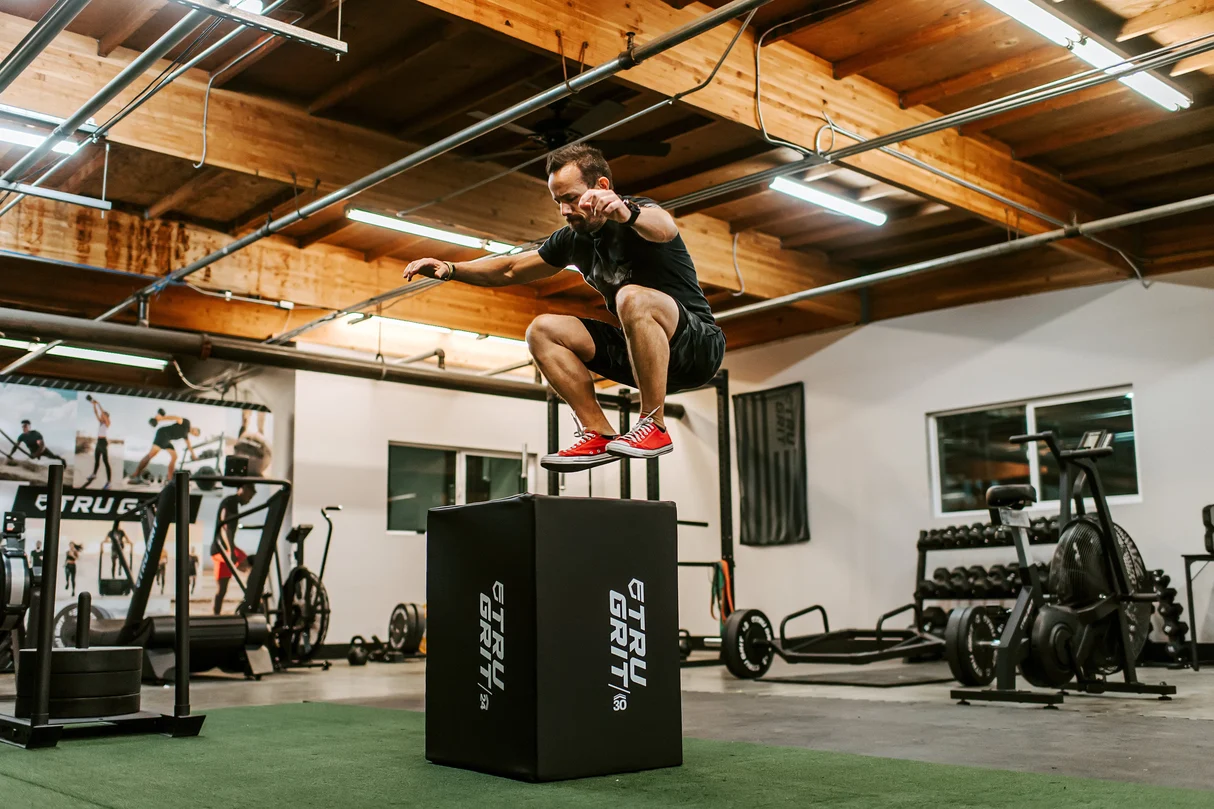
A power-focused phase makes the most sense when rapid force production is an actual performance priority and an athlete already has enough technical skill to execute explosive exercises well. Team-sport players, jumpers and some combat-sport athletes may have clear reasons to include high-velocity squats, jumps or throws. A recreational lifter whose main goal is muscle growth or maximal strength may not need a specialized power block at all, though small doses of jumping can still be enjoyable and useful.
The 2026 comparison offers a caution against overselling periodization labels. Finishing with an optimal-power-load jump-squat block improved selected power outcomes, but the complete program was not conclusively better than a strength-focused approach. Other syntheses of squat, jump and combined training also suggest that multiple sensible methods can improve athletic jumping. That leaves room to select a method based on the sport, athlete, recovery capacity, available equipment and what has been missing from recent training.
Before changing a program, ask three questions. Is maximal strength still clearly limiting performance? Is the athlete already strong but relatively slow at expressing that force? And is the competition or testing date close enough to justify shifting some training toward faster, lower-fatigue work? If the answer is unclear, a simple combination of strength work and modest plyometric volume is often easier to manage than a dramatic all-or-nothing switch. The best phase is the one that addresses a real need without sacrificing practice quality.
6. A practical two-day strength-and-power template
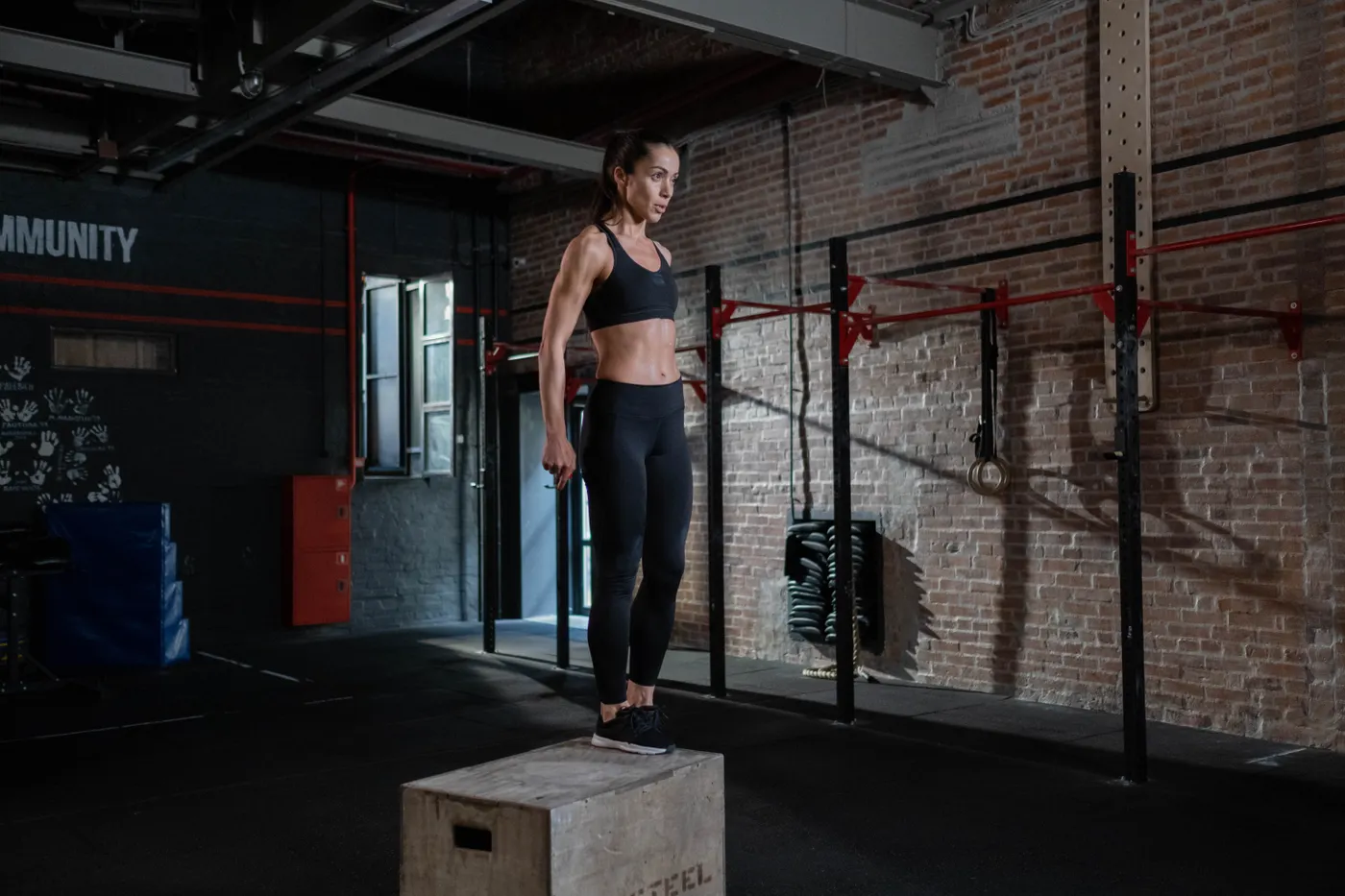
For an athlete with a solid lifting base, two lower-body sessions can cover both force and speed without making every workout maximal. On the first day, begin with a few low-volume jumps while fresh, then perform back squats for three to four challenging sets of three to six controlled repetitions. Follow with a hip-hinge movement, a single-leg exercise and a small amount of trunk work. Keep the last squat repetitions technically clean rather than chasing failure.
On the second day, prioritize explosive quality. After a progressive warm-up, perform three to five sets of two to four jump squats or unloaded jumps, resting long enough to preserve takeoff speed. If you do not have a safe setup for loaded jump squats, use box jumps, countermovement jumps or a coached alternative rather than improvising with a heavy barbell. Add a moderate strength exercise such as split squats or a trap-bar lift, then finish with limited accessory work. A beginner should start with fewer jumps and learn to land quietly before adding intensity.
Progress the two qualities separately. Increase squat loading when technique and prescribed repetitions are repeatable; progress jump training by improving speed, landing control or consistent height before adding volume. Avoid placing your hardest jump session immediately after a fatiguing lower-body workout or before an important sport practice. If performance falls sharply across sets, stop the explosive work and save it for a fresher day. These are illustrative programming ranges, not the exact protocol used in the 2026 experiment.
Equipment Worth Exploring
Explore equipment, accessories and gear from our carefully selected range.

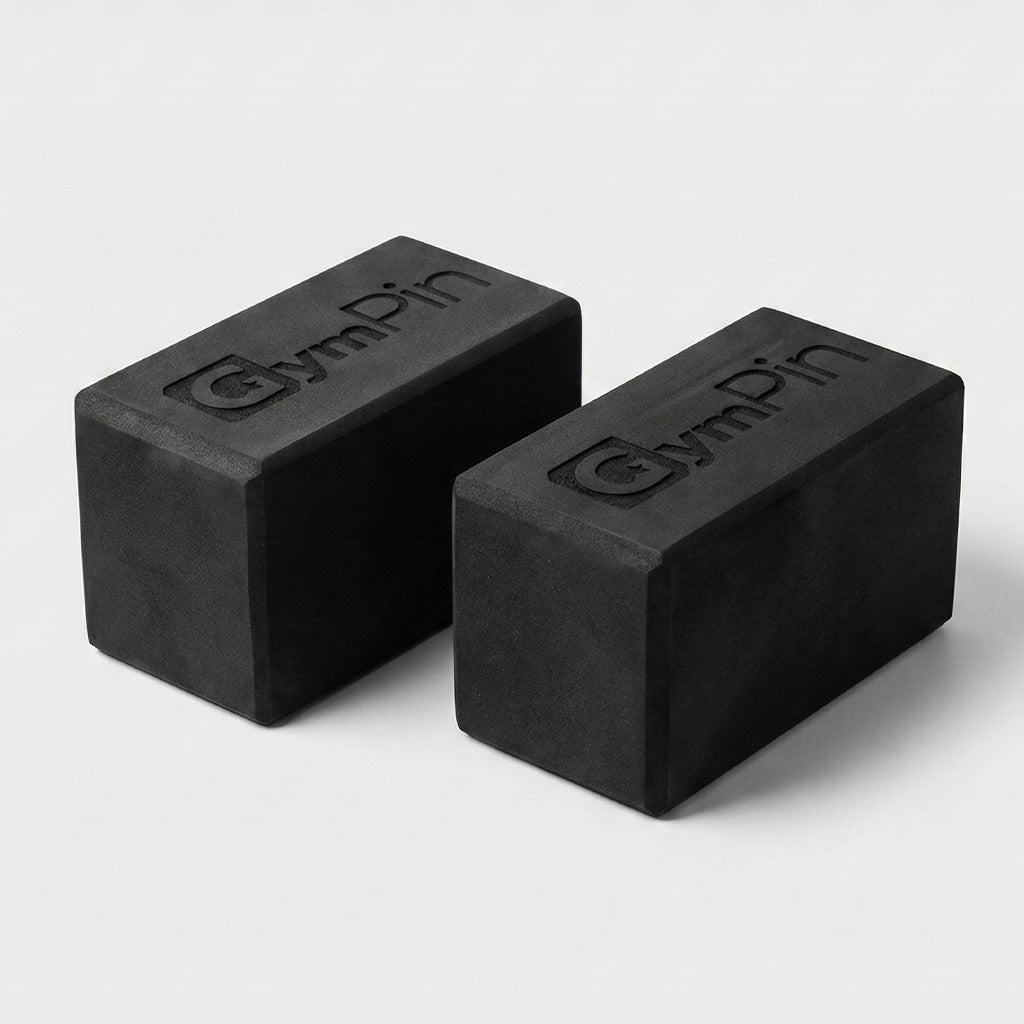
GymPin Starting Blocks
Portable high-density foam blocks for adjusting machine starting positions and range of motion.


VOLTRA
Compact digital cable trainer with smooth, adjustable resistance.

Go-Tone Pro
Portable digital cable trainer with up to 66 lb (30 kg) of adjustable resistance.


FID Bench MAX
Adjustable bench offering flat, incline, and decline positions + adjustable headrest.
7. What the results mean for your next training block
The clearest lesson is not that jump squats beat heavy squats or that heavy squats make power training unnecessary. In this 14-week comparison, both the strength-focused and combined programs improved maximum squat strength. The strength group improved vertical jump height in the reported within-group analysis, while the combined group improved loaded jump-squat power and selected reactive-strength outcomes. Across the complete programs, no statistically clear overall superiority was established.
Keep the study’s boundaries in view. The sample mixed athletes from several sports and included more men than women. The intervention lasted 14 weeks, not multiple competitive seasons. The jump-squat group changed emphasis during its final block, so the results do not isolate the effect of one exercise performed on its own. Some results are specific to test loads or drop heights. Without complete individual response data, it would be overconfident to promise the same pattern to every athlete, age group or training level.
For most lifters, the practical choice is straightforward: build enough strength, practice moving quickly when speed matters, and measure the outcome you care about. If a block of heavier squats keeps raising your jump, there is no need to abandon it just because an explosive phase sounds more advanced. If squat strength rises but sport-specific speed stagnates, a carefully dosed power emphasis may be worth testing. Give the plan several weeks, track both strength and jump quality, and adjust based on evidence from your own training rather than a single headline.
Leg Day Shirts & Workout Gear
Leg-day gym shirts and workout gear for lifters who never skip squats, lunges and lower-body punishment.

Thicc Butt Energy Leg Day & Squat Lovers Meme Vest Tank Top
Train hard, laugh a little, and rep “Thicc Butt Energy”.

Let It Grow Booty Building Leg Day & Squat Tank Top
Bring “Let It Grow” humor to your next lifting session.


Bunny Cutie With A Booty Sweater Squats Meme T-Shirt
Add a playful “Gym Bunny” touch to your casual rotation.

Invisible Booty To Visible Booty Squats & Leg Day Hoodie
Make your off-duty look more fun with “Invisible Booty To Visible Booty”.

Skip Leg Day Meme Leg Day No Thanks Deadlifts Hoodie
Show off your leg-day humor in a laid-back “Skip Leg Day” hoodie.


Fantastic Booty Leg Day Decal Water Bottles & Sticker
Stick a little “Fantastic Booty” humor on your favorite gear.

Dadlift Dad Decal Water Bottles & Gear Meme Sticker
Bring “Dadlift” attitude to your water bottle or laptop.

Booty Building Mode Leg Day & Squat Gains Tank Top
Bring “Booty Building Mode” humor to your next lifting session.