Could a controlled squeeze help cardiovascular health? A randomized trial published in October 2026 gives a more interesting answer than a viral grip challenge. Four weeks of supervised isometric handgrip work was associated with modestly lower blood pressure while participants were awake. Yet average 24-hour and nighttime readings did not clearly improve. The difference matters: a grip accessory is not a proven blood-pressure treatment, and strength in the hands is not the same outcome as a healthy cardiovascular system.
Inside the 67-Person, Four-Week Experiment
The trial enrolled 67 adults aged 40 to 70 with diagnosed, medically controlled hypertension. Their average age was about 56. Everyone was taking prescribed antihypertensive medication. Participants were allocated to three groups: 22 performed handgrip training, 23 completed seated isometric knee extensions and 22 attended a control condition without exercise. The active groups trained three times a week for four weeks, for 12 supervised sessions in total.
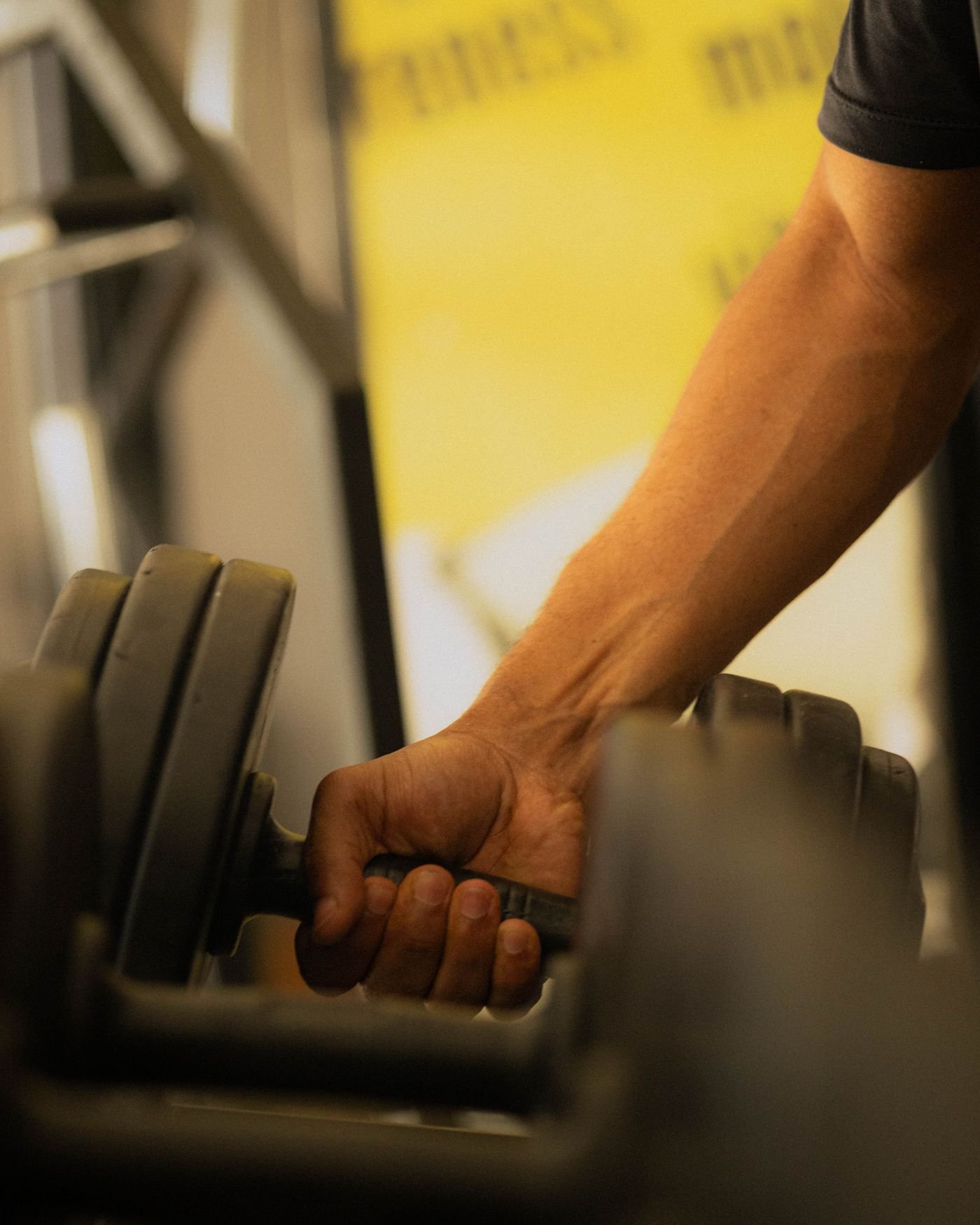
The handgrip participants performed four two-minute contractions each session, alternating arms. They aimed for 30 percent of their own measured maximum voluntary grip force and rested for one minute between sets. The knee-extension group used the same relative effort and work-rest structure while holding a leg-extension position. Control participants sat quietly during matched visits. This was not an ordinary comparison of lifting heavy weights versus squeezing a spring gripper.
Both exercises were isometric: the muscles generated force without a large visible joint movement. Researchers measured the force targets, supervised technique and asked participants to maintain their usual routines and medication schedules. Those details make the intervention much more precise than a casual recommendation to squeeze anything as hard as possible.
Selection also matters. The study excluded people with several serious cardiovascular or metabolic conditions and those with injuries preventing the exercises. It did not establish safety or effectiveness in people with uncontrolled hypertension, recent heart events, or healthy younger lifters. Results from this supervised population should not be generalized automatically to everyone training at home.
The Daytime Result Was Modest, Not Universal
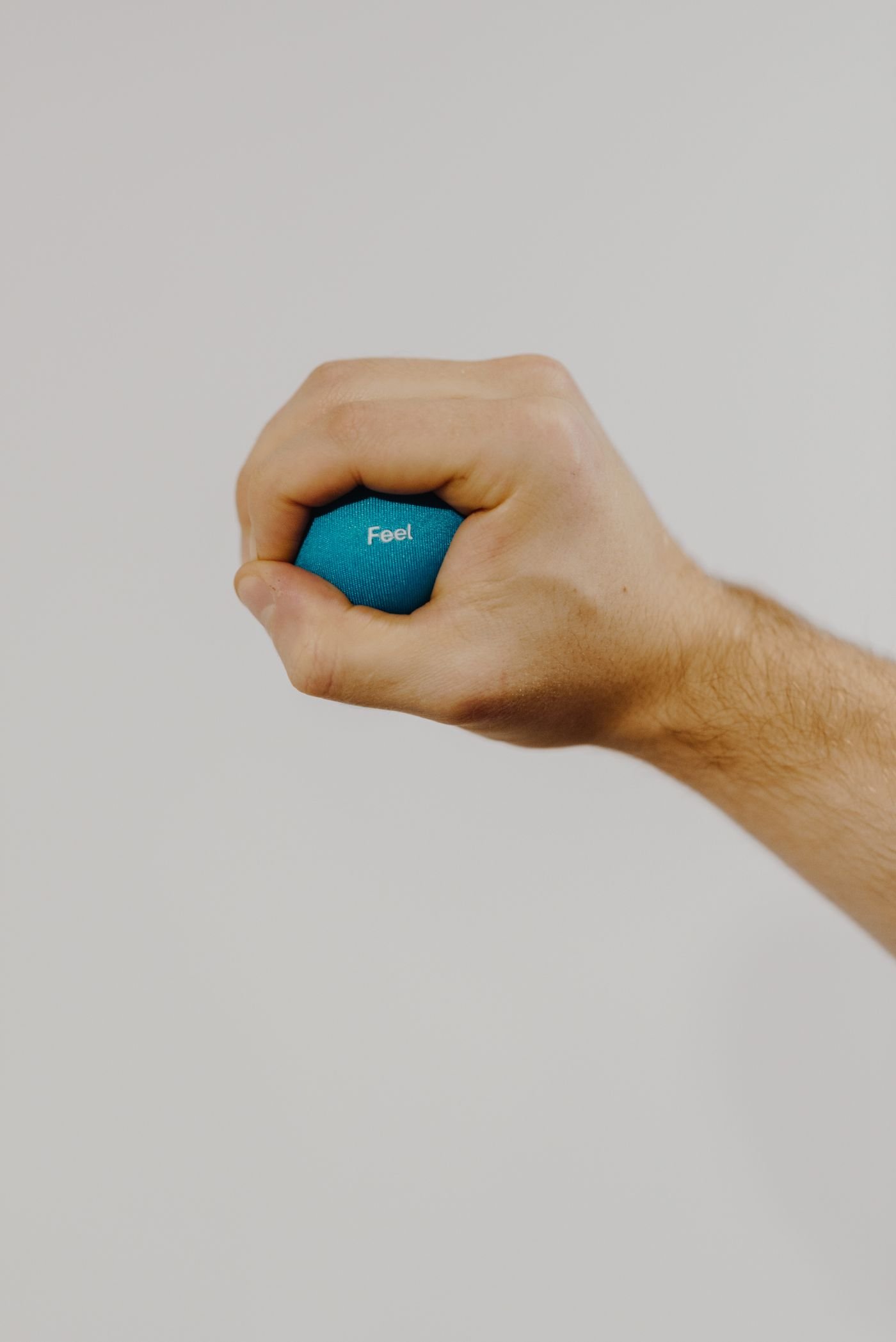
After four weeks, the handgrip group had lower adjusted awake ambulatory blood pressure than the control group. Systolic pressure averaged 121.8 mmHg in the handgrip group versus 124.2 in controls. Diastolic pressure averaged 76.3 versus 80.8 mmHg. These differences, approximately 2.4 and 4.5 mmHg, respectively, were statistically significant after adjustment for baseline clinic pressure.
These are post-intervention comparisons between different groups, not before-and-after reductions measured in the same participants. The study cannot show that one person’s systolic pressure fell from 124.2 to 121.8. That is an important distinction when a small difference is turned into a dramatic headline.
Average 24-hour pressure and sleeping pressure did not differ significantly between the groups. The knee-extension group did not show a clear significant advantage over controls on the main awake measures. Nor was the direct difference between handgrip and knee-extension groups statistically significant. The evidence therefore does not prove that training the smaller hand muscles is superior to using larger leg muscles.
Investigators reported no adverse events in the supervised program. That is reassuring within the tested population, but it does not guarantee that sustained contractions are safe for everyone. The experiment lasted four weeks and did not test stroke prevention, heart attack rates, long-term medication changes or the persistence of any effect after training stopped.
The most accurate conclusion is narrow: measured handgrip holds produced a modest favorable adjusted daytime comparison in this sample, while several other important blood-pressure outcomes remained inconclusive. That is useful evidence without being a cure.
Equipment Worth Exploring
Explore equipment, accessories and gear from our carefully selected range.
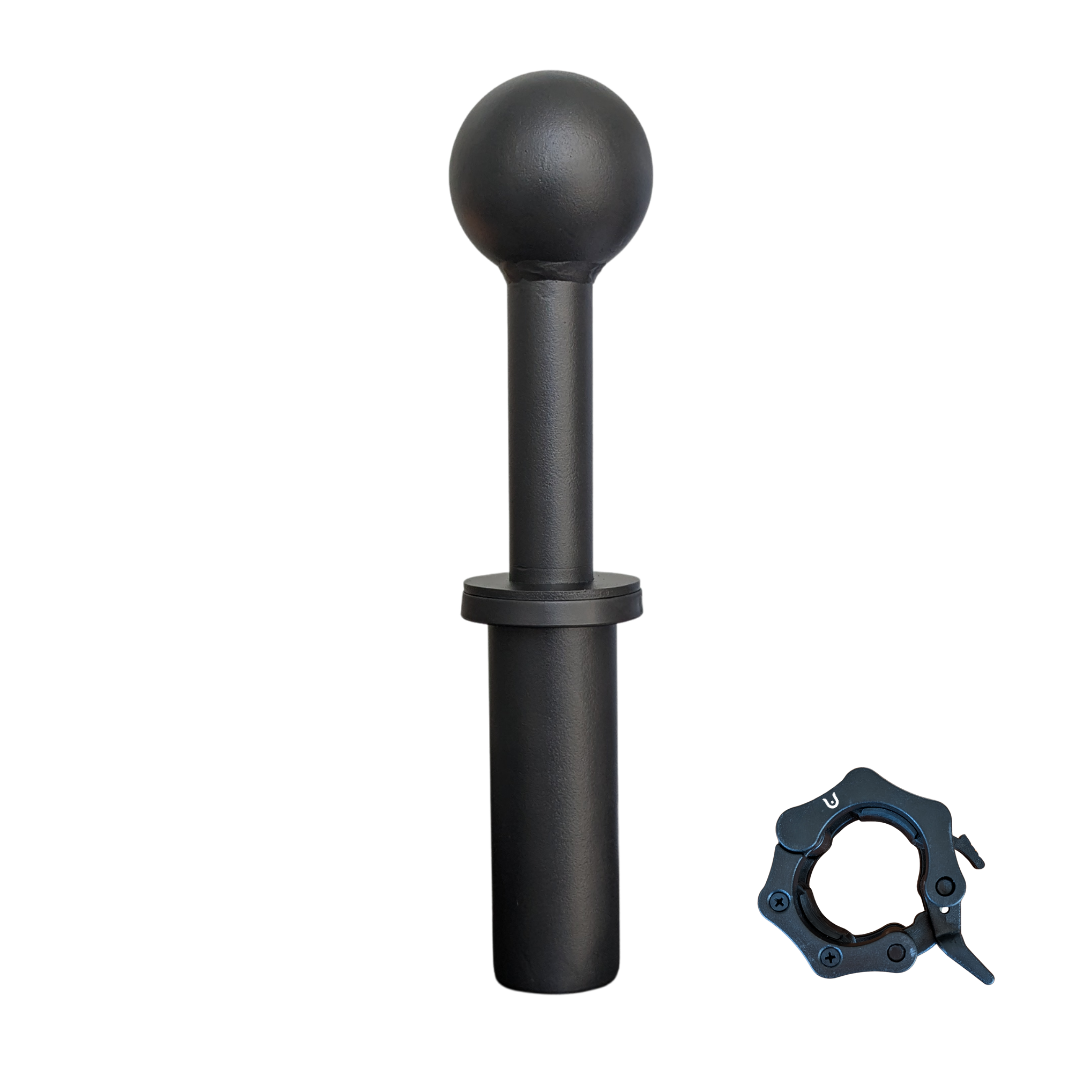


Leather Wrist Grips
Padded leather lifting grips help support the hands and wrists on heavy pulling exercises.

GymPin Ergo Handles
Pair of ergonomic cable handles shaped for comfortable triceps and pulling exercises.
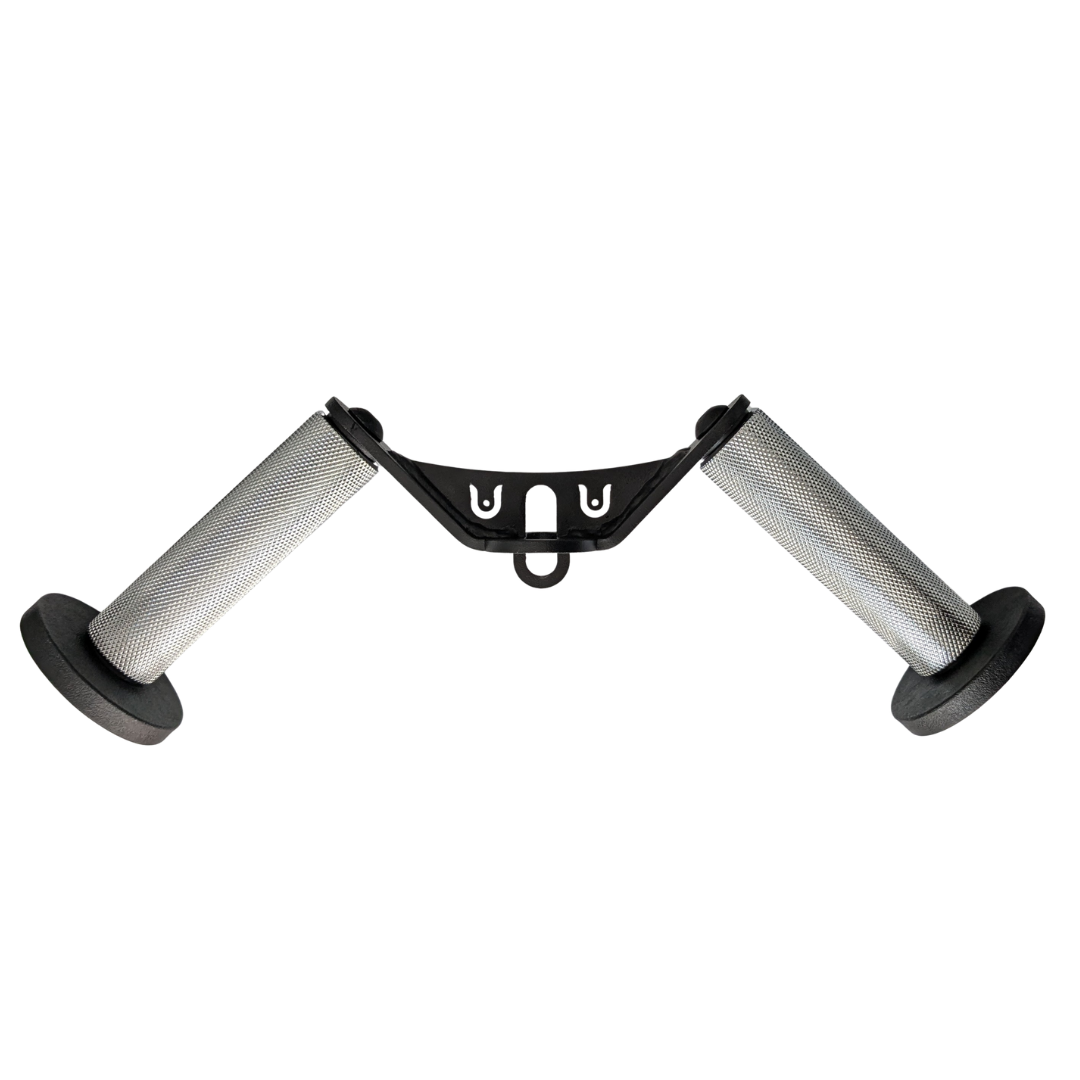
W Grip
Angled cable grip for comfortable rows, pushdowns, and curls.
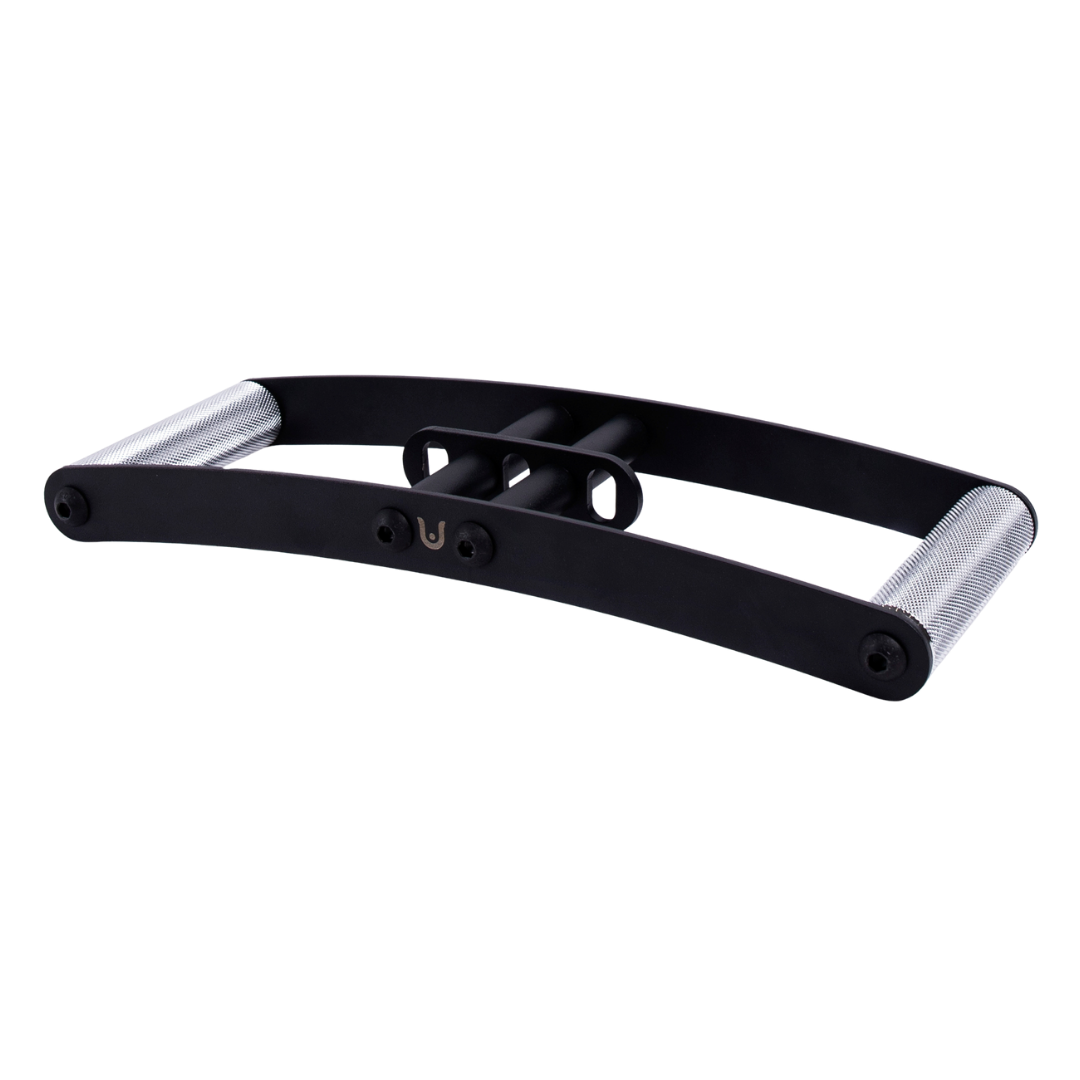
Horizon Grip
Ergonomic V-style cable grip for rows and back training.

Angles 90 Grips
Flexible grip attachments that allow natural wrist movement during pulling exercises.


Why More Muscle Does Not Automatically Mean More Benefit
The trial compared a relatively small hand-muscle contraction with a larger knee-extension contraction. It tested the intuitive idea that involving more muscle should create a bigger chronic blood-pressure effect. Yet the cardiovascular response to a sustained hold depends on more than the amount of muscle visibly working. Relative force, duration, local circulation, breathing and nervous-system regulation can all influence the response.
During a sustained contraction, tension can partially compress blood vessels within the working muscle. The body responds through changes in circulation and cardiovascular control. Researchers have proposed vascular and autonomic adaptations after repeated isometric exercise. These mechanisms remain hypotheses for explaining long-term pressure changes, not evidence that any particular handle improves heart health.
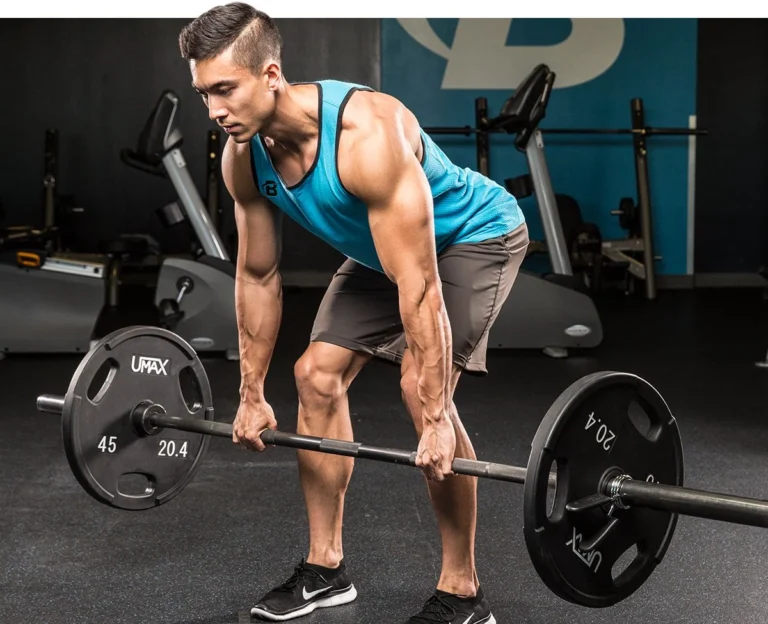
A heavy farmer carry, deadlift or cable row also demands a firm grip. But those movements use different loads, durations, muscle groups and breathing patterns. They can improve general strength and carrying ability, yet the clinical handgrip findings cannot simply be transferred to maximal barbell holds. A hard set of deadlifts is not a substitute for a calibrated submaximal protocol.
Grip-strength testing is a separate concept. A dynamometer can measure maximum squeezing force as a marker of physical function. Observational associations between stronger grips and better health do not establish that increasing grip strength directly prevents disease. The relationship can also reflect general activity, body composition and existing health.
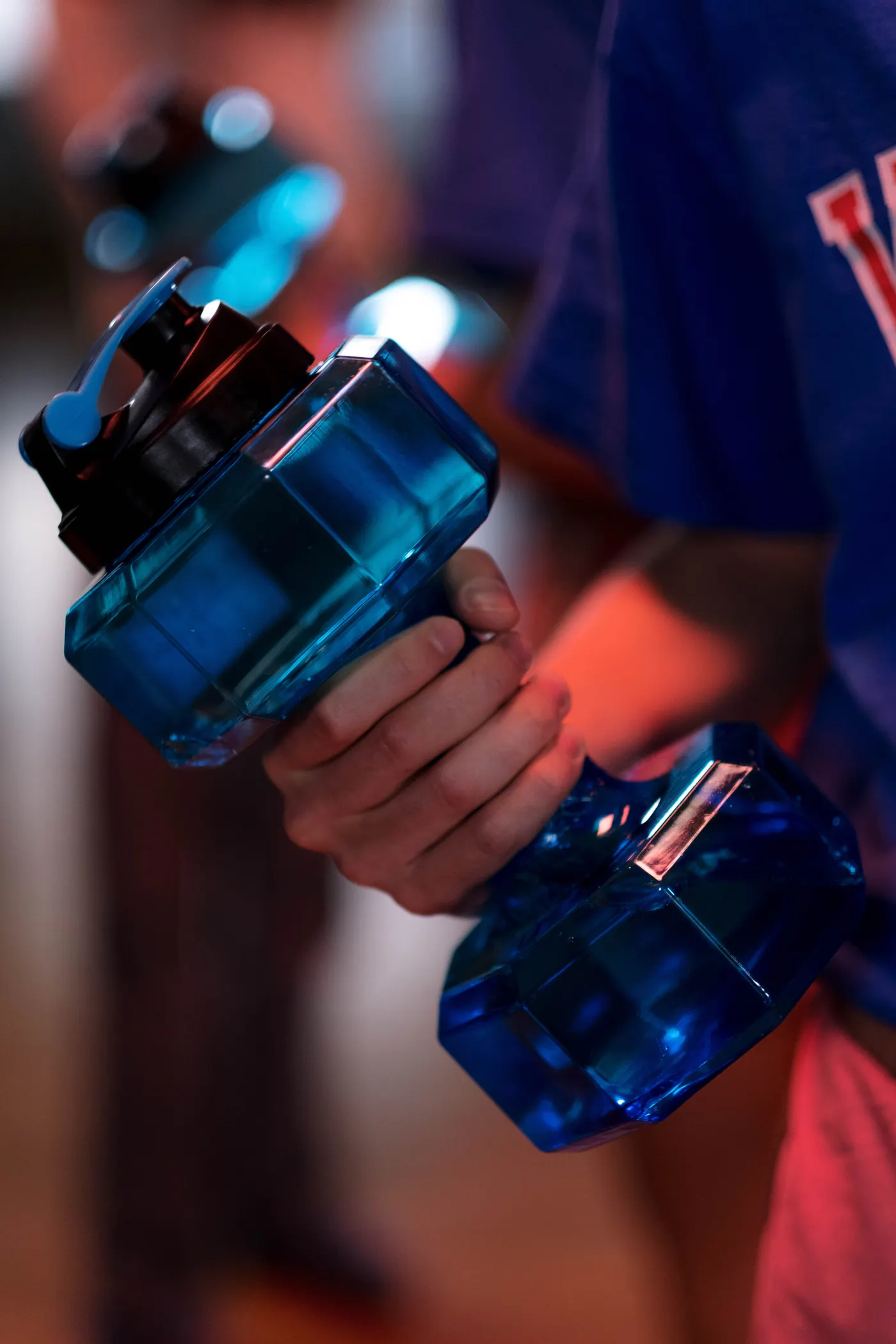
For compact-home-gym owners, thick-bar grips, dumbbells, cable handles and kettlebells have legitimate uses. They can build forearm strength or make other exercises more comfortable. They are not medical devices validated to reproduce a measured 30-percent maximum voluntary contraction. Buy and use training equipment for the performance outcome it actually provides.

Funny Gym Shirts & Workout Gear
Funny gym shirts, tanks, hoodies and workout gear for lifters who like training hard.

Grip Training Get A Grip Hoodie
Show off your lifting humor in a laid-back “Grip Training” hoodie.

Grip Day Legacy Gymbro & Decal Sticker
Give your everyday gear a playful “Grip Day Legacy” twist.

Shirt – Weightplate Heartbeat Bros & Meme Lovers T-Shirt
Make gym days more fun with “Weightplate Heartbeat” style.

I Love Gym Bicep Heart | Bodybuilding Meme Pullover For Hoodie
Bring “I Love Gym Bicep Heart” gym humor to lazy days and post-workout plans.

Swole Heart I Love Gym Funny Workout | Gym Lover Pullov T-Shirt
Keep things casual with a little “Swole Heart I Love Gym” attitude.

Meme : Pink Heart Shaped Metal Weight Plate & Gymbros T-Shirt
Rep “: Pink Heart Shaped Metal Weight Plate” humor in and out of the gym.

I Love Deadlifts Gym | Funny Heart Plate Hooded for Dea Hoodie
Keep it laid-back with a little “I Love Deadlifts” attitude.

Barbell Heartbeat Crewneck Pullover Sweater for Powerli T-Shirt
Keep things casual with a little “Barbell Heartbeat” attitude.


Grip Strength Fanatic Meme Hoodie
Show off your lifting humor in a laid-back “Grip Strength Fanatic” hoodie.
The Missing Ambulatory Baseline Changes the Interpretation
The study’s most important limitation is easy to miss: it did not obtain baseline 24-hour ambulatory blood-pressure measurements from the final participants. The researchers initially planned that assessment, but several early volunteers withdrew after the monitoring procedure. To reduce burden and retain participants, the protocol was changed to measure ambulatory pressure only after the four-week intervention.
Researchers did measure baseline clinic blood pressure and included it as a covariate when comparing post-training groups. Statistical adjustment is useful, but clinic and ambulatory pressure are not interchangeable. Someone can have different readings in a medical office, at home, during work and during sleep. Without a baseline ambulatory profile, it is harder to rule out pre-existing group differences in the very outcome used for the headline result.
The sample was relatively small and the intervention brief. Participants knew whether they were exercising, and the analysis focused on people who completed the assigned protocol. Some baseline characteristics, including habitual activity and body size, differed between groups. These factors do not invalidate the experiment, but they reduce confidence in strong causal claims.
Other research gives context rather than a simple verdict. A 2026 synthesis of 31 handgrip studies involving 905 participants estimated reductions in resting clinic systolic and diastolic pressure. However, variation across studies was high, meaning protocols and populations did not respond uniformly. A separate analysis focused on 24-hour ambulatory measurements did not find a clear overall isometric-training effect. Both findings can coexist because resting clinic, awake ambulatory and complete daily averages are different endpoints.
The next useful trial would measure ambulatory pressure before and after training, include more participants, follow them longer, verify medication stability and test realistic home equipment. Until that happens, the signal is promising but not settled.
What a Calibrated Handgrip Session Actually Involves
For reference, the supervised protocol consisted of four two-minute unilateral holds at 30 percent of measured maximum voluntary contraction, alternating hands, with one minute of rest between sets, three times per week for four weeks. That describes a research intervention, not an individualized prescription for people with high blood pressure.
Maximum voluntary contraction is the strongest brief squeeze recorded under standardized conditions. A target of 30 percent means maintaining a controlled fraction of that measured force. A spring-loaded gripper with a resistance number on its packaging cannot reliably tell you whether you are working at 30 percent of your personal maximum. Handle size, force curve and hand position also affect the reading.
People with hypertension, cardiovascular disease, medication-related symptoms or uncertainty about exercise restrictions should consult their healthcare professional before attempting sustained isometric holds. Some may need supervision, a lower effort or a different form of activity. Breathe normally throughout any hold. Avoid breath-holding and prolonged straining. Stop for chest discomfort, dizziness, unusual breathlessness, severe headache or other concerning symptoms.
If your goal is ordinary grip strength rather than blood-pressure management, the approach can be simpler. Start with light controlled holds, comfortable carries or rows, and progress gradually. Keep the wrist aligned and stop before technique collapses. Increase time or load one variable at a time. Forearm or finger pain is a reason to reduce the effort, not proof that the workout is effective.
A soft therapy ball can support gentle hand movement but is not a calibrated dynamometer. Lifting straps can help when the grip limits back training, yet they do not replace dedicated grip practice. The safest and most productive approach begins by naming the goal precisely: clinical cardiovascular intervention, rehabilitation, general grip endurance or maximal lifting strength.
Equipment Worth Exploring
Explore equipment, accessories and gear from our carefully selected range.


VOLTRA
Compact digital cable trainer with smooth, adjustable resistance.

Go-Tone Pro
Portable digital cable trainer with up to 66 lb (30 kg) of adjustable resistance.
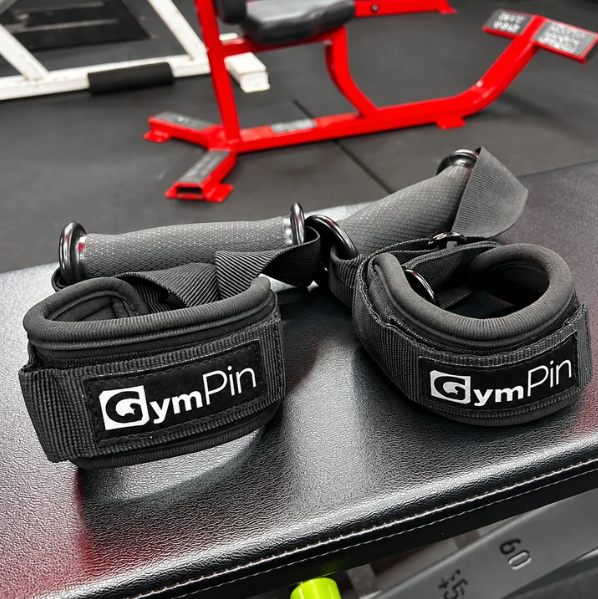
GymPin D Cuffs
Adjustable wrist cuffs with textured grips for supported cable-machine exercises.


FID Bench MAX
Adjustable bench offering flat, incline, and decline positions + adjustable headrest.
Measure Blood Pressure Correctly Before Judging Progress
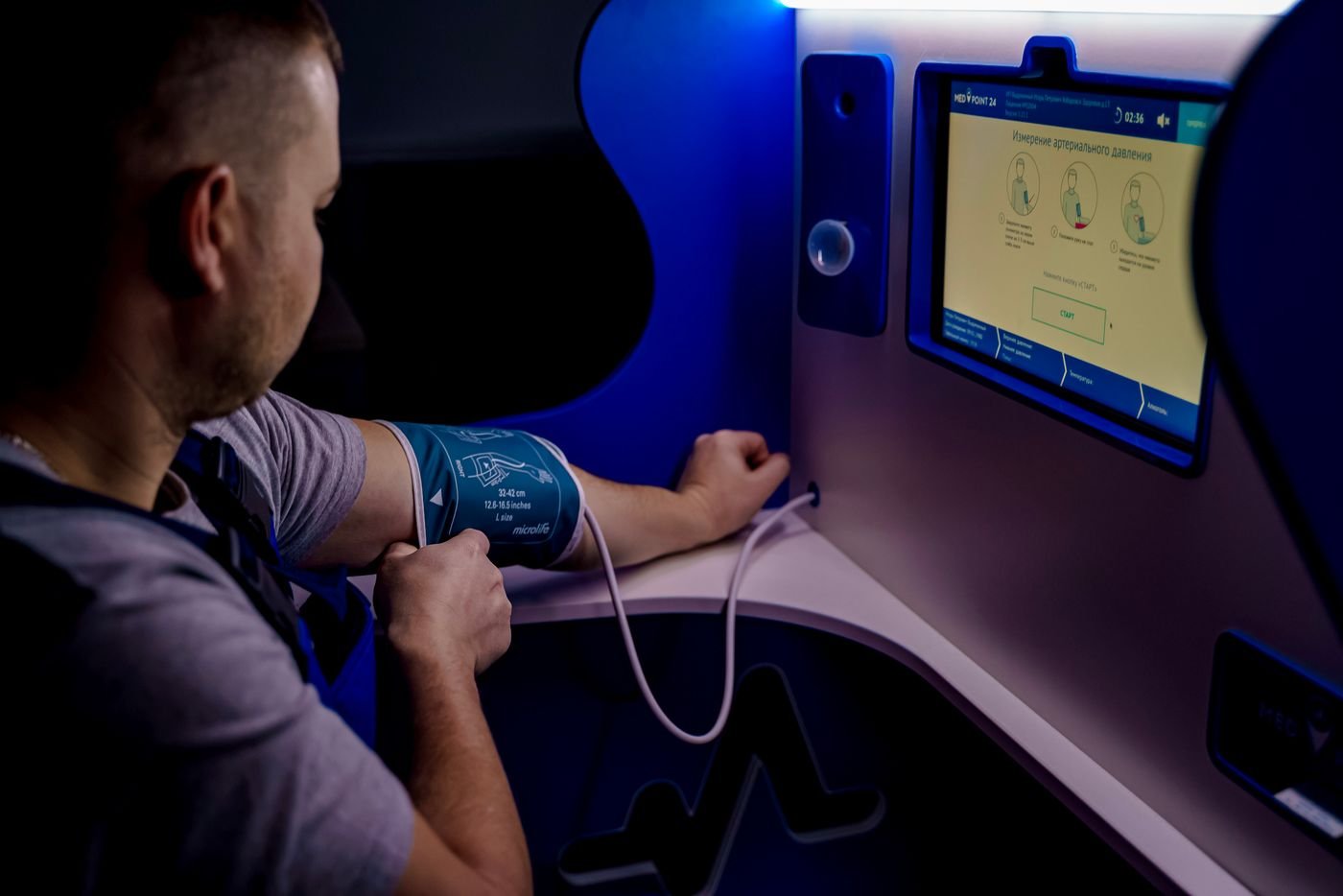
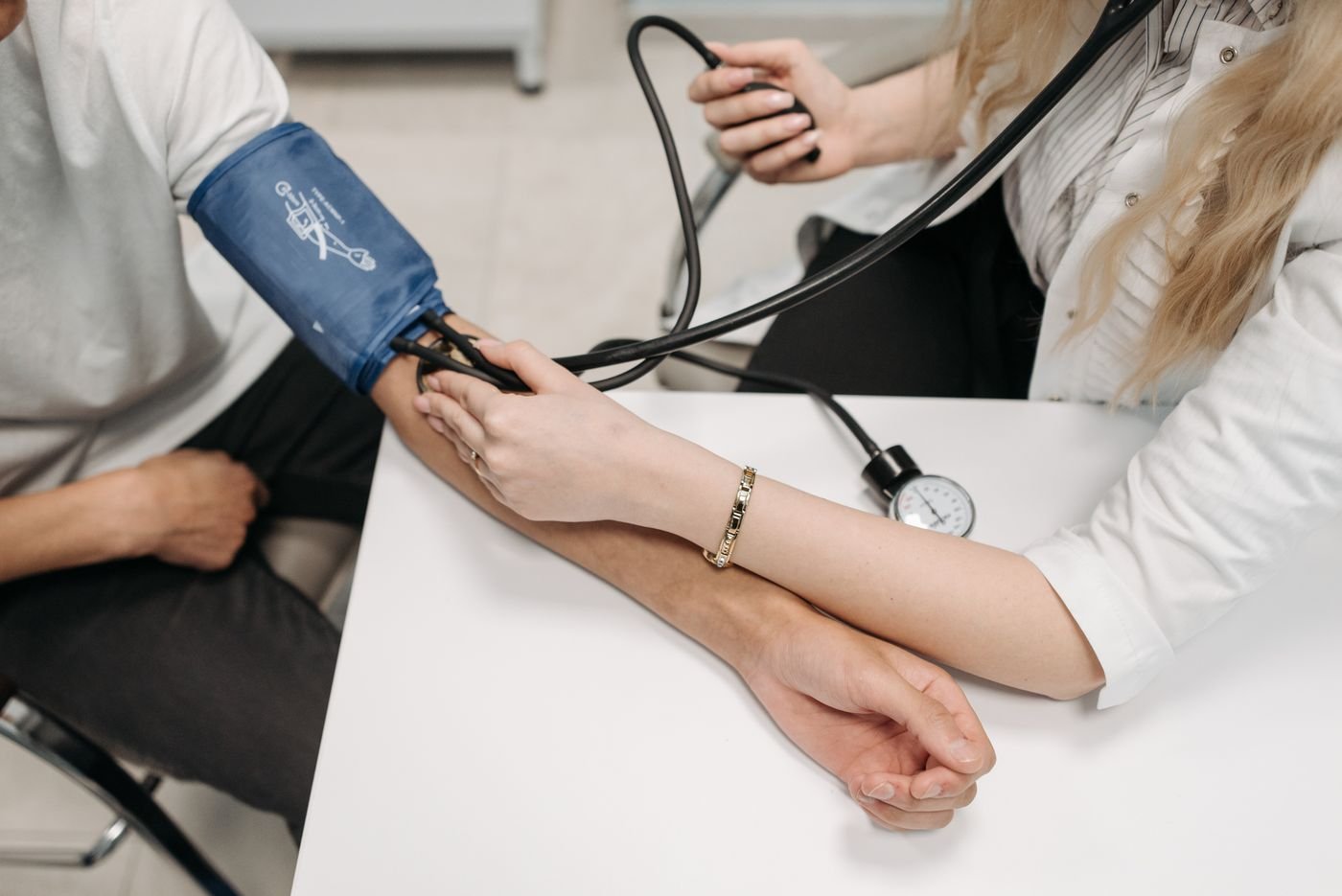
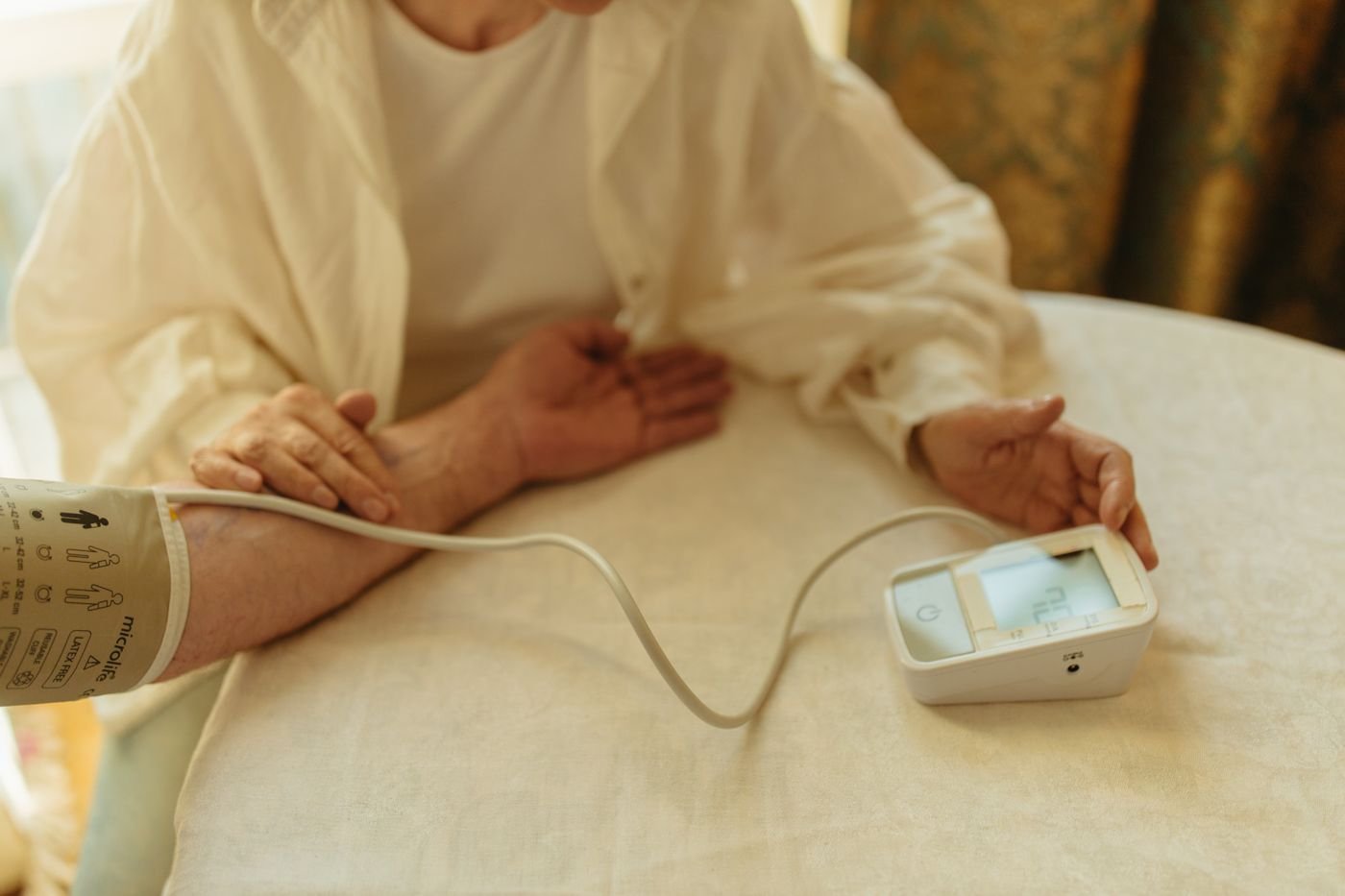
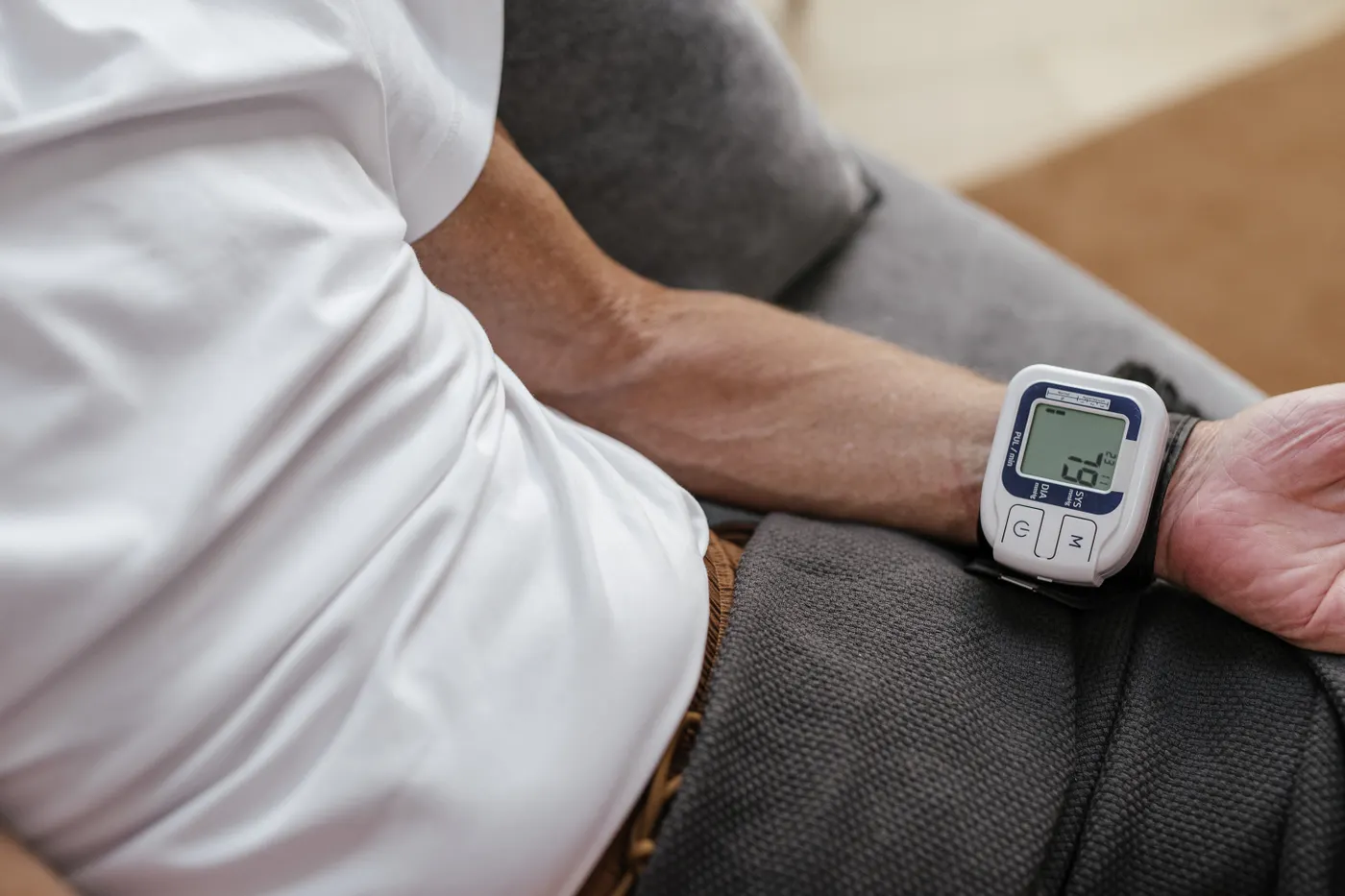
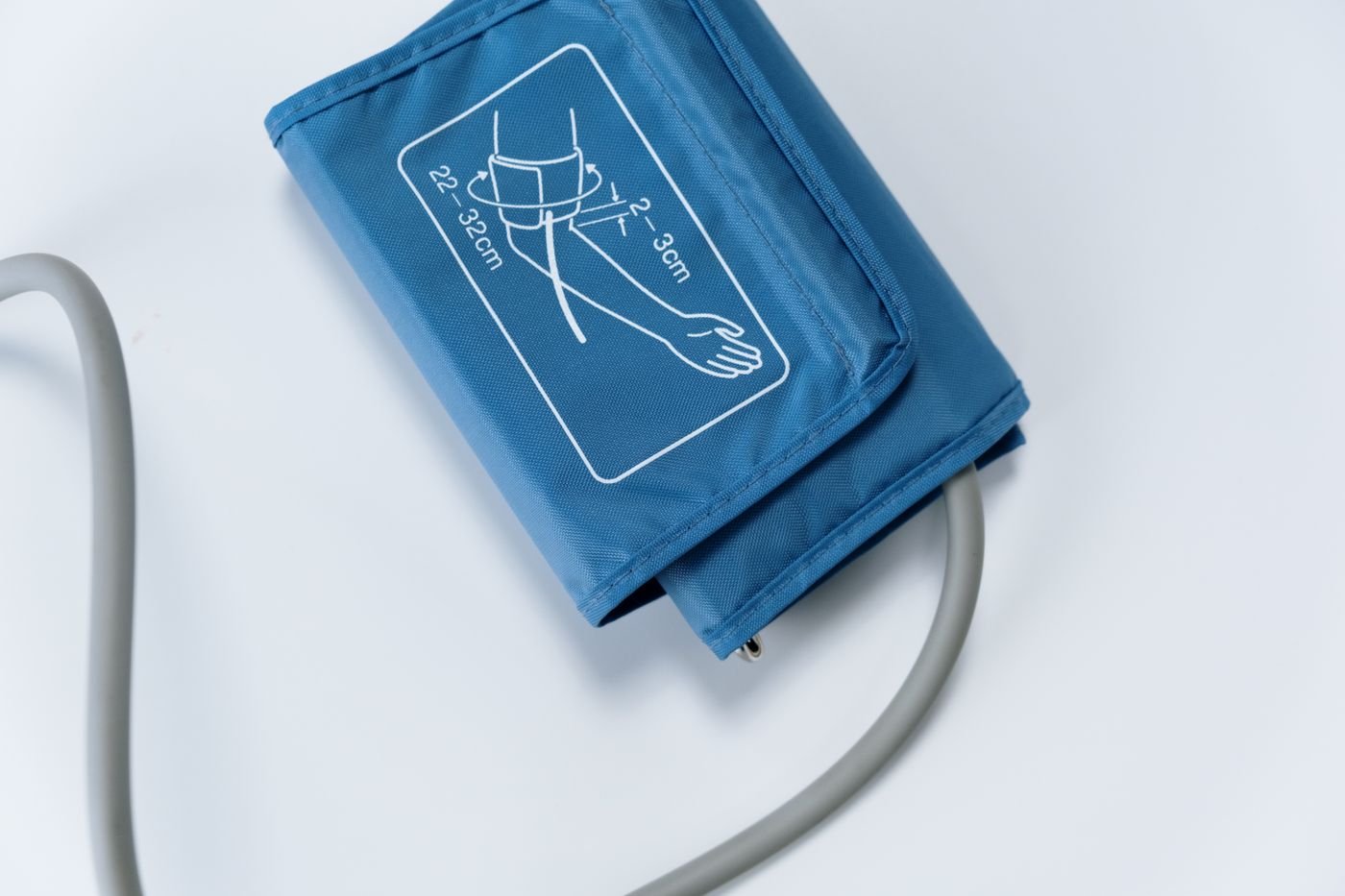
A reading immediately after exercise tells you little about long-term adaptation. Movement temporarily alters circulation and pressure. If your clinician recommends home monitoring, use a validated automatic upper-arm cuff with a suitable cuff size and follow a repeatable routine. Wrist and finger monitors are generally less reliable unless special circumstances require them and the technique has been checked.
Avoid exercise, caffeine and smoking for at least 30 minutes before measurement. Empty your bladder, then sit quietly for five minutes with your back supported, feet flat, legs uncrossed and arm resting at heart level. Place the cuff on bare skin, remain silent and take two readings approximately one minute apart. Record both rather than selecting the lowest value.
Measure at a consistent time of day and follow professional advice about medication timing and how often to check. A useful log records date, time, systolic and diastolic values, and unusual circumstances such as poor sleep, illness or a missed dose. A single reading can be misleading. Repeated readings under comparable conditions provide a more useful pattern.
Even a good log cannot prove that grip training caused a small change. Stress, sodium intake, alcohol, weight, medication and cuff technique can all influence pressure. Do not expect your personal result to match the study’s adjusted between-group difference. A clinical trial estimate is not a guaranteed response for an individual.
Never stop or reduce prescribed blood-pressure medication because a few home readings look better. Share the record with your healthcare professional. If readings are severely elevated or you experience chest pain, breathing difficulty, weakness, vision changes or other acute symptoms, seek urgent medical care instead of attempting another exercise session.
Where Grip Work Fits in a Balanced Home Gym
Grip training can be useful in a compact gym, but it should support rather than replace a complete exercise routine. General fitness still benefits from lower-body work, pushing, pulling, aerobic activity and adequate recovery. The trial did not test whether adding handgrip holds to a normal lifting plan provides an extra cardiovascular benefit. Any combined program is a practical training choice, not a proven blood-pressure intervention.
Strength Day A: begin with five to ten minutes of easy movement, then use two or three controlled sets of a squat, a horizontal row and a push-up or chest press. Add a light suitcase carry only if it is comfortable and medically appropriate. Choose loads that allow steady breathing and a few clean repetitions in reserve. Rest enough that every set remains controlled rather than becoming a breath-holding contest.
Strength Day B: train a hip hinge, a supported single-leg movement, an upper-body pull and a trunk-stability exercise. Dumbbells, kettlebells and cable trainers can all work. A neutral-grip handle may be easier on some wrists, but wrist comfort and improved strength are not evidence of lower blood pressure. Equipment selection should serve movement quality.
On other days, use aerobic activity that you can sustain and recover from. A clinician can help people with hypertension choose appropriate exercise intensity and identify restrictions. A separate, medically approved isometric routine may be an option, but it should not replace established treatment or the broader physical-activity plan.
For four weeks, log training attendance, resistance used, perceived effort, sleep and recovery. If home blood-pressure monitoring is recommended, keep a separate standardized log and discuss patterns with your clinician. Do not make grips harder simply because one reading failed to improve.
The takeaway: the 67-person study found a modest adjusted difference in awake pressure, not a proven improvement across the full day and night. That is reason for better research, not a promise from a grip gadget. Use grip work to build grip, train the whole body for strength and evaluate cardiovascular health with appropriate measurements.
Functional Fitness Shirts & Workout Gear
Functional-fitness shirts, tanks and workout gear for athletes who train strength, conditioning and everything in between.

Kettlebell Heartbeat Crewneck Pullover Sweater Workout T-Shirt
For laid-back days and bodybuilding humor: “Kettlebell Heartbeat”.

Kettlebell Heart X-Ray Meme Top T-Shirt
Show some lifting attitude with a playful “Kettlebell Heart X-Ray” tee.

Gym Equation Makes Me Happy Kettlebell Meme Graphic Fit T-Shirt
Heavy lifts, good laughs, and a little “Gym Equation” energy.

Gym Is My Happy Place Happy Kettlebell Emoji Graphic Wh T-Shirt
Make gym days more fun with “Gym Is My Happy Place” style.

Break the Stereotype Tee
Show some gym-girl attitude with a playful “Break The Stereotype Gym Girl” tee.

Live Love Lift – Gymbro Meme & Gains – Shirt T-Shirt
Rep “Live Love Lift” humor in and out of the gym.

Vive La Resistance Bands – Resistance Bands Warmup Mobi T-Shirt
Rep “Vive La Resistance Bands” humor in and out of the gym.

Heart Shaped Kettlebell Valentine’s Day in Love with Ke T-Shirt
Make gym days more fun with “Heart Shaped Kettlebell Valentine’s Day” style.

Muscle Mommy Pink Kettlebell Gym Design for Women & Str T-Shirt
For laid-back days and gym-girl humor: “Muscle Mommy”.

Happy Kettlebell Emoji Smiley Kettlebell Graphic Who Lo T-Shirt
Make gym days more fun with “Happy Kettlebell Emoji” style.