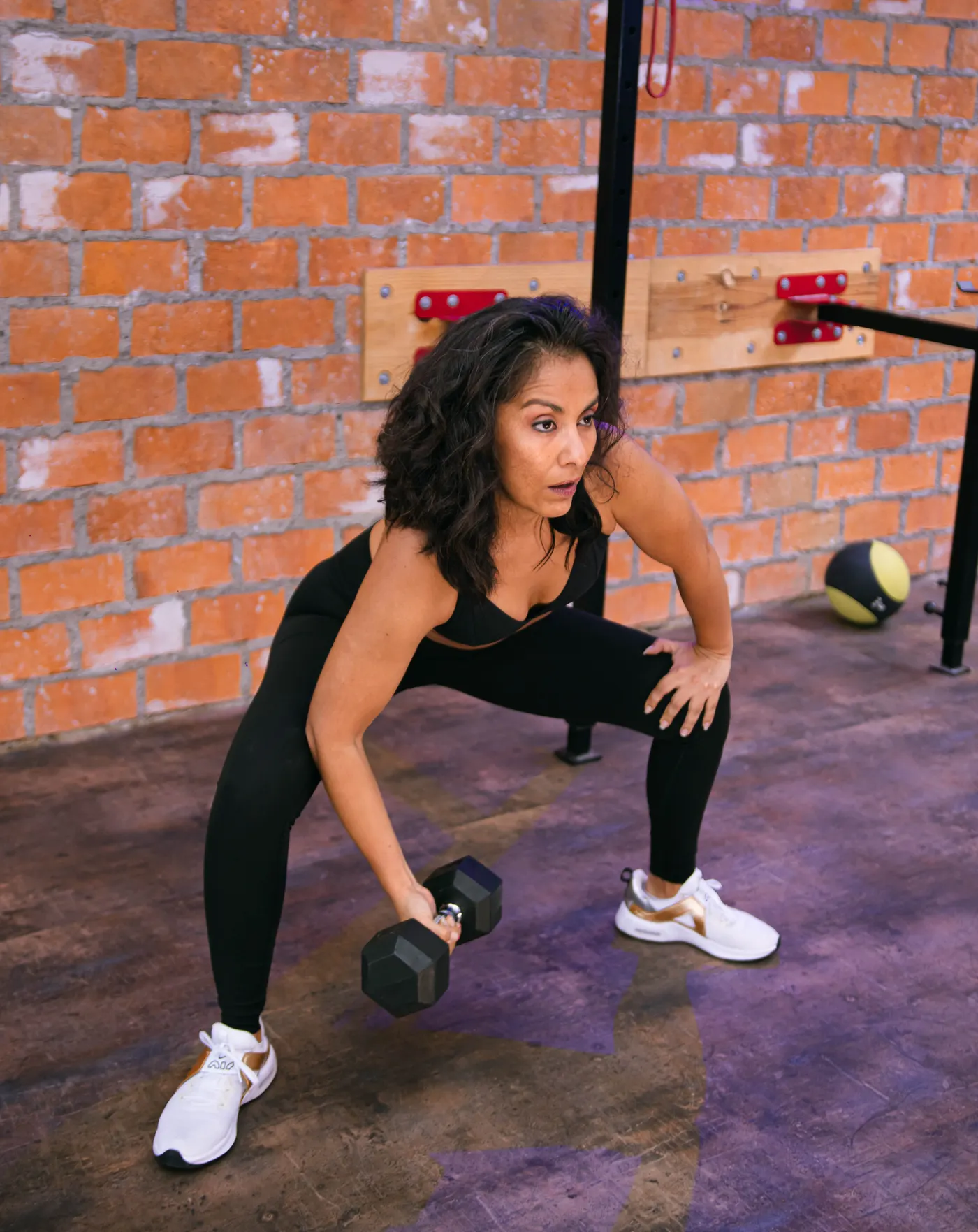
Giant sets are a training format, not a magic growth trigger
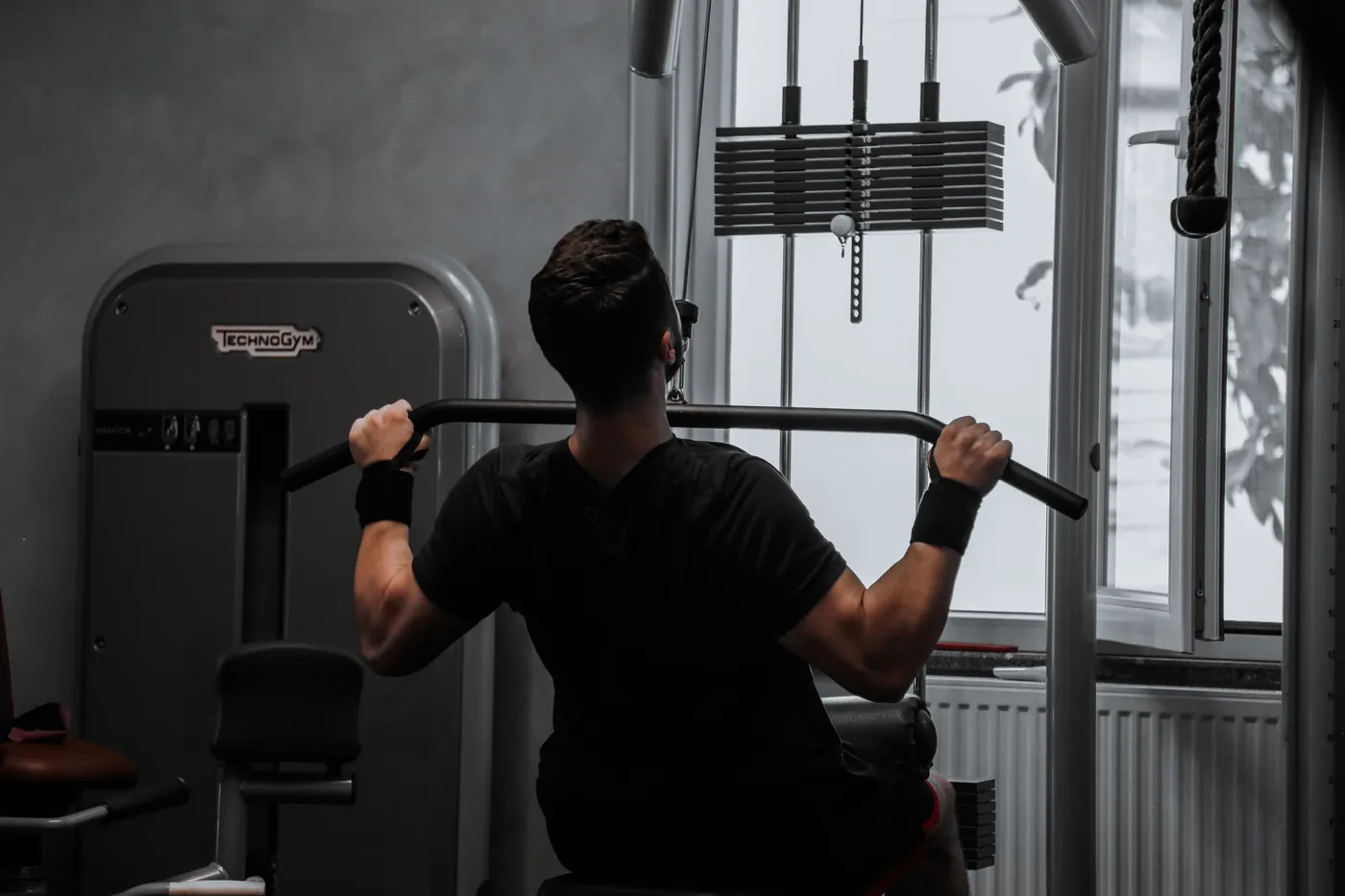
A giant set strings four or more resistance exercises together with minimal transition time and a longer rest after the final movement. Imagine a dumbbell press, cable fly, lateral raise and controlled incline push-up performed in that order. One pass through all four is one round. The label describes how exercises are arranged, not a guarantee of muscle growth or a requirement to reach failure.
Traditional straight sets separate one exercise from its next set with rest. Supersets pair two movements, tri-sets use three, and giant sets extend the sequence. The fundamental requirements do not change: the target muscles must experience meaningful resistance, weekly volume must be manageable, and technique must remain consistent. Four easy exercises performed frantically are not automatically better than two challenging, well-executed sets.
A same-muscle giant set focuses several exercises on one area, such as pressing and fly variations for the chest. An alternating sequence rotates between different muscles, such as a row, squat, press and calf raise. The first produces greater local fatigue; the second often protects repetition quality because each muscle gets brief recovery while another works. Choose the arrangement based on your actual goal.
Compact home gyms can make the format especially convenient. One cable station, adjustable dumbbells and a bench cover a surprising number of movements. Plan the order so you do not repeatedly move heavy equipment or change multiple attachments. If transitions consume several minutes, the promised time savings quickly disappear.
Saving time is useful only when the sets remain productive
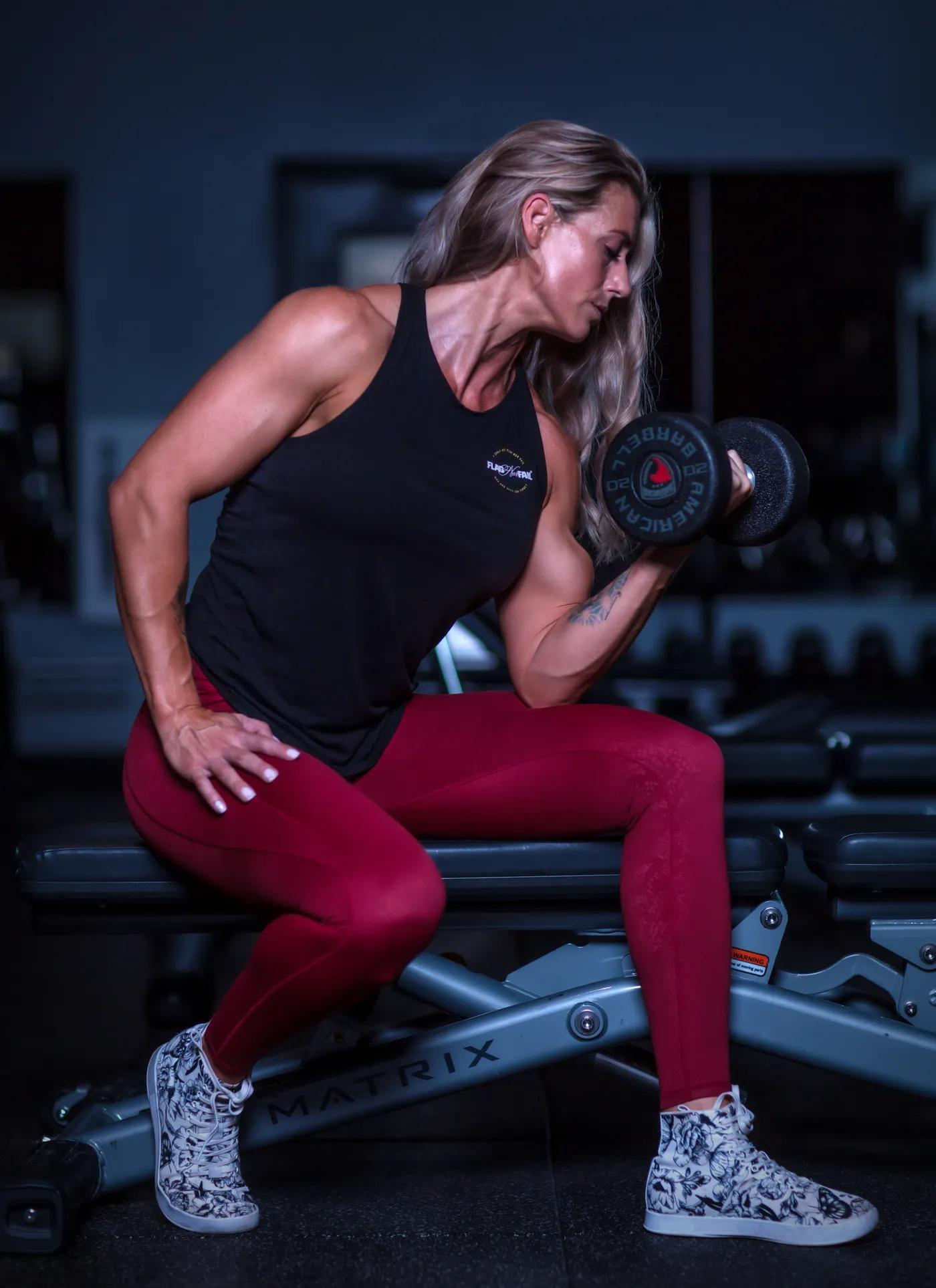
The main appeal is workout density: more planned exercises can fit into a short session when you reduce separate rest periods. Research on two-exercise supersets shows shorter sessions compared with traditional training. That supports the general principle, but it does not establish a universal time-saving percentage for four-exercise giant sets. Equipment changes, exercise selection and recovery needs determine the actual benefit.
Compressed training increases perceived exertion and can make later movements feel much harder. A lifter who can perform ten controlled dumbbell presses when fresh may manage only six if the press comes last after demanding rows, lunges and curls. Those repetitions can still be useful, but the drop may reflect general fatigue rather than a stronger stimulus for the chest. A high heart rate is not proof of hypertrophy.
Keep exercise order consistent so your training log is meaningful. Record the load, clean repetitions and approximate repetitions left in reserve for each movement. If you shuffle the sequence every session, an apparent improvement may simply mean an exercise was performed earlier. Total rounds alone are a poor way to judge whether the individual muscles are progressing.
Begin with a short, safe transition between exercises and about two to three minutes of recovery after the complete round. Rest longer when the next round would otherwise lose several clean repetitions. Two good rounds are a sensible starting point. A thirty-minute workout with stable technique and measurable progression can beat a twenty-minute workout in which every later set falls apart.

Equipment Worth Exploring
Explore equipment, accessories and gear from our carefully selected range.
VOLTRA
Compact digital cable trainer with smooth, adjustable resistance.

Go-Tone Pro
Portable digital cable trainer with up to 66 lb (30 kg) of adjustable resistance.


FID Bench MAX
Adjustable bench offering flat, incline, and decline positions + adjustable headrest.

GymPin D Cuffs
Adjustable wrist cuffs with textured grips for supported cable-machine exercises.

GymPin Ergo Handles
Pair of ergonomic cable handles shaped for comfortable triceps and pulling exercises.

Long Tricep ERGO Ropes
Extended triceps ropes with ergonomic grips for cable pressdowns and overhead extensions.
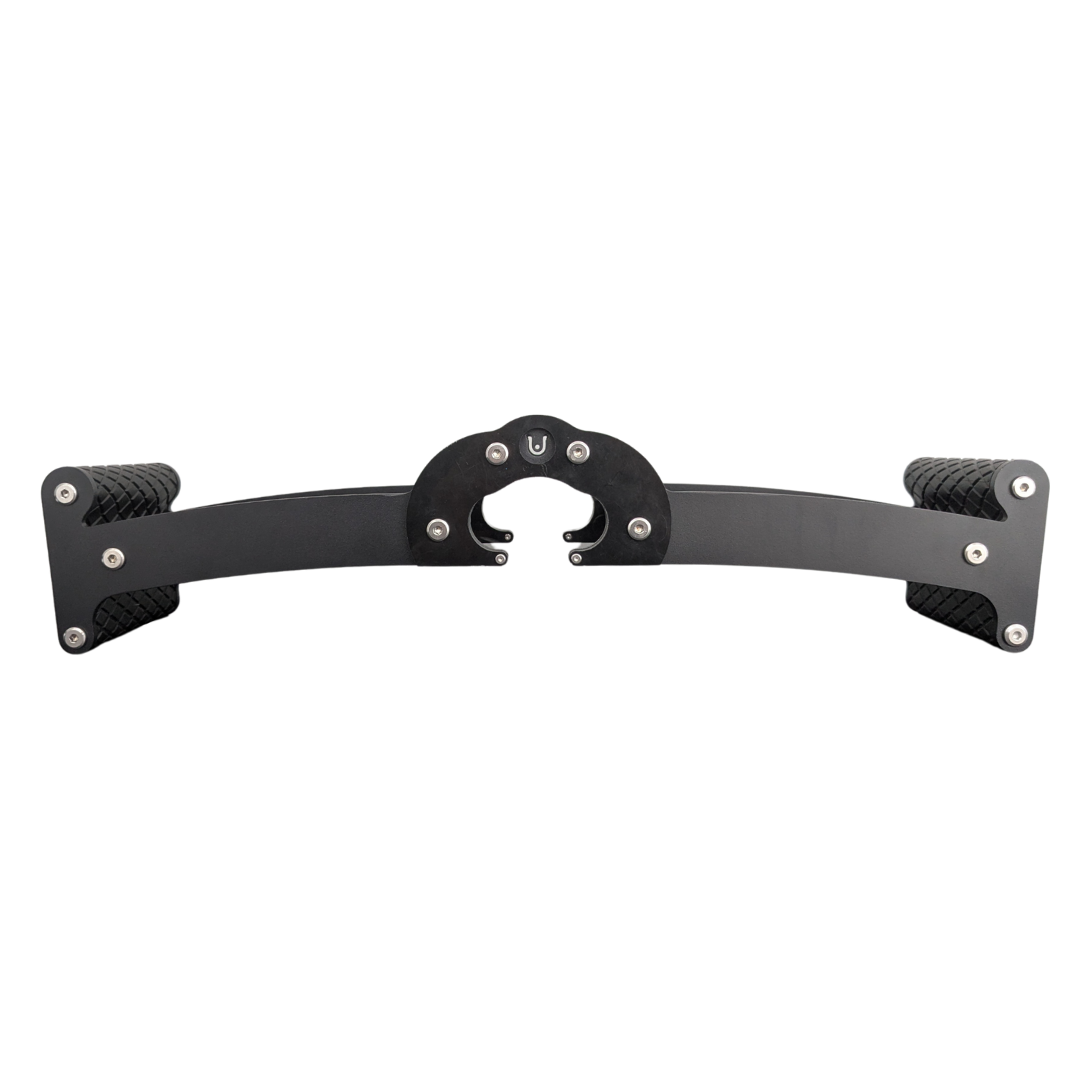
Back Bar
Multi-grip cable and landmine bar with a built-in deadlift jack.

T-Bar Row Attachment
Welded barbell attachment that connects a D-handle bar for landmine and T-bar rows.
The research supports flexibility, not superiority
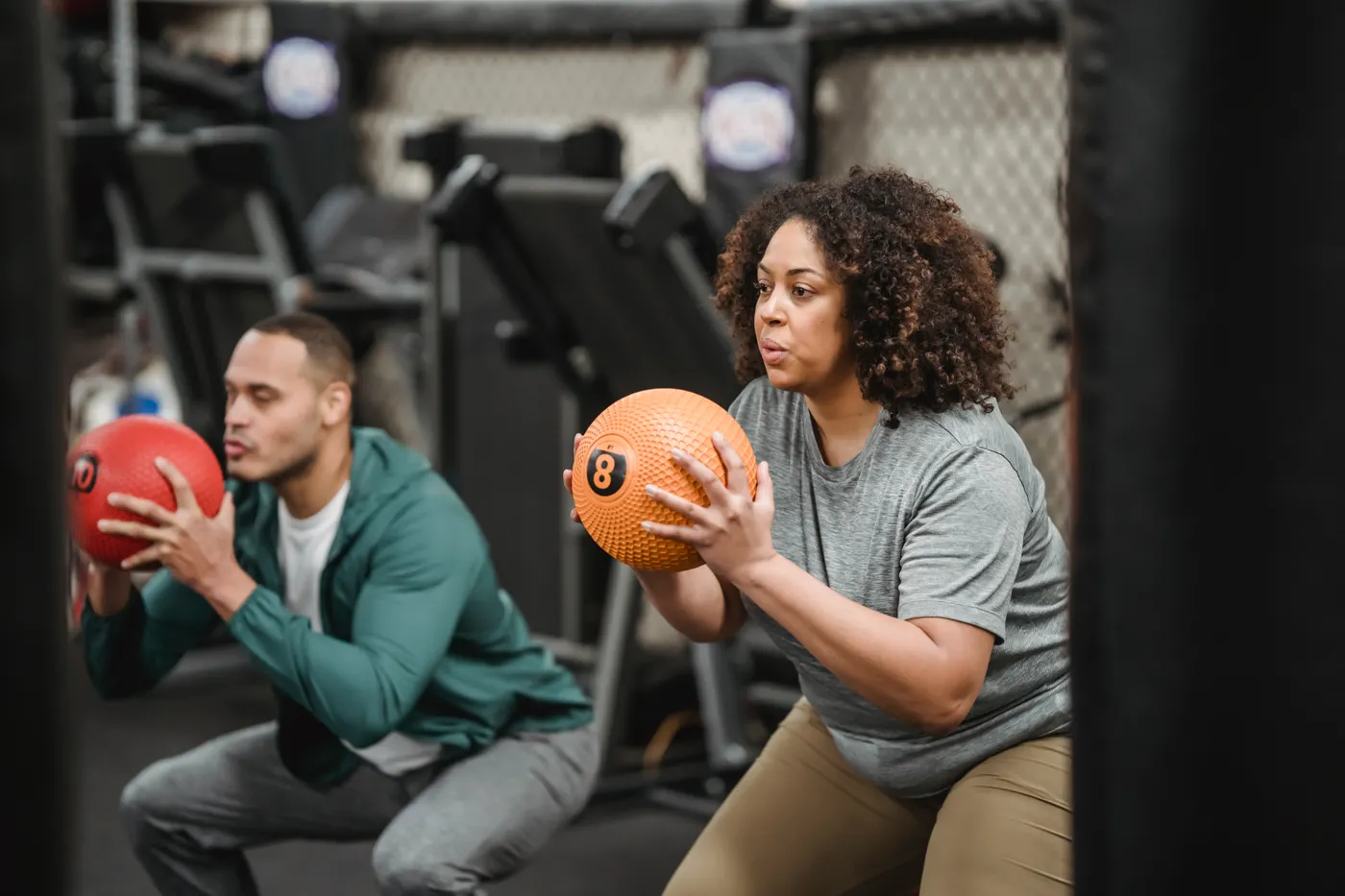
Direct giant-set research is limited. A six-week comparison enrolled thirty-three young men and assigned them to modified German volume training, supersets or giant sets. Two people in the giant-set group did not complete final measurements. All three groups improved selected upper-body muscle-size and strength outcomes, with no statistically clear between-group difference. That suggests the method can work, but it cannot establish superiority or predict results in advanced lifters.
A 2025 systematic review and meta-analysis pooled nineteen studies involving 313 participants comparing supersets with traditional resistance training. Supersets generally reduced session duration without clearly compromising long-term muscle growth or strength, although they increased perceived effort and internal training demands. Most of those studies involved pairs of exercises. Extending the same conclusions to four or five movements is a reasonable hypothesis, not direct proof.
A ten-week randomized study of compound-exercise supersets and conventional sets found improvements in both groups. However, the conventional group gained more strength on the lat pulldown, while another pulling comparison was less certain. This illustrates why a format that saves time may not be ideal for maximizing performance on every heavy movement. The relevant tradeoff depends on which outcome you prioritize.
Reviews of rest intervals and the 2026 resistance-training position stand reinforce a practical message: progressive training, sufficient challenging work and recovery matter more than a particular set arrangement. A giant-set pump is an immediate sensation, not a validated measure of future muscle growth. Judge the method by your performance across weeks, not by how exhausted you feel when the last exercise ends.
Direct comparisons remain small and often short. They cannot settle questions about long-term hypertrophy in experienced lifters, people recovering from injury or programs that use very different exercise combinations. Giant sets are a tool for organizing resistance training, not a replacement for individualized programming.

Funny Gym Shirts & Workout Gear
Funny gym shirts, tanks, hoodies and workout gear for lifters who like training hard.

It's Gym O'Clock | Workout Sweater & Gym Bros | Fitness T-Shirt
Add a playful “It's Gym O'Clock” touch to your casual rotation.

Lift This Weight – Rock Parody Hooded Pullover Hoodie
Bring “Lift This Weight” gym humor to lazy days and post-workout plans.


I Love Weights Valentine's Gym – Red Bumper Plate Heart T-Shirt
Keep things casual with a little “I Love Weights Valentine's” attitude.

Matcha and Weights for Matcha Lovers, Lifters and Gym W T-Shirt
Make gym days more fun with “Matcha and Weights” style.

Funny Gymrat Mousetrap | Workout Sweater For Serious Li T-Shirt
Bring “Gymrat Mousetrap” humor to your everyday gym style.

Muscle Mommy Princess – Jumper T-Shirt
Add a playful “Muscle Mommy Gym Princess” touch to your casual rotation.

I Love Deadlifts Valentine's Gym Shirt | Funny Leg Day T-Shirt
Show some leg-day attitude with a playful “I Love Deadlifts Valentine's” tee.

Heart Weight Plate Valentine's Day – Fitness Meme Jumpe T-Shirt
Bring “Heart Weight Plate” humor to your everyday gym style.

Build a four-movement sequence with a clear purpose
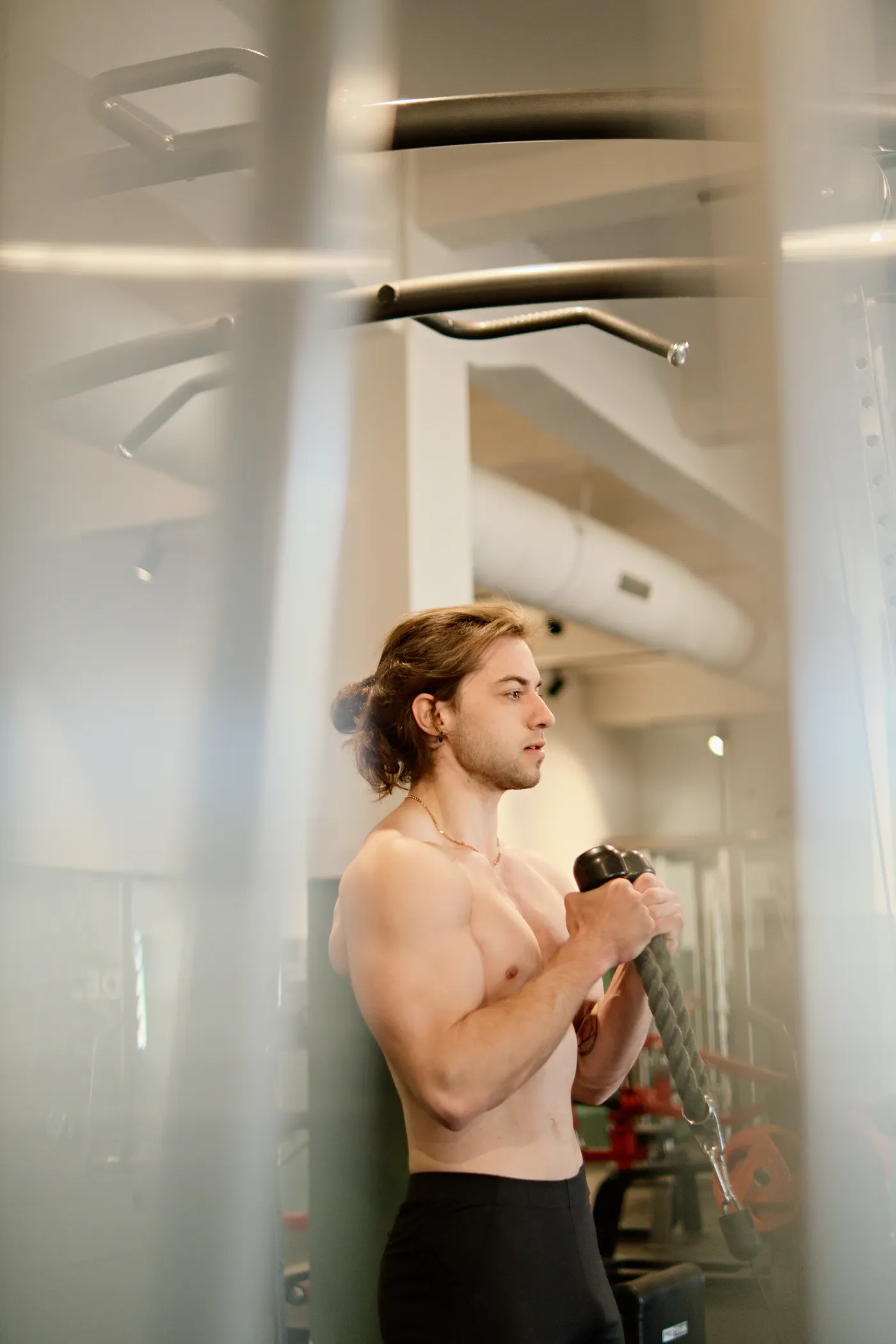
Choose a primary movement first. A chest-focused giant set might begin with a stable press, then move to a cable fly, a lighter pressing angle and a controlled finisher. A full-body circuit can alternate an upper-body pull, a lower-body squat, a press and a calf movement. Avoid choosing four exercises solely because they are available; each should contribute a useful movement pattern or resistance profile.
Use loads that leave roughly one to three clean repetitions in reserve during most rounds. Compound exercises may fit a six-to-ten-repetition range, while raises, curls and flyes can use higher ranges. Do not force every movement into the same target. A squat and a lateral raise have different coordination and fatigue demands, and the useful load is the one you can control.
Put heavy, technical or balance-demanding lifts early, or perform them separately. A maximal barbell squat is a poor fourth station after three exhausting exercises. If strength is your priority, complete the main lift as straight sets with normal recovery, then use the giant set for accessory work. Cables, bench-supported rows and stable dumbbell movements are often more manageable under accumulated fatigue.
Count volume honestly. Two rounds of a four-exercise giant set provide two sets of each exercise, not eight sets of each. If your existing program already contains plenty of hard work for the target muscles, rearrange the sets rather than doubling your weekly workload. Add volume only when performance and recovery justify it.
Before starting, test the cable path, bench position and floor clearance. Avoid rushing weight changes or leaving loose attachments in the walking area. In a shared gym, do not occupy four distant stations. The method is only efficient when the setup is safe and repeatable.
Three compact-home-gym giant sets to try
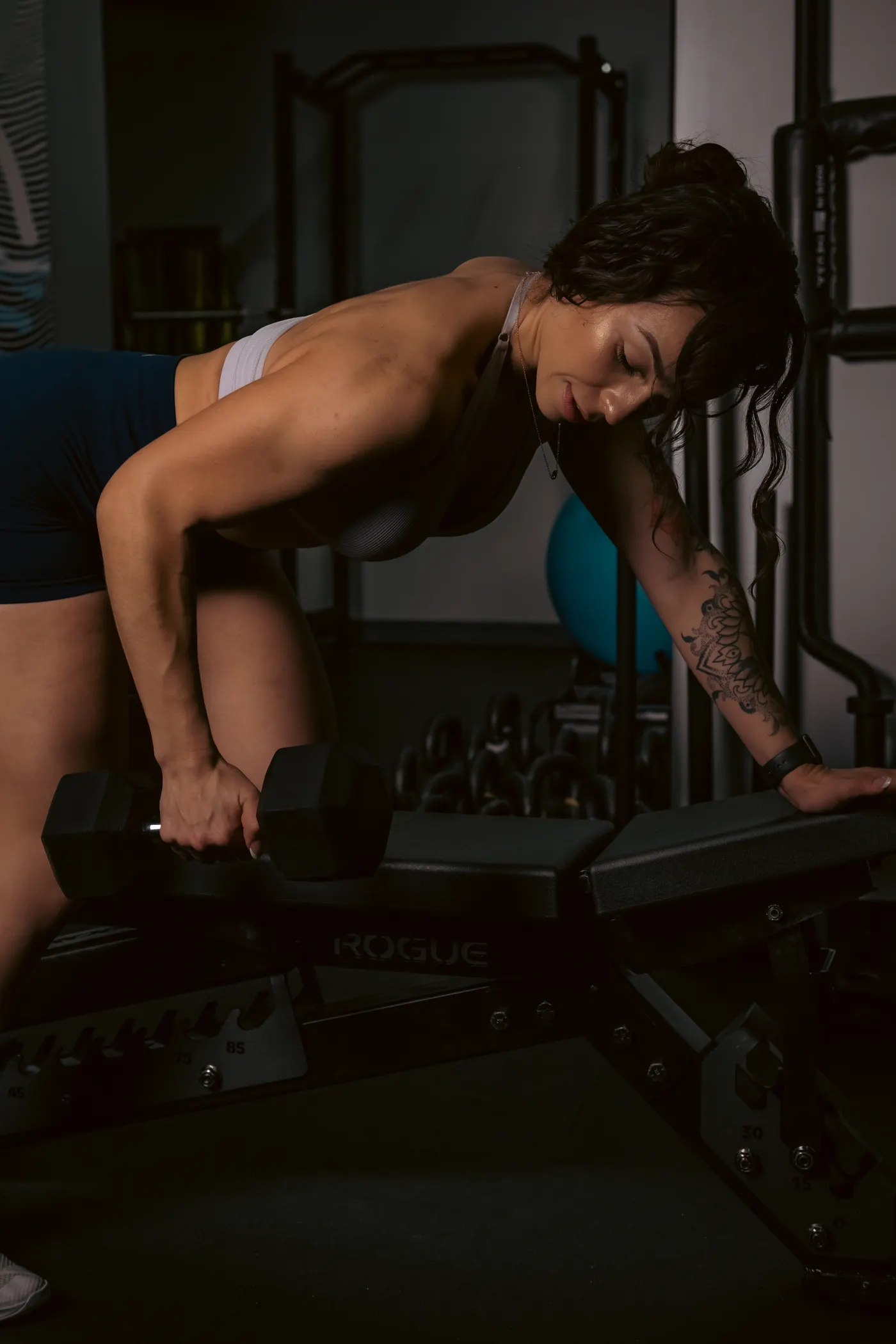
Chest and shoulders: dumbbell bench press for eight to ten repetitions, cable chest fly for ten to twelve, seated lateral raise for twelve to fifteen, then incline push-ups for controlled repetitions. Rest two to three minutes and repeat for two rounds. Keep the bench press as your primary performance marker; the remaining movements add targeted work without another heavy compound lift.
Back and arms: bench-supported dumbbell row for eight to twelve repetitions per side, cable lat pulldown for eight to twelve, rear-delt cable fly for twelve to fifteen, then cable curl for ten to fifteen. Rest after the curl. If grip fatigue ruins the pulldown, change the order or use suitable straps. If one cable station is all you have, preset attachments and use dumbbells for one movement.
Lower-body accessory work: goblet squat for ten to twelve, dumbbell Romanian deadlift for eight to ten, supported reverse lunge for eight per leg, then standing calf raise for twelve to twenty. Take generous rest between rounds. If balance deteriorates, use a stable split squat or move the lunge outside the sequence. This is not a prescription for four maximal lower-body lifts without recovery.
These are templates, not compulsory exercises. A cable press can replace a dumbbell press, a safe band row can substitute for a cable row, and a less demanding squat variation can replace lunges. Preserve the intended movement and challenge rather than obsessing over the exact equipment. Stop if sharp pain, dizziness or increasing joint irritation appears.
Start with one giant-set block after a few straight sets of your main lift. Record the resistance and clean repetitions for all four movements. A repeatable block that progresses gradually is more valuable than a complicated circuit you abandon after one workout.
Equipment Worth Exploring
Explore equipment, accessories and gear from our carefully selected range.


Where giant sets belong in a strength-focused week
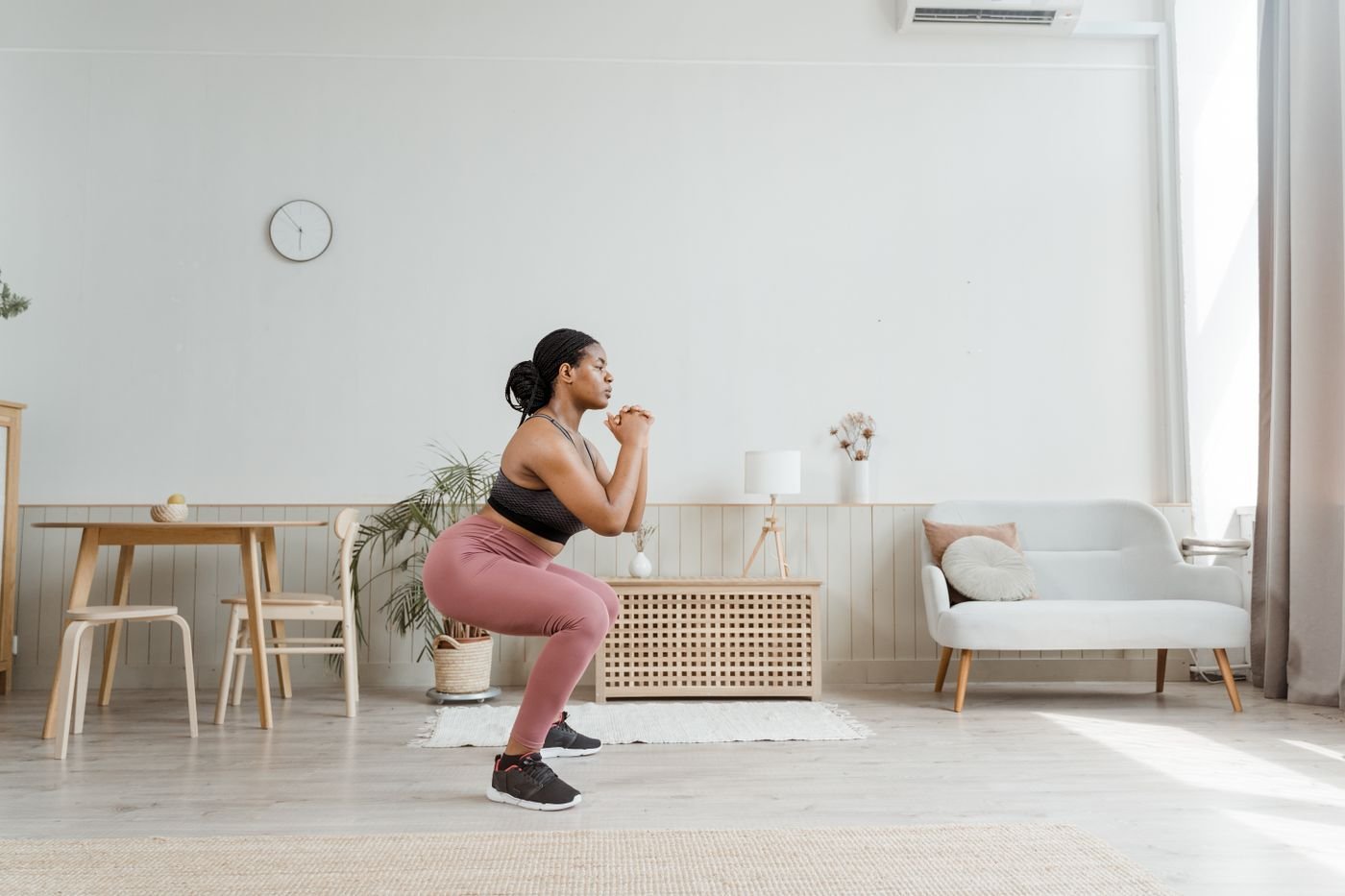
If your goal is a new one-repetition maximum, preserve dedicated heavy sets and adequate rest. Heavy squats, presses and deadlifts require high force and consistent technique. A dense accessory circuit can follow, but it should not replace the work that directly trains your priority lift. Giant sets are not bad for strength athletes; they simply solve a different problem.
Someone short on time might use Monday for straight-set squats and presses followed by a pull-and-arm giant set. Thursday could include a straight-set hinge and row followed by a chest-and-shoulder sequence. This spreads the weekly work without making every workout a race. Keep total challenging sets comparable to your previous plan before deciding whether the new arrangement is better.
Beginners may benefit from learning supersets first. Four unfamiliar movements performed while fatigued create unnecessary complexity. Establish stable squat, hinge, press and pull patterns, learn how to judge repetitions in reserve, and practice logging performance. Once those habits are established, a longer sequence becomes easier to manage.
Reduce a round or return to straight sets on days when recovery, sleep or joints are poor. If the final movement repeatedly loses range of motion or the next session suffers, the sequence may be too dense. A productive workout is not defined by exhaustion. Use giant sets when they help you complete quality work consistently, not when they interfere with it.
Bodybuilding Shirts & Workout Gear
Bodybuilding shirts, tanks and gym gear for lifters chasing muscle, size, symmetry and the pump.

Master of Pumps Master of Puppets Parody Metallica Heav Tank Top
Bring “Master of Pumps” humor to your next lifting session.

Rep God The Real Swole Shady Gym | Funny Hip Hop Workou Hoodie
Stay casual and show some leg-day attitude with “Rep God The Real Swole Shady”.

Strong Back Bodybuilder | Meme Sweater | The Simpsons W T-Shirt
Keep things casual with a little “Strong Back Bodybuilder” attitude.

Funny Bodybuilder Gym | LEGO Style Workout Sweater | Fi T-Shirt
Show some gym-day personality with “Bodybuilder”.

Pumped & Furious – Vin Diesel Muscle Shirt Workout Vest Tank Top
Add some lifting attitude to training with “Pumped & Furious”.

I Love Booty – Valentine's Day Peach Meme Jumper Pullov T-Shirt
Add a playful “I Love Booty” touch to your casual rotation.

Nice Try Gravity | Astronaut Space Lifting Pullover Hoodie
Make your off-duty look more fun with “Nice Try Gravity”.

Patriotic Free Weights | Lynyrd Skynyrd Rock Music Meme Hoodie
Bring “Patriotic Free Weights” gym humor to lazy days and post-workout plans.

Wonderbar Leg Day Parody | Oasis Workout Crewneck Pullo T-Shirt
Add a playful “Wonderbar Leg Day Parody” touch to your casual rotation.

A four-week progression that measures more than the pump
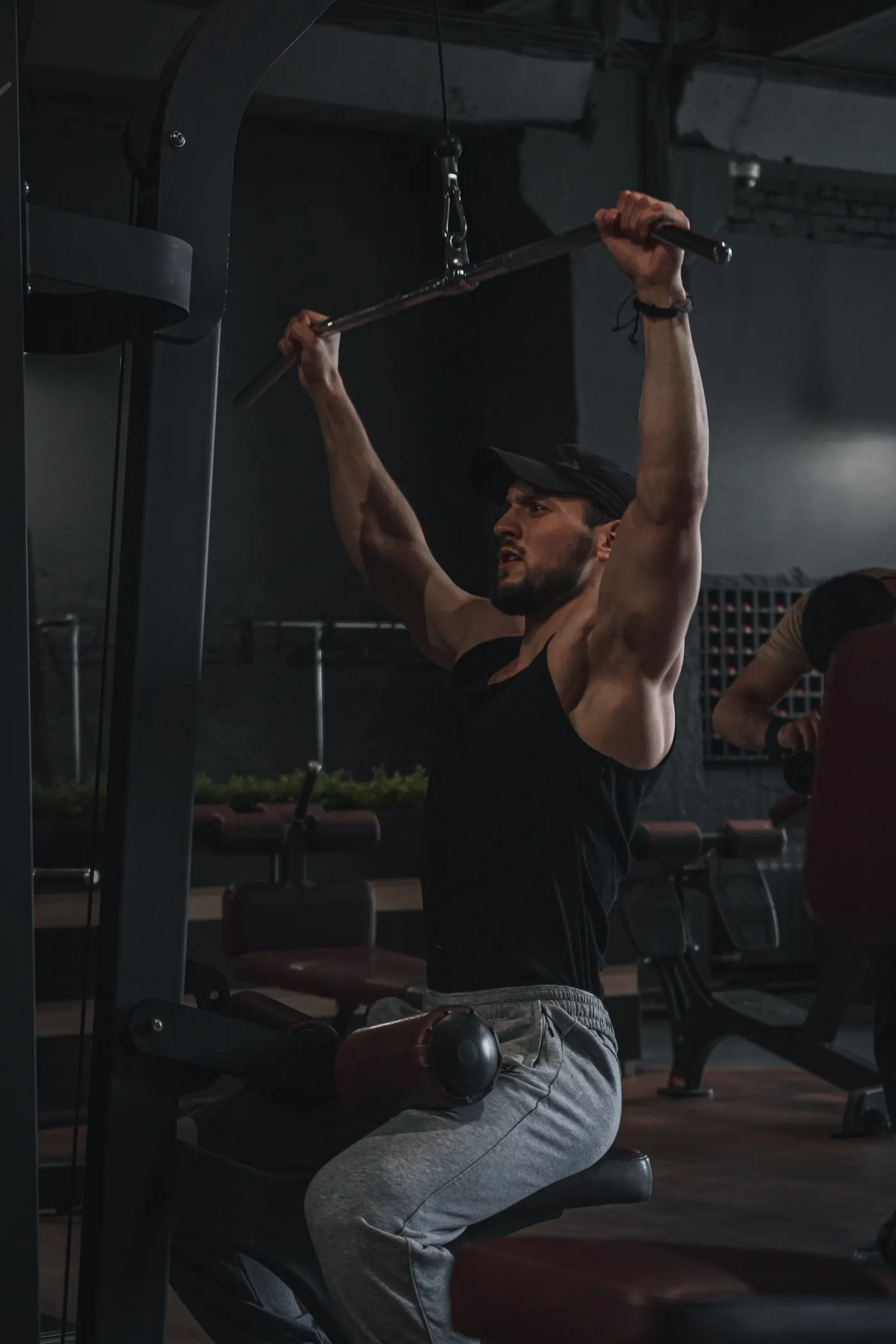
Week one: choose one four-exercise sequence and perform two rounds after the primary lift. Use conservative loads and leave a couple of good repetitions in reserve. Record each exercise, rest time and total session duration. Your first objective is to confirm that transitions are practical and the fourth movement still receives meaningful effort.
Week two: maintain the same order, loads and rest periods. Add one or two clean repetitions to selected movements when technique allows. Do not shorten rest, add rounds and raise weights simultaneously. If the first movement improves but the last collapses, extend recovery or reconsider the exercise order.
Week three: when a movement reaches the top of its planned repetition range in both rounds with consistent form, increase resistance by the smallest practical step. Return to the lower end of the range. Keep other movements stable so the log reveals which change produced progress. For bodyweight work, adjust leverage or assistance rather than adding endless repetitions.
Week four: repeat the same setup and compare performance at similar effort. Did the primary press or row improve? Did the final movement maintain its repetitions? Did the workout fit the available time without unusual fatigue carrying into the next session? If yes, keep the block. If not, remove an exercise, reduce rounds or return to a simpler superset.
The useful outcome is not a heroic final pump. It is a schedule that saves time while delivering progressively challenging, technically sound resistance training. Giant sets are optional; consistent training and measurable progress remain the foundation.