A deload week can feel too easy to be useful. You still show up, but the sets stop short of failure, the bar feels lighter and the session ends sooner. That can be exactly the point. Instead of trying to set another personal record, you reduce accumulated training stress while maintaining enough practice to return to productive lifting.
A 2026 research review renewed the discussion around when lifters should back off. The important distinction is between a sensible recovery tool and a rigid calendar rule. Here is what the evidence supports, what it does not, and how to use a deload in a compact home gym without losing momentum.
1. What a deload week actually changes

A deload is a temporary, intentional reduction in training demand within an ongoing program. It differs from quitting exercise, taking a holiday from the gym or tapering specifically to peak for a competition. Most lifters can retain familiar movement patterns while reducing hard sets, proximity to failure, external resistance or a combination of these variables.
Think of training as a series of investments. Challenging sets provide a stimulus, but recovery influences how consistently you can repeat that work. A deload lowers the immediate cost. It does not magically build muscle without prior training, and it does not guarantee that you will feel dramatically stronger by Monday.
In a home gym, maintaining the routine is convenient. Keep your rack, bench, dumbbells or cable trainer in use. The difference is that a squat session that normally leaves you drained becomes a short technique-focused workout. You should finish feeling capable of doing considerably more.
Some programs schedule easier weeks every four to eight weeks. That is a planning window, not a biological countdown. A beginner lifting twice weekly may recover comfortably without formal deloads; an experienced lifter combining high volume, hard sets and poor sleep may need one sooner. Ask whether recent workload and recovery justify the change, rather than whether the calendar demands it.
2. What newer training experiments can and cannot prove
Research is beginning to test deloads rather than merely describing what coaches do. A 2026 study followed 19 previously untrained men over eight weeks of resistance exercise. It compared planned reductions in training with a more continuous approach. Both conditions improved the outcomes assessed, without a clear advantage for the planned reduction in the reported muscle-size or performance measures.
The limitations are substantial. The sample was small, participants were beginners and the observation window was short. It cannot establish how advanced powerlifters, people training six days per week or lifters dealing with unusual outside stress would respond. A statistically non-significant difference also does not prove that two programs are equivalent.
A separate 2024 experiment tested a more extreme strategy: a full week without resistance training during a nine-week program. Muscle growth was broadly similar to uninterrupted training, but some lower-body strength outcomes favored the group that continued lifting. Complete cessation and a lighter training week are not interchangeable. Maintaining exposure to familiar lifts may be useful when technical skill and strength performance are priorities.
The conclusion is deliberately modest. Brief reductions in training do not automatically erase gains, yet no experiment establishes that everyone needs a deload at an identical interval. If performance is rising and recovery feels manageable, there is no reason to manufacture exhaustion merely to justify an easier week. If fatigue is accumulating, a controlled reduction is a reasonable, measurable experiment.
One disappointing session is not proof of overtraining. A bad night’s sleep, an unusually demanding workday or a technical mistake can affect performance. Look for repeated patterns across several workouts before changing an entire training block.
3. Planned versus reactive deloads: when to back off
A survey of 246 competitive strength and physique athletes found that they typically deloaded for about 6.4 days every 5.6 weeks. Most reduced sets, repetitions, load or effort while retaining familiar exercises. These are the habits of athletes who already deloaded, not randomized evidence that the schedule is optimal.
Planned deloads fit naturally at the end of demanding training blocks. After five weeks of increasing squat, press and row volume, a lighter sixth week can create a transition into the next phase. The schedule also discourages the temptation to add sets indefinitely. For an experienced lifter with predictable workload, this simplicity can be valuable.
Reactive deloads respond to what your logbook and body show. Watch for repeated performance declines at familiar loads, soreness persisting into subsequent sessions, accumulating joint irritation, unusually low enthusiasm and normal weights feeling progressively harder. Work stress and poor sleep can amplify these signals.
A practical rule is to reassess after two or three unexpectedly poor sessions, first considering illness, nutrition, sleep and technique. If those factors do not explain the pattern, try several easier workouts. If progress is normal, continue and check again next week. Persistent pain, dizziness or symptoms affecting everyday activities deserve appropriate medical assessment, not simply a deload.
Training frequency is only one variable. Three weekly sessions with generous recovery may be easier to sustain than six days of near-failure work. Judge the total workload, how close sets are to failure and how your performance is trending, rather than counting weeks alone.

Equipment Worth Exploring
Explore equipment, accessories and gear from our carefully selected range.


FID Bench MAX
Adjustable bench offering flat, incline, and decline positions + adjustable headrest.

VOLTRA
Compact digital cable trainer with smooth, adjustable resistance.




Funny Gym Shirts & Workout Gear
Funny gym shirts, tanks, hoodies and workout gear for lifters who like training hard.

Off-Season Rest Day & Meme Fans Hooded Hoodie
Keep it laid-back with a little “Off-Season Rest Day” attitude.

Rest Day Sloth – Essential T-Shirt
Show some bodybuilding attitude with a playful “Rest Day Sloth” tee.

Unbearable Workout Gym | Exhausted Bear Meme Muscle Shi Tank Top
Add some lifting attitude to training with “Unbearable Workout”.

Everything Hurts And I'M Tired Duck Meme Gains T-Shirt
Add a playful “Everything Hurts And I'm Tired” touch to your casual rotation.

Lift Eat Sleep Repeat Meme & Lifting Vest Tank Top
Show some personality between sets with “Lift Eat Sleep Repeat”.

Consistency Is Key Stoic Greek God Marble Sculpture T-Shirt
Make gym days more fun with “Consistency is Key Stoic Greek God Marble” style.

Progressive Overload Milo Tee
Bring “Progressive Overload Milo Bull” humor to your next gym day.

Discipline Greek God Statue Stoic Sigma T-Shirt
Heavy lifts, good laughs, and a little “Discipline Greek God Statue Funny Stoic” energy.

More Rest More Test Meme Testosterone Bro T-Shirt
For laid-back days and lifting humor: “More Rest More Test”.

Tough Cookie – Gingerbread Weightlifting Hooded Bros Hoodie
Show off your bulking humor in a laid-back “Tough Cookie” hoodie.
4. How much should you reduce sets, weight and effort?
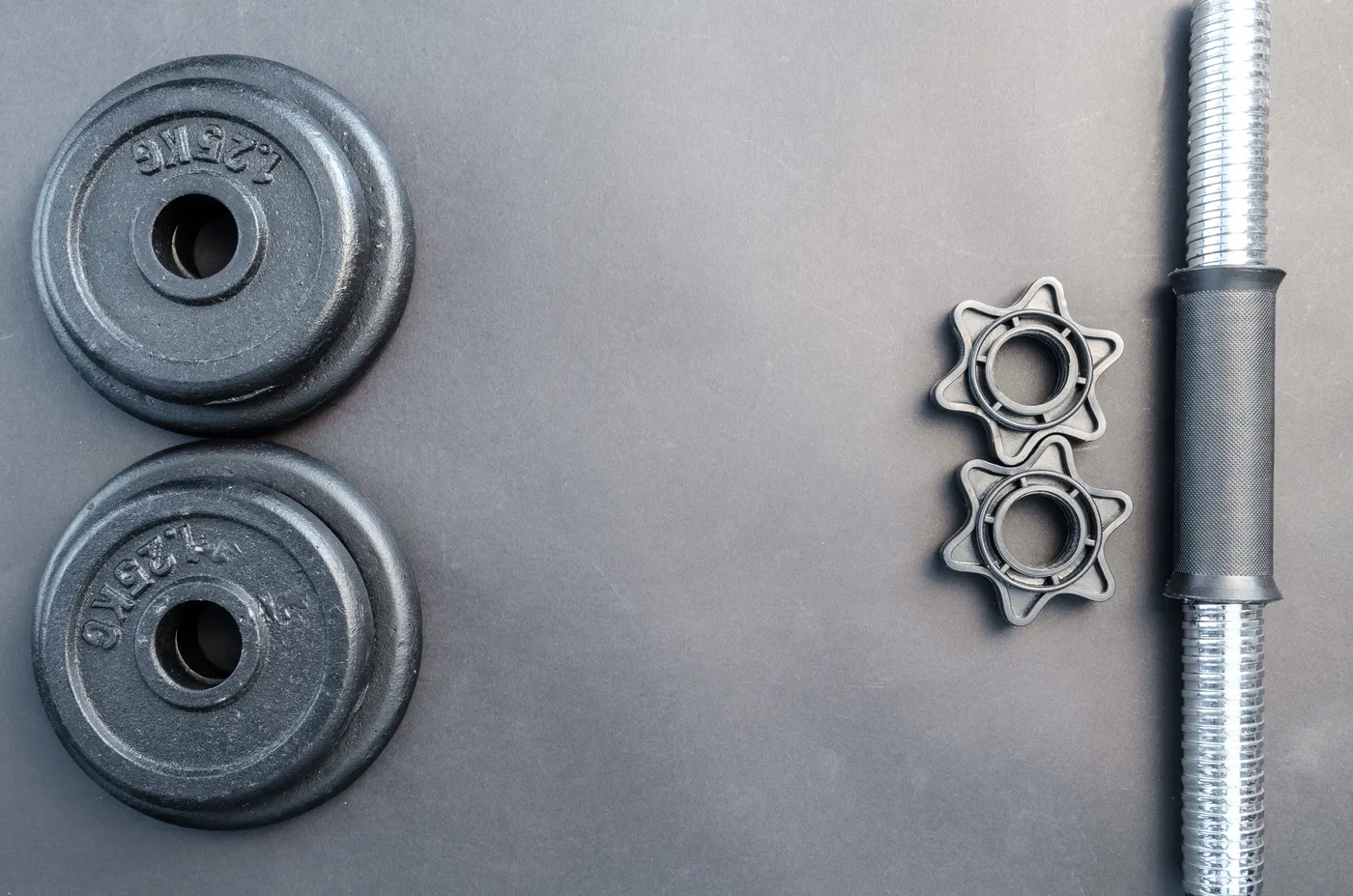
For many recreational lifters, cutting total hard-set volume is the simplest starting point. An illustrative deload might use roughly half the usual working sets for five to seven days, with familiar exercises and several repetitions left in reserve. That is a practical template, not a scientifically established ideal percentage for every lifter.
Suppose a normal squat session includes four sets of six at 100 kg, with the final set near failure. During the deload, two sets of five at 75–85 kg, stopping with about four repetitions available, might be sufficient. If a cable row usually involves three hard sets of 12, one or two smooth sets of eight to ten can preserve the movement without recreating the fatigue.
There are three main levers. Volume describes the amount of work; reducing sets shortens sessions. Load describes external resistance; lowering it can reduce physical demands. Effort describes how close you train to failure; leaving three to five repetitions in reserve makes even familiar loads less punishing.
You need not cut all three equally. A strength-focused lifter might retain moderately heavy, crisp singles or triples but greatly reduce set count. A hypertrophy-focused lifter might keep normal exercises with lighter loads and fewer sets. Both approaches preserve practice, but neither should include grinders, forced repetitions or repeated maximum attempts.
Do not replace heavy lifting with exhausting circuits, all-out conditioning or unfamiliar exercises. Novel movements can create soreness that defeats the purpose. Keep safe ranges of motion, practice controlled technique and end the session early. A successful deload can feel almost boring.
5. Two practical deload templates for a compact home gym

Template A: three-day strength routine. Keep Monday, Wednesday and Friday. On Monday, do two comfortable squat sets, two bench-press sets and one row set. On Wednesday, perform two light hip-hinge sets, two overhead-press sets and one pulldown set. On Friday, repeat the squat or leg-press pattern for two easy sets, add two incline-press sets and one cable row. Select loads leaving three to five repetitions in reserve and rest normally.
You do not need a barbell. A compact rack, adjustable dumbbells or a digital cable machine can cover these movement patterns. If your normal split is push, pull and legs, keep that split and remove roughly half the challenging sets rather than rewriting everything. Familiarity reduces the temptation to turn the week into a new workout challenge.
Template B: four-day hypertrophy routine. Train upper, lower, rest, upper, lower. On each upper day, choose a press, a pull and one optional arm movement, using one or two easy sets of each. On lower days, choose a squat or split squat, a hip hinge and an optional calf or hamstring movement. Again, use one or two easy sets, stop far from failure and skip drop sets or rest-pause finishers.
For either template, treat the first workout as a check-in. If a joint is unusually irritated, use a comfortable alternative rather than forcing the original lift. If you are ill or injured, follow appropriate recovery advice; a standard deload is not a treatment plan. If your recent training was already very light, you may not need to reduce it further.
A week is a starting point, not a command. Some lifters feel ready after three or four easier sessions; others need a longer change in workload or a review of their whole program. The goal is sustainable progression, not an exact number of rest days.
6. Recovery habits that matter more than recovery gadgets
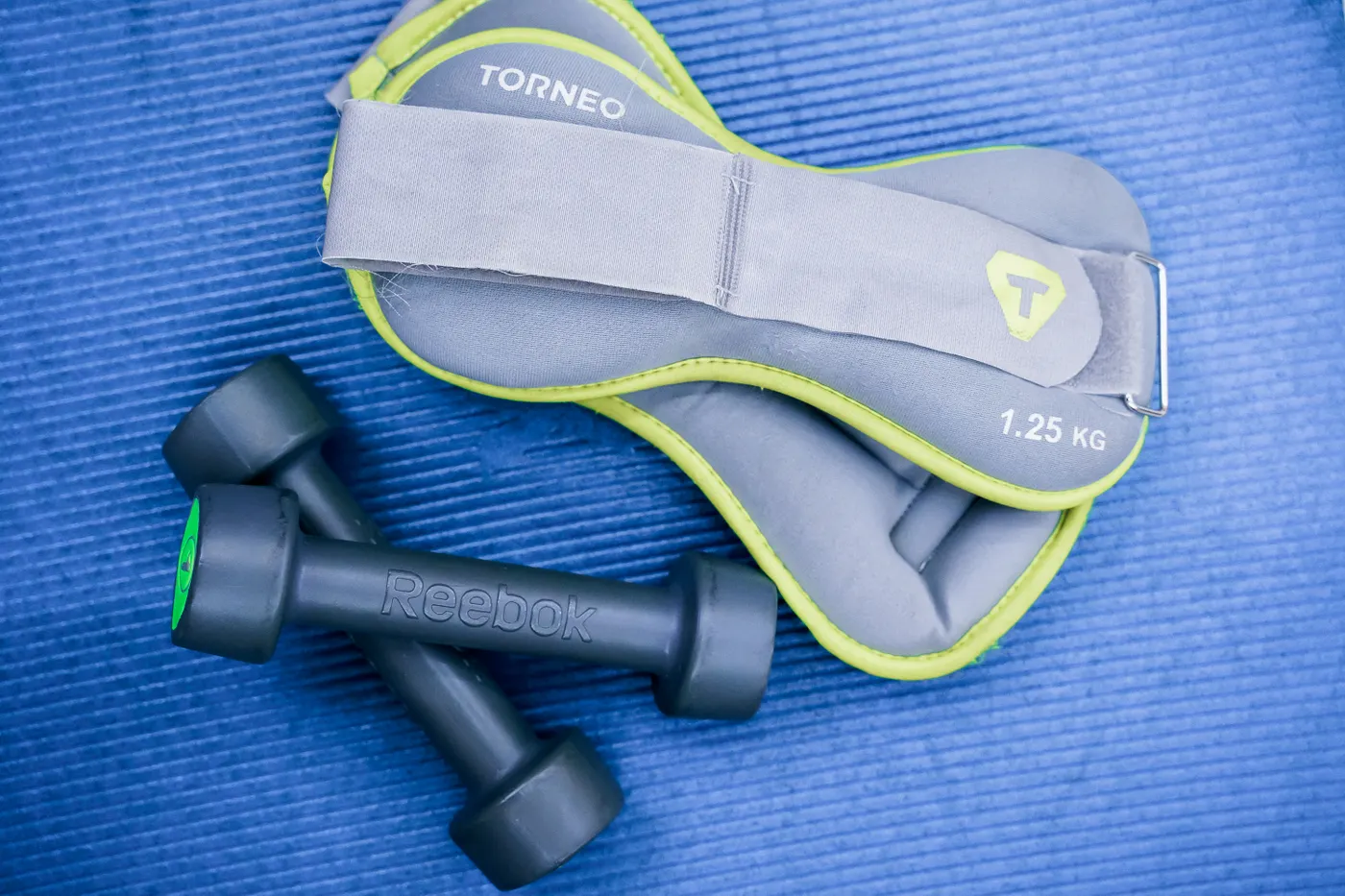
Reducing gym stress is most useful when the rest of your routine supports it. Prioritize adequate sleep, regular meals and enough protein to maintain your normal nutrition. A deload is not a reason to crash diet, dehydrate yourself or skip food because you burned fewer calories. Most lifters do not need dramatic dietary changes for a week of modestly reduced training.
Walking, gentle cycling and comfortable mobility can be pleasant ways to stay active. Keep them genuinely easy. Turning every non-lifting day into a maximal interval session merely moves the fatigue elsewhere. Foam rolling or stretching may help you feel more comfortable, but neither is mandatory and neither replaces sleep or appropriate training loads.
Use the extra time for practical maintenance. Check rack attachments, cables and collars, clean your bench, organize plates and review the last month of training notes. If a movement repeatedly aggravates a joint, consider a more comfortable variation after the deload rather than treating pain as proof of effort.
Mental fatigue matters too. A 2026 research review found that demanding cognitive tasks can reduce resistance-exercise volume in a subsequent session, although the certainty of evidence had important limitations. That does not prove office stress causes overtraining, but it supports considering your wider life when assessing a difficult workout.
Do not judge recovery only by soreness. Muscle soreness is an imperfect proxy for readiness. Better clues include normal movement quality, stable sleep, restored motivation and the ability to complete submaximal sets without unusual strain.
Equipment Worth Exploring
Explore equipment, accessories and gear from our carefully selected range.


Leather Lifting Straps
Padded leather straps support grip during heavy rows, deadlifts and pulling exercises.
Powerlifting Shirts & Lifting Gear
Powerlifting shirts and gym gear for squat, bench and deadlift lifters who live for heavy numbers.


Bench Press and Chill Funny Gym T
Make gym days more fun with “Bench Press and Chill” style.

Squatzilla Meme Leg Day & Squat Fans Hooded Hoodie
Show off your leg-day humor in a laid-back “Squatzilla” hoodie.

Praise The Deadlift Holy Lifting Meme Fans Tank Top
Add some deadlift attitude to training with “Praise The Deadlift”.

Legday of Legends Gym | Funny League of Legends Meme Wo Sticker
Give your everyday gear a playful “Legday of Legends” twist.

Bending Bars Meme Breaking Bad Barbell Hoodie
Keep it laid-back with a little “Bending Bars Gym Meme” attitude.

Chest Day Sweater Bench Press & Meme T-Shirt
Add a playful “Chest Day” touch to your casual rotation.

Quadzilla Massive Quads Decal Leg Day Squat Meme Sticker
Stick a little “Quadzilla” humor on your favorite gear.

Shirt: Good Argument But I Bench More Than You – T-Shirt
Make gym days more fun with “: Good Argument But I Bench More Than You” style.

Squat Bench Deadlift Read Shirt Literary Bookworm Top T-Shirt
Bring “Squat Bench Deadlift Read” humor to your next gym day.
7. Returning to hard training without repeating the mistake

The first session after a deload is a check-in, not a competition. Warm up normally, then compare a familiar working weight with your previous log. If it moves smoothly and effort feels lower, resume the planned program. If it still feels unexpectedly difficult, hold volume steady or increase gradually rather than restoring every extra set at once.
A simple four-week cycle makes progress measurable. In week one, establish comfortable working weights and record sets, repetitions and repetitions in reserve. In week two, add a small amount of load or a repetition where technique permits. In week three, progress selectively rather than adding volume everywhere. In week four, review performance, joint comfort, sleep and motivation; decide whether to continue or transition to a lower-stress week.
After each main lift, record the load, quality repetitions and how many more repetitions you believe were available. Add a brief note about soreness or joint irritation. That creates a clearer picture than relying on motivation alone. If one exercise repeatedly stalls while others progress, adjust its volume or technique before assuming your entire body needs a break.
A deload is successful if it helps you return to training you can sustain. You may feel stronger immediately, or you may simply feel less beaten up and more willing to train. Neither outcome proves a dramatic physiological reset. The larger payoff is making progress for months instead of trying to win every individual session.
Bottom line: keep familiar movements, cut demanding work, stop well short of failure and use your logbook to decide when to push again. Deloading is a flexible tool, not a compulsory ritual or a substitute for addressing persistent pain.