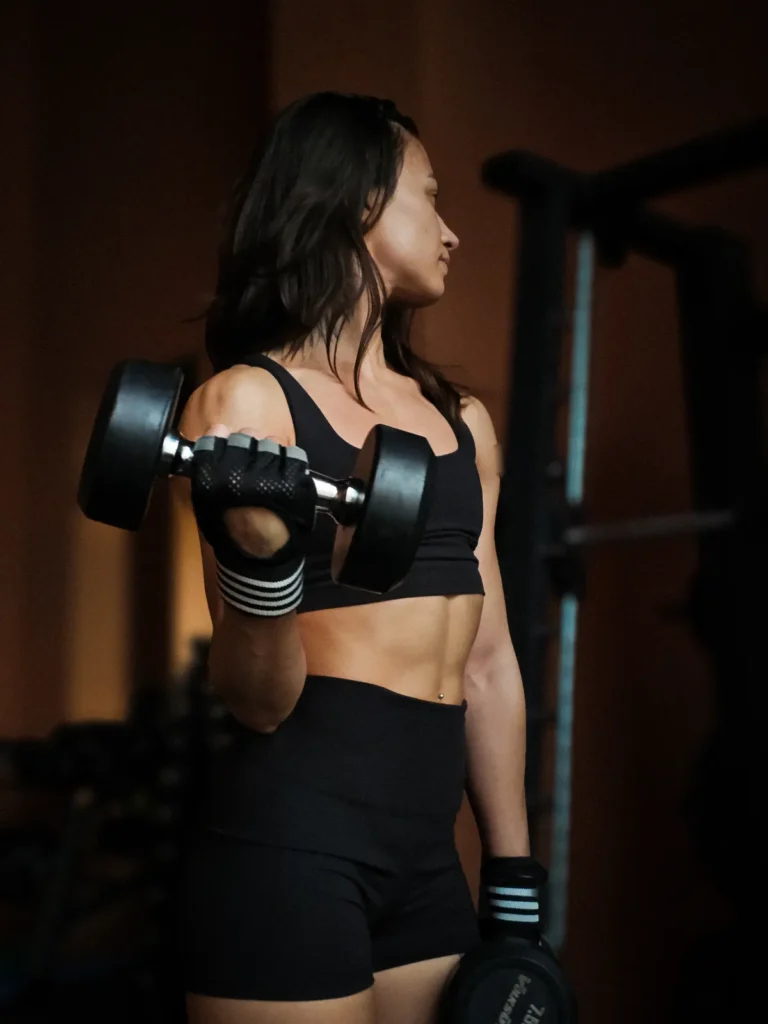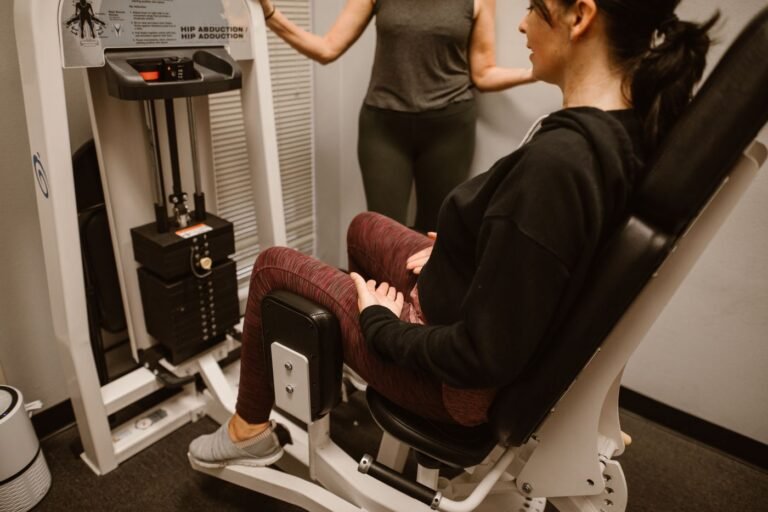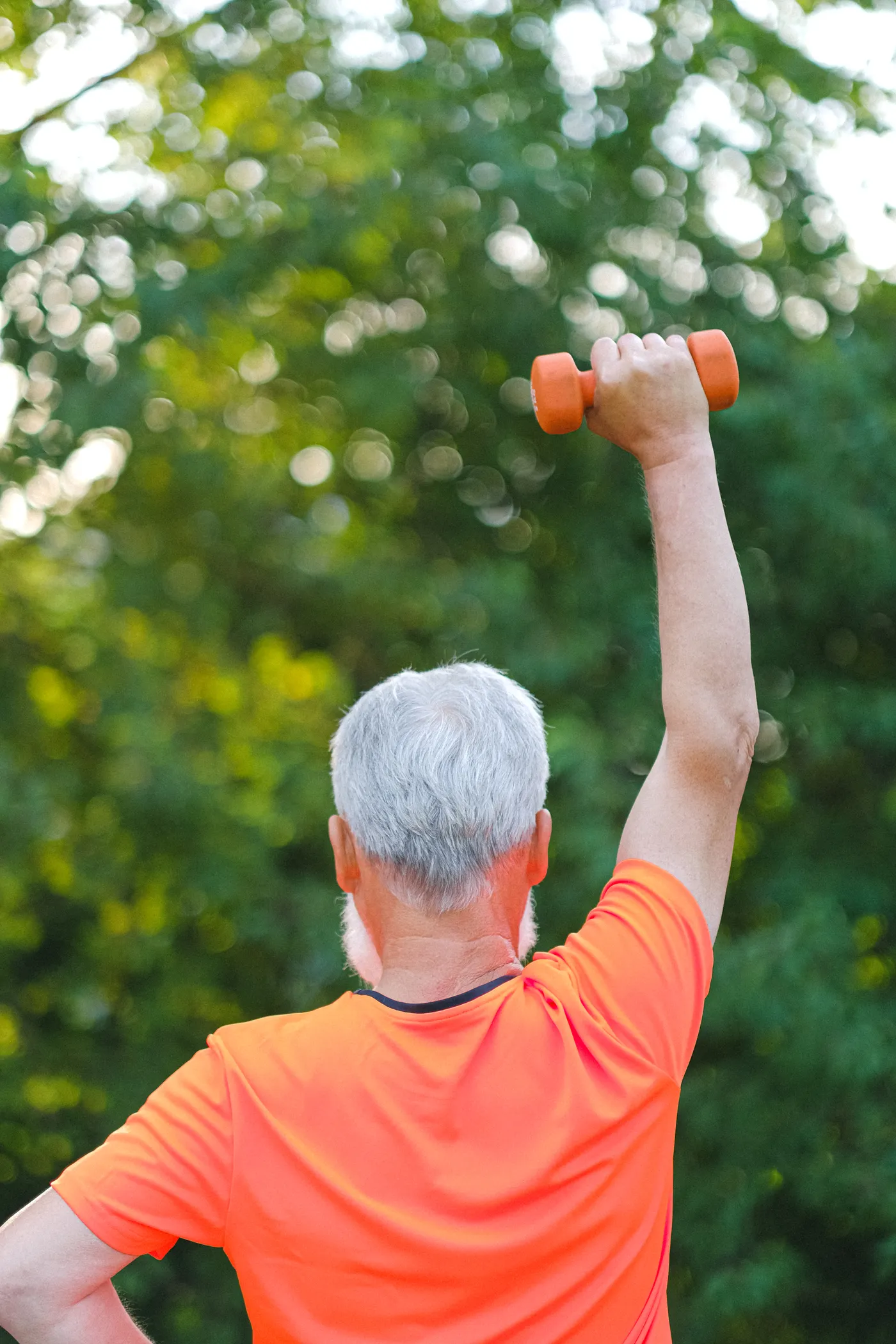
Can lifting weights help more than your legs, arms and balance as you get older? A randomized trial published on October 19, 2026 followed 60 adults aged 60 to 75 and found improvements in breathing-muscle pressure, grip strength and sit-to-stand performance after 12 weeks of supervised resistance training. Several blood markers linked with inflammation also shifted. That makes the research intriguing, but it does not prove that weights prevent respiratory illness, reverse biological aging or replace medical treatment.
Here is what the trial actually tested, where it fits with earlier evidence, and how an older adult might build a manageable strength routine in a compact home gym.
A 12-week trial with 60 older adults
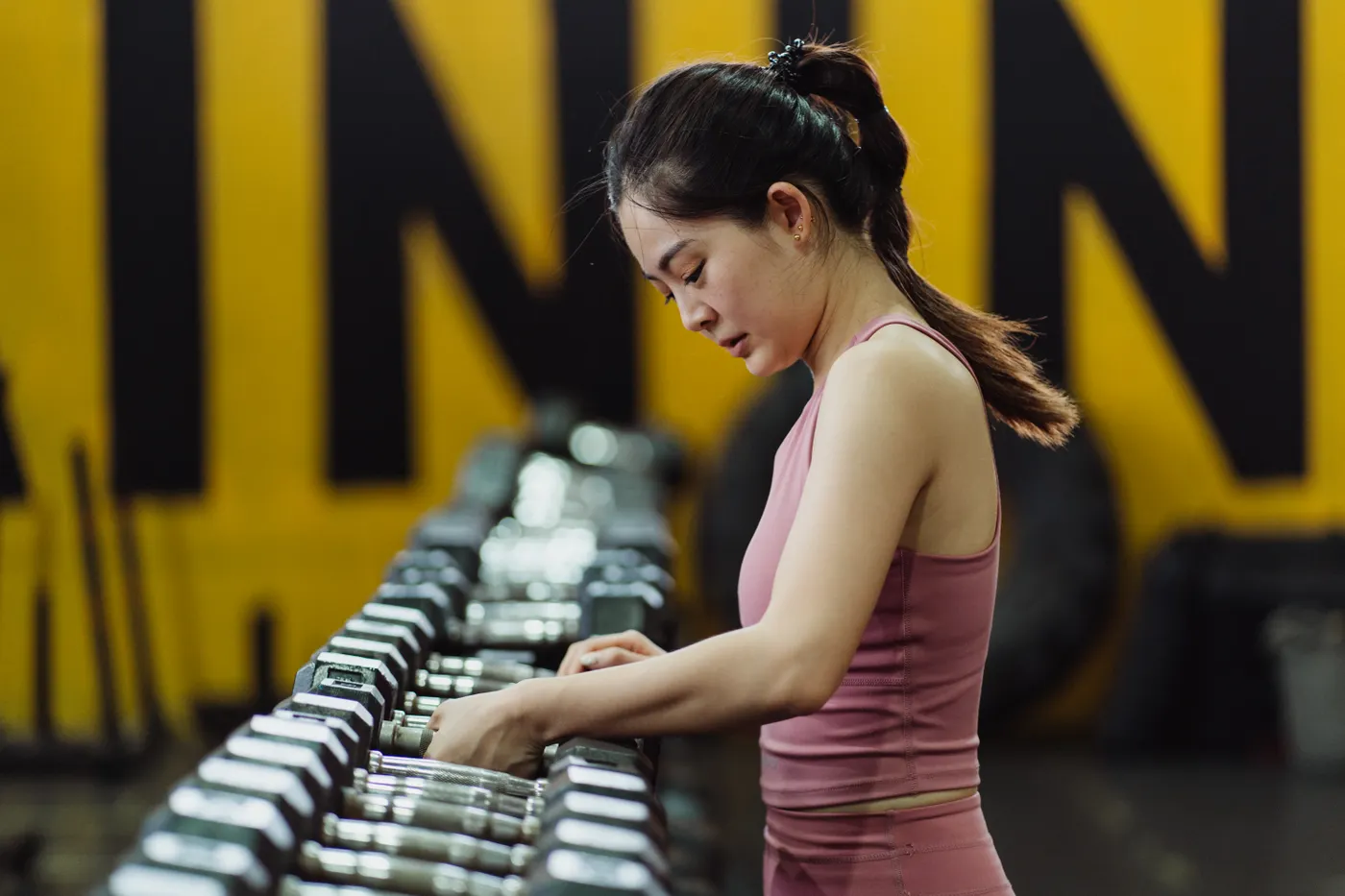
Researchers randomly assigned 60 community-dwelling adults aged 60 to 75 to a resistance-training group or a control group, with 30 participants allocated to each. The training group completed supervised resistance exercise three times per week for 12 weeks. Before and after the intervention, the investigators measured maximal inspiratory and expiratory mouth pressures, grip strength, a one-minute sit-to-stand test, body composition and several blood markers.
Inspiratory pressure reflects how forcefully the muscles used for breathing in can work during a standardized test. Expiratory pressure assesses a different component of breathing-muscle strength. These are useful physiological measurements, but they are not the same as showing fewer lung infections, less breathlessness during everyday activities or improved long-term survival.
The comparison group makes the results more informative than a simple before-and-after gym story. It helps separate changes associated with the training program from changes that might happen over time without it. Still, 60 participants is a modest sample, the intervention was supervised, and the study lasted only three months. It cannot tell us how the findings translate to every person over 60, particularly those with significant lung or heart disease.
The participants were not asked to perform a specialized respiratory-muscle breathing-device program. The intervention was ordinary resistance training. That is why the breathing-pressure findings are interesting: strength work involving the body may also challenge trunk stabilization and the muscles that assist breathing, even when lung function is not the primary training goal.
Breathing-muscle strength improved, but what does that mean?
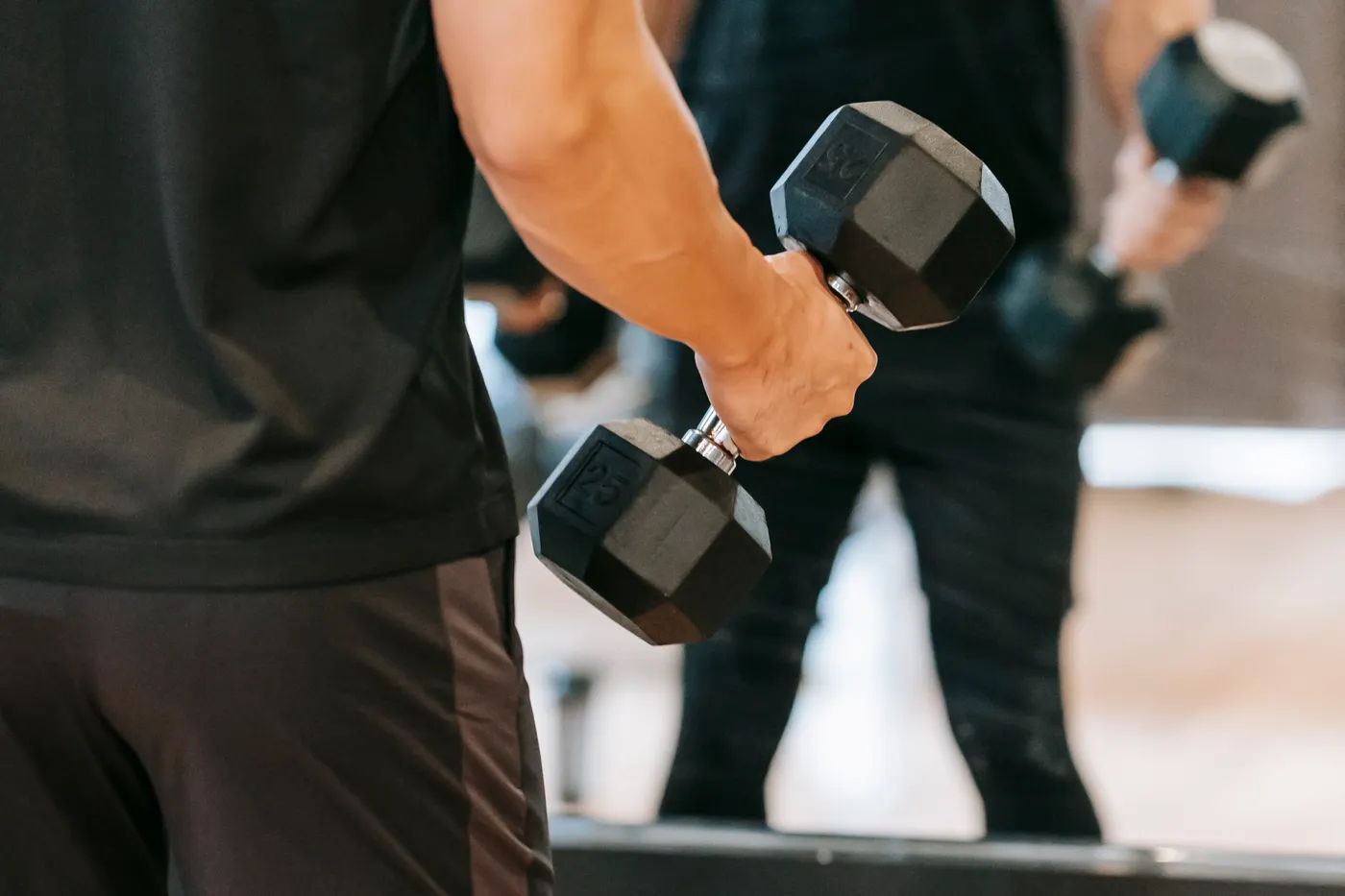
Compared with the control condition, the resistance-training group improved maximal inspiratory and expiratory pressures. Handgrip strength and performance on the one-minute sit-to-stand test also improved. Those outcomes suggest a broader training response involving force production and functional movement rather than an isolated change in a laboratory breathing measurement.
However, it is important not to turn stronger respiratory muscles into a claim that the lungs themselves became healthier in every possible sense. The trial did not establish that participants developed greater lung capacity, avoided respiratory disease or could exercise indefinitely without getting winded. In fact, the reported change in exercise-related oxygen desaturation needs cautious interpretation because the paper’s detailed figures did not demonstrate a clear between-group effect for that outcome.
Earlier research has not been uniformly positive. A 2024 synthesis of nine trials studying nonspecific exercise approaches in older adults did not find statistically clear pooled improvements in inspiratory pressure, expiratory pressure or peak expiratory flow, and the studies varied substantially. The new randomized trial adds evidence, but one positive result does not erase that mixed history.
For everyday training, the most dependable reason to lift remains preserving strength and physical independence. Being able to rise from a chair repeatedly, carry groceries or climb stairs with confidence matters even if a particular respiratory measurement changes only modestly. Treat the breathing findings as a potentially useful additional benefit that deserves replication, not as the central promise of a gym program.

Equipment Worth Exploring
Explore equipment, accessories and gear from our carefully selected range.
VOLTRA
Compact digital cable trainer with smooth, adjustable resistance.

Go-Tone Pro
Portable digital cable trainer with up to 66 lb (30 kg) of adjustable resistance.


Inflammation markers changed, not immunity itself
The study also reported lower circulating interleukin-6 (IL-6), higher interleukin-10 (IL-10), and increased circulating Klotho after training. IL-6 and IL-10 participate in complex inflammatory signaling; Klotho is a protein investigated in aging biology. These changes can help researchers generate hypotheses about how exercise influences physiology.
They do not, by themselves, demonstrate that someone has a stronger immune defense against viruses or that their biological age has fallen. Blood markers are intermediate outcomes, not clinical events. The study did not establish fewer infections, reduced hospital admissions or extended lifespan. Other immune-related measurements, including several blood-cell counts, did not show significant between-group changes, and the tumor necrosis factor-alpha result was not clearly different.
Broader research supports a cautious view. A 2023 synthesis covering 40 studies and nearly 1,900 older adults found small to moderate average reductions in some inflammatory markers after exercise. A later umbrella review also found that results varied by marker and training type; evidence for consistent changes in IL-10 was particularly limited. That context makes the new IL-10 result interesting, not definitive.
Even the direction of a cytokine change cannot always be labeled good or bad without considering timing, health status and the wider immune response. IL-6, for example, can behave differently during acute exercise and in chronic low-grade inflammation. A single laboratory value is not a complete score of immune health.
The practical message is straightforward: regular resistance training has established functional benefits, while biomarker research may eventually explain additional mechanisms. Do not purchase equipment, supplements or a training program on the promise that a Klotho reading will reverse aging.

Functional Fitness Shirts & Workout Gear
Functional-fitness shirts, tanks and workout gear for athletes who train strength, conditioning and everything in between.


OnlyGains Kettlebell Meme Meme Athletic Shirt Tank Top
Train hard, laugh a little, and rep “OnlyGains”.

Viva La Resistance Bands , Meme Shirt, Top T-Shirt
Make gym days more fun with “Viva La Resistance Bands” style.


Anti HYROX HYROX Club Meme Shirt Gymbro T-Shirt
Make gym days more fun with “Anti HYROX HYROX Club” style.

Wonder Woman Battle Ropes | Superhero HIIT Workout Pull Hoodie
Keep it laid-back with a little “Wonder Woman Battle Ropes” attitude.

Kettlebell Heart X-Ray Meme Top T-Shirt
Show some lifting attitude with a playful “Kettlebell Heart X-Ray” tee.

Break The Stereotype | Feminist Workout Sweater For Str T-Shirt
For laid-back days and gym-girl humor: “Break The Stereotype”.

Dia De Los Muertos Kettlebell – Day of the Dead Workout Sticker
Bring “Dia De Los Muertos Kettlebell” attitude to your water bottle or laptop.
What the trial cannot prove about healthy aging
The strongest part of this experiment is its randomized design and its combination of functional and physiological outcomes. The limitations are equally important. A 12-week supervised program may produce different results from unsupervised exercise at home. Participants were aged 60 to 75, so the findings should not automatically be extended to frail adults in their late eighties, younger athletes or people with chronic respiratory conditions.
There is also a difference between measuring a statistically significant laboratory change and demonstrating a clinically important benefit. A rise in maximal breathing pressure is measurable, but the trial does not define how much improvement is needed to change daily symptoms. Likewise, a higher Klotho concentration is not a validated certificate of slower aging.
Some studies of resistance training and inflammation report different results, partly because they recruit different populations, prescribe different workloads and measure blood at different times. Recovery, sleep, medications, illness and body composition may all influence measurements. A single trial cannot resolve those sources of variability.
The better-established foundation comes from the larger body of exercise evidence. Strength training can improve muscular strength, functional ability and confidence in daily movement. Aerobic activity, balance work and mobility remain complementary rather than optional. An older adult should not replace walking or medical respiratory care with weights merely because one study found an improvement in mouth-pressure tests.
For someone already training consistently, the findings are another reason to value strength work as part of a complete health plan. For someone starting after a long break, they are an invitation to begin gradually and safely, not to chase a high-intensity intervention without supervision.
How to build a safe three-day strength routine
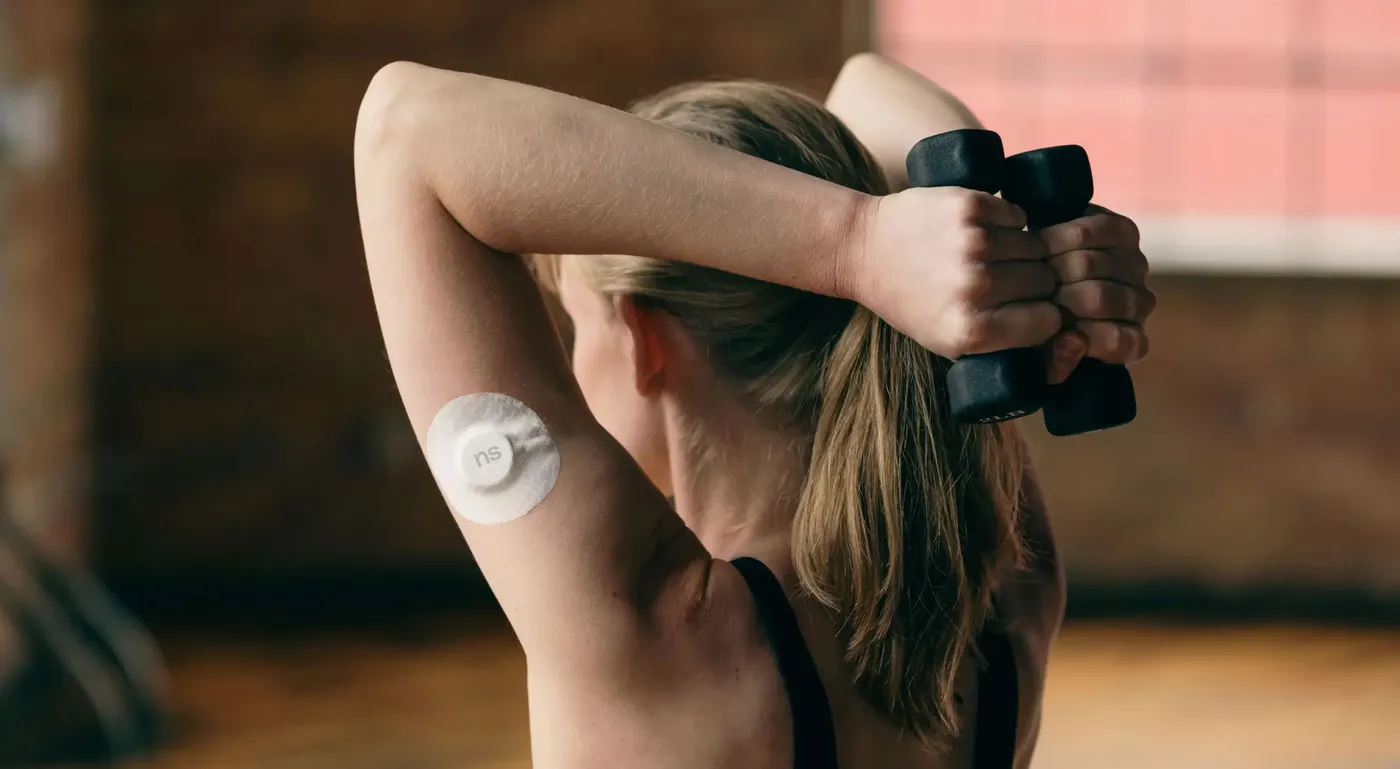
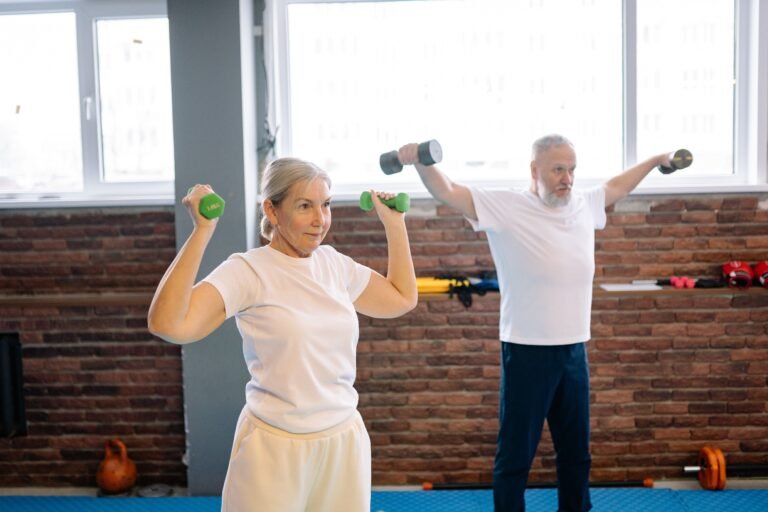
A compact home gym can support a simple full-body program without needing the exact machines used in a clinical trial. Begin each session with five to ten minutes of comfortable walking or gentle cycling and a few unloaded practice repetitions. Use a stable chair or bench, adjustable dumbbells or resistance bands, and enough space to move without obstacles.
Day A: chair sit-to-stands or supported goblet squats for two sets of six to ten; a supported row for two sets of eight to twelve; and a wall or elevated push-up for two sets of six to ten. Finish with a short farmer carry if balance and grip allow. Day B: a light hip hinge, supported step-ups or split squats, and a seated or standing press within a comfortable range. Day C: repeat the strongest movements from A and B, or use a gentle circuit with longer rests.
Leave approximately two or three repetitions in reserve at first. Rest long enough that breathing settles and technique stays controlled. If a person needs to hold their breath forcefully to move a load, the weight may be too heavy for a beginner. Exhale through the difficult part of a repetition instead of deliberately straining, especially if blood pressure is a concern.
Progress by adding a repetition, improving range of motion or increasing resistance a small amount only when the current work is repeatable. Two sessions weekly can be a reasonable entry point for someone who cannot yet recover from three. The point is consistency and appropriate challenge, not matching a research protocol at all costs.
People with heart or lung disease, uncontrolled blood pressure, dizziness, recent surgery or other relevant conditions should discuss exercise progression with a qualified clinician. The program above is general education, not a prescription for an individual medical condition.
Equipment Worth Exploring
Explore equipment, accessories and gear from our carefully selected range.



Leather Lifting Straps
Padded leather straps support grip during heavy rows, deadlifts and pulling exercises.

GymPin Ergo Handles
Pair of ergonomic cable handles shaped for comfortable triceps and pulling exercises.


Power Tower
Freestanding pull-up and dip station with adjustable handles for bodyweight training.
Keep walking, balance training and recovery in the plan
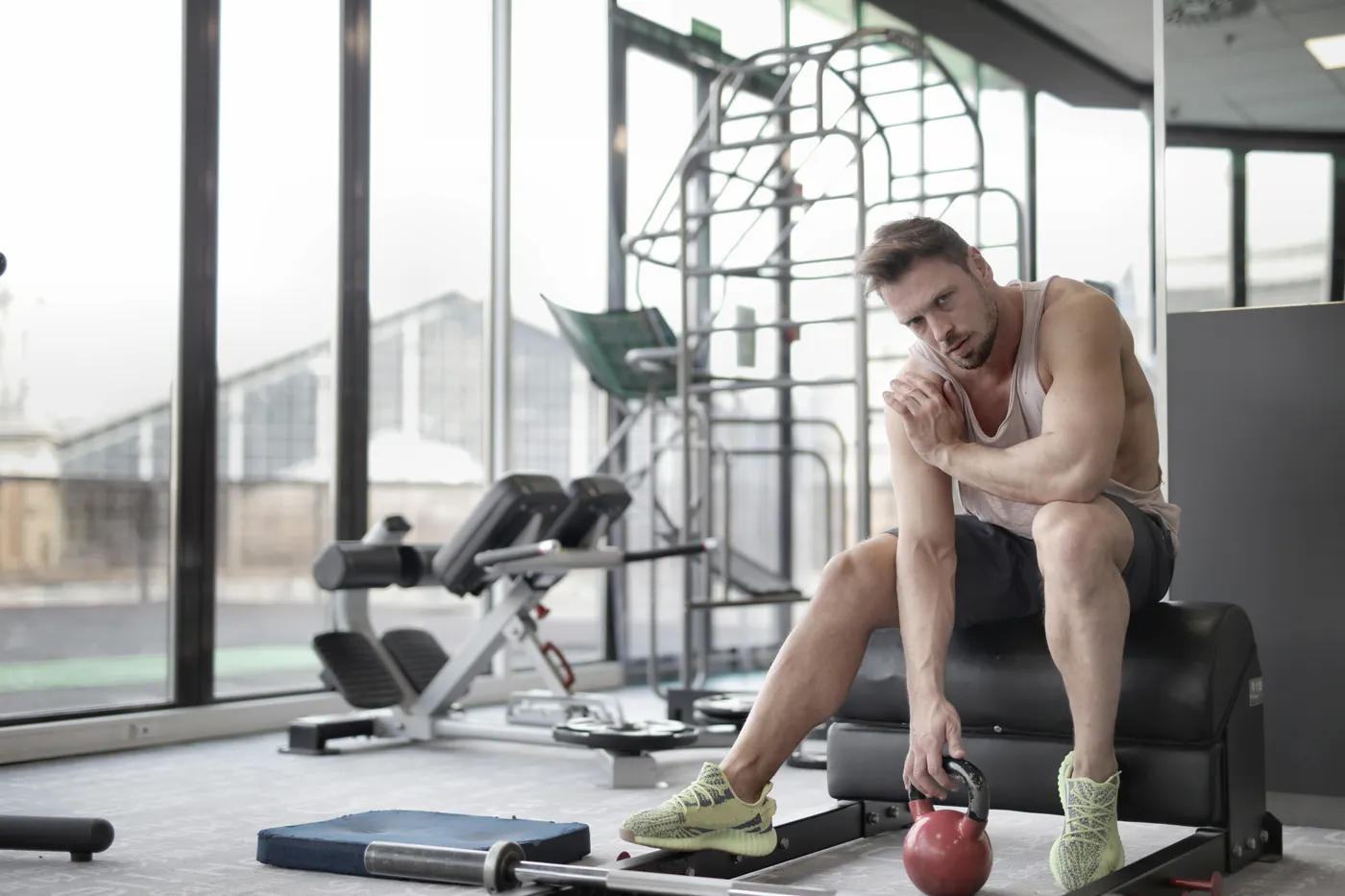
Resistance training is only one part of healthy aging. Walking, cycling, swimming or another sustainable aerobic activity can improve cardiovascular fitness. Balance drills and functional movement practice help maintain confidence on uneven surfaces. A well-rounded program usually includes at least two days of muscle-strengthening activity, regular aerobic movement and additional balance work when needed.
For a practical week, place full-body lifting on Monday, Wednesday and Friday, and add comfortable walks on Tuesday, Thursday and the weekend. A shorter walk after a strength session can also work. Avoid suddenly increasing both resistance training and aerobic duration at once; muscles, tendons and joints need time to adapt. If soreness or fatigue accumulates, reduce volume before deciding that exercise is unsuitable.
Recovery matters for interpreting how you feel. Sleep, hydration and sufficient dietary protein support normal training adaptation, but no specific food or supplement was shown by this 60-person trial to reproduce its respiratory or blood-marker findings. An older adult who is losing weight unintentionally or struggling to eat enough should seek individualized nutrition advice rather than using an aggressive calorie deficit while trying to gain strength.
Equipment choices should reduce friction. A stable adjustable bench makes supported rows and seated presses easier to control. A pair of adjustable dumbbells saves space, while bands can offer lighter entry points. A small step, clear floor and accessible storage may matter more than buying a large machine. Choose tools you can set up safely without awkward lifting.
Training is most useful when it can be sustained for months and years. That is more valuable than squeezing one maximal session into a week and then needing several days to recover.
Funny Gym Shirts & Workout Gear
Funny gym shirts, tanks, hoodies and workout gear for lifters who like training hard.

Meme Shirt – Mode On & Motivation Top T-Shirt
Heavy lifts, good laughs, and a little “Gym Mode On Graphic” energy.

O'Clock Meme – Digital Clock Top & Gymbros Seeking T-Shirt
Heavy lifts, good laughs, and a little “Gym O'clock Meme” energy.

Dumbbell Meme Shirt – Essential & Gymbros Seeking T-Shirt
Make gym days more fun with “Dumbbell Gym Meme” style.

Shirt – Dumbbell Heartbeat Gymbros, & Meme Lovers T-Shirt
Show some bodybuilding attitude with a playful “Dumbbell Heartbeat” tee.


Funny Hardcore Gains Gym | No Pain No Gain Workout | Fi Hoodie
Keep it laid-back with a little “Hardcore Gains” attitude.

Funny I Love Gym Valentine's Day – Gym Lovers Workout D Sticker
Give your everyday gear a playful “I Love Gym Valentine's Day” twist.

Back In AC/DC Rock Music – Gymbro & Gains Meme T-Shirt
Heavy lifts, good laughs, and a little “Back In Gym Funny AC/DC Rock Music” energy.

Right To Bare Arms George Washington Vest Tank Top
Train hard, laugh a little, and rep “Right To Bare Arms”.

A four-week scorecard that matters more than a blood test
Instead of trying to measure IL-6, IL-10 or Klotho at home, monitor changes that relate to everyday function. In week one, record how many controlled sit-to-stands you can perform in one minute without rushing, how many repetitions you complete with a modest dumbbell load, and how comfortable a short walk feels. Repeat the same tests under similar conditions in week four.
Look for smoother movement, better control, a few extra repetitions or an easier time carrying normal household items. These are practical indicators of progress, although they are not clinical substitutes for the trial’s standardized tests. If the numbers do not improve after four weeks, check consistency, exercise difficulty, recovery and technique before assuming you are a nonresponder.
Pay attention to symptoms rather than forcing progression. New chest pain, severe shortness of breath, fainting or unusual neurological symptoms require medical assessment, not another training set. Persistent joint pain is a reason to modify movement and seek guidance. Normal muscular effort should feel challenging but controlled, not alarming.
The 2026 trial provides an encouraging signal that supervised strength work may influence respiratory-muscle pressure and selected inflammatory markers in older adults. The sample was small, the duration was short, and its biomarker results do not prove disease prevention or rejuvenation. Earlier respiratory reviews have been mixed, while the evidence for functional benefits of strength training is much stronger.
The takeaway is to lift for the things that already matter: getting up, carrying, climbing, maintaining strength and staying independent. If future research confirms benefits for breathing muscles and immune signaling, that would be a welcome bonus. You do not need to wait for those answers to start building a safe, sustainable strength habit.