Protein advice often sounds like a contest between numbers: 0.8 grams per kilogram of body weight, 1.6 grams, or an aggressive 2.2 grams. But a target on a nutrition plan is not necessarily the amount someone eats, and muscle growth is not determined by protein alone. Training experience, calories, recovery and how muscle is measured all change the interpretation.
A randomized 2026 experiment in women aged 40 to 77 compared three assigned daily protein targets alongside resistance training or resistance training followed by cycling. The intriguing result was not that protein suddenly became irrelevant. The study could not detect a clear difference in estimated muscle mass among the protein-target groups, while the two exercise packages produced different strength and conditioning results. Understanding that distinction is far more useful than declaring a universal winner.
Why the Three Protein Targets Matter
At 70 kilograms of body weight, 0.8 grams per kilogram means 56 grams of protein daily, 1.6 grams means 112 grams, and 2.2 grams means 154 grams. Those are very different food plans. The lowest resembles a general population reference intake, while the higher targets are often discussed for people supporting resistance training. Neither number should be treated as an ideal for every lifter.
The critical word in the experiment is assigned. Participants received dietary guidance toward their targets, but researchers did not provide and weigh every meal. Intake was assessed using self-reported food records. A comparison of assigned dietary targets is therefore not the same as a tightly controlled experiment comparing three verified protein doses.
Changing protein in ordinary life can also change calories, carbohydrates, appetite and meal timing. Adding yogurt, eggs, beans or a shake may displace other foods. Trying to reach the highest target can be expensive or inconvenient. Because the groups did not eat carefully matched total calories, their dietary plans cannot be interpreted as isolated protein effects.
Protein quality and distribution were not perfectly standardized either. The amount in a meal is only one dimension of nutrition; the foods chosen, the energy available for training and consistency across weeks also matter. These are reasons to avoid making a universal recommendation from one short experiment.
The right question is not simply whether 154 grams beat 56 grams. It is whether this particular study, with its participants, adherence methods and measurements, was capable of detecting an important advantage from the assigned plans.
Inside the 12-Week Trial: 108 Women, Six Groups
The experiment randomized 108 previously untrained women aged 40 to 77 into six groups of 18. Three groups completed supervised resistance training. Three others completed the same resistance program and then added cycling. Within each training condition, women were assigned daily protein targets of 0.8, 1.6 or 2.2 grams per kilogram.
The main outcome was estimated skeletal muscle mass measured with multifrequency bioelectrical impedance. Other assessments included leg-press and chest-press strength, muscular endurance, body-fat estimates and cycling-derived estimated aerobic fitness. These outcomes capture different adaptations. A stronger leg press is not identical to larger muscles, and an improved cycling test is not identical to directly measured maximal oxygen uptake.
Twenty-five women withdrew, primarily because of time constraints or loss of interest. Eighty-three completed the full set of follow-up measurements, an attrition rate of approximately 23%. The primary comparisons used complete-case analysis, so the results may not fully represent the outcomes of everyone originally randomized.
The trial did not include a non-exercise control. That limits what we can conclude from changes within individual groups. Learning to perform a strength test, changes in hydration and normal measurement variation can affect before-and-after results. The strongest evidence is the comparison between randomized active groups, not a claim that every raw change was caused by the intervention.
The cycling groups also performed more total exercise than the lifting-only groups. Session duration, energy expenditure and fatigue were not matched. That design matters enormously when we consider whether cycling reduced strength or simply changed the recovery demands of an otherwise similar program.

Equipment Worth Exploring
Explore equipment, accessories and gear from our carefully selected range.


FID Bench MAX
Adjustable bench offering flat, incline, and decline positions + adjustable headrest.

VOLTRA
Compact digital cable trainer with smooth, adjustable resistance.

Go-Tone Pro
Portable digital cable trainer with up to 66 lb (30 kg) of adjustable resistance.


No Detectable Protein Difference Does Not Mean Equal Results
For the primary estimated muscle-mass outcome, the study found no statistically significant interaction between training condition and assigned protein target. The reported interaction probability was 0.856. The overall protein-target effect was also not significant, with a probability of 0.726, and the overall training-condition effect was not significant at 0.273.
These findings do not establish that 0.8, 1.6 and 2.2 grams per kilogram produce equivalent muscle growth. A nonsignificant difference is not an equivalence test. Splitting 83 completers across six groups, relying on dietary records and using an indirect muscle estimate may make small but meaningful effects difficult to detect.
Raw estimated muscle mass increased by roughly 3% to 5% across the groups. Yet bioelectrical impedance estimates tissue composition through electrical properties, and hydration or fluid distribution can shift its readings. The researchers did not directly image muscle growth with MRI or ultrasound. A small change in a body-composition device is not automatically confirmed hypertrophy.
Participants were also previously untrained. During the early months of lifting, movement skill and confidence can improve alongside physical adaptation. Better technique may influence performance tests before large structural changes become obvious. That explanation is plausible, but this experiment did not directly measure neural or technical mechanisms.
The narrow conclusion is still useful: under these 12-week training and dietary-counseling conditions, no clear difference among assigned protein targets was detected in the primary muscle-mass estimate. It challenges exaggerated precision about daily grams, not the wider evidence that sufficient protein supports exercise adaptation.

Bodybuilding Shirts & Workout Gear
Bodybuilding shirts, tanks and gym gear for lifters chasing muscle, size, symmetry and the pump.


Protein Monster – Protein Lovers, & Bros – Meme T-Shirt
Heavy lifts, good laughs, and a little “Protein Monster” energy.

Chicken Broccoli Rice – , Gymbros & Gains Meme T-Shirt
Heavy lifts, good laughs, and a little “Chicken Broccoli Rice” energy.

Broccolift – Eat Broccoli & Lift , & Gains – Meme Top T-Shirt
Show some meal-prep attitude with a playful “Broccolift” tee.

Work Hard Eat Hard Bulk T-Shirt
Heavy lifts, good laughs, and a little “Work Hard Eat Hard” energy.

Lift Eat Repeat – Weightlifting & – Meme Bros & T-Shirt
Make gym days more fun with “Lift Eat Repeat” style.

Meat Mountain – Gymbro Muscle Shirt Vest & Gains Tank Top
Show some personality between sets with “Meat Mountain”.

Motivation – Barbell Meme Strong , Leg Day Squats & T-Shirt
Make gym days more fun with “Gym Motivation” style.

Booty Building Mode Girl Meme Lovers, Leg Day, T-Shirt
Bring “Booty Building Mode” humor to your next gym day.

Protein Diet Dark Humor Edgy Vest Tank Top
Train hard, laugh a little, and rep “Protein Diet”.
Strength Favored Lifting Alone; Aerobic Fitness Favored Added Cycling
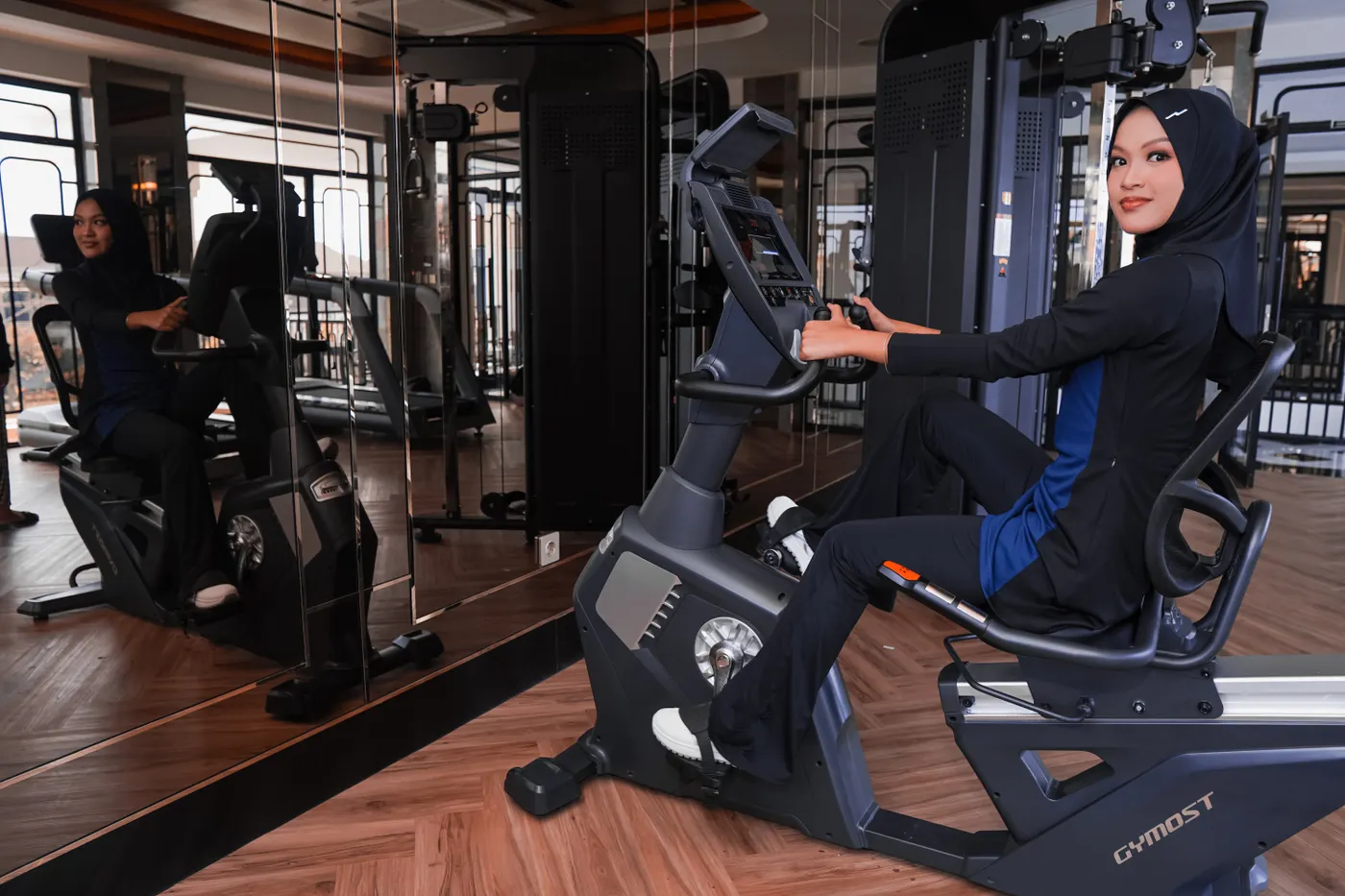
The exercise-package comparisons were more distinct. Women assigned resistance training alone had higher baseline-adjusted leg-press estimated one-repetition maximum than those who lifted and then cycled. The contrast favored lifting alone by about 6.7 kilograms. Chest-press strength and some resistance-endurance measures also favored the resistance-only package.
The combined-training group, however, had a higher baseline-adjusted cycling-derived aerobic-fitness estimate by approximately 4.5 milliliters per kilogram per minute. The group that practiced cycling was also assessed with a cycling-based test. That is a meaningful specificity issue: it supports improved performance on the selected test, not a direct measurement of every aspect of cardiovascular health.
The combined group also had an adjusted body-fat-percentage estimate around 2.0 percentage points lower. But body fat was estimated through bioelectrical impedance, and the groups did not perform equal total exercise. Additional cycling could have increased energy use, while dietary changes and recovery may also have influenced the outcome.
Does this prove that cardio kills strength gains? No. Broader research comparing concurrent training with resistance-only programs has generally not found a consistent loss of maximal strength or whole-muscle hypertrophy, although explosive-strength development may be more sensitive to scheduling. One small, short trial cannot overturn that larger evidence base.
Training specificity offers the better interpretation. If maximizing a heavy leg-press test is the immediate goal, adding demanding cycling after every lifting session may not be the best use of recovery. If aerobic capacity matters too, extra cycling can be valuable. The right program depends on the outcome you actually want.
Why the Broader Protein Evidence Still Matters
A null finding in one experiment does not erase the wider research on protein and resistance training. A large synthesis of randomized trials found that increasing daily protein intake modestly improved lean-body-mass gains when combined with resistance exercise. Another dose-response analysis linked higher total protein intake with additional strength gains up to roughly 1.5 grams per kilogram daily, without a continuing rise beyond that point in its pooled model.
Those summaries also have limitations. Studies vary in age, baseline diet, energy balance, exercise experience, protein source and measurement method. The relationship is not a precise switch at 1.5 or 1.6 grams. Someone who already eats enough may gain little from adding another shake, while a person who routinely eats too little may benefit more from improving consistency.
Age adds another layer. Some older adults have reduced appetite, different recovery demands or health conditions that affect dietary choices. Spreading adequate protein across normal meals can make intake easier to manage. This trial did not measure muscle-protein synthesis or carefully classify menopausal status, so it cannot establish a particular hormonal explanation for its results.
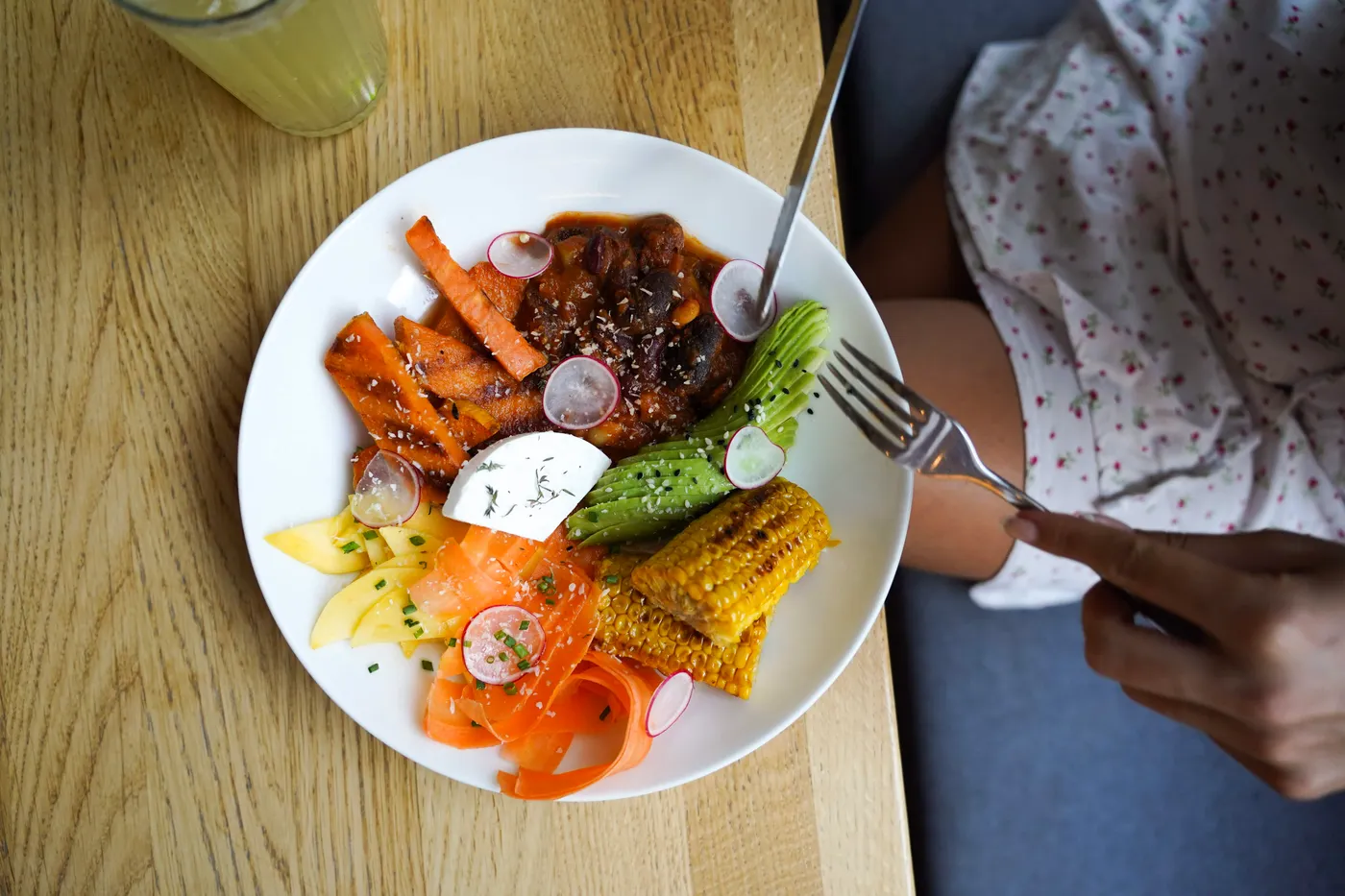
A sustainable protein plan can include dairy or fortified alternatives, eggs, fish, poultry, soy foods, beans and other staples. Reaching a very high protein number while neglecting fiber, vegetables or sufficient carbohydrate for training is not automatically a better approach. Food quality and total energy intake deserve attention alongside grams.
Anyone with kidney disease or another condition requiring dietary restrictions should seek individualized guidance before making large changes. For most healthy lifters, the practical priority is a consistent and sufficient intake paired with progressive training, rather than chasing the largest number in a research table.
Equipment Worth Exploring
Explore equipment, accessories and gear from our carefully selected range.




How to Combine Strength, Cycling and Nutrition
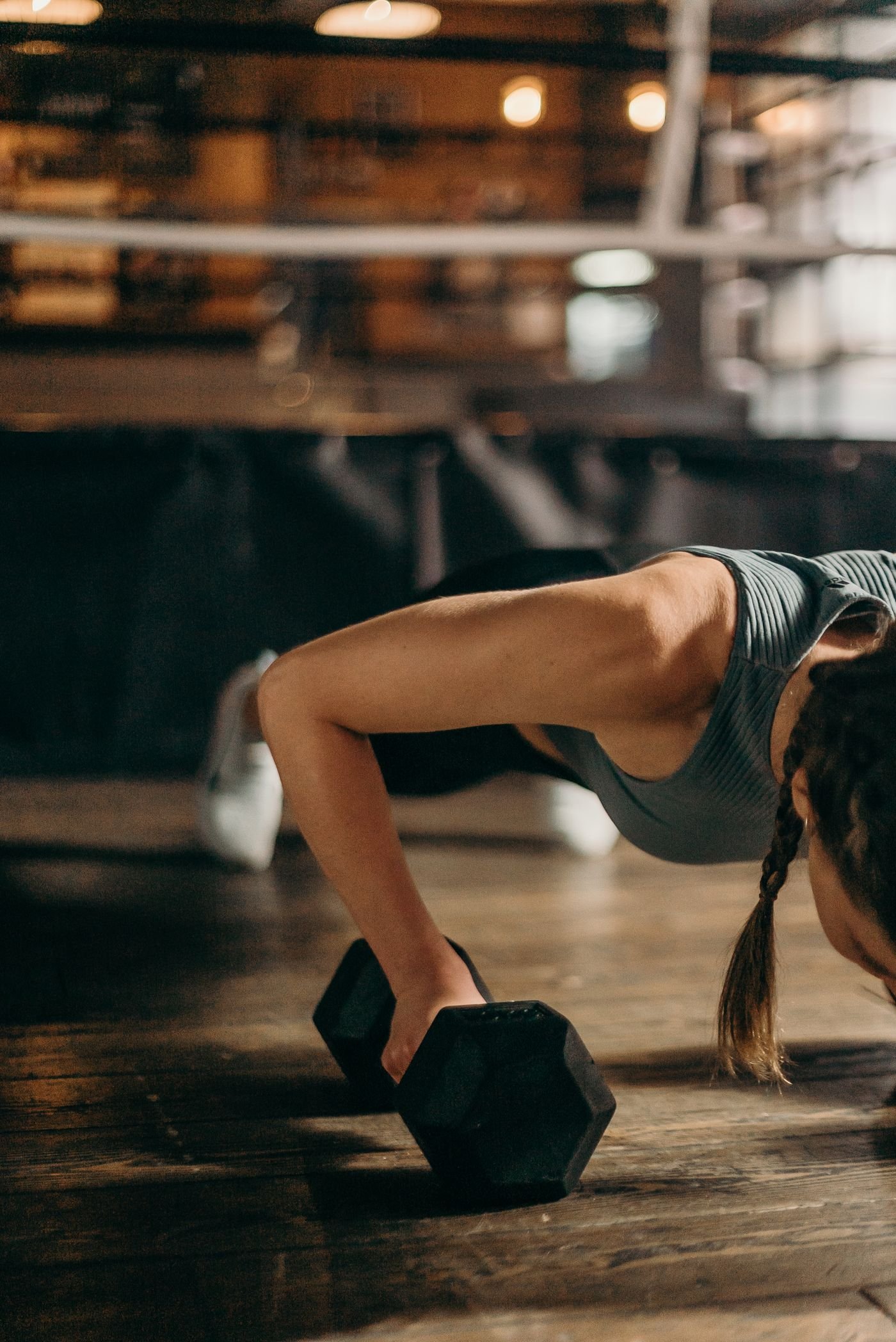
If strength is the main goal, begin with two or three progressive resistance sessions weekly. A full-body workout can include a squat or leg press, a hip hinge, a horizontal push, a pull and one accessory movement. Use controlled technique, a manageable load and enough rest for repeatable sets. Two or three working sets of six to twelve repetitions can be a reasonable starting point for many beginners, not a universal rule.
Add cycling or another aerobic activity based on your actual goals. Two moderate sessions of 20 to 30 minutes may be manageable for someone developing a routine. If heavy lower-body lifting is the priority, place a demanding bike workout on another day or separate sessions when practical. Easy aerobic work can often coexist with lifting without the same fatigue burden.
Record the training itself. Track load, repetitions, sets and how hard the last repetitions feel. For cardio, track duration, perceived effort and recovery. If leg strength repeatedly declines after you add conditioning, review total workload, sleep, food intake and session order before concluding that all cardio interferes with strength.
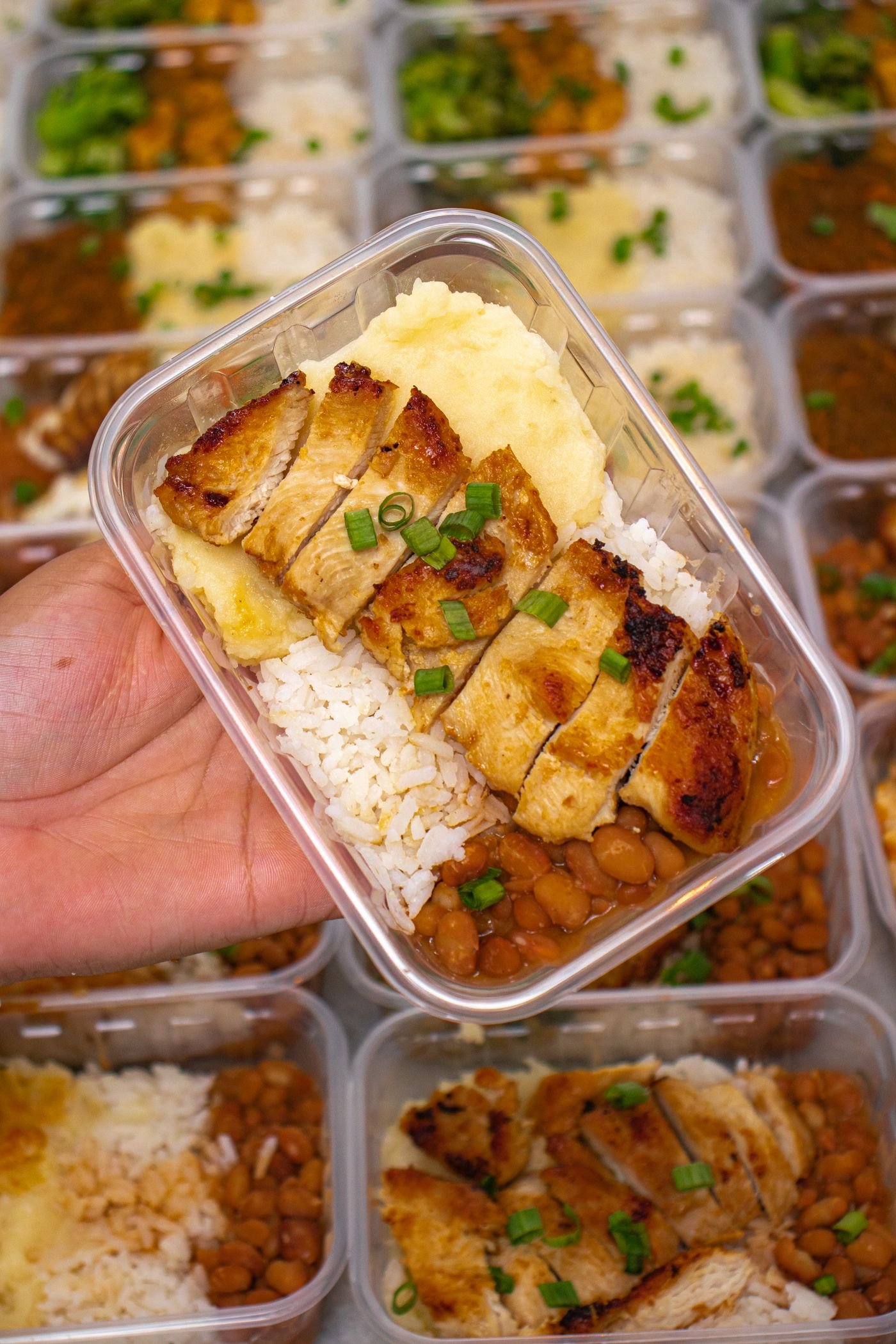
For nutrition, estimate your current protein intake before changing it. Choose a realistic target informed by body size, training, preferences and medical circumstances. Spread it across meals in a way that is affordable and comfortable. Do not treat the 0.8-gram arm as a newly proven ideal for everyone or assume 2.2 grams is automatically superior.
Broad physical-activity guidance supports both muscle-strengthening work on at least two days per week and regular aerobic activity. The best schedule improves the outcomes you care about while leaving enough time and energy to recover and repeat the plan. Consistency is more valuable than an elaborate routine that cannot be maintained.
Cardio Shirts & Workout Gear
Cardio and conditioning gym gear for runners, endurance athletes and anyone who earns the sweat.

Hybrid Athlete – HYROX Training Crewneck for Strength & T-Shirt
Show some gym-day personality with “Hybrid Athlete”.

Cardio Heartbeat Hoodie
Show off your cardio humor in a laid-back “Cardio Heartbeat” hoodie.

Gym Dost Thou Even Pedal Medieval Air Bike Joke for Cro T-Shirt
Show some gym-day personality with “Dost Thou Even Pedal Medieval Air Bike Joke”.

Anti Cycling Cycling Club – Ironic Cardio Meme & T-Shirt
Show some cardio attitude with a playful “Anti Cycling Cycling Club” tee.

Cardio Is Hardio – Workout Meme Vest Muscle Shirt For S Tank Top
Add some cardio attitude to training with “Cardio Is Hardio”.


Rowing – Dost Thou Even Row Medieval Knight Crewneck fo T-Shirt
Show some gym-day personality with “Rowing”.

Anti Rowing Rowing Club Shirt – Meme & Top T-Shirt
Show some cardio attitude with a playful “Anti Rowing Rowing Club” tee.

Shirt – Don'T Quit Do It – Meme & Gains T-Shirt
Show some lifting attitude with a playful “Don't Quit Do It” tee.

Cardio Is Calling Decline Sweater Meme T-Shirt
Bring “Cardio Is Calling” humor to your everyday gym style.
A Four-Week Audit That Avoids Training Noise
You do not need a laboratory to make better decisions, but you should avoid changing every variable at once. A four-week audit can show whether your routine is practical and whether performance is moving in the right direction. It cannot measure muscle-protein synthesis or reproduce a randomized trial.
Week 1: Establish a baseline. Keep your current training schedule, record working weights and repetitions for three to five repeatable exercises, and estimate your usual daily protein intake. Note your sleep, energy and aerobic sessions. Avoid a dramatic diet overhaul because one day of tracking looks unusually low.
Week 2: Improve consistency. If protein intake varies widely, make one regular meal more protein-rich or add a convenient snack. Keep overall food intake appropriate for your goal. Repeat the same core resistance exercises so your log remains comparable. Consistency matters more than immediately chasing the largest target.
Week 3: Review the training mix. Keep lifting stable and observe the effect of cycling sessions. If performance is improving and recovery feels normal, continue. If lower-body sessions suffer after hard cardio, adjust timing or intensity rather than eliminating aerobic work entirely. One small change is easier to evaluate than rewriting the entire program.
Week 4: Review trends. Compare several workouts, sleep, completion rate and how sustainable the food plan feels. A home body-fat scale cannot precisely verify muscle growth over four weeks. If you are progressing, there may be no reason to add complexity. If fatigue is rising while performance stalls, reduce workload or redistribute sessions.
The lesson from the 2026 trial is precision in claims. Assigned protein targets did not produce clearly distinguishable outcomes in this short experiment, while different exercise packages favored different performance tests. Protein matters, training specificity matters, and neither can be reduced to one magic number. Build a repeatable plan and give adaptation time.