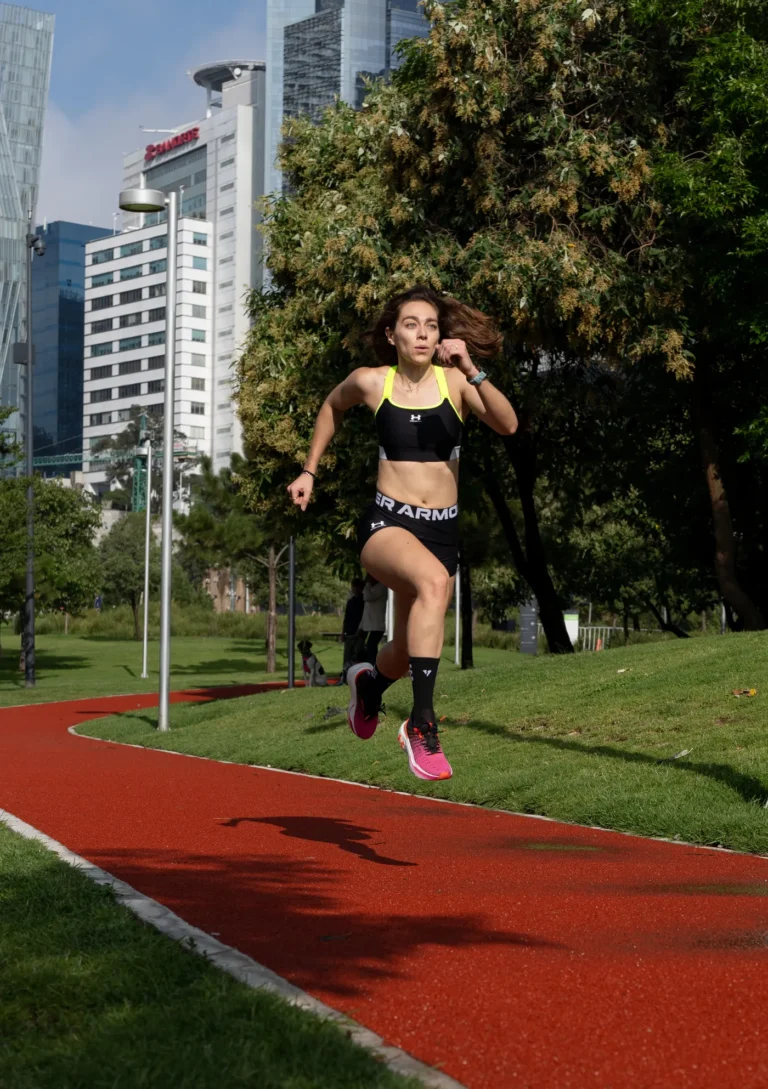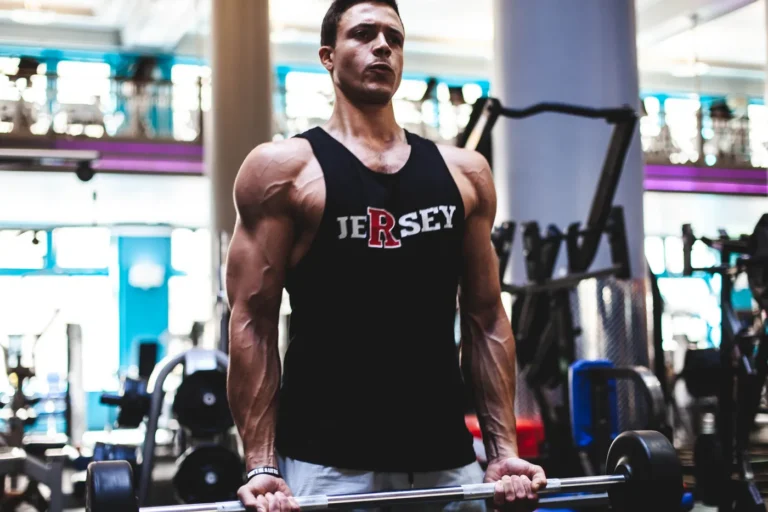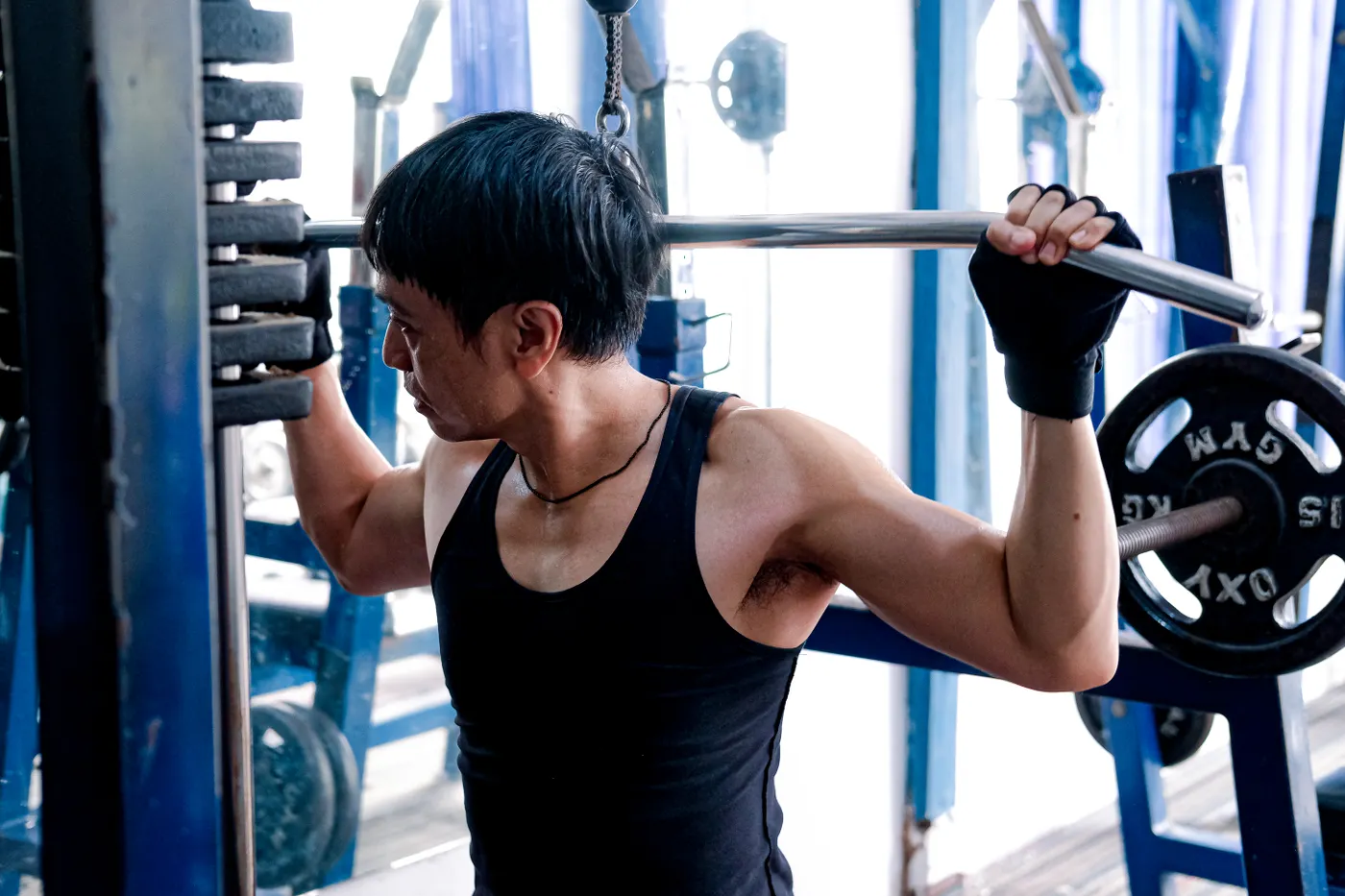
Four lifting days can be enough to build an impressive physique, but the calendar itself is not the secret. What matters is how many challenging sets each muscle receives, whether those sets are performed well, and whether you recover enough to add repetitions or load over time. A four-day bodybuilding split gives you room for focused sessions without requiring a daily trip to the gym.
This guide builds a practical chest-and-triceps, back-and-biceps, shoulders-and-core, and legs-and-calves week. It is a starting framework rather than a proprietary program or a promise that one split outgrows every other option. You will learn how to choose useful exercises, count overlapping work, and adjust the plan when recovery or scheduling changes.
Some equipment links may be affiliate links, supporting Mind Muscle Perfection without increasing your purchase price.
What a four-day bodybuilding split should actually accomplish
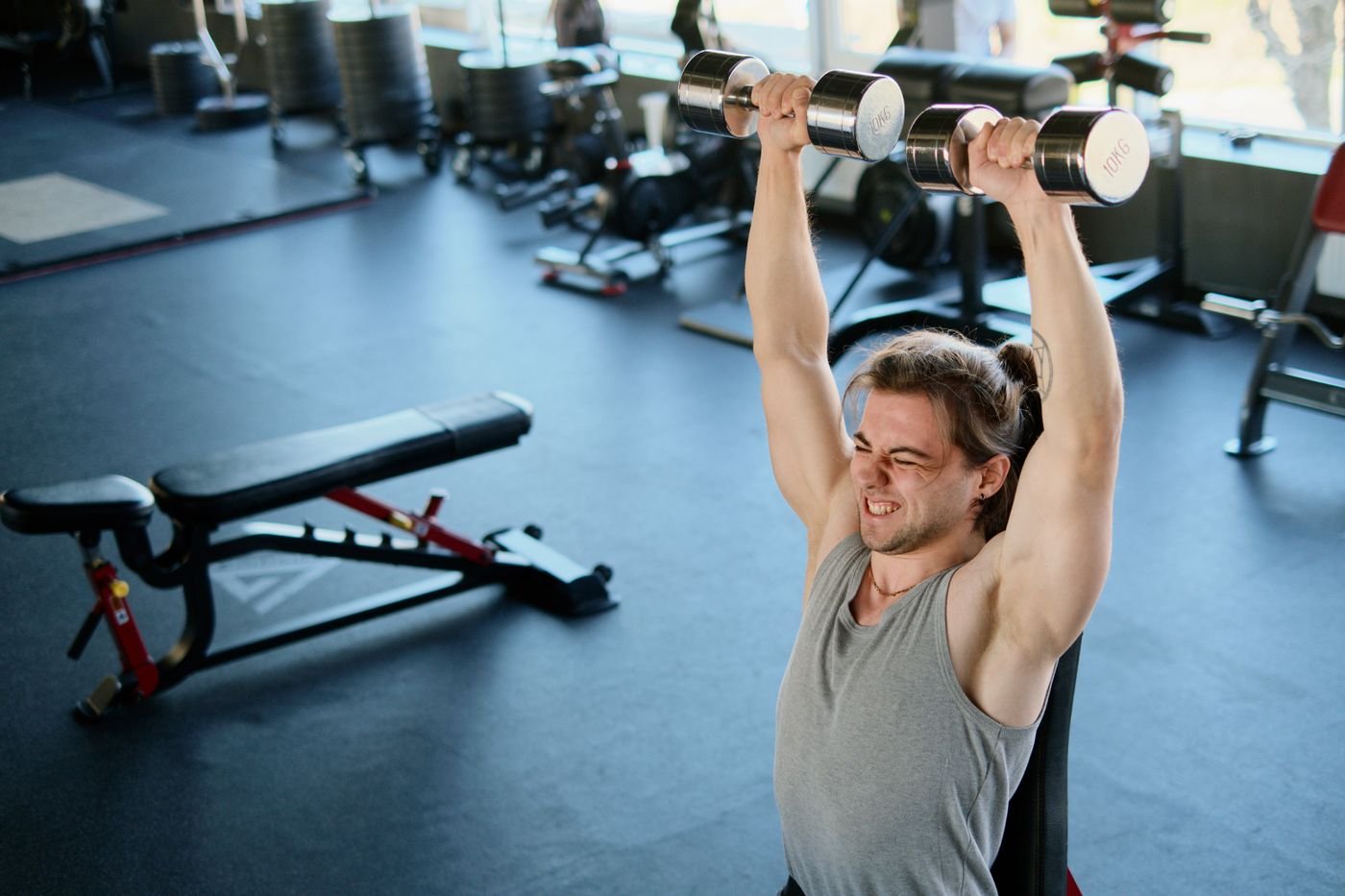
A split is simply a way of distributing training stress. Four sessions make it easier to spend meaningful time on each movement pattern, but a successful week must still cover horizontal and vertical pushing, horizontal and vertical pulling, knee-dominant leg work, hip hinges, direct arm work and appropriate trunk training. A split that looks organized on paper can still miss a muscle or overwhelm the same joints on consecutive days.
One workable schedule is Monday chest and triceps, Tuesday back and biceps, Thursday shoulders and core, and Saturday legs and calves. That leaves Wednesday and Friday for easy movement or recovery, with Sunday available before the next week. The exact weekdays do not matter. If shoulder fatigue from pressing is high, move the shoulder day farther from chest day. If Saturday is always unpredictable, put legs on Friday and shift the other sessions accordingly.
Most beginners do not need four large body-part sessions. A two- or three-day full-body plan usually provides more frequent skill practice with fewer exercises to manage. The four-day format becomes attractive once a lifter can reliably execute basic movements, wants additional direct muscle work, and has enough recovery capacity to make the extra sessions productive.
Keep each workout centered on a few measurable lifts. Record the exercise, load, repetitions, sets and proximity to failure. A training log makes progress visible even when the mirror changes slowly. If you routinely finish a session unable to identify which lifts improved, the plan may contain too much variety and not enough repeatable work.
Weekly sets and frequency matter more than the split’s name
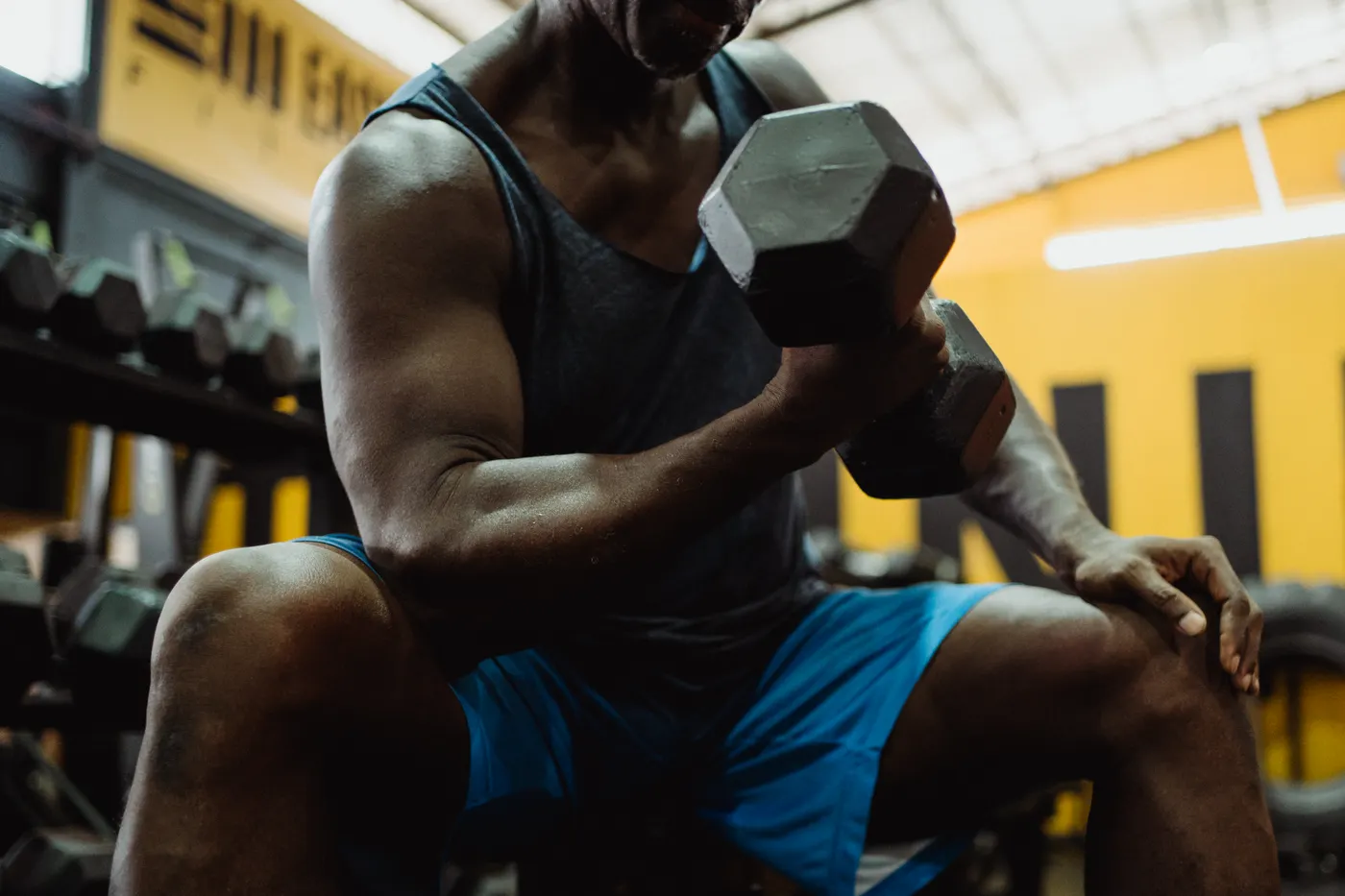
Muscle growth is influenced by hard-set volume, effort, exercise selection and recovery. A practical initial range for an intermediate lifter is roughly 8-14 challenging weekly sets for a large muscle group, with less direct work often needed for smaller muscles already trained by compounds. This is a coaching starting point, not a universal physiological threshold. Someone returning from a break may grow on less; an experienced lifter may tolerate more.
Count overlap instead of blindly adding sets. A demanding bench press trains the chest while also involving the triceps and front delts. Rows and pulldowns challenge the back while involving elbow flexors. Ten pressing sets plus ten hard triceps isolation sets may be more elbow stress than the apparent numbers suggest. Begin conservatively, then add work only when performance, recovery and motivation support it.
Training a muscle once per week is not automatically inferior if total effective work is similar. Research comparing volume-matched routines generally finds that splitting the same work across different weekly frequencies produces similar average hypertrophy outcomes. Higher frequency can still be useful because it spreads fatigue across sessions and may preserve set quality. If all your chest work happens on Monday and the final sets are unproductive, move some chest work to Thursday rather than forcing a longer Monday.
Use a simple effort scale. On most compound lifts, finish with about 1-3 repetitions in reserve, meaning you believe one to three clean reps remained. Isolation lifts can occasionally be taken closer to technical failure when the movement is controlled and recovery is good. The last rep should be challenging without requiring a breakdown in positioning. Effort is not an excuse to rush rest periods; take approximately two to three minutes for heavy compounds and one to two minutes for smaller isolation movements, adjusting as needed.
Before adding exercises, ask whether an existing exercise covers the intended function. One stable chest press, one press at a different angle and one fly variation usually provide more usable information than five nearly identical presses. Likewise, a vertical pull and a row address different pulling demands more effectively than three minor handle changes on the same machine.

Equipment Worth Exploring
Explore equipment, accessories and gear from our carefully selected range.
VOLTRA
Compact digital cable trainer with smooth, adjustable resistance.


FID Bench MAX
Adjustable bench offering flat, incline, and decline positions + adjustable headrest.


GymPin Ergo Handles
Pair of ergonomic cable handles shaped for comfortable triceps and pulling exercises.


Back Bar
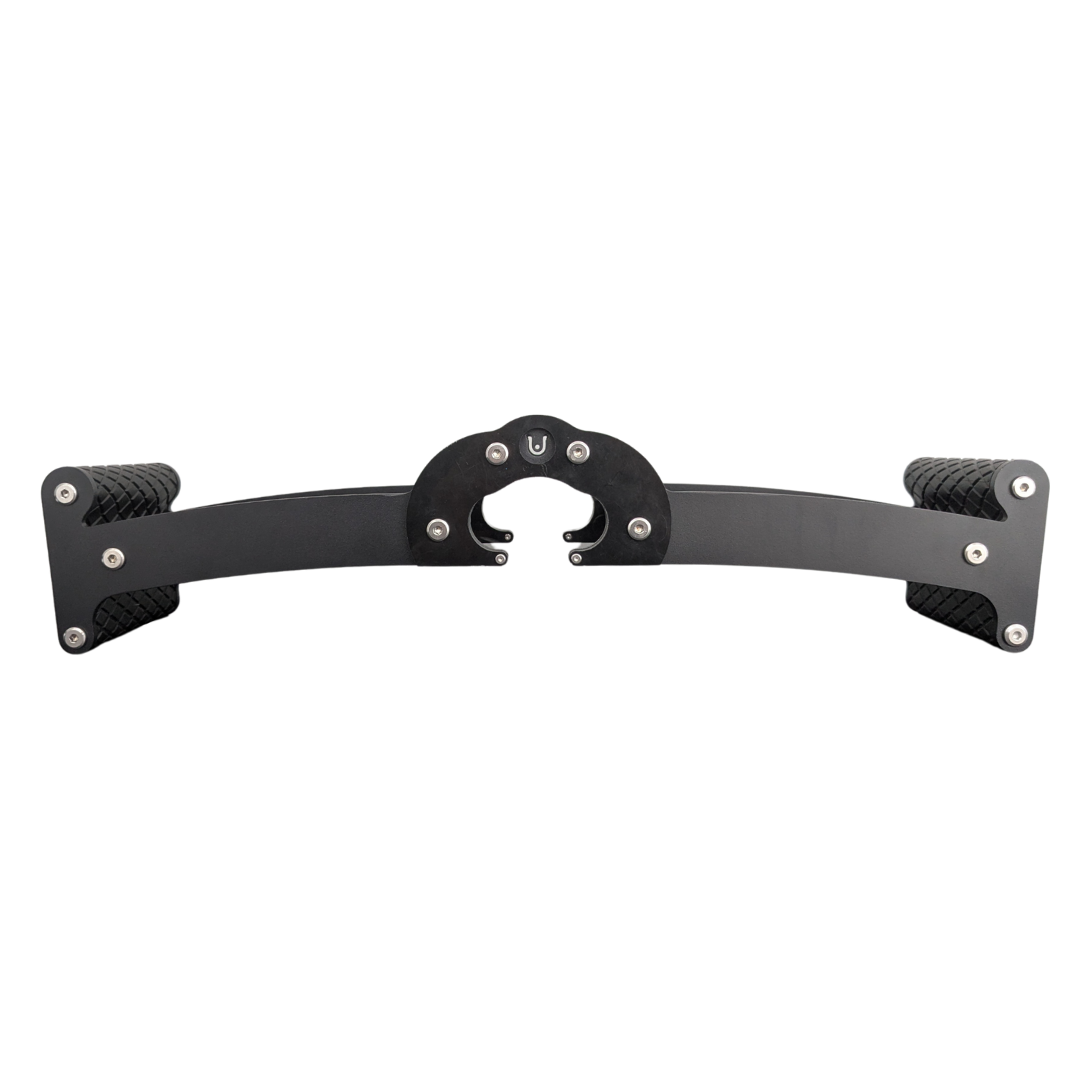
Multi-grip cable and landmine bar with a built-in deadlift jack.

Long Tricep ERGO Ropes
Extended triceps ropes with ergonomic grips for cable pressdowns and overhead extensions.

Day one: train chest and triceps with a clear priority
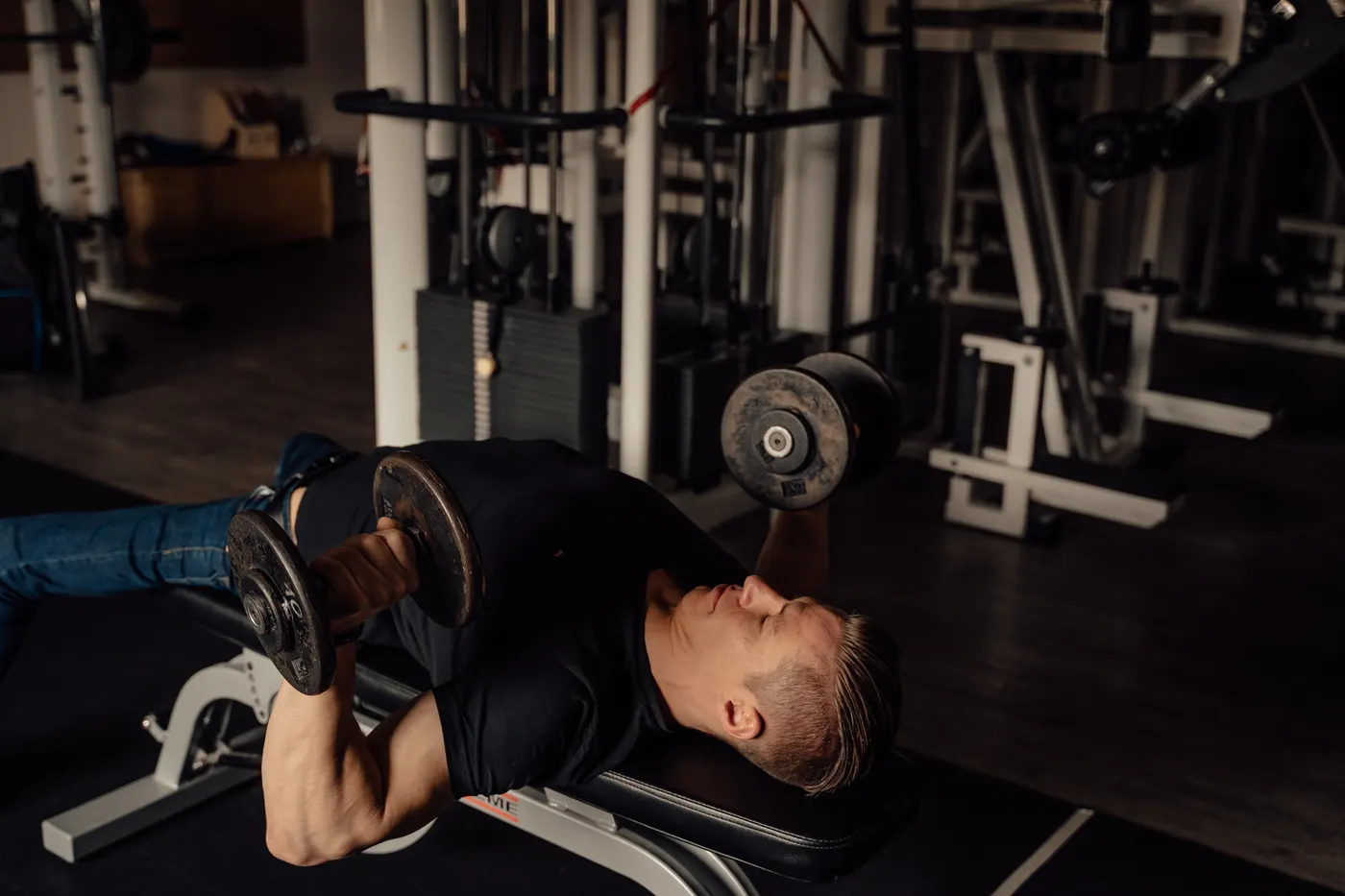
Begin with the press you most want to improve. If that is a barbell bench press, do three working sets of 5-8 reps after several lighter warm-up sets. If shoulder comfort or equipment availability favors dumbbells or a chest-press machine, use that instead. A stable setup, repeatable range of motion and progressive overload are more important than the implement’s prestige.
Follow with two or three sets of an incline press for 8-12 reps, then two sets of cable or dumbbell flyes for 10-15 reps. Keep the flyes controlled, with the upper arm moving through a comfortable arc and no need to force an extreme stretch. If a chest exercise irritates the front of the shoulder, change the grip, bench angle or movement rather than trying to push through sharp pain.
Finish with two sets of a cable pressdown and two sets of an overhead triceps extension, typically 10-15 reps each. The overhead movement can challenge the long head in a lengthened position, while pressdowns offer a convenient stable alternative. Because the triceps have already helped during pressing, these four direct sets may be sufficient initially. Add another set only if the arms are recovering and growing more slowly than the rest of the physique.
An example day is bench press 3 x 5-8, incline dumbbell press 3 x 8-12, cable fly 2 x 12-15, rope pressdown 2 x 10-15 and overhead extension 2 x 10-15. That is twelve working sets, not a contest to perform every chest exercise in the building. Warm-ups do not count as hard sets, and the first working set should start only when the relevant joints and movement pattern feel ready.
Use full, controlled repetitions and a stable bench position. Keep shoulder blades supported and feet planted for pressing. You do not need a dramatic arch or exaggerated elbow flare. Stop a set when the next repetition would require a major change in technique. If triceps fatigue consistently limits chest pressing, prioritize the chest work first and keep direct arm work at the end.

Bodybuilding Shirts & Workout Gear
Bodybuilding shirts, tanks and gym gear for lifters chasing muscle, size, symmetry and the pump.


Muscle Mountain – Bicep Mountain Meme Vest Muscle Shirt Tank Top
Train hard, laugh a little, and rep “Muscle Mountain”.

Micro Biceps Club President Gym | Funny Workout Sweater T-Shirt
Keep things casual with a little “Micro Biceps Club President” attitude.

OnlyGains Big Biceps Decal Water Bottles & Equipment Sticker
A fun “OnlyGains Big Biceps” touch for bottles, laptops, and lockers.

Welcome To The Gun Show Bro Meme Hooded Weightlifting Hoodie
Bring “Welcome to the Gun Show” gym humor to lazy days and post-workout plans.

Survival of the Swolest – Swole Darwin Evolution Crewne T-Shirt
Add a playful “Survival of the Swolest” touch to your casual rotation.

Shirt Rats – , With Meme , Gymbro Top T-Shirt
Heavy lifts, good laughs, and a little “for Gym Rats” energy.

Gains O'Clock | Workout Sweater & Gym Bros | Fitness Me T-Shirt
Add a playful “Gains O'Clock” touch to your casual rotation.

Bicep Heart I Love Gym Funny Workout | Swole Heart Musc Tank Top
Train hard, laugh a little, and rep “Bicep Heart I Love Gym”.
Day two: build a wider and thicker back without endless rows
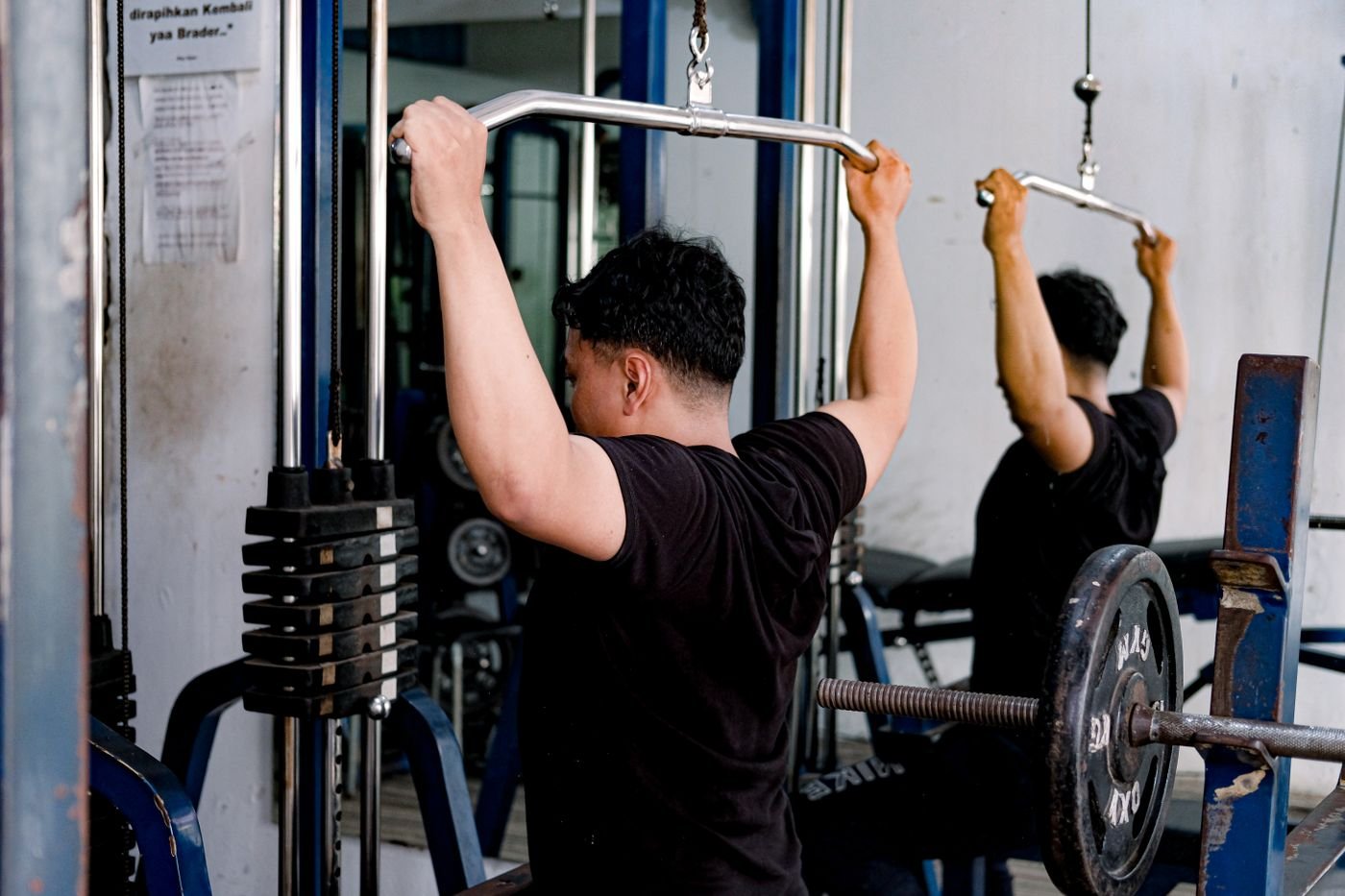
Back training benefits from different lines of pull. A vertical pull such as a pull-up or lat pulldown emphasizes shoulder adduction and extension, while a chest-supported or cable row trains a different combination of shoulder movement and scapular control. You do not need to chase an enormous menu of grips. Choose versions you can repeat with the same torso position and full, comfortable range.
Start with a pulldown or assisted pull-up for three sets of 6-10 reps. Follow with a chest-supported row for three sets of 8-12, then a one-arm cable row for two sets of 10-15. Chest support can be valuable when lower-back fatigue would otherwise compromise the session. Keep the elbows moving through a deliberate path and avoid converting every row into a hip swing. Straps are a reasonable option if grip fails before the target back muscles.
For biceps, use two sets of a supinated curl and two sets of a neutral-grip hammer curl, each around 8-15 reps. The hammer variation also involves the brachialis and brachioradialis. There is little reason to add four more curl variations simply because the arms feel pumped. Instead, track a consistent exercise and aim for better controlled reps or a modest load increase.
If you prefer barbell rows, place them early while the trunk is fresh and reduce the amount of other unsupported rowing. If you have limited overhead clearance, a seated cable pulldown or high anchor can replace a conventional pull-up. The objective is a strong vertical pull plus a strong horizontal pull, not loyalty to one machine.
Do not force the shoulder blades into an artificially locked position throughout every pull. Allow natural scapular movement while keeping the torso controlled. If a movement produces persistent elbow pain, reduce load, adjust wrist position and consider a neutral-grip alternative. Training should challenge the muscles without making each session an irritation test.
Day three: prioritize lateral and rear delts, then train the trunk
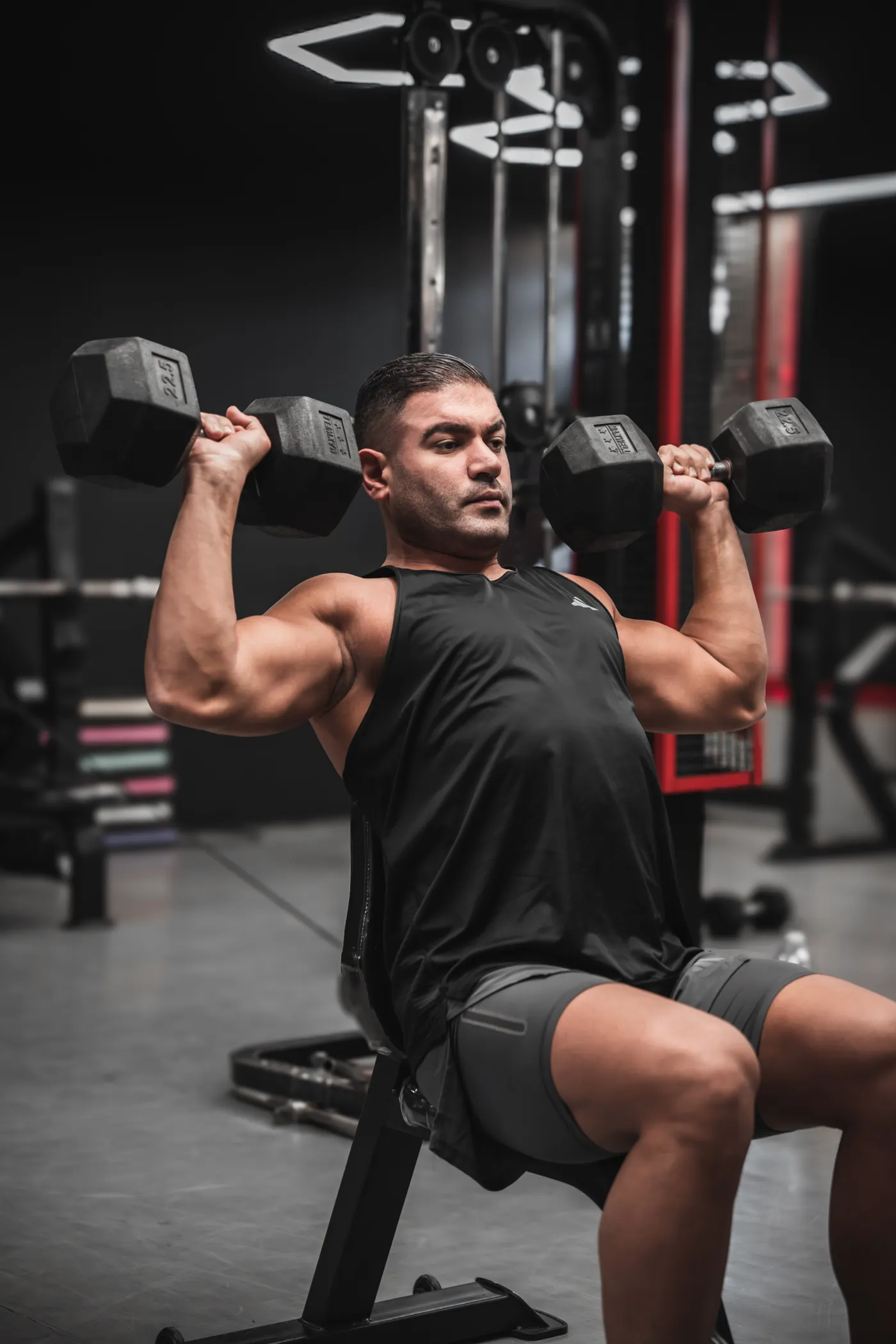
The shoulders have already contributed to chest and back sessions, so this day is an opportunity to address the deltoid regions that may receive less direct work. Begin with a dumbbell or machine overhead press for two or three sets of 6-10 reps if overhead work is comfortable. There is no requirement to press overhead when it aggravates a shoulder; a landmine press or another tolerated pressing pattern may be a better fit.
Then perform three sets of lateral raises for 12-20 reps. Use a weight that lets you raise the arms smoothly without turning the movement into a full-body heave. Cable laterals can provide a different resistance profile, while dumbbells remain effective when the setup is simple. Follow with three sets of reverse flyes or rear-delt cable work for 12-20 reps, maintaining control as the arms move outward.
Front raises are optional. Many lifters already accumulate substantial front-delt work from horizontal and overhead pressing. If you have limited time, spend it on lateral delts, rear delts or trunk work rather than automatically adding another front-delt exercise. If shoulders remain sore from Monday, move this session later in the week or reduce the pressing sets.
For the trunk, combine a movement that resists spinal extension with one that challenges controlled flexion or rotation. Try two sets of ab-wheel rollouts or dead bugs, followed by two sets of cable crunches or a Pallof press. Keep the pelvis and rib cage controlled rather than chasing the longest possible range at any cost. Add load or difficulty gradually, just as you would for other muscles.
A useful session is overhead press 2 x 6-10, lateral raise 3 x 12-20, rear-delt fly 3 x 12-20, rollout 2 x 6-12 and cable crunch 2 x 10-15. That is twelve focused working sets. If your main objective is shoulder width, put lateral raises first on some weeks. Exercise order is a tool for prioritization, not a permanent rule.
Equipment Worth Exploring
Explore equipment, accessories and gear from our carefully selected range.


GymPin Squat Wedges
Non-slip 15-degree squat wedges help elevate the heels for deeper quad-focused squats.


HUSLA Leg Extension Pad
Pad attachment designed to increase usable range of motion on compatible leg-extension machines.

Squat Harness
Wearable harness for hands-free cable squats, sled work, and lower-body training.

Day four: cover quads, hamstrings, glutes and calves efficiently
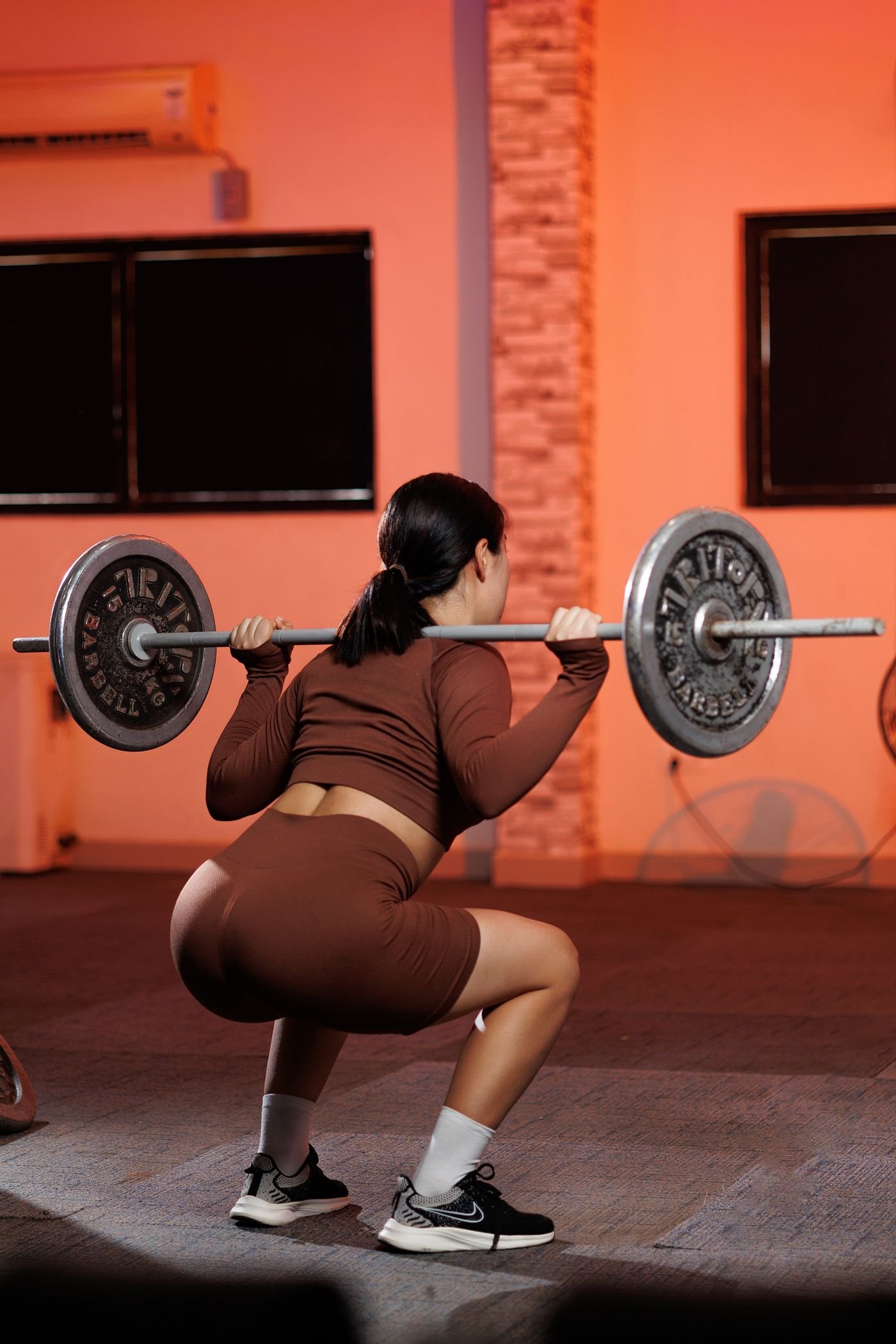
Leg day becomes inefficient when every hard lower-body exercise is placed into one giant session. The solution is not necessarily more intensity; it is better distribution of movement patterns and a realistic set budget. A squat or leg press trains knee extension with substantial quadriceps involvement, while a Romanian deadlift challenges hip extension and the hamstrings at longer muscle lengths. A leg curl adds knee-flexion work that a hip hinge does not fully replace.
Start with three sets of squats or leg presses for 6-10 reps. Select a depth you can control while keeping your foot pressure stable. Next do two or three sets of Romanian deadlifts for 6-10 reps, lowering until you feel a useful hamstring stretch without losing spinal position. Then use two sets of split squats or step-ups for 8-12 reps per leg. Unilateral work can expose side-to-side differences, but you do not need to add weight before you can control the movement.
Add two sets of seated or lying leg curls for 10-15 reps. If the quads need extra work, add two sets of leg extensions rather than another exhausting compound lift. For calves, use two or three sets of standing calf raises and, when available, two sets of bent-knee raises. Pause briefly at the bottom and top instead of bouncing through short repetitions. The gastrocnemius and soleus have different knee-angle demands, which is one reason both positions can be useful.
One example is squat 3 x 6-10, Romanian deadlift 3 x 6-10, split squat 2 x 8-12 per side, leg curl 2 x 10-15, leg extension 2 x 12-15 and calf raise 3 x 10-20. Fifteen working sets are plenty for many lifters. If the session regularly exceeds ninety minutes or technique deteriorates, remove the lowest-priority accessory or distribute some leg work into another day.
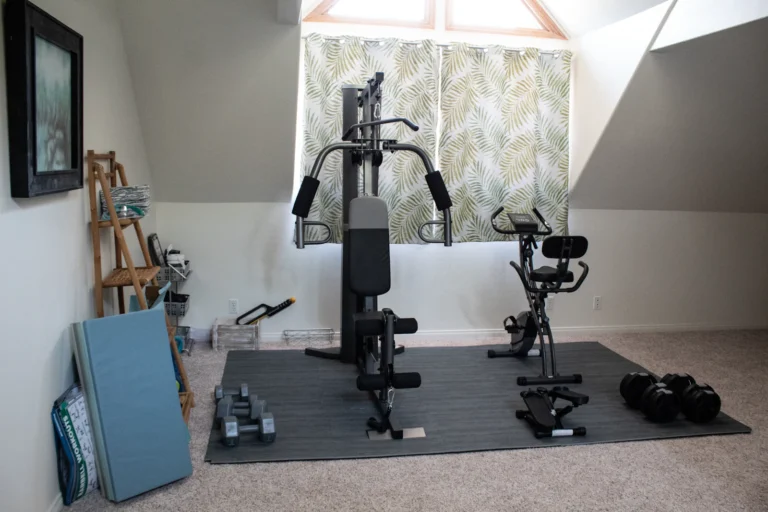
Choose equipment for the intended motion rather than treating any machine as mandatory. A stable rack, dumbbells, cable machine, bench or leg attachments can support many of these patterns. The training effect comes from a progressive, controlled challenge. If knees or hips become painful, adjust the movement and seek professional assessment for persistent symptoms rather than simply adding more warm-up sets.
Leg Day Shirts & Workout Gear
Leg-day gym shirts and workout gear for lifters who never skip squats, lunges and lower-body punishment.

I Love Squats | Valentine's Leg Day Hooded Hoodie
Keep it laid-back with a little “I Love Squats” attitude.

Deadlift Skull Pink Heavy Metal Gym Decal for Powerlift Sticker
Give your everyday gear a playful “Deadlift Skull” twist.

Zombie Deadlift Deadlift Lovers & Leg Day Meme Tank Top
Show some personality between sets with “Zombie Deadlift”.

I Love Deadlifts | Valentine's Workout Sweater With Hea T-Shirt
For laid-back days and deadlift humor: “I Love Deadlifts”.


Thickers Gym | Funny You're Not You With A Small Booty Hoodie
Keep it laid-back with a little “Thickers” attitude.

Deadlift Frozen Skull Muscle Shirt for Powerlifters, Ha Tank Top
Train hard, laugh a little, and rep “Deadlift”.

Adventure Girl Booty Builder Decal Leg Day Meme Sticker
Bring “Adventure Girl” attitude to your water bottle or laptop.

I Love Booty Peach Meme – Leg Day Top T-Shirt
Bring “I Love Booty Peach Gym Meme” humor to your next gym day.

Bunny Cutie With A Booty Sweater Squats Meme T-Shirt
Add a playful “Gym Bunny” touch to your casual rotation.
A six-week progression that respects fatigue and real life
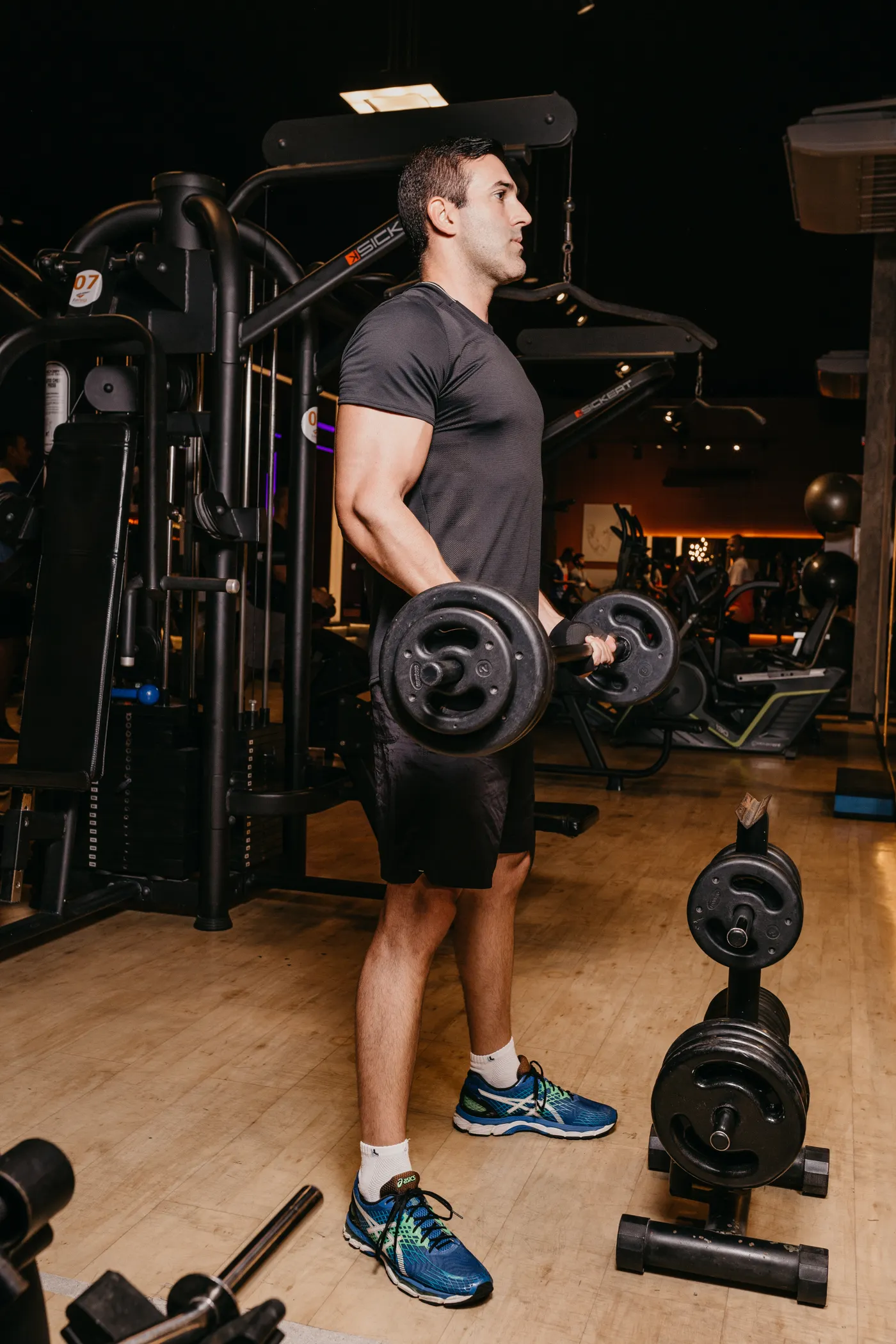
Use double progression instead of increasing the load on every visit. For an exercise prescribed at 3 x 8-12, keep the weight fixed until all three working sets reach twelve clean repetitions at the intended effort. Then increase the load by the smallest practical amount and build back toward twelve. On isolation lifts, even one extra controlled repetition can be meaningful progress. Do not treat a single unusually good day as proof that the whole program needs to change.
Weeks 1-2: establish repeatable technique, starting loads and recovery. Begin near the low end of the proposed set ranges and leave about two or three repetitions in reserve on compounds. Record sleep, soreness and performance without obsessing over every fluctuation. The goal is a baseline you can improve.
Weeks 3-4: pursue repetitions before weight. If a muscle is clearly recovering and a key exercise has stalled despite good technique, consider adding one targeted set for that muscle, not three extra exercises. If multiple lifts are falling at once, check food intake, sleep and the spacing of sessions before adding volume. A rest day is part of the program, not a missed opportunity.
Week 5: continue progression on lifts that feel productive. Keep hard sets challenging, but avoid stacking repeated all-out failures across compound movements. If elbows, shoulders or knees are becoming irritated, reduce the most provocative isolation volume or choose a better-tolerated variation. Maintain the exercises that are working so you can interpret the results.
Week 6: evaluate fatigue. If performance is strong and recovery is good, complete another normal week. If motivation, sleep, joint comfort and multiple lift numbers have deteriorated, reduce hard sets by roughly one-third to one-half for several sessions while keeping technique crisp. This is a practical deload option, not a mandatory ritual every sixth week.
Compare the first and last weeks using performance on the same exercises, stable body-weight trends, measurements and photographs taken under similar conditions. A small weight gain may help a lifter who wants maximum hypertrophy, but the appropriate calorie intake depends on goals and current body composition. Adequate protein, energy and sleep support adaptation; none compensates for training that cannot be repeated consistently.
If four days become difficult to schedule, switch to two upper-body and two lower-body sessions or three full-body days without worrying that your gains will vanish. If one body part repeatedly needs more attention, spread some of its weekly sets across a second session. The best split is the one that delivers enough quality work, progresses for months and still fits the rest of your life.