A first strict pull-up is a meaningful strength milestone, but it is rarely won by doing failed pull-up attempts every day. Grip, back strength, elbow flexion, shoulder control and bodyweight all contribute, and each can be trained without turning every session into a test. The same logic applies once you can do five or ten repetitions: the best next step is the one that adds a manageable challenge while preserving your movement standard.
This guide moves from hanging and assisted repetitions through consistent bodyweight sets to weighted pull-ups. It also separates what exercise research can tell us from the claims that a particular grip, band or special variation is guaranteed to build more muscle. The result is a practical progression for lifters in any gym, using whichever stable bar and pulling equipment they have available.
What a strict pull-up really measures
A pull-up looks simple because the equipment is simple: a fixed bar and your own body. The challenge is not just having strong arms. Your lats and upper back create much of the pulling force, your elbow flexors help close the distance to the bar, your hands transmit the load, and your trunk keeps the movement from turning into a swing. A technically sound repetition coordinates all of those jobs. Someone can row heavy dumbbells yet struggle with a pull-up because moving their entire body through space is a different strength skill.
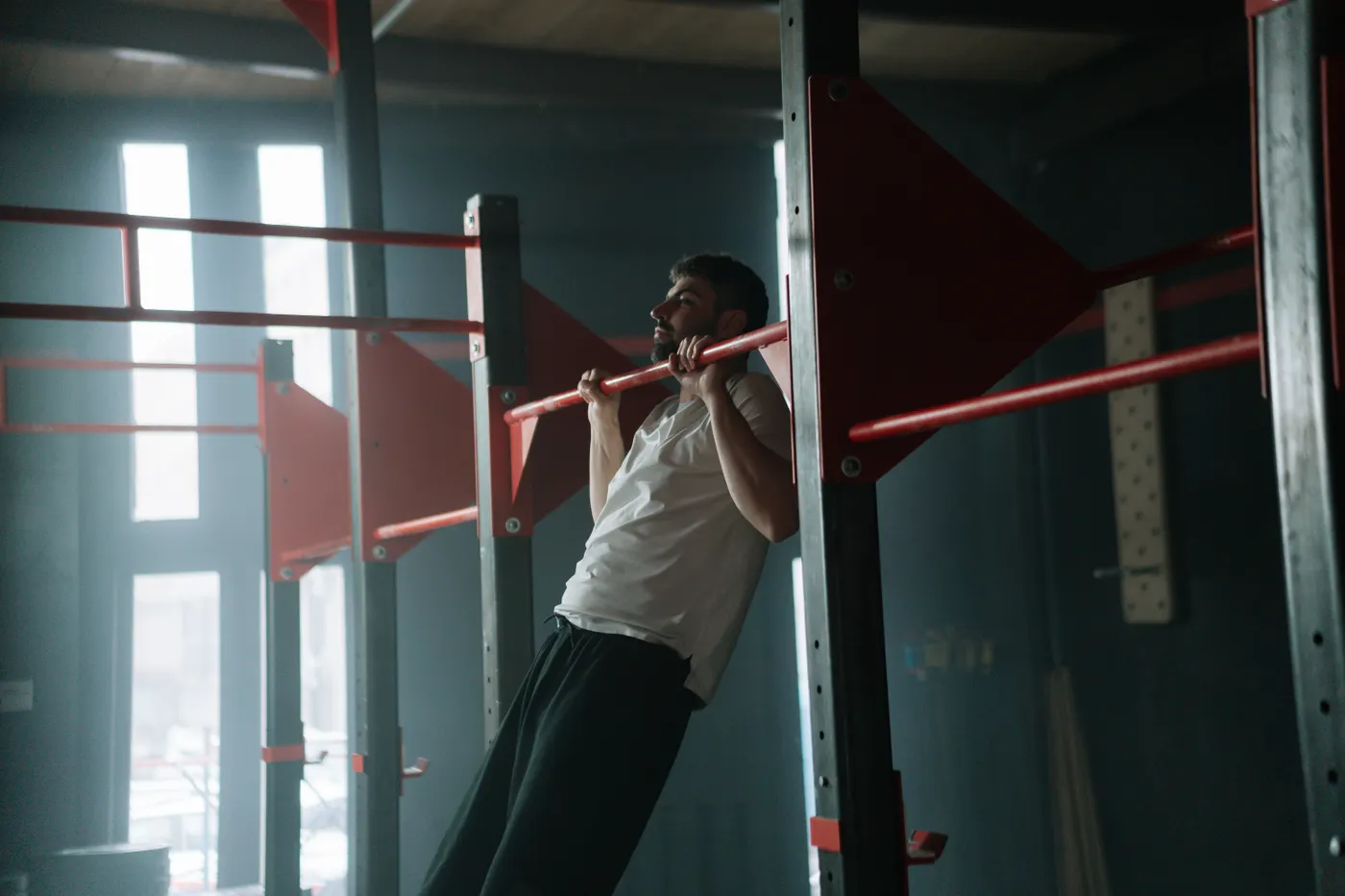
Start with a stable bar that allows a comfortable grip, and use a step or platform to reach it rather than jumping blindly. Take an overhand grip around shoulder width or slightly wider. Brace your abdomen, keep the ribs reasonably stacked over the pelvis, and allow the shoulders to move naturally as you initiate the pull. Think about bringing your elbows toward your sides rather than craning your neck to reach the bar. Rise until the chin clearly passes the bar without kicking, then lower under control to an elbow position you can comfortably repeat.
Body size matters: the load is essentially your body mass, so an increase in strength may not show up as extra repetitions if body mass also rises. Conversely, a lighter athlete may progress quickly without having greater absolute pulling strength. Track both your clean repetition count and your body weight, and avoid comparing raw numbers with someone of a very different build. The goal is repeatable movement, not an impressive-looking but inconsistent half-repetition.
Build the base before chasing a first full repetition
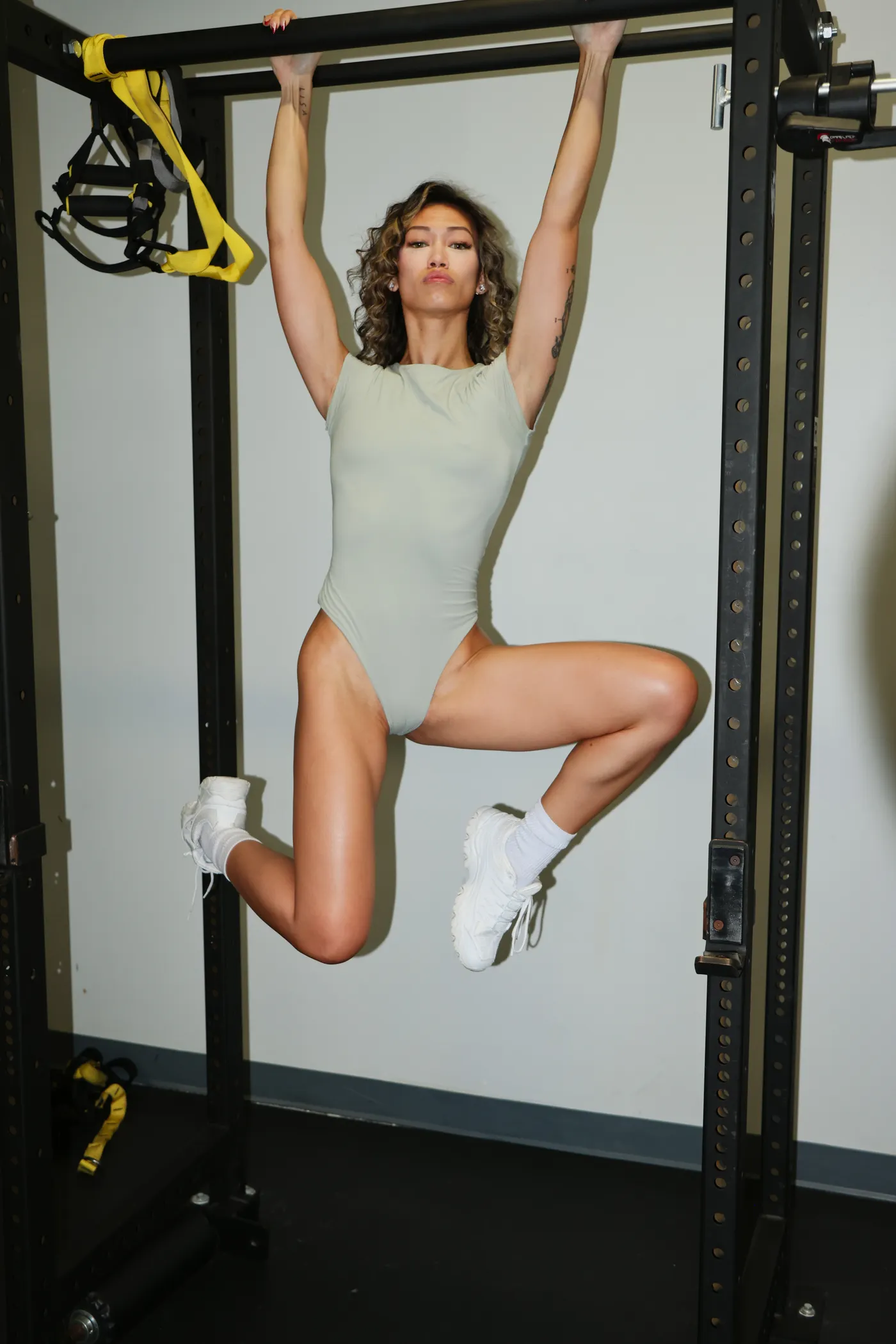
If a full pull-up is currently out of reach, begin by identifying the limiting link. A person who cannot hold the bar for twenty seconds may need grip exposure first. Someone who can hang comfortably but cannot start moving upward may benefit from stronger vertical pulling and more practice controlling the shoulder blades. A person who can get halfway up but stalls near the top needs practice through that portion of the movement, not another random high-repetition circuit.
Use short passive hangs only while the shoulders feel comfortable, then practice active hangs by gently moving the shoulder blades without bending the elbows. Five to eight deliberate scapular repetitions teach you to control the starting position. Horizontal rows develop the back and elbow flexors with less total bodyweight to lift; adjust the angle of an inverted row so each set is challenging but smooth. A lat pulldown lets you progress resistance in small increments while practicing a similar elbow path.
These accessories are not interchangeable with the pull-up itself. An eight-week experiment in recreationally active male students found that both conventional and unstable lat-pulldown training improved pulling performance, but that result does not establish a universal best machine or guarantee a first pull-up for every trainee. Treat pulldowns and rows as ways to build capacity, then return regularly to the bar to learn the specific task. Two or three focused exposures each week are usually easier to recover from than daily maximum attempts.
An initial session might include three controlled sets of pulldowns, two sets of rows, and three brief hangs. Rest long enough to maintain quality. If a hang causes shoulder pain, or a loaded movement produces sharp elbow symptoms, shorten the range, change the grip or seek individualized guidance rather than trying to push through it.

Equipment Worth Exploring
Explore equipment, accessories and gear from our carefully selected range.

Power Tower
Freestanding pull-up and dip station with adjustable handles for bodyweight training.


Angles 90 Grips
Flexible grip attachments that allow natural wrist movement during pulling exercises.


Choose assistance that keeps the movement honest
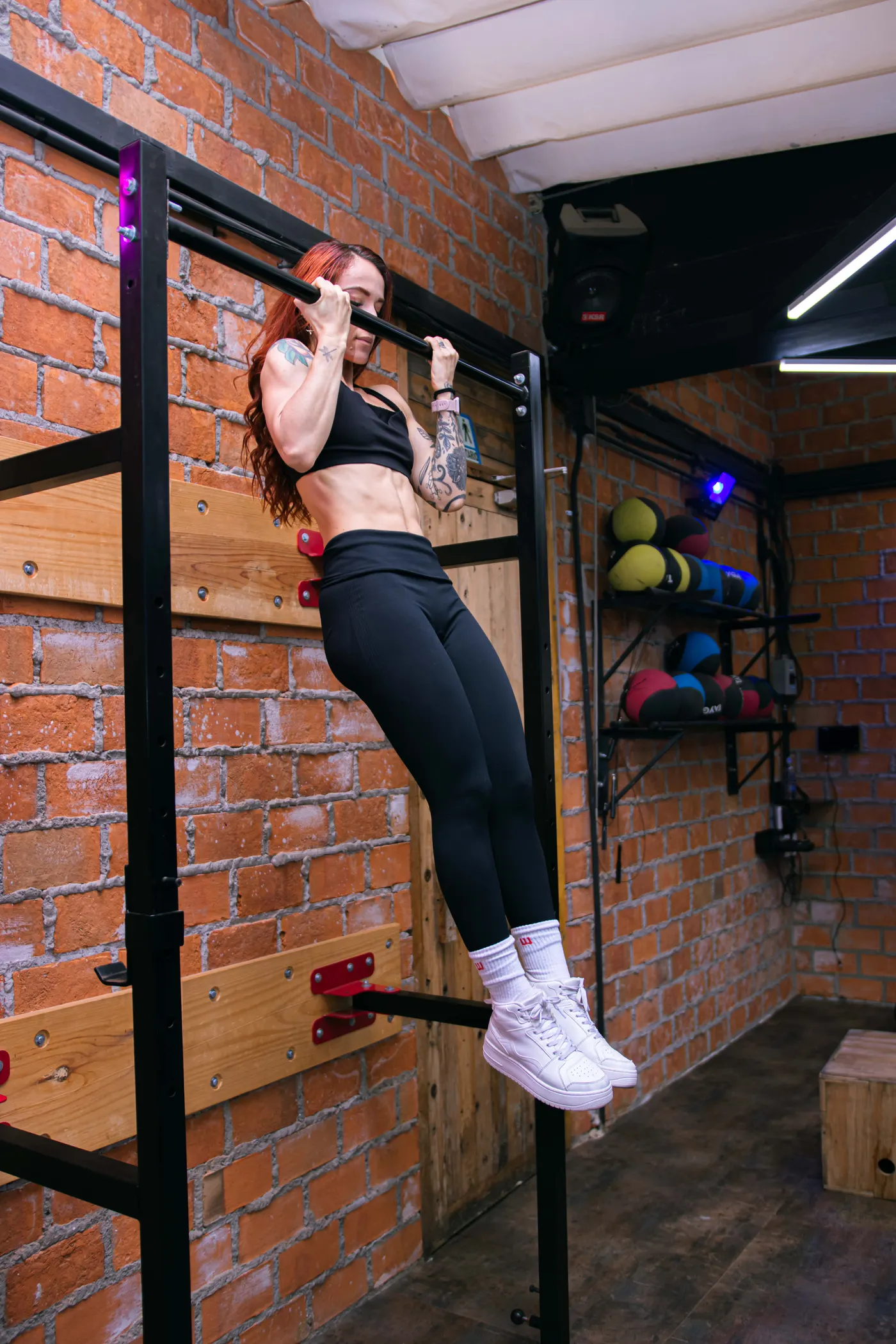
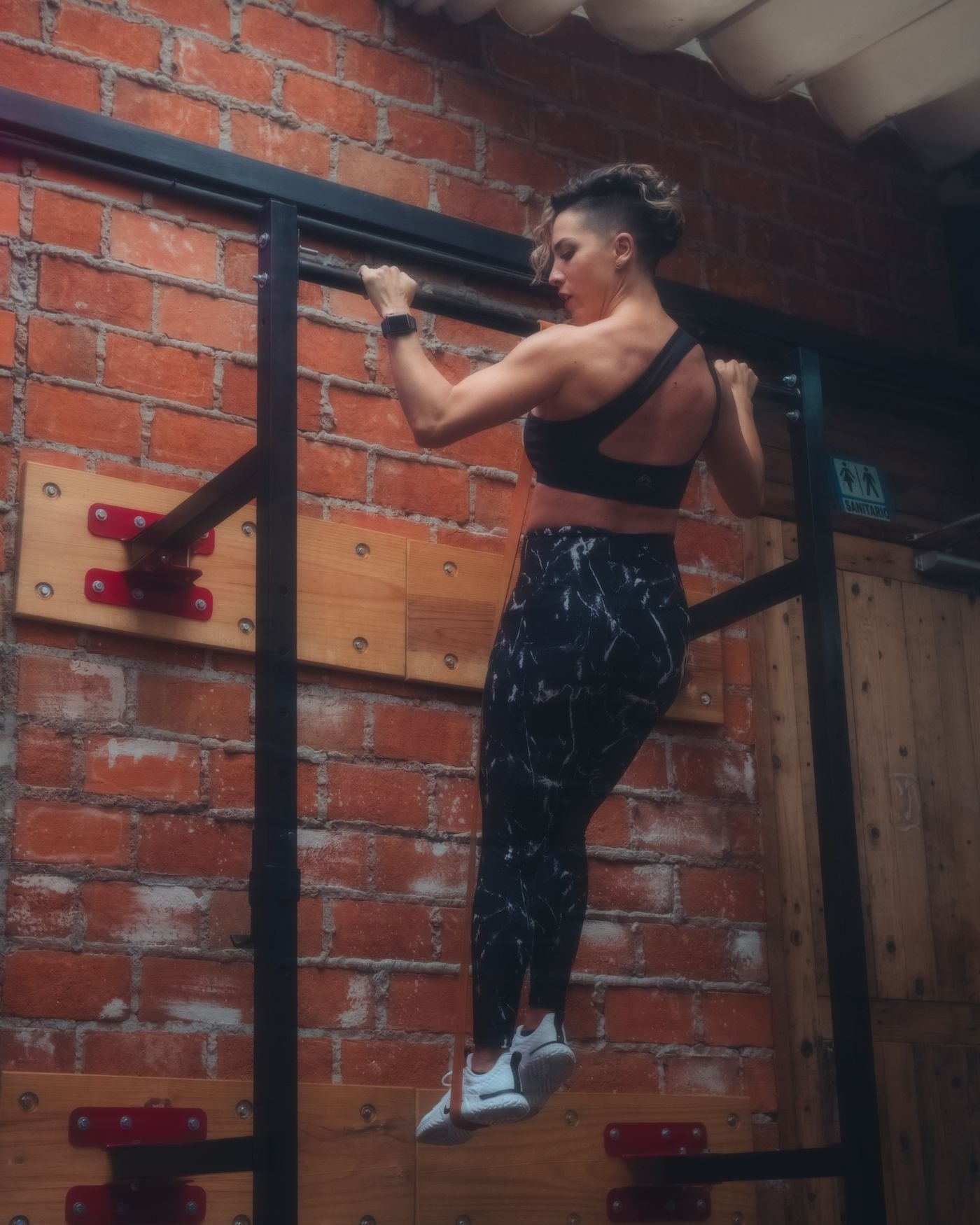
Assistance should reduce the load while preserving the basic pull-up path. An assisted pull-up machine is useful because its counterweight can be adjusted predictably. A resistance band is portable and inexpensive, but its help changes across the repetition: it usually provides more assistance near the bottom, where it is stretched most. That can make progress difficult to compare when you change band thickness or where your foot rests. Record the band or machine setting instead of simply writing down the number of reps.
A good assisted set begins with the same braced position as an unassisted pull-up. Move through a comfortable, consistent range, pause briefly near the top if you can, and descend without dropping. Aim for roughly five to eight technically repeatable repetitions, stopping before the body starts kicking or the chin begins reaching forward. When all sets are controlled, reduce assistance slightly rather than adding endless repetitions with an unchanged easy setting.
Negatives are another option: step up to the top and lower yourself over roughly three to five seconds. They expose the muscles to meaningful tension even when the lifting phase is not yet possible, but they can also create substantial soreness if introduced aggressively. Start with two or three low-volume sets and leave recovery time. Research comparing eccentric and concentric exercise supports eccentric work as a useful strength stimulus, but it does not prove that negatives alone are the fastest route to a first pull-up.
Do not confuse a band-assisted rep with a free rep when tracking milestones. Both are legitimate training, but separate them in your log. The first unassisted repetition should be clean enough that you could demonstrate the same standard a week later, not a single lucky effort after an elaborate kick.

Calisthenics Shirts & Street Workout Gear
Calisthenics and bodyweight-training gear for pull-ups, dips, handstands and street-workout athletes.

Calisthenics Pullups Heartbeat Hoodie
Bring “Calisthenics Pullups Heartbeat” gym humor to lazy days and post-workout plans.


Always Pull Yourself Up Crewneck Calisthenics Pullover T-Shirt
Bring “Always Pull Yourself Up” humor to your everyday gym style.

Calisthenics Evolution Sticker
Stick a little “Calisthenics Evolution” humor on your favorite gear.

Calisthenics Hanging Out Hoodie
Make your off-duty look more fun with “Calisthenics Hanging Out”.


Turn Off Gravity Funny Calisthenics Gym Crewneck Pullov T-Shirt
Show some gym-day personality with “Turn Off Gravity Funny Calisthenics”.

Funny Lord of the Calisthenics Rings Gym | Jesus Lifter Tank Top
Add some lifting attitude to training with “Lord of the Calisthenics Rings”.

Pull Up Not Out Hoodie
Show off your bodybuilding humor in a laid-back “Pull Up Not Out” hoodie.

Funny Calisthenics Gym Decal for Water Bottles Laptops Sticker
Bring “Calisthenics” attitude to your water bottle or laptop.
Grip width, chin-ups and shoulder comfort
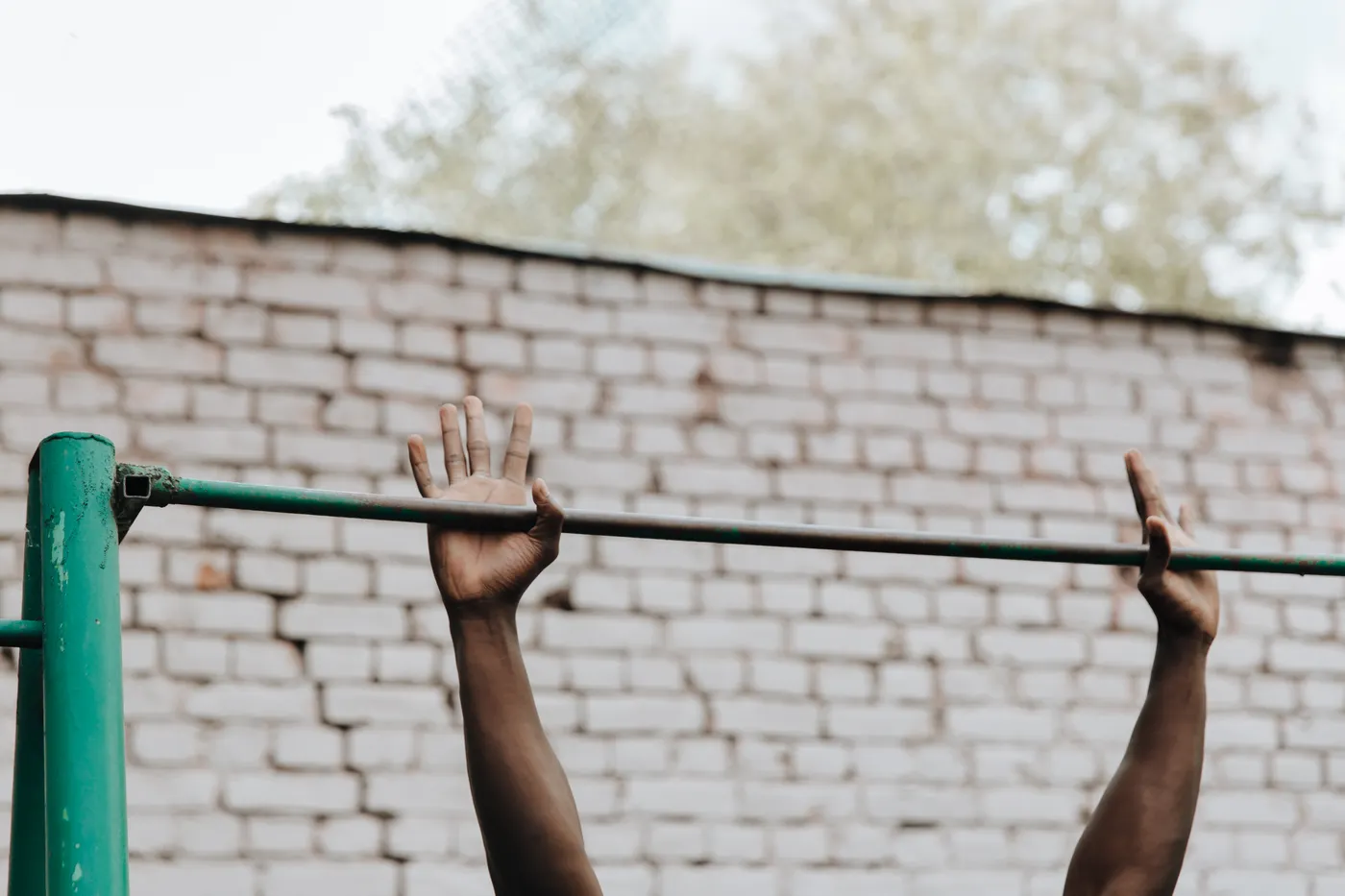
Grip selection changes how the exercise feels and how the elbow and shoulder joints are positioned. An overhand pull-up, an underhand chin-up and a neutral-grip pull-up all train a substantial amount of back and arm musculature. An underhand grip often feels easier for some lifters because the elbow flexors can contribute comfortably, while neutral handles can be more agreeable to sensitive wrists. None is automatically the best option for every shoulder.
Extremely wide grips shorten the visible travel and may encourage a strained shoulder position without creating a guaranteed advantage for muscle growth. A small laboratory comparison of traditional, suspension and towel pull-ups found broadly similar lat and biceps electrical activity across versions, with a difference in middle-trapezius activity for the towel condition. Electrical activity during a few repetitions is not a direct measure of long-term hypertrophy, so it should not be used to declare one grip universally superior.
Choose a grip that permits a controlled descent, a stable torso and a repeatable top position. If you have a history of discomfort, experiment with neutral handles or rings that can rotate rather than forcing the wrists into a rigid position. Grip training can be added separately through carries, hangs or thick-handle work, but do not let an exhausted grip undermine every quality back set. If the hands fail first, a modest amount of accessory pulling with a less demanding grip may still help the target muscles.
Finally, distinguish deliberate shoulder movement from uncontrolled hanging. The shoulder blades need to rotate and move during overhead activity. Locking them into an exaggerated down-and-back position throughout every inch of the pull can make the movement awkward. Keep control without pretending that a healthy shoulder must remain motionless.
Turn one clean rep into a reliable set of five
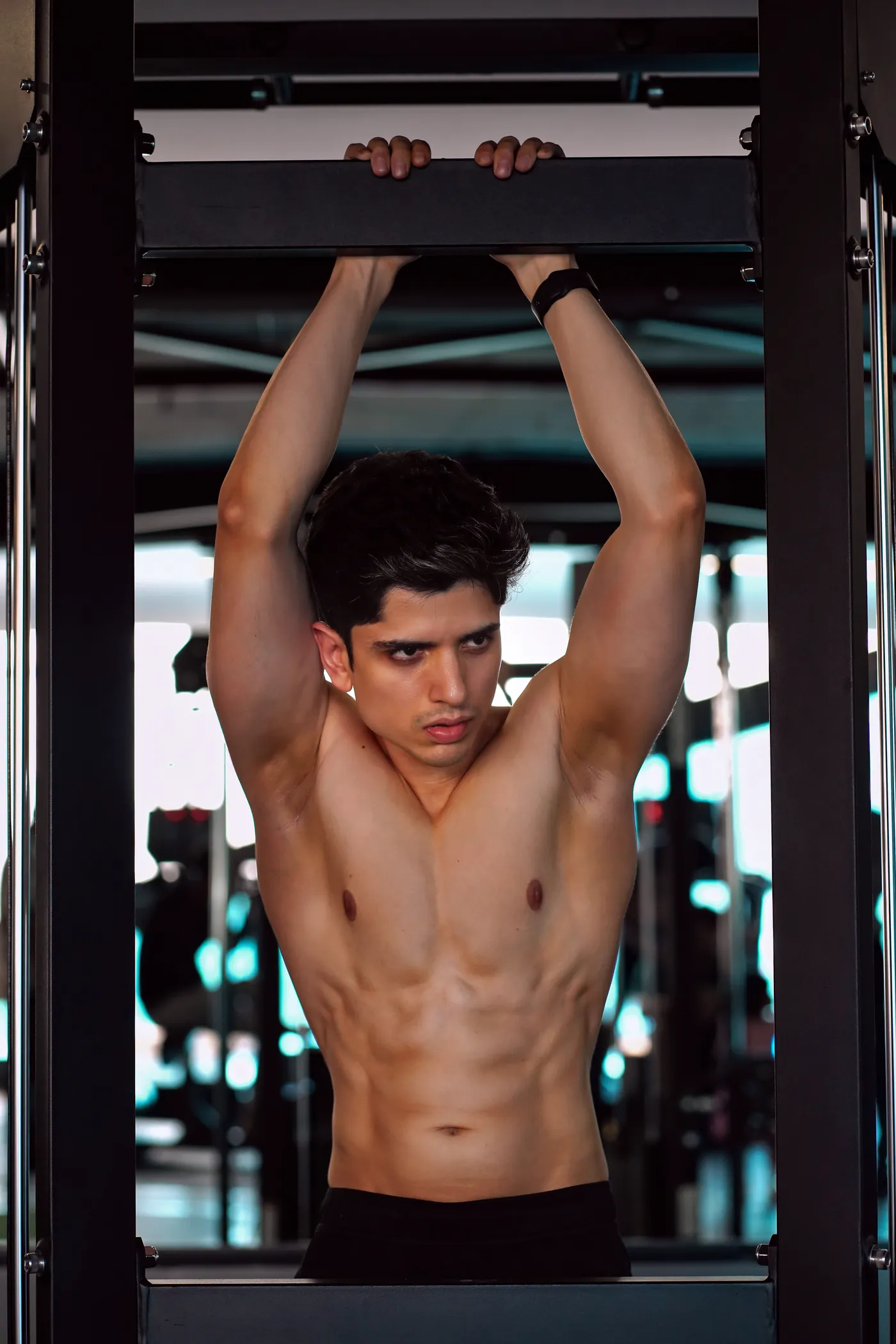
Once you can perform one strict repetition, the main task is accumulating high-quality practice without repeatedly testing your limit. Begin sessions with singles or doubles while fresh. If your maximum is one rep, complete three to five singles separated by generous rest, then perform assisted sets to add useful volume. If your maximum is two or three, use several sets of one or two. Leave at least one possible repetition in reserve whenever practical, rather than grinding through every set.
A simple ladder works well when it is kept submaximal: perform one repetition, rest, then two if you can maintain form, rest again, and return to one. The point is not to race the clock. It is to collect more good repetitions than you could manage in one all-out set. Record the total number of strict repetitions across the session and the number of sets needed. Over several weeks, aim to increase that total before insisting on a larger single-set maximum.
Strength work should also include rows or pulldowns so the pulling muscles receive enough training even when the free pull-up count is small. Avoid doing every accessory set to failure after hard pull-up work. Weekly training volume matters, and research comparing training frequencies suggests that spreading similar total volume across more days is not inherently superior for muscle growth. Use a schedule that lets the shoulders, elbows and grip recover and the next session remain productive.
When you can reliably complete five strict reps, you have a stronger foundation for building toward eight or ten. Continue to define the rep the same way: stable start, controlled path, chin over bar and no deliberate leg drive. A stricter set of five is a more useful progression marker than eight shortened repetitions.
Equipment Worth Exploring
Explore equipment, accessories and gear from our carefully selected range.
VOLTRA
Compact digital cable trainer with smooth, adjustable resistance.

Go-Tone Pro
Portable digital cable trainer with up to 66 lb (30 kg) of adjustable resistance.
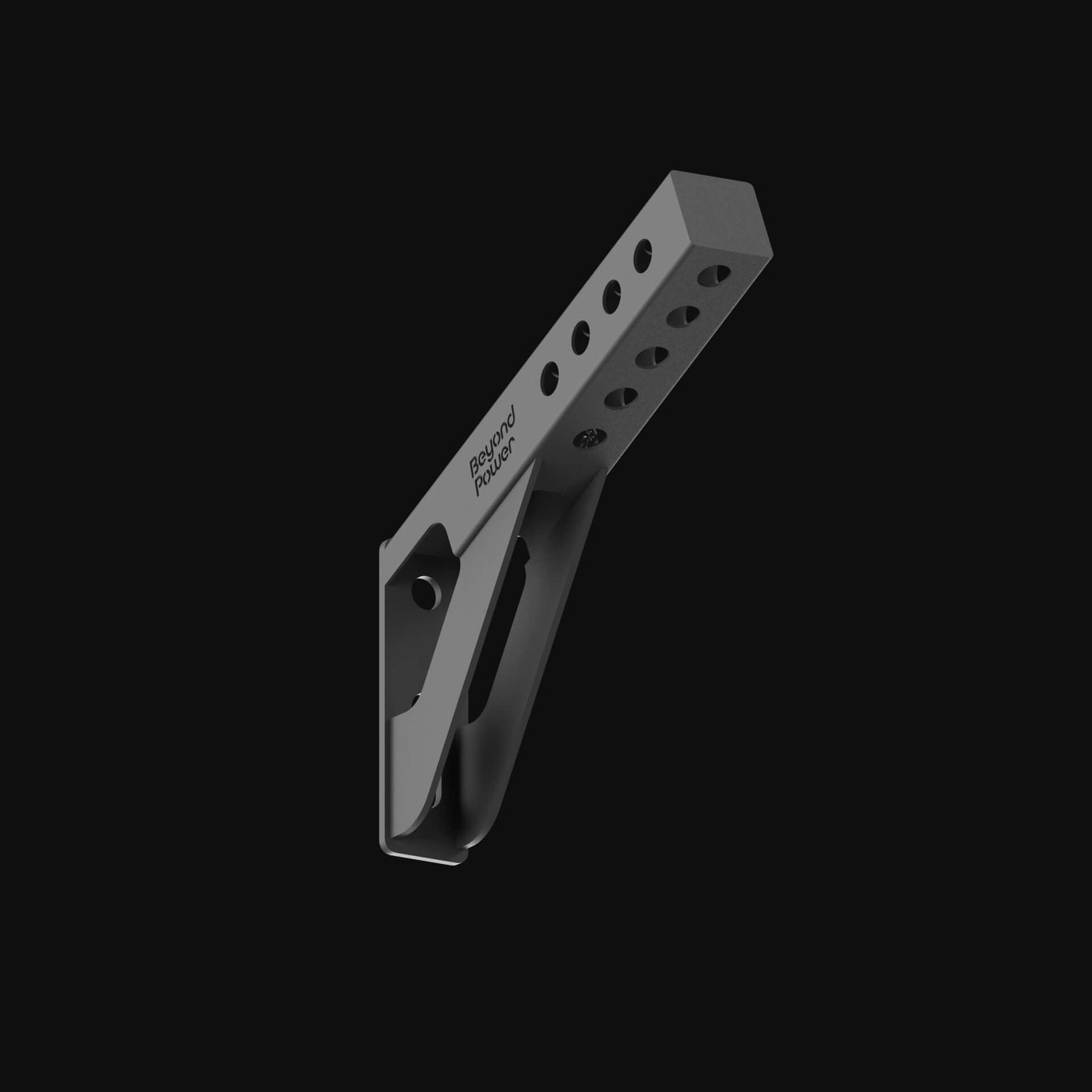
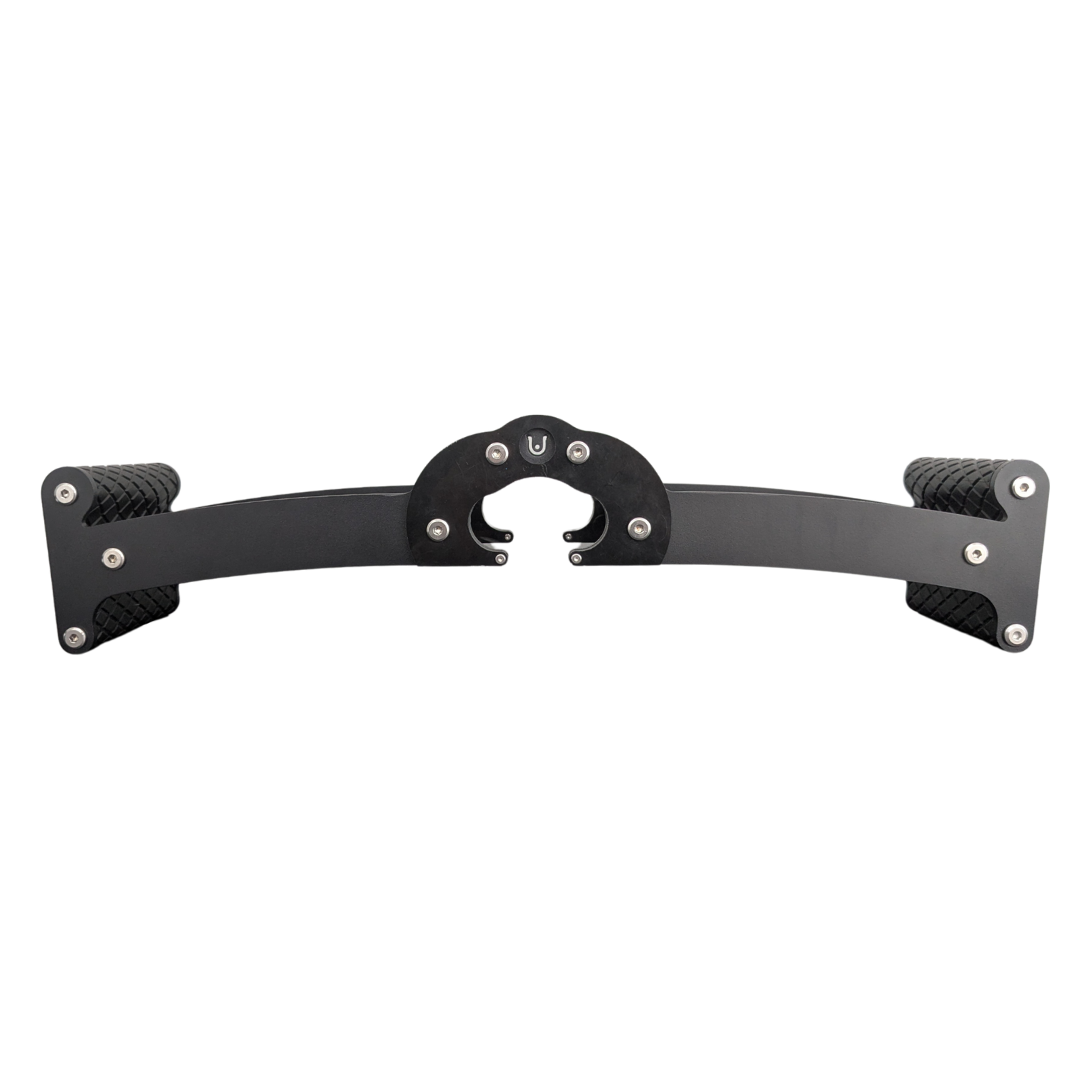
Back Bar
Multi-grip cable and landmine bar with a built-in deadlift jack.
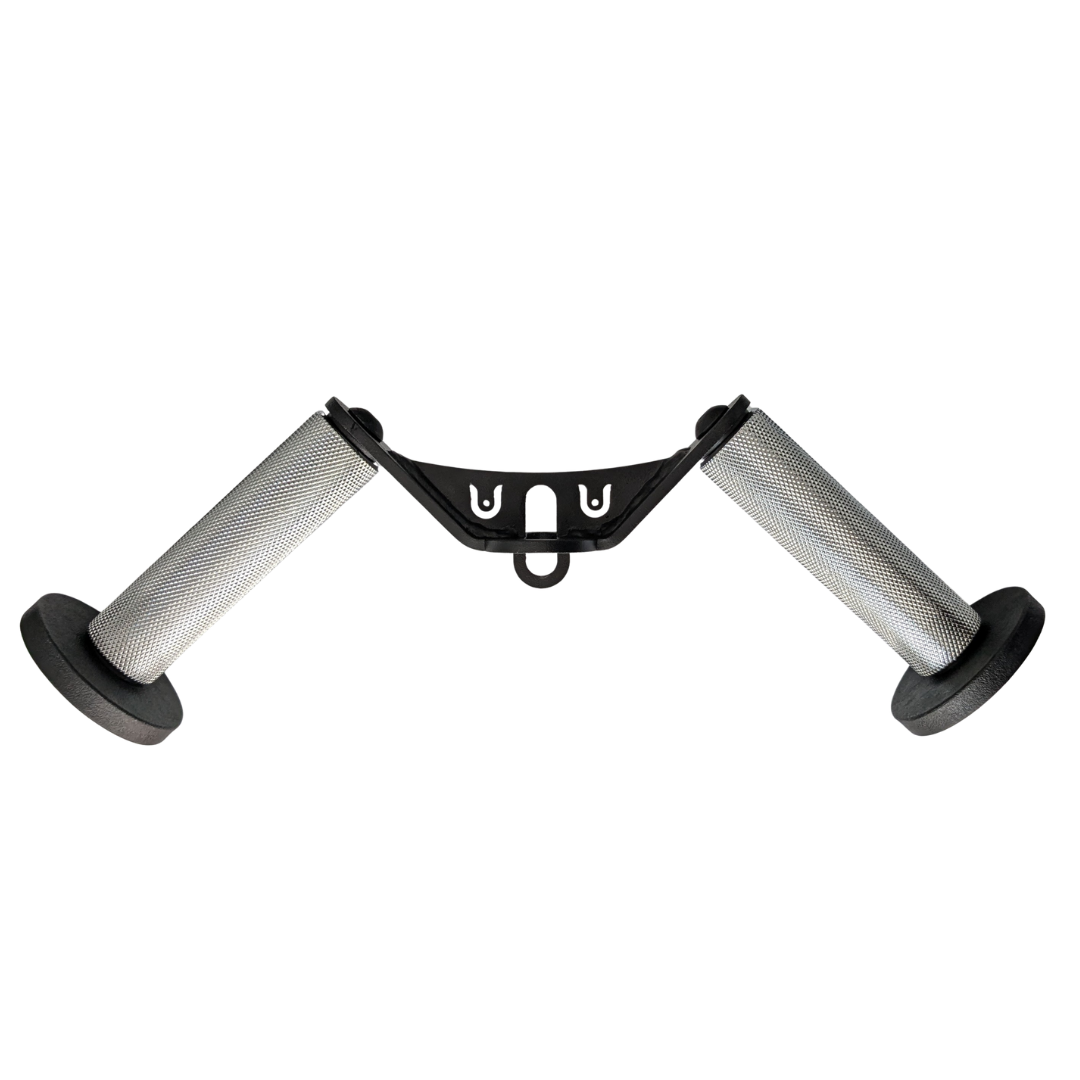
W Grip
Angled cable grip for comfortable rows, pushdowns, and curls.
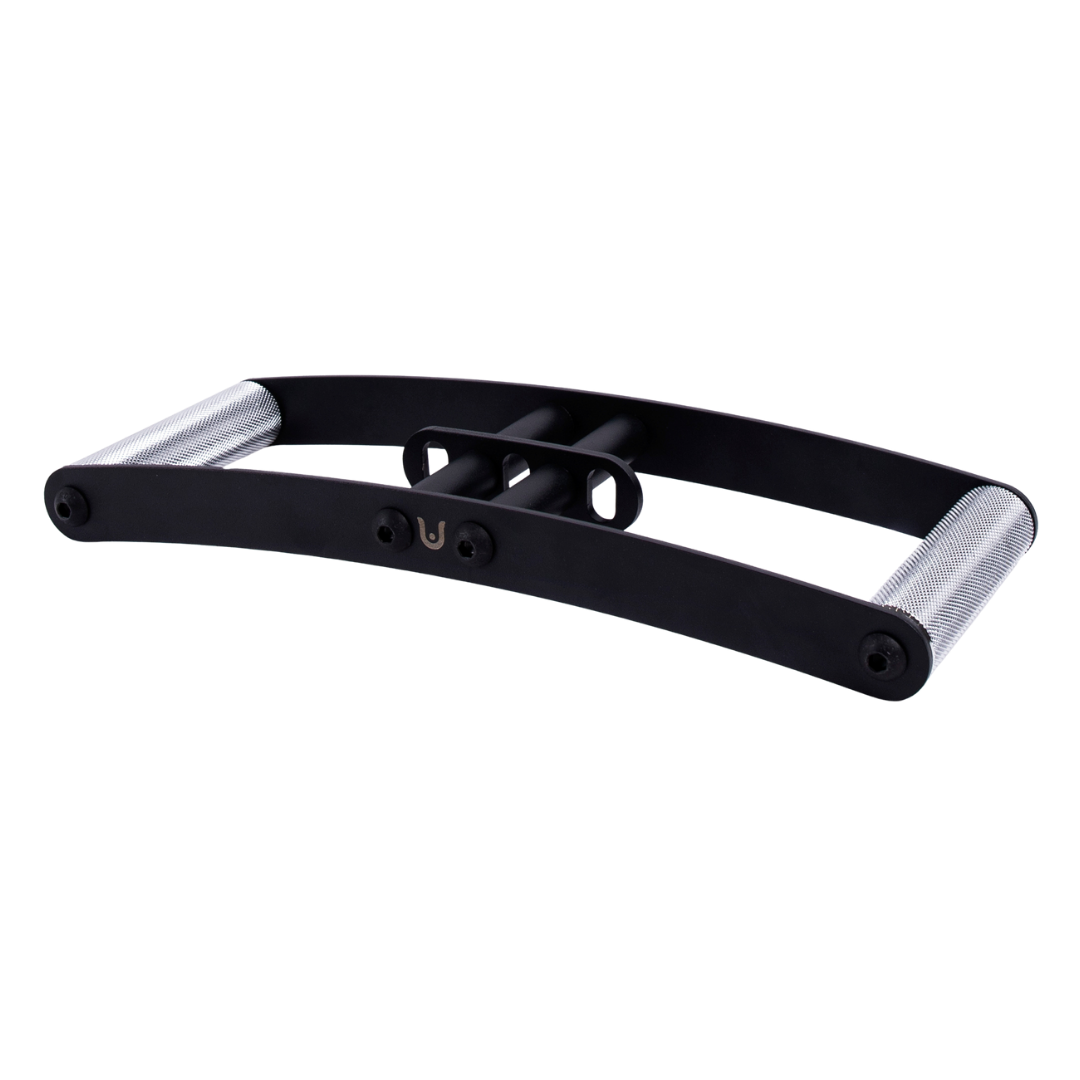
Horizon Grip
Ergonomic V-style cable grip for rows and back training.

Leather Lifting Straps
Padded leather straps support grip during heavy rows, deadlifts and pulling exercises.

Leather Wrist Grips
Padded leather lifting grips help support the hands and wrists on heavy pulling exercises.

GymPin Ergo Handles
Pair of ergonomic cable handles shaped for comfortable triceps and pulling exercises.

When and how to add weight to pull-ups
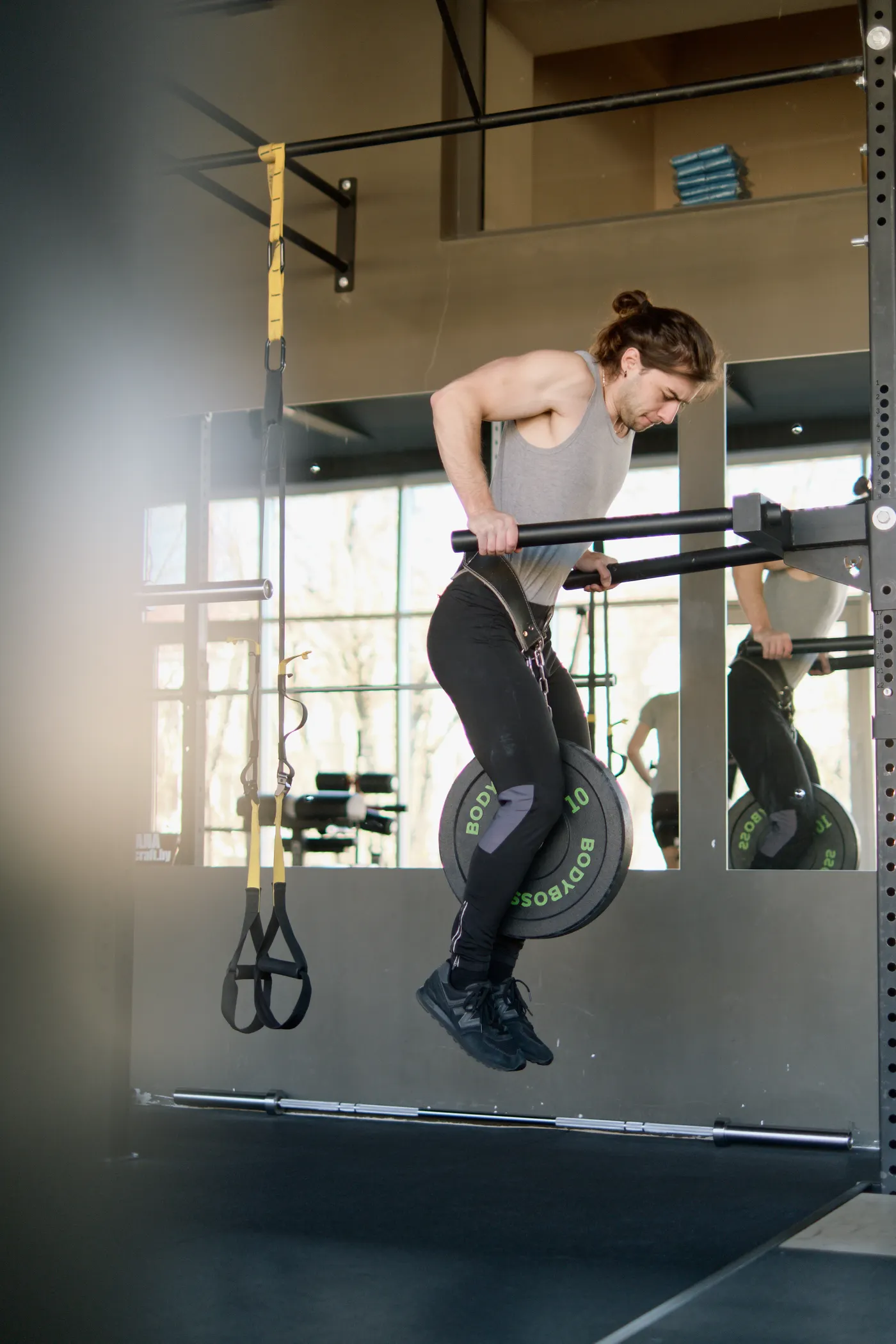
Weighted pull-ups are a progression, not an obligation. They make sense when bodyweight repetitions are technically consistent and you want a higher-strength stimulus without turning every set into a very long endurance challenge. A common entry point is being able to perform roughly six to eight clean bodyweight reps, but the exact threshold is less important than control, comfort and a stable training history. Someone who can only perform a few strict reps can continue making excellent progress with bodyweight work.
Use a securely attached dip belt or purpose-built weighted vest and start with a small addition. A few kilograms can represent a meaningful percentage increase because you are already lifting your body mass. Warm up with bodyweight sets, then perform two to four sets of three to five smooth weighted repetitions. Keep the weight stable until all sets meet your movement standard; only then add a small increment. A weight that forces shortened motion or a violent kick is too heavy for the intended exercise.
Do not combine a new external load, a dramatically wider grip and a large jump in weekly volume at the same time. Change one variable so you can interpret the result. Continue one lighter bodyweight or assisted session if higher-repetition pulling is also a goal. For people whose elbows dislike heavy weighted sets, slower bodyweight repetitions or extra pulldown volume may provide a better near-term stimulus.
Weighted progress also needs context. If body mass changes, the total load moved changes even when the plate on your belt does not. Log body mass, added weight, clean reps and how the last rep felt. This produces a more honest performance record than celebrating an added plate while ignoring a shortened range.
Bodybuilding Shirts & Workout Gear
Bodybuilding shirts, tanks and gym gear for lifters chasing muscle, size, symmetry and the pump.

Lat Man Big Back – Hooded With Huge Lats – Jumper Hoodie
Stay casual and show some superhero attitude with “Lat Man Big Back”.


Wide Privilege – Wide Back Meme Jumper Crewneck Pullove T-Shirt
Bring “Wide Privilege” humor to your everyday gym style.

Back Sabbath Back Day Heavy Metal Back Training Workout Tank Top
Train hard, laugh a little, and rep “Back Sabbath Back Day”.

Gym Dost Thou Even Pull Medieval Knight Back Day Muscle Tank Top
Bring “Dost Thou Even Pull Medieval Knight Back” humor to your next lifting session.

Back To The Sci-Fi Meme Gains T-Shirt
Keep things casual with a little “Back to the Gym” attitude.

Back In Shape Back In Black Album Cover Parody AC/DC He T-Shirt
Add a playful “Back In Shape” touch to your casual rotation.

Hardcore Gains Gym | Funny No Pain No Gain Workout Deca Sticker
Put “Hardcore Gains” gym humor on your laptop, bottle, or gym gear.

An eight-week pull-up plan with measurable checkpoints
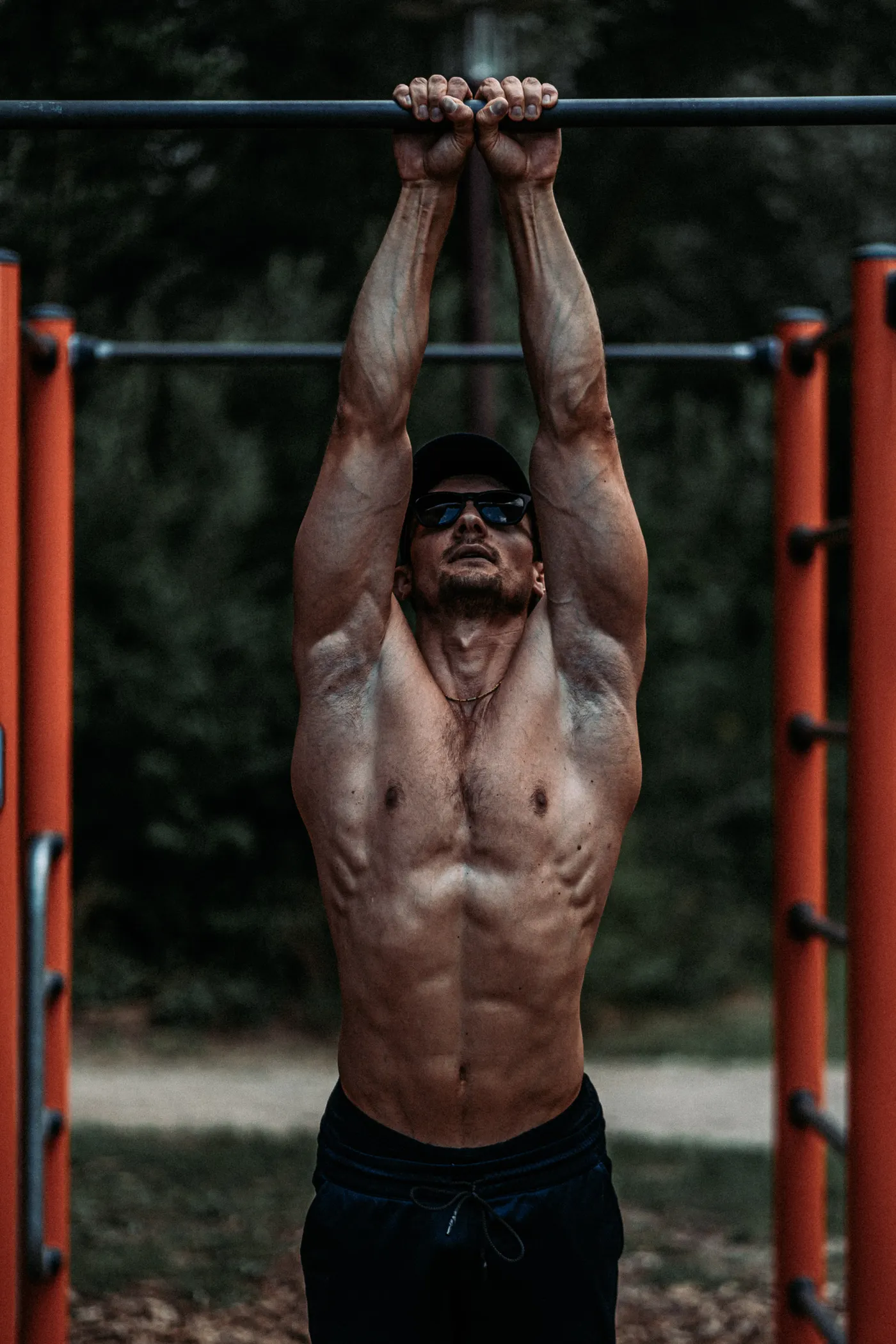
Use two dedicated pulling sessions per week with at least one rest day between them. On the first day, prioritize the most demanding version you can perform cleanly: unassisted singles, assisted pull-ups or controlled negatives. Follow with a horizontal row and a brief grip or hang exercise. On the second day, use a slightly easier pulling variation for more total repetitions, followed by pulldowns or rows. Keep other upper-body training in the week, but count its pulling sets when assessing recovery.
Weeks one and two establish a baseline. Record the best technically sound free pull-up count, or the assistance level that permits three sets of five. Practice consistent positions and finish each session with enough energy to recover. In weeks three and four, aim for one extra quality repetition across your working sets, a small reduction in assistance, or a modest increase in pulldown load. Do not attempt all three progressions simultaneously.
In weeks five and six, increase the number of clean free repetitions if available. If you are still using assistance, reduce it only when your previous setting is stable. If you already perform six to eight strict repetitions, trial a small amount of added load on the first session while keeping the second session bodyweight-focused. In week seven, maintain the same exercises but reduce total volume if fatigue is accumulating. In week eight, after an easy lead-in, repeat your baseline test under the same conditions.
Use three outcome measures: strict repetitions at a defined grip, total quality pulling volume and the level of assistance or external weight. A video from the side can help identify a changing range of motion, provided you compare the same camera angle. Progress may appear first as cleaner reps, less assistance or shorter recovery between similar sessions rather than an immediate jump in maximum repetitions. If you develop persistent pain, numbness or loss of function, stop provoking movements and obtain professional assessment.
The durable lesson is to match the exercise to your current ability. Hangs and rows create a foundation, assistance lets you practice the real pattern, submaximal repetitions build repeatability, and added weight can later raise the strength ceiling. There is no shortcut that replaces steady, measurable practice.