Two people can follow the same exercise schedule and see very different results. One adds leg strength quickly; another notices that walking feels easier; a third barely changes a body-composition estimate. A study published on October 24, 2026 examined exactly this kind of variation among older adults after a year of combined strength, balance and walking training. The findings offer a useful reminder: progress is not one number, and the label ‘nonresponder’ is often too blunt.
The most interesting result is not a magic exercise or a perfect repetition range. It is how differently several physical abilities changed, even within the same broad program. Here is what the measurements actually showed, what they cannot prove and how to turn the evidence into a sustainable plan.
What the year-long training study actually tested
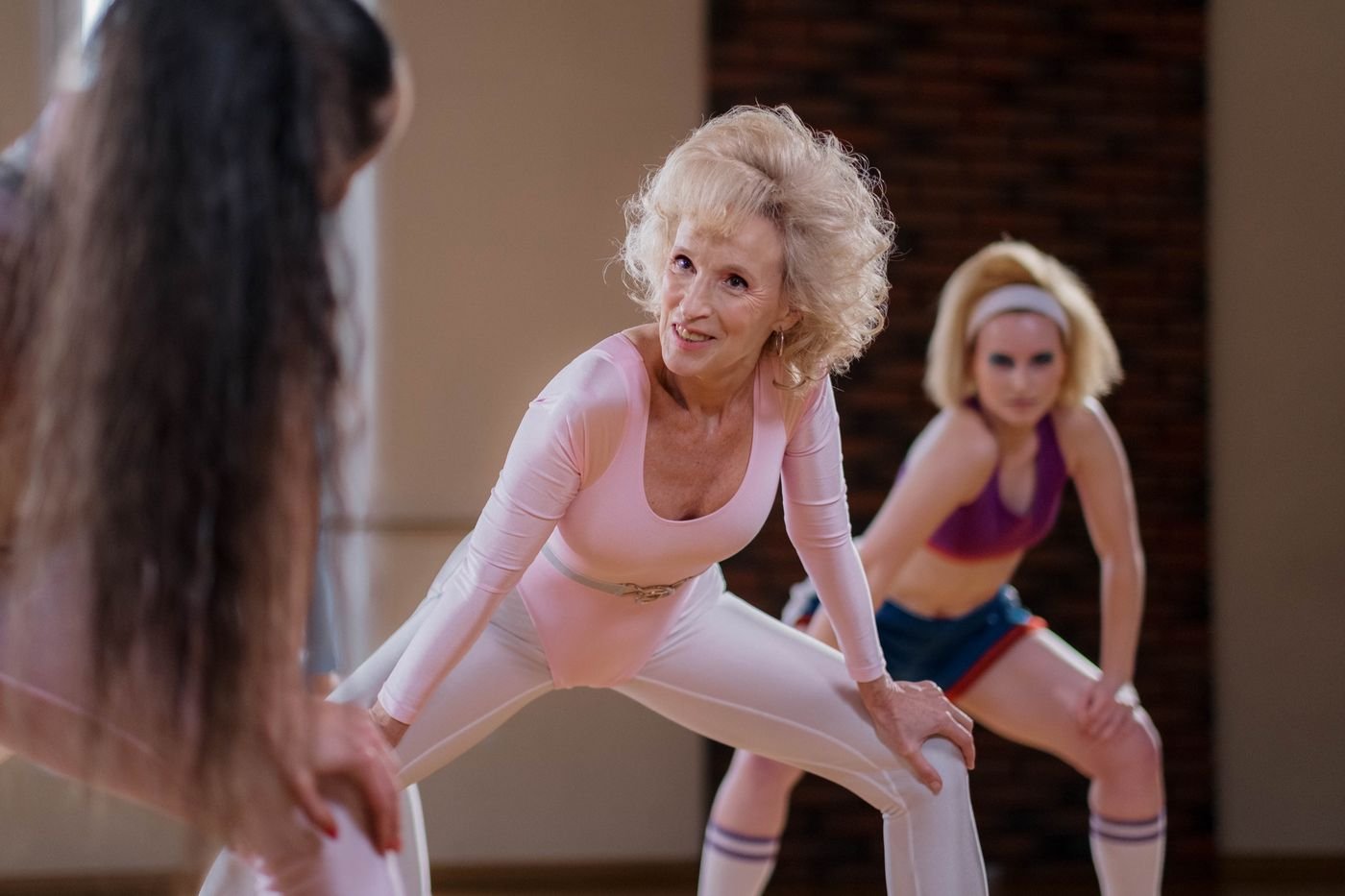
A new analysis followed 288 community-dwelling older adults who completed measurements before and after a 12-month exercise program. The original trial enrolled 314 people, with an average age of about 74.5 years. Everyone in the analysis had been assigned to a physical-training program; one group also received cognitive exercises. This matters because the new question was not whether lifting beats doing nothing. It was why different people improved by different amounts while taking part in a broad training program.
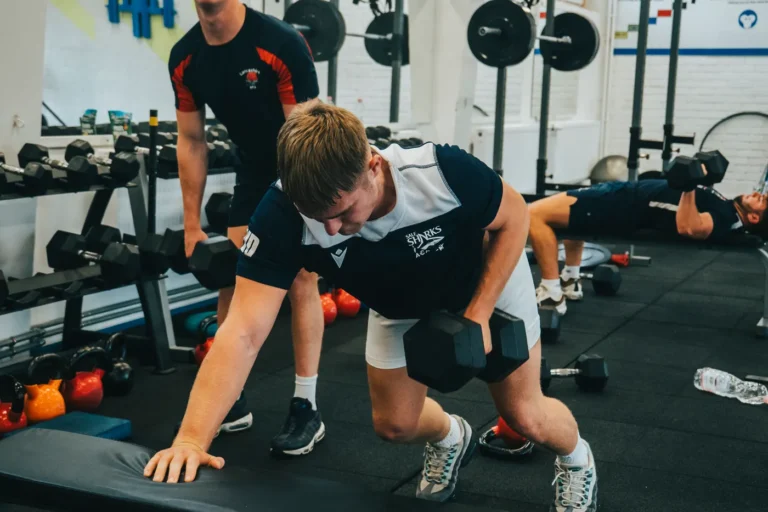
The physical work combined supervised resistance and balance exercise, a separate supervised walking and dynamic-balance session, home exercises and encouragement to accumulate moderate aerobic activity. The resistance work included leg press, leg curl, leg extension and other exercises for the trunk and upper body. Training loads and repetitions progressed over the year rather than staying at a fixed easy level. This is a useful model of long-term movement practice, not a pure bodybuilding experiment.
Researchers assessed grip strength, knee-extension strength, maximum walking speed, six-minute walking distance and appendicular lean mass. They then classified a high response separately for each outcome using a predefined threshold based on the baseline variability of that measure. That definition is a research convention, not a diagnosis of whether someone’s body is capable of adapting. It also means a participant could improve meaningfully in one quality and show little measurable change in another.
The results: legs, walking and muscle size did not move together
Across the analyzed group, average grip strength, knee-extension strength, walking speed and walking distance improved. Yet the share classified as a high responder differed substantially: 27% for grip strength, 46% for knee-extension strength, 30% for walking speed and 44% for six-minute walking distance. Appendicular lean mass did not show a significant average change, even though 17% of participants crossed the high-response threshold for that measurement.
These percentages should not be read as success and failure rates. Someone below the high-response threshold might still have improved, just by less than the chosen cutoff. A person whose knee extension increased could have a stronger leg without adding enough total limb lean mass to register as a notable change on a whole-limb scan. Different tests measure different things: maximal force, sustained walking capacity and tissue mass are related, but they are not interchangeable.
For a recreational lifter, this is a reason to stop treating one number as the entire verdict on a program. A stable body weight or muscle-mass estimate does not automatically cancel a better squat, a more confident stair climb or a longer walk. Conversely, a small increase in measured lean mass does not prove that balance, endurance or daily mobility has improved. Match your training and your progress checks to the abilities you actually want to preserve.

Equipment Worth Exploring
Explore equipment, accessories and gear from our carefully selected range.


VOLTRA
Compact digital cable trainer with smooth, adjustable resistance.

Go-Tone Pro
Portable digital cable trainer with up to 66 lb (30 kg) of adjustable resistance.


FID Bench MAX
Adjustable bench offering flat, incline, and decline positions + adjustable headrest.


GymPin Squat Wedges
Non-slip 15-degree squat wedges help elevate the heels for deeper quad-focused squats.

HUSLA Leg Extension Pad
Pad attachment designed to increase usable range of motion on compatible leg-extension machines.

Why the label nonresponder needs more care
Training response varies because people begin with different strength, movement skill, health histories, medications, sleep patterns and opportunities to practice. A single before-and-after comparison also contains measurement noise. Grip dynamometry, walking tests and body-composition estimates are useful, but they do not capture every meaningful adaptation. Familiarity with a test can improve the score, while pain or an unusually poor day can reduce it.
In this analysis, the threshold for a high response was a change greater than 0.2 times the baseline standard deviation. That provides a consistent way to compare outcomes in a group, but it is not a biological switch separating people who can adapt from people who cannot. A result below that line is not proof that exercise was wasted. The classification can also change if investigators use a different threshold or a different measurement.
Be especially cautious with claims that a particular person is genetically destined to be a poor responder. The study was an exploratory secondary analysis, and its participants were older adults following a combined program. It cannot establish a universal rule for young lifters, competitive athletes or every individual with a medical condition. If one lift stalls, first check whether the load, repetitions, technique, recovery and training exposure have been consistent enough to judge the trend.
Adherence mattered, but the health findings were not simple
One of the clearest practical associations was between greater resistance-training adherence and a higher chance of showing a strong response across multiple outcomes. That does not mean perfect attendance guarantees progress. It means showing up regularly was related to better overall results in this group. A program that fits a person’s actual week may be more valuable than an idealized plan that repeatedly gets skipped.
Other associations were less intuitive. Younger age within this older cohort, lower body mass index and the presence of multiple diagnosed chronic conditions were associated with greater odds of being classified as a high responder in two to five outcomes. The chronic-condition finding should not be spun into advice that illness improves training. People with different starting points may have more room to improve, and statistical associations in this analysis cannot establish the direction or cause of an effect.
Health status also affects what is safe and feasible. Someone recovering from surgery, managing cardiovascular disease or dealing with balance problems may need individualized exercise guidance. The lesson is not to copy a stranger’s load or to chase the biggest possible response score. It is to make the next manageable session repeatable, monitor symptoms and adjust exercise selection with an appropriate clinician or qualified coach when needed.

Funny Gym Shirts & Workout Gear
Funny gym shirts, tanks, hoodies and workout gear for lifters who like training hard.

One More Set
Heavy lifts, good laughs, and a little “I'll Stick Around For One More Set Foo” energy.

I Want You To Do One More Rep – Uncle Sam Patriotic Ves Tank Top
Bring “I Want You To Do One More Rep” humor to your next lifting session.

Pumping Love Strong Heart Stronger Soul Funny Valentine T-Shirt
Make gym days more fun with “Pumping Love Strong Heart Stronger Soul” style.

Stronger Than You Crewneck
Add a playful “Stronger Than You” touch to your casual rotation.

Groot Grow Stronger Hooded Pullover Workout Gym Fans Hoodie
Stay casual and show some superhero attitude with “Groot Grow Stronger”.

Vive La Resistance Bands Painting Meme – Resistance Ban T-Shirt
Rep “Vive La Resistance Bands” humor in and out of the gym.

Strongest Dad Ever Gym | Homer Simpson Workout Decal Fo Sticker
Put “Strongest Dad Ever” gym humor on your laptop, bottle, or gym gear.

Training To Lift Mjolnir – Viking Powerlifting Meme Hoo Hoodie
Show off your Viking humor in a laid-back “Training To Lift Mjolnir” hoodie.

Mount Liftmore Strongman – Brian Shaw Hafthor T-Shirt
Make gym days more fun with “Mount Liftmore Strongman” style.

No Excuses Mermaid Motivational Vest Strong Meme Top Tank Top
Train hard, laugh a little, and rep “No Excuses Mermaid”.
Train more than one quality if daily function is the goal

Strength, balance and walking capacity solve different problems. Resistance training helps people practice producing force against external loads. Balance tasks challenge control of the center of mass, foot placement and reactions to changes in position. Walking builds tolerance for sustained movement and makes it easier to notice changes in everyday endurance. None of these categories fully substitutes for the others.
A useful strength session can include a squat or sit-to-stand pattern, a hip hinge, a push, a pull and a controlled carry or trunk exercise. For balance, start with safe supported tasks such as weight shifts, narrow-stance standing or stepping in different directions. Walking can be done outdoors, indoors or on a treadmill at a pace that allows conversation. The best starting difficulty is one that can be repeated with good control.
Older adults are generally encouraged to include muscle-strengthening work at least twice per week and regular multicomponent activity that challenges balance and functional movement. Those are broad population recommendations, not a prescription for a person with unstable symptoms or a high fall risk. Anyone with significant mobility limitations should arrange a safe environment and professional guidance before attempting unsupported balance drills.
A practical three-day strength-and-movement week
Here is a simple example for an older adult who has been cleared to exercise and can perform basic movements safely. It is an adaptable template rather than the exact protocol used in the research. Begin each session with several minutes of comfortable movement, then choose loads that allow controlled repetitions and leave a little effort in reserve. The goal for the first month is consistent practice, not exhaustion.
Day A – strength: perform a chair squat or leg press, a supported row, a chest press and a light hip hinge. Use one or two sets of roughly eight to twelve comfortable repetitions for each movement, resting as needed. Finish with a brief supported balance task. Day B – walking and balance: walk at a sustainable pace, then practice supported lateral steps, gentle changes of direction and controlled sit-to-stands. Keep a stable support within reach rather than testing your ability to avoid a fall.
Day C – strength and movement: repeat the main patterns with modest variation, such as a step-up instead of a chair squat, a cable pull instead of a row machine, or a lighter load with better control. Add a short walk if energy allows. On other days, accumulate ordinary movement in manageable bouts. If two strength sessions already feel demanding, begin there and build the walking or balance volume gradually.
Progress one variable at a time. When the final repetitions become comfortably repeatable, add a small amount of resistance, an extra repetition or a little more walking time. If soreness, fatigue, joint discomfort or balance confidence worsens, reduce the dose and reassess. For someone with chronic disease, the starting load and progression should reflect their clinician’s advice and their own response, not a fixed percentage copied from a research paper.
Equipment Worth Exploring
Explore equipment, accessories and gear from our carefully selected range.


Power Tower
Freestanding pull-up and dip station with adjustable handles for bodyweight training.

Squat Harness
Wearable harness for hands-free cable squats, sled work, and lower-body training.


Apple Watch Ultra 3
Rugged 49 mm smartwatch with cellular connectivity, GPS and fitness tracking.
Measure progress without turning every workout into a test
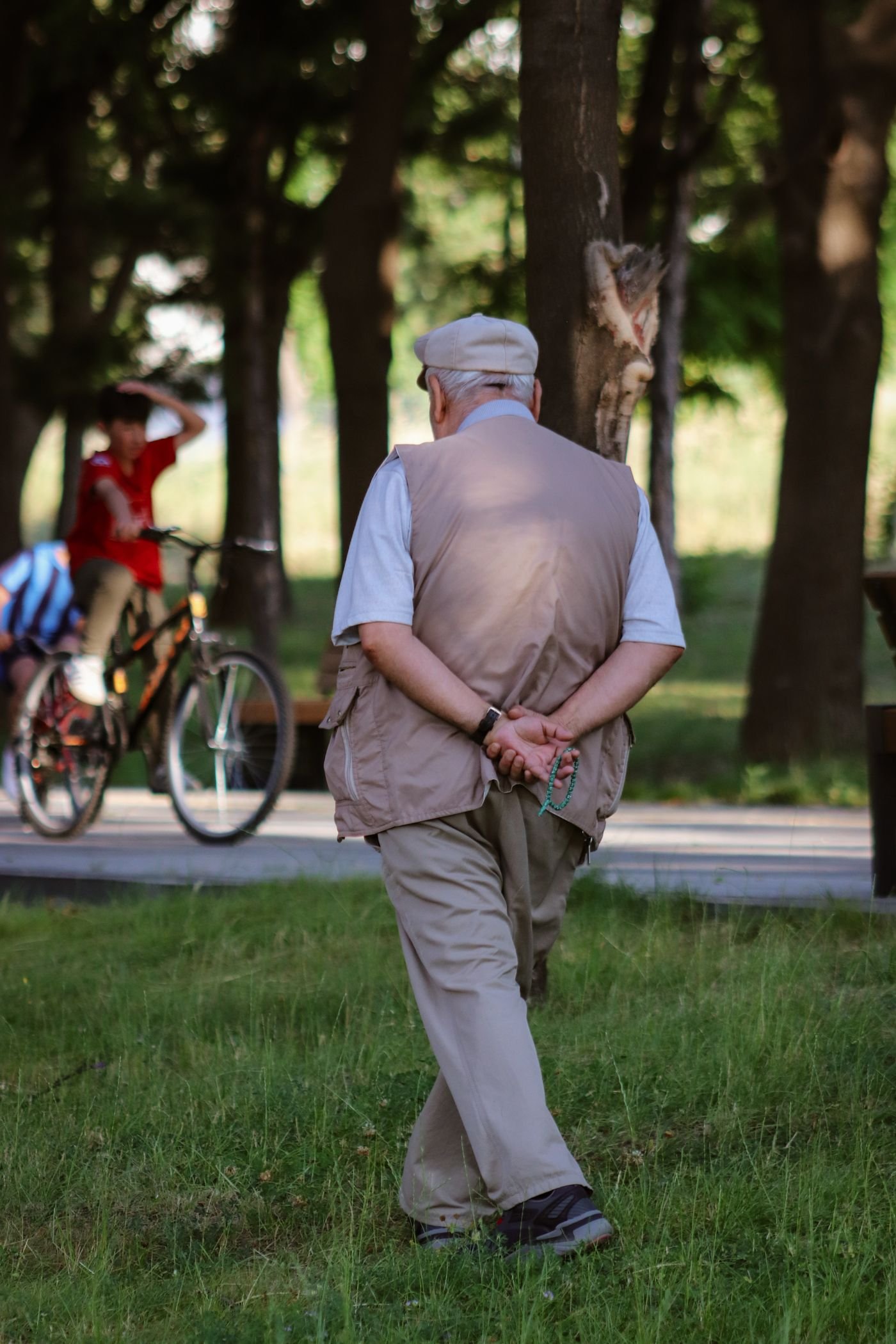
Choose two or three measures that match your goals and check them under similar conditions every few weeks. For strength, record the load and controlled repetitions of a familiar exercise. For walking, use the same route or a consistent time window and note distance, pace and perceived effort. For function, a safe chair-rise task can be more informative than obsessing over a fluctuating body-composition reading. Avoid maximal tests without suitable supervision.
Look for a pattern over several observations rather than a single personal record. A better score after a good night’s sleep and a worse score after illness do not prove that your training program has suddenly changed effectiveness. Keep notes about attendance, discomfort, medication changes, recovery and the difficulty of sessions. Those details help distinguish an insufficient stimulus from an inconsistent routine or a temporary setback.
The main takeaway from the 2026 analysis is that improvement has several dimensions. In 288 older adults, different proportions showed large changes in grip, knee strength, walking performance and lean mass, while regular participation was associated with better multi-outcome responses. A sensible program respects those differences. Build strength, practice movement, keep the schedule sustainable and judge success by the abilities that make daily life easier.
Leg Day Shirts & Workout Gear
Leg-day gym shirts and workout gear for lifters who never skip squats, lunges and lower-body punishment.

Lagertha Leg Day – Viking Shirt & Big Leg Gains – T-Shirt
Bring “Lagertha Leg Day” humor to your next gym day.

Captain Deadlift Leg Day Tee
Show some superhero attitude with a playful “Captain Deadlift Leg Day” tee.

Barbie & Barbells Sweater Strong Leg Day Motivation T-Shirt
Keep things casual with a little “Barbie & Barbells” attitude.

Viking Deadlift Motivational | Viking Workout Hooded Hoodie
Make your off-duty look more fun with “Viking Deadlift Motivational”.

Mermaid Leg Day Strong Meme Athletic Shirt Tank Top
Add some leg-day attitude to training with “Mermaid Leg Day”.

Invisible Booty To Visible Booty Motivation Meme T-Shirt
Bring “Invisible Booty To Visible Booty” humor to your everyday gym style.

Muscle Mommy : Squats & Snow White Booty Sticker
A fun “Muscle Mommy” touch for bottles, laptops, and lockers.

Bunny Squats & Booty Motivation Cute Hoodie
Show off your leg-day humor in a laid-back “Gym Bunny” hoodie.

The Walking Deadlift Gym | Zombie Workout Decal For Wat Sticker
A fun “The Walking Deadlift” touch for bottles, laptops, and lockers.

Booty Building Mode Sweater Squat Day & Meme Fans T-Shirt
Show some gym-day personality with “Booty Building Mode”.