When a diet makes the number on the scale fall, some of that change can come from fat and some from tissue you would rather keep. A 2026 synthesis of 34 randomized trials involving 1,455 participants examined whether adding exercise to calorie restriction helps protect fat-free mass. Its findings offer a practical reason to keep training while losing weight, but they do not promise that every dieter can build muscle in a deficit. The distinction between preserving tissue and adding new muscle is central to getting the message right.
1. Weight Loss Is Not the Same as Fat Loss
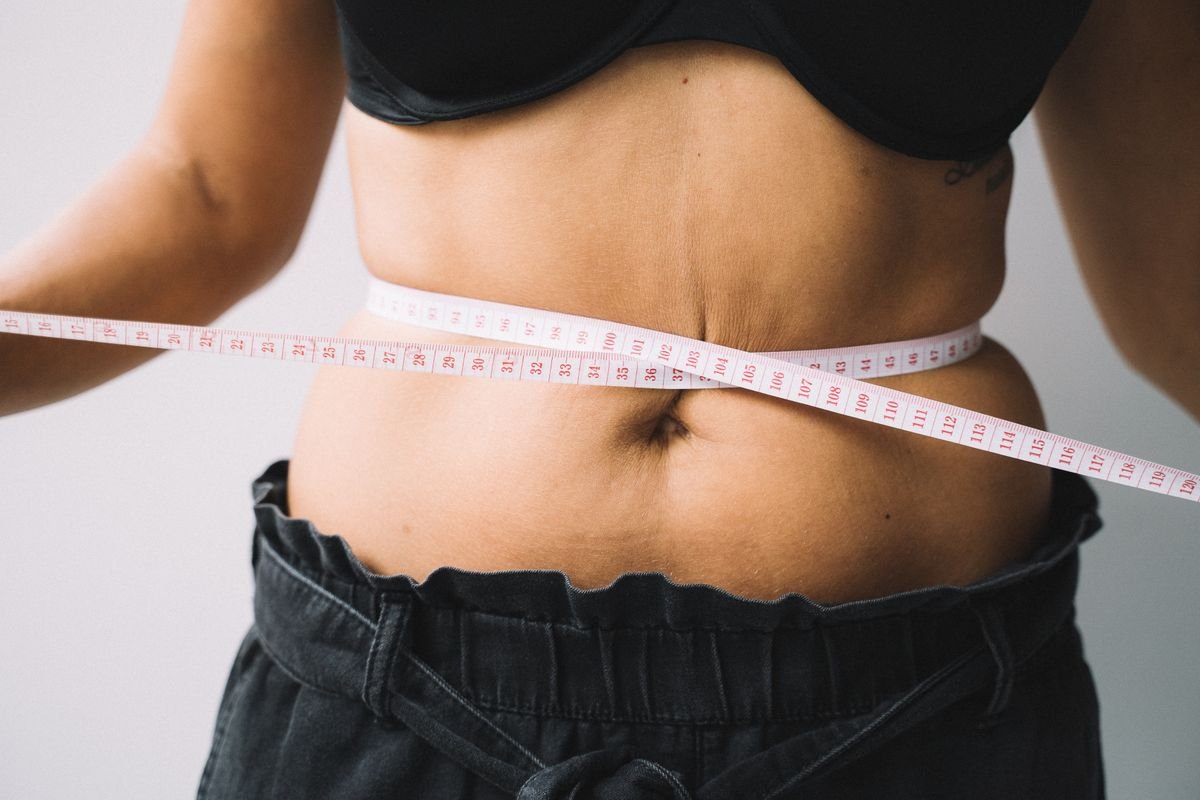
Body weight includes fat, muscle, organs, bone, water and the contents of the digestive tract. Fat-free mass is everything other than fat. That makes it a useful research measure, but not a direct synonym for skeletal muscle. A change in hydration, glycogen or other nonfat tissues can affect fat-free-mass estimates even when the amount of contractile muscle has barely changed.
That distinction matters when comparing diets. Two people can lose the same number of kilograms while ending with different strength, waist measurements and training capacity. Someone who lifts throughout a diet may retain more useful tissue than someone who only restricts calories, even if their scale-weight changes look almost identical. Conversely, a stable weight does not guarantee stable muscle: fat and lean compartments can move in opposite directions.
Common body-composition methods have limitations. Dual-energy X-ray absorptiometry estimates tissue compartments but still responds to fluid changes; bioimpedance devices are particularly sensitive to hydration, food intake and measurement conditions. A single scan should not be treated as an exact muscle-growth verdict. Look for trends measured under similar conditions and combine them with strength performance, waist circumference and how clothing fits.
For most adults trying to improve body composition, the first decision is not whether to buy a sophisticated scanner. It is whether the plan includes a repeatable resistance-training stimulus, adequate food quality and a calorie target that allows enough energy to train. Those foundations matter more than a flattering body-fat percentage printed by a bathroom device.
2. What 34 Randomized Trials Actually Found
The 2026 review combined 34 randomized controlled trials with 1,455 participants who were living with overweight or obesity. It compared calorie restriction alone with calorie restriction plus structured exercise. Across the pooled comparisons, the exercise groups retained an average of 0.87 kg more fat-free mass than the diet-only groups, with a 95% confidence interval from 0.59 to 1.16 kg. In the authors’ illustrative analysis, adding exercise prevented roughly 45.7% of the fat-free-mass loss seen with calorie restriction alone.
That does not mean every participant saved precisely 0.87 kg of muscle. The estimate combines different populations, interventions, durations and ways of measuring body composition. It describes a between-group difference in fat-free mass, not a guaranteed personal result. Only two of the included studies reported skeletal muscle mass specifically, so claims about muscle tissue itself should remain more cautious.
When the review compared exercise types, the mixed strength-plus-endurance category had a point estimate of 1.20 kg more retained fat-free mass than diet alone, while strength training alone showed 0.83 kg and endurance alone 0.51 kg. The endurance estimate crossed the no-effect boundary. Importantly, subgroup testing did not establish statistically significant differences between the exercise modes. A ranking of point estimates is not proof that a combined program is always superior to lifting alone.
The useful conclusion is narrower and stronger: structured movement, especially programs that include resistance training, can reduce the loss of fat-free mass during dietary weight loss. The studies were not designed to crown a single gym routine or to promise simultaneous fat loss and large muscle gains for experienced lifters. Keep the outcome, population and uncertainty in view when translating averages into your own plan.
3. Protein and Energy Intake Still Set the Conditions
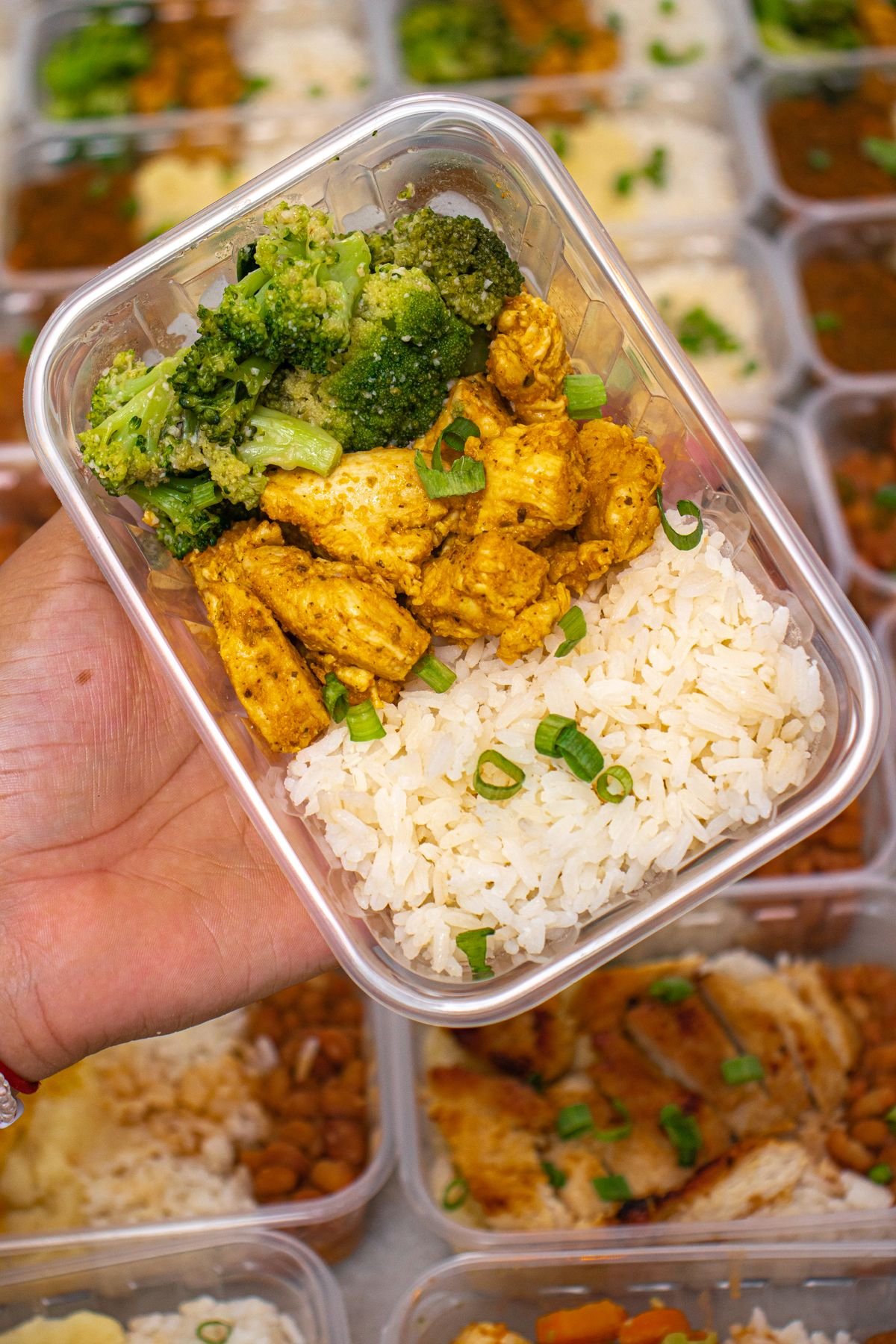
Training gives muscle a reason to remain useful, but food provides the energy and amino acids needed for repair. A large calorie deficit can make recovery harder, reduce workout quality and limit muscle growth even if the training program looks excellent on paper. An earlier meta-analysis found that prolonged energy deficits impaired lean-mass gains from resistance training, while strength gains were less consistently affected. Its exploratory regression suggested that deficits around 500 kcal per day could substantially limit lean-mass gain; that is not a universal biological cutoff for every person.
A practical starting point for many healthy resistance-training adults is approximately 1.6-2.2 g of protein per kilogram of body weight daily, adjusted for body size, dietary preferences and individual needs. A large synthesis of 49 training studies found a plateau in average additional fat-free-mass gains around 1.6 g/kg/day under the studied conditions. A more recent review focused on trained people in an energy deficit suggested a potentially favorable protein dose-response, but its authors emphasized substantial study heterogeneity and exploratory certainty. Neither result supports a rigid one-size-fits-all number.
For an 80 kg adult, 1.6 g/kg works out to about 128 g of protein per day. That could be spread across three or four meals rather than forced into a single giant serving. Protein-rich options include eggs, dairy, tofu, beans, fish, poultry and other foods that fit the person’s budget and preferences. Supplements can be convenient, but they are not a prerequisite.
Start with a modest energy deficit rather than the most aggressive number an app suggests. If gym performance collapses, hunger becomes unmanageable or recovery deteriorates, reassess intake and training load. People who are pregnant, have a history of disordered eating or manage significant medical conditions should get individualized guidance rather than copying an online calorie prescription.

Bodybuilding Shirts & Workout Gear
Bodybuilding shirts, tanks and gym gear for lifters chasing muscle, size, symmetry and the pump.

Powered By Rice Chicken Broccoli Bro Diet Decal Sticker
Put “Powered By Rice Chicken Broccoli” gym humor on your laptop, bottle, or gym gear.

Chicken Broccoli Rice Powered By Meal Prep Hooded Hoodie
Show off your meal-prep humor in a laid-back “Chicken Broccoli Rice” hoodie.

Chicken Broccoli Rice Breaking Bad Meme & Bros Tank Top
Bring “Chicken Broccoli Rice” humor to your next lifting session.

Funny Free Protein Gym | Sarcastic Workout Sweater & Gy T-Shirt
Add a playful “Free Protein” touch to your casual rotation.

Protein Shaker Bottle Graphic : Shirt For Protein Lover T-Shirt
Bring “Protein Shaker Bottle Graphic” humor to your next gym day.

Powered By Chicken Broccoli Rice Bro Meme Athletic Tank Top
Bring “Powered By Chicken Broccoli Rice” humor to your next lifting session.

Protein Gym Cosmic Graphic , Bodybuilding Workout Hoodie
Show off your lifting humor in a laid-back “Protein” hoodie.

Protein Bro Supplement Decal Water Bottles & Shaker Sticker
Give your everyday gear a playful “Protein” twist.

Broccolift Eat Broccoli Lift Gains Meme Vest Tank Top
Add some meal-prep attitude to training with “Broccolift”.

Funny Protein Shaker Bottle : Gym Meme Vest For Muscle Tank Top
Train hard, laugh a little, and rep “Protein Shaker Bottle”.
4. Keep Resistance Training in the Plan
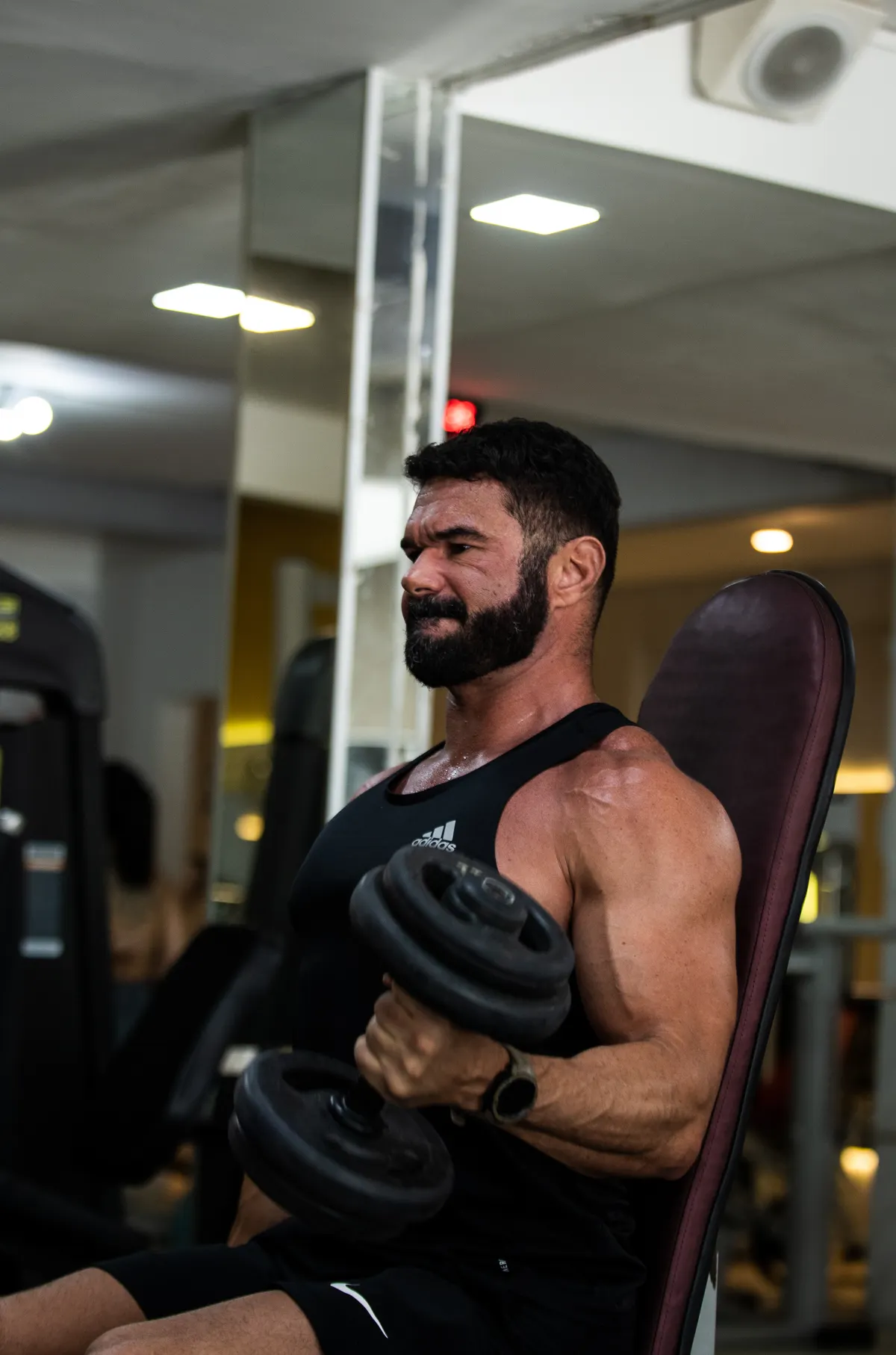
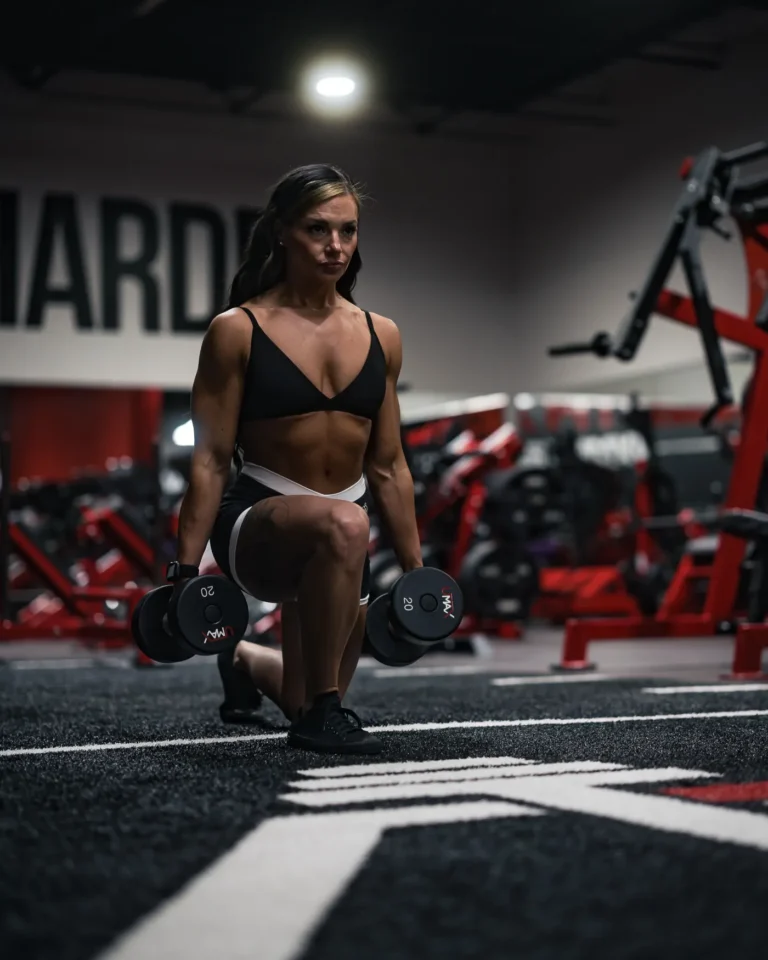
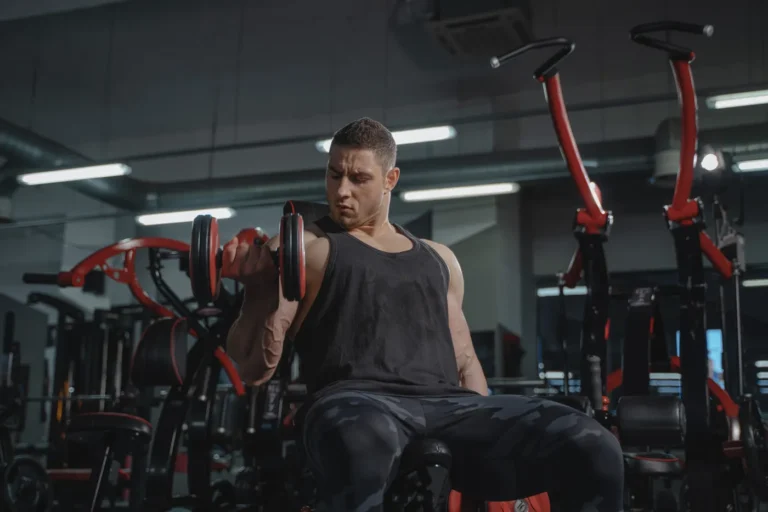
During a cut, lifting should not be reduced to a token warm-up before endless cardio. Use challenging movements that train the major muscle groups through comfortable ranges, and retain enough effort to signal that strength and muscle remain valuable. Squats or leg presses, hinges, rows, presses, pulldowns and suitable single-joint exercises can all contribute. Barbells, dumbbells, cables and well-designed machines are alternatives, not moral categories.
For a relatively new lifter, two or three full-body sessions per week can be a manageable foundation. Choose one squat pattern, one hip hinge, one upper-body push and one pull each session. Add direct arm, calf or core work when useful. Begin with roughly two working sets per exercise and leave about one to three technically clean repetitions in reserve on most sets. That is an illustrative starting point, not the exact protocol tested in the 34-trial review.
People who already lift regularly may need to preserve more of their usual weekly work to maintain performance. Instead of abruptly doubling training volume while eating less, keep the important exercises, reduce unnecessary fatigue and progress when recovery permits. If a lift stalls during a calorie deficit, maintaining load and repetitions can itself be a meaningful outcome. A smaller body with stable absolute strength may also be improving relative strength.
Use a simple log. Record the load, repetitions and approximate effort for the main exercises. Compare sessions over several weeks rather than judging one tired day. The goal is not to chase failure on every set or invent an ever-harder workout; it is to keep producing a credible training stimulus while the diet creates the desired fat-loss trend.

Equipment Worth Exploring
Explore equipment, accessories and gear from our carefully selected range.


VOLTRA
Compact digital cable trainer with smooth, adjustable resistance.

Go-Tone Pro
Portable digital cable trainer with up to 66 lb (30 kg) of adjustable resistance.


5. Where Cardio Fits Without Taking Over
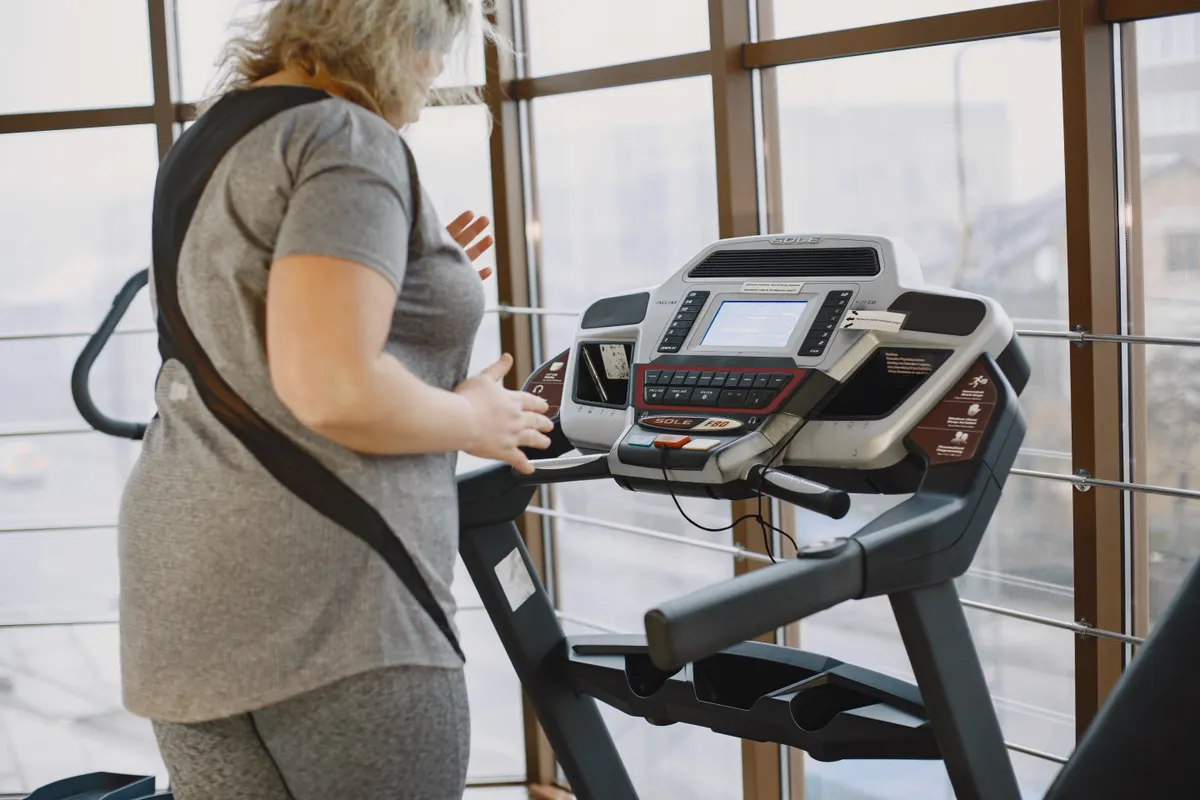
Cardio supports cardiovascular health, work capacity and energy expenditure. It can also make weight management more sustainable when paired with a reasonable eating plan. The 2026 review did not demonstrate that endurance training is useless for fat-free-mass retention. Its endurance-only point estimate was positive but less certain, and the comparisons between exercise types were not conclusive. For most people, the choice is not cardio or weights; it is how to combine them without exhausting recovery resources.
Walking, cycling, swimming and easy jogging are practical options. Start with a level of activity you can repeat, such as 20-30 minutes of comfortable movement on several days each week. If you already run or cycle extensively, your plan may need more deliberate recovery than a beginner’s. A 2025 synthesis comparing aerobic, resistance and concurrent training found that aerobic and combined approaches can improve absolute fat-loss outcomes, while resistance training has particular value for retaining fat-free mass. Workload and intervention duration affected those comparisons.
When time is limited, protect your resistance sessions and use moderate cardio to complement them. A short walk after a meal can be easier to recover from than another hard interval session. If intense cardio leaves your legs flat for two days, lower the dose, separate sessions or change the modality. Fat loss is not a competition to accumulate the highest possible number of exhausted minutes.
Do not use estimated exercise calories as a precise permission slip to eat more. Treadmill displays and wearable estimates can be imprecise, and the body’s appetite and spontaneous activity may change as dieting continues. Judge the overall plan by the longer-term trend, not by the largest calorie number shown after one workout.
6. A Six-Week Example for Fat Loss With Muscle Retention
This is a general training template for an otherwise healthy adult who can exercise comfortably. It is not a prescription for a specific calorie intake or a replacement for medical advice. Use three nonconsecutive lifting days, optional easy cardio and at least one lighter day. The exercise selection can be adapted to available equipment and experience.
Weeks 1-2: Establish a repeatable baseline
- Day A: squat or leg press 2 x 8-10; dumbbell bench press 2 x 8-12; cable or chest-supported row 2 x 10-12; calf raise 2 x 12-15.
- Day B: Romanian deadlift 2 x 8-10; pulldown 2 x 8-12; overhead or landmine press 2 x 8-10; plank 2 controlled holds.
- Day C: split squat 2 x 8 per side; incline press 2 x 8-12; seated row 2 x 10-12; leg curl 2 x 10-15.
Leave two or three good repetitions in reserve while you learn repeatable technique. Add easy walking on two or three days if recovery allows. Record body weight under consistent conditions several mornings per week and calculate a weekly average rather than reacting to daily fluctuations.
Weeks 3-4: Progress without chasing exhaustion
When all sets reach the top of their repetition ranges with clean form, increase load slightly or add one repetition next time. Keep the same major movements so progress is interpretable. If energy is low, maintain load and shorten accessory work rather than abandoning lifting. Review meal structure and protein consistency before assuming you need a more extreme deficit.
Weeks 5-6: Adjust the dose to the response
Keep the plan stable if waist measurements or the weekly weight trend are moving as intended and strength is holding. If progress stalls for multiple weeks, check portions, steps and measurement consistency before making a small adjustment. If sleep, mood or performance deteriorate, consider reducing the deficit or training stress. The right six-week outcome is better body composition with useful strength retained, not the greatest amount of weight lost at any cost.
Equipment Worth Exploring
Explore equipment, accessories and gear from our carefully selected range.


FID Bench MAX
Adjustable bench offering flat, incline, and decline positions + adjustable headrest.


Leather Lifting Straps
Padded leather straps support grip during heavy rows, deadlifts and pulling exercises.

Leather Wrist Grips
Padded leather lifting grips help support the hands and wrists on heavy pulling exercises.


GymPin Squat Wedges
Non-slip 15-degree squat wedges help elevate the heels for deeper quad-focused squats.

7. Measure Progress Without Confusing Water With Muscle
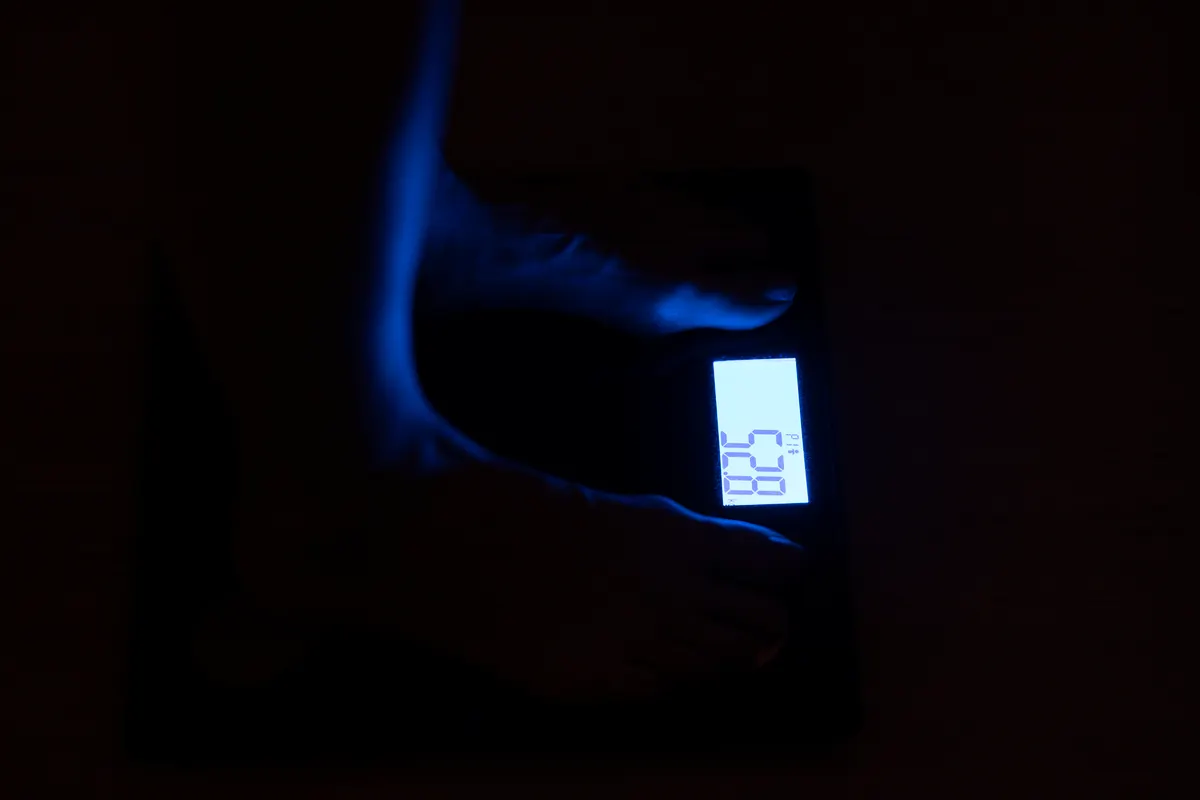
Body recomposition is easy to misunderstand when every measurement is treated as an exact verdict. A hard leg session can increase temporary water retention. Changes in carbohydrate intake alter stored glycogen and its associated water. A salty meal, travel or menstrual-cycle changes can shift scale weight without corresponding fat gain. For that reason, compare weekly averages and look for agreement between several measures.
Use a short dashboard: average morning weight, waist circumference taken at a consistent landmark, two or three benchmark lifts, and an optional progress photo under similar lighting. If weight is declining slowly, waist circumference is shrinking and main lifts are stable, that can be a promising pattern even when a smart scale claims your muscle percentage changed overnight. If body weight falls rapidly while strength and energy collapse, the diet may be too aggressive.
Remember the evidence boundary. The 34-trial review largely concerned adults with overweight or obesity; its results do not automatically transfer to very lean competitive bodybuilders, adolescents or people with medical conditions. The pooled outcome was fat-free mass, and the review had limited direct skeletal-muscle measurements. Some interventions preserved lean tissue; others showed increases, but that does not make simultaneous muscle gain a guarantee for every person.
The sensible takeaway is to protect the behaviors that support muscle while losing fat: lift consistently, eat sufficient protein, avoid unnecessarily large deficits, add cardio in recoverable doses and measure change over time. A diet that preserves performance and tissue is often more valuable than one that makes the scale move fastest. If you want the plan to last, choose adjustments you can sustain beyond the first six weeks.
Funny Gym Shirts & Workout Gear
Funny gym shirts, tanks, hoodies and workout gear for lifters who like training hard.

Be Happy Lift Heavy Happy Weights Smiley Face Weight Pl T-Shirt
Show some gym-day personality with “Be Happy Lift”.

Dumbbell Heartbeat Muscle Shirt Athletic Vest Fitness F Tank Top
Your gym-day look, with a playful “Dumbbell Heartbeat” twist.

Barbell Buddies for Friendship, Gym Buddies, and Liftin T-Shirt
For laid-back days and powerlifting humor: “Barbell Buddies”.

Pink 45LB Weight Plate Barbell Lifting T-Shirt
For laid-back days and gym-girl humor: “Pink 45LB Weight Plate”.

Therapy Barbell – Bodybuilding Powerlifting Meme Sweate T-Shirt
Add a playful “Therapy Barbell” touch to your casual rotation.

Barbell Heartbeat Hooded Pullover for Powerlifting Lift Hoodie
Bring “Barbell Heartbeat” gym humor to lazy days and post-workout plans.

Listen Heavy Lift Heavy Gym | Heavy Metal Workout Crewn T-Shirt
Keep things casual with a little “Listen Heavy Lift” attitude.

Muscle Mommy Muscle Club for Gym Girls, Lifting & Stren T-Shirt
Bring “Muscle Mommy Muscle Club” humor to your everyday gym style.

Iron Knight Motivational & Bodybuilders Vest Tank Top
Bring “Iron Knight” humor to your next lifting session.

I Want You To Lift Heavy – Patriotic Uncle Sam 4th of J Tank Top
Your gym-day look, with a playful “I Want You To Lift” twist.