Hamstring strength is not a single number. The knee angle at which your hamstrings produce their greatest force can change with training, and that matters when choosing exercises for sport, lifting and rehabilitation. A 2026 systematic review examined whether eccentric hamstring training shifts peak knee-flexion torque toward more extended knee positions. The practical message is promising but more nuanced than simply declaring one exercise the winner.
1. What the 2026 Review Actually Measured
The review included 19 prospective studies involving 427 adults, mostly between 18 and 36 years old. Fifteen studies reported a shift in the angle of peak torque toward longer hamstring lengths following eccentric exercise, while statistically significant shifts were identified in nine groups. The largest reported examples included approximately 17 degrees after seated eccentric knee flexion and 13.5 degrees after Nordic hamstring training. Those figures came from particular interventions, not a universal average or a direct head-to-head contest.
Angle of peak torque means the knee position at which a muscle group produces its highest measured rotational force during a test. It is not the same as maximum squat strength, hamstring size, sprint speed or a guaranteed reduction in injury risk. A shift toward a more extended knee means the tested peak occurred with the hamstrings operating at a longer length. This is a measurable adaptation, but its practical value depends on the person’s goals and the demands of the activity.
Crucially, the review rated the certainty of evidence as low for every comparison. Training methods, dynamometer tests, participant characteristics and study quality differed. The authors could identify a repeated pattern, but could not establish an exact best exercise, ideal weekly dose or reliable effect for every athlete. That is why a sensible program combines this information with exercise tolerance and progressive overload rather than chasing a particular angle on a chart.
2. Why Knee Angle Changes the Hamstring Challenge
The hamstrings cross the knee, and several also cross the hip. Knee flexion and hip extension therefore load overlapping but not identical functions. During a seated leg curl, hip flexion places the biarticular hamstrings in a relatively lengthened position compared with a prone or standing curl at the same knee angle. During a Romanian deadlift, hip flexion increases hamstring length while the knee remains only slightly bent. Neither movement is automatically superior; each presents force demands at different joint positions.
An eccentric repetition is the controlled lowering phase while a muscle develops force as it lengthens. In a Nordic curl, the athlete resists the torso falling forward as the knees extend. In a leg curl, the athlete slowly returns the pad toward the starting position. Eccentric loading is useful because substantial force can be produced during lowering, but that also means excessive volume can create soreness and reduce performance in the next session.
It helps to distinguish the position of a muscle from the position of its strongest test result. A long muscle length does not mean the hamstring is always strongest there. Adaptation can shift the torque-angle relationship over weeks. Even then, a dynamometer measurement is only one part of athletic performance. You still need strength through useful ranges, good coordination and the ability to express force quickly when sport demands it.
For practical training, begin with an exercise you can control across a repeatable range. Progress load, range or total high-quality repetitions one variable at a time. Avoid forcing extreme knee extension or hip flexion merely to feel a deeper stretch, especially if you have a history of hamstring symptoms.

Equipment Worth Exploring
Explore equipment, accessories and gear from our carefully selected range.

GymPin Squat Wedges
Non-slip 15-degree squat wedges help elevate the heels for deeper quad-focused squats.

HUSLA Leg Extension Pad
Pad attachment designed to increase usable range of motion on compatible leg-extension machines.


Squat Harness
Wearable harness for hands-free cable squats, sled work, and lower-body training.


FID Bench MAX
Adjustable bench offering flat, incline, and decline positions + adjustable headrest.

3. Nordic Curls and Seated Leg Curls Are Different Tools
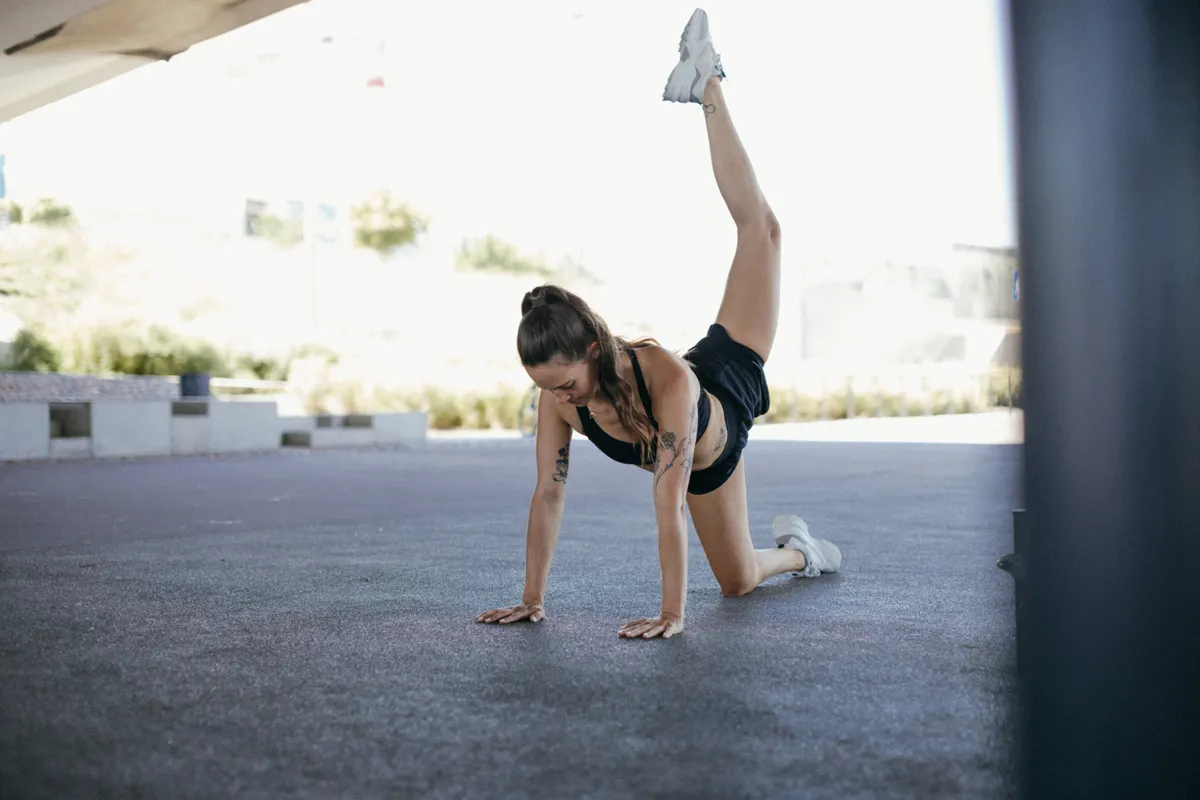
The Nordic hamstring exercise is a knee-dominant eccentric drill. Kneel with your ankles securely anchored, keep the hips relatively extended, brace the trunk and lower your body as one unit. Use the hands to catch the floor and push back up when necessary. An assisted Nordic with a band or a shortened lowering range can preserve control for people who cannot yet perform a full repetition.
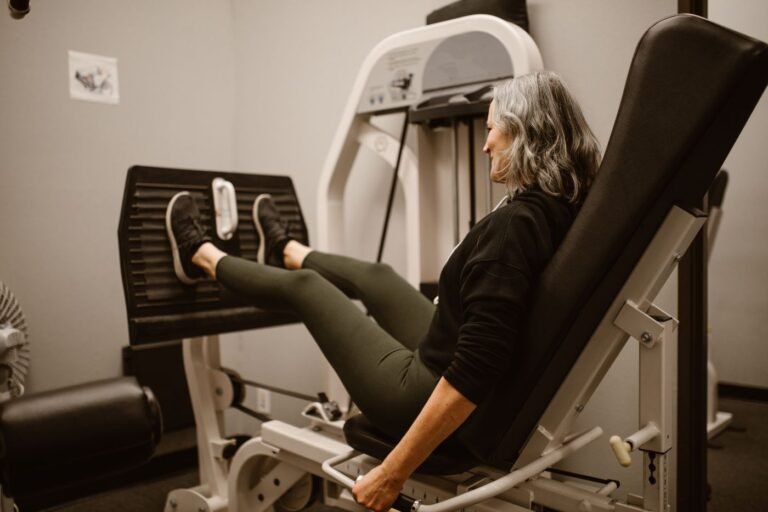
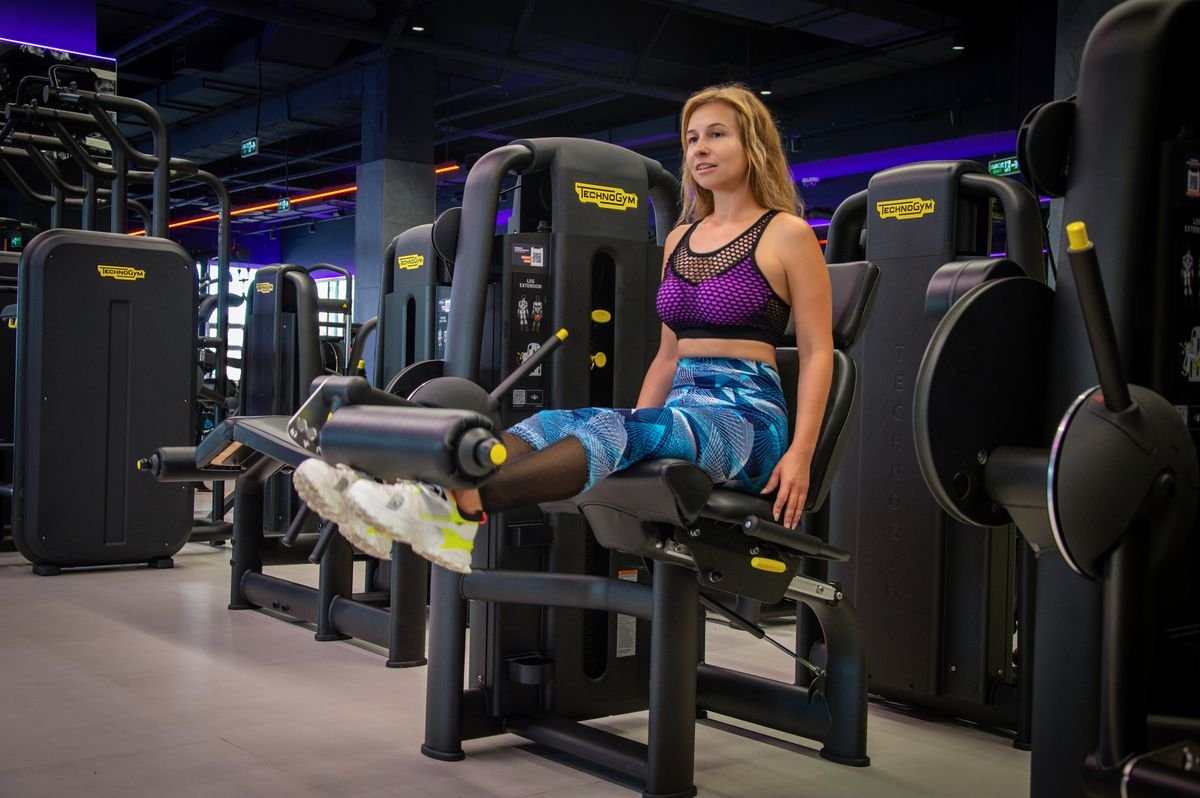
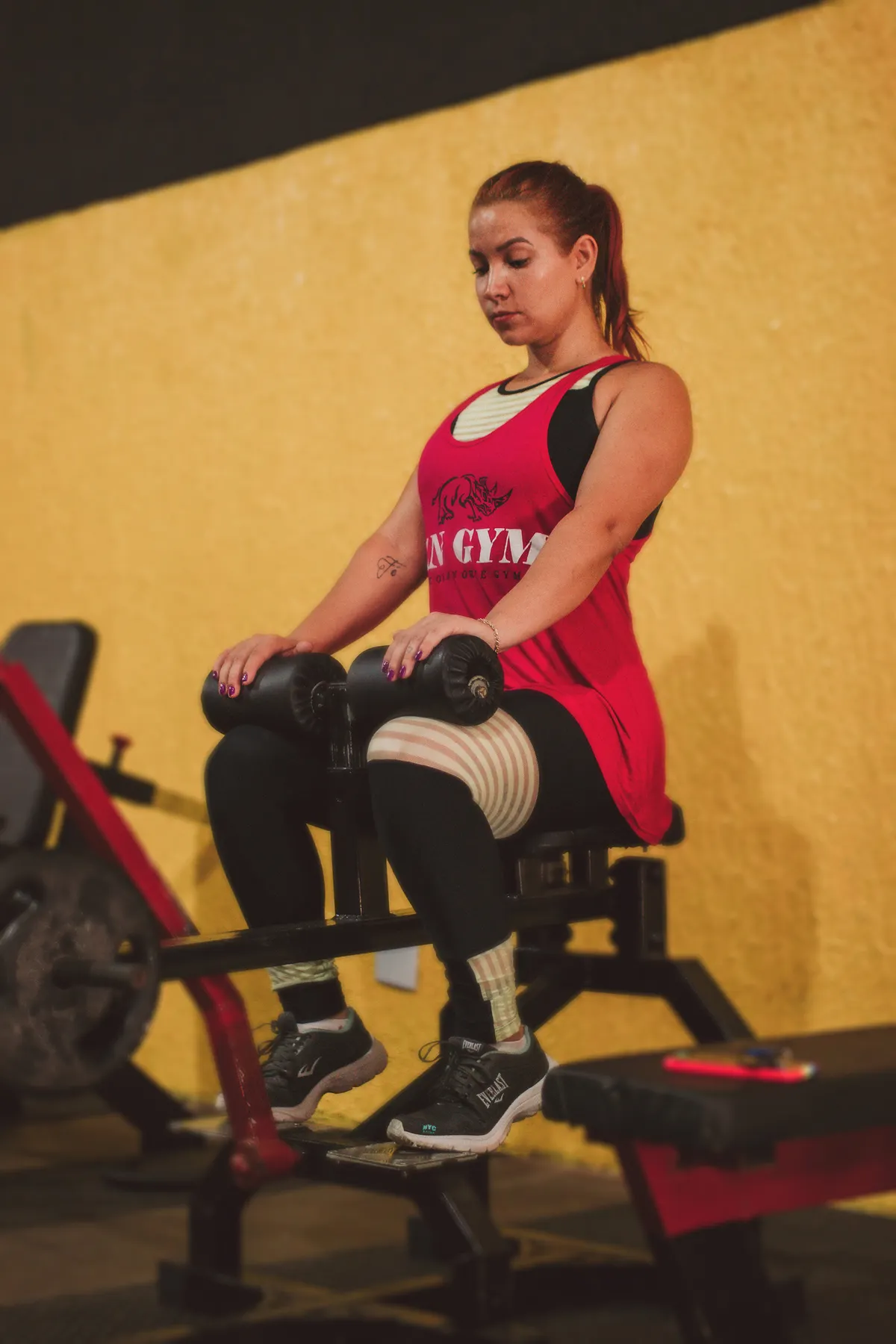
Seated leg curls are easier to scale in small load increments and can be performed through both lowering and lifting phases. Set the machine so the knee aligns with its pivot, secure the thigh pad and avoid lifting the pelvis as you curl. A slow eccentric return can emphasize the lengthening phase without requiring the very high relative bodyweight demand of a Nordic. In the review, seated eccentric knee flexion and Nordics were among the interventions associated with notable angle shifts, but study differences prevent treating the quoted numbers as a fair winner-versus-loser comparison.
For a recreational lifter, seated curls can supply straightforward hypertrophy-oriented knee-flexion volume while assisted Nordics add a demanding eccentric exposure. You do not need both at high volume. If the Nordics make your hamstrings sore for several days, reduce sets or assistance before adding another hard exercise. Conversely, if a machine is unavailable, sliders, a partner-assisted Nordic or a cable-based curl can be reasonable alternatives, although their precise torque-angle adaptations have not been established as identical.
Measure progress with consistent form, a controlled lowering phase and a repeatable range. A more difficult variation is useful only when it improves the intended training stimulus rather than converting every repetition into an uncontrolled fall.
4. Hip Hinges Add a Different Kind of Long-Length Load
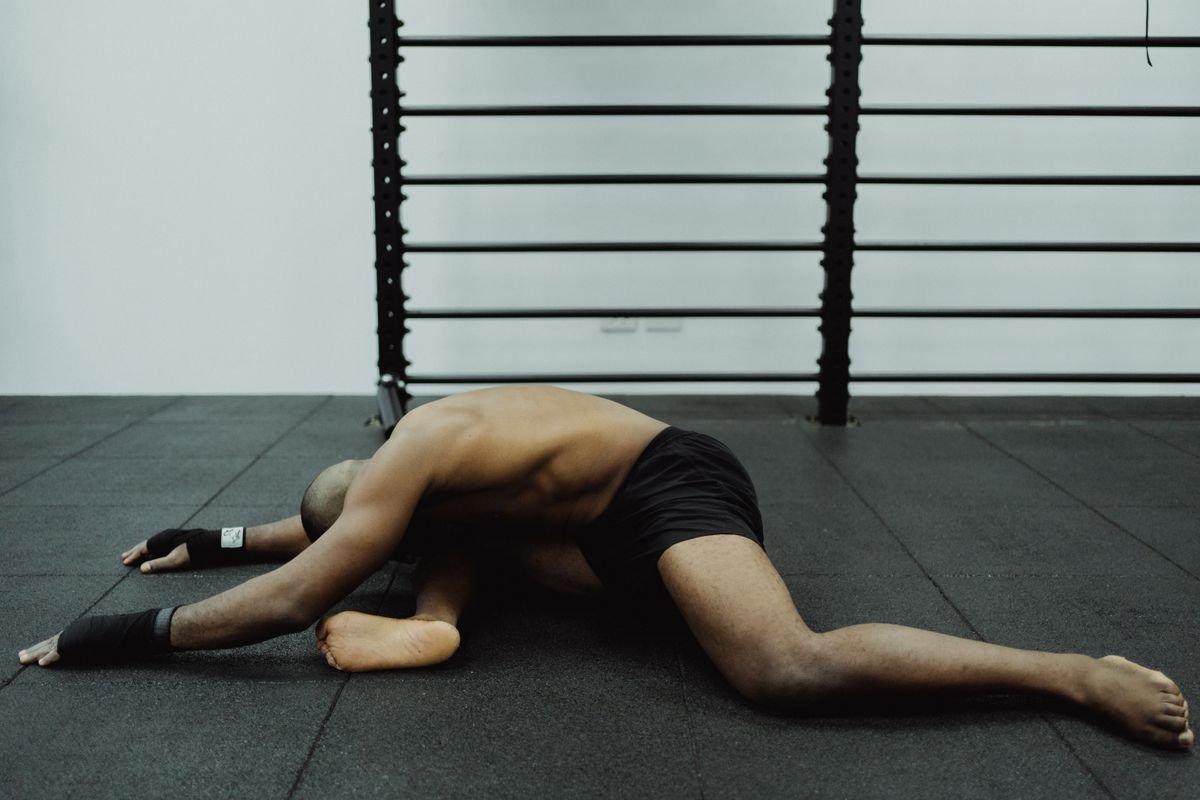
A Romanian deadlift complements knee-flexion work because the hip is the main moving joint. Start tall with a slight knee bend, push the hips backward and lower the weight while keeping it close to the legs. Stop when you can no longer maintain the desired spinal position or hip hinge without compensation. Stand by driving through the feet and extending the hips rather than jerking the bar upward.
A separate 2026 biomechanical investigation used imaging, muscle activity and modeling to compare hamstring force and stretch across seven resistance exercises and different running speeds in 20 active adults. The bilateral Romanian deadlift produced the greatest estimated peak forces for two measured hamstring muscles and large stretch demands. Those are estimates of immediate mechanical loading, not proof that the exercise prevents more injuries or grows more muscle than every alternative over months.
Another intervention comparing eccentrically biased Romanian deadlifts with Nordic training followed adaptations over six weeks. Such work reinforces that exercise selection can influence which regions and functions receive the most stimulus. It does not eliminate the value of combining a hinge with knee flexion. If your current plan contains only deadlifts, you may be missing a dedicated knee-flexor challenge; if it contains only leg curls, you may be missing loaded hip extension.
Keep hinge work technically clean and moderate the total fatigue. Two or three challenging sets of six to ten Romanian deadlifts can be plenty alongside a couple of controlled curl sets, depending on experience and other leg training. Place the more demanding movement earlier in the session and leave enough recovery before maximal sprinting or heavy lower-body work.

Leg Day Shirts & Workout Gear
Leg-day gym shirts and workout gear for lifters who never skip squats, lunges and lower-body punishment.


I Love Squats Gym | Funny Valentine's Workout Pullover T-Shirt
For laid-back days and leg-day humor: “I Love Squats”.

Big Heart Bigger Ass & Leg Day Meme Vest Tank Top
Show some personality between sets with “Big Heart Bigger Ass”.

Booty Building Mode Leg Day & Squat Gains Tank Top
Bring “Booty Building Mode” humor to your next lifting session.


I Want You To Squat Uncle Sam Patriotic – Funny 4th of Hoodie
Make your off-duty look more fun with “I Want You To Squat Uncle Sam Patriotic”.

Today Is Gonna Be The Day Funny Leg Day Workout | Wonde T-Shirt
Rep “Today Is Gonna Be The Day Funny Leg Day” humor in and out of the gym.

Viking Squats – Norse Workout Meme Decal for Water Bott Sticker
A fun “Viking Squats” touch for bottles, laptops, and lockers.

Booty Builder Harley Quinn Squats & Leg Day Meme Hoodie
Make your off-duty look more fun with “Booty Builder”.

Freedom To Skip Leg Day Patriotic Statue Of Liberty T-Shirt
Make gym days more fun with “Freedom To Skip Leg Day Patriotic” style.
5. What This Means for Sprinting and Injury Prevention
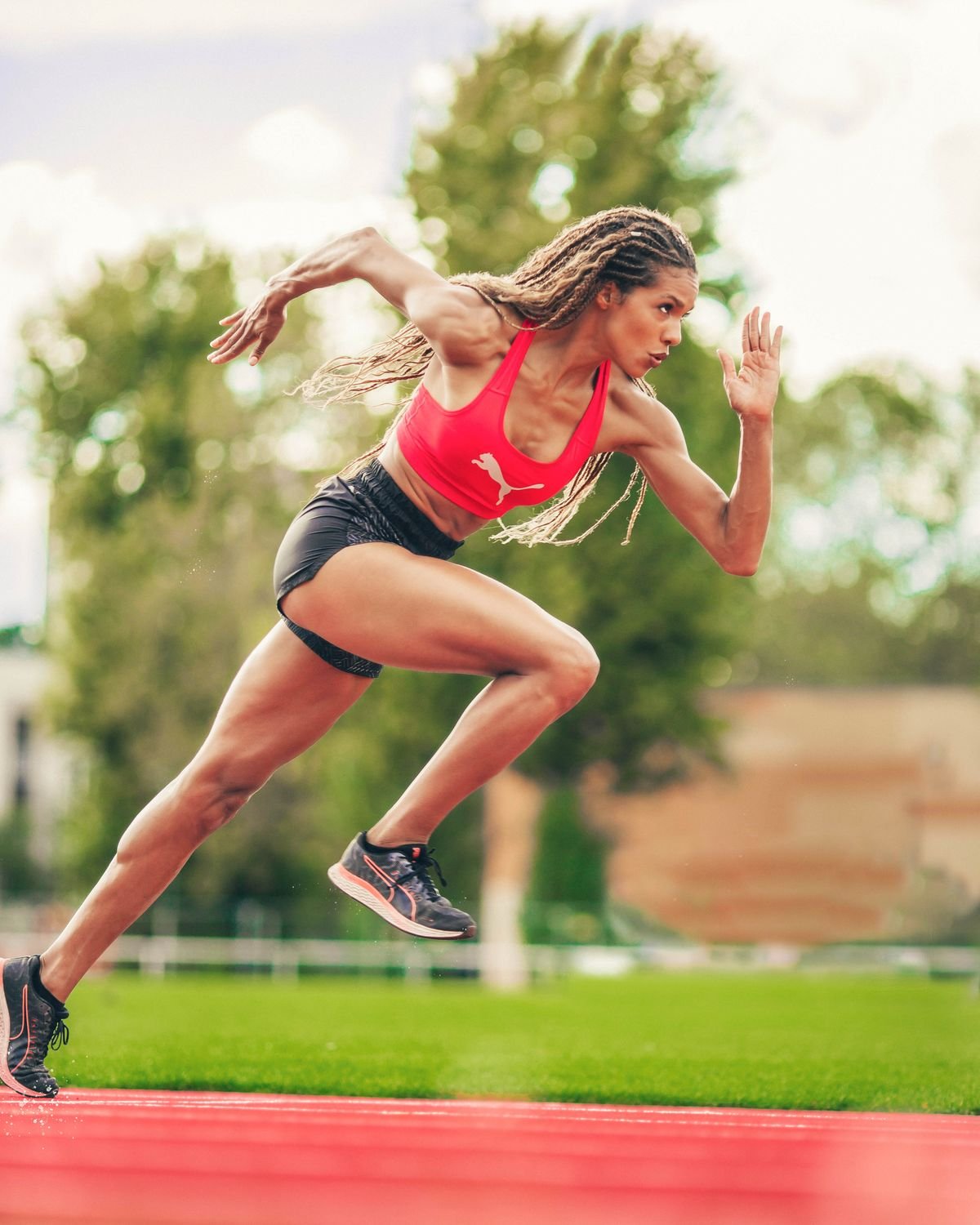
Hamstring strains often occur in sports with fast running and rapid changes of speed. It is tempting to assume that moving peak torque toward a longer length must automatically prevent injury. The 2026 review did not test injury incidence, and its low-certainty torque-angle findings should not be presented as direct prevention evidence. An improved laboratory measure is not the same outcome as fewer injuries on a playing field.
There is separate, stronger evidence supporting Nordic-inclusive prevention programs. A systematic review involving 8,459 athletes found roughly half the hamstring injury rate in programs including Nordics compared with programs without them. That finding concerns a broader training intervention and does not isolate the exact mechanism responsible. Compliance, sprint exposure, total workload and the quality of the full program still matter.
For field-sport athletes, strength training is only one ingredient. High-speed running exposes the hamstrings to rapid loading that a slow gym repetition cannot perfectly reproduce. Progressively reintroduce sprint speed and volume according to readiness, rather than relying on leg curls to substitute for every on-field demand. A person recovering from a strain needs individualized return-to-run decisions, not a generic calendar based on this review.
For bodybuilders, the priorities are different. A balanced combination of hip hinges and knee-flexion exercises can develop the posterior thigh without turning every set into a maximal eccentric challenge. If you are training for sprint performance, the same exercises may be useful, but session order and soreness management become more important. The best exercise is the one that serves your goal while allowing consistent exposure over time.
Equipment Worth Exploring
Explore equipment, accessories and gear from our carefully selected range.
VOLTRA
Compact digital cable trainer with smooth, adjustable resistance.

Go-Tone Pro
Portable digital cable trainer with up to 66 lb (30 kg) of adjustable resistance.


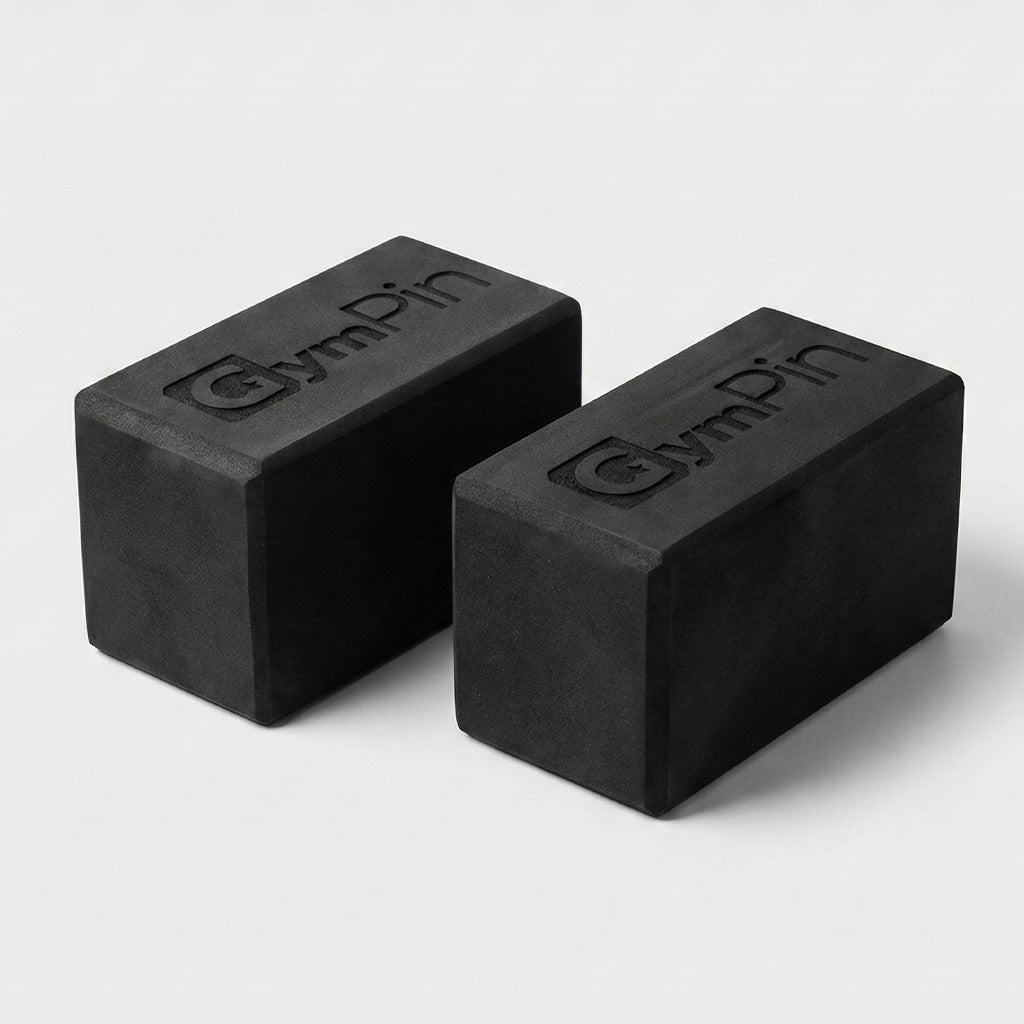
GymPin Starting Blocks
Portable high-density foam blocks for adjusting machine starting positions and range of motion.

Belt Squat Collar
Heavy-duty collar adapter for compatible belt-squat and landmine bar setups.


Power Tower
Freestanding pull-up and dip station with adjustable handles for bodyweight training.
6. A Six-Week Hamstring Progression You Can Actually Use
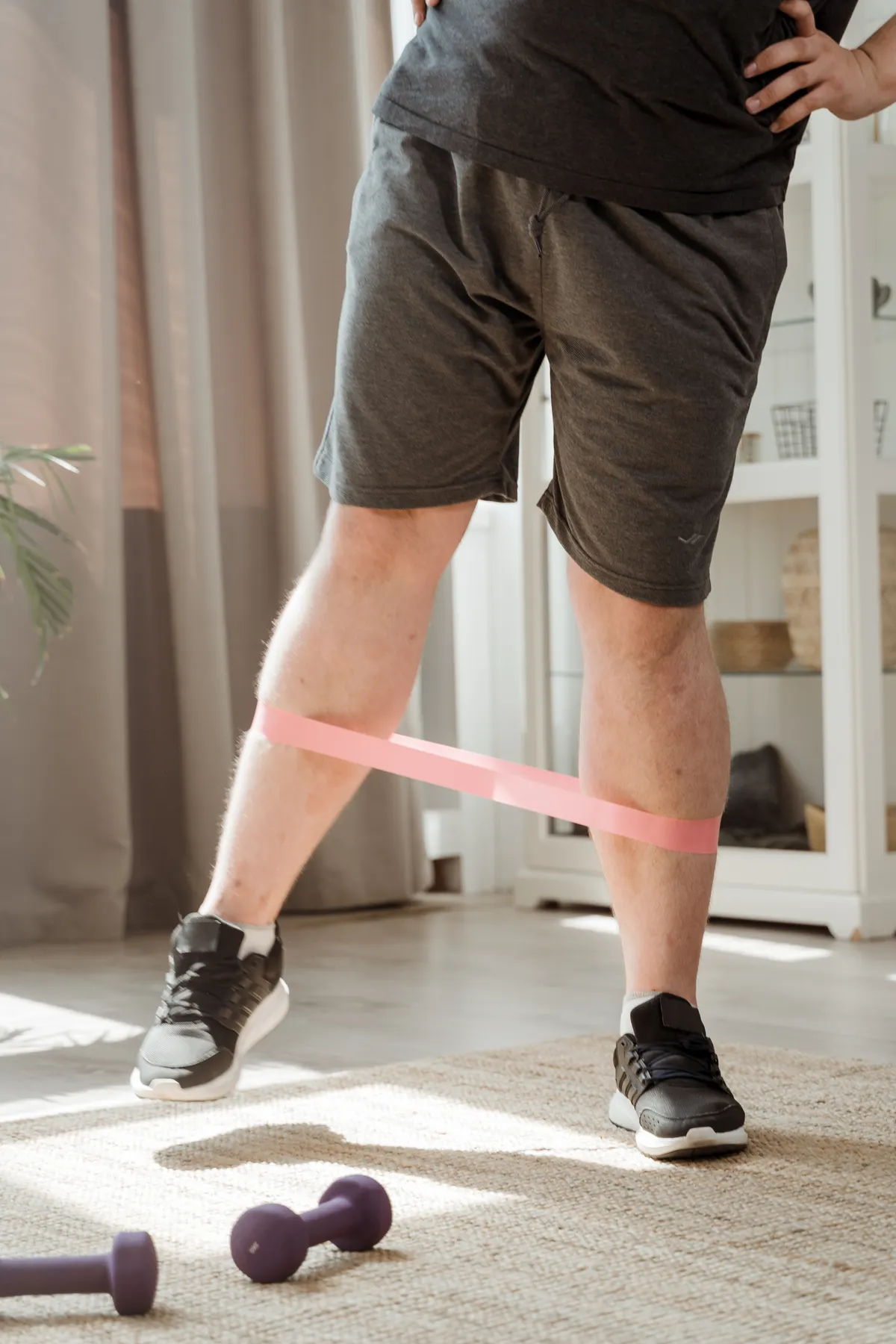
This example is for a healthy adult with basic lifting experience, not a rehabilitation prescription. Train hamstrings twice weekly with at least two days between harder sessions. Begin conservatively if you are new to Nordics or returning from a break. Keep most sets around two or three good repetitions short of technical failure, and use a lower starting dose when your regular running or sport already challenges the hamstrings.
Weeks 1 and 2: Learn the positions
- Day A: Romanian deadlift, 2 sets of 8; seated or lying leg curl, 2 sets of 10-12 with a controlled return.
- Day B: assisted Nordic lowering, 2 sets of 3-5; light single-leg bridge, 2 sets of 8 per side.
Practice a stable hinge, smooth knee flexion and an assisted Nordic range that you can actually control. If soreness interferes with walking or sport, cut the Nordic dose first. There is no prize for making the first week unbearable.
Weeks 3 and 4: Build repeatable work
- Day A: Romanian deadlift, 3 sets of 6-8; leg curl, 2-3 sets of 8-12.
- Day B: assisted Nordic, 2-3 sets of 4-6; single-leg bridge, 2 sets of 10.
Increase a load only after all planned repetitions meet the same technical standard. If your Nordic range improves, use slightly less assistance before adding sets. A longer controlled lowering is not useful if the final portion becomes a collapse.
Weeks 5 and 6: Progress without chasing soreness
- Day A: Romanian deadlift, 3 sets of 6-8; leg curl, 3 sets of 8-10.
- Day B: assisted Nordic, 3 sets of 4-6; single-leg bridge or slider curl, 2 sets of 8-10.
Record load, assistance, range and next-day recovery. If your main sport includes sprinting, avoid placing a new eccentric workload immediately before your hardest running session. You can maintain progress with fewer total sets during a demanding competition week. The six-week template is an illustrative progression; the reviewed studies used varied interventions, so these exact sets and repetitions are not a protocol proven superior by the review.
Bodybuilding Shirts & Workout Gear
Bodybuilding shirts, tanks and gym gear for lifters chasing muscle, size, symmetry and the pump.

Repetition Stoic Shirt: Meme Sigma & Greek God Pump T-Shirt
Show some lifting attitude with a playful “Repetition Stoic” tee.

Hustle for Muscle Hoodie
Bring “Hustle For That” gym humor to lazy days and post-workout plans.

Happy Weights Emoji Weight Plate Smiley Face Weight Gym Hoodie
Show off your powerlifting humor in a laid-back “Happy Weights Emoji Weight Plate” hoodie.

Fitness Is My Therapy – Lifting Bodybuilding Powerlifti Hoodie
Stay casual and show some powerlifting attitude with “Fitness Is My Therapy”.

I Don’t Miss Workouts Decal for Water Bottles Laptops G Sticker
Put “I Don’t Miss Workouts” gym humor on your laptop, bottle, or gym gear.

Bro Science Albert Einstein Science Based Lifting Worko Sticker
Put “Bro Science” gym humor on your laptop, bottle, or gym gear.


Shirt Meme – Leg Day Yesterday Wheelchair Top T-Shirt
Rep “Funny Gym Shirt Meme” humor in and out of the gym.

Swole Men Say Only Fools Don’t Lift Elvis Meme , Gains Sticker
Stick a little “Swole Men Say Only Fools Don’t Lift Elvis” humor on your favorite gear.

Makes Me Happy Meme Sad + = Happy & Gymbros T-Shirt
Bring “Gym Makes Me Happy Meme” humor to your next gym day.
7. How to Interpret the Evidence Without Overpromising
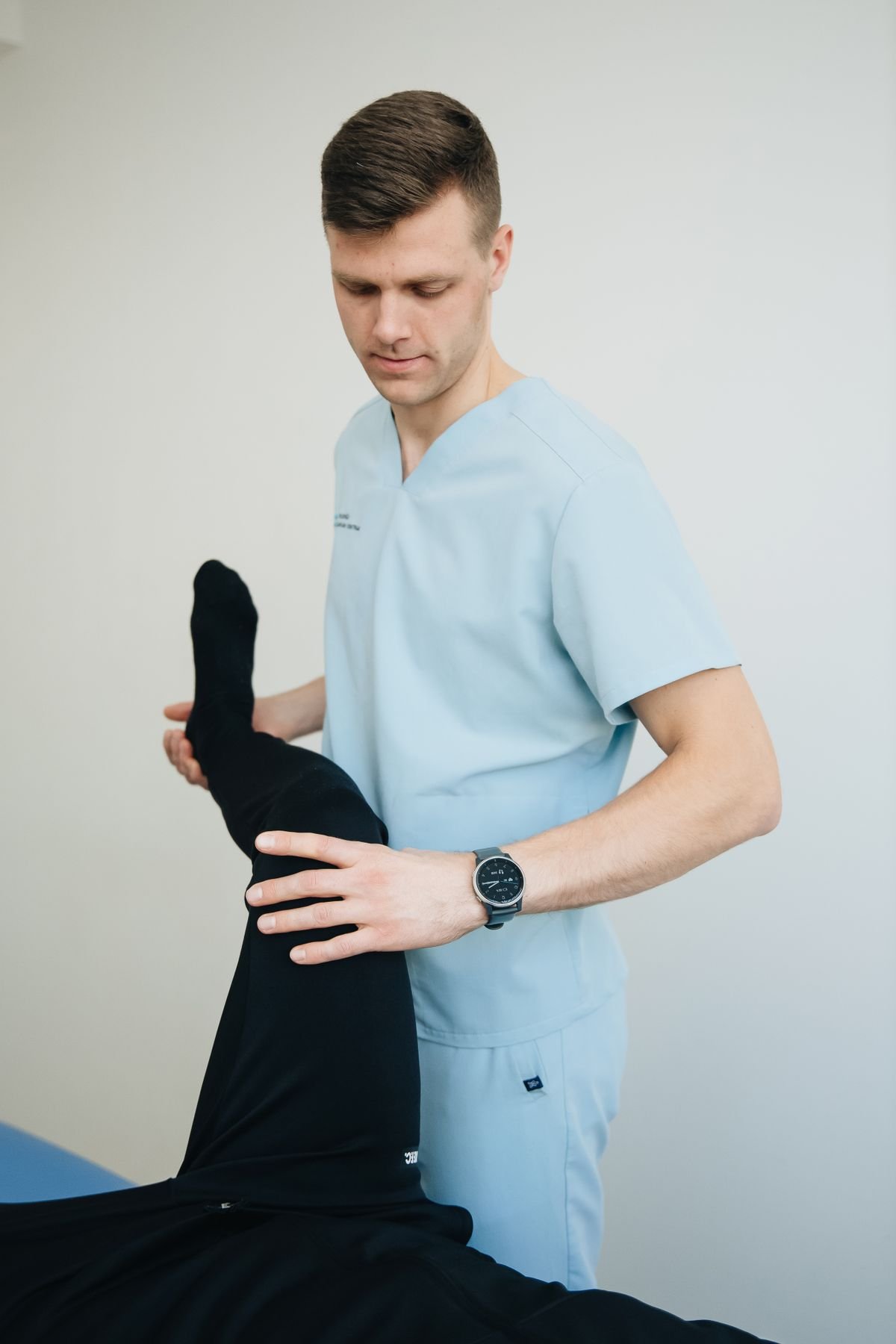
The central result is a pattern: eccentric hamstring training often shifts measured peak knee-flexion torque toward a more extended position. It is not a universal guarantee, and the certainty of evidence was low. The 19 studies covered a relatively young adult sample, different exercises and testing methods, and did not establish how long an angle shift persists after training stops. People with injuries, older adults and elite athletes may respond differently.
Do not confuse the angle of peak torque with muscle fascicle length, muscle thickness or performance. These variables may relate, but one does not automatically prove the other changed. The same caution applies to injury prevention: a promising mechanical adaptation is only one potential contributor among sprint exposure, fatigue, previous injury, movement demands and training adherence.
A useful decision rule is to choose one hip-dominant exercise and one knee-dominant exercise that you can progress safely. Use a manageable eccentric dose, avoid abrupt spikes in volume and monitor how your hamstrings feel before running fast. When symptoms are present, seek individualized assessment instead of trying to stretch or strengthen through sharp pain. Neither a machine nor a Nordic should be treated as mandatory for everyone.
Bottom line: seated eccentric curls and Nordics can shift where the hamstrings express peak knee-flexion torque, while Romanian deadlifts add a complementary hip-hinge demand. The evidence supports deliberate exercise selection, not a single magic movement. Build consistent strength across useful joint positions and judge success by your actual training and sport goals, not one laboratory angle.