The lowering phase of a lift often feels more controllable than the raising phase. That creates an appealing idea: if your muscles can resist a heavier load on the way down, why not make every negative rep heavier than the positive? Modern cable devices, assisted machines and specialized barbell attachments can do exactly that. The harder question is whether the extra work produces better results.
A comprehensive 2026 review compared accentuated eccentric loading with conventional resistance training. The result was less dramatic than the marketing: extra eccentric loading clearly changed the immediate training stimulus, but it did not consistently outperform regular lifting for long-term strength or muscle-related adaptations. Here is what the findings mean for people trying to get stronger without making every workout harder to recover from.
Some product links may be affiliate links, which can support Mind Muscle Perfection at no additional cost to you.
1. What eccentric overload actually means
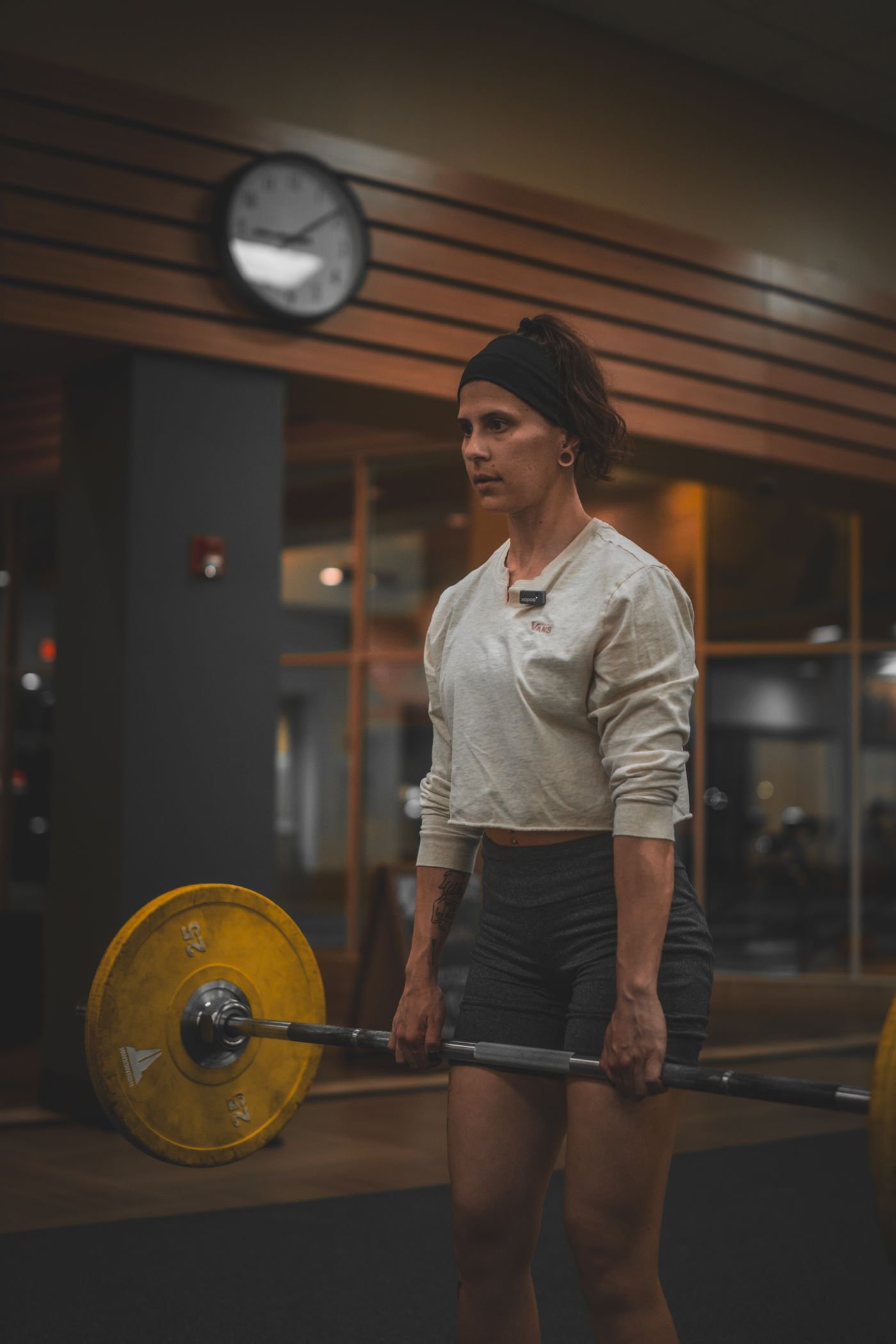
Every controlled repetition has a concentric phase, when the working muscle shortens, and an eccentric phase, when it lengthens under load. In a squat, standing up is predominantly concentric for the knee and hip extensors; lowering into the squat is eccentric. In a curl, bringing the weight toward the shoulder is concentric and lowering it is eccentric. Both phases can stimulate adaptation, but they are not mechanically identical.
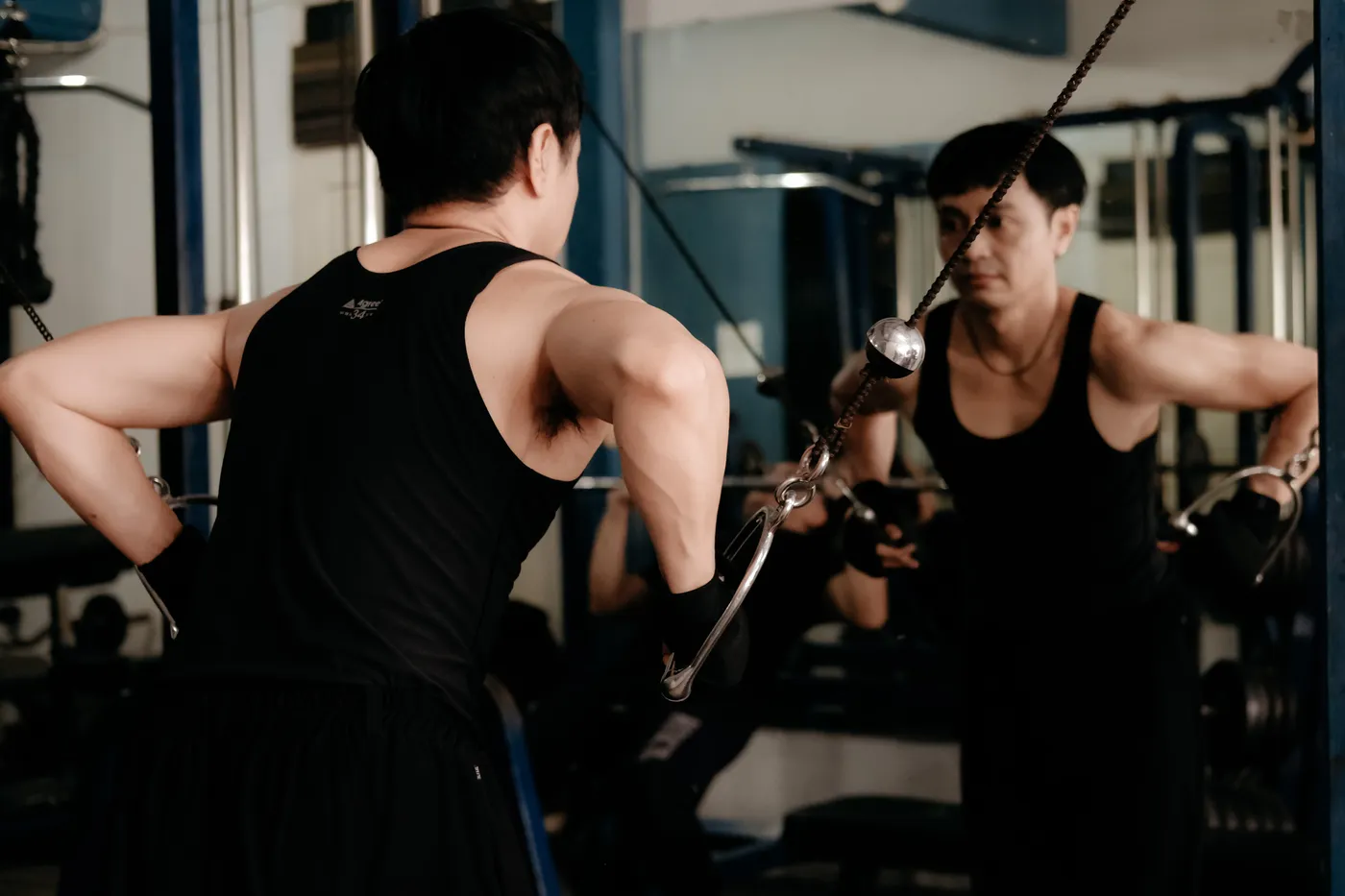
People can generally resist more force eccentrically than they can produce concentrically. Accentuated eccentric loading, or AEL, exploits that difference by deliberately making the lowering phase heavier than the lifting phase. For example, a device might supply the equivalent of 40 kg while you pull and 48 kg while you return the handle. The eccentric portion is 20% heavier than the concentric portion, not 20% above your absolute one-repetition maximum.
That distinction matters. A slower negative with the same weight is tempo training, not necessarily accentuated eccentric loading. A partner-assisted negative with extra resistance may be AEL, but its load is difficult to standardize. Weight releasers that detach at the bottom of a squat can create a genuinely heavier eccentric phase, although usually only on the first repetition. Digitally controlled resistance can change loading between phases on repeated reps, provided the device actually delivers the programmed resistance.
The appeal is straightforward: the lowering phase may otherwise be underloaded relative to what the muscles can tolerate. The drawback is equally straightforward: a stronger stimulus is not automatically a better training program once fatigue, technique and recovery are counted.
2. What the 2026 evidence review measured
The 2026 systematic review assembled 49 studies involving 773 participants. It compared AEL protocols with constant-load resistance training and separated immediate responses from changes accumulated across training programs. That is important because a single session can feel dramatically harder without producing a larger improvement several weeks later.
The researchers considered muscle electrical activity, perceived effort, blood markers, jump performance, maximal strength and measures of muscle architecture. They also distinguished submaximal, maximal and supramaximal eccentric prescriptions. Those labels refer to the eccentric load relative to the lifter’s conventional concentric maximum, not to a universal safe weight or a single recommended percentage.
The evidence was heterogeneous: protocols differed in exercise selection, experience, equipment, volume and how extra eccentric resistance was supplied. Some outcomes came from comparatively few studies. Pooled averages therefore answer a broad question – whether AEL usually beats conventional training – rather than proving that every device, athlete and loading scheme behaves identically.
A useful interpretation is to ask two separate questions. First, can heavier negatives increase the immediate eccentric demand? Yes. Second, does that reliably translate into more muscle size or strength when compared with well-designed conventional training? The combined evidence did not establish a consistent advantage. The gap between those answers is the main lesson.

Equipment Worth Exploring
Explore equipment, accessories and gear from our carefully selected range.
VOLTRA
Compact digital cable trainer with smooth, adjustable resistance.


FID Bench MAX
Adjustable bench offering flat, incline, and decline positions + adjustable headrest.


Leather Lifting Straps
Padded leather straps support grip during heavy rows, deadlifts and pulling exercises.

Safety Squat Handles
Barbell squat handles that reduce shoulder positioning demands during high-bar squats.

3. The extra effort is real, even when the gains are not bigger
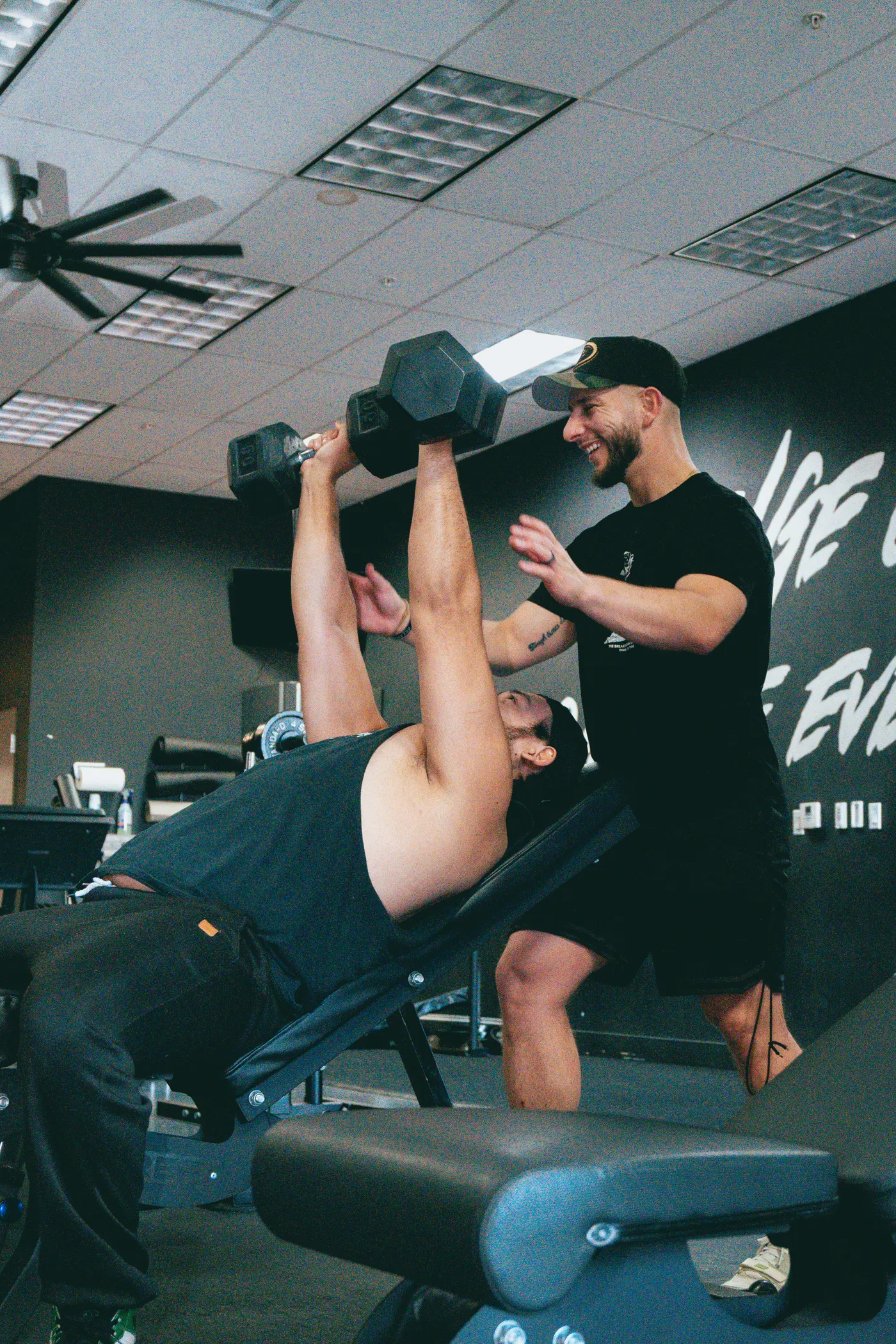
In the pooled acute comparisons, AEL increased muscle electrical activity during the eccentric phase. It also increased ratings of perceived exertion and some indicators of metabolic stress immediately after training. These findings support the simple observation that a heavier lowering phase changes what the body must handle during a set.
But several other responses were similar between methods, including the average measures of concentric mechanical performance, delayed muscle soreness and markers commonly used to discuss exercise-induced muscle damage. A harder-feeling set should not be interpreted as proof of greater tissue damage, nor should an elevated short-term hormone reading be treated as a prediction of muscle growth.
Electrical activity also has limits as a practical scoreboard. Surface measurements are sensitive to electrode placement, movement and many other factors. A larger signal during a particular phase can indicate greater activation demand without establishing that the workout will cause more hypertrophy. Likewise, a high exertion rating describes the cost of the set, not its long-term return.
This is why chasing the most intense possible negative can backfire. If eccentric overload forces you to cut useful training volume, lose technique or add days of recovery, its theoretical mechanical benefit may not survive the real-world trade-off. The goal is productive, repeatable work rather than the most punishing sensation available.

Powerlifting Shirts & Lifting Gear
Powerlifting shirts and gym gear for squat, bench and deadlift lifters who live for heavy numbers.

Iron Is My Therapy – Lifting Bodybuilding Powerlifting T-Shirt
Rep “Iron Is My Therapy” humor in and out of the gym.

I Want You To Lift Heavy Patriotic – Uncle Sam USA T-Shirt
Show some lifting attitude with a playful “I Want You To Lift Heavy Patriotic” tee.

Forged In Iron Shirt – Essential & Top T-Shirt
Heavy lifts, good laughs, and a little “Forged In Iron” energy.

6 Plates Squat Club Meme Shirt – Motivational Leg T-Shirt
Bring “6 Plates Squat Club” humor to your next gym day.

3 Plates Deadlift Club : Motivational & Ultimate Top T-Shirt
Rep “3 Plates Deadlift Club” humor in and out of the gym.

Deadlift Lovers Grim Reaper Skeleton Sweater & Leg T-Shirt
Add a playful “Deadlift Lovers” touch to your casual rotation.

Gym Skull Weightlifting Pullover for Powerlifters Bodyb Hoodie
Bring “Skull Weightlifting” gym humor to lazy days and post-workout plans.

Squat Here | Edgy Workout Decal for Water Bottles & Gym Sticker
A fun “Squat Here” touch for bottles, laptops, and lockers.

Gym Sworn to the Iron Oath Medieval Knight Lifting Shir T-Shirt
Make gym days more fun with “Sworn to the Iron Oath Medieval Knight” style.

Gym Iron Before Honor Medieval Knight Muscle Shirt for Tank Top
Bring “Iron Before Honor Medieval Knight” humor to your next lifting session.
4. Did heavier negatives build more muscle or strength?
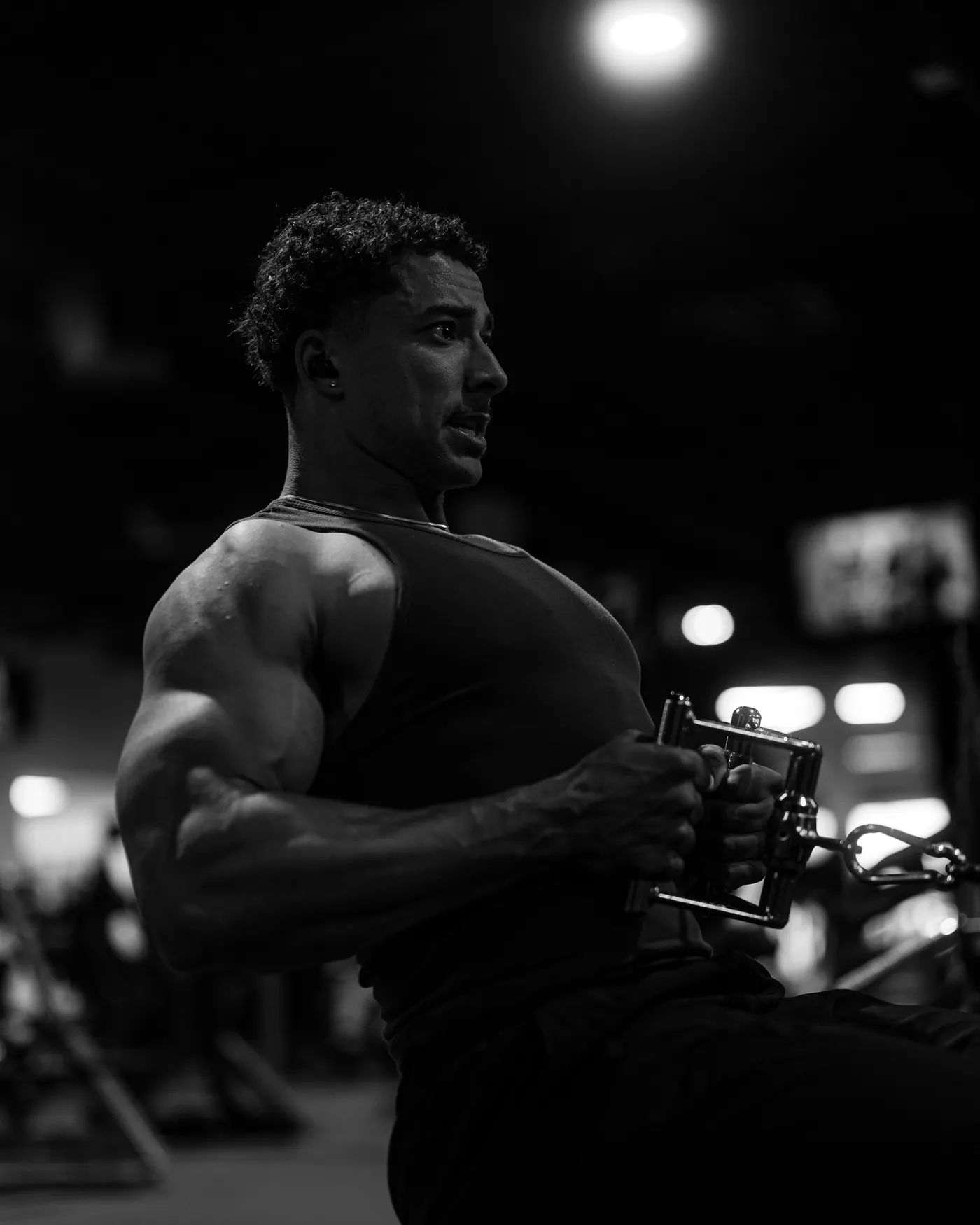
The review did not find statistically clear superiority for AEL over constant-load lifting in the pooled long-term outcomes for maximal concentric strength, maximal eccentric strength, isometric strength, countermovement jump height or measured muscle cross-sectional area. The same broad conclusion applied to the muscle-architecture measures that could be pooled.
That does not mean the two approaches are physiologically identical or that AEL never helps anyone. It means the available controlled comparisons did not show a reliable average advantage on these endpoints. A small or specialized benefit might still exist for a particular exercise or athlete, but it should be demonstrated rather than assumed from the heavier number on the lowering phase.
For hypertrophy, remember that muscle growth is driven by sufficient challenging work over time, with nutrition and recovery supporting adaptation. Conventional training already includes eccentric contractions. The relevant comparison is not heavy negatives versus doing no negatives; it is more heavily loaded negatives versus normal full repetitions performed with a sensible program.
For maximal strength, specificity matters. If your goal is a bigger conventional squat, bench press or deadlift, you still need practice producing force through the full lift. Overloading the lowering phase may complement that practice, but it does not replace progressively heavier concentric efforts, competent bracing or consistent exposure to the target movement.
5. Why other eccentric studies sometimes look more positive
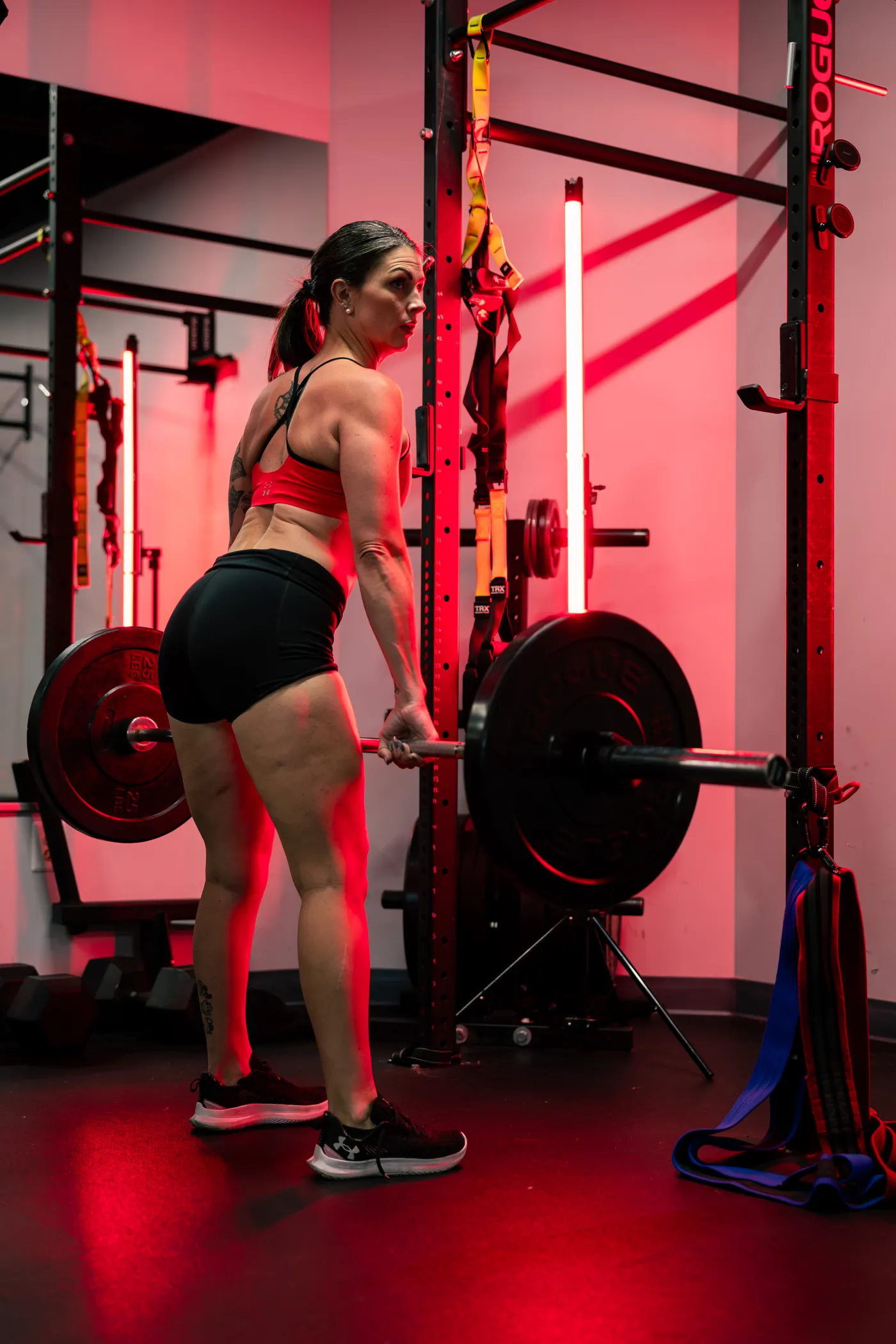
Different research questions produce different answers. A separate 2026 review of older adults found a small strength advantage for eccentric-focused training over traditional lifting, while results for muscle size, power and functional performance were broadly similar. That analysis compared eccentric and traditional training approaches in an older population; it was not the same question as adding extra eccentric load to otherwise comparable conventional repetitions.
Another 2026 synthesis comparing eccentric with concentric-only approaches reported meaningful strength and muscle-related improvements from eccentric exercise. Again, that comparison is not equivalent to AEL versus normal lifting, because normal lifting already includes both phases. Removing the eccentric phase from a comparison changes the baseline considerably.
One 2026 experiment involving trained weightlifters examined additional eccentric loading during split-jerk training, a highly specific sport movement. Findings from such protocols may help coaches design specialized sessions, but should not be generalized to every chest press, cable curl or beginner squat. A separate survey of strength coaches documented how varied real-world AEL methods and perceptions are, underscoring the absence of one universally accepted prescription.
The sensible synthesis is not that negatives are useless. They are an important part of normal resistance training. The narrower question is whether deliberately overloading them is worth extra complexity. The answer depends on the goal, equipment, skill and recovery budget, and current evidence does not support treating it as a mandatory muscle-building shortcut.
Equipment Worth Exploring
Explore equipment, accessories and gear from our carefully selected range.

Go-Tone Pro
Portable digital cable trainer with up to 66 lb (30 kg) of adjustable resistance.

Original GymPin
Adds Olympic plates to compatible cable-machine weight stacks for extra resistance.

GymPin Ergo Handles
Pair of ergonomic cable handles shaped for comfortable triceps and pulling exercises.
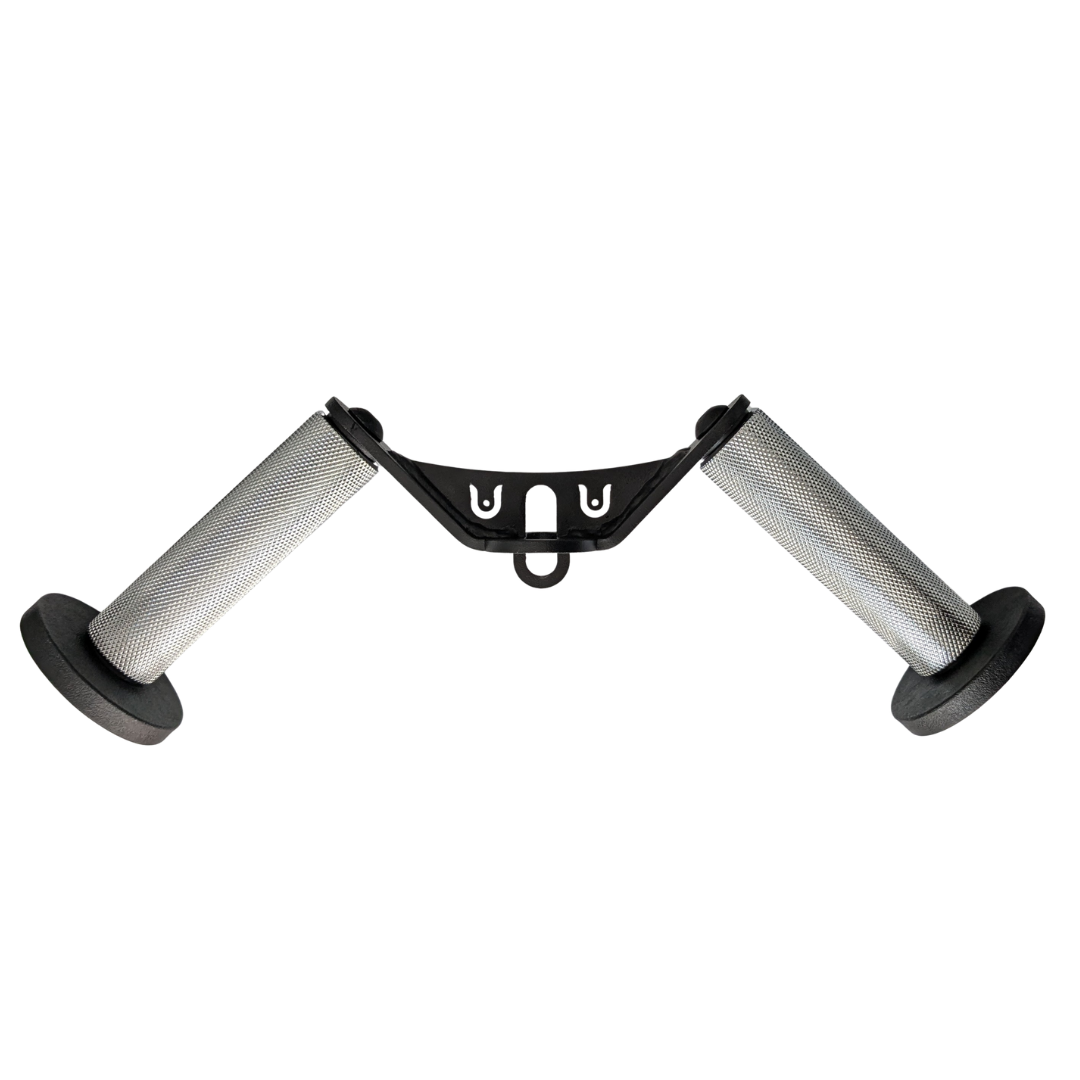
W Grip
Angled cable grip for comfortable rows, pushdowns, and curls.
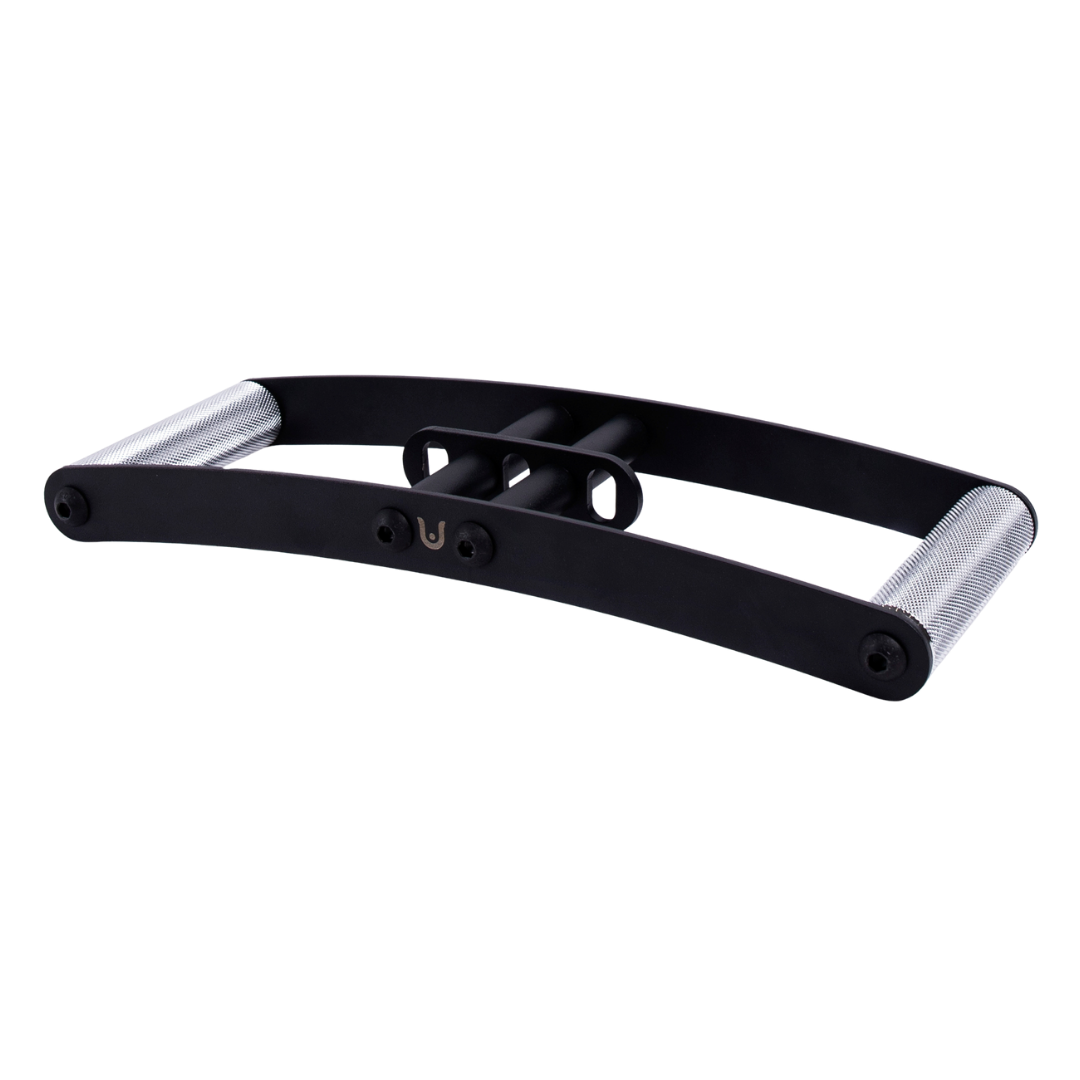
Horizon Grip
Ergonomic V-style cable grip for rows and back training.
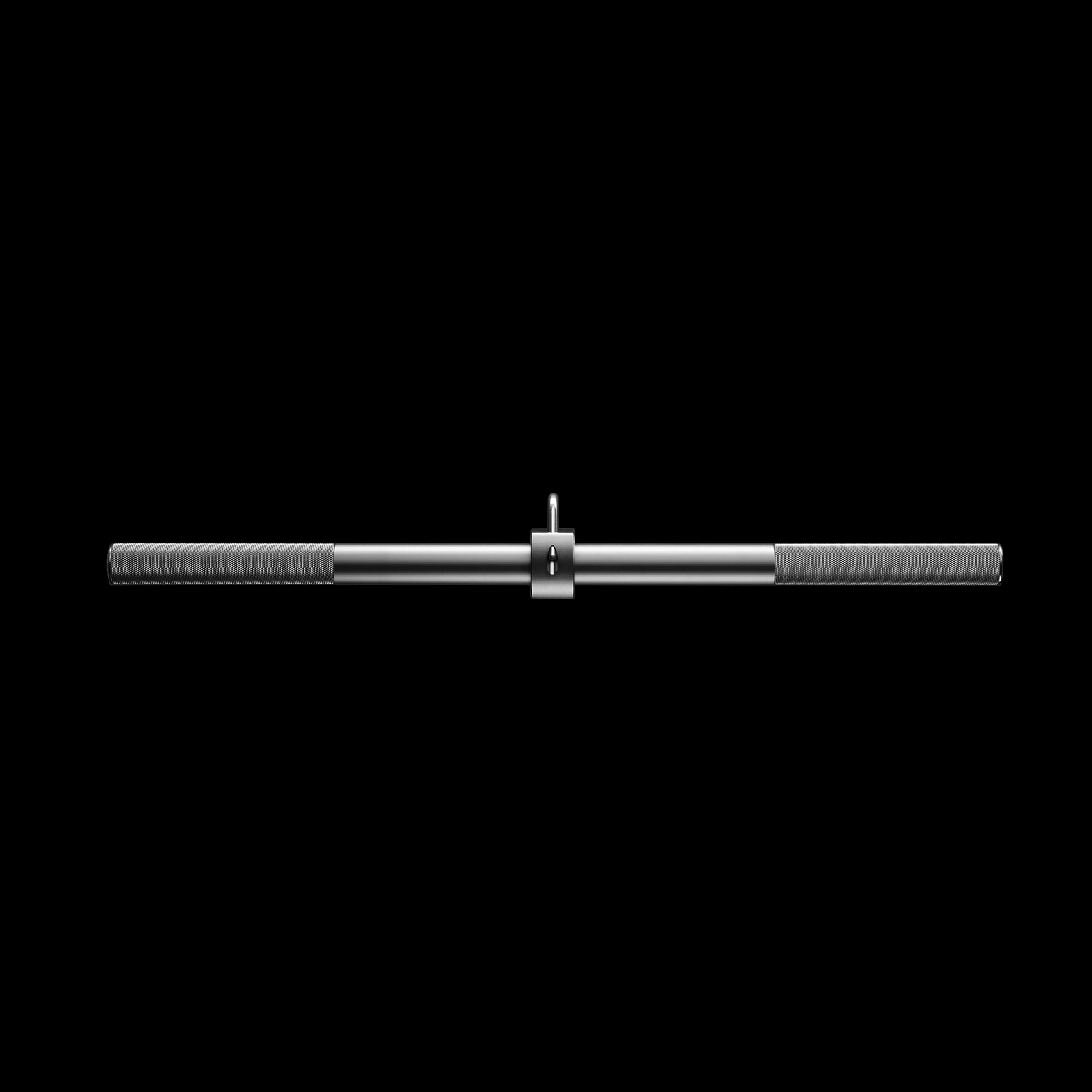


GymPin Mag Pin V2
Magnetic selector pin designed to secure weight selection on compatible pin-loaded machines.
6. How to try eccentric overload without wrecking recovery
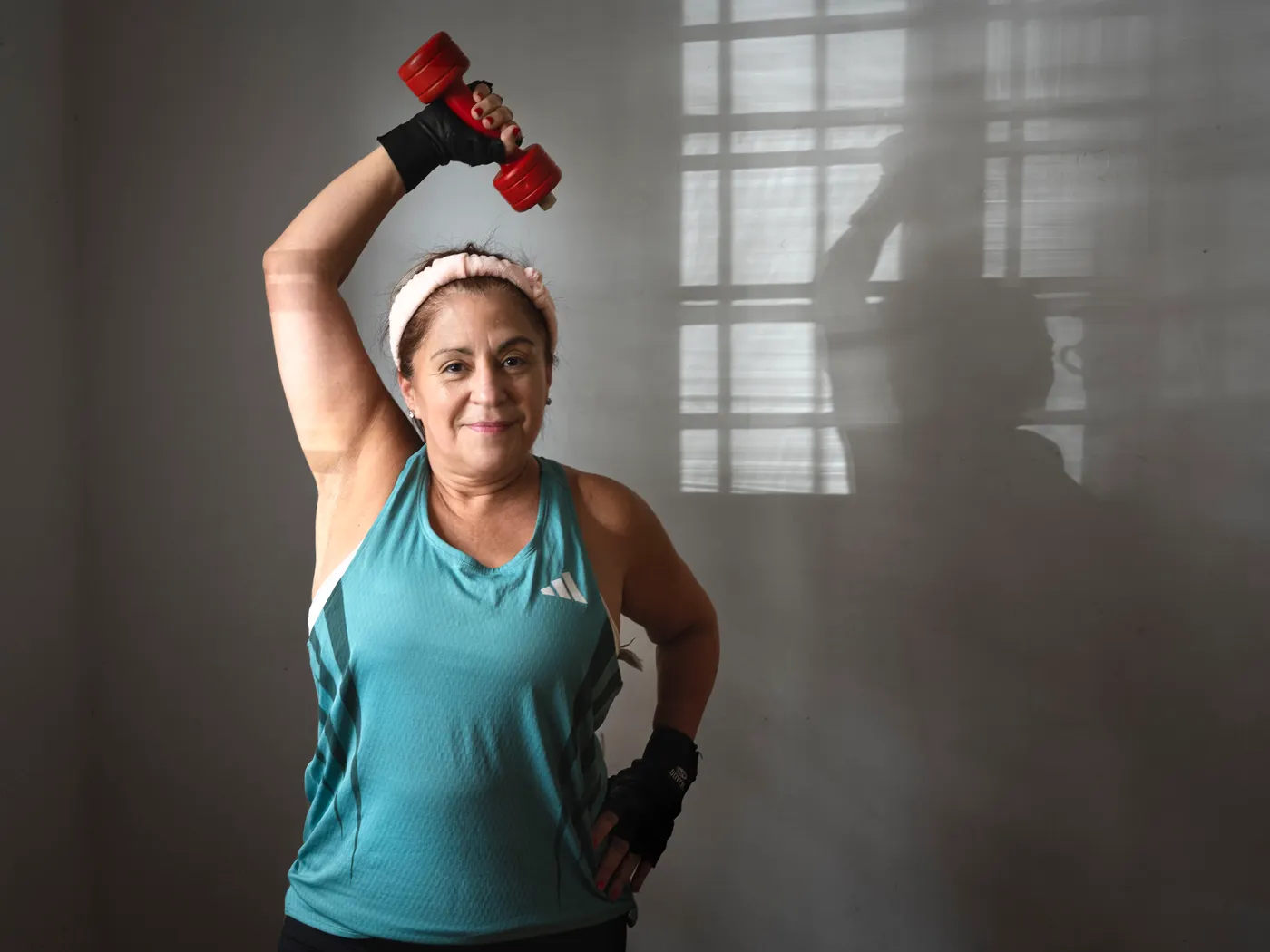
Start with a stable exercise you already perform confidently. A cable row, machine press or supported leg exercise is often easier to control than a maximal free-weight squat with a complex releaser setup. Keep your normal full-range repetitions in the program; use eccentric overload as a small experiment, not a wholesale replacement.
For an experienced lifter, a conservative trial could be one exercise once a week, two working sets, with the eccentric resistance only modestly above the concentric resistance. For example, a programmable cable movement performed at a comfortable 40 kg on the pull might use 44-48 kg on the controlled return. That is an illustrative starting range, not a dose proven optimal by the review. Do not assume the same percentage is suitable for a free-weight barbell, a rehabilitation exercise or a different machine.
Lower deliberately without turning the repetition into an exaggerated slow-motion test. Preserve the intended joint path and stop if you must twist, bounce or shorten range to survive the eccentric phase. Leave repetitions in reserve at first, rest long enough to restore technique, and avoid pairing the experiment with every other high-fatigue method in the same session.
Keep a short log for two to four weeks: working loads, repetitions, movement quality, perceived effort, next-session performance and any unusual soreness. If performance improves without disrupting other training, the method may earn a place. If ordinary sets feel worse for days, reduce the overload or remove it. People returning from injury, managing tendon symptoms or new to resistance training should prioritize a suitable conventional program and professional guidance where appropriate.
Bodybuilding Shirts & Workout Gear
Bodybuilding shirts, tanks and gym gear for lifters chasing muscle, size, symmetry and the pump.

| Pencilneck Science-Based Lifting Pullover for Gym Ner T-Shirt
Keep things casual with a little “Pencilneck Science-Based Lifting” attitude.

Bro Science Gym | Swole Scientist Funny Workout Vest fo Tank Top
Train hard, laugh a little, and rep “Bro Science”.

Bro Science Periodic Table Tee
Bring “Bro Science Periodic Table” humor to your next gym day.

Mind Muscle Perfection Brain and Biceps Gym for Science Sticker
Give your everyday gear a playful “Mind Muscle Perfection Brain and Biceps” twist.

Trap Bar Deadlift Behold Thee Trap Bar Medieval Gym Pul Hoodie
Show off your medieval humor in a laid-back “Trap Bar Deadlift” hoodie.

I Love Iron Iron Man Workout Graphic Gym Shirt Fitness T-Shirt
Show some lifting attitude with a playful “I Love Iron” tee.


Barbell Country Club Shirt Meme Top & T-Shirt
Heavy lifts, good laughs, and a little “Barbell Country Club” energy.

Cheat Reps Allowed Funny Viking Gym – Loki Norse Jumper T-Shirt
Keep things casual with a little “Cheat Reps Allowed Funny Viking” attitude.

No Reps No Glory Viking Gym – Funny Norse Workout Hoode Hoodie
Show off your Viking humor in a laid-back “No Reps No Glory Viking” hoodie.
7. Who should use it, and who can skip it?
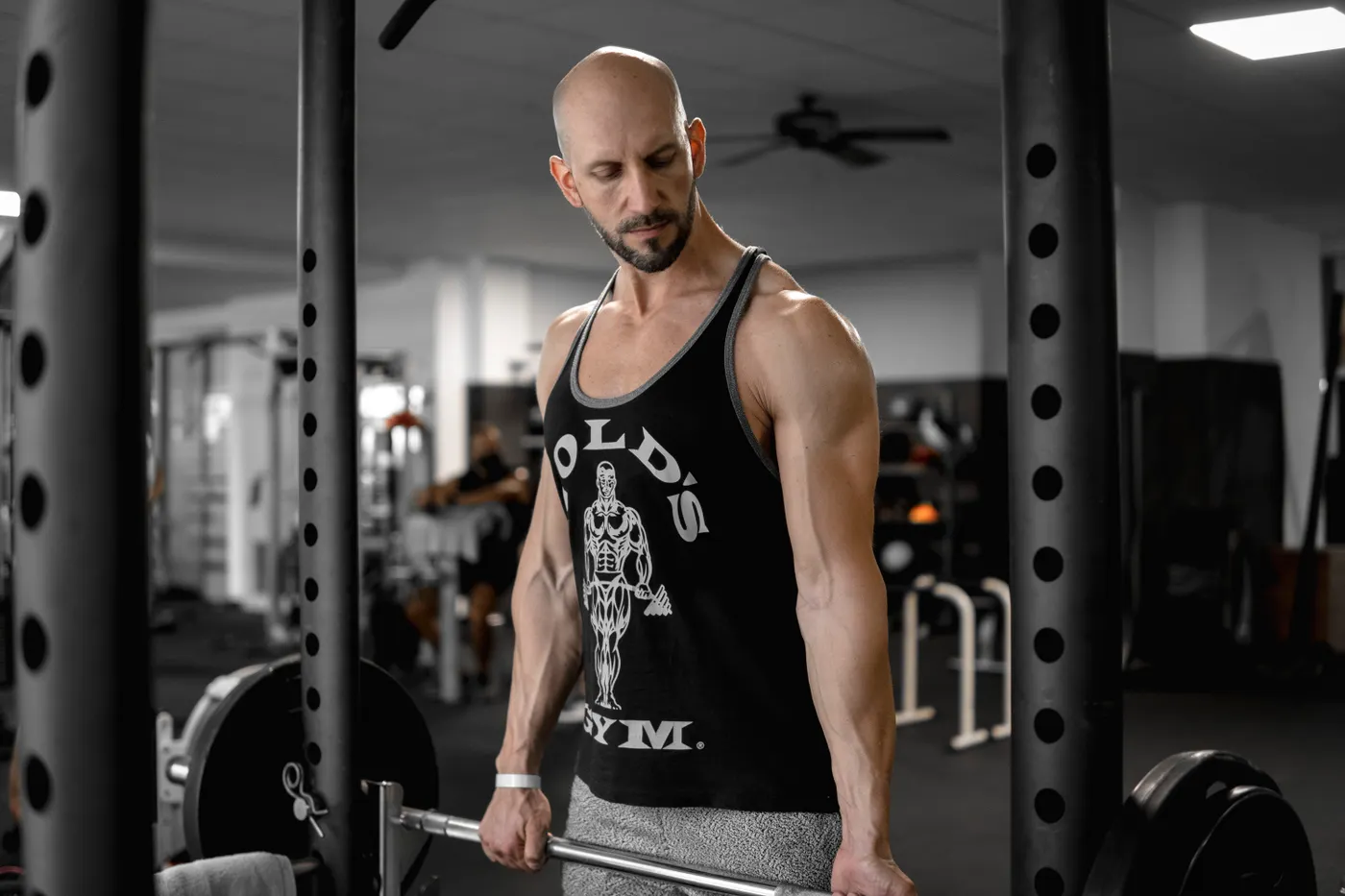
Most beginners can skip dedicated eccentric overload. Their biggest opportunities are learning movements, progressing ordinary loads, practicing full ranges and showing up regularly. Adding phase-specific resistance before those basics are reliable introduces more variables than value.
Intermediate lifters seeking muscle growth can treat it as optional. If conventional training already provides enough hard sets and progressive overload, the review gives no compelling reason to replace it with heavier negatives. A short block may be worthwhile if the equipment makes it simple and you enjoy the method, but measure success in performance and sustainable volume, not just soreness.
Advanced athletes may have a more specific reason to experiment. A coach might use eccentric overload to expose an athlete to higher braking forces, prepare for a sport-specific demand or vary a training block. That rationale should be connected to the athlete’s task and tested against the fatigue cost. It is not evidence that everyone needs supramaximal negatives.
Older adults may benefit from carefully chosen eccentric work, but the evidence for eccentric-only training in older populations should not be confused with proof that maximal overload is necessary. The simplest effective program is usually the one that can be performed safely, consistently and progressively.
The bottom line: eccentric overload is a legitimate way to change resistance-training stimulus. The best 2026 pooled evidence found higher immediate eccentric demand and effort, but no dependable extra gains in muscle size or maximal strength over ordinary lifting. Keep it as a tool in the toolbox, not the foundation of the toolbox.