Strong calves matter when you sprint, jump and change direction, but a bigger number on a calf-strength test does not automatically mean a faster athlete. An October 2026 study helps explain why: the way the ankle produces force during a moving task can be more informative than the force measured while standing still.
The distinction matters for runners, field-sport athletes and lifters who want their gym work to carry over to performance. Calf raises can build useful capacity. They cannot, on their own, reproduce the timing, stiffness, coordination and rapid force transfer of a sprint stride or reactive jump. Here is what the new evidence shows, what it does not prove, and how to train both qualities without turning every session into a maximal-effort test.
1. Why the calves matter when your foot hits the ground
The plantar flexors are the muscles that point the foot downward at the ankle. The gastrocnemius crosses both the knee and ankle; the soleus works across the ankle and is active across many postures. Together with the Achilles tendon, they help transmit and manage forces as the body moves over the foot and pushes away from the ground.
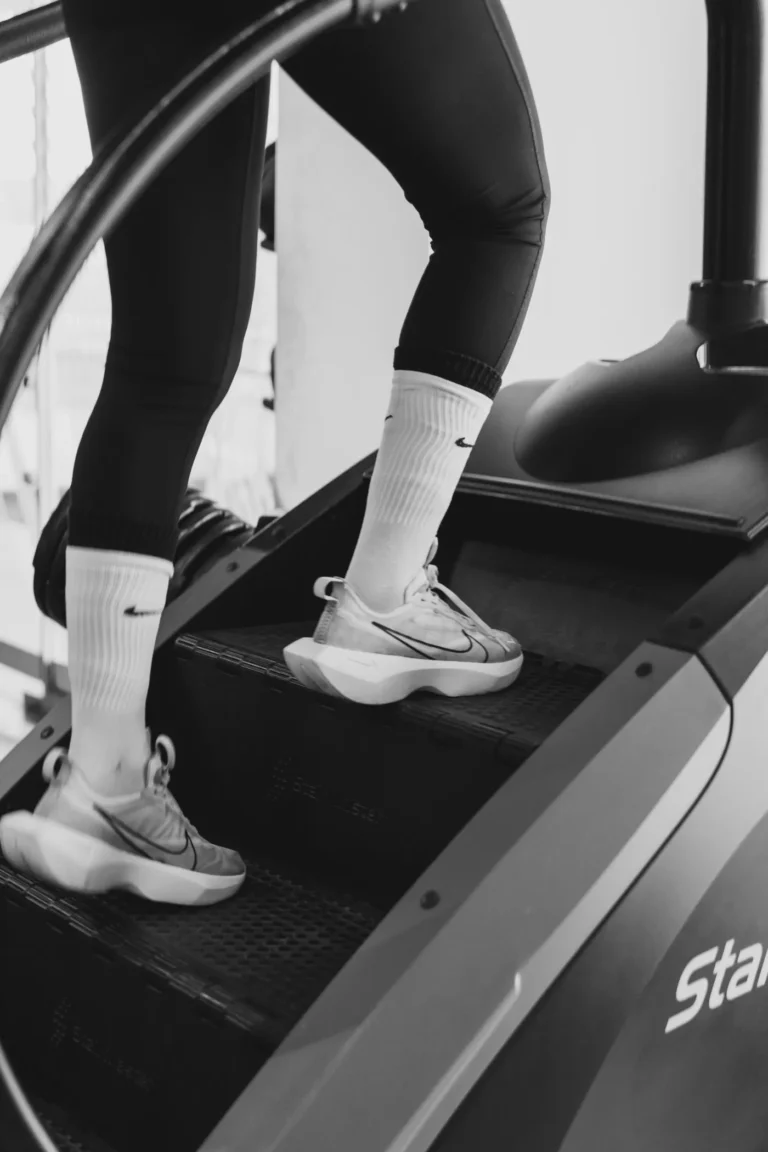
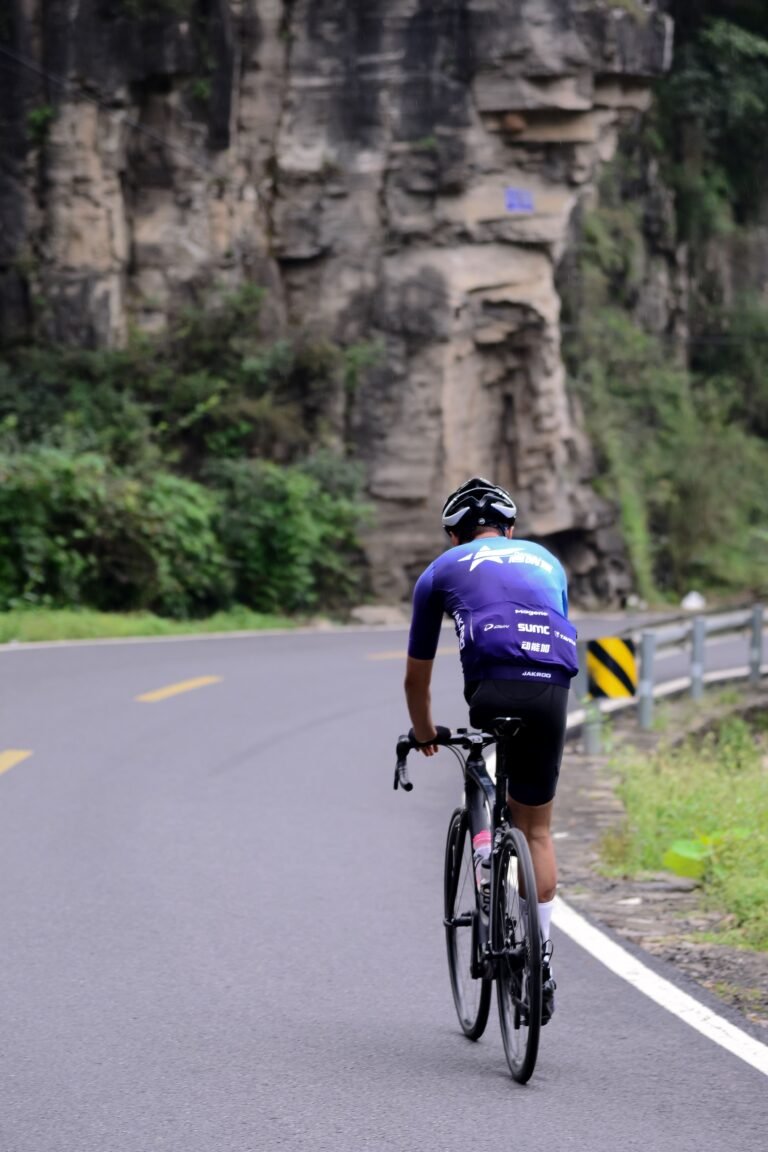
During running, these structures do more than lift the heel. They help control ankle motion during stance, store and release elastic energy and contribute to the push-off that follows contact. At higher speeds, the time available to apply force is extremely short. That creates a different demand from a slow calf raise in which an athlete can take several seconds to reach peak force.
It is useful to separate three qualities: maximum force in a controlled test, rapid force production when time is limited, and task-specific coordination that lets the foot, ankle, knee and hip work together. All three may be trainable, but they are not interchangeable. An athlete might become much stronger in an isolated exercise while still needing practice to apply that capacity efficiently during acceleration.
This also explains why the calf should not be treated as an isolated engine. Sprint speed depends on the entire movement system, including hip extension, posture, contact position, arm action and the ability to repeat efficient steps. Strong plantar flexors are useful; they are one piece of the performance picture.
2. What the October 2026 study actually measured
Researchers assessed 38 healthy adults with varied athletic backgrounds, including 18 women, averaging roughly 23 years of age. Participants completed a standing isometric plantar-flexion test, countermovement jumps, drop jumps and sprint acceleration trials. Motion analysis and ground-reaction-force measurements helped estimate what the ankle was doing during the moving tasks.
The central result was a contrast. Task-specific ankle power and kinetics showed moderate-to-large relationships with sprint and jump performance in seven of nine comparisons. Peak positive ankle power accounted for approximately 19% to 50% of the variation in the relevant task outcomes. By comparison, standing isometric plantar-flexion strength was not meaningfully related to countermovement-jump height, drop-jump reactive-strength index or sprint speed in this sample.
That does not mean calf strength is useless, or that the study discovered a new training method. It was an observational assessment of relationships, not a randomized experiment assigning athletes to different calf programs. A lack of correlation in one test and sample does not establish that improving maximum force cannot help anyone sprint faster. The result instead warns against treating one isolated strength score as a reliable substitute for measuring the sport movement itself.
The measurement method matters too. Joint moments estimated during dynamic motion are not the same variable as the load on a calf-raise machine. A person can perform well in a controlled contraction yet organize the ankle differently during a very fast stretch-shortening action. Coaches should interpret each test for the quality it measures, rather than expecting every strength measure to predict every performance outcome.

Equipment Worth Exploring
Explore equipment, accessories and gear from our carefully selected range.


GymPin Squat Wedges
Non-slip 15-degree squat wedges help elevate the heels for deeper quad-focused squats.


3. Isometric strength, reactive stiffness and power are different tests
An isometric calf test asks an athlete to push against an immovable resistance without visible ankle movement. It can be useful for monitoring maximal force or tracking a controlled rehabilitation progression. But sprinting and reactive jumping require a rapid transition from landing to propulsion, with muscles and tendons responding to changing joint angles and loading rates.
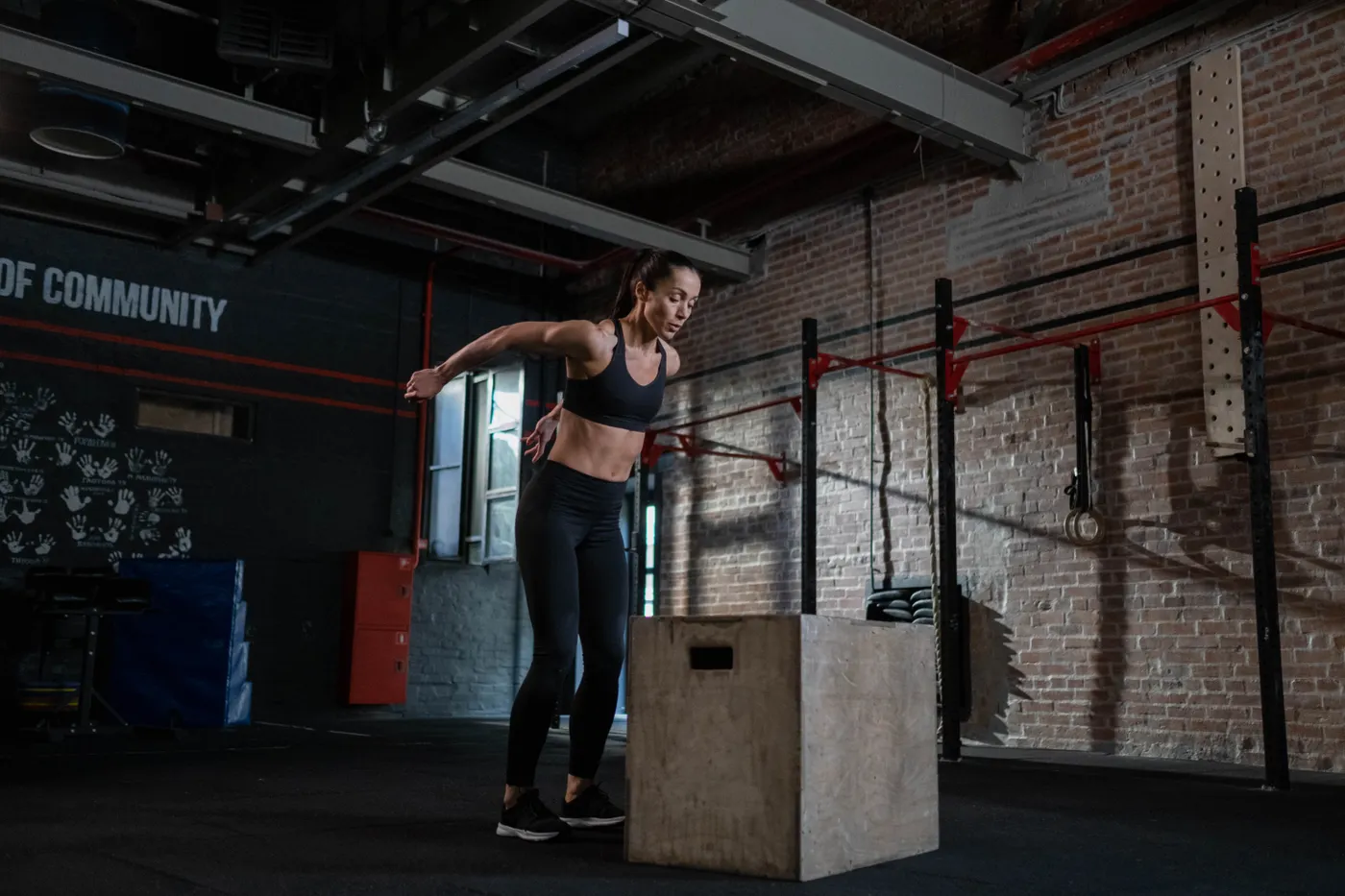
A countermovement jump includes a deliberate dip before takeoff. A drop jump adds a landing followed by an immediate rebound. Sprint acceleration asks the athlete to generate forward motion through a sequence of contacts while maintaining whole-body positions. These tasks share ankle involvement, but their force-time profiles are different. Even two jumping tests may emphasize different strategies.
For practical training, think of maximum strength as a reserve and explosive movement as a skillful expression of that reserve. More reserve may create potential, while fast practice teaches the athlete to use force under real timing constraints. Neither element should be assumed to replace the other.
When measuring progress, match the test to the goal. If the goal is bigger or stronger calves, track controlled calf-raise performance and perhaps muscle size over months. If the goal is a better first ten meters, measure a repeatable ten-meter sprint under similar conditions. For reactive jumping, record jump height and contact time if reliable equipment is available. A stopwatch, marked distance and consistent warm-up are often more useful than a complicated metric recorded inconsistently.
A sudden decline in jump quality may reflect fatigue, soreness or poor readiness rather than lost fitness. Interpret changes across several sessions instead of diagnosing performance from a single bad attempt.

Cardio Shirts & Workout Gear
Cardio and conditioning gym gear for runners, endurance athletes and anyone who earns the sweat.

Running Dost Thou Even Trot Medieval Treadmill Pullover Hoodie
Show off your medieval humor in a laid-back “Running” hoodie.

Cardio Heartbeat Hoodie
Show off your cardio humor in a laid-back “Cardio Heartbeat” hoodie.

Anti Jump Rope Club Shirt Cardio Meme Top & Gymbros T-Shirt
Rep “Anti Jump Rope Club” humor in and out of the gym.

Van Halen Jump Rope Cardio Gym Pullover Hooded Top for Hoodie
Bring “Van Halen Jump Rope Cardio” gym humor to lazy days and post-workout plans.

Freedom To Skip Cardio Patriotic Gym – Funny Statue of Tank Top
Add some cardio attitude to training with “Freedom To Skip Cardio Patriotic”.

with Shark Design – Motivation Finds You Hooded for Wor Hoodie
Show off your cardio humor in a laid-back “with Shark Design” hoodie.

Track Panther Black Panther Running Decal Workout for F Sticker
Stick a little “Track Panther” humor on your favorite gear.

Mystery Cardio Shirt T-Shirt
Heavy lifts, good laughs, and a little “Mystery Cardio” energy.

Triathlon – Iron Man Medieval Knight Muscle Shirt for S Tank Top
Bring “Triathlon” humor to your next lifting session.

Anti Running Club Tee
Heavy lifts, good laughs, and a little “Anti Running Running Club” energy.
4. How the broader evidence fits with the new result
Other research has also shown that different calf tests do not tell the same story. A study of elite youth soccer players found that maximal standing calf-raise strength related to some drop-jump outcomes but did not show a significant relationship with sprint times in that group. Squat strength, by contrast, showed clearer associations with short sprint performance. This was also correlational, so it cannot establish which exercise caused the differences.
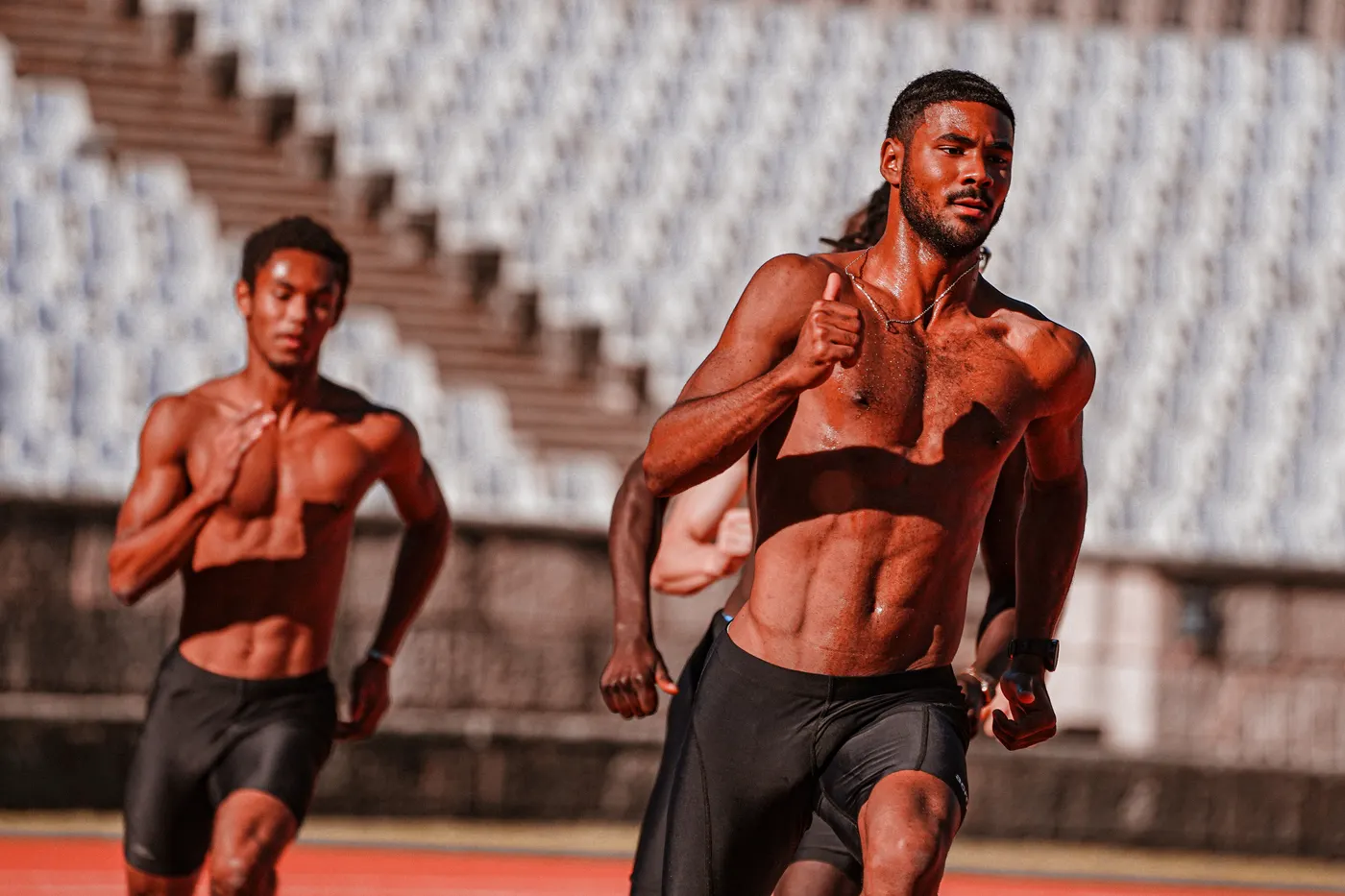
Comparisons between trained sprinters and physically active adults have identified advantages in explosive plantar-flexor torque production and early force development among the sprinters, without necessarily finding larger calf muscles or greater passive muscle-tendon stiffness. That supports the idea that the speed and coordination of force production deserve attention alongside the amount of force.
Training studies provide a complementary perspective. A 2026 synthesis of randomized plyometric trials in track-and-field athletes found that many interventions improved short-distance sprint and jump outcomes, although the size and consistency of benefits varied by test and protocol. A broader strength-and-conditioning synthesis in team sports found improvements from resistance, plyometric, sprint and combined training approaches, with substantial uncertainty around which exact method is best for every athlete.
These findings should not be combined into a simplistic rule such as ‘calf raises do not work.’ Different populations, training histories, interventions and outcome measures produce different answers. A sprinter, a recreational runner and a field-sport player may need different priorities. The most defensible conclusion is that task-specific performance deserves task-specific practice, while sensible resistance training remains a valuable supporting tool.
Also distinguish acute changes from long-term adaptation. Feeling springier after a warm-up does not prove an exercise will improve sprint speed after eight weeks. Durable progress requires repeated exposure, recovery and comparable tests over time.
5. Build a stronger ankle without making every rep a sprint
Use controlled resistance work to develop the muscles and tissues that support running. A practical starting point is a straight-knee standing calf raise and a bent-knee calf raise variation, because knee position changes the relative contribution of the gastrocnemius and soleus. The aim is to train through a comfortable, repeatable range, not to bounce through the bottom or chase an arbitrary machine number.
For a healthy, experienced lifter, two weekly sessions might include two to four working sets of six to twelve controlled standing calf raises and two or three sets of ten to twenty bent-knee raises. Treat those numbers as an adaptable example, not a study-validated sprint prescription. Leave a few technically sound repetitions in reserve, especially when sprinting or jumping is also on the schedule. Progress by adding repetitions, then a modest amount of load once the chosen range feels stable.
A dumbbell, kettlebell, weighted vest, barbell setup or cable resistance can provide load; the exact implement matters less than secure footing and a controlled movement. A stable step may increase available range, but it is optional. Athletes with Achilles pain or recent lower-leg injury should not force deep loaded dorsiflexion or aggressive plyometrics without individual guidance.
Include foot and ankle control without confusing it with maximal strength. Slow single-leg balances, supported single-leg raises and controlled heel-lowering can expose side-to-side differences and help build tolerance. If you cannot complete the movement without losing balance, reduce the difficulty before increasing load. A brief warm-up with ankle circles, easy calf raises and progressive hops can prepare the tissues for harder work.
Strength sessions are most useful when they support the speed goal rather than leaving the calves so sore that every subsequent sprint contact becomes stiff or protective.
Equipment Worth Exploring
Explore equipment, accessories and gear from our carefully selected range.
VOLTRA
Compact digital cable trainer with smooth, adjustable resistance.

Go-Tone Pro
Portable digital cable trainer with up to 66 lb (30 kg) of adjustable resistance.


FID Bench MAX
Adjustable bench offering flat, incline, and decline positions + adjustable headrest.


Power Tower
Freestanding pull-up and dip station with adjustable handles for bodyweight training.
6. Train the fast stretch-shortening cycle deliberately
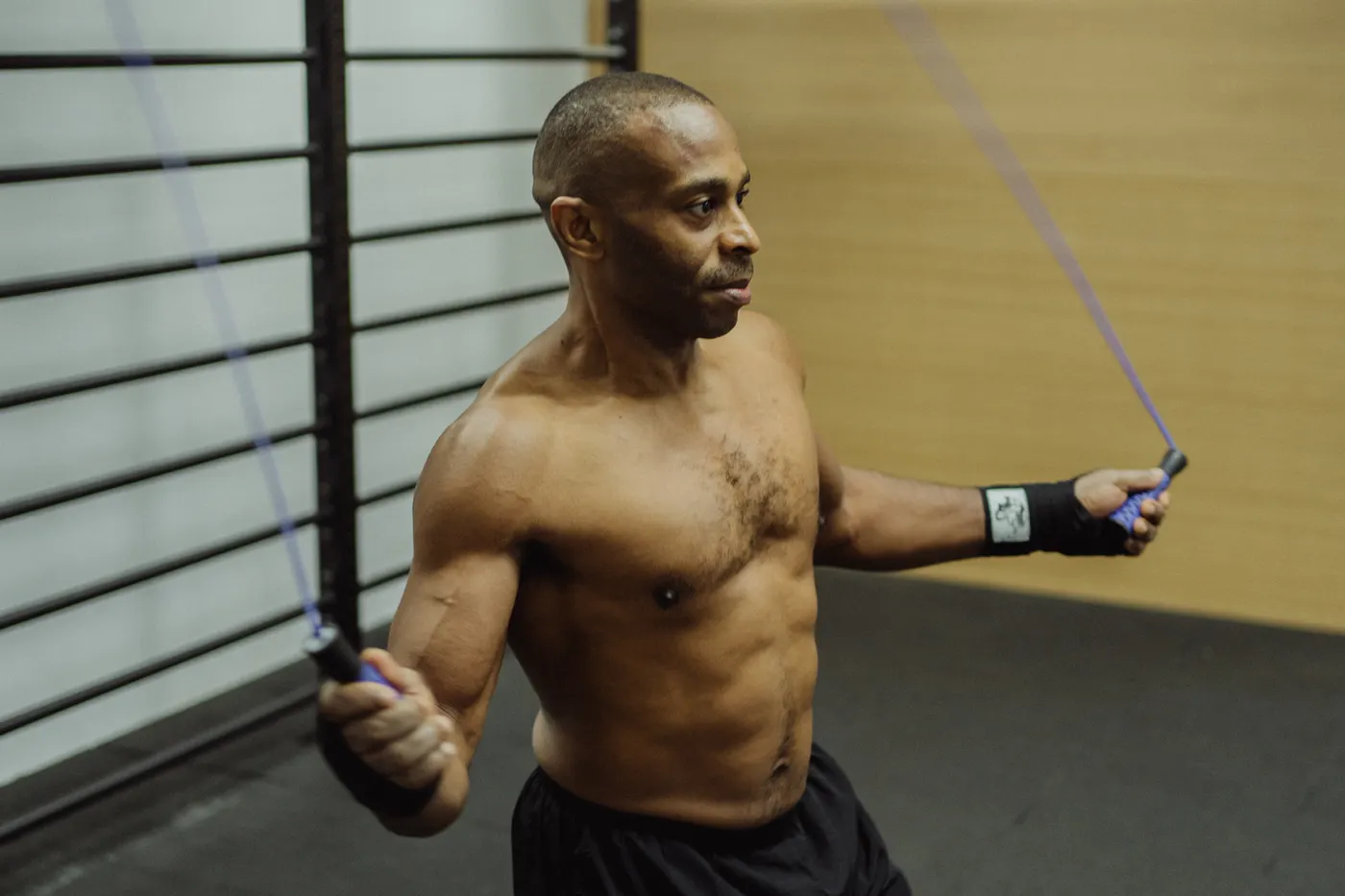
Reactive drills add the element a slow calf raise cannot reproduce: making and releasing force quickly. Start with low-amplitude pogo hops, relaxed jump-rope contacts or small line hops. Keep the landing quiet, the torso organized and the contact rhythm consistent. Progress to slightly higher jumps, bounds or short accelerations only when the athlete can maintain technique without pain.
A simple power-focused session might begin with three sets of ten to fifteen easy pogo contacts, followed by three sets of three to five quality vertical jumps and four to six accelerations over ten to twenty meters. Rest enough between efforts to preserve speed; do not turn a speed workout into a breathless conditioning circuit. Those volumes are illustrative coaching choices, not direct doses tested by the October study.
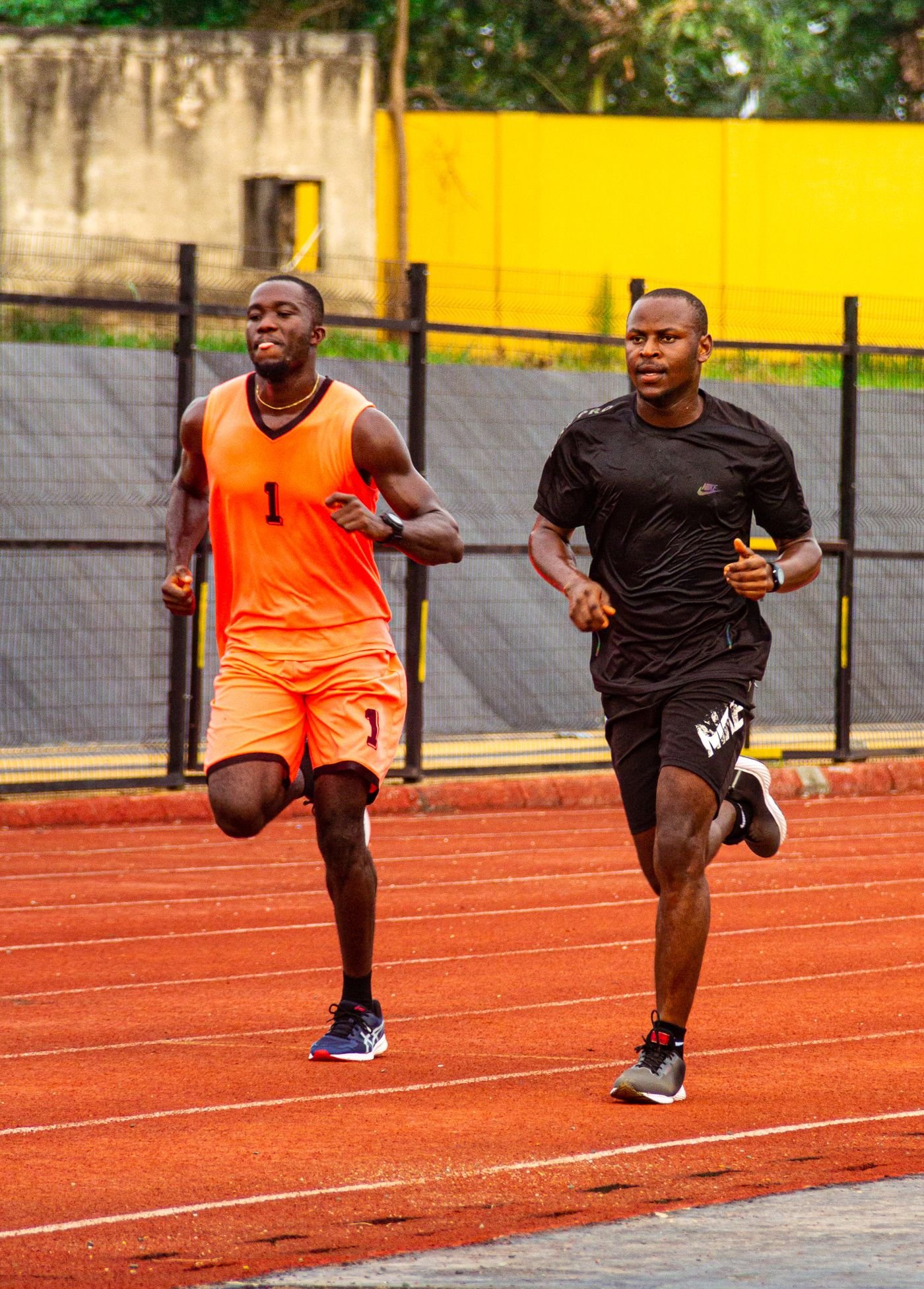
Acceleration practice should emphasize pushing the ground away while the whole body stays coordinated. Avoid trying to consciously ‘toe off harder’ on every stride; forced ankle action can disrupt the natural sequence. Use a consistent starting stance, an unobstructed surface and gradual exposure to faster efforts. For athletes new to sprinting, several relaxed build-ups before a near-maximal repetition are preferable to going straight from sitting to all-out speed.
Keep fast training away from heavy soreness when possible. A hard calf session immediately before maximal sprint work may lower quality and increase discomfort. If both must happen on the same day, prioritize the movement that matters most to the current goal while fresh. Athletes with a history of Achilles tendinopathy, calf strains or other lower-leg symptoms may need a slower progression and individualized loading.
The goal is not the largest possible number of jumps. It is repeated high-quality exposure that can be increased gradually while leaving enough recovery for the next session.
Functional Fitness Shirts & Workout Gear
Functional-fitness shirts, tanks and workout gear for athletes who train strength, conditioning and everything in between.


Anti HYROX HYROX Club Meme Shirt Gymbro T-Shirt
Make gym days more fun with “Anti HYROX HYROX Club” style.


Rowing – Dost Thou Even Row Medieval Knight Gym Decal f Sticker
Give your everyday gear a playful “Rowing” twist.

Gym Dost Thou Even Pedal Medieval Air Bike Humor for Cr Tank Top
Bring “Dost Thou Even Pedal Medieval Air Bike” humor to your next lifting session.

Burpees Bad Breaking Bad Shirt – Meme & Cardio Haters T-Shirt
Show some cardio attitude with a playful “Burpees Bad Breaking Bad” tee.
7. A practical two-day strength-and-speed template
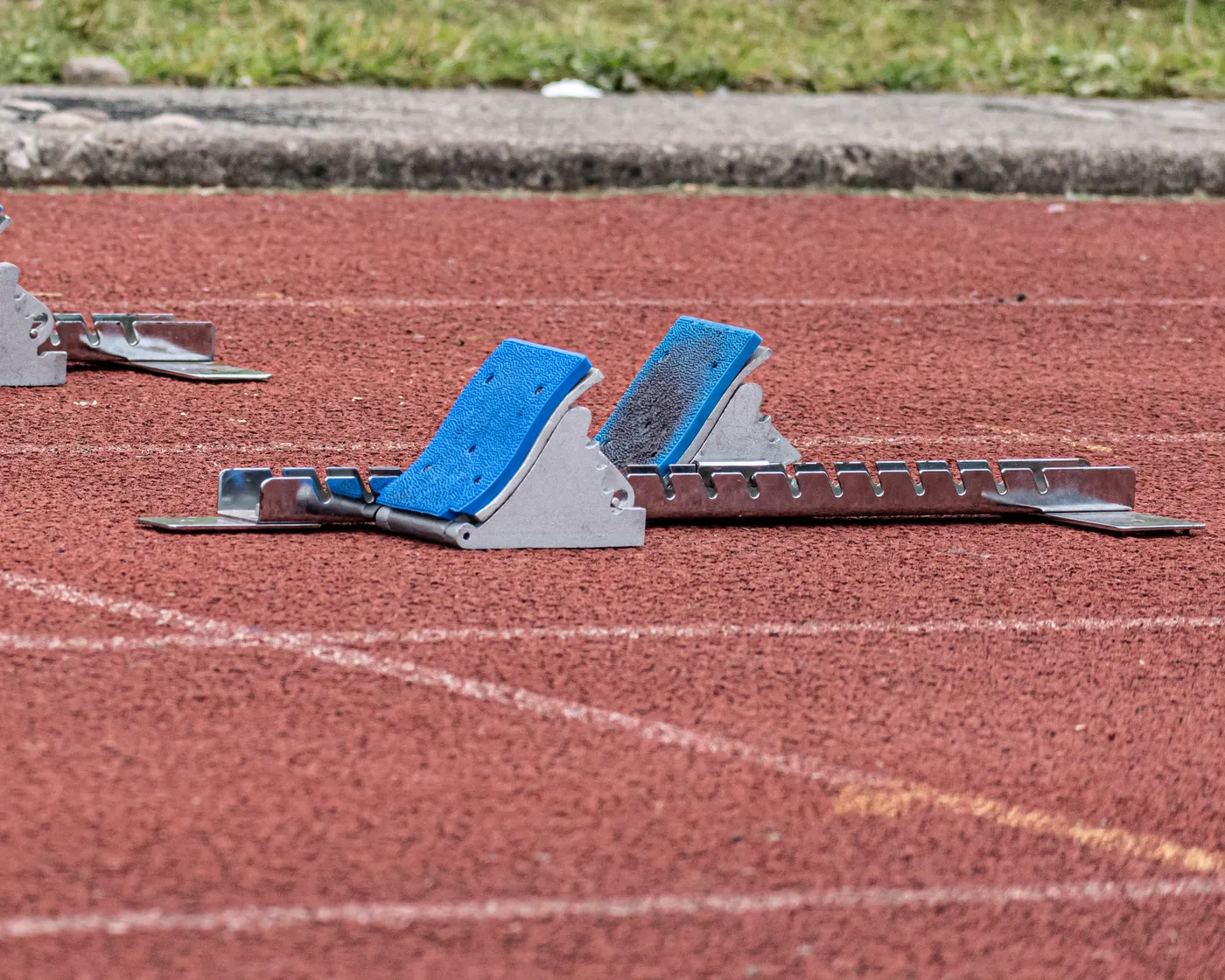
For a recreational athlete already accustomed to running and lifting, the following is a manageable starting framework. Adjust frequency, total sprint volume and exercise selection for experience, sport practices and recovery. New athletes can begin with fewer contacts and submaximal running; competitive sprinters need a more individualized plan.
Day A: acceleration plus strength. Warm up with five to ten minutes of easy movement, dynamic ankle and hip work, and two or three progressive run-throughs. Complete four to six accelerations of ten to twenty meters with full recovery. Then lift: a squat or hinge pattern for two to four sets, standing calf raises for two or three sets and a simple trunk exercise. Keep the lifts technically clean rather than grinding through fatigue.
Day B: reactive work plus supporting strength. After a similar warm-up, perform two or three small sets of pogo hops, then three sets of three to five controlled jumps. Add a short run technique drill if appropriate. Finish with a single-leg lower-body movement, bent-knee calf raises and easy mobility. Space the two harder days with enough lower-leg recovery; for many recreational athletes, at least a day between them is sensible.
Track three separate outcomes every two to four weeks: a consistent calf-raise performance measure, a ten- or twenty-meter sprint time, and a jump measure such as height or a reliable reactive-strength test. Record sleep, soreness, surface and footwear so you can interpret unusual results. Progress one variable at a time, not load, contacts and sprint volume simultaneously.
If calf strength rises while sprint time stays unchanged, that is useful information rather than failure. You may have improved capacity without improving the specific skill, or the change may be too small to detect reliably. If sprint speed improves without a higher isometric score, do not assume the strength work was pointless. Judge the whole program by the outcomes that matter, and remember the October 2026 study was a snapshot of associations, not a verdict on what a well-designed training block can achieve.