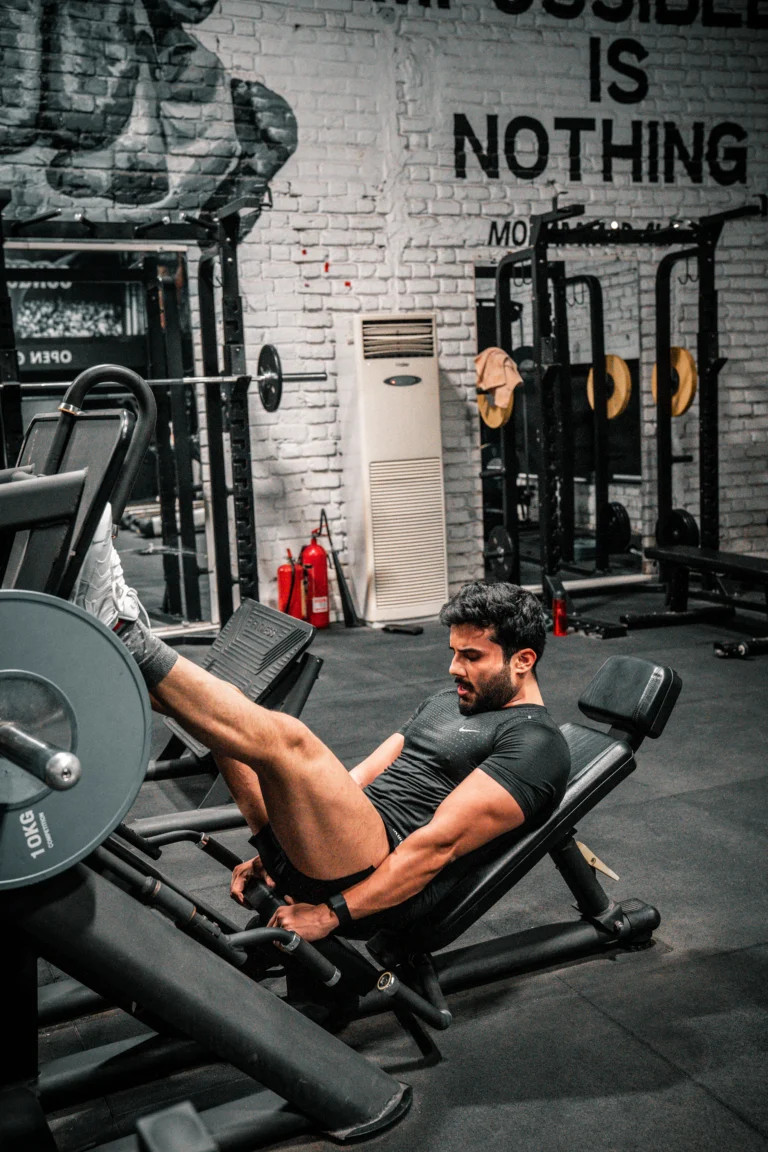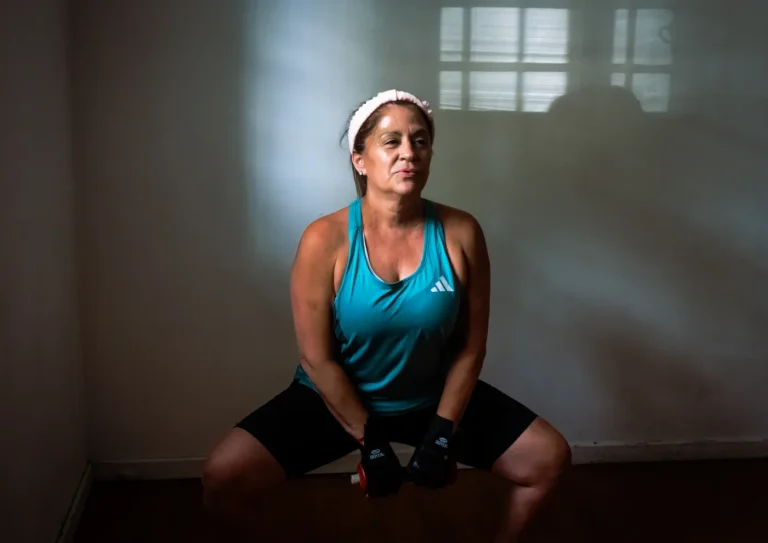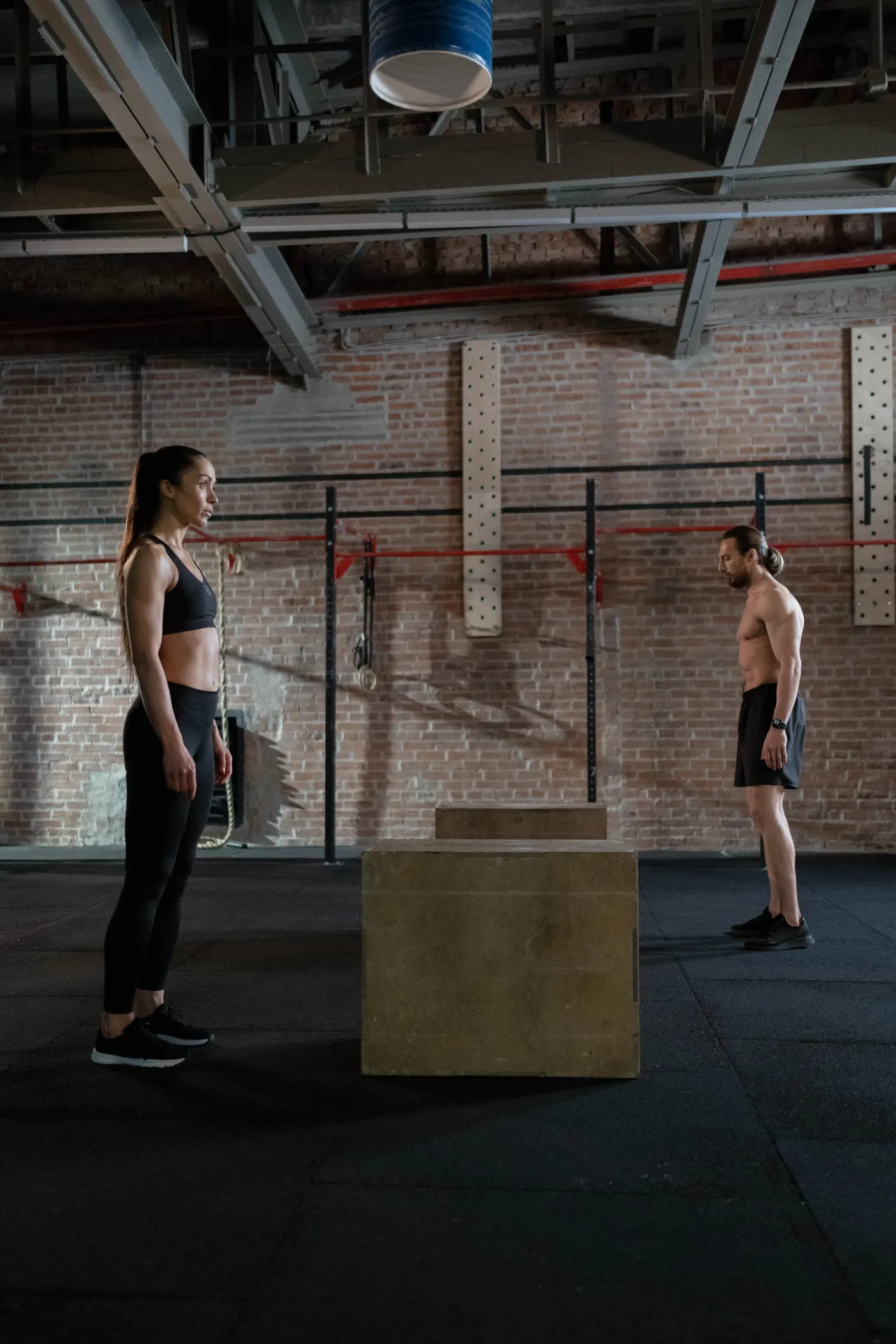
What happens if you combine a demanding strength set with a fast, explosive movement? That is the idea behind complex training: pairing exercises that develop force with exercises that demand you express it quickly. A heavy squat followed by a jump is the classic example, but the principle can also be applied to presses, pulls and throws.
The attraction is obvious for athletes who want to become stronger without feeling slow. The important question is not whether the pairing looks impressive. It is whether the load, movement, rest interval and weekly training dose actually improve the quality you care about. Here is how to build useful strength-and-power pairs without turning every session into an exhausting circuit.
What complex training is—and what it is not
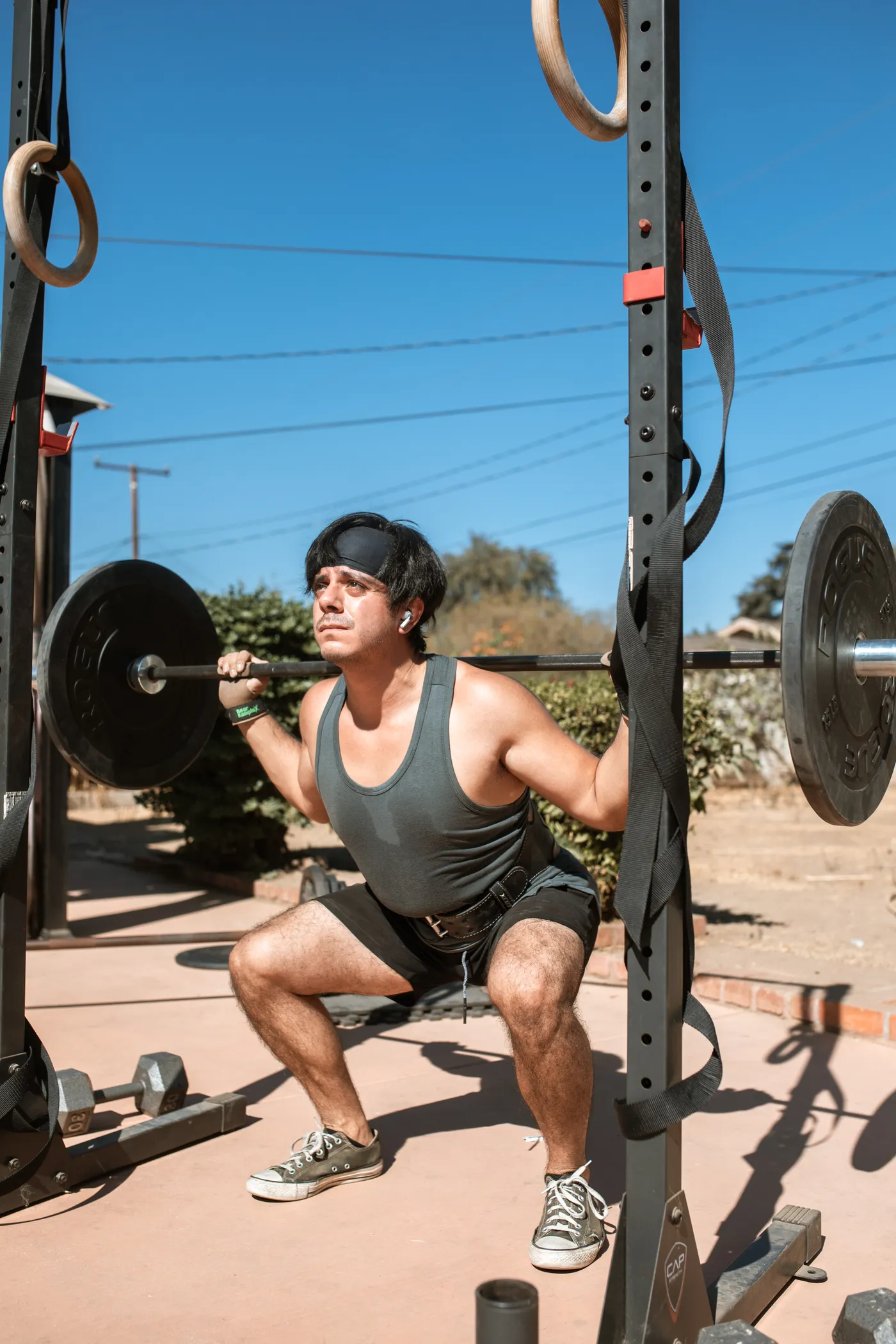
Strength is the ability to produce force. Power adds speed to that equation: moving a load or your own body rapidly. A conventional heavy squat trains force production, while a jump demands a high rate of force production. Complex training places these different demands near one another within the same workout.
A typical complex has a conditioning exercise, such as three controlled heavy squat repetitions, followed after recovery by a ballistic exercise, such as three vertical jumps. The heavy exercise is not supposed to be a grind to failure. The explosive exercise is not supposed to become a breathless endurance set. Each is performed with a distinct purpose.
Contrast training is the wider family of approaches that alternate heavy and light or fast work. Complex-contrast training usually alternates those exercises set by set. Another format completes all heavy sets before the lighter explosive sets. French contrast adds more steps and loads. These labels are useful for coaches, but the basic question for a lifter remains simple: does each fast repetition still look and feel fast?
Do not confuse a power complex with a bodybuilding superset. A curl immediately followed by a triceps extension may save time, but it does not necessarily train explosive performance. Likewise, a squat followed by twenty jump squats with almost no rest is mostly a fatigue challenge. Complex training is about the quality of force and speed, not how quickly you can finish.
Why a heavy lift might help the next explosive movement
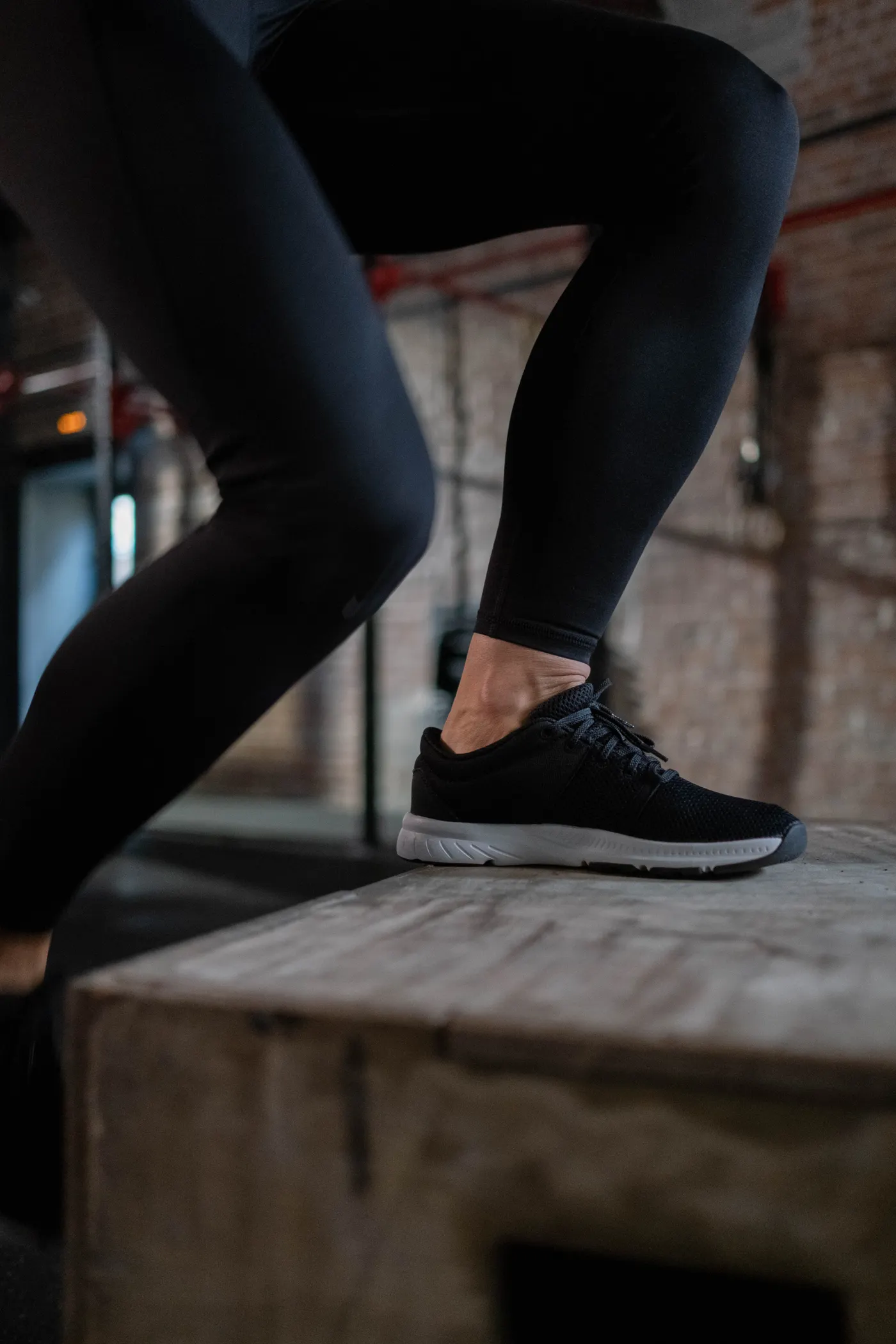
A demanding muscular contraction can temporarily change how the nervous system and muscles perform in a subsequent task. The short-term improvement is often described as post-activation performance enhancement, or PAPE. The older term post-activation potentiation is still widely used, although the physiological meanings are not identical. A heavy lift may prepare the system for a jump—but it also creates fatigue.
That competition between potentiation and fatigue explains why the same squat-jump pairing can feel fantastic on one day and flat on another. Strong, experienced athletes may tolerate a heavier conditioning set, whereas a beginner may only feel the accumulated fatigue. The jump itself is a useful feedback test: if height, speed or landing quality deteriorates, the pairing is not currently delivering the intended stimulus.
Evidence is promising but less definitive than many training claims suggest. A large evidence-mapping review identified 68 complex-contrast studies involving 1,821 participants, yet judged confidence in many long-term conclusions to be low. A 2026 synthesis of 22 randomized trials involving 468 participants reported improvements in jumping performance under certain protocols, but the results varied substantially by exercise, intensity and recovery time. These findings do not mean that every heavy set automatically makes the next jump better.
There is another distinction worth making: performing better on one jump today is not the same as developing more power over eight weeks. Athletes can improve from repeated, well-planned strength and plyometric practice even when a measurable acute boost is absent. Treat the temporary boost as a possible bonus, not as the entire reason to train this way.
For most recreational lifters, the practical target is straightforward: preserve heavy-lift technique, make the explosive exercise crisp, and progress either load or performance without sacrificing movement quality.
Rest intervals: the difference between power and fatigue

The timing between exercises deserves more attention than the fashionable pairing itself. Some published coaching templates use 30–45 seconds between a heavy lift and a power move, followed by 90–120 seconds after the pair. That can be workable as a conditioning-oriented format, but it should not be treated as a universal recipe for maximizing jump height or speed.
When researchers examine acute performance enhancement after squats, recovery windows around four to seven minutes often outperform very short intervals. One synthesis of 19 studies found that zero to one minute after squatting could actually impair jump performance. A separate 2026 analysis also found that the recovery interval mattered, with useful results often appearing around three to seven minutes. Individual response and the conditioning exercise still change the picture.
Practical starting point: perform a challenging but technically clean strength set of two to five repetitions, rest roughly two to four minutes, then complete two to five explosive repetitions. If your goal is maximal jump output rather than time efficiency, try a longer rest and compare the result. After the explosive set, rest enough to repeat the same quality, commonly another two to three minutes.
Those ranges are starting experiments, not precise physiological laws. A relatively light goblet squat followed by low-impact jumps may require less recovery than a heavy barbell squat followed by maximal broad jumps. The right interval is the shortest one that allows you to repeat the desired performance without losing control.
Track one simple output: jump height, broad-jump distance, medicine-ball throw distance, or even a consistent video of takeoff speed. If the second round is noticeably slower, extend rest or reduce load. The goal is not to feel destroyed; it is to create high-quality repetitions that can accumulate across weeks.

Equipment Worth Exploring
Explore equipment, accessories and gear from our carefully selected range.


FID Bench MAX
Adjustable bench offering flat, incline, and decline positions + adjustable headrest.


GymPin Squat Wedges
Non-slip 15-degree squat wedges help elevate the heels for deeper quad-focused squats.
Three lower-body complexes worth trying
1. Squat plus vertical jump. Perform three barbell squats at a load you can control without grinding, recover, then do three countermovement jumps. Use a stable, non-slip surface and land quietly with knees tracking naturally over the feet. A low box jump can reduce the landing height if you step down, but jumping onto an unstable bench is not a suitable substitute.
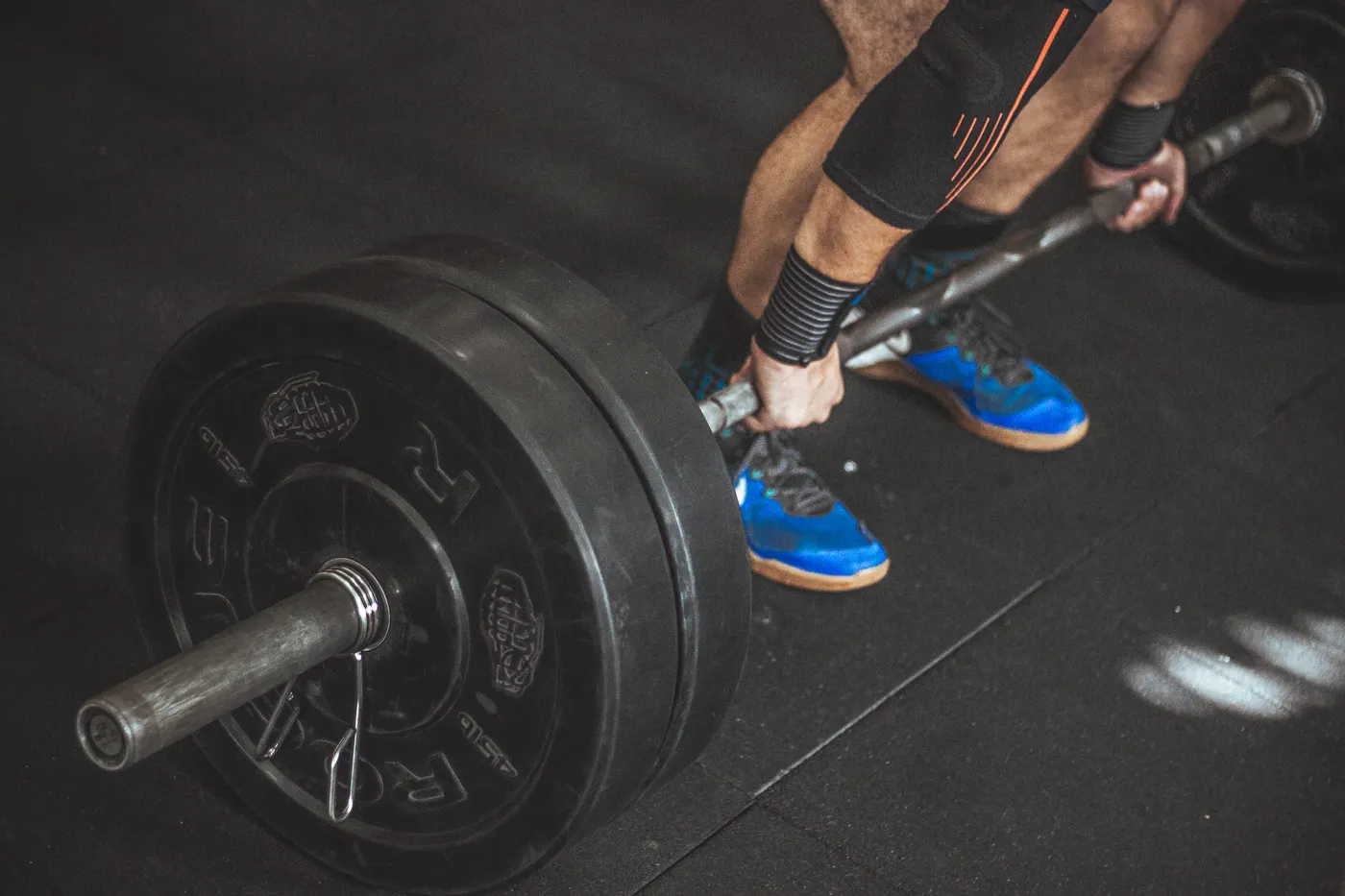
2. Trap-bar deadlift plus broad jump. Perform three crisp deadlift repetitions, recover, then make two or three standing broad jumps with a full reset between attempts. The deadlift builds force through the hips and legs; the broad jump expresses horizontal power. Avoid maximal pulls if they leave your back position or landing mechanics compromised. A lighter trap-bar pull can be the better training choice.
3. Split squat plus lateral bound. Use four controlled split squats per side, recover, then complete three lateral bounds per side with a stable landing. This pairing emphasizes single-leg control and side-to-side movement, which can be relevant for field and court athletes. Begin with small lateral hops if full bounds cause loss of balance.
Choose one or two of these pairs per session rather than all three at maximal effort. The movement pattern should suit the sport and the athlete. A volleyball player may emphasize vertical jumps, a field-sport athlete may need lateral control, and a sprinter may prioritize horizontal projection. There is no need to claim that one combination is universally superior.
If you cannot squat heavy comfortably, substitute a moderate goblet squat or controlled step-up before a small jump. The heavy exercise must be challenging enough to train force, but it should not introduce pain or consume so much energy that the explosive work becomes sloppy.

Powerlifting Shirts & Lifting Gear
Powerlifting shirts and gym gear for squat, bench and deadlift lifters who live for heavy numbers.
PR or ER – Hardcore Deadlift Gym Shirt for Powerlifters T-Shirt
A t-shirt featuring the PR or ER – Hardcore Deadlift Gym Shirt for Powerlifters and Bodybuilders artwork, bringing lifting-inspired humor and distinctive gym graphics to your everyday gear.


Heavy Metal Deadlift – Skeleton Gym Vest for Powerlifti Tank Top
Your gym-day look, with a playful “Heavy Metal Deadlift” twist.

If The Bar Ain't Bending You're Just Pretending – Power T-Shirt
For laid-back days and powerlifting humor: “If The Bar Ain't Bending You're Just”.

Leg Day Gains | LEGO Muscle Shirt For Squats & Deadlift Tank Top
Add some leg-day attitude to training with “Leg Day Gains”.

Deadlift Snake Skull – Hardcore Powerlifting for Heavy Hoodie
Show off your metalhead humor in a laid-back “Deadlift Snake Skull” hoodie.

Powerlift Deadlifts Tee
Show some metalhead attitude with a playful “Powerlift Deadlifts” tee.

Barbell Flag American Pride Workout | Gym Jumper | Funn T-Shirt
For laid-back days and powerlifting humor: “Barbell Flag American Pride”.

I Want You To Lift Heavy – Patriotic Uncle Sam 4th of J T-Shirt
Add a playful “I Want You To Lift” touch to your casual rotation.

The Art Of The Deadlift Patriotic Meme – Funny USA Gym T-Shirt
Keep things casual with a little “The Art Of The Deadlift Patriotic Meme” attitude.
Upper-body and rotational power need different pairings
Complex training is not only for legs. A dumbbell or barbell press can be paired with a fast push-up variation, and a rotational strength exercise can precede a medicine-ball throw. The challenge is selecting a safe explosive movement that actually resembles the direction of force you want to improve.
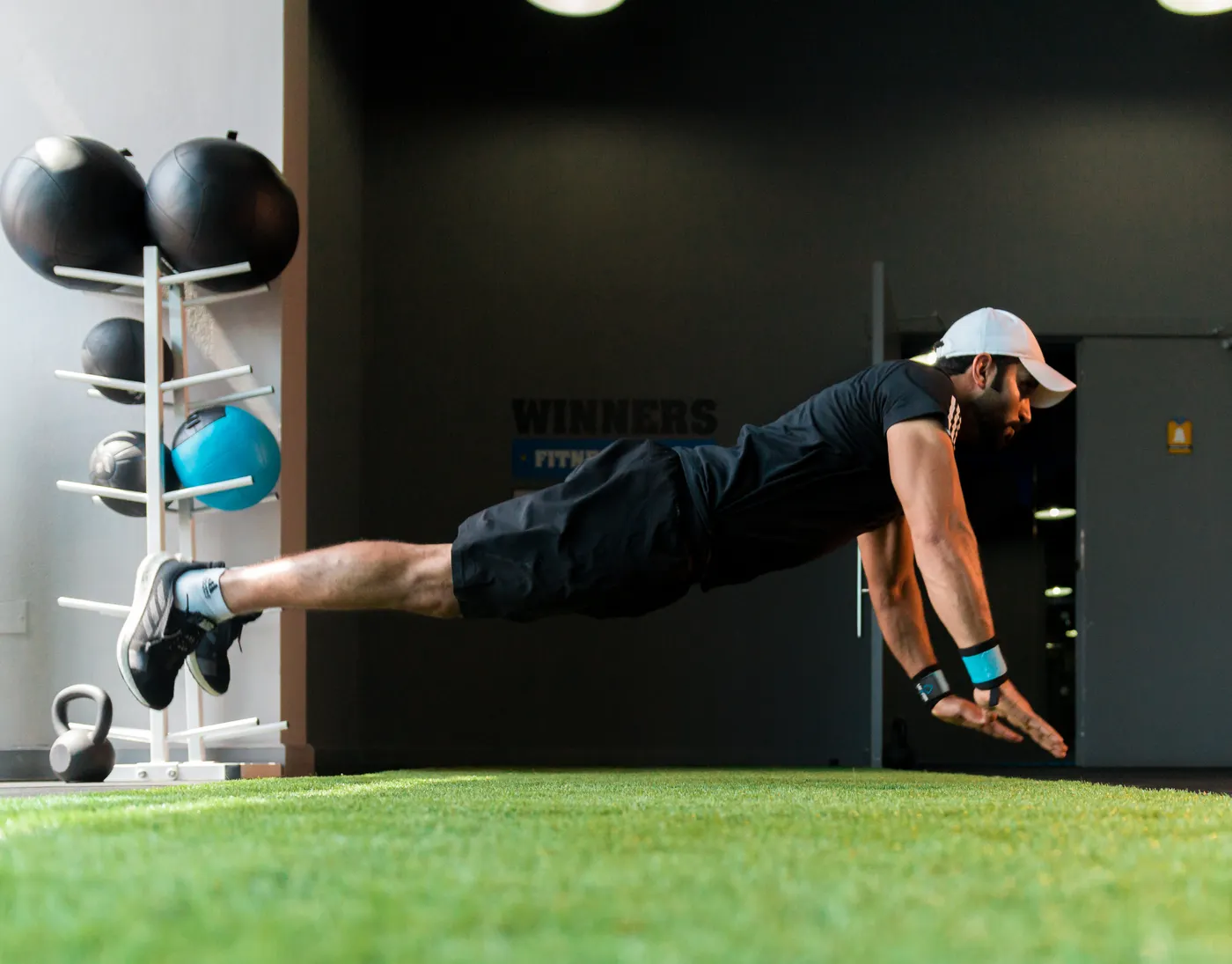
For an upper-body push complex, try four controlled dumbbell bench presses, recover, then perform three explosive push-ups. Beginners can use fast push-ups against a secure elevated surface; more advanced athletes may briefly lift their hands off the floor. The intent is to accelerate upward while keeping shoulders and trunk organized. Stop before reps become slow or elbows flare uncontrollably.
For a rotational complex, use a landmine press or a controlled cable rotation for four repetitions per side, then recover before three light medicine-ball side throws per side into an appropriate wall or to a partner. The ball should be light enough to move quickly. A heavier ball that forces you to twist slowly changes the exercise from power practice into a strength-endurance drill.
Pulling movements can also be included, but a maximal pull-up followed by an unrelated slam is not automatically a matched pair. Consider the muscles, direction of force, joint position and technical demands. The most useful combination is one you can execute consistently and measure. If your shoulders are irritated, avoid ballistic pressing and throwing until pain-free strength and control are restored.
Upper-body power training is less extensively studied in some complex-contrast formats than lower-body jumping. That is a reason to progress conservatively and assess your own performance, not a reason to assume that every creative combination is proven.
A four-week strength-and-power plan
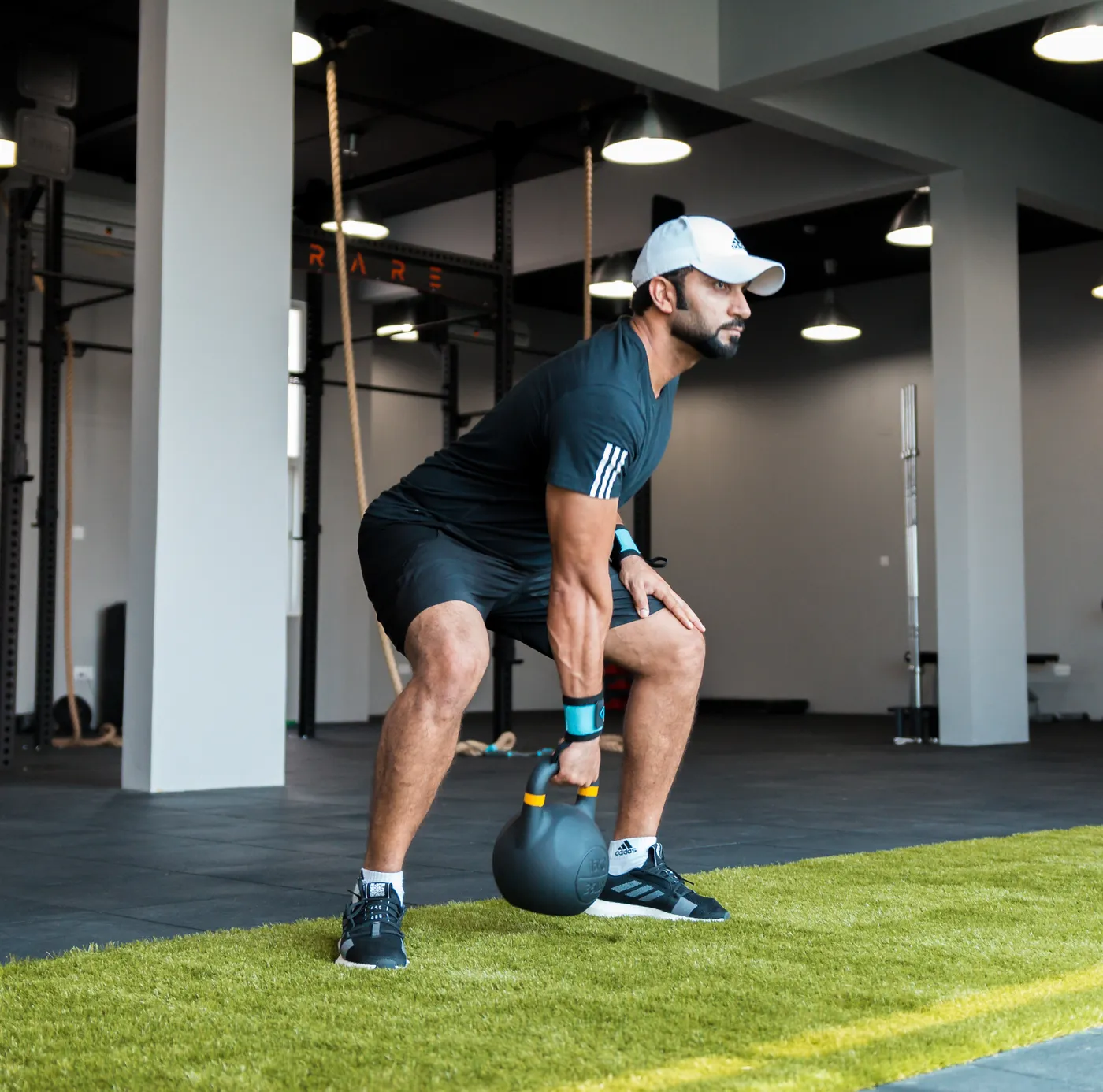
Start with two nonconsecutive training days per week. Keep each session to two primary complexes, then finish with a small amount of conventional accessory work. You can use a barbell, dumbbells, a kettlebell, or suitable machines for the strength side. The explosive side needs a safe landing area or a clear throwing space, not an elaborate equipment collection.
Day A — vertical force and upper-body push:
- Dynamic warm-up: five to eight minutes of easy movement, unloaded squats, hip hinges and two or three submaximal jumps.
- Complex A1: squat 3 × 3–5, rest two to four minutes, vertical jump 3 × 3; recover fully between rounds.
- Complex A2: dumbbell bench press 3 × 4–5, rest two to three minutes, explosive incline push-up 3 × 3–5.
- Accessory work: a row and a calf or trunk exercise, two easy-to-moderate sets each.
Day B — horizontal force and athletic control:
- Dynamic warm-up: easy hinges, glute activation, marching, and a few controlled landing rehearsals.
- Complex B1: trap-bar deadlift 3 × 3, rest two to four minutes, broad jump 3 × 2–3.
- Complex B2: split squat 3 × 4 per side, rest as needed, lateral bound 3 × 3 per side.
- Accessory work: light kettlebell swings or a carry, plus a horizontal pull, two controlled sets each.
Weeks 1–2: choose moderate loads and conservative jump distances. Learn to land quietly, use the same setup, and record whether speed stays consistent. Leave at least two repetitions in reserve on the strength exercise. Week 3: if technique and recovery are reliable, add a small amount of weight or improve jump quality, but not both aggressively. Week 4: repeat the same plan and compare performance, or reduce total sets if accumulated fatigue is high.
This is a practical example, not a tested four-week research protocol. Field-sport athletes with heavy practices should count those jumps, sprints and cuts as part of their total plyometric load. Two power days can be plenty when sport training is already demanding.
Equipment Worth Exploring
Explore equipment, accessories and gear from our carefully selected range.


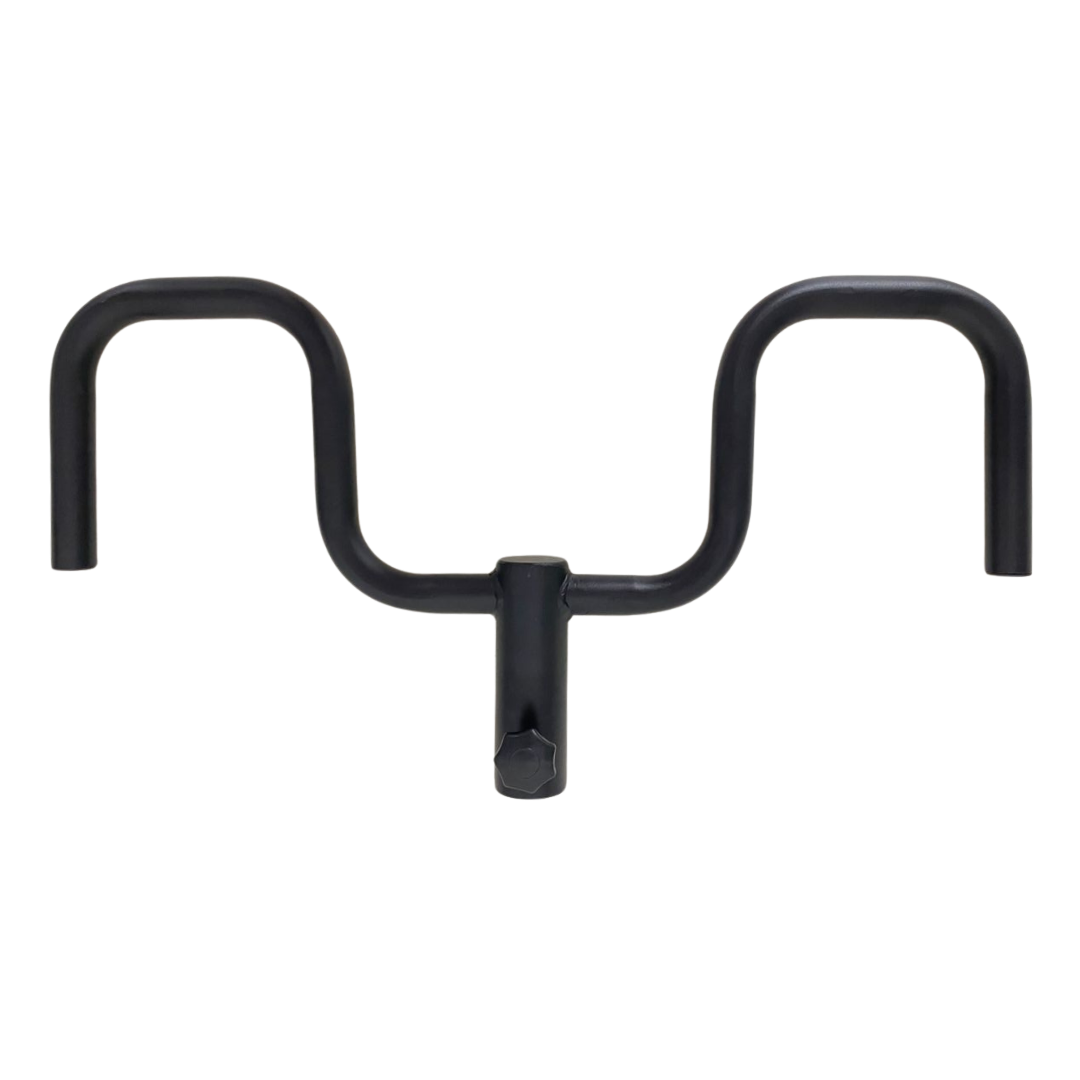
Power Tower
Freestanding pull-up and dip station with adjustable handles for bodyweight training.


Who should use complex training—and the mistakes to avoid
Complex training is most useful when strength and explosive performance both matter: jumping, accelerating, changing direction, throwing or expressing force quickly. It is not a mandatory ingredient for building muscle, losing fat or improving general health. Beginners can make excellent progress by learning basic lifts and low-intensity jumps separately before trying demanding pairs.
The most common mistake is treating every complex like a race. If you rush from a hard squat straight into maximal jumps, fatigue can overwhelm the intended power stimulus. Another mistake is choosing a load so heavy that the last rep becomes a prolonged grind. That may be useful in a different strength block, but it rarely sets up your cleanest explosive work.
Watch for four practical warning signs: noisy or unstable landings, visibly slower takeoffs, worsening joint discomfort, and technique changes you would not accept in a normal strength set. Reduce volume, extend recovery or switch to a simpler movement when these appear. Never use a bench or improvised platform that could tip or slide under a jump.
Recovery also matters. High-intensity jumping adds tendon and landing stress even when the number of repetitions looks small. Leave roughly 48 hours between hard lower-body power sessions as a sensible starting point, and adjust around sport practices and previous soreness. If you are returning from injury, rebuild pain-free strength and landing tolerance before introducing fast reactive work.
Bottom line: pairing heavy lifts with explosive exercises can be an effective way to organize strength-and-power practice. The winning formula is not a magic 30-second rest period or a punishing circuit. It is a small number of relevant pairs, appropriate recovery, precise movement quality and progression you can repeat over time.
Functional Fitness Shirts & Workout Gear
Functional-fitness shirts, tanks and workout gear for athletes who train strength, conditioning and everything in between.

High Rocks Functional Fitness Tee
Show some lifting attitude with a playful “Hyrox High Rocks Gym Bro” tee.

Hybrid Athlete – Built Different Crewneck for HYROX, Cr T-Shirt
Show some gym-day personality with “Hybrid Athlete”.


Heavy Metal Gym – Funny Kettlebell Rock Music Pullover T-Shirt
For laid-back days and metalhead humor: “Heavy Metal”.

Kettlebell Heartbeat Hooded Pullover Workout Fans Hoodie
Keep it laid-back with a little “Kettlebell Heartbeat” attitude.

Happy Kettlebell Emoji Smiley Kettlebell Meme T-Shirt
Show some gym-day personality with “Happy Kettlebell Emoji”.

Live Love Lift Muscle Shirt Athletic Vest Workout Gymbr Tank Top
Add some lifting attitude to training with “Live Love Lift”.

For Whom The Bell Curls Metallica Kettlebell Workout De Sticker
Bring “For Whom The Bell Curls” attitude to your water bottle or laptop.