Advertising disclosure: This page includes affiliate links that may earn us a commission at no additional cost to you.
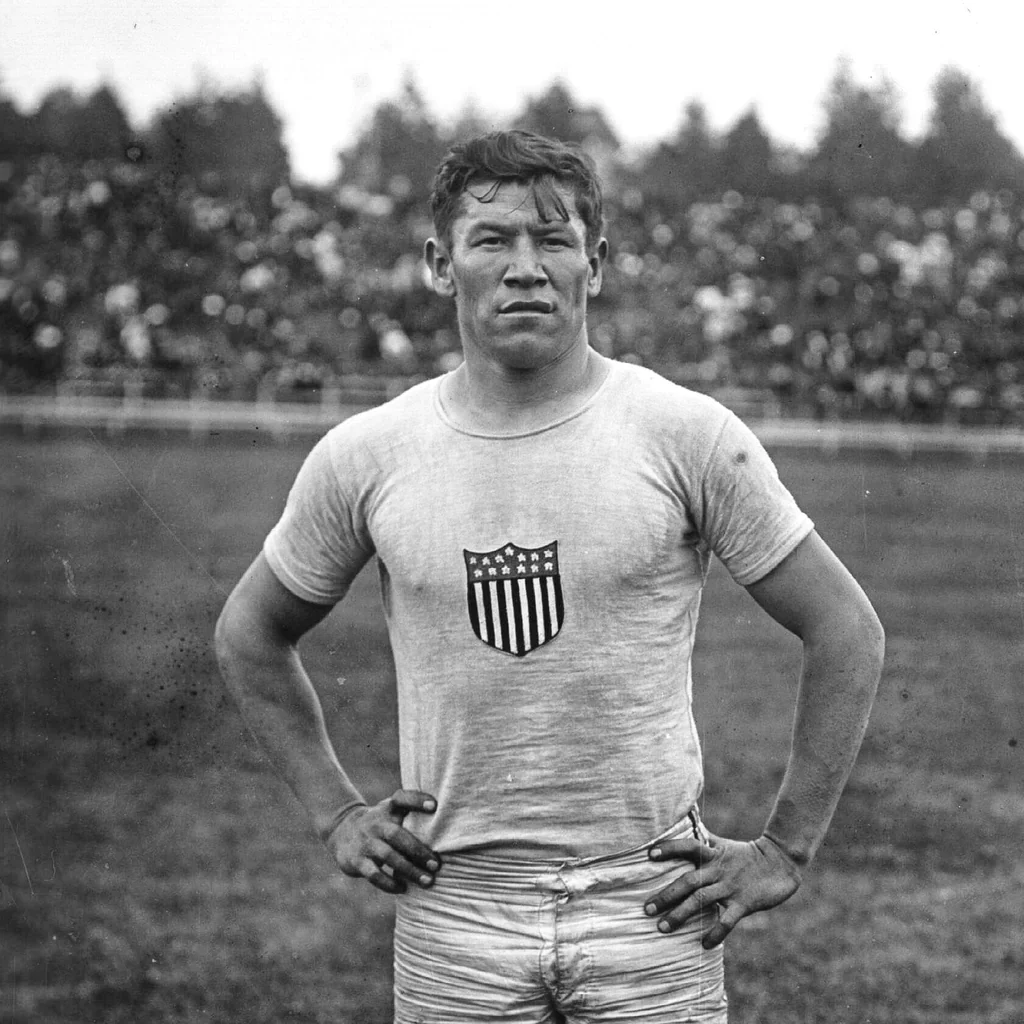
Jim Thorpe won two Olympic titles in Stockholm in 1912, then built a professional sporting career that stretched well beyond the track. He played major-league baseball, became a star attraction in professional football and served as the first president of the organisation that became the NFL. His appeal is easy to understand: here was an athlete whose versatility was demonstrated in competition, rather than inferred from a training montage.
That makes Thorpe interesting to fitness readers for a reason stronger than nostalgia. His career separates physical ability, learned sporting skill and the rules used to recognise performance. The story contains extraordinary results, but it does not give us permission to invent a secret workout or assume that copying a champion’s schedule would reproduce his abilities.
Two Olympic golds, two different combined tests
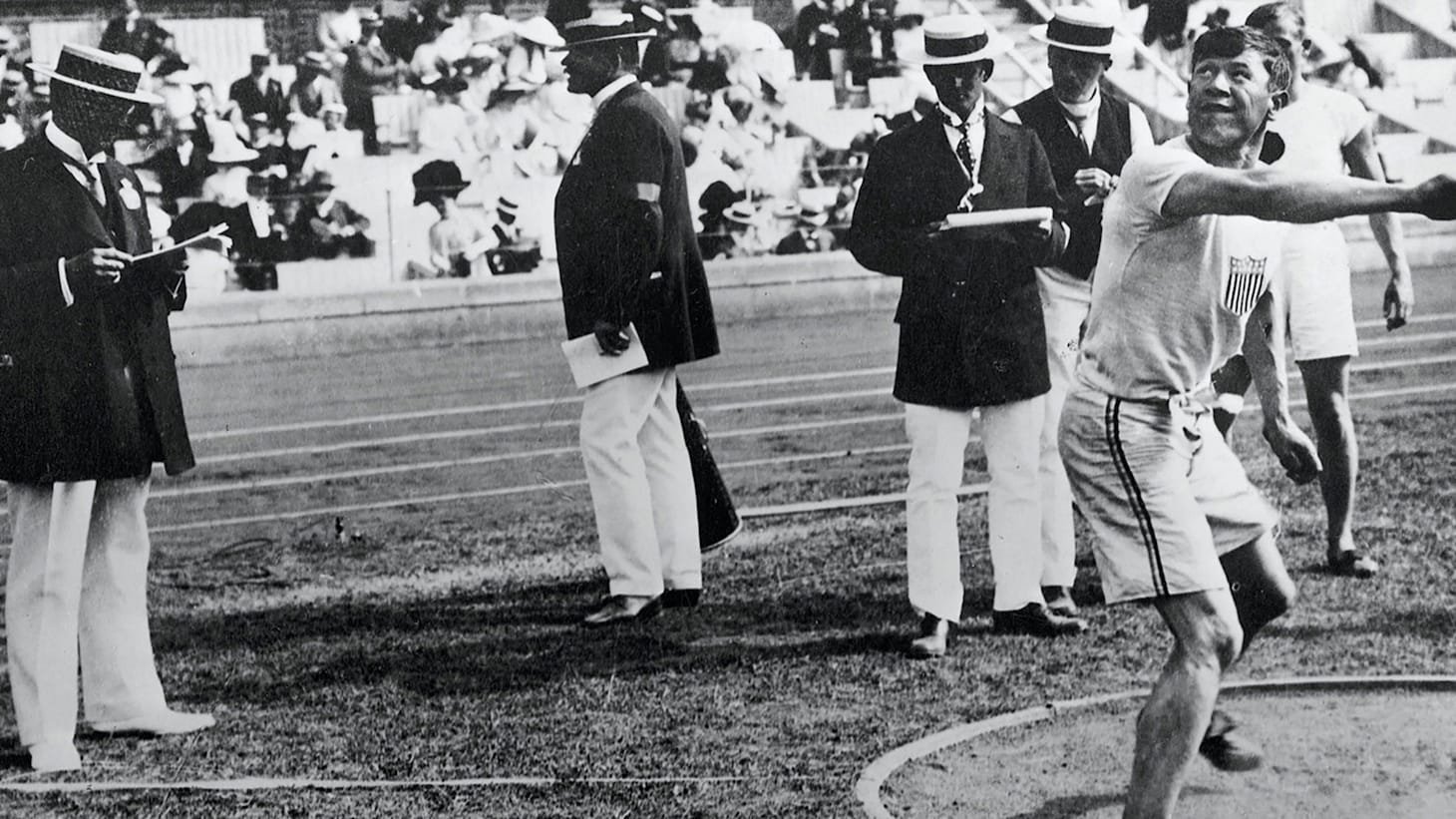
Thorpe won the athletics pentathlon on 7 July 1912 and the decathlon later in the same Games. These were combined track-and-field competitions. The pentathlon should not be confused with modern pentathlon: the similar name does not mean that Thorpe’s title came from fencing, swimming and horse riding. Understanding the event is part of understanding the achievement.
He won four of the five pentathlon disciplines and placed third in the javelin. Under the placing-based system, his final total was seven points. A smaller number was better in that contest. Seeing the total beside a modern decathlon score without that explanation would make the performances difficult to interpret.
The Stockholm decathlon unfolded over three days. Running, jumping and throwing were brought together in one overall result, requiring more than a single exceptional performance. The challenge was to produce useful results across the programme. One impressive sprint or throw could not replace completing the rest of the competition.
That historical format matters when comparing all-rounders. Our Daley Thompson decathlon profile explores a later era and its own scoring context. Shared event names do not erase changes in rules, equipment or competition schedules. Comparing careers is more informative when those differences stay visible.
The breadth was real, but it was not a universal fitness score
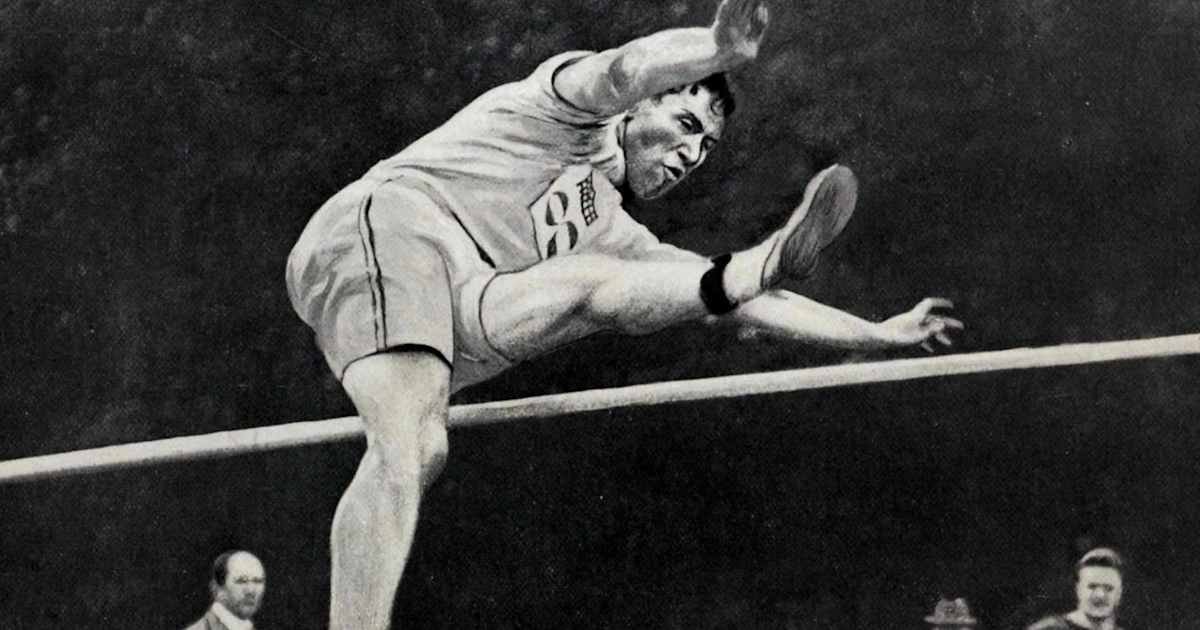
Thorpe also entered the individual high jump and long jump at Stockholm, finishing equal fourth and seventh respectively. Those results add detail to the familiar description of a great all-round athlete. He did not simply acquire a reputation for being good at several things; he entered different competitions and produced recorded finishes.
There is still a useful limit to the claim. Being outstanding across several sporting tasks does not mean winning every individual discipline. A combined-event champion can assemble a superior total without being the best specialist in each part. That distinction makes the achievement more interesting, because it shows how consistency and range can matter alongside individual peaks.
Running performance also needs its own context. A short sprint, a longer track effort and a team-sport run are not interchangeable tests, even when all involve moving quickly on foot. Our Michael Johnson sprint-double retrospective illustrates how exceptional performances can be defined by particular distances and circumstances.
For a recreational lifter, the practical question is what you want to become better at. A stronger gym lift, a faster run and a more skilful throw can all be worthwhile goals. Choose measures that describe those goals directly. Thorpe’s career is an invitation to appreciate several abilities, rather than a reason to compress every aspect of fitness into one flattering label.

Cardio Shirts & Workout Gear
Cardio and conditioning gym gear for runners, endurance athletes and anyone who earns the sweat.

Running Dost Thou Even Trot Medieval Treadmill Crewneck T-Shirt
Show some gym-day personality with “Running”.

Cardio Heartbeat for Runners, Cyclists and Endurance Fa Tank Top
Bring “Cardio Heartbeat” humor to your next lifting session.

Cardio Is Hardio – Workout Meme Vest Muscle Shirt For S Tank Top
Add some cardio attitude to training with “Cardio Is Hardio”.

Cardio Is Calling Decline Sweater Meme T-Shirt
Bring “Cardio Is Calling” humor to your everyday gym style.

Cardio Sucks Negative Review 1 Star Hooded Hoodie
Show off your cardio humor in a laid-back “Cardio Sucks” hoodie.

Skip Cardio Exit Cardio Meme Vest Tank Top
Add some cardio attitude to training with “Skip Cardio”.

Exercise Your Demons | Cardio Workout From Hell Pullove T-Shirt
For laid-back days and cardio humor: “Exercise Your Demons”.

Anti Running Club Tee
Heavy lifts, good laughs, and a little “Anti Running Running Club” energy.

Anti Cardio Cardio Club Shirt Meme & Top T-Shirt
Bring “Anti Cardio Cardio Club” humor to your next gym day.

Meme Shirt – Two Things I Like Lifting Weights Not T-Shirt
Make gym days more fun with “Two Things I Like Lifting Weights Not” style.
Baseball added another kind of sporting demand
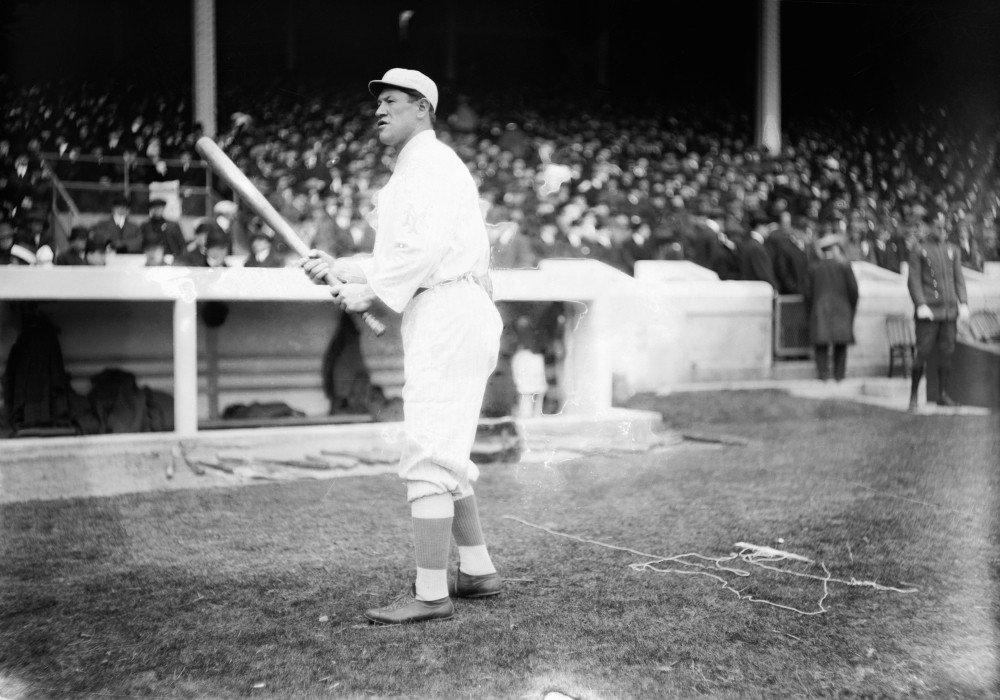
After the Olympic controversy that followed him home, Thorpe signed with the New York Giants in 1913. His major-league career included the Giants, Cincinnati Reds and Boston Braves, with his final major-league season coming in 1919. This was another professional sporting commitment, not merely a ceremonial appearance by an Olympic celebrity.
A baseball career should nevertheless be described on its own terms. Olympic success did not automatically make Thorpe the greatest hitter of his era. His presence in the major leagues demonstrates genuine sporting range without requiring every part of the story to be inflated into a claim of unmatched dominance.
The distinction is familiar when athletes cross into a different discipline today. Physical qualities can create opportunities, but a new sport still has its own techniques, decisions and competitive demands. A fast athlete must learn what to do with that speed. Strength does not select the right pitch to swing at, and a good training session is not the same as producing a result in a game.
This is also why a career photograph is evidence of an activity rather than a complete training record. An image of Thorpe holding a bat identifies a part of his sporting life. It does not establish how often he practised, the load he lifted in the gym or a modern programme bearing his name. Those details need their own evidence.
Football made him an attraction as well as an athlete
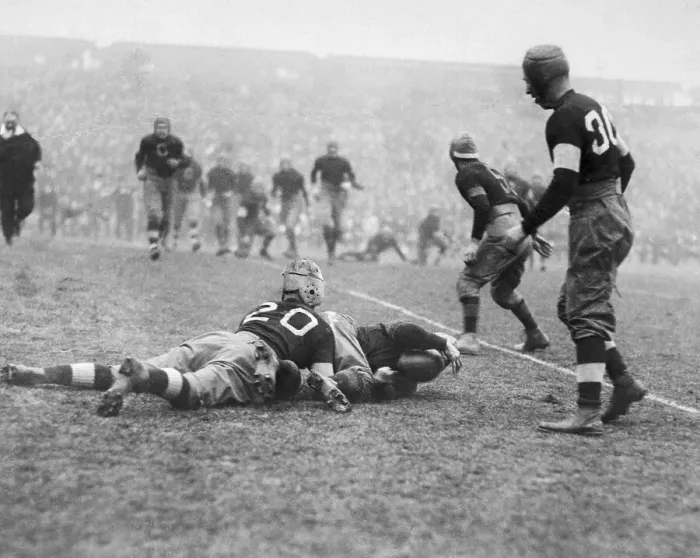
Thorpe joined the Canton Bulldogs in 1915. With him as a leading player and coach, the team claimed unofficial championships in 1916, 1917 and 1919. The word unofficial belongs in that description: those seasons preceded the league structure that would later define professional football’s championship history.
He was celebrated for a range of football skills, including running, passing and kicking. Football therefore adds something different to the track-and-field story. The athlete was now working inside a team contest, where an individual contribution depended on what happened around him as well as his own physical abilities.
In 1920, Thorpe became the first president of the American Professional Football Association, the organisation later renamed the National Football League. His name and reputation helped give the emerging professional game a public face. That is a role in the sport’s organisation, alongside his role on the field; the two should not be confused.
Thorpe was later included in the Pro Football Hall of Fame’s inaugural class in 1963. The honour reflects the place he holds in football history. It does not require us to translate early professional football into a precise modern equivalent or decide where an athlete from a different era would rank today. The documented career is substantial enough without that speculation.
The medals changed status; the performances still need context
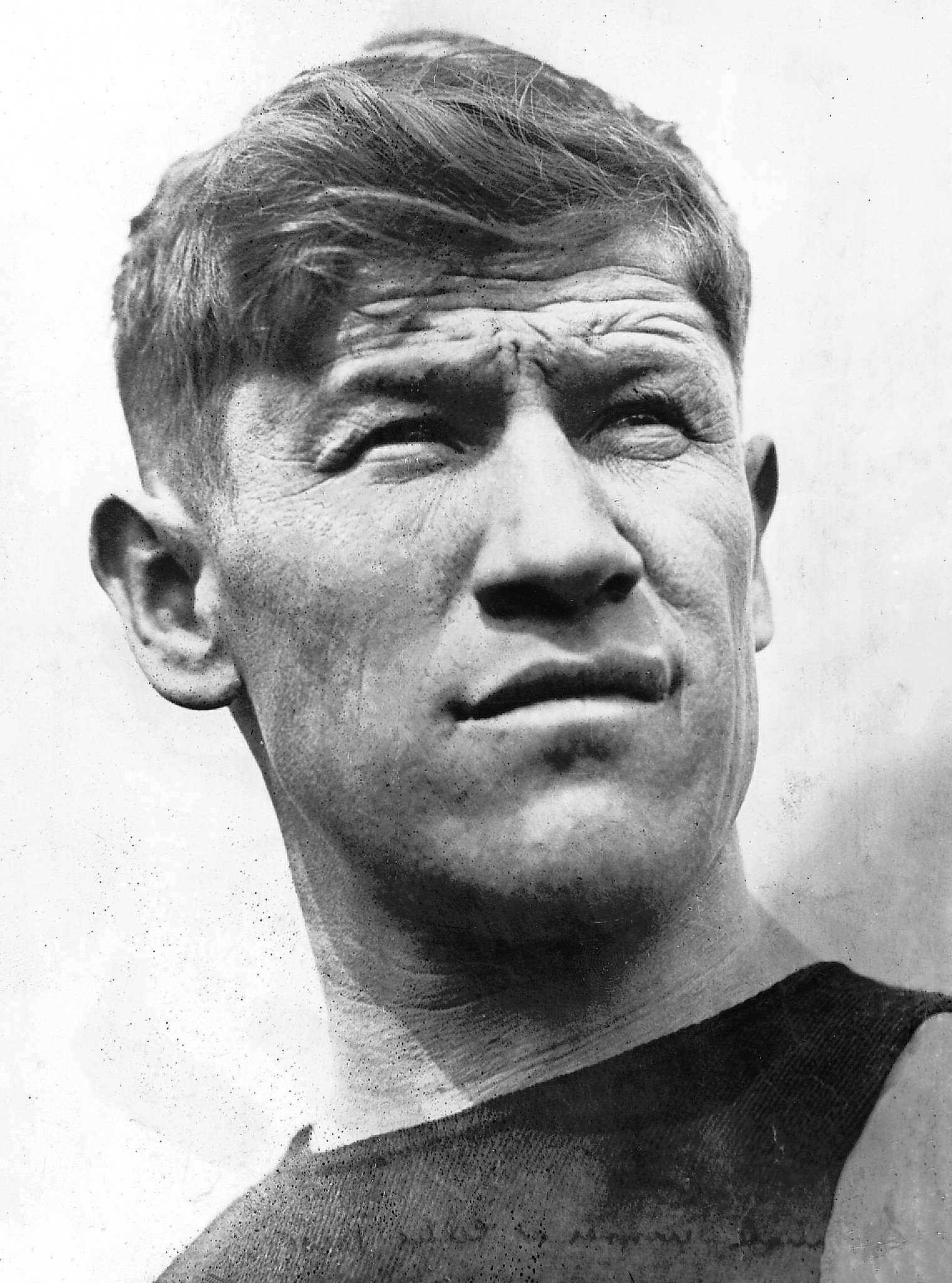
In 1913, Thorpe lost his Olympic titles after his earlier paid baseball appearances became known. The issue was the amateur eligibility rules of the period. It was not a finding that he had failed to perform the events shown in the competition record, and it should not be rewritten as a modern doping case.
The restoration happened in stages. In 1982, the IOC moved to restore his amateur status and add his name alongside the other gold-medal winners. On 15 July 2022, it announced that Thorpe would be displayed as the sole gold medallist in the Stockholm pentathlon and decathlon. Older accounts that stop at co-champion therefore leave out a later, material change.
That history is a reminder to separate an athlete’s performance from the administrative record and to date the account you are reading. It is also a reason to avoid repeating every colourful anecdote attached to a famous name. A compelling story can survive without an unverified quotation, an exaggerated feat or a training routine assembled from guesswork.
What remains is an unusually broad career: combined-event Olympic titles, individual athletics appearances, major-league baseball and an important place in professional football. For someone building their own fitness, the useful inspiration is to value both physical development and the skill of using it. Decide which abilities matter to you, practise their actual demands and keep the results in context. That is an adaptation of the lesson, not a claim to reproduce Jim Thorpe’s training.