The gluteus medius rarely gets the attention given to squats, hip thrusts or the gluteus maximus. Yet this smaller muscle on the outer hip matters whenever you stand on one leg, climb stairs or control the position of your pelvis. It can also be trained with much more than a token set of band walks before leg day.
The goal is not to find a magical activation drill. It is to understand what the muscle does, choose movements you can perform well, and increase the challenge over time. Here is a practical approach that works alongside ordinary strength training rather than replacing it.
1. What the gluteus medius actually does
Place your hands just below the bony crests at the sides of your pelvis. The gluteus medius sits on the outer surface of each hip, partly covered by the larger gluteus maximus. Its fibers help move the thigh sideways and contribute to hip rotation. When your foot is planted, it also helps control the pelvis relative to the standing leg.
That standing-leg role is easy to overlook. During walking, there is a brief period when the whole body is supported by one leg. If the pelvis drops or the knee drifts inward, several muscles and movement strategies may be involved. The gluteus medius is an important contributor, but it is not the only muscle responsible for alignment. Foot mechanics, trunk position, available joint motion and task demands all influence what you see.
Think of hip strength as a capacity, not a promise of perfect posture. A stronger hip may give you more options for controlling a step-down, lunge or change of direction. It does not mean every inward knee movement is dangerous, nor does it mean that an athlete with imperfect-looking technique necessarily has a weak gluteus medius.
2. What the exercise evidence can and cannot tell us
Exercise comparisons often use electromyography, or EMG, to estimate muscle electrical activity during a movement. This can be useful for choosing exercises that challenge the hip abductors. Reviews have identified side-lying abduction, side bridges with leg movement, resisted standing abduction and certain single-leg tasks as strong activation options. But the results vary with technique, body position and the way the signal is measured.
High EMG is not the same thing as proven long-term muscle growth. A drill that lights up a muscle during one laboratory repetition may be too awkward, too easy to progress or too fatiguing to be your main strength exercise. Conversely, a heavy split squat can improve lower-body capacity even when it is not the highest-scoring gluteus medius movement on an activation chart.
Clinical findings need the same care. Programs that strengthen the hip abductors and external rotators have improved symptoms and function in some people with patellofemoral pain, particularly as part of broader exercise care. That does not prove isolated hip training prevents knee injuries in healthy lifters. If you have persistent pain, use symptom response and a suitable individualized plan instead of diagnosing weakness from a single video of your squat.
For training decisions, combine three questions: does the movement challenge the intended region, can you perform it without unwanted compensation, and can you progress it over several weeks? That is a more useful filter than chasing a sensation or a single EMG percentage.

Equipment Worth Exploring
Explore equipment, accessories and gear from our carefully selected range.

VOLTRA
Compact digital cable trainer with smooth, adjustable resistance.

Go-Tone Pro
Portable digital cable trainer with up to 66 lb (30 kg) of adjustable resistance.


FID Bench MAX
Adjustable bench offering flat, incline, and decline positions + adjustable headrest.
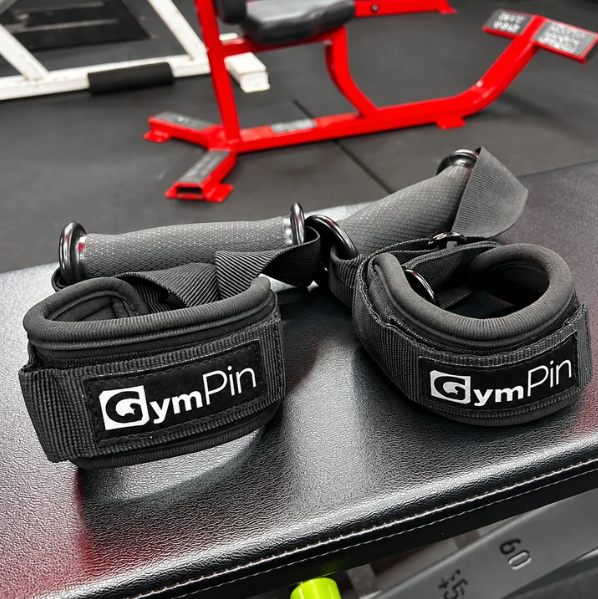
GymPin D Cuffs
Adjustable wrist cuffs with textured grips for supported cable-machine exercises.
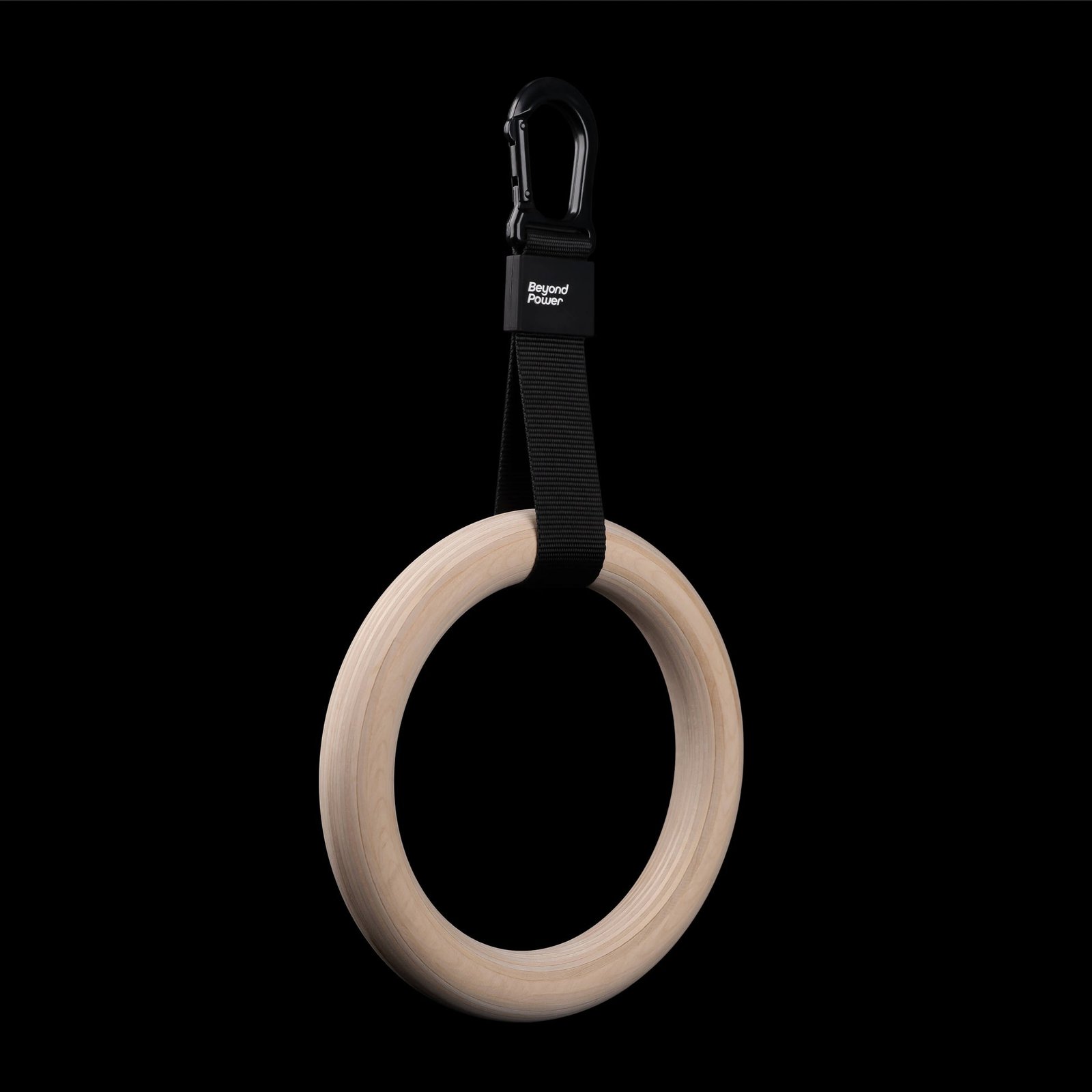

Squat Harness
Wearable harness for hands-free cable squats, sled work, and lower-body training.
3. Start with floor-based hip abduction, not endless burnouts
Side-lying hip abduction is a simple starting point. Lie on your side with the bottom knee comfortably bent, hips stacked and top leg long. Raise the top leg through a modest range without rolling your pelvis backward or hiking the waist. Lower deliberately. You should feel work around the outside of the hip, but the exact sensation will differ between people.
A clamshell changes the task. Keep both knees bent and feet together, then rotate the upper knee upward while the pelvis stays quiet. It is easy to create a large movement by rolling the whole torso; a smaller honest range is usually more useful. A light mini-band can add resistance once bodyweight repetitions are controlled. Neither exercise has to be the centerpiece of a lifelong program.
A side plank adds a different demand: the supporting hip and trunk must resist gravity together. Begin with knees bent and a short hold. Progress to straight legs, longer holds or a carefully controlled upper-leg raise. The plank is not identical to a clamshell, and the extra trunk challenge can make it useful for athletes who need coordinated lateral stability.
Try two sets of 8–15 controlled abduction repetitions or 15–30 seconds of side-plank work per side. Leave a couple of good repetitions in reserve. If your lower back twists, the upper hip rolls or the movement becomes a race, reduce the band tension or shorten the set. The objective is repeatable tension, not the biggest possible burn.

Leg Day Shirts & Workout Gear
Leg-day gym shirts and workout gear for lifters who never skip squats, lunges and lower-body punishment.


Big Butt Energy Leg Day & Glute Gains Meme Hoodie
Keep it laid-back with a little “Big Butt Energy” attitude.

Butt Stuff Glute Hip Thrust Lovers Athletic Shirt Tank Top
Show some personality between sets with “Butt Stuff”.

Booty Building Mode Sticker
Stick a little “Booty Building Mode” humor on your favorite gear.

Fantastic Booty Leg Day Sweater Squats & Glutes Meme T-Shirt
Keep things casual with a little “Fantastic Booty” attitude.

Juicy Booty Booty Builder Big Booty Gains & Leg Day Tank Top
Train hard, laugh a little, and rep “Juicy Booty”.

Hippo Thrust Meme Leg Day Hooded Booty Day & Glute Hoodie
Keep it laid-back with a little “Hippo Thrust Gym Meme” attitude.

I Only Do Butt Stuff At The Meme Glute Lovers, Hip T-Shirt
Heavy lifts, good laughs, and a little “I Only Do Butt Stuff At” energy.

Thicc Butt Energy Sweater Leg Day & Squat Lovers Meme T-Shirt
Keep things casual with a little “Thicc Butt Energy” attitude.

Squats Booty Builder Barbie Meme Sweater Leg Day & T-Shirt
Show some gym-day personality with “Squats Booty Builder”.
4. Progress to standing band work and pelvic control
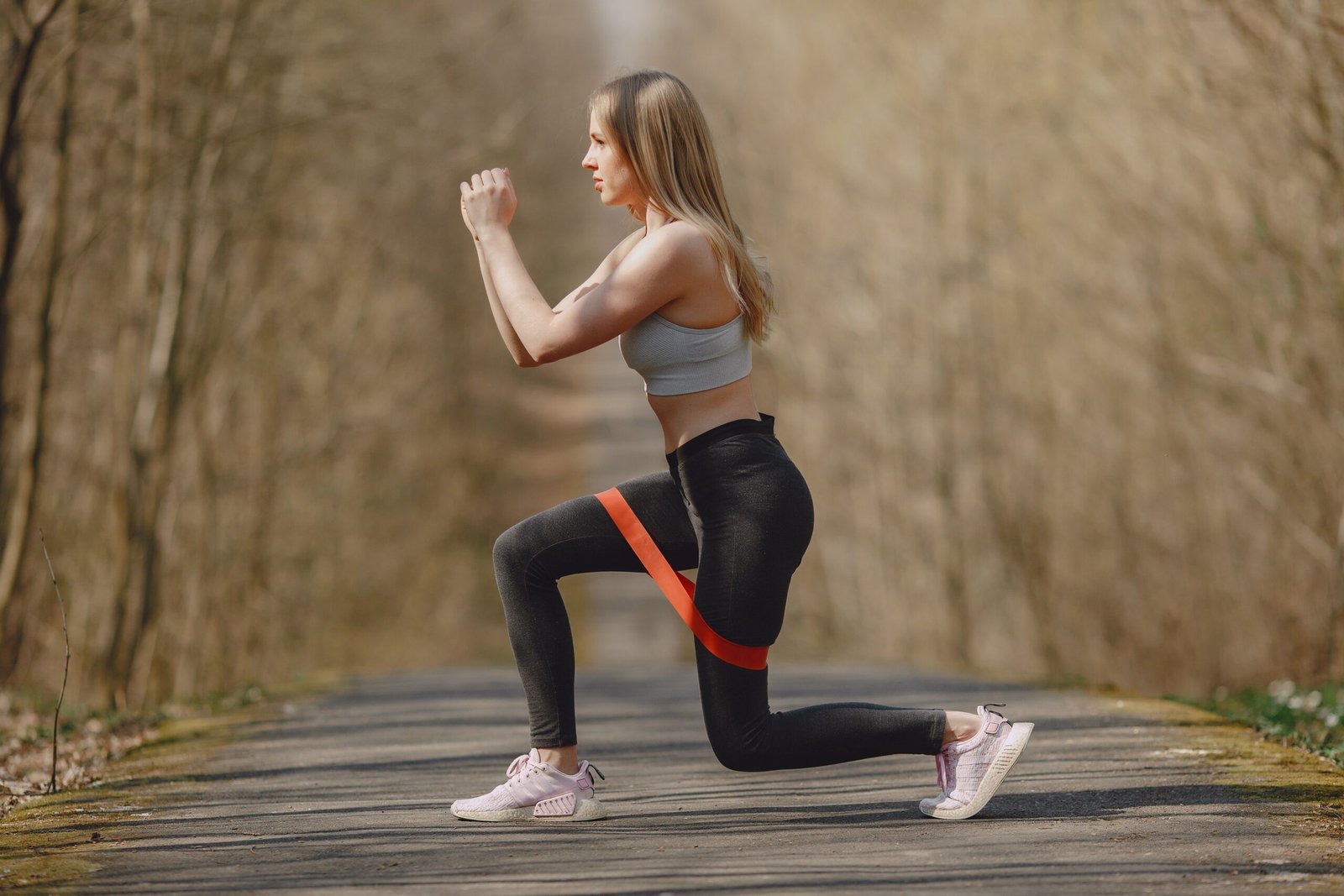
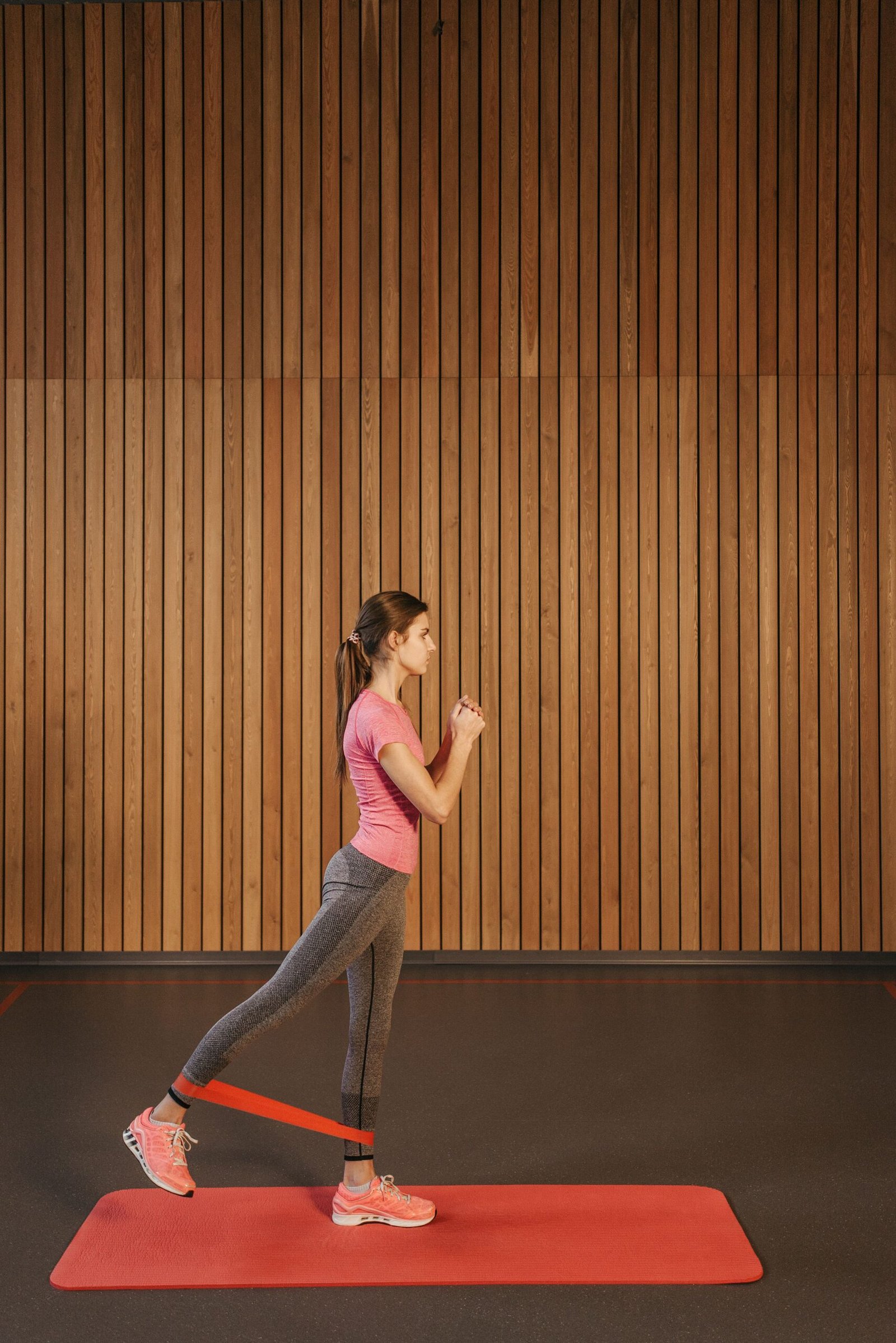
Standing exercises move hip training closer to the demands of walking and lifting. A band around the knees, shins or ankles can make lateral steps and controlled split-stance movements harder. Begin with a shallow athletic stance, ribs over pelvis and feet pointing approximately forward. Step sideways without letting the trailing foot snap inward, then return under control.
Band placement changes the lever arm. Moving resistance from above the knees toward the ankles often increases the demand, but only if you can maintain your chosen movement pattern. A heavy band that turns each step into a hip swivel is not automatically superior to a lighter band used well. Keep the step length small enough that the pelvis does not sway dramatically.
For a more direct standing challenge, anchor a cable or band low and move one leg out to the side. The planted leg is also working to keep you upright. A wall or rack can provide light fingertip support, allowing you to focus on hip movement rather than simply trying not to fall. Alternate which side is the moving leg and which is the support leg.
Use one standing variation for 2–3 sets of 8–15 deliberate steps or repetitions per direction. Start with a load that lets you pause briefly at the hardest position. When the last repetitions look much like the first, add a little resistance or range. If the exercise becomes a balance contest, support yourself and make the hip do the work.
5. Make single-leg strength work do its share
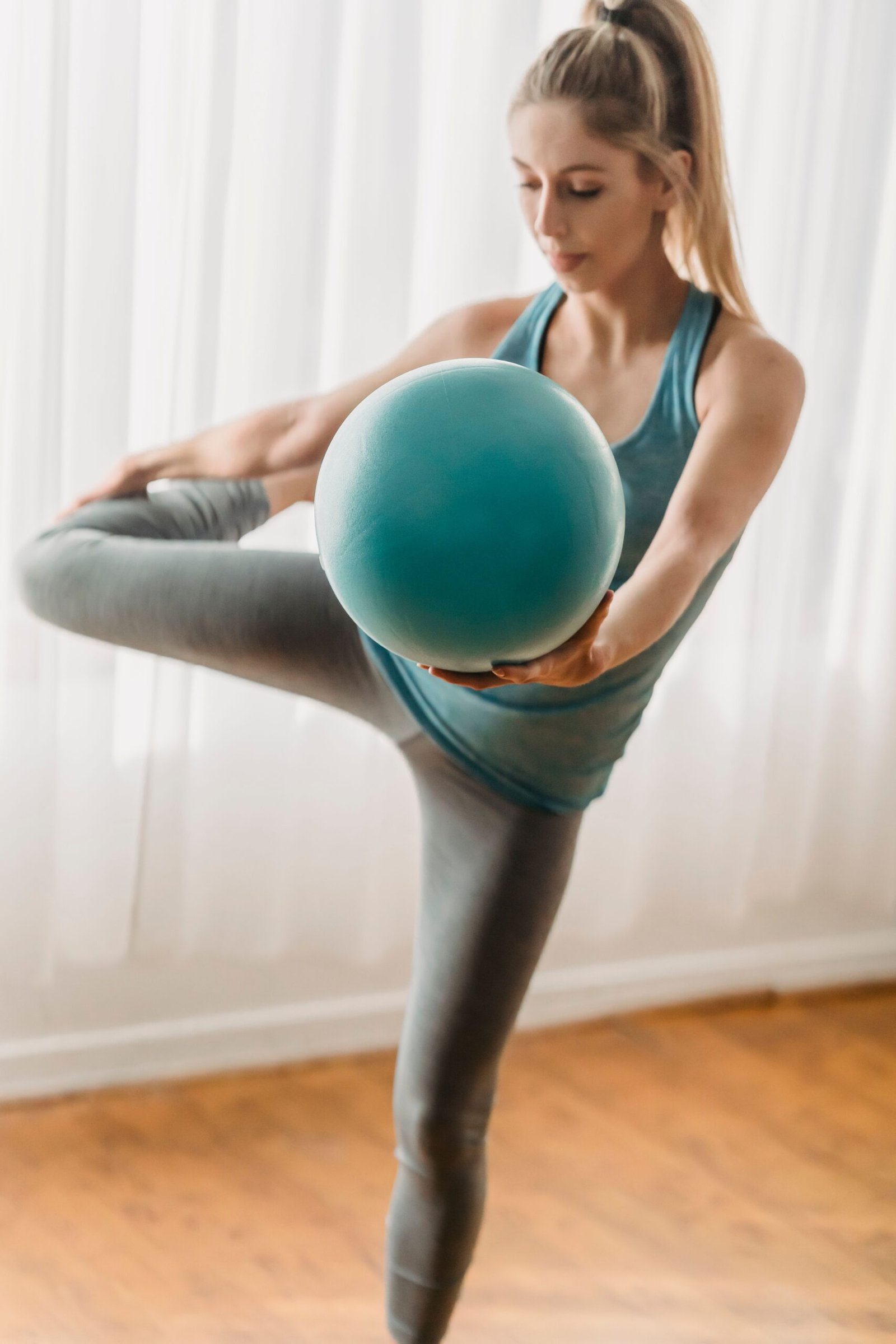
The gluteus medius is not trained only by moving the leg sideways. A single-leg squat, step-up, split squat or controlled step-down requires the stance-side hip to manage the pelvis while other lower-body muscles generate force. This is why a sensible lower-body program can already provide meaningful hip work without a dozen isolation drills.
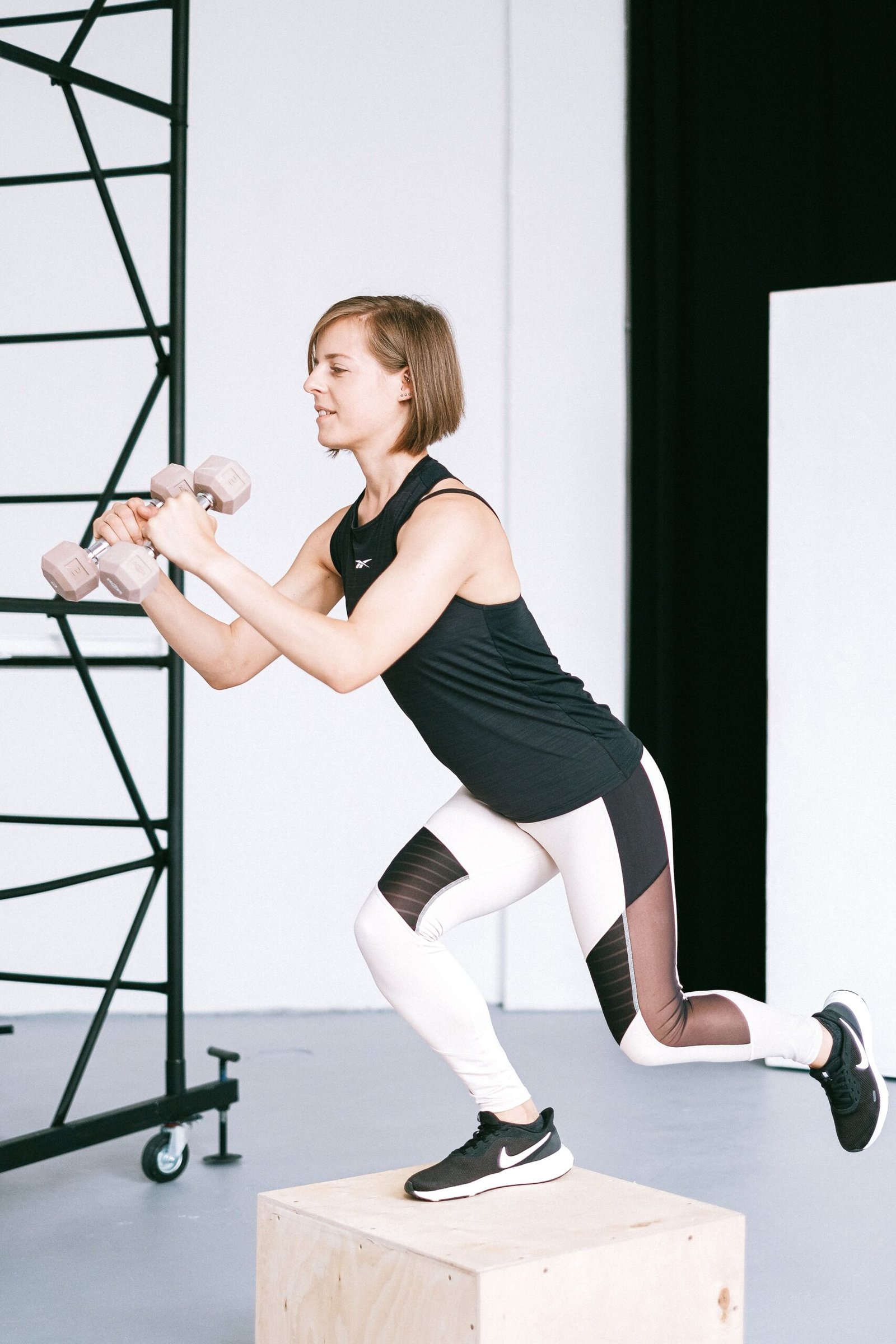
Start with a low step-up. Plant the whole foot on the box, lean only as much as the task requires, and push through the working leg instead of launching off the trailing foot. Lower with control. Increase step height only while you can keep the movement smooth and pain-free. A low box and light dumbbells may be more productive than a high box that forces you to twist or bounce.
Split squats offer an easy loading progression: bodyweight first, then a pair of dumbbells or a supported version. The front leg does most of the work, while the rear leg helps with balance. You do not need to freeze the knee in one position. Instead, use a comfortable range, a consistent foot stance and a controlled descent that you can repeat on both sides.
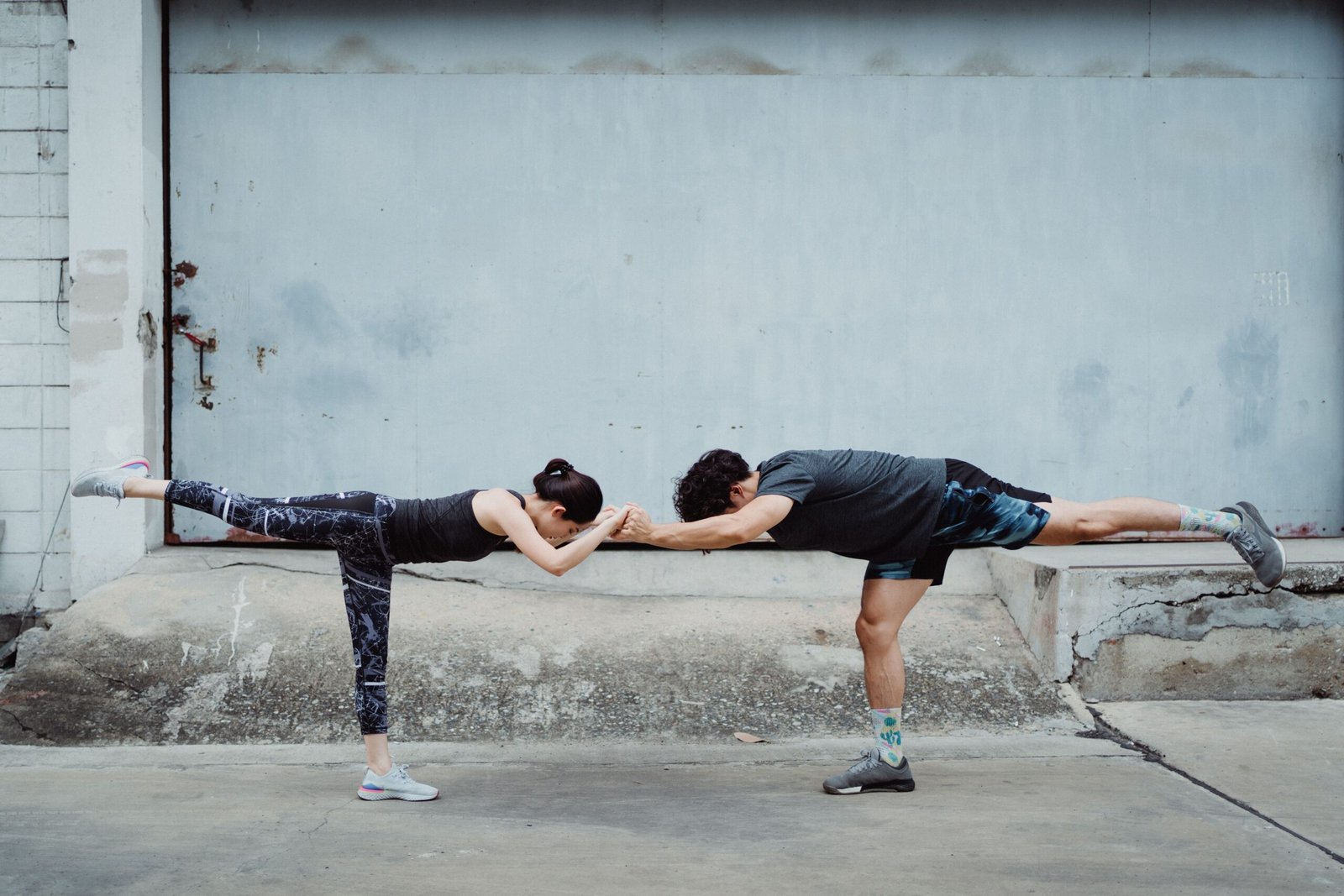
For a demanding unilateral option, use a supported single-leg Romanian deadlift. Keep a soft knee, hinge at the hip and let the free leg extend behind you as a counterbalance. Hold a rack lightly if needed. The purpose is hip control under load, not an acrobatic reach toward the floor. Progress the weight only after the pelvis and torso remain reasonably steady.
Equipment Worth Exploring
Explore equipment, accessories and gear from our carefully selected range.


GymPin Squat Wedges
Non-slip 15-degree squat wedges help elevate the heels for deeper quad-focused squats.

Belt Squat Collar
Heavy-duty collar adapter for compatible belt-squat and landmine bar setups.


6. A realistic two-day hip-strength progression
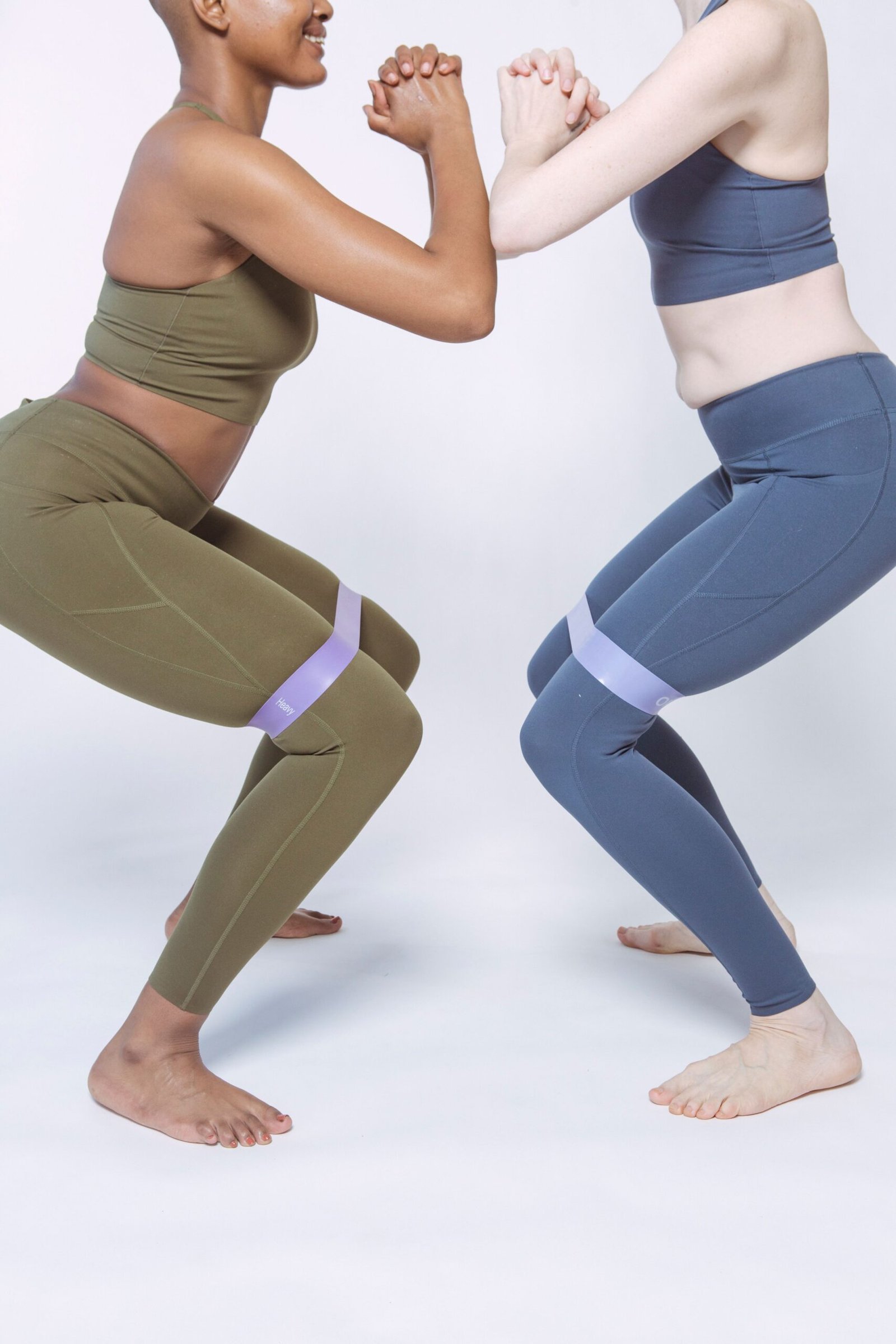
Most lifters do not need a separate gluteus medius day. Add a small amount of direct hip work to two existing lower-body sessions and let your compound exercises provide the heavier stimulus. An easy first session could combine a controlled side-lying abduction with a split squat. A second session might use lateral band walks and step-ups. That covers both isolated and weight-bearing demands.
Session A: Side-lying abduction, 2 sets of 10–15 per side; split squat, 3 sets of 6–10 per leg. Session B: Lateral band walk, 2 sets of 8–12 steps each way; step-up, 3 sets of 8–12 per leg. These are examples, not mandatory prescriptions. If you already perform challenging unilateral leg work, one direct hip exercise may be enough.
Over four to six weeks, aim to make a small measurable improvement: cleaner repetitions, a slightly firmer band, a little more external load or a controlled extra repetition. Keep at least one rest day between demanding lower-body sessions when possible. If soreness or fatigue makes your squats and hinges worse, reduce the extra hip volume before cutting your main lifts.
Do not confuse adding exercises with adding progress. A routine with four movements performed consistently and progressively can be more useful than ten random activation drills. Record the band position, step height, dumbbell load and repetitions so you know whether the same exercise is actually becoming easier.
Bodybuilding Shirts & Workout Gear
Bodybuilding shirts, tanks and gym gear for lifters chasing muscle, size, symmetry and the pump.


Invisible Booty To Visible Booty Motivation Decal Sticker
A fun “Invisible Booty To Visible Booty” touch for bottles, laptops, and lockers.

Thicc Booty Meme Glute Lovers Hooded Hoodie
Stay casual and show some gym-girl attitude with “Thicc Booty Gym Meme”.

Funny Squat Inspector Gym | Edgy Workout Sweater For Le T-Shirt
Bring “Squat Inspector” humor to your everyday gym style.

SwoleBob Squatpants – Leg Day Meme , Top & T-Shirt
Heavy lifts, good laughs, and a little “SwoleBob Squatpants” energy.

Funny Booty Out Of This World Gym | Alien Meme Workout T-Shirt
Keep things casual with a little “Booty Out Of This World” attitude.

Never Skip Mass Day Greek Mythology Booty T-Shirt
Make gym days more fun with “Never Skip Mass Day” style.

Shirt – Legendary Leg Day Meme Gymbros, & Fans T-Shirt
Make gym days more fun with “Legendary Leg Day Meme” style.

Brains Beauty Booty Focused On Glute Gains & Memes Hoodie
Keep it laid-back with a little “Brains Beauty Booty” attitude.

Thick Thighs Crush Guys Shirt Leg Day Meme & Gymbros T-Shirt
Show some leg-day attitude with a playful “Thick Thighs Crush Guys” tee.
7. Common mistakes, sensible expectations and when to adjust
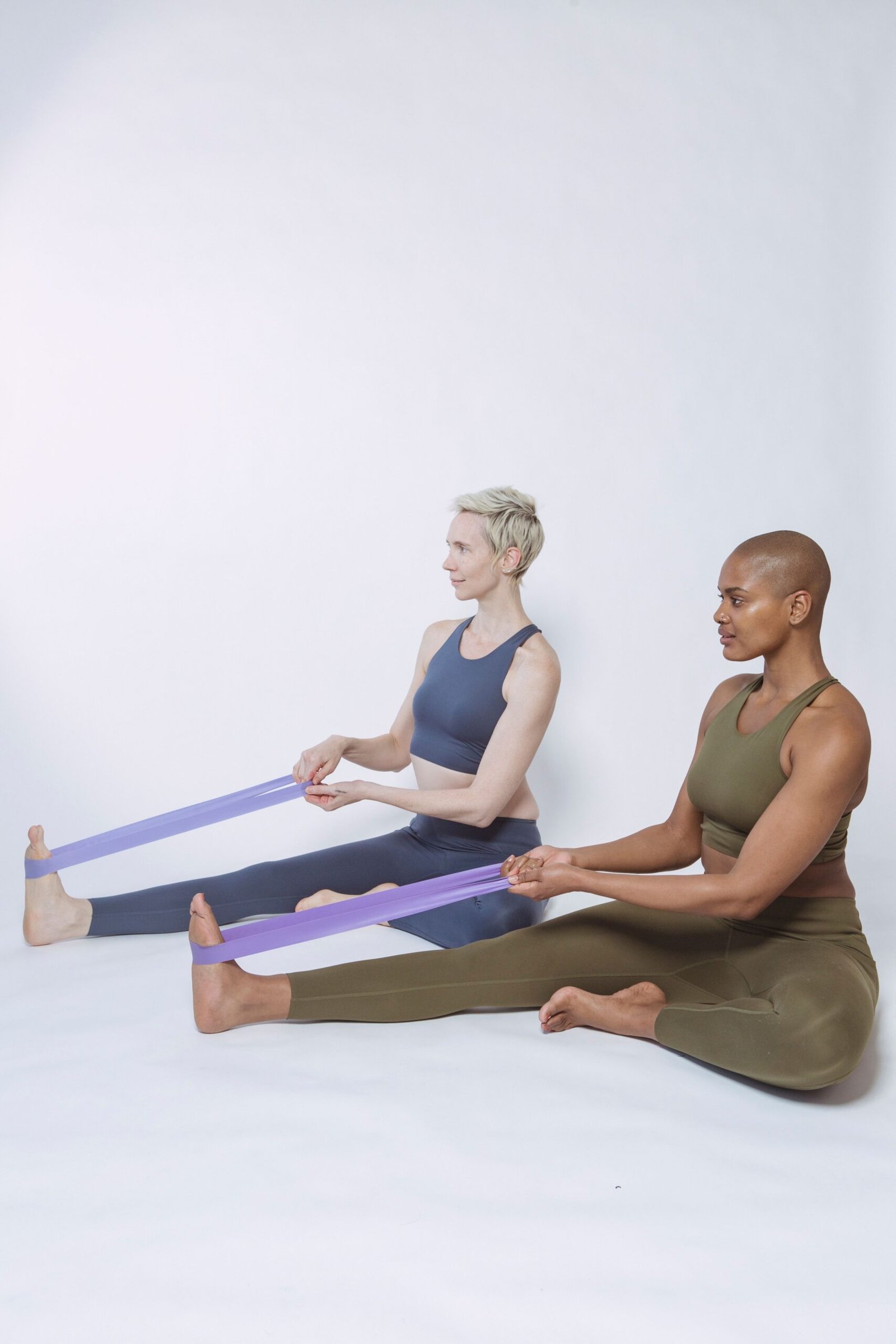
The first mistake is treating a strong burning sensation as proof that a muscle is getting stronger. Light-band repetitions can create local fatigue without providing a meaningful long-term overload. The opposite mistake is adding so much resistance that the torso rotates, the pelvis hikes and the movement stops resembling the exercise you intended. Choose a level you can control and progress.
The second mistake is assuming every ache in the knee, hip or lower back comes from a weak gluteus medius. Pain is influenced by many factors, and a single strength test or movement screen cannot establish its cause. If symptoms persist, worsen or involve significant loss of function, seek an individualized assessment rather than forcing more hip-abductor work. If a specific exercise irritates a joint, change the range, loading or variation.
The third mistake is separating hip stability from the rest of training. Stronger hips matter, but so do quadriceps strength, calf capacity, trunk control, adequate recovery and practicing the activities you want to improve. For runners and field-sport athletes, gym strength is only one part of a complete plan. For lifters, stable execution and progressive loading remain the bigger priorities.
Use a simple checkpoint every few weeks: can you perform a controlled step-down on both sides, complete your prescribed band sets without twisting, and progress your unilateral lift without symptoms? Those outcomes are more meaningful than whether you can feel one exact patch of muscle burning. Build the hip’s capacity patiently, and let the exercise selection stay simple.