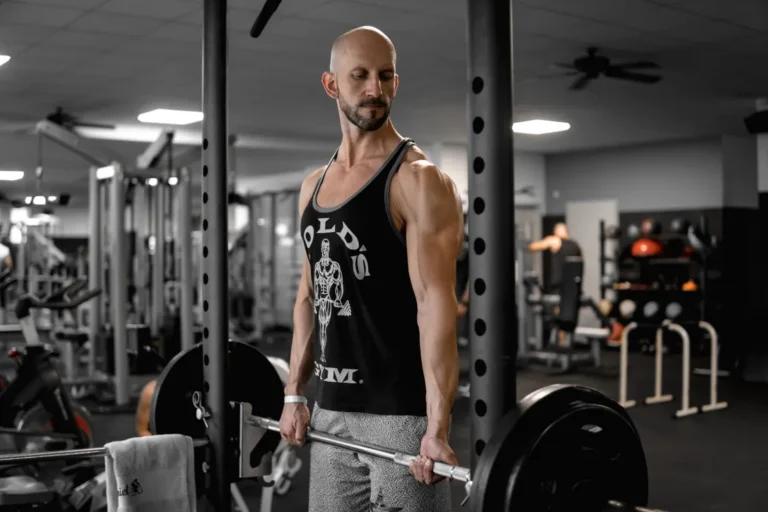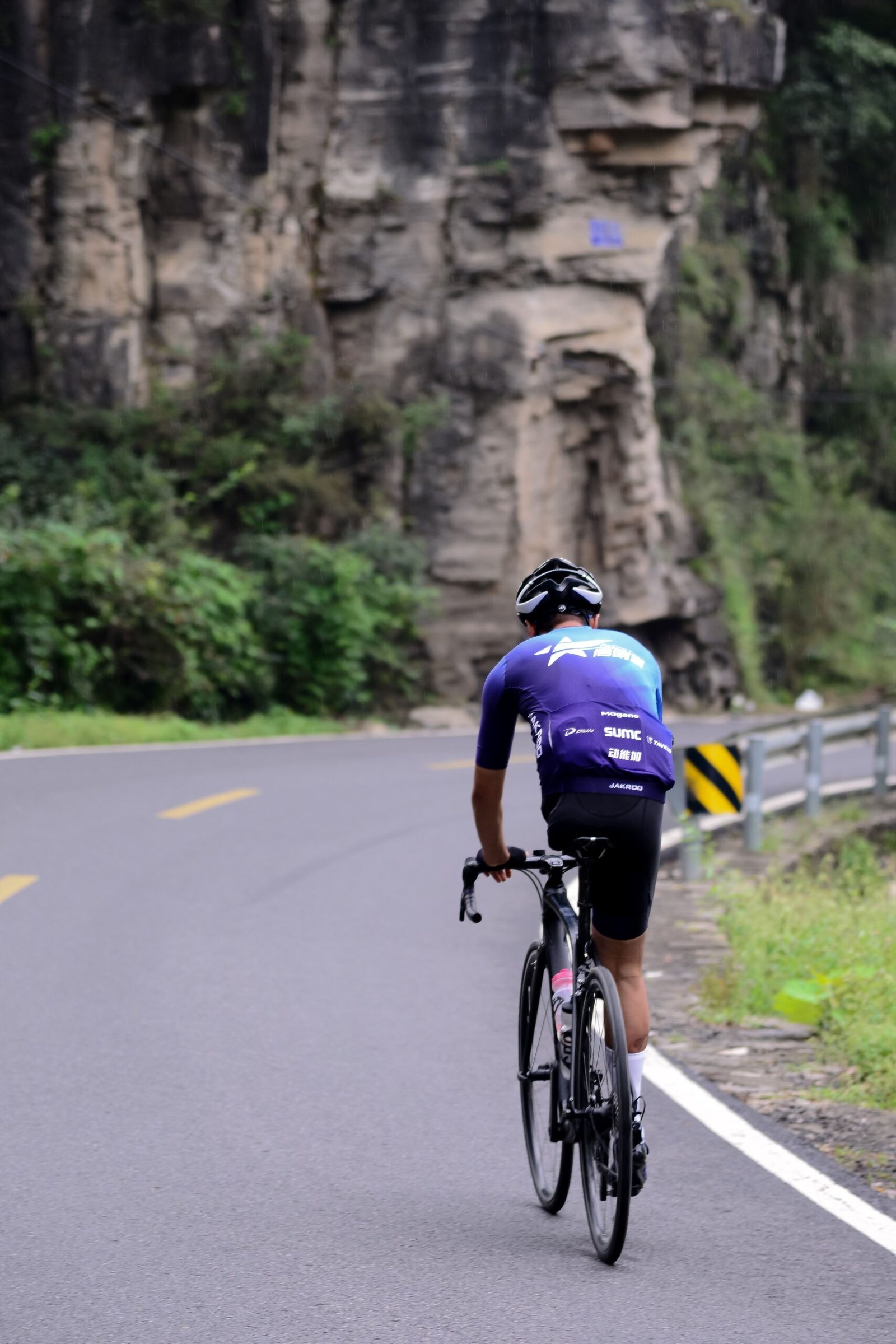
What if the missing ingredient in a cycling plan is not another interval session but a small amount of well-chosen strength work? The strongest case for lifting is not bigger muscles for their own sake. It is better force production, useful stability and potentially improved cycling economy—without losing the endurance work that makes a rider fit.
Why a cyclist needs strength beyond pedaling
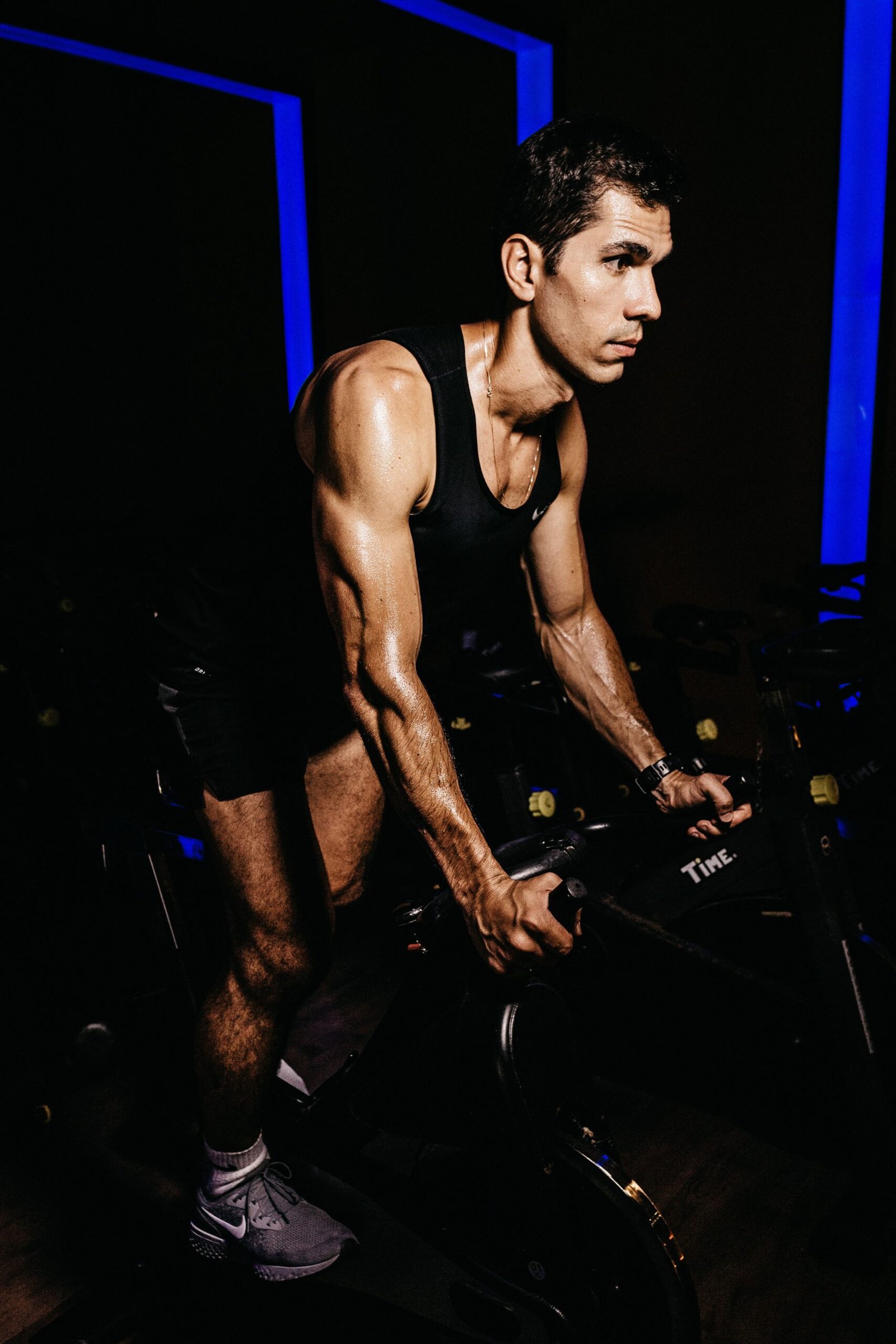
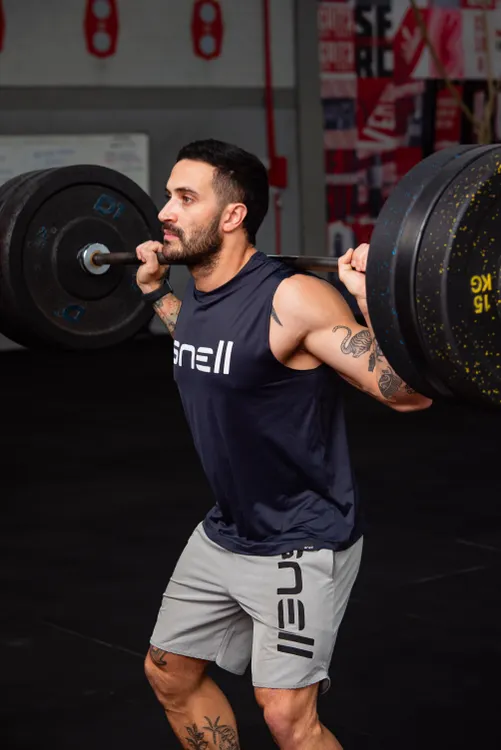
Riding a bike develops a remarkable capacity to repeat force at the pedals. It does not automatically develop every quality that makes a rider efficient, resilient or powerful. A long ride challenges the cardiovascular system and the muscles used in the pedal stroke; a well-designed gym session gives the legs, hips and trunk a different challenge: producing higher forces with controlled resistance.
That distinction matters most on steep climbs, in short accelerations and late in a ride when maintaining posture becomes difficult. The point is not to turn a cyclist into a powerlifter. It is to build enough reserve strength that the force needed for ordinary pedaling represents a smaller share of what the legs can produce. Whether that translates to a faster time trial depends on the rider, the program and the cycling work that remains in place.
Three qualities deserve priority: the ability to push through each leg independently, strong hip extension from the glutes and hamstrings, and a stable torso that can transfer force without excessive movement. Upper-body work also has a place, particularly for riders who spend long hours supporting their weight over handlebars. None of these qualities requires an enormous exercise menu. A few repeatable movements, progressed patiently, are more useful than a weekly collection of random circuits.
What the cycling research actually supports
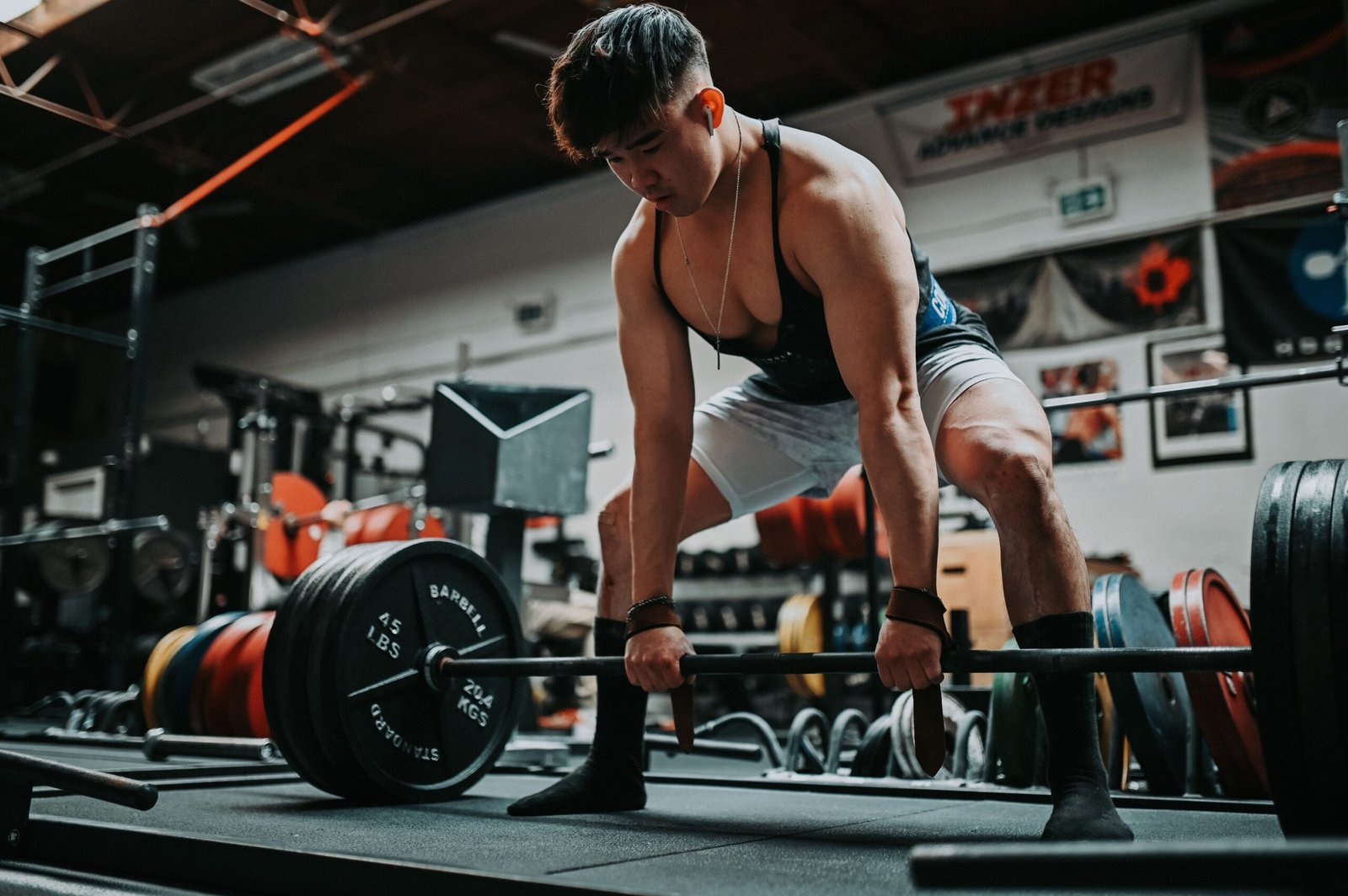
The most useful evidence does not say that lifting replaces intervals or endurance rides. It suggests that adding appropriately programmed heavy resistance training can improve some performance outcomes alongside normal cycling. A 2025 systematic review pooled 17 studies involving 262 endurance cyclists, including 60 women. Interventions lasted between five and 25 weeks and generally used one to three gym sessions weekly.
Across those studies, heavy strength training was associated with improvements in cycling efficiency, anaerobic power and combined cycling-performance measures. There was no clear pooled improvement in maximal oxygen uptake, maximal metabolic steady state or anaerobic capacity. That is an important distinction: a rider might use oxygen more economically at a given workload without registering a higher VO2 max. The review rated the certainty of evidence as low, so the findings are promising rather than a guarantee that every rider will become faster.
Smaller controlled studies help explain why the topic remains interesting. In one 12-week intervention, trained cyclists who added two lower-body strength sessions improved a five-minute maximal effort performed after prolonged riding. Another 20-week study reported gains in maximal strength and bike-specific explosive strength, but involved only 15 competitive cyclists. Small samples and differences in training plans limit how confidently we can generalize.
The practical reading is straightforward: lifting is a useful supplement when recovery and riding volume allow it. The claim that strength training automatically boosts aerobic capacity is too broad; the claim that cyclists should avoid weights because they need only endurance is equally unhelpful.

Equipment Worth Exploring
Explore equipment, accessories and gear from our carefully selected range.


GymPin Squat Wedges
Non-slip 15-degree squat wedges help elevate the heels for deeper quad-focused squats.

FID Bench MAX
Adjustable bench offering flat, incline, and decline positions + adjustable headrest.


Single-leg exercises build control without chasing imbalance
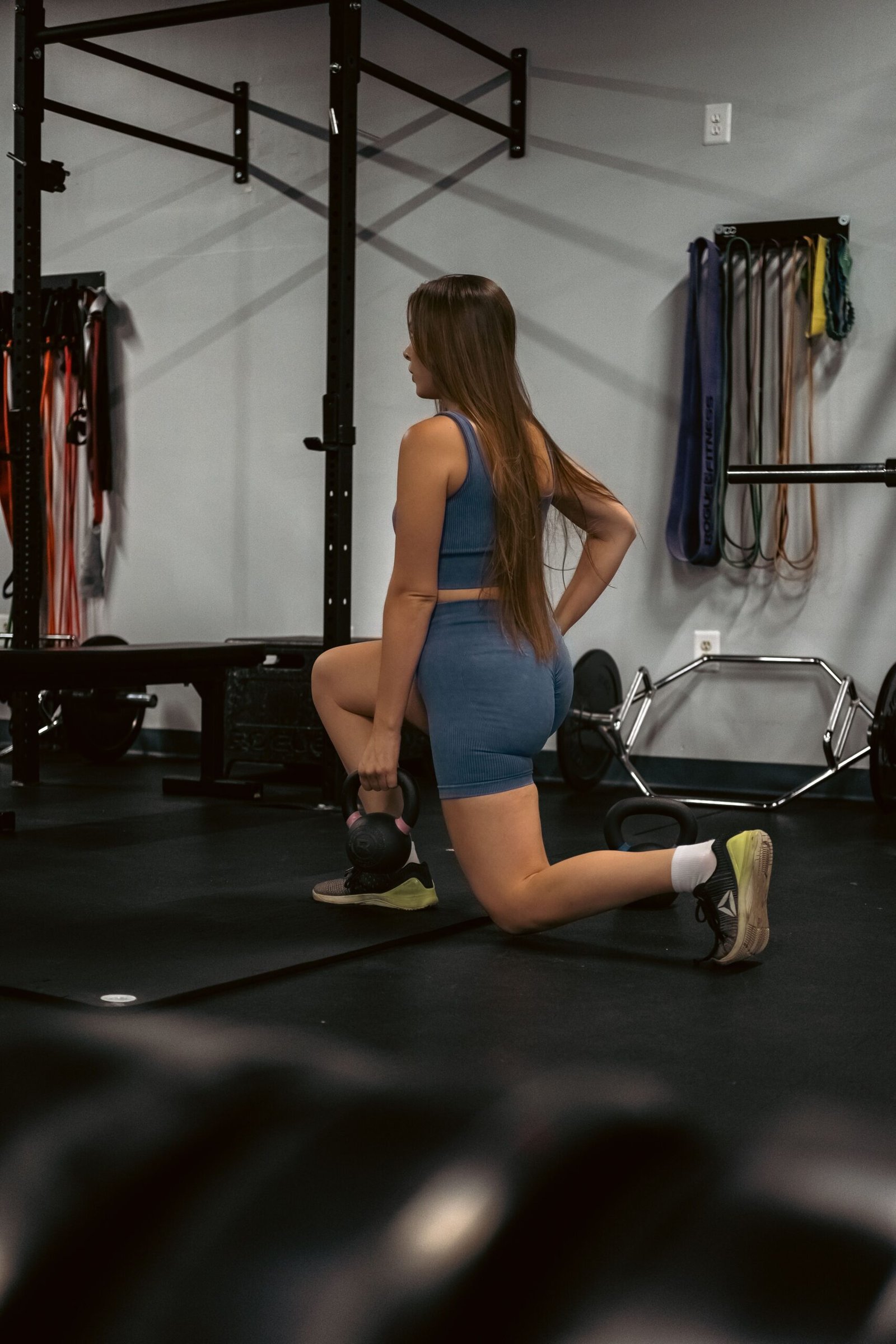
Every pedal stroke alternates effort between legs, yet cycling does not necessarily reveal how much each side can stabilize the hip and knee when working independently. Split squats, step-ups and reverse lunges provide a controlled way to train that skill. They also make relatively modest loads challenging, which is useful for riders who are new to the gym or have limited equipment.
Start with a split squat or step-up that allows a stable pelvis and a comfortable range of motion. Use two or three sets of six to ten repetitions per side. Keep the front foot planted, move smoothly and avoid pushing the trailing leg excessively to finish the repetition. Progress by increasing control, depth or load rather than by wobbling through more repetitions. If balance is the limiting factor, hold a rack upright or other secure support so the working leg can receive a meaningful training stimulus.
Unilateral training is not a magical correction for every left-right difference. Small asymmetries are common, and a rider may be stronger on one side without needing a special diagnosis. The value is that each leg gets a clear workload and the athlete can notice major technique differences. A bilateral squat or leg press remains useful for building overall force; single-leg work complements it instead of automatically replacing it.
For a cyclist whose hard ride falls the next morning, heavy split squats to failure are a poor choice. The exercise is effective precisely because it can produce fatigue and soreness. Place the challenging sets where they will not undermine the riding sessions that matter most.

Cardio Shirts & Workout Gear
Cardio and conditioning gym gear for runners, endurance athletes and anyone who earns the sweat.

Cardio Is Calling You , Meme Top Answer Or Decline? T-Shirt
Make gym days more fun with “Cardio Is Calling You” style.

Shirt – Cardio Is Hardio – & Gymbros T-Shirt
Show some cardio attitude with a playful “Cardio is Hardio” tee.

Jump Rope Cardio Tee
Rep “Jump Rope Cardio Van Halen Rock Music” humor in and out of the gym.

Iron Man Triathlon – Superhero Comic Book Swimming, T-Shirt
Show some superhero attitude with a playful “Iron Man Triathlon” tee.

Cardio Speed Superhero Treadmill Workouts Gymbro T-Shirt
Make gym days more fun with “Cardio Speed Superhero” style.

Anti Cycling Cycling Club – Ironic Cardio Meme & T-Shirt
Show some cardio attitude with a playful “Anti Cycling Cycling Club” tee.

Anti Running Club Tee
Heavy lifts, good laughs, and a little “Anti Running Running Club” energy.

Everything Hurts And I'M Tired Motivation Jumper T-Shirt
Add a playful “Everything Hurts And I'm Tired” touch to your casual rotation.

Cardio Kills Gains Shirt 'S Meme & Top T-Shirt
Rep “Cardio Kills Gains” humor in and out of the gym.

Anti Jump Rope Club Shirt Cardio Meme Top & Gymbros T-Shirt
Rep “Anti Jump Rope Club” humor in and out of the gym.
Train the posterior chain, not only the quads
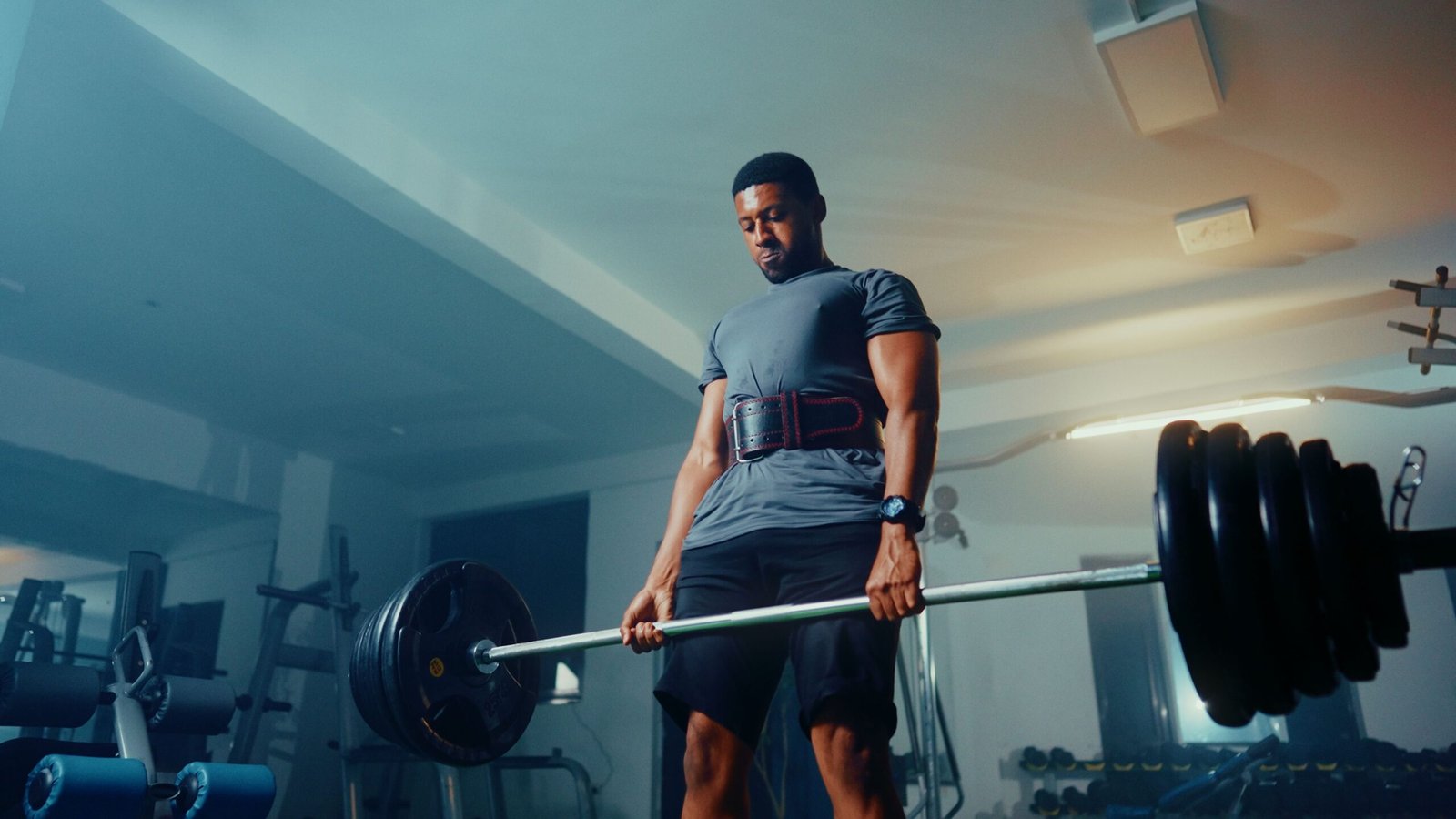
The quadriceps receive plenty of attention because they contribute strongly during the downstroke. But a cyclist also benefits from capable glutes, hamstrings and trunk extensors. These muscles help control the hips and support force production in demanding positions. They are not merely accessory muscles to be trained when there is extra time.
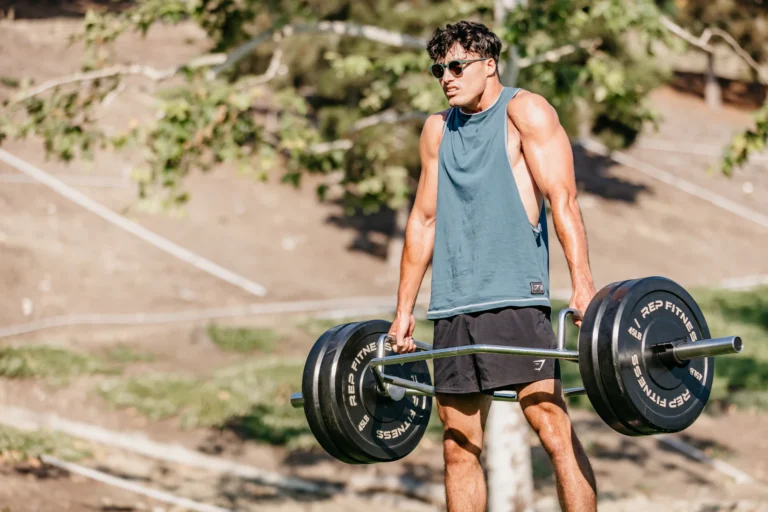
A Romanian deadlift is a practical starting point. With a soft knee bend, move the hips backward while keeping the load close to the legs, then stand tall by extending the hips. The movement should feel like a controlled hinge rather than a deep squat or a competition to touch the floor. Two or three sets of six to ten good repetitions can provide plenty of stimulus. A conventional deadlift or trap-bar deadlift is another option for experienced lifters, but neither is compulsory.
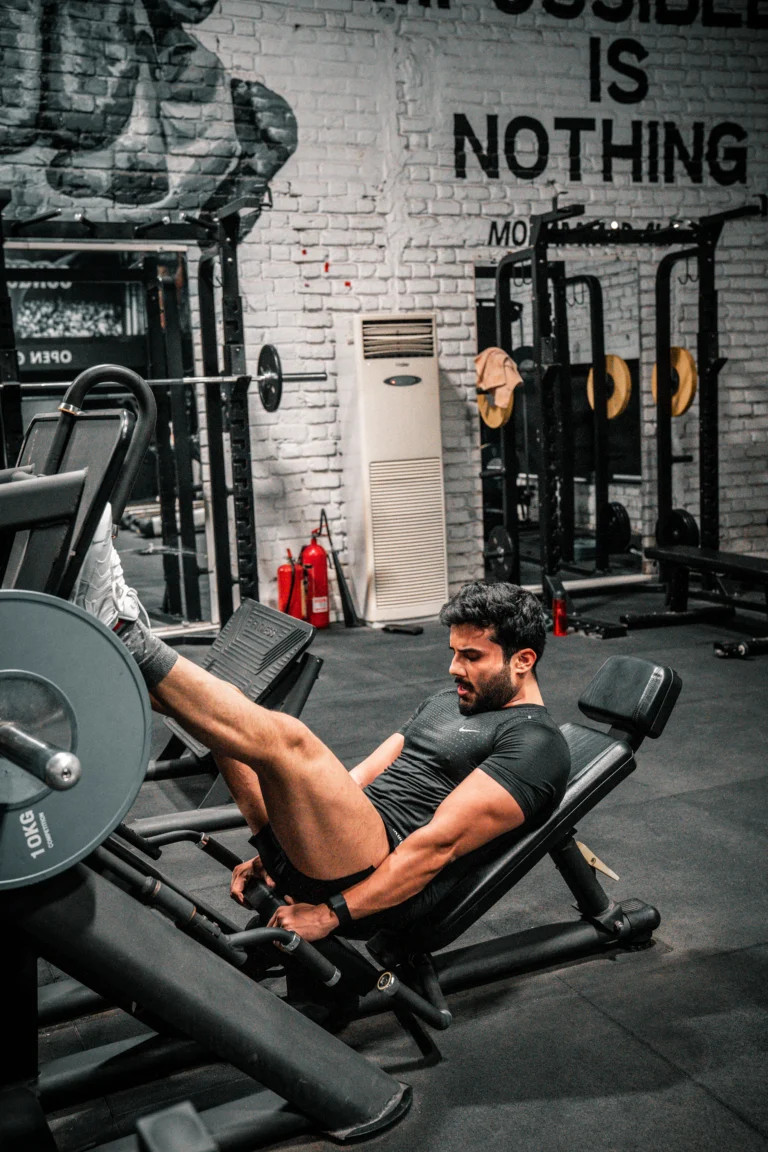
Pair the hinge with one knee-dominant exercise, such as a squat, step-up or leg press. This gives the session two complementary patterns without burying the rider in redundant volume. Calf raises can be included if lower-leg strength is a particular need, while a hamstring curl offers a knee-flexion stimulus that a hinge does not fully duplicate.
Exercise selection should follow the athlete’s tolerance and training history. A person returning from knee or back pain may need a lighter entry point or a different range of motion. Technique, consistent progression and manageable soreness matter more than whether the exercise looks impressive on a social feed.
Core stability and upper-body work earn a small place
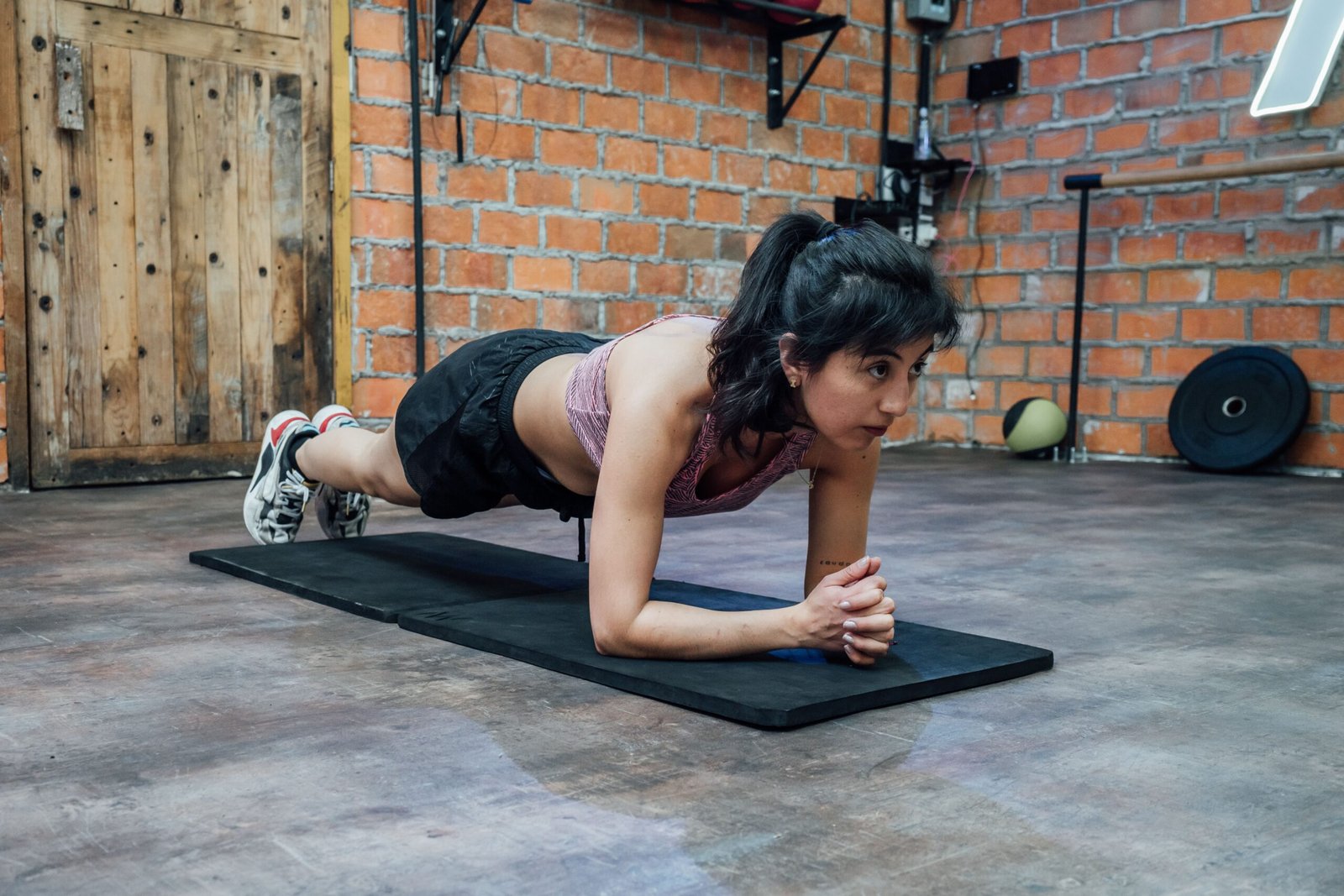
Core training for cyclists is not about performing hundreds of crunches. The more useful target is the ability to resist unnecessary movement while the legs produce force and the arms support the torso. Planks, side planks, dead bugs, bird dogs and anti-rotation presses all offer ways to practice that control without turning a gym day into an abdominal marathon.
Pick one anti-extension exercise and one anti-rotation or side-stability exercise. Two controlled sets each are often enough for a short session. A plank held with good breathing and a neutral torso is more valuable than a longer hold with sagging hips. For a cable anti-rotation press, keep the rib cage stacked over the pelvis and resist being twisted toward the weight stack. The goal is steady positioning, not moving the heaviest possible load.
Upper-body strength deserves some attention too. Rows help train the upper back, while a push-up or dumbbell press develops basic pushing strength. A cyclist who spends hours in a flexed riding position may appreciate better general strength and tolerance in the shoulders and trunk. That does not mean these exercises are proven cures for neck or lower-back pain; persistent symptoms can have multiple causes, including bike fit and training load.
Two upper-body exercises plus one or two trunk drills are enough to round out a lower-body-focused plan. If gym time is scarce, prioritize the movements that address a genuine gap rather than adding sets simply because a workout looks more complete on paper.
Equipment Worth Exploring
Explore equipment, accessories and gear from our carefully selected range.
VOLTRA
Compact digital cable trainer with smooth, adjustable resistance.

Go-Tone Pro
Portable digital cable trainer with up to 66 lb (30 kg) of adjustable resistance.


Belt Squat Collar
Heavy-duty collar adapter for compatible belt-squat and landmine bar setups.

Safety Squat Handles
Barbell squat handles that reduce shoulder positioning demands during high-bar squats.


Schedule the gym around the rides that matter
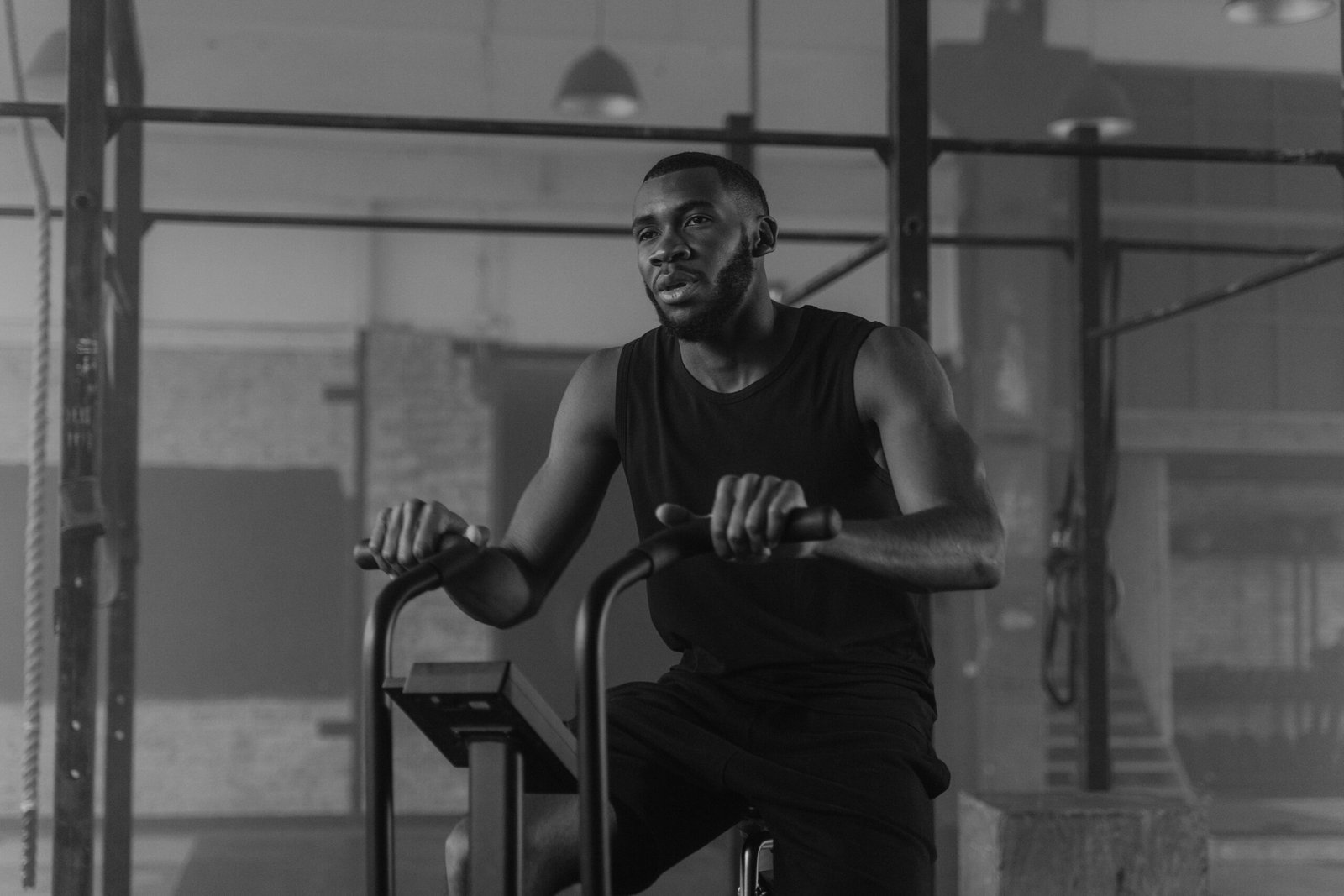
The best strength plan is the one that does not sabotage the cycling plan. For a recreational rider, two nonconsecutive gym sessions per week can be a sensible starting point. Competitive cyclists may use more gym volume in the off-season, then reduce it as racing and hard bike sessions become more important. The exact schedule should reflect the athlete’s current training load rather than a universal rule.
A useful priority system is to protect the key ride first. Avoid introducing a heavy lower-body session immediately before a race, maximal intervals or a demanding climbing workout. When both lifting and cycling happen on one day, separate them when possible and put the session most important to the current goal first. If fatigue is accumulating, reduce accessory sets before cutting the essential riding work.
For example, a rider with hard intervals on Tuesday and Saturday could lift after Tuesday’s intervals or on Wednesday if the legs tolerate it, then use a second lighter session on Thursday. Another rider might lift on Monday and Thursday while riding easily the following days. Neither calendar is inherently superior. The feedback is in how the legs feel during important rides, whether power and technique remain stable, and whether sleep and appetite suggest recovery is keeping pace.
New lifters should expect some soreness during the first weeks. Start with fewer sets and avoid failure; add load only after the movements feel familiar. As the race season approaches, maintaining strength with a small dose may be more useful than trying to set personal records in the gym.
Leg Day Shirts & Workout Gear
Leg-day gym shirts and workout gear for lifters who never skip squats, lunges and lower-body punishment.

I Love Squats Meme Shirt Valentine'S Day Leg Day T-Shirt
Make gym days more fun with “I Love Squats” style.

Deadlift And Chill – & Top T-Shirt
Heavy lifts, good laughs, and a little “Deadlift and Chill” energy.

Shirt – Legday Of Legends Gymbros, & Meme Lovers T-Shirt
Show some gaming attitude with a playful “Legday of Legends” tee.

Thundersquat – AC/DC Rock Music , Gymbro & Meme Top T-Shirt
Heavy lifts, good laughs, and a little “Thundersquat” energy.

4 Plates Squat Club Meme & Ultimate T-Shirt
Show some leg-day attitude with a playful “4 Plates Squat Club” tee.

3 Plates Deadlift Club – Motivational T-Shirt
Make gym days more fun with “3 Plates Deadlift Club” style.

Big Booty Energy Glute Builders Meme Hoodie
Keep it laid-back with a little “Big Booty Energy” attitude.

Thicc AF Booty Lovers & Glute Gains Meme Athletic Tank Top
Train hard, laugh a little, and rep “Thicc AF”.

Big Heart Bigger Ass Sweater & Leg Day Meme T-Shirt
Bring “Big Heart Bigger Ass” humor to your everyday gym style.

Let It Grow Booty Builder Decal Hip Thrust Meme Sticker
Bring “Let It Grow” attitude to your water bottle or laptop.
Two simple strength sessions for cyclists
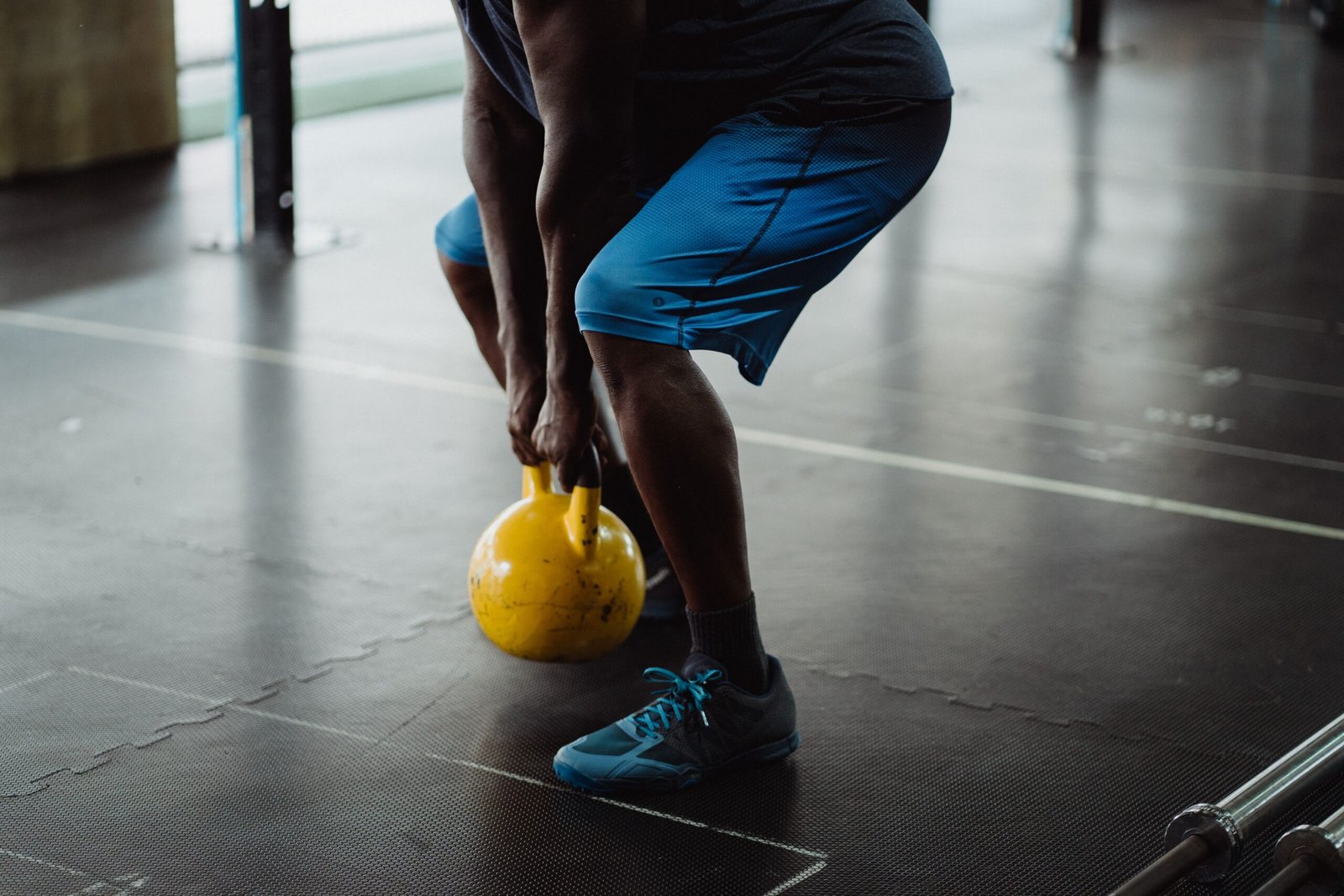
Here is a practical starting template for someone who already rides regularly but is relatively new to structured lifting. Begin each session with five to ten minutes of easy movement and a few progressively harder warm-up sets for the first lift. Use loads that leave roughly two or three technically clean repetitions in reserve. Rest long enough to repeat the intended quality—usually about two minutes for major lifts and somewhat less for lighter accessories.
Session A — force and single-leg control: squat or leg press, three sets of five to eight; supported split squat, two sets of eight per leg; Romanian deadlift, two sets of eight; cable or dumbbell row, two sets of eight to twelve; side plank, two controlled holds per side. Keep the squat challenging but never grind through repetitions that alter your movement.
Session B — hip strength and stability: trap-bar deadlift or an accessible hinge variation, three sets of five to eight; step-up or reverse lunge, two sets of eight per leg; calf raise, two sets of ten to fifteen; push-up or dumbbell press, two sets of eight to twelve; anti-rotation press, two sets of eight to twelve per side. The exercise order can change if a different lift is the main priority.
Progress one variable at a time. When every set reaches the top of its repetition range with good control and the planned effort, increase the load modestly next time. If a hard cycling week leaves the legs flat, keep the same weight or drop one set. After four to six weeks, compare not only gym numbers but also how the rider handles climbs, accelerations and the day after a hard session.
The objective is not to win the weight room at the expense of the road. It is to build strength that supports riding, with enough recovery to make both kinds of training productive.