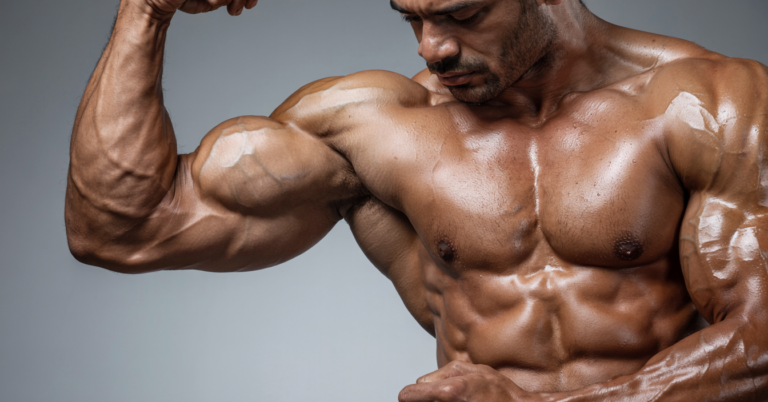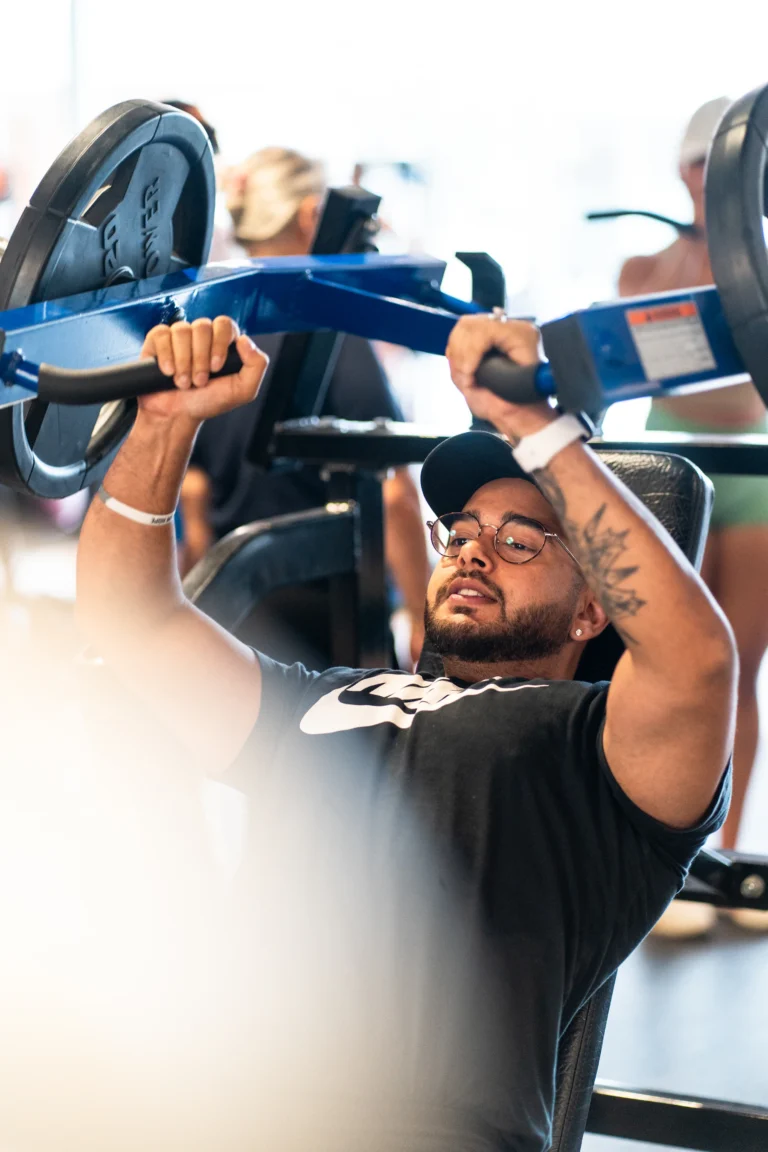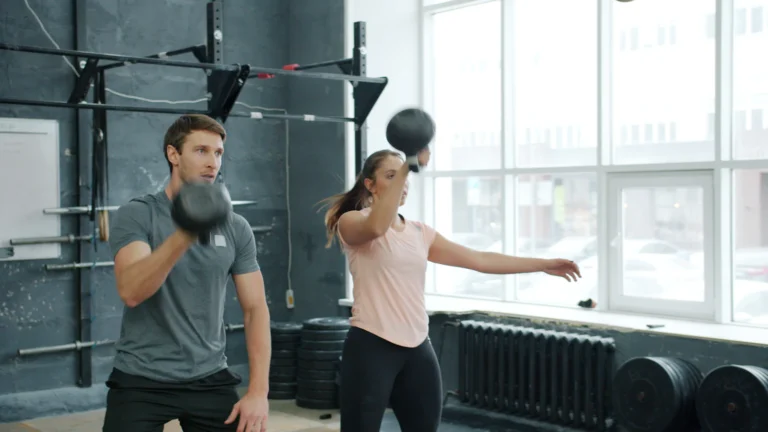
Does every set need to end with a rep you cannot finish? Many lifters equate muscle failure with serious effort, yet reaching that point is not the same thing as maximizing progress. A substantial 2026 review found that stopping short of failure produced comparable muscle growth and a small average advantage for dynamic strength. The finding is not a reason to coast through workouts. It is a reason to distinguish a challenging set from an unnecessarily exhausting one.
Here is how to interpret the evidence, estimate reps in reserve, decide where failure sets belong and build a practical plan that works in any properly equipped training environment.
What the 2026 evidence actually found
Training to failure sounds like a simple rule: continue a set until another complete repetition is impossible. But a harder set is not automatically a more productive set. A 2026 analysis brought together 20 randomized trials involving 556 healthy adults and compared resistance programs that stopped before failure with programs that pushed to failure. Its clearest difference concerned dynamic strength: the non-failure groups achieved a small average advantage, with a standardized effect of 0.24 and a 95% confidence interval from 0.06 to 0.42.
For muscle size, isometric strength, muscular endurance and power, the pooled comparisons did not establish a meaningful difference between approaches. That is not proof that every way of stopping early works equally well. Programs differed in exercises, training status, load, volume and how they defined failure. The analysis also found that these variables could influence the result. Still, it challenges the idea that every working set must finish with a failed repetition to produce adaptation.
The practical interpretation is narrower and more useful than either extreme. Reaching failure can be an option, particularly on stable isolation exercises, but it is not a universal requirement. What matters is combining challenging effort with enough repeatable, high-quality work over weeks and months.
Failure, technical failure and reps in reserve are different things
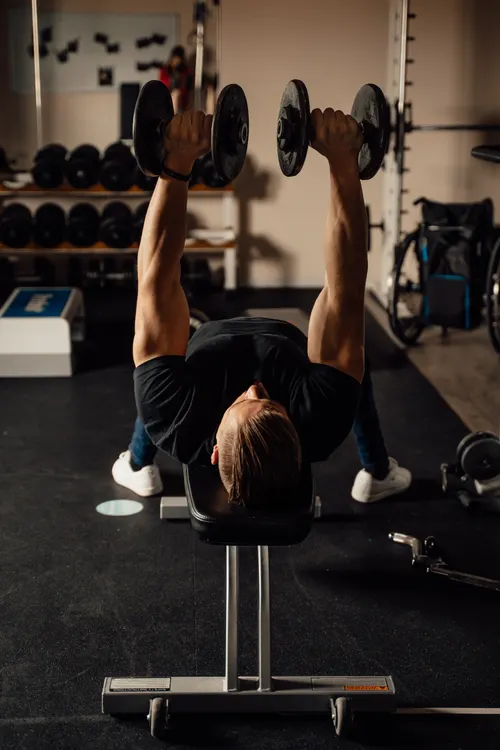
Before deciding how hard to train, define the stopping point. Momentary muscular failure means attempting another repetition with the intended technique and being unable to complete the concentric phase. Technical failure means you could perhaps move the load again, but only by losing the movement standard: hips rising out of position on a squat, excessive swinging on a curl or a shortened range of motion. These are not interchangeable outcomes.
Reps in reserve, usually shortened to RIR, is an estimate of how many more good repetitions you could have performed. A set stopped at two RIR should end when you believe two further controlled reps were possible. It is not an instruction to leave two sloppy repetitions on the table. RIR is also a skill. New lifters often misjudge their limits, while experienced lifters may estimate them more consistently in familiar exercises.
For a practical calibration, choose a relatively safe exercise such as a machine row or leg extension, perform a normal hard set, and occasionally continue until another strict repetition would be impossible. Compare the actual remaining reps with your estimate. Do not turn every calibration into a maximal-effort challenge, and do not attempt it on a technically demanding lift without appropriate safety arrangements.

Powerlifting Shirts & Lifting Gear
Powerlifting shirts and gym gear for squat, bench and deadlift lifters who live for heavy numbers.

Meme – "Shhh I'M Doing Plate Math" Vest & Tank Top
Train hard, laugh a little, and rep “"Shhh I'm Doing Plate Math"”.

Squats Leg Day Heavy Weights Meme – Essential Top T-Shirt
Bring “Squats Leg Day Heavy Weights” humor to your next gym day.

4 Plates Squat Club Meme Shirt Motivational Leg Day T-Shirt
Make gym days more fun with “4 Plates Squat Club” style.

Squat Bench Deadlift Pet Dogs – Meme Shirt T-Shirt
Rep “Squat Bench Deadlift Pet Dogs” humor in and out of the gym.

We Choose To Lift These Weights Not Because They Are T-Shirt
Show some powerlifting attitude with a playful “We Choose To Lift These Weights Not Because” tee.

Be Happy Lift Heavy – Motivational & Gymbros – Meme T-Shirt
Make gym days more fun with “Be Happy Lift” style.

Praise The Deadlift Holy Lifting Meme Fans Tank Top
Add some deadlift attitude to training with “Praise The Deadlift”.

Weights & Protein Shakes Tee
Bring “Heavy Weights and Protein Shakes” humor to your next gym day.

Installing Muscles Meme – Motivation Decal Bros & Sticker
A fun “Installing Muscles” touch for bottles, laptops, and lockers.

Lift Eat Repeat Weightlifting & Hooded Hoodie
Keep it laid-back with a little “Lift Eat Repeat” attitude.
Why stopping short can help maximal strength
Heavy strength work rewards precise, repeatable movement. A squat or bench set performed with one or two good repetitions remaining can expose the body to substantial load without the same end-of-set breakdown that often accompanies all-out effort. This may preserve bar speed, coordination and the quality of subsequent sets. If your goal is to lift more weight in a particular movement, practicing that movement well is part of the adaptation.
There is also a fatigue budget. Grinding the final rep of every heavy set may reduce how much useful work you can perform afterward, especially across multiple compound exercises in one session. The 2026 pooled finding does not show that failure is harmful in every situation; it suggests that avoiding it can be at least as effective and may offer a modest strength advantage. Earlier controlled comparisons also found similar overall strength outcomes, with some analyses favoring non-failure when total training volume was not matched.
Consider two squat sessions. In the first, you attempt three sets of eight and repeatedly reach a point where your form changes to survive the final rep. In the second, you stop at six or seven crisp reps with the same load, then perform the remaining sets with stable depth and bracing. The second session may provide a more reliable training stimulus, even if no individual set feels quite as dramatic.

Equipment Worth Exploring
Explore equipment, accessories and gear from our carefully selected range.


FID Bench MAX
Adjustable bench offering flat, incline, and decline positions + adjustable headrest.


Muscle growth is about sufficient stimulus, not ritual exhaustion
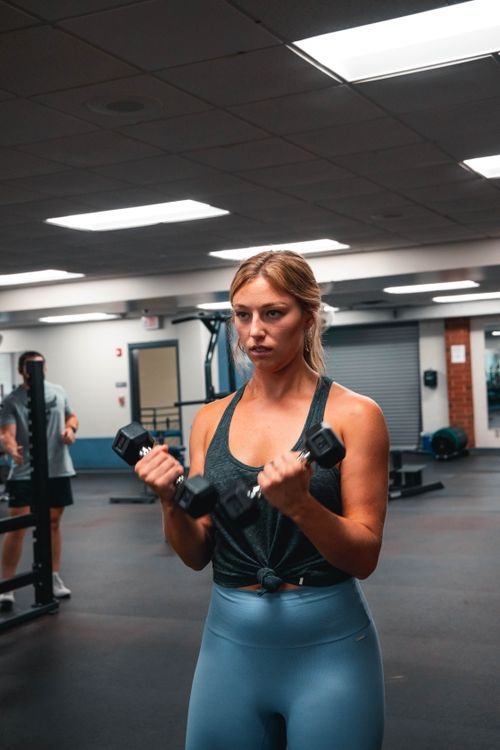
Hypertrophy requires progressive resistance training, but the evidence does not support a rule that every set must end in absolute failure. Earlier pooled research comparing failure with non-failure generally found similar muscle-growth outcomes. Some subgroups of trained lifters showed a small possible benefit from failure, yet definitions of failure and the amount of work performed differed. That uncertainty matters when turning a group average into advice for one person.
Stopping extremely far from failure is a different question. Ten easy reps with a load you could lift thirty times may provide too little challenge unless there is a deliberate reason for the light effort. A productive hypertrophy set usually feels meaningfully hard by the end, but the exact distance from failure can vary by load, exercise and how much total work is planned. The sensible middle ground for many working sets is to approach failure without needing to demonstrate it every time.
Training volume complicates comparisons. If going to failure forces you to reduce later sets, total quality work may fall. If you stop slightly early and maintain better performance across the session, you may accumulate a similar or greater stimulus. Rather than obsess over the final rep, track whether your muscles are receiving enough hard sets, whether technique remains consistent and whether performance improves over time.
When an occasional failure set can make sense
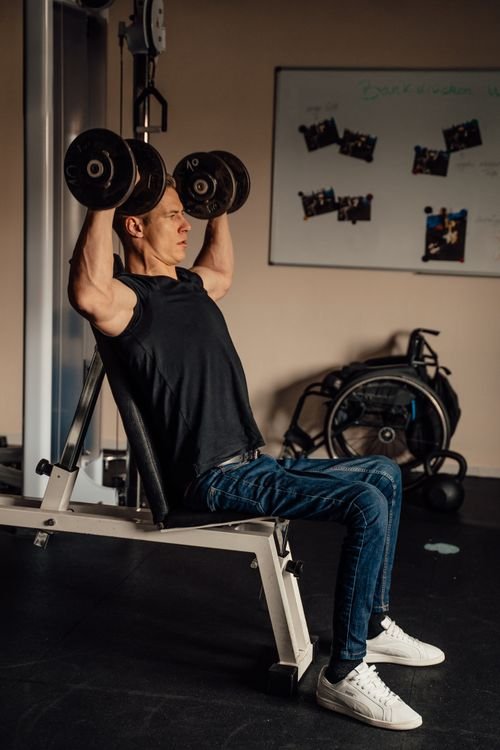
Failure is not forbidden. It can be a useful way to learn what genuine effort feels like, especially on an exercise with a predictable movement path and low consequences if the next rep does not move. A seated cable curl, lateral raise, leg extension or machine chest press may be a more practical place to experiment than a heavy free-weight squat. Even there, the equipment must be set up safely and the lifter should know how to end the set.
There is a distinction between using failure strategically and treating it as a badge of effort. On the final set of an isolation exercise, going to technical failure may be a reasonable choice when recovery is good and the next session is not compromised. On the first set of a long compound workout, the same choice may be counterproductive because fatigue can spill into everything that follows.
Failure can also change the character of a workout. Some people enjoy the clear endpoint, while others find repeated maximal-effort sets mentally draining. Neither feeling is a physiological guarantee. Use failure as a tool with a purpose, not as a substitute for load progression, adequate rest or a coherent training plan.
Bodybuilding Shirts & Workout Gear
Bodybuilding shirts, tanks and gym gear for lifters chasing muscle, size, symmetry and the pump.

The Only Difference Between Good And Great Is One T-Shirt
Bring “The Only Difference Between Good And Great” humor to your next gym day.

Ask What Your Muscles Can Do Tee
Heavy lifts, good laughs, and a little “Ask Not What Your Muscles Can Do For You” energy.

Safety Practice Safe Sets Vest Weightlifting Tank Top
Bring “Gym Safety” humor to your next lifting session.

Everything Hurts And I'M Tired Motivation Vest Tank Top
Your gym-day look, with a playful “Everything Hurts And I'm Tired” twist.

Shirt – Muscle Inflation Graph Gymbro Meme Top & T-Shirt
Heavy lifts, good laughs, and a little “Muscle Inflation Graph” energy.

Iron Is My Therapy – Gymbro Meme , & Gains Top T-Shirt
Bring “Iron Is My Therapy” humor to your next gym day.

Feel The Burn – Muscles On Fire & Gymbro Top T-Shirt
Bring “Feel The Burn” humor to your next gym day.

Dino Sore Dinosaur Sweater & Sore Muscles Meme T-Shirt
Add a playful “Dino Sore” touch to your casual rotation.

Gainsonomics Shirt: Bro Science Muscle Graph T-Shirt
Rep “Gainsonomics” humor in and out of the gym.

No Reps No Glory Viking – Norse & Gymbros – Top T-Shirt
Heavy lifts, good laughs, and a little “No Reps No Glory Viking” energy.
A practical RIR plan for squats, presses, rows and curls
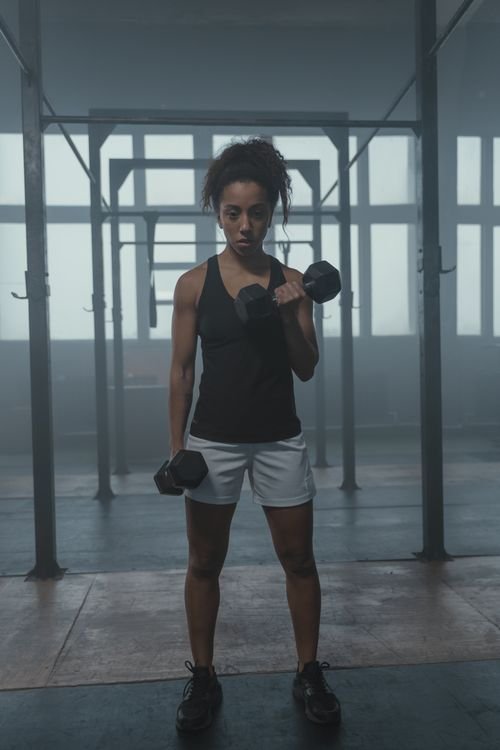
Start with the exercises that are hardest to perform safely when fatigued. For squats, deadlifts and heavy presses, aim for roughly two to three reps in reserve on most ordinary work sets. This is a coaching starting point, not a number proven optimal for everyone. If the load is heavy, the day is stressful or technique begins to change, stop sooner. A reliable spotter and safety equipment remain important for lifts where a missed repetition carries risk.
For supported rows, machine presses and similar controlled movements, one to three reps in reserve is often practical. For smaller isolation work, such as curls or lateral raises, you can sometimes finish the final set at zero to one RIR without creating the same whole-body disruption. Keep the movement strict. A cheat rep that changes the exercise is not the same as an additional productive repetition.
Here is one example for a four-exercise session: squat for three sets of five at two RIR; bench press for three sets of six at two RIR; supported row for three sets of eight to twelve at one or two RIR; and cable curl for two sets of ten to fifteen, with the final set optionally approaching technical failure. Rest enough between sets to maintain the intended output. If you cannot estimate RIR confidently, use a conservative load and prioritize repeatable technique until your judgment improves.
On a particularly demanding week, increase the margin from failure rather than forcing a record. On a well-recovered week, progress load or reps within the planned range before adding more failure sets. This makes effort a variable you control instead of an automatic escalation.
Equipment Worth Exploring
Explore equipment, accessories and gear from our carefully selected range.
VOLTRA
Compact digital cable trainer with smooth, adjustable resistance.

Go-Tone Pro
Portable digital cable trainer with up to 66 lb (30 kg) of adjustable resistance.


GymPin Ergo Handles
Pair of ergonomic cable handles shaped for comfortable triceps and pulling exercises.

Long Tricep ERGO Ropes
Extended triceps ropes with ergonomic grips for cable pressdowns and overhead extensions.



How to know whether your approach is working
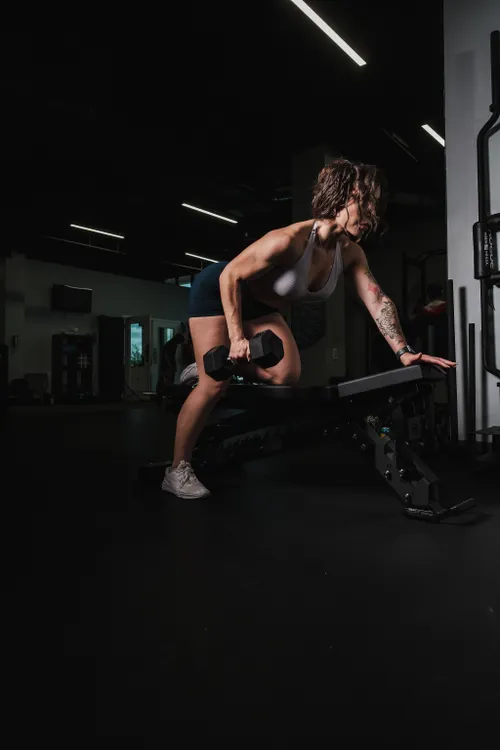
Judge a training method by trends, not by how wrecked you feel after one session. Record the exercise, load, repetitions, approximate RIR and any meaningful technique notes. Over several weeks, look for more reps at the same load and comparable effort, more weight for the same clean reps, or better control through the same range of motion. Those changes are more informative than whether your last repetition stalled.
Recovery supplies another signal. If soreness, declining performance and persistent fatigue make the next session worse, your failure frequency may be too high for the total workload. If you finish every set comfortably and progress has stopped, you may need to work closer to your actual limit, adjust volume or improve exercise selection. Avoid changing five variables at once: make one modest adjustment and reassess.
The 2026 evidence supports a flexible conclusion. Non-failure training can build strength and muscle effectively, with a small pooled advantage for dynamic strength and no demonstrated hypertrophy disadvantage. It does not identify a magical RIR for every lifter or eliminate the value of hard sets. Train close enough to failure to challenge the target muscles, but leave enough capacity to keep the rest of your training productive.