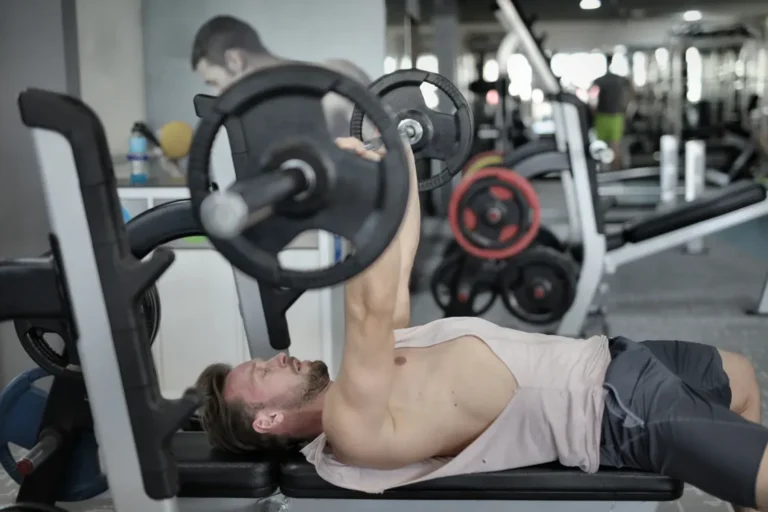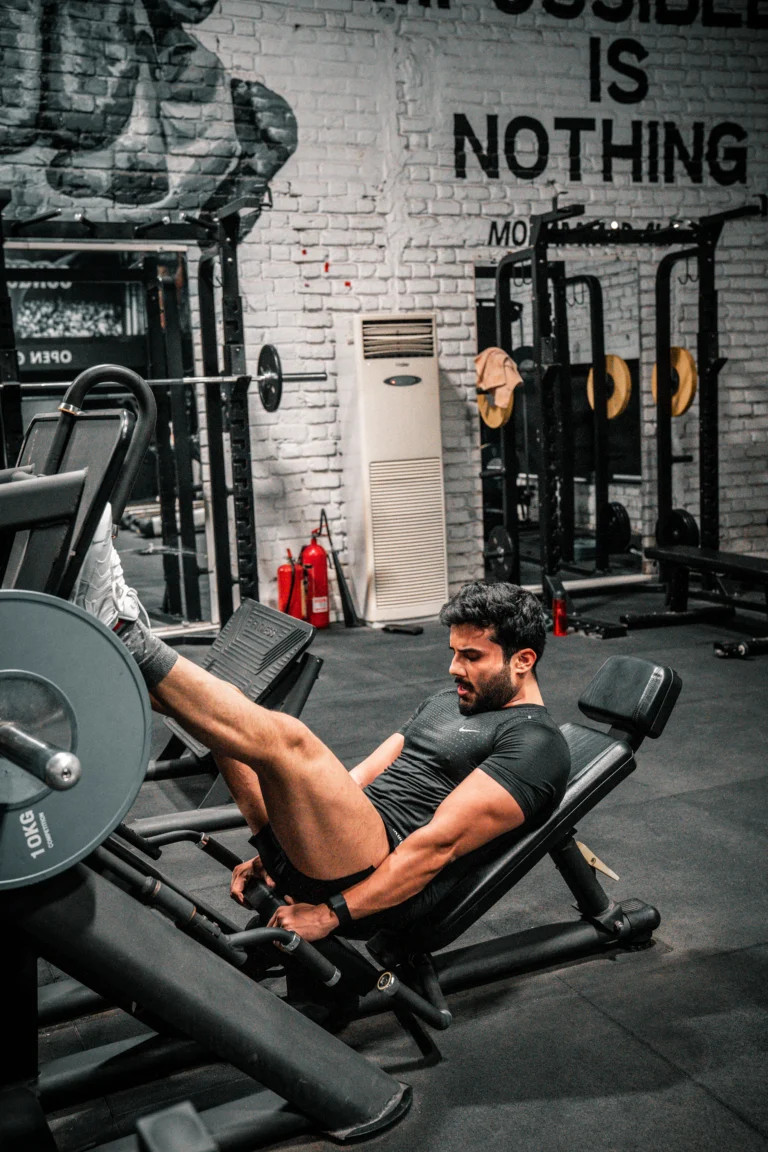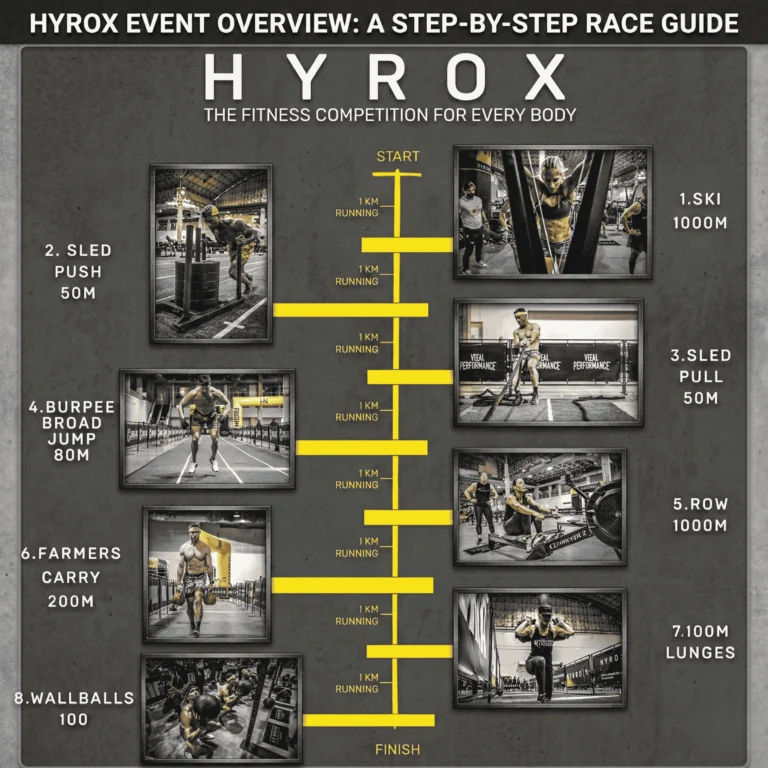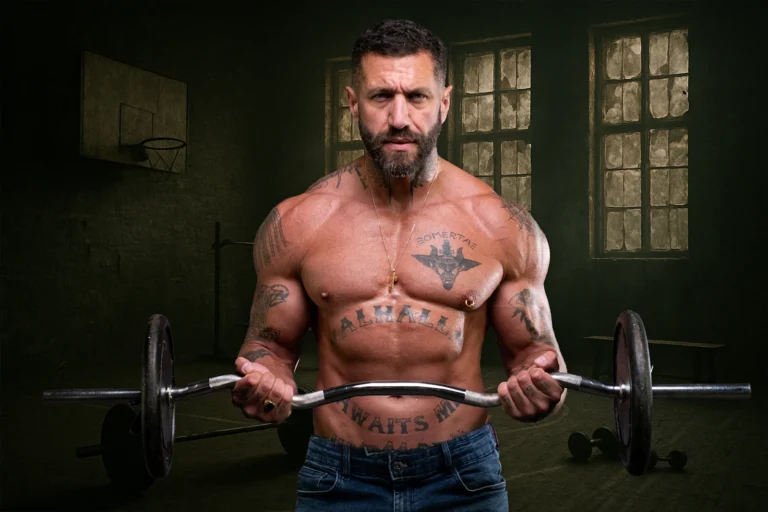
Does adding running or cycling to a lifting program steal your gains? The familiar warning that cardio “kills muscle” collapses several different questions into one. Muscle size, maximal strength, explosive power and aerobic fitness do not necessarily respond in the same way. The answer also depends on what the endurance session looks like, how much fatigue it creates and what you are trying to improve.
A 2026 synthesis drawing together 17 meta-analyses, 144 individual studies and 1,492 healthy participants offers a useful reality check. For recreationally trained people, combining strength and endurance work generally preserved muscle-growth and strength outcomes while improving aerobic fitness. That does not make session design irrelevant. It means the sensible starting point is to manage training priorities and recovery, not to treat every minute of cardio as an enemy.
What the 2026 evidence says about cardio and muscle growth
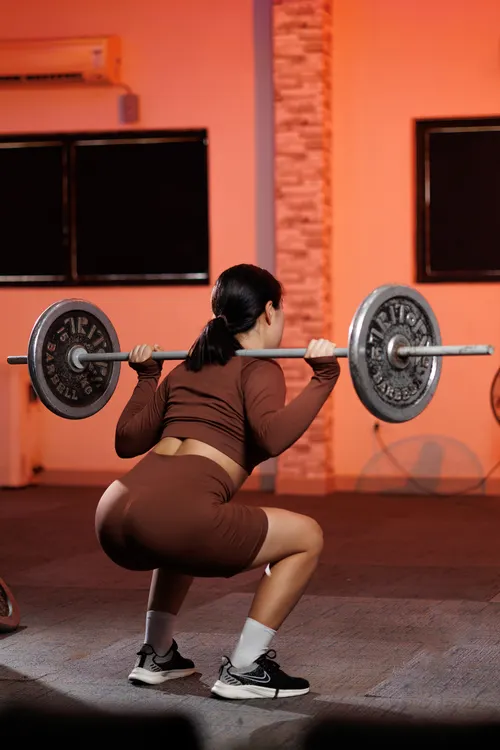
Concurrent training means deliberately developing endurance and resistance-training qualities within the same program. It might be two lifting sessions and two bike rides each week, or a shorter run added after weights. The key comparison is not whether endurance exercise burns energy; it is whether adding that work changes long-term adaptations relative to lifting alone.
The 2026 umbrella analysis combined 17 earlier meta-analyses covering 144 individual studies and 1,492 participants. Compared with resistance training alone, combined training produced better aerobic-capacity outcomes, while pooled strength, power and hypertrophy outcomes were broadly comparable. Compared with endurance training alone, the combined approach produced greater strength gains. This is encouraging for people who want both a stronger body and a more capable cardiovascular system.
There are important limits. The participants were healthy and the strongest conclusions concern recreationally trained populations; evidence in highly trained and elite athletes was thinner. Umbrella reviews also combine earlier syntheses that can share underlying studies, so their counts should not be read as 144 completely independent new experiments in every comparison. The most practical interpretation is that moderate, well-planned endurance work is usually compatible with building muscle—not that every training schedule, volume or intensity is equivalent.
Separate muscle size, maximal strength and explosive power
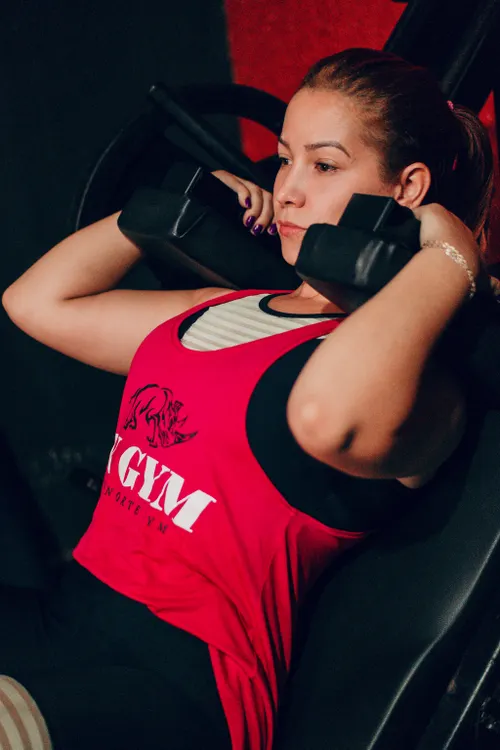
A bigger quadriceps, a heavier squat and a faster jump are related but different adaptations. Muscle growth reflects tissue changes over time. Maximal strength also depends on coordination and practice with heavy loads. Explosive power adds the challenge of producing force quickly, which makes it more sensitive to residual fatigue and the quality of high-speed repetitions.
An earlier synthesis of 43 studies found no meaningful average reduction in whole-muscle hypertrophy or maximal strength from adding aerobic training, but it did detect a small reduction in explosive-strength gains. That difference was more apparent when both modes were performed within the same session rather than separated by at least three hours. A separate analysis examining individual muscle fibers found a small, borderline negative effect on fiber growth, illustrating why a single “no interference” slogan oversimplifies the literature.
For a recreational lifter whose main goal is general muscle size and health, that distinction should be reassuring. For someone preparing for a vertical-jump test, sprint competition or a powerlifting meet, preserving fresh high-quality efforts becomes more important. Judge the program by the adaptation you actually care about: weekly productive lifting sets for hypertrophy, specific heavy practice for maximal strength, and crisp fast repetitions for power. Do not infer long-term muscle loss from feeling tired after a hard run.

Powerlifting Shirts & Lifting Gear
Powerlifting shirts and gym gear for squat, bench and deadlift lifters who live for heavy numbers.

Squat Bench Deads Shirt – Gains & Meme Top T-Shirt
Bring “Squat Bench Deads” humor to your next gym day.

Not Recommended Leg Day 1 Star Review Squats Hoodie
Bring “Not Recommended Leg Day” gym humor to lazy days and post-workout plans.

Deadlift Skull Pink Heavy Metal Crewneck for Powerlifti T-Shirt
Show some gym-day personality with “Deadlift Skull”.

Grim Reaper Deadlift Gym Tank Top
Your gym-day look, with a playful “Grim Reaper Deadlift” twist.

Barbell Heartbeat Decal for Water Bottles Laptops Power Sticker
Stick a little “Barbell Heartbeat” humor on your favorite gear.

Therapy Barbell – Lifting Bodybuilding Powerlifting Mem T-Shirt
Rep “Therapy Barbell” humor in and out of the gym.

Muscle Mommy Pink Barbell Plate Gym Girl Vest for Women Tank Top
Add some gym-girl attitude to training with “Muscle Mommy”.

Gym Iron Before Honor Medieval Knight for Heavy Lifters Hoodie
Show off your medieval humor in a laid-back “Iron Before Honor Medieval Knight” hoodie.

7 Plates Deadlift Club Meme Motivational T-Shirt
Rep “7 Plates Deadlift Club” humor in and out of the gym.
Heavy Metal Deadlift – Skeleton Gym Shirt for Powerlift T-Shirt
A t-shirt featuring the Heavy Metal Deadlift – Skeleton Gym Shirt for Powerlifters and Leg Day Lifters artwork, bringing lifting-inspired humor and distinctive gym graphics to your everyday gear.
Choose the endurance dose that your legs can recover from
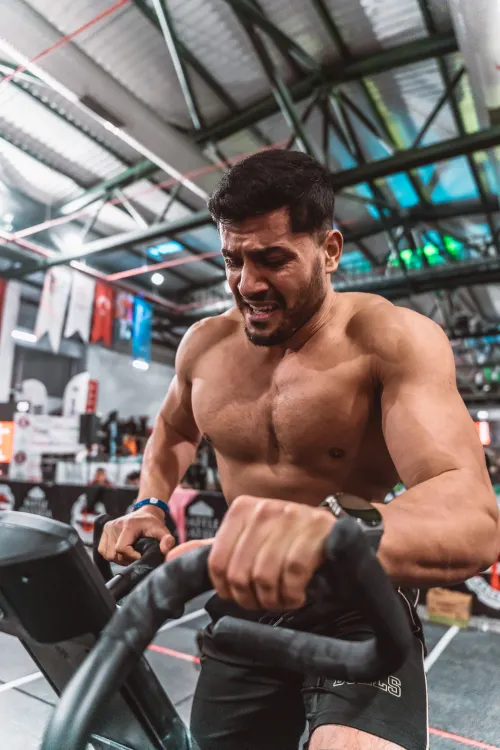
Cardio is not a single workload. Twenty minutes of easy cycling, a relaxed jog, hill sprints and a hard interval session differ enormously in local muscular fatigue, impact and recovery demands. Their effect on the next squat session is likely to differ as well. A useful first step is to decide how much endurance training you need for your actual goal instead of adding arbitrary mileage.
If muscle growth remains the priority, start with a manageable amount of low-to-moderate intensity aerobic work and protect your planned resistance-training volume. For example, two 20–30-minute easy sessions can be a reasonable programming experiment for a previously lift-focused adult, but they are not a universal research-prescribed threshold. Build gradually, monitor performance and adjust if leg soreness or lost repetitions persist. Someone training for a 10K race will need a different endurance dose from someone seeking basic cardiovascular fitness.
When selecting equipment, choose what you can perform consistently and safely. A stationary bike can deliver a controlled, low-impact aerobic session. Walking uphill or on a treadmill may be practical for another lifter. Jump rope, rowing and kettlebell circuits can be useful conditioning tools, but they are not interchangeable with easy aerobic work: grip, trunk, calves or lower-back fatigue may become the limiting factor. A tool is valuable only when its fatigue cost fits the rest of the week.

Equipment Worth Exploring
Explore equipment, accessories and gear from our carefully selected range.


FID Bench MAX
Adjustable bench offering flat, incline, and decline positions + adjustable headrest.


Go-Tone Pro
Portable digital cable trainer with up to 66 lb (30 kg) of adjustable resistance.
If lifting and cardio share a session, which should come first?

When both must happen on the same day, lead with the training quality you most want to improve. If the main goal is heavier squats, better pressing technique or productive hypertrophy sets, do the demanding lifting first. That keeps the technical and high-force work away from the fatigue generated by a lengthy endurance block. A short, gentle warm-up before lifting is a different matter: raising body temperature does not require exhausting your legs.
Longer-term comparisons of exercise order have generally found an advantage for resistance training before endurance training when lower-body dynamic strength is the outcome. The 2026 umbrella analysis did not establish a universal statistically clear sequence effect across every outcome, although its findings were directionally consistent with lifting first when strength matters. Muscle size and aerobic capacity showed less consistent sensitivity to order. This is a preference grounded in priorities, not a commandment that cardio-first workouts are worthless.
If running performance is the primary objective, reverse the logic for the key running session. A demanding interval workout deserves fresh legs too. When the calendar permits, place the two demanding modes in separate sessions or on separate days. Separating by several hours may help protect explosive performance, but the precise ideal gap is not settled for every population and training dose. When separation is impossible, reduce the secondary session’s intensity rather than sacrificing the quality of both.
Running, cycling and intervals: does the mode matter?

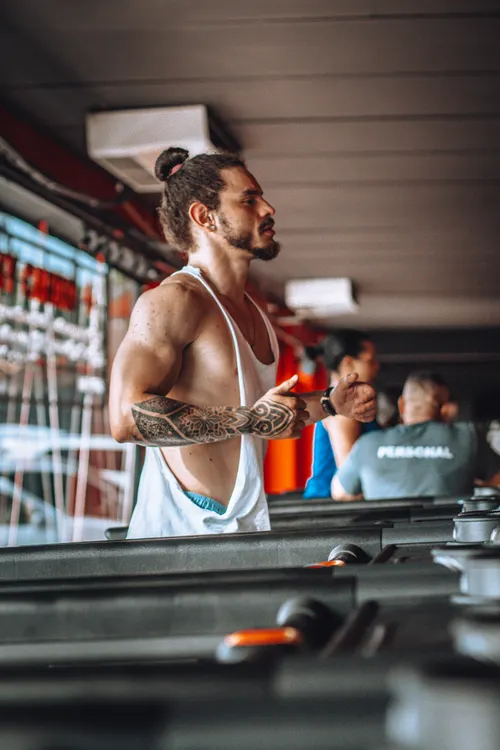
Running is weight-bearing and includes repeated impacts and eccentric loading. Cycling has a different movement pattern and typically less impact. Those differences matter for soreness, connective-tissue loading and how your legs feel during heavy squats, but they do not justify the simplistic claim that one mode always destroys muscle while the other is harmless.
A network analysis of 40 studies involving 841 participants compared several endurance formats combined with lifting. Its estimates varied by running or cycling and by interval or continuous training. Several differences were small and statistically uncertain, so its rankings should not be treated as a universal winner. Another synthesis found that running may interfere more than cycling with some type-I muscle-fiber growth measurements, while whole-muscle results were more reassuring. The outcomes, measurements and participant groups were not identical.
For a lifter who dislikes running and only wants better aerobic fitness, cycling can be an easy option to recover from. For a runner who also wants stronger legs, abandoning running is not sensible: the sport itself requires running practice. Instead, schedule the hardest runs away from heavy lower-body sessions where practical. Intervals can efficiently challenge cardiovascular fitness, but they may be disproportionately fatiguing when stacked onto an already demanding lifting week. Select the modality for the goal and the recoverable dose, not a single study ranking.
Cardio Shirts & Workout Gear
Cardio and conditioning gym gear for runners, endurance athletes and anyone who earns the sweat.


Cardio Heartbeat Hoodie
Show off your cardio humor in a laid-back “Cardio Heartbeat” hoodie.


Gym Dost Thou Even Pedal Medieval Knight Air Bike Parod Hoodie
Show off your medieval humor in a laid-back “Dost Thou Even Pedal Medieval Knight Air” hoodie.

Rowing – Dost Thou Even Row Medieval Knight Crewneck fo T-Shirt
Show some gym-day personality with “Rowing”.


Cardio Speed Flash Sweatshirt
Add a playful “Cardio Speed Flash” touch to your casual rotation.

Hybrid Athlete – Iron Man Medieval Triathlon Gym Shirt T-Shirt
Make gym days more fun with “Hybrid Athlete” style.

Anti Cycling Cycling Club – Ironic Cardio Meme & T-Shirt
Show some cardio attitude with a playful “Anti Cycling Cycling Club” tee.
Recovery is the real constraint: fatigue, food and sleep
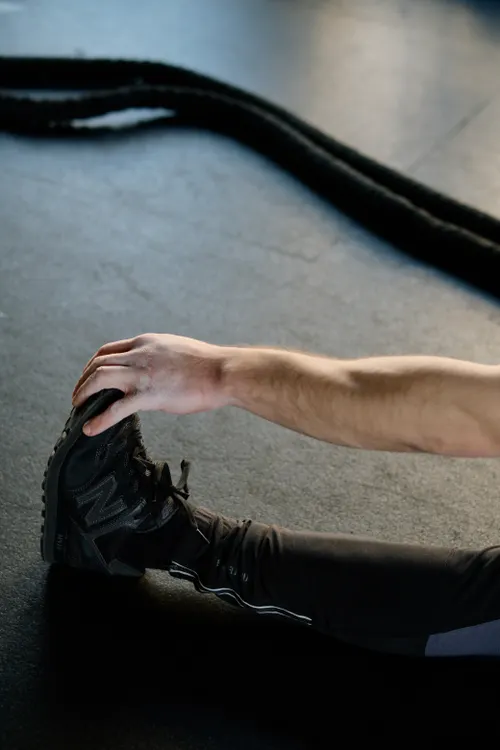
The clearest practical danger is often not a mysterious cellular signal that cancels hypertrophy. It is simply doing more work than you can recover from. Add three hard runs to an already high-volume leg program and you may arrive at the gym with sore calves, reduced motivation or lower training loads. The resulting loss of quality resistance-training work can plausibly slow progress, even if the average concurrent-training study finds little interference.
Track more than the scale. Keep a simple log of lifting loads, repetitions, perceived effort and session quality. Notice whether your key lower-body exercises repeatedly underperform after endurance sessions. Look for patterns across two or three weeks rather than blaming one unusually bad workout. Soreness alone is not proof of muscle damage severe enough to derail gains, and a transient decrease in performance is not evidence of lost muscle tissue.
Combined training also increases energy expenditure. If gaining muscle is the priority, ensure overall food intake supports training and recovery, and include sufficient protein rather than letting additional cardio create an unintended large calorie deficit. Sleep and schedule consistency matter just as much. When progress stalls, the first adjustment might be to make one interval workout easier, move a long run away from squats, or trim a few low-value accessory sets. Adding more complexity is rarely the only solution.
Equipment Worth Exploring
Explore equipment, accessories and gear from our carefully selected range.

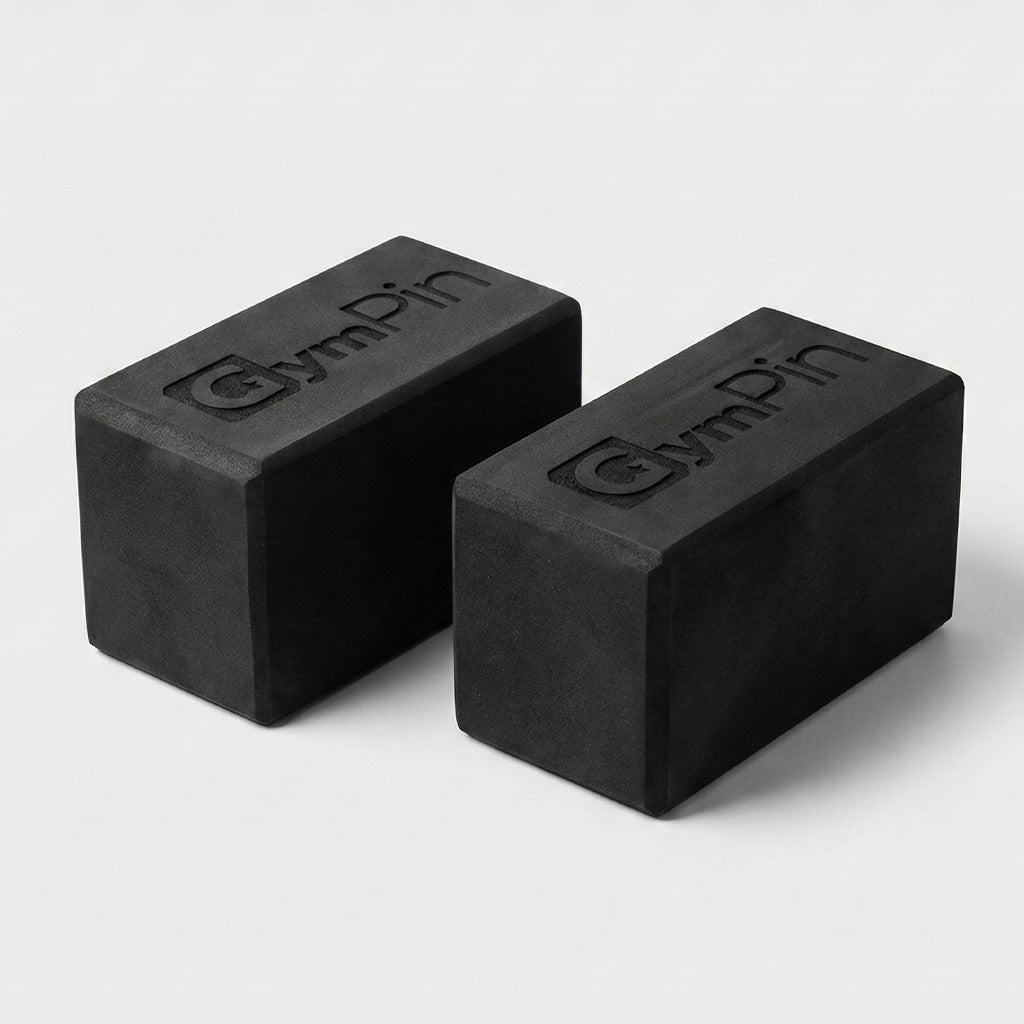
GymPin Starting Blocks
Portable high-density foam blocks for adjusting machine starting positions and range of motion.

VOLTRA
Compact digital cable trainer with smooth, adjustable resistance.

GymPin Squat Wedges
Non-slip 15-degree squat wedges help elevate the heels for deeper quad-focused squats.


GymPin D Cuffs
Adjustable wrist cuffs with textured grips for supported cable-machine exercises.


Leather Lifting Straps
Padded leather straps support grip during heavy rows, deadlifts and pulling exercises.
A practical week for lifters who want strength and endurance
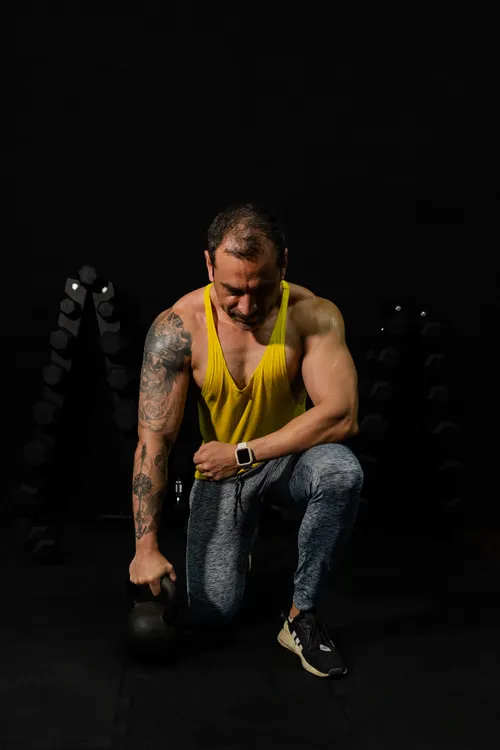
Consider a lifter whose main priority is muscle and strength, with aerobic fitness as an important secondary goal. One workable four-day template is Monday upper-body resistance training, Tuesday lower-body resistance training, Thursday upper-body resistance training plus an optional easy 15–20-minute bike ride, and Saturday lower-body resistance training. Add one separate easy aerobic session on Wednesday or Sunday if recovery and time permit. The exact days are flexible; what matters is protecting the demanding lifts and leaving enough recovery between hard leg sessions.
Another person may prefer three full-body sessions and two short aerobic sessions. In that arrangement, perform the heavy compound work before any same-session conditioning. If you are also preparing for a race, place your key endurance workout first in the weekly priority order and adjust the lifting load around it. A hard run and a heavy squat session do not need to compete for the same exhausted legs every time.
Start conservatively, then progress one variable at a time. Keep resistance-training exercises and weekly sets reasonably stable while adding aerobic minutes. After two to four weeks, review whether you are maintaining or improving your main lifts, whether endurance feels easier and whether your recovery remains predictable. If all three are moving in the right direction, there is little reason to fear cardio. If strength quality consistently falls, reduce endurance intensity, increase spacing or reconsider the total weekly workload. The bottom line is that effective hybrid training is a scheduling and recovery problem, not a choice between having muscles and having lungs.