Advertising disclosure: This page includes affiliate product links that may earn us a commission, as well as products from our own store.
A supplement label can make a complicated carbohydrate blend sound like the missing piece of a muscle-building plan. An eight-week trial offers a reason to look more closely. Separate its actual findings from formula marketing, compare what each serving contributes and judge the purchase alongside the food and training habits you can repeat.
What the carbohydrate–protein comparison found
A randomized, double-blind trial published on 25 October 2026 enrolled 36 untrained men aged 18–25. Thirty-three completed eight weeks of supervised resistance training and daily supplementation. The comparison involved two carbohydrate–protein mixtures and a maltodextrin-based carbohydrate control. All groups improved several measures of size and strength. The combined formulas performed better than the control on several muscular measures, but the findings did not establish a consistent overall winner between formulas.
One mixture produced greater increases in body mass and total muscle mass than the other. That pattern did not extend consistently to regional measurements, strength or blood biomarkers. Crucially, multiple ingredients differed, so the results cannot isolate carbohydrate molecular weight as the cause. A small novice trial also cannot tell an experienced bodybuilder exactly what will happen after switching powders. The correct conclusion is narrower than a claim that one premium carbohydrate builds more muscle.
For a buying decision, separate three questions. Does a serving help you meet your nutritional needs? Does a particular formula improve outcomes relative to a sensible alternative? Is any extra benefit worth the price and inconvenience? Evidence for the first question does not automatically answer the other two. A product can be convenient without being uniquely effective.
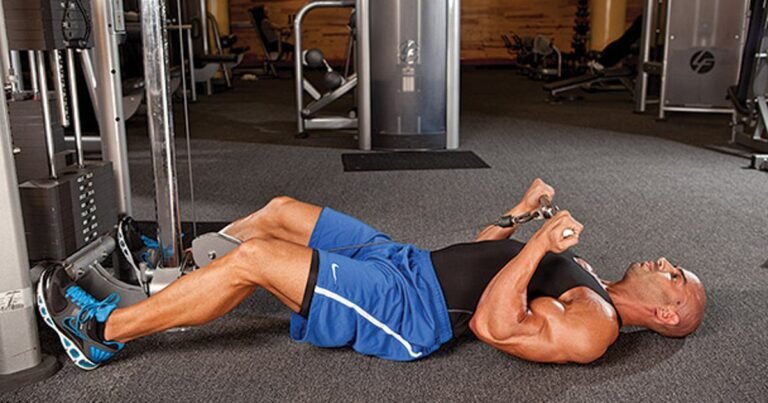
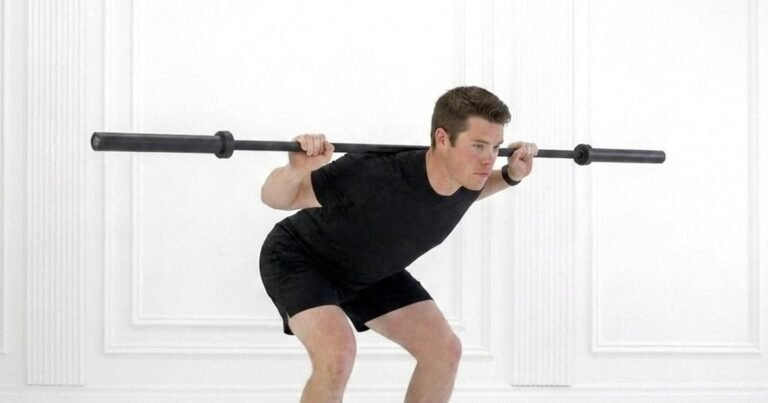
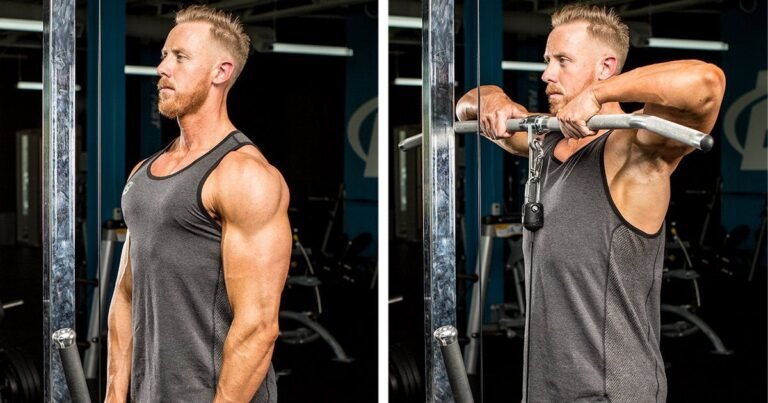
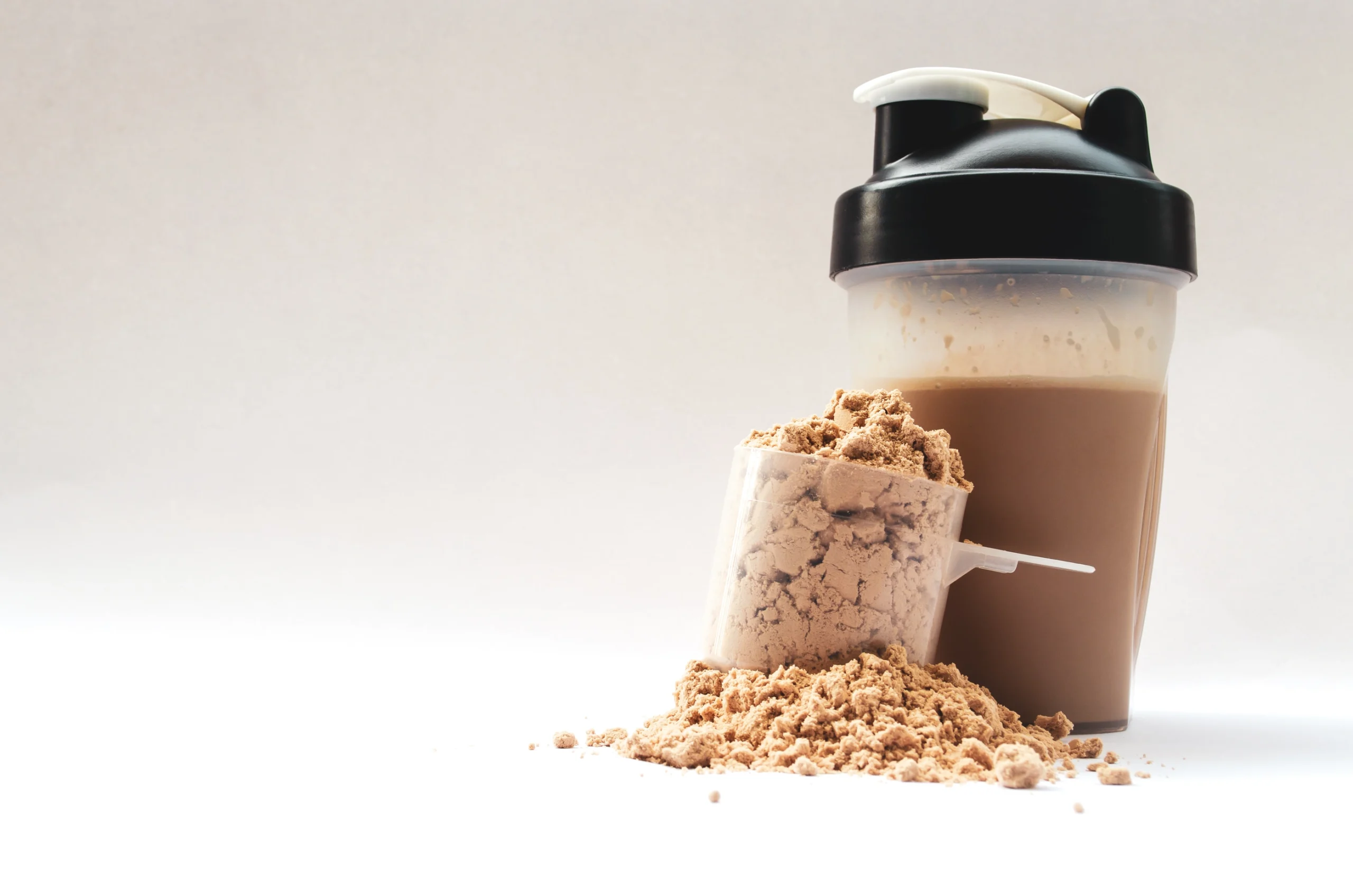
The photographs accompanying this guide illustrate ordinary supplementation, food and training. They do not show the study participants or identify the experimental products. Keep that distinction in mind whenever a dramatic gym image appears beside a research headline: it explains the setting, rather than providing another piece of experimental evidence.
Read the serving before the marketing term
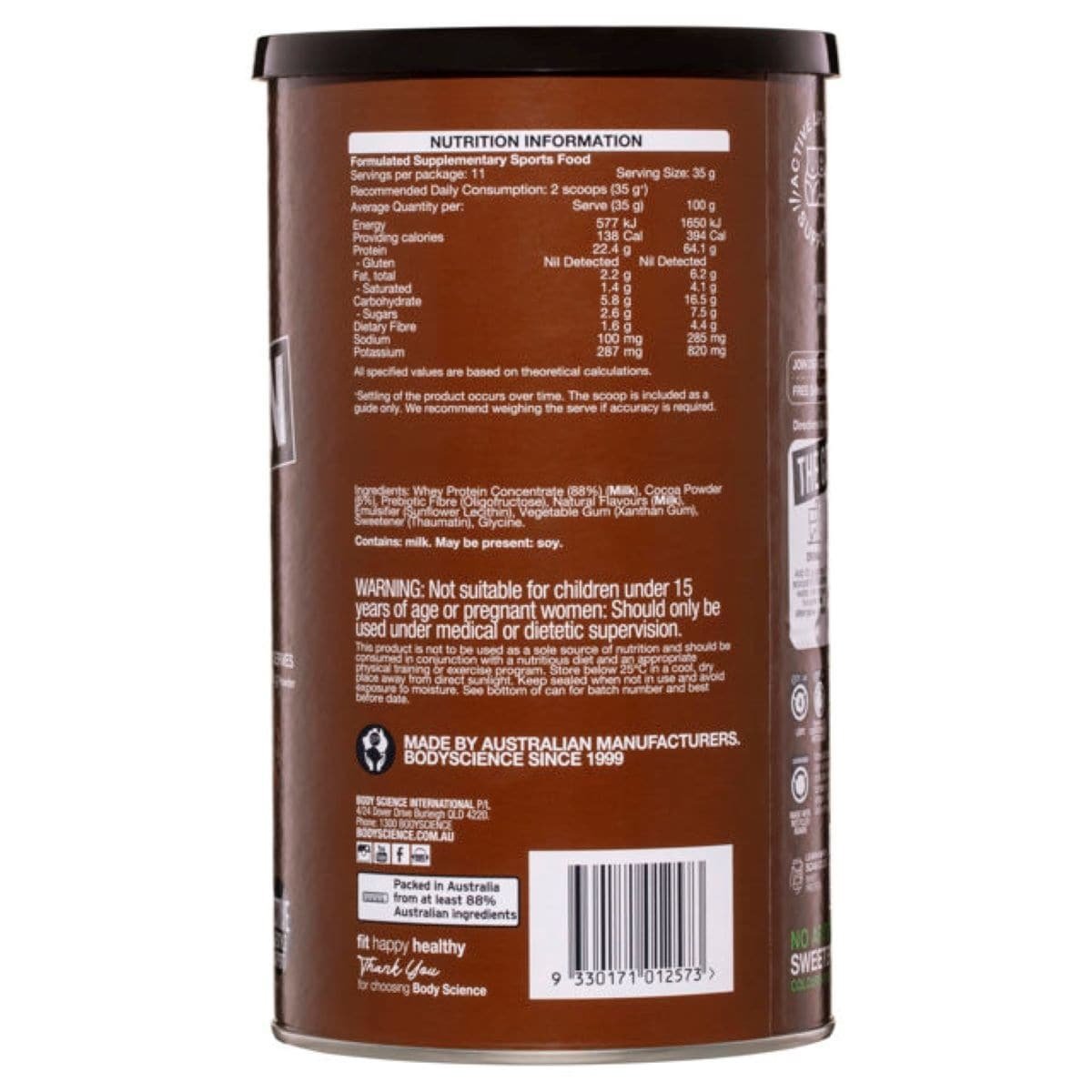
Start at the nutrition panel. Serving weight, protein, carbohydrate and total energy describe different things. A large scoop is not automatically a large protein dose, and a carbohydrate–protein blend is not interchangeable with a whey-only product. Check the values for the amount you actually plan to use rather than comparing front-of-pack numbers taken from different serving sizes.
Consider a deliberately hypothetical example. Product A supplies 20 grams of protein in a 30-gram serving; Product B supplies 20 grams in a 60-gram serving with additional carbohydrate. They deliver the same listed protein amount while adding different amounts of other ingredients and energy. Neither is automatically the better choice. The useful question is which fits the rest of the day's meals and your intended energy intake.
Most healthy exercising adults can meet their muscle-building protein needs within roughly 1.4–2.0 grams per kilogram of body weight daily. That is a general reference range, not a personal prescription or proof that everyone benefits from its upper end. For an illustrative 80-kilogram adult, the arithmetic gives 112–160 grams across the day. Food and supplements both count toward that total.
Next read the ingredient list and allergen information. Products that share a headline ingredient may differ in protein source, sweeteners and other additions. Record the exact product and serving when comparing experiences. If a supplement replaces an existing snack, compare the replacement with that snack; if it is added on top, include its energy in your daily total. Those are materially different changes.
To compare value, calculate the cost of the amount you need rather than the price of the tub. If an illustrative serving costs one euro and contains 20 grams of protein, doubling it costs two euros and doubles the other listed nutrients too. A cheaper advertised scoop can become the more expensive choice when you normalize the quantities.

Equipment Worth Exploring
Explore equipment, accessories and gear from our carefully selected range.


FID Bench MAX
Adjustable bench offering flat, incline, and decline positions + adjustable headrest.


Competition Plates
Competition-style bumper plates for Olympic lifts and loaded strength training.

Rubber Hex Dumbbells
Rubber-coated hex dumbbell pairs with a stable shape for home and commercial strength training.

Multi Bench MBX-650 2.0
Adjustable multi-bench with roller adjustment, 15 backrest positions and accessory mounts.
Keep the resistance-training stimulus visible
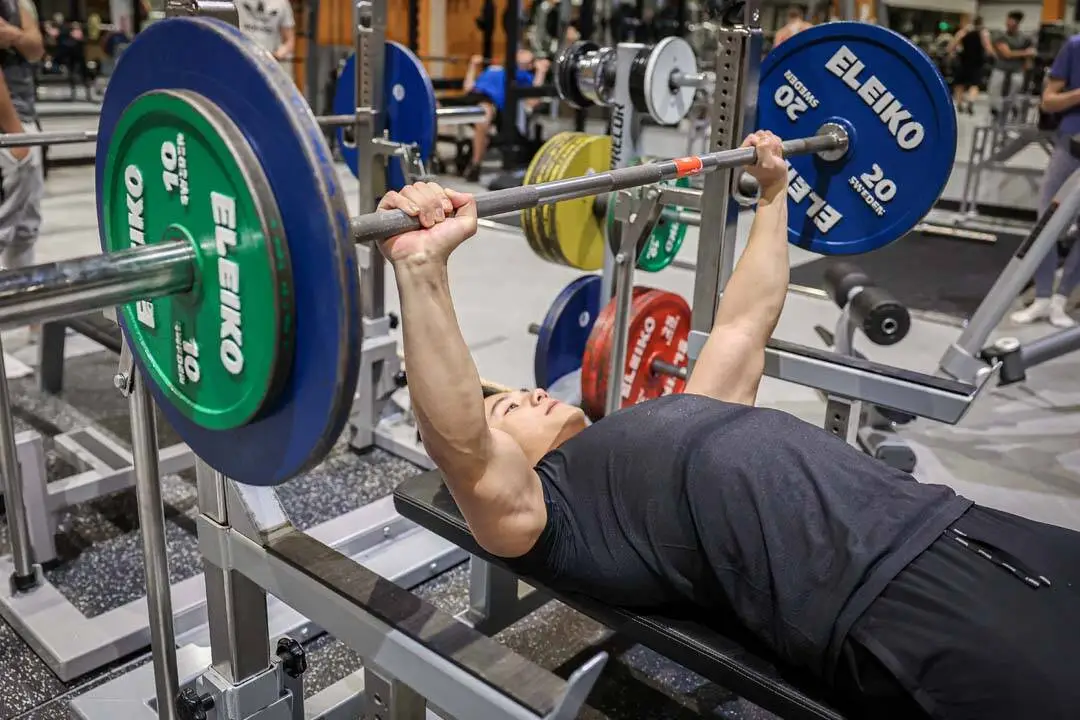
A supplement comparison makes sense only alongside the training that creates the demand for adaptation. Resistance training gives muscles a stimulus; nutrition supports the response. Improving a powder choice cannot compensate reliably for repeatedly missed sessions or a program whose exercises and effort change unpredictably. Before interpreting a disappointing month as a nutrition failure, inspect what actually happened in the gym.
Keep a short record of the exercise, working load, completed repetitions and a useful note about effort or technique. For example, a bench-press entry might record three sets at a familiar weight, whether the last repetitions stayed controlled and whether help was needed. Compare similar sessions. A stronger performance with a different range of motion, added assistance or longer rest is not a clean comparison.
Basic equipment can support that consistency. A stable bench, suitable rack, barbell, plates and secure collars have straightforward roles in repeatable pressing and other strength work. Dumbbells offer another loading option. Choose equipment for its actual task and fit, rather than treating any item as a nutrition intervention. The equipment selections here relate to ordinary strength training, not to products proven superior by the supplement trial.
Progression should remain manageable. Add load or repetitions when the existing task is being completed with the intended control, rather than changing several variables because a new supplement has arrived. When learning unfamiliar lifts, coaching can help distinguish a technical limitation from inadequate loading. This practical approach is separate from reproducing a research protocol and does not require copying every detail of an experimental program.
Build a food plan that works without a special formula
Protein powders are an option for filling a gap, not a requirement for having a workable diet. Meals can provide protein through foods such as dairy, eggs, fish, meat, beans and complementary plant choices. Carbohydrate-containing foods can supply energy around training. The broader plan also needs sufficient overall food, fluids and variety; a shake does not replace all of those roles.
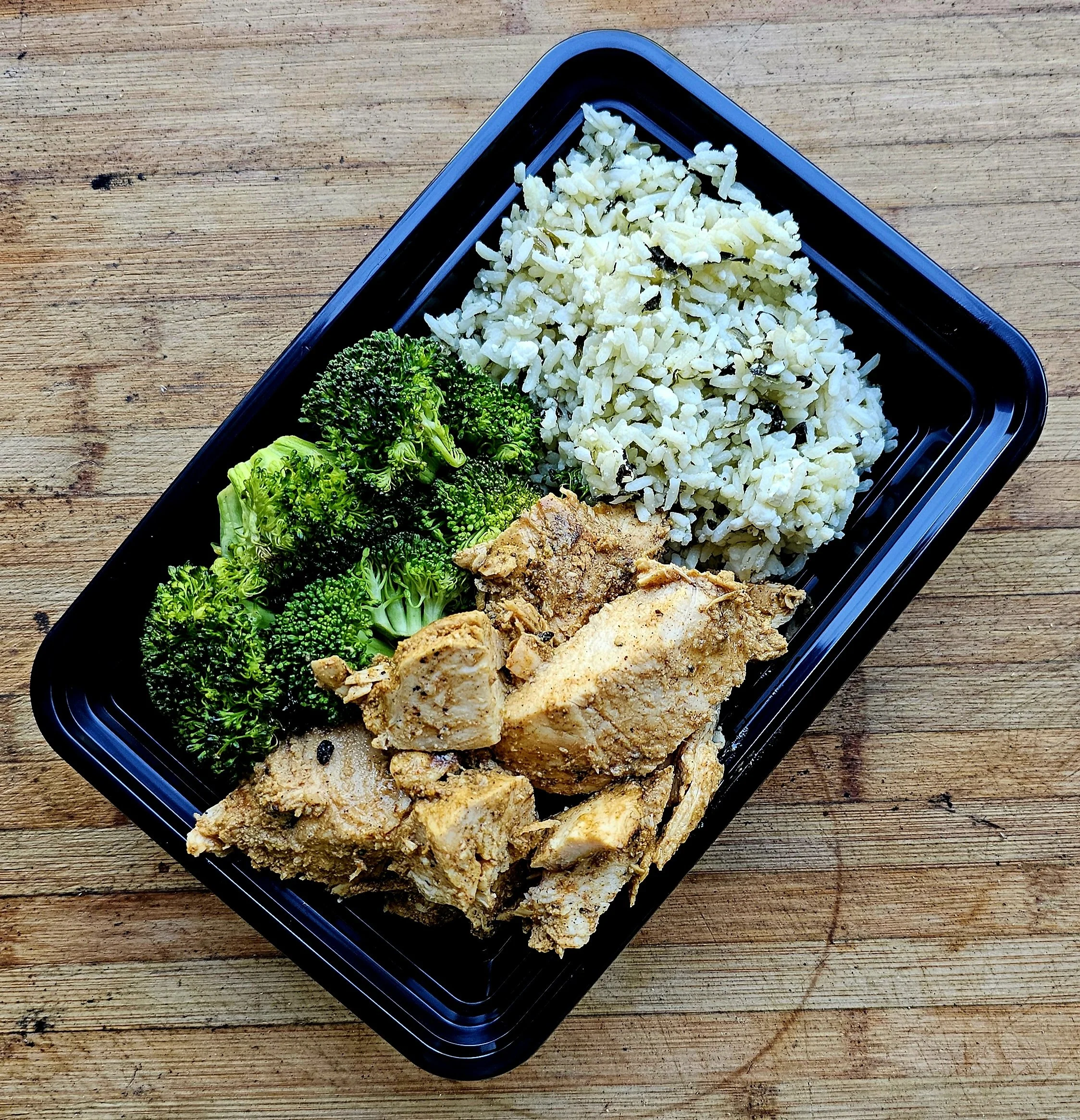
An ordinary chicken, rice and broccoli meal illustrates the combination without proving that this exact menu is necessary. Change the protein source, grain or vegetable to suit your preferences and circumstances. A meal you can buy, prepare and eat repeatedly is often more useful than a supposedly optimized plan that falls apart on busy days. Variety can come from practical substitutions rather than rebuilding the entire menu.
Plan around your actual day. If lunch and dinner already cover your needs, an extra mixed shake may add more energy than you intended. If an evening session leaves little time to cook, a convenient snack or shake may make the plan easier to follow. Evaluate the problem being solved: convenience, appetite, availability, or a measured shortfall. Do not assume that every situation requires a new supplement category.
A simple shopping exercise can help. List three protein foods you enjoy, three carbohydrate foods you can prepare reliably and several fruit or vegetable options. Build a few combinations from that list. Then identify any remaining gap before buying powder. Cost per useful serving, taste and the practicality of carrying or storing a product all belong in the decision, alongside its nutrient content.
Track the whole change and keep claims proportionate
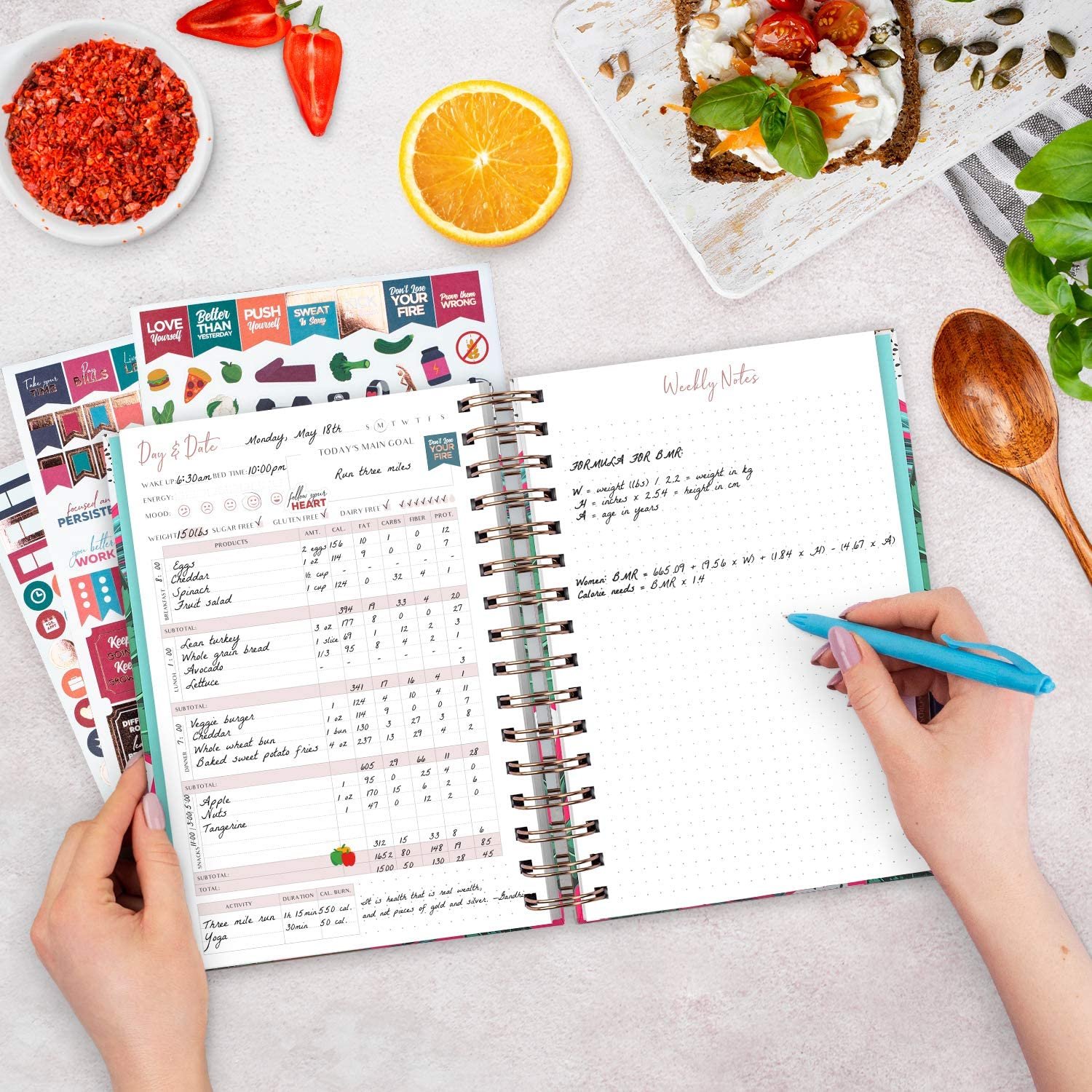
Before changing a formula, write down what you currently eat and how you train. A short food diary can reveal whether the proposed supplement adds protein, carbohydrate, energy or simply another expense. Keep the record honest enough to include drinks and snacks. You do not need perfect precision to notice that a supposedly small addition has become a substantial daily habit.
If you choose to compare products, change as little else as reasonably possible. Record the serving, timing, cost, enjoyment and any practical difficulty. Keep the training log alongside it. Treat the result as a personal observation: without controlled conditions, you cannot confidently attribute a change in body weight or a better workout to a specific carbohydrate structure. That limitation remains even when the experience feels convincing.
Also define what would make the purchase worthwhile. A product that helps you consistently eat enough may be useful even without a unique muscle-building effect. A more expensive formula that complicates your routine needs a stronger reason. Review the decision against the original goal rather than searching for a justification after buying a large tub. Convenience is a valid benefit when it is described accurately.
Finally, individual health conditions and medicines can affect supplement choices; discuss relevant concerns with a qualified healthcare professional. For ordinary shopping, keep the evidence ladder clear: a plausible mechanism, a favorable result on one measure and a reliable practical advantage are different claims. Read the full serving, protect the training routine and choose a food plan you can sustain before paying more for a technical-sounding label.
Choose a review date rather than making an automatic repeat purchase. Check whether the product was used as planned, whether meals became easier to organize and whether the expense still feels justified. A practical improvement should survive an ordinary workweek, not just an enthusiastic first training session.

Funny Gym Shirts & Workout Gear
Funny gym shirts, tanks, hoodies and workout gear for lifters who like training hard.

Protein Shaker Bottle : For Bodybuilding & Powerlifting Hoodie
Bring “Protein Shaker Bottle” gym humor to lazy days and post-workout plans.

Powered By Chicken Broccoli Rice Bro Sweater Meme T-Shirt
Show some gym-day personality with “Powered By Chicken Broccoli Rice”.

Lift Eat Sleep Repeat Meme & Lifting Vest Tank Top
Show some personality between sets with “Lift Eat Sleep Repeat”.

Bro Protein Bodybuilders & Meme Athletic Shirt Tank Top
Bring “Gym Bro Protein” humor to your next lifting session.

Protein Power Cereal Tee
Heavy lifts, good laughs, and a little “Protein Power Cereal” energy.

Weights & Protein Shakes Tee
Bring “Heavy Weights and Protein Shakes” humor to your next gym day.

I'M A Rice-Ist Bodybuilders & Hooded Hoodie
Show off your lifting humor in a laid-back “I'm A Rice-ist” hoodie.

Funny Protein Sniffing Gym | Hilarious Workout Sweater T-Shirt
Add a playful “Protein Sniffing” touch to your casual rotation.

Swole Foods Groceries Meme Whole Foods Parody T-Shirt
Make gym days more fun with “Swole Foods Groceries” style.

Funny Brotein Bar Gym | Protein Bar Meme Muscle Shirt F Tank Top
Your gym-day look, with a playful “Brotein Bar” twist.